

Braga pulses with religious heritage and modern urban energy. This spiritual center of Portugal serves as a perfect starting point for memorable day trips across the northern region.
The city ranks as Portugal’s third largest, yet maintains a peaceful character. Its location provides quick access to fascinating destinations nearby. Travelers can visit the historic Guimarães just 25 kilometers away. The Peneda-Gerês, Portugal’s sole national park, beckons nature lovers. Wine enthusiasts can explore the UNESCO-listed Douro Valley’s terraced vineyards within 120 kilometers.
The region offers medieval towns like Ponte de Lima, the vibrant market town of Barcelos and Viana do Castelo with its coastal allure. Train tickets from Porto start at €6.90, and most attractions lie within a 60-kilometer radius. Northern Portugal’s culture, history and natural beauty await discovery at budget-friendly prices.
Guimarães: The Birthplace of Portugal
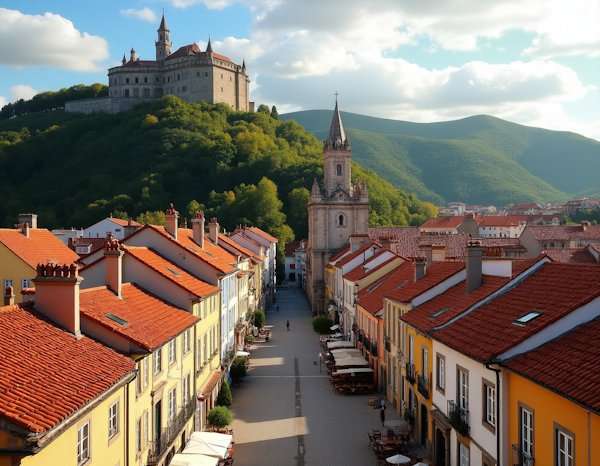
Guimarães, a medieval gem, sits just 15 kilometers east of Braga. People know this picturesque city as “the birthplace of Portugal” or “the cradle city” (Cidade Berço). It ranks among the most important day trips you can take from Braga Portugal.
Historical Significance of Guimarães
The city’s story began in the 9th century, and it became Portugal’s first capital in the 1100s. Two key events shaped Guimarães’s national identity: the birth of Portugal’s first king, Afonso Henriques (King Afonso I), around 1109 and the Battle of São Mamede in 1128 that laid the foundation for Portugal. The ancient city walls proudly declare “Aqui nasceu Portugal” (Portugal was born here). UNESCO recognized the city’s exceptional heritage by naming its historic center a World Heritage Site in 2001.
Top Attractions in Guimarães
The historic center spans 40 acres and showcases beautifully preserved medieval architecture. Key sites you shouldn’t miss include:
- Guimarães Castle – Countess Mumadona Dias built this 10th-century fortress where King Afonso I was born
- Palace of the Dukes of Braganza (Paço dos Duques) – This grand 15th-century palace shows off medieval dining halls and beautiful woodwork
- Igreja de Nossa Senhora da Oliveira – Countess Mumadona founded this stunning 12th-century church
- Largo da Oliveira – Modern-day Guimarães comes alive in this square with its charming cafés
The Teleférico (cable car) takes you to Penha Park where you’ll find amazing views of the surrounding area.
How to Get to Guimarães from Braga
Getting between these cities is easy and budget-friendly:
- Bus: Your quickest option takes 29 minutes and costs €3-5, with busses leaving every 30 minutes from Braga’s Central de Camionagem
- Train: Regular trains run this route, but busses run more often
- Taxi: A 19-minute ride costs €35-45
- Car: You can drive there in 40 minutes on good roads
Where to Eat in Guimarães
The north’s cuisine packs more heartiness than the south. These spots offer great local food:
- Taberna Trovador – This cozy tavern serves excellent petiscos (small plates) like rojões (pork with cumin) and local vinho verde tinto in traditional bowls
- A Cozinha – This Michelin-starred spot brings seasonal Portuguese flavors to life
- Casa Costinhas – Local sweets like Torta de Guimarães made this place famous
Recommended Time in Guimarães
Half a day gives you time to see the palace, castle, walk the historic streets and try local pastries. History buffs might want a full day to explore this birthplace of Portuguese identity. Start your visit mid-morning to make the most of your time in the compact historic center.
Peneda-Gerês National Park: Portugal’s Natural Wonder
Peneda-Gerês National Park sits along the rugged northern border with Spain. This park, Portugal’s only national park, lies just 44 kilometers from Braga and gives visitors an unmatched wilderness experience. Nature lovers will find a sanctuary of granite mountains, ancient forests, and crystal-clear waterways when they plan day trips from Braga Portugal.
Best Hiking Trails in Peneda-Gerês
Old shepherd trails create excellent hiking paths throughout the protected area. The trails come alive with colorful wildflowers during April and May. Popular routes include:
- Cascata do Arado Loop – An intermediate 8-mile trail leads to a stunning waterfall
- Sete Lagoas (Seven Basins) – A 6.2-mile loop features multiple swimming spots
- PR 7 Soajo – A moderate 3.2-mile waterfall loop works great for families
The Homem River Valley stands out with its rare patches of ancient native forest. These forests show glimpses of Portugal’s primeval landscape.
Wildlife Spotting Opportunities
The park’s biodiversity amazes visitors with some of Europe’s rare wolves. Foxes, wild boars, ibex, and deer roam freely here. Otters, fish and amphibians thrive in the park’s many waterways.
Bird watchers can spot 147 different species that call the park home or pass through during migration. The park also houses 15 bat species—all but one of these species face extinction. Semi-wild Garrano ponies and Cachena cows with musical bells graze freely across the landscape.
Swimming in Crystal Clear Lagoons
Summer visitors love swimming in the park’s pristine natural pools. Alqueirão River Beach draws families with its safe waters, white sand, and welcoming atmosphere.
Other great swimming spots include:
- Poço Azul (Blue Lagoon) – A beautiful emerald-green pool you can reach by hiking trails
- Fecha de Barjas – Several pools formed by the Arado River with easy car access
- Cascata de Pincães – The park’s most scenic waterfall
Transportation Options to Peneda-Gerês from Braga
You can reach the park from Braga several ways:
- Bus: Direct busses run five times daily from Braga’s transportation center to São Bento da Porta Aberta. The journey takes about 1 hour 8 minutes and costs €4-6
- Car: The quickest option takes 37 minutes, covers 39 kilometers and uses €6-10 in fuel
- Private transfer: A convenient but costlier choice if you don’t have your own car
Bus tickets are available at Centro Coordenador de Transportes de Braga.
More hidden gems in Portugal.
Porto: A City of Bridges and Port Wine
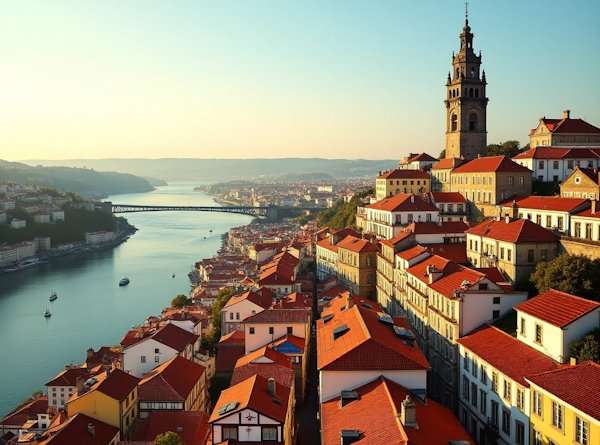
Porto lies 53 kilometers southwest of Braga. This UNESCO World Heritage Site draws visitors with its iconic riverside charm and world-famous port wine. Portugal’s second-largest city provides a striking contrast to Braga’s religious atmosphere. Many travelers find it one of the most rewarding day trips from Braga Portugal.
Porto’s Iconic Attractions
The lively Ribeira district showcases Porto’s postcard-perfect riverside promenade. Visitors can enjoy spectacular views of the city’s famous layered architecture. Livraria Lello, an exquisite neo-Gothic bookshop from 1906, deserves a visit. The baroque Torre dos Clérigos offers panoramic views of the city. The striking Ponte Luis I, a double-deck metal bridge from 1886, spans the Douro River and connects Porto with Vila Nova de Gaia.
Port Wine Cellars Tour
Vila Nova de Gaia houses several historic port wine cellars worth exploring. Sandeman’s guided tours end with port wine tastings that showcase Portugal’s wine heritage. Taylor’s centuries-old cellars feature a modern museum circuit and audio guides in 13 languages. Wine enthusiasts love Niepoort’s intimate cellar tours. Many guests call these tastings a highlight of their Portuguese experience.
Getting from Braga to Porto
| Transport Option | Journey Time | Cost | Frequency |
|---|---|---|---|
| Alfa Pendular Train | 1 hour | From $23-25 | 6 times daily |
| FlixBus | 45-60 minutes | From $3.48 | 25 daily departures |
The high-speed Alfa Pendular express train delivers excellent service with comfortable seats, ample legroom and free WiFi. Budget travelers can choose frequent bus connections running from 5:25 am until 10 pm.
Porto Day Trip Itinerary
Start your morning at Livraria Lello and Torre dos Clérigos. Take a relaxed walk through Cais da Ribeira. The afternoon beckons you across Luis I Bridge to Vila Nova de Gaia’s wine cellars. Most visitors split their time between Porto’s historic sites and Gaia’s wine experiences. A scenic six bridges boat cruise along the Douro River makes a perfect end before catching an evening train back to Braga.
Visit the beaches near Porto.
Barcelos: Home of the Portuguese Rooster
Barcelos, located just 23 kilometers from Braga, has earned worldwide fame thanks to its colorful ceramic rooster. This charming town ranks among the most important cultural destinations you can visit from Braga, Portugal. Visitors can discover the story behind one of Portugal’s beloved national symbols.
The Legend of the Barcelos Rooster
The story of Portugal’s iconic symbol takes us back to medieval times. A Galician pilgrim on his way to Santiago de Compostela faced false accusations of theft. The local judge, who sat enjoying a roasted rooster feast, sentenced him to death despite his innocence. The desperate pilgrim made a bold statement: “As surely as I am innocent, this rooster will crow when they hang me”. The impossible happened – the roasted bird stood up and crowed right before the execution, which led the judge to free the pilgrim. The grateful pilgrim later built a monument to Santiago and the Virgin Mary to commemorate this miraculous event.
Barcelos Thursday Market Experience
The market has run every Thursday since 1412, making it one of Portugal’s oldest and largest open-air markets. Campo da República square becomes a mixture of colors, sounds and smells as vendors sell everything from fresh produce to handmade crafts. The market proudly displays the town’s famous pottery, with the colorful ceramic roosters taking center stage as national symbols. You should arrive early to avoid the summer crowds that gather mid-morning.
Medieval Architecture in Barcelos
Medieval charm lives on through Barcelos’s well-preserved historic buildings. The Torre do Cimo da Vila, built in the 15th century, started as part of the city’s defensive walls before serving as a prison until the 20th century. Visitors can now explore this cultural center and enjoy panoramic views of the historic center. The town’s architectural beauty shines through other landmarks like the 15th-century Dukes of Braganza Palace and the unique Bom Jesus da Cruz Church with its red-tiled octagonal cupola.
Braga to Barcelos Transportation Guide
| Transport Option | Journey Time | Cost | Frequency |
|---|---|---|---|
| Bus | 1 hour 3 min | €3-5 | Hourly |
| Train via Nine | 1 hour 13 min | €3-26 | Regular service |
| Taxi | 17 min | €30-40 | On demand |
| Car | 17 min | €4-6 | Self-drive |
Busses leave every hour from Centro Coordenador de Transportes de Braga, and tickets cost around €3-5. Train connections run throughout the day with a change at Nine station. Taxis provide the quickest option with a 17-minute trip.
When is the best time to visit Portugal?
Viana do Castelo: Coastal Charm and Architecture
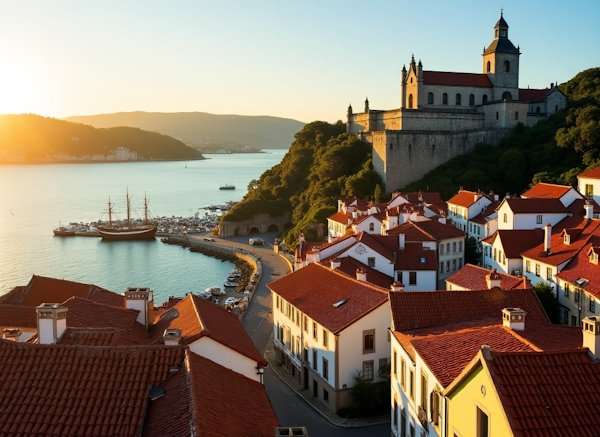
Viana do Castelo stands majestically on the northern Atlantic coast. This architectural gem combines coastal charm with stunning buildings and makes a perfect day trip from Braga Portugal, just 37 kilometers away.
Santa Luzia Basilica and Panoramic Views
The magnificent Santuário de Santa Luzia towers over Viana’s skyline from Monte de Santa Luzia hill. Completed in 1959, this majestic structure draws inspiration from Paris’s Sacré-Coeur while blending neo-Byzantine, Romanesque and Gothic elements. Visitors can enjoy breathtaking 360-degree views of the Lima River valley, city center and Atlantic Ocean from the basilica’s dome. The structure’s two enormous rose windows—the largest in the Iberian Peninsula—bathe the interior in natural light.
Visitors can reach this iconic landmark through several options:
- The historic Santa Luzia Funicular (€2-3 round trip) runs from near the train station
- Direct car access to the summit
- A challenging but rewarding climb up 659 steps
Beaches of Viana do Castelo
Viana’s coastline boasts exceptional beaches perfect for both relaxation and water sports. Praia do Cabedelo lies across the Lima River, showcasing fine white sand nestled between dunes and pine forests. Water sports enthusiasts flock here for excellent surfing and windsurfing conditions. Praia Norte sits closer to the city center and offers a more urban beach experience with easy café access.
Traditional Crafts and Shopping
The city’s shopping scene ranges from artisanal crafts to modern retail experiences. Small specialty shops line the city center’s narrow streets, selling the region’s signature Viana crockery crafted at the local Meadela factory. Modern shoppers will appreciate Estação Viana Shopping Center, which opened in 2003 and houses fashion boutiques, restaurants and a hypermarket.
Travel Options from Braga
| Transport | Duration | Cost | Frequency |
|---|---|---|---|
| Train | 1h 4m | From €4 | 27 daily departures |
| Bus | 1h 40m | €1-9 | 3 times daily |
| Car | 39 min | €11-16 | Self-drive |
| Rideshare | 1h 3m | €3 | 3 times daily |
Trains run frequently between 06:35 and 21:39, providing comfortable transportation. Budget-conscious travelers might prefer ridesharing as the most cost-effective option.
Ponte de Lima: Portugal’s Oldest Village
Ponte de Lima, Portugal’s oldest village, sits peacefully by the Lima River. Located 28 kilometers north of Braga, this charming village lets visitors step back into medieval Portugal. The village ranks among the most historically fascinating day trips from Braga Portugal.
Medieval Bridge and Historic Center
A stunning bridge with 31 elegant arches crossing the Lima River stands as the town’s most iconic landmark. The medieval part, built in 1368, has 14 arches. The Roman section from the 1st century, with its five arches, now stretches over dry ground. Local legend tells how Roman legions refused to cross the river because they thought it was the mythical River Lethe that wiped out memories. General Decimus Junius Brutus led by example and crossed first. He encouraged his troops to follow by calling out their names to prove their memories stayed intact.
Lima River Activities
The county’s remarkable environmental heritage helps create a high quality of life. Visitors can try several outdoor activities:
- Cycling on riverside bicycle tracks
- Horse riding at world-class equestrian facilities
- Water sports on the Lima River
- Golf and tennis at municipal facilities
Vinho Verde Wine Tasting
The village sits in the famous Vinho Verde region and serves as a global reference point for excellent local wines. Wine lovers should visit Quinta da Cuquinha, just 6 kilometers from town. The guided tours let you taste two Vinho Verde wines—Da Cuquinha Loureiro and Carcaveira Velha Vinhão. These wines come paired with local treats like cheese, charcuterie and codfish dishes.
How to Reach Ponte de Lima from Braga
| Transport | Duration | Cost | Frequency |
|---|---|---|---|
| Bus | 30 minutes | From $7.00 | 5 daily busses |
| Car | 30 minutes | – | Self-drive |
Busses run regularly from Braga, with first departures at 12:45 PM and final ones at 10:55 PM. Budget-conscious travelers should book tickets early. Prices start at $7.00. The short 17.2-mile trip makes this destination perfect for a day trip.
Douro Valley: UNESCO Wine Region
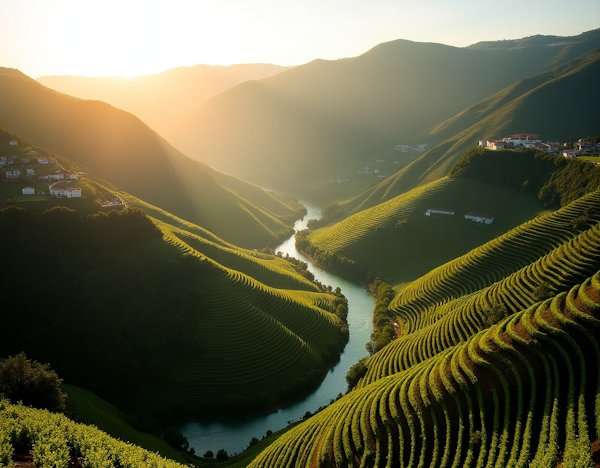
The Douro Valley, a UNESCO World Heritage site, lies approximately 120 kilometers from Braga. This stunning wine region holds the distinction of being the world’s oldest demarcated wine area and provides one of the most rewarding day trips from Braga Portugal.
Scenic River Cruises
Traditional rabelo boats glide along the Douro River’s gentle waters, offering an unmatched viewpoint of the terraced vineyards. These historic vessels once transported port wine barrels but now serve tourists on the river’s calm waters. Cruise durations typically range from 1-2 hours, with Pinhão serving as a popular departure point. Passengers can enjoy panoramic views that roads can’t reach while floating past centuries-old quintas and dramatic landscapes. Cruise tickets start at €13.49.
Vineyard Tours and Wine Tastings
Steep hillsides of the valley showcase numerous quintas (wine estates) that welcome visitors. The experience includes:
- Internationally renowned vineyards that produce both DOC and Port wines
- Traditional wine-making facilities where harvest season still sees grapes crushed by foot (typically September)
- Guided tastings paired with regional cuisine
Wine experiences cost between €12-35 for simple tastings, while detailed tours include lunch. Visitors can sample multiple wine varieties to appreciate the region’s distinctive flavors.
Photography Spots in Douro Valley
Picture-perfect locations dot the valley, with these notable viewpoints:
- São Leonardo da Galafura – Stunning views stretch across the Douro River and Marão Mountains
- Casal de Loivos – Early morning visits help avoid crowds
- Quinta do Tedo – Unique views capture the Tedo River junction
Day Trip Logistics from Braga
| Transport | Duration | Approximate Cost |
|---|---|---|
| Guided Tour | 9-10 hours | From €263 |
| Self-Drive | 1.5 hours one-way | €11-16 fuel |
Tour packages usually include hotel pickups, vineyard visits, wine tastings, a traditional Portuguese lunch and a river cruise. Year-round operations continue, though September’s grape harvest brings special experiences.
Amarante: Riverside Beauty and Sweet Treats
The ancient bridges and unique culinary traditions of Amarante engage visitors along the banks of the Tâmega River. This cultural gem sits just 43 kilometers from Braga Portugal and makes an exceptional day trip destination.
São Gonçalo Bridge and Monastery
The majestic São Gonçalo Bridge gracefully spans the Tâmega River. Its four semicircular balconies and baroque obelisks stand as monuments to the town’s heroic resistance against Napoleonic forces. The town’s namesake saint built the original 50-meter structure, which collapsed in 1763 after heavy rainfall and was later rebuilt. Visitors can enjoy spectacular riverside views from this picturesque crossing that connects directly to the magnificent São Gonçalo Monastery.
King João III founded the Monastery of São Gonçalo in 1543, though construction lasted until 1620. A stunning Renaissance portal crowned by a 30-meter high arcaded gallery showcases 17th-century royal statues. The monastery’s interior features a gilded baroque altar and São Gonçalo’s tomb. Local tradition suggests that single visitors who touch the statue will find a partner within a year—the limestone features worn smooth by countless hopeful touches prove this belief’s popularity.
Traditional Pastries to Try
The town’s distinctive culinary heritage centers on its renowned doces fálicos (phallic-shaped cakes). These suggestive sweets, decorated with white icing or cream filling, trace their origins to pre-Christian fertility rituals. The annual São Gonçalo festival in June celebrates these unique pastries as good-luck charms presented to single women. Local bakeries also create Papos de Anjo (angel’s double chin) and Brisas do Tâmega, delectable treats made from whipped egg yolks and almonds.
Tâmega River Activities
The Tâmega River serves as Amarante’s dynamic heart. Adventure seekers can experience thrilling 3-hour rafting expeditions. The tree-lined riverbank walkways provide perfect spots to capture photographs of colorful buildings reflected in the water. Summer visitors can rent paddle boats and canoes to explore the river.
Getting to Amarante from Braga
| Transport | Duration | Cost | Frequency |
|---|---|---|---|
| Bus | 1 hour | €5-10 | 8 daily departures |
| Train | Not direct | Variable | Connections required |
| Car | 1 hour | Fuel costs | Self-drive option |
Direct bus services run throughout the day from Braga’s Central de Camionagem. Driving yourself offers the freedom to explore nearby attractions at your own pace.
Aveiro: The Venice of Portugal
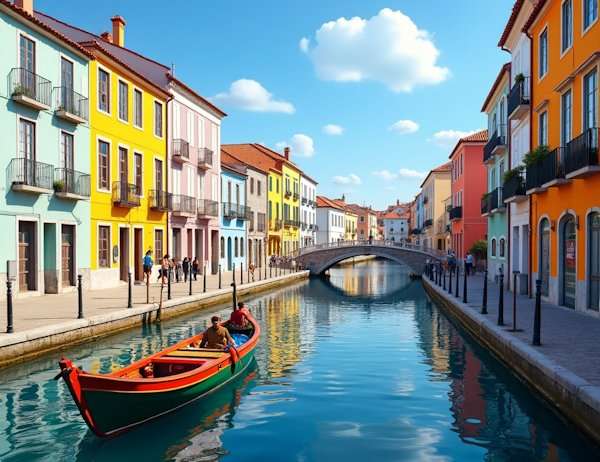
Aveiro, known as “The Venice of Portugal,” welcomes visitors with its stunning network of canals and vibrant buildings approximately 102 km from Braga. This coastal treasure stands out among other day trips from Braga Portugal because of its rich maritime heritage and artistic legacy.
Canal Cruise on Moliceiros
Moliceiro boat tours through Aveiro’s four main canals form the heart of any visit: Central Canal, Côjo Canal, Pyramids Canal and São Roque Canal. These eye-catching, gondola-style boats were once workhorses that collected seaweed (moliço) for farming. Today’s 45-minute guided cruises share stories in multiple languages about the city’s architecture and salt-making past. Tourists can hop aboard at Jardim do Rossio, with tickets ranging from €13-15.
Art Nouveau Architecture Tour
The city showcases 28 registered Art Nouveau buildings that emerged between 1904 and 1920. Wealthy Brazilian emigrants brought this style home to show their newfound success. Notable examples include:
- Casa do Major Pessoa (1909) – This canal-side building now houses the Art Nouveau Museum and features stunning carved stonework
- Former Cooperativa Agrícola – Local artist Licínio Pinto created its signature hand-painted lily tiles at the Fonte Nova Factory in 1913
The city’s Art Nouveau style appears mostly on building fronts, while traditional designs remain inside.
Costa Nova’s Colorful Houses
Costa Nova, a short trip from central Aveiro, draws visitors with its iconic striped houses called “palheiros”. These wooden structures started as simple fishermen’s storage huts but now sport bright vertical stripes in red, green, blue and yellow. These patterns helped fishermen spot their homes in foggy weather and, local stories say, guided them home after a night of drinking.
Transportation from Braga to Aveiro
| Transport | Duration | Cost | Frequency |
|---|---|---|---|
| Train | 1h 17m | From €3 | 19 daily services (00:35-23:37) |
| Bus | 1h 40m | €3-9 | 12 daily departures |
Busses leave from Braga’s Central de Camionagem and arrive at Aveiro’s Terminal Rodoviário, which sits 1.2 miles from downtown.
Lamego: Sanctuary and Wine Heritage
Lamego stands as a beacon of baroque splendor and sparkling wine excellence in the Douro Valley wine region. This culturally sophisticated destination lies about 87 miles from Braga Portugal, making it perfect for a day trip.
Nossa Senhora dos Remédios Sanctuary
The Sanctuary of Nossa Senhora dos Remédios crowns the Santo Estêvão hill majestically. This magnificent structure’s story began in 1750 and continued until 1905, when it replaced a 14th-century ermida that honored Santo Estêvão. The sanctuary showcases a stunning baroque and rococo façade with intricate details. The main altar houses a wooden image of Our Lady of Remedies, while beautiful stained glass windows tell religious stories through their vibrant scenes.
The sanctuary’s true marvel lies in its monumental 686-step staircase that climbs the hillside gracefully. Several levels showcase sculptures, fountains and obelisks. The “Pátio dos Reis” (Courtyard of Kings) features a spectacular Fountain of Giants that reaches 22 meters skyward. Santo Estêvão Park surrounds this architectural wonder, offering quiet spots and mysterious caves for visitors to explore.
Lamego’s Historic Center
Lamego’s charm extends through its rich architectural heritage. Religious significance shaped the city’s development, which shows in its churches and cultural landmarks. Baroque influences grace the elegant buildings that dot the terraced slopes of the Douro Valley.
Sparkling Wine Tasting
The city has earned its reputation as a prime destination for sparkling wine lovers. Visitors can explore the Sparkling Wine Route with stops at renowned producers like Murganheira and Raposeira. These producers age their bottles to perfection in underground cellars. Quinta Da Portela welcomes guests with tastings that pair regional wines with local delicacies. Presunteca adds to the experience by serving fine cheeses and smoked meats alongside sparkling wine.
Travel Tips for Visiting from Braga
| Transport | Duration | Cost | Notes |
|---|---|---|---|
| Bus | 2h 15m-3h 40m | €21-22 | Most convenient option |
| Train | 4h 34m | €8-50 | Change at Ermesinde and Regua |
| Car | 1h 25m | €25-40 | Most flexible option |
Busses run from Terminal Rodoviário de Braga to Central de Camionagem Lamego regularly. Spring brings mild weather and blooming landscapes, while autumn lets visitors experience the excitement of grape harvest.
Chaves: Thermal Springs and Roman Heritage
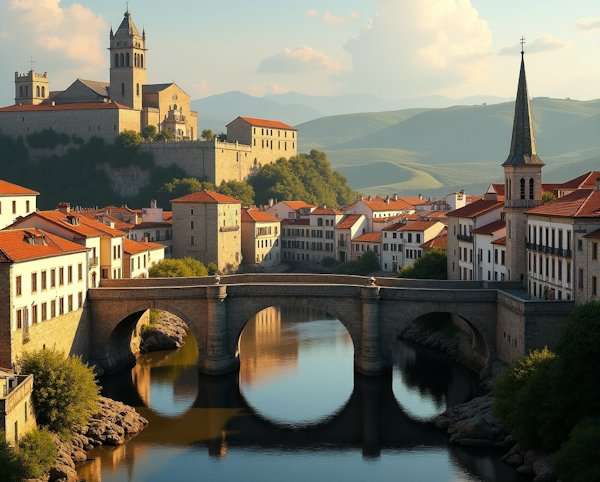
Located 80 miles northeast of Braga, Portugal, Chaves beckons visitors with its Roman-era heritage, ancient bridge and therapeutic hot springs. This historic town offers one of the richest day trips from Braga.
Roman Bridge of Trajan
The magnificent Ponte Trajano stands as Chaves’s crown jewel among Roman monuments. Emperor Trajan oversaw its construction in the early 2nd century. This remarkable structure stretches 140 meters across the Tâmega River with 16 visible granite arches. The bridge originally had 18 arches, but centuries of changes left it with 12.
The bridge still features two ancient columns with Latin inscriptions. The first column, Padrão dos Povos, dates back to 79 AD and pays tribute to emperors Vespasian and Titus. A shorter inscription on the second column indicates local residents built the bridge. Today, pedestrians can stroll across this historic structure between beautifully landscaped riverbanks.
Thermal Spa Experiences
The Romans called this place Aquae Flaviae because of its hot springs. These natural thermal waters reach 76°C and possess remarkable healing properties. Termas de Chaves runs wellness programs throughout 2025. The therapeutic season splits between peak times (July 15-October 15) and off-peak periods (remaining months).
Guests can experience these ancient thermal waters through various treatments. The spa offers massages, therapeutic showers and peaceful saunas. Specialized skin treatments using thermal water-infused products add to the spa’s appeal.
Regional Gastronomy in Chaves
The Pastel de Chaves leads the town’s culinary scene with its delicate pastry filled with local veal. Local specialties include:
- Smoked meats (fumeiro) in creamy Arroz de Fumeiro
- Traditional Folar de Chaves and regional ham
- Rye bread from wood-fired ovens
Food lovers should time their visits with February’s Smoked Meat Festival or the Feira dos Santos in late October/early November.
Day Trip Planning from Braga
| Transport | Duration | Cost | Frequency |
|---|---|---|---|
| Bus | 2h 25m | $14-20 | 4 times weekly |
| Car | 1h 20m | Fuel costs | Self-drive |
FlixBus services run from Centro Coordenador de Transportes de Braga with tickets around $16-17. Driving provides more flexibility and takes about 80 miles each way.
The round trip takes roughly 3 hours 40 minutes total, leaving plenty of time to see Chaves’s Roman sites and thermal attractions.
Coimbra: Portugal’s Historic University City
Coimbra, home to Portugal’s oldest university, captivates visitors with its scholarly splendor and rich culture. Located 171 kilometers from Braga, this city ranks among the most enriching day trips from Braga Portugal.
University of Coimbra Tour
The University of Coimbra, founded in 1290 and moved permanently to Coimbra in 1537, sits on the site of Portugal’s original royal residence. The Palace of Schools houses the Great Hall of Acts where pivotal moments in history took place, including King John I’s proclamation in 1385. The stunning Baroque Library (Biblioteca Joanina), completed in 1728, lets visitors find three spectacular halls that house nearly 60,000 volumes dating from the 15th-18th centuries. Two bat colonies have called this library home for about 250 years. They serve as natural pest control, while leather “towels” protect the tables from droppings each night. The building acts as a vault with 2.11-meter-thick exterior walls that protect its rare books.
Fado Music in Coimbra
Coimbra Fado stands apart from its Lisbon counterpart. Male singers, typically university students dressed in black academic capes, perform this unique style. The tradition stems from student serenades dating back to the 16th century and uses a distinctive Portuguese guitar larger than its Lisbon counterpart. Several venues showcase this musical heritage:
- À Capella: Daily shows start at 9:30pm in a 14th-century chapel, with drinks and tapas served from 7pm
- Fado ao Centro: This cultural center presents one-hour concerts beginning at 6pm
- Café Santa Cruz: A converted chapel offers free performances at 6pm and 10pm
Literary Spots and Libraries
The Joanina Library ranks among Europe’s finest baroque libraries. Three connected halls make up the Noble Floor, where painted shelves stand against different colored backgrounds – black in the first room, red in the second and green in the third. The Middle Floor below, which once housed prison guards and stored books, became part of the tourist route in November 2010.
Making the Most of a Day Trip from Braga
| Transport | Duration | Cost |
|---|---|---|
| Train | 1h 17m | From €3 |
| Car | 1h 50m | Fuel costs |
The journey takes almost two hours each way. Early morning departure will give you enough time to explore the university and catch evening fado performances. Most tourists focus on the University Palace complex. Remember to book tickets ahead for the Joanina Library’s timed entry slots.
Tui and Northern Spain: Cross-Border Adventure
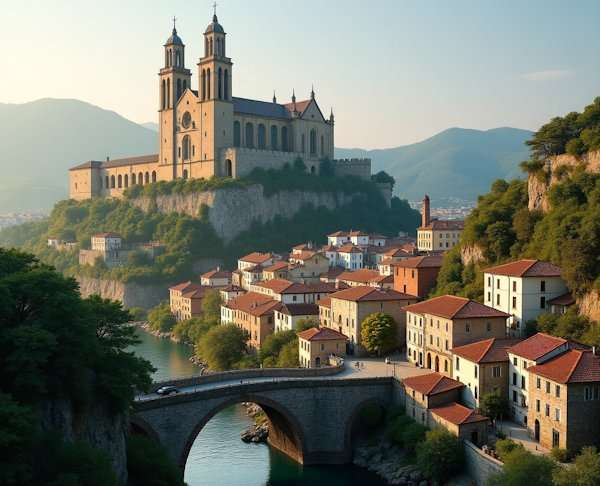
Tui and Northern Spain stand out from other day trips from Braga Portugal. Just 68 miles away, travelers can experience Spanish culture across the border. This charming Galician town sits by the Minho River and gives visitors a wonderful taste of Spain’s northwestern region.
Tui Cathedral and Medieval Streets
The magnificent Tui Cathedral towers over the town with its fortress-like structure and distinctive crenelated towers. Construction started in 1120 and the cathedral was consecrated in 1225 during Alfonso IX’s reign. The building showcases a beautiful blend of Romanesque foundations and Gothic elements. You can still see traces of original painting in the portico of the main entrance. Visitors can walk through the Gothic cloister, climb to the roof to see stunning views of Portugal across the river and marvel at the massive façade with its pristine porch.
The historic center around the cathedral ranks among Galicia’s best-preserved medieval urban sites. A maze of narrow porticoed streets winds its way toward the Miño River. The 17th-century San Telmo Chapel deserves special attention as Galicia’s only example of Baroque-Portuguese architecture. The remaining 12th-century defensive walls also tell fascinating stories of the past.
Spanish Cuisine Experience
The Atlantic’s proximity brings abundant seafood and fish to Tui’s local cuisine. Local delicacies you shouldn’t miss include:
- Angulas (baby eels) – cooked with mollo spice, oil, and thin garlic slices
- Regional wines like Albariño with D.O. Rías Baixas designation
- Octopus specialties and almond “pececitos” (little fish) made by local nuns
Tapería Remesal serves excellent tapas in a peaceful setting – their mushroom scramble stands out. La de Manu has earned its reputation through exceptional ingredients and beautiful presentation.
Shopping for Spanish Products
Tui’s specialty shops let visitors take home unique Spanish products. The town center features boutique gift shops filled with regional crafts and souvenirs.
Border Crossing Information from Braga
The Minho River marks the Portuguese-Spanish border between Valença and Tui, with no regular border checks. You can reach Tui by:
| Transport | Duration | Cost | Notes |
|---|---|---|---|
| Train | 3h 8m | €6-40 | Via Nine to Valença |
| Bus + Line 4 | 3h 29m | €13-28 | Via Vigo |
| Car | 48 min | €14-21 | Most convenient option |
Remember that Tui runs one hour ahead of Braga. The drive covers 49 miles and takes about 48 minutes.
Comparison Table
| Destination | Distance from Braga | Main Attractions | Transportation Options | Travel Time | Notable Features/Specialties |
|---|---|---|---|---|---|
| Guimarães | 15 km | Guimarães Castle, Palace of Dukes, Historic Center | Bus, Train, Taxi, Car | 29-40 min | UNESCO World Heritage Site, Birthplace of Portugal |
| Peneda-Gerês | 44 km | Hiking Trails, Natural Pools, Wildlife | Bus, Car, Private Transfer | 37-68 min | Portugal’s Only National Park, Rare Wildlife |
| Porto | 53 km | Ribeira District, Port Wine Cellars, Luis I Bridge | Train, FlixBus | 45-60 min | Port Wine, UNESCO Heritage Site |
| Barcelos | 23 km | Thursday Market, Medieval Architecture, Ceramic Rooster | Bus, Train, Taxi, Car | 17-73 min | Famous Portuguese Rooster Legend |
| Viana do Castelo | 37 km | Santa Luzia Basilica, Beaches, Traditional Crafts | Train, Bus, Car, Rideshare | 39-100 min | Neo-Byzantine Architecture, Water Sports |
| Ponte de Lima | 28 km | Medieval Bridge, Lima River, Historic Center | Bus, Car | 30 min | Portugal’s Oldest Village, Vinho Verde Wine |
| Douro Valley | 120 km | Vineyards, River Cruises, Wine Estates | Guided Tour, Self-Drive | 90 min | UNESCO Wine Region, Port Wine Production |
| Amarante | 43 km | São Gonçalo Bridge, Monastery, River Activities | Bus, Car | 60 min | Traditional Pastries, Religious Heritage |
| Aveiro | 102 km | Canals, Art Nouveau Buildings, Costa Nova Houses | Train, Bus | 77-100 min | “Venice of Portugal”, Moliceiro Boats |
| Lamego | 140 km | Nossa Senhora dos Remédios Sanctuary, Historic Center | Bus, Train, Car | 85-220 min | Sparkling Wine Production, Baroque Architecture |
| Chaves | 129 km | Roman Bridge, Thermal Springs, Historic Center | Bus, Car | 80-145 min | Thermal Waters, Roman Heritage |
| Coimbra | 171 km | University, Joanina Library, Fado Houses | Train, Car | 77-110 min | Portugal’s Oldest University, Unique Fado Style |
| Tui (Spain) | 109 km | Cathedral, Medieval Streets, Spanish Cuisine | Train, Bus, Car | 48-189 min | Cross-Border Experience, Galician Culture |
Enjoy Your Day Trips From Porto
Northern Portugal presents an array of experiences through day trips from Braga. Medieval towns such as Guimarães tell Portugal’s birth story. The natural beauty of Peneda-Gerês National Park beckons visitors. Porto and the Douro Valley, both UNESCO sites, provide world-class wine experiences amid breathtaking landscapes.
Getting around is easy thanks to the region’s transportation network. Most places are just 90 minutes away. Busses and trains serve budget travelers well, while car rentals let you direct your own adventure on the region’s quality roads.
Every stop has something special to offer. Aveiro dazzles with its Art Nouveau architecture. Chaves welcomes visitors to its thermal springs. A quick trip to Tui lets you sample Spanish dishes across the border. You’ll find fascinating stories, local delicacies and memories that last a lifetime.
The region’s ancient monasteries, bustling markets, traditional crafts and natural wonders paint a picture of Northern Portugal’s heritage. Braga serves as an ideal base for travelers to explore centuries of history, rich culture and natural splendor that surrounds this historic city.
FAQs
Q1. What are some popular day trips from Braga?
Some popular day trips from Braga include visiting Guimarães (the birthplace of Portugal), exploring Peneda-Gerês National Park, touring Porto and its famous port wine cellars, experiencing the traditional market in Barcelos and enjoying the coastal charm of Viana do Castelo.
Q2. How far is Porto from Braga and what’s the best way to get there?
Porto is about 53 kilometers from Braga. The best ways to get there are by train (Alfa Pendular, taking about 1 hour) or by FlixBus (45-60 minutes). Both options are affordable and convenient, with multiple departures throughout the day.
Q3. Can I visit the Douro Valley as a day trip from Braga?
Yes, you can visit the Douro Valley as a day trip from Braga. It’s about 120 kilometers away and can be reached by guided tour or self-drive in about 90 minutes. The valley offers scenic river cruises, vineyard tours, and wine tastings in the world’s oldest demarcated wine region.
Q4. What unique experiences can I have in Amarante?
In Amarante, you can explore the iconic São Gonçalo Bridge and Monastery, try unique local pastries including the famous “doces fálicos” and enjoy activities along the Tâmega River. The town is known for its religious heritage and traditional sweets.
Q5. Is it possible to visit Spain on a day trip from Braga?
Yes, it’s possible to visit Spain on a day trip from Braga. The Spanish town of Tui is about 109 kilometers away and can be reached by car in about 48 minutes. In Tui, you can explore the cathedral, medieval streets, and experience Spanish cuisine and culture.







Leave A Comment