

The vibrant energy of a Mardi Gras parade on St. Charles Avenue
The History and Origins of Mardi Gras New Orleans
Mardi Gras (French for “Fat Tuesday”) represents the culmination of the Carnival season, falling on the day before Ash Wednesday. While the holiday is celebrated worldwide, New Orleans has transformed it into a unique cultural phenomenon that defines the city’s identity.
From French Roots to American Celebration
The first recorded Mardi Gras celebration in Louisiana took place in 1699 when French explorers Pierre Le Moyne d’Iberville and Jean-Baptiste Le Moyne de Bienville landed near present-day New Orleans. They named their landing spot “Point du Mardi Gras” in honor of the holiday being celebrated in France that day.
The tradition evolved over centuries, with formal parades beginning in New Orleans in 1857 when the Mistick Krewe of Comus organized the first structured procession. The tradition of masked balls and street celebrations had existed for decades prior, but Comus brought a new level of organization and spectacle to the festivities.
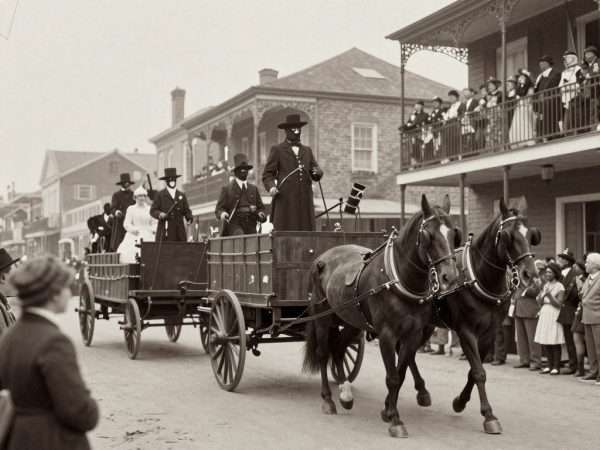
Early Mardi Gras celebrations in New Orleans featured horse-drawn floats and elaborate costumes
The Birth of Mardi Gras Traditions
In 1872, the Rex Organization was founded, introducing the official Mardi Gras colors of purple (justice), green (faith), and gold (power). Rex also established the tradition of a “King of Carnival” who would preside over the festivities. That same year, the tradition of throwing trinkets to parade spectators began, evolving into the bead-tossing we know today.
The Zulu Social Aid and Pleasure Club, founded in 1909, became the first predominantly African American krewe to participate in the main Mardi Gras celebrations. Their iconic coconut throws remain among the most prized Mardi Gras souvenirs.
Experience Mardi Gras History Year-Round
Can’t make it for the main event? Visit the Mardi Gras Museum of Costumes and Culture to see elaborate costumes and learn about the festival’s rich history any time of year.
When and Where: Mardi Gras New Orleans Essentials
Understanding the timing and geography of Mardi Gras is essential for planning your visit to this spectacular celebration.
The Mardi Gras Calendar
While many associate Mardi Gras with a single day, it’s actually a season that begins on January 6th (Twelfth Night or the Feast of the Epiphany) and culminates on Fat Tuesday, the day before Ash Wednesday. The date of Mardi Gras changes each year, as it’s tied to Easter’s date on the liturgical calendar.
| Year | Mardi Gras Date | Season Start (Twelfth Night) | Major Parade Period |
| 2025 | March 4 | January 6 | February 21 – March 4 |
| 2026 | February 17 | January 6 | February 6 – 17 |
| 2027 | February 9 | January 6 | January 29 – February 9 |
While parades and events occur throughout the Carnival season, the most spectacular celebrations happen in the final two weeks leading up to Fat Tuesday. The weekend before Mardi Gras features the largest “super krewes” with their elaborate parades and celebrity guests.
Parade Routes and Viewing Areas
Most major Mardi Gras parades follow routes along St. Charles Avenue, starting in the Uptown neighborhood and proceeding downtown toward Canal Street. The French Quarter, contrary to popular belief, hosts relatively few parades due to its narrow streets, though it remains the center of other festivities.

Best Viewing Spots for Families
- St. Charles Avenue between Napoleon and Louisiana Avenues (Uptown)
- Audubon Park area
- Garden District section of St. Charles
- Family-friendly viewing stands near Gallier Hall
Best Spots for Adult Revelers
- Canal Street near the French Quarter
- St. Charles Avenue near Lee Circle
- Bourbon Street (for street celebrations, not parades)
- Frenchmen Street (for local music and atmosphere)
Find Your Perfect Mardi Gras Accommodation
Book early to secure lodging along parade routes! Hotels with balconies on St. Charles Avenue or near Canal Street offer prime viewing opportunities.
Krewes and Parades: The Heart of Mardi Gras New Orleans
The social organizations known as “krewes” form the backbone of Mardi Gras, organizing the spectacular parades and balls that define the celebration.
Understanding Mardi Gras Krewes
Krewes are private social clubs responsible for creating and funding the parades and balls of Mardi Gras. Each krewe has its own unique history, traditions, and membership requirements. Some date back to the 19th century, while others were formed in recent decades. Krewes select annual themes for their parades, design floats, and create throws (items tossed to crowds) that reflect their identity.
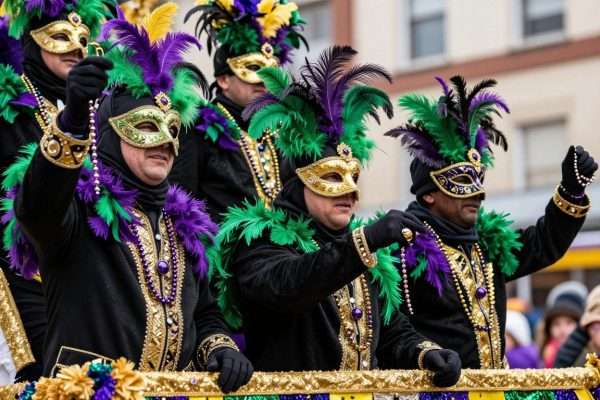
Krewe members in elaborate costumes toss beads from their parade float
Major Krewes and Their Parades
| Krewe | Founded | Parade Day | Known For |
| Rex | 1872 | Mardi Gras Day | Official “King of Carnival”; traditional doubloon throws |
| Zulu | 1909 | Mardi Gras Day | Decorated coconut throws; African American heritage |
| Bacchus | 1968 | Sunday before Mardi Gras | Celebrity monarchs; massive floats; “super krewe” status |
| Endymion | 1967 | Saturday before Mardi Gras | Largest parade; elaborate floats; Superdome Extravaganza |
| Muses | 2000 | Thursday before Mardi Gras | All-female krewe; decorated shoe throws |
| Orpheus | 1993 | Lundi Gras (Monday) | Co-founded by Harry Connick Jr.; music-themed |
The Super Krewes: Spectacle on a Grand Scale
Beginning in the late 1960s, a new breed of krewe emerged – the “super krewes.” Bacchus (1968) and Endymion (1967) revolutionized Mardi Gras with massive floats, celebrity monarchs, and spectacular parades that drew even larger crowds. These super krewes continue to push the boundaries of parade spectacle, with Endymion’s floats stretching over 300 feet long and carrying hundreds of riders.
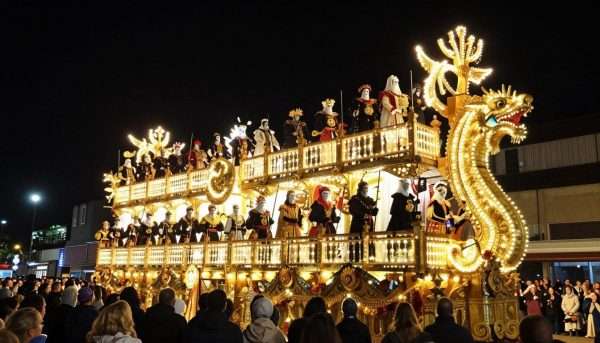
Unique and Alternative Parades
Beyond the major krewes, Mardi Gras New Orleans features a variety of unique, smaller parades that showcase the city’s creative spirit:
- Krewe du Vieux – Known for adult-themed satire and mule-drawn floats in the Marigny
- ‘tit Rex – Miniature shoebox floats paraded through the streets
- Chewbacchus – Sci-fi themed walking parade with handmade contraptions
- Barkus – Dog parade featuring costumed canines in the French Quarter
- Red Beans – Costumes decorated entirely with beans and rice
Get the Complete 2026 Parade Schedule
Plan your Mardi Gras experience with the official parade schedule. Never miss your favorite krewes!
Traditions and Customs: The Cultural Heart of Mardi Gras New Orleans
Mardi Gras is rich with unique traditions that have evolved over centuries, creating a tapestry of cultural practices that define the celebration.
Throws: The Treasures of Mardi Gras
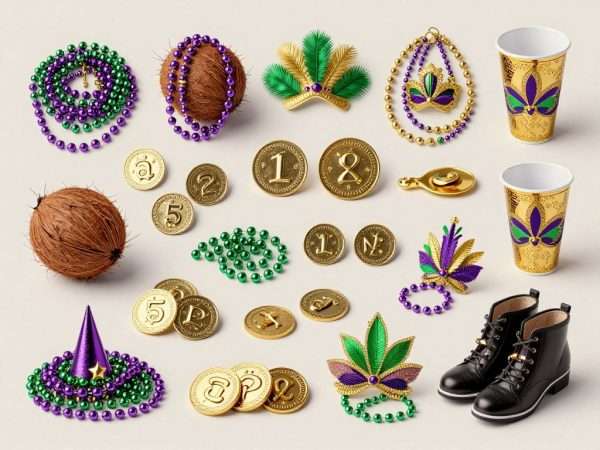
“Throws” are items tossed from floats to parade spectators, and collecting them is a beloved Mardi Gras tradition. While plastic beads are the most common throws, many krewes have signature items that are highly sought after by parade-goers.
Classic Throws
- Plastic bead necklaces
- Doubloons (aluminum coins)
- Plastic cups with krewe logos
- Stuffed toys and trinkets
Signature Krewe Throws
- Zulu coconuts (hand-decorated)
- Muses shoes (decorated high heels)
- Nyx purses (bedazzled handbags)
- Tucks toilet brushes (decorated)
Throw Etiquette
- Never reach into a float for throws
- Don’t fight over dropped items
- Say “Throw me something, mister!”
- Bring bags to carry your haul
Masking and Costuming
Masks and costumes are integral to Mardi Gras traditions. Float riders are legally required to wear masks, continuing a tradition that dates back to the earliest celebrations when masking allowed people to escape societal constraints and mingle across social boundaries.
For visitors and locals alike, Fat Tuesday is the pinnacle of costuming, with elaborate outfits filling the streets. While costumes aren’t required for spectators, wearing purple, green, and gold helps embrace the spirit of the celebration.
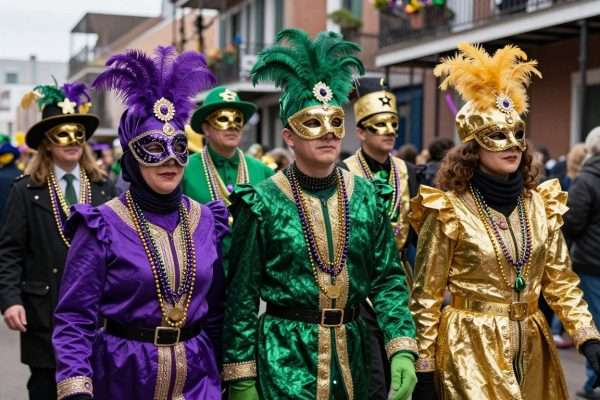
Costumed revelers celebrate Mardi Gras in the French Quarter
King Cake: The Sweet Tradition
King cake is the official dessert of Mardi Gras season – a sweet, ring-shaped pastry decorated with purple, green, and gold sugar. Traditionally, a small plastic baby is hidden inside the cake, and whoever finds it in their slice is responsible for buying the next king cake or hosting the next party.
Available only during Carnival season (January 6 through Fat Tuesday), king cakes come in countless varieties, from traditional cinnamon-filled to elaborate creations with cream cheese, fruit fillings, or praline toppings.
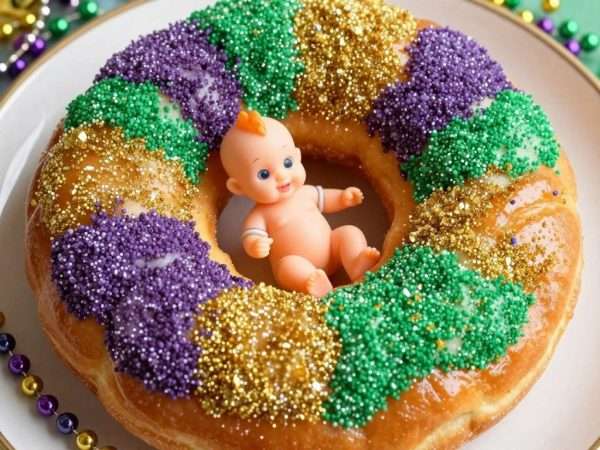
Traditional king cake with the signature purple, green, and gold decoration
Taste Authentic King Cake
Can’t wait for your visit? Many New Orleans bakeries ship king cakes nationwide during Carnival season.
Cultural Significance: Beyond the Beads
While the parades and parties capture attention, Mardi Gras New Orleans has deeper cultural significance that reflects the city’s unique heritage.
Black Masking Indians
One of the most significant and visually stunning Mardi Gras traditions is the Black Masking Indians (also called Mardi Gras Indians). These groups of African American community members create elaborate hand-sewn costumes inspired by Native American ceremonial attire, honoring the historical alliance between escaped slaves and indigenous peoples.
Tribes like the Wild Magnolias, Yellow Pocahontas, and Wild Tchoupitoulas emerge on Mardi Gras morning and Super Sunday (the Sunday closest to St. Joseph’s Day in March). Their appearances aren’t announced on official schedules – finding them requires local knowledge or luck.
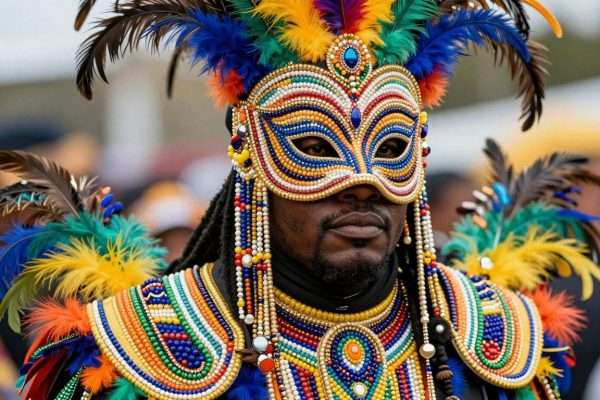
A Black Masking Indian showcases an elaborate hand-sewn suit representing hundreds of hours of craftsmanship
Social Aid and Pleasure Clubs
Many Mardi Gras traditions have roots in the Social Aid and Pleasure Clubs that formed in African American communities in the 19th century. These organizations provided insurance, burial assistance, and social support when such services were denied to Black residents.
The Zulu Social Aid and Pleasure Club, founded in 1909, is the most famous example, having transformed from a community support organization into one of Mardi Gras’ most beloved krewes while maintaining its community service mission.
Music and Second Lines
Music is inseparable from Mardi Gras celebrations, with brass bands accompanying parades and spontaneous second lines forming throughout the season. A second line is a traditional parade where the “first line” consists of the main parade with musicians, while the “second line” comprises revelers who follow along, dancing and celebrating.
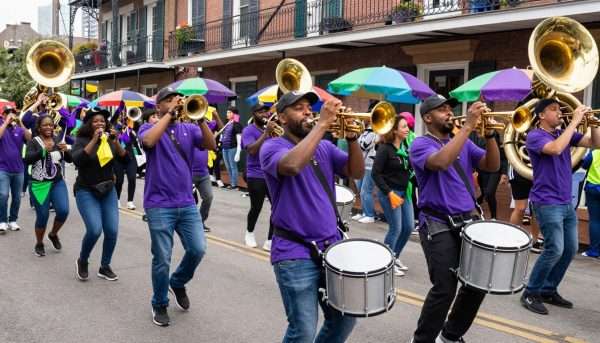
A brass band leads a second line through the streets during Mardi Gras
Discover the Cultural Side of Mardi Gras
Experience the authentic cultural traditions of Mardi Gras with a guided tour that goes beyond the main parades.
Essential Planning Tips for Mardi Gras New Orleans
Attending Mardi Gras requires some strategic planning to ensure you have the best possible experience. Here are essential tips for first-time visitors.
When to Arrive and Depart
The ideal Mardi Gras experience spans at least 5-7 days, allowing you to enjoy multiple parades and events. For a comprehensive experience, arrive the Wednesday or Thursday before Mardi Gras and stay through Ash Wednesday (when the city begins to quiet down).
If you have limited time, focus on the weekend before Mardi Gras through Fat Tuesday itself for the most spectacular parades and events.
Pro Tip: In 2026, Mardi Gras falls on February 17, coinciding with Presidents’ Day weekend. This makes it an ideal year for visitors who can take advantage of the long weekend.
Where to Stay
Location is crucial for your Mardi Gras accommodations. Consider these options based on your priorities:
Parade Route Access
- St. Charles Avenue hotels
- Garden District B&Bs
- Uptown rentals
- Canal Street hotels
Nightlife Focus
- French Quarter hotels
- CBD accommodations
- Marigny/Bywater rentals
- Warehouse District hotels
Family-Friendly Options
- Uptown rentals
- Garden District B&Bs
- Quieter areas of Mid-City
- Hotels with parade viewing stands
Important: Book accommodations 6-12 months in advance for the best selection and rates. Mardi Gras is New Orleans’ busiest season, and prime locations sell out quickly.
Transportation Tips
Getting around during Mardi Gras presents unique challenges as parades close major streets and traffic becomes congested.
- Avoid driving: Parking is extremely limited and streets close for parades
- Use public transportation: Streetcars and buses operate on modified schedules
- Consider walking: The most reliable way to get around, especially near parade routes
- Bike rentals: Blue Bikes offer flexible transportation between neighborhoods
- Rideshares: Available but expect surge pricing and limited access near parades
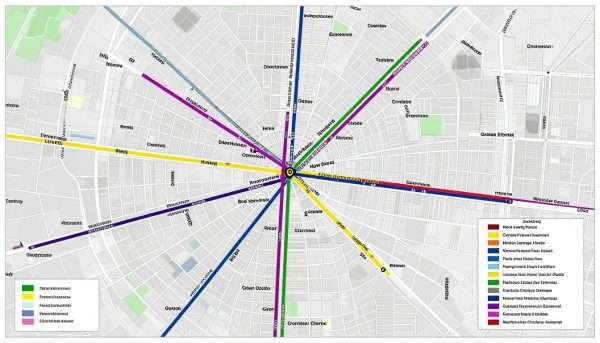
Transportation map showing parade routes, street closures, and public transit options
What to Pack
New Orleans weather in February can be unpredictable, ranging from warm and humid to cool and rainy. Pack layers and be prepared for any conditions.
Essentials
- Comfortable walking shoes (you’ll walk miles)
- Weather-appropriate layers
- Rain poncho (umbrellas are difficult in crowds)
- Small backpack or cross-body bag
- Portable phone charger
Nice-to-Haves
- Purple, green, and gold accessories
- Simple costume elements for Fat Tuesday
- Collapsible cooler for parade snacks
- Portable chair for parade waiting
- Hand sanitizer and wet wipes
Secure Your Mardi Gras Experience Now
The best accommodations for Mardi Gras 2026 are already booking up! Don’t miss your chance to stay in prime parade-viewing locations.
Insider Tips for an Authentic Mardi Gras Experience
To experience Mardi Gras like a local, follow these insider tips that will help you navigate the celebration with confidence.
Parade Watching Strategies
Watching parades is an art form in New Orleans, with locals having developed strategies over generations to maximize the experience.
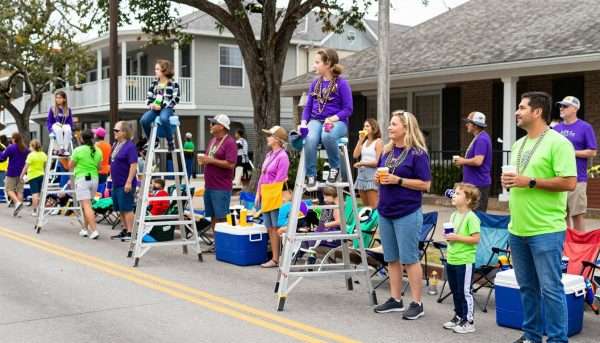
Families with traditional ladder seats enjoy prime parade viewing on St. Charles Avenue
- Arrive early: 1-2 hours before major parades to secure a good spot
- Bring supplies: Chairs, coolers, snacks, and drinks for the wait
- Ladder seats: A local tradition for children (must be placed 6 feet back from curb)
- Neutral ground vs. sidewalk: Locals debate which side offers better throws
- Multiple viewing spots: See the same parade in different neighborhoods for varied experiences
“You haven’t really experienced Mardi Gras until you’ve seen the same parade twice – once Uptown for the family atmosphere and again downtown for the energy and spectacle.”
Bathroom Strategy (The Unspoken Essential)
One of the biggest challenges during Mardi Gras is finding restroom access during long parade days. Plan ahead with these options:
- Hotels and restaurants (if you’re a paying customer)
- Portable toilets along parade routes (often with long lines)
- Pay-to-use clean portable toilets run by churches and schools ($1-5 donation)
- Stay at accommodations near parade routes for quick access
Food and Drink Tips
Staying fueled during long days of celebration is essential. New Orleans offers incredible food options during Mardi Gras:

Traditional Mardi Gras fare: king cake, jambalaya, po-boys, and other local specialties
- Parade route vendors: Selling everything from jambalaya to hot dogs
- To-go drinks: Legal in New Orleans (plastic cups only, no glass)
- King cake: Try varieties from different bakeries throughout your stay
- Restaurant reservations: Essential for sit-down meals during busy periods
- Local grocery stores: Stock up on supplies for parade watching
Safety and Etiquette
Mardi Gras is generally a safe celebration, but as with any large event, awareness is key:
- Stay with your group, especially in crowded areas
- Secure valuables in front pockets or hidden pouches
- Respect parade barricades and police instructions
- Pace yourself with alcohol consumption
- The French Quarter is adult-oriented; families should focus on Uptown parades
Local Etiquette: Contrary to popular belief, you do NOT need to expose yourself for beads. This behavior is mostly limited to a few blocks of Bourbon Street and is not part of traditional Mardi Gras celebrations.
Beyond Bourbon Street: Experiencing the Full Spectrum of Mardi Gras
While Bourbon Street gets much of the media attention, authentic Mardi Gras experiences extend far beyond this tourist hotspot.
Family-Friendly Mardi Gras
Locals know that Mardi Gras is fundamentally a family celebration, with generations gathering along parade routes to continue traditions passed down through the years.
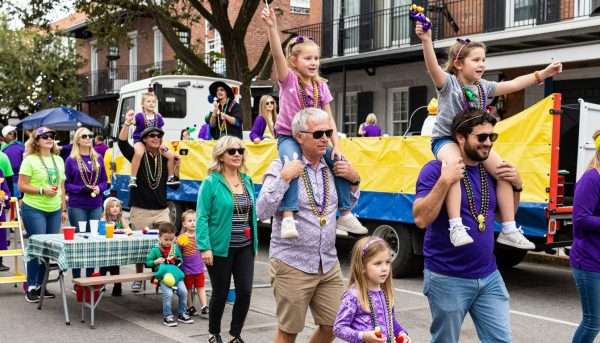
Families gather along St. Charles Avenue for the traditional Mardi Gras experience
Best family-friendly Mardi Gras experiences include:
- Uptown parades along St. Charles Avenue
- Family Gras festival in Metairie (suburban celebration with concerts)
- Krewe of Barkus dog parade in the French Quarter
- Early parades like Krewe of Little Rascals (children’s krewe)
- Mardi Gras World tour to see float construction year-round
Neighborhood Celebrations
Each New Orleans neighborhood puts its unique stamp on Mardi Gras celebrations:
Uptown/Garden District
- Traditional family parades
- St. Charles Avenue viewing
- Garden district architecture
- Local neighborhood gatherings
Marigny/Bywater
- Krewe du Vieux parade
- St. Anne’s walking parade
- Local music venues
- Artistic community celebrations
Treme
- Black Masking Indian gatherings
- North Side Skull and Bones Gang
- Cultural heritage celebrations
- Second line parades
LGBTQ+ Mardi Gras
New Orleans’ LGBTQ+ community has a rich history of Mardi Gras participation and celebration:
- Krewe of Armeinius: One of the oldest gay Carnival krewes (founded 1969)
- Krewe of Satyricon: Hosts elaborate balls and events
- Bourbon Street Awards: Renowned costume contest on Fat Tuesday
- Gay Mardi Gras balls: Spectacular events with elaborate themes
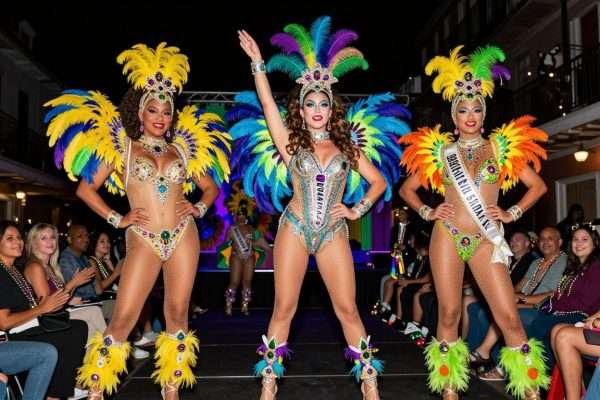
The spectacular costumes of the Bourbon Street Awards showcase creativity and artistry
Experience Authentic Local Traditions
Discover the neighborhood celebrations and local traditions that make Mardi Gras special with a guided experience.
Frequently Asked Questions About Mardi Gras New Orleans
Is Mardi Gras family-friendly?
Yes, Mardi Gras is largely a family-friendly celebration, especially in the Uptown and Garden District areas along St. Charles Avenue. Locals have been bringing their children to parades for generations. The French Quarter, particularly Bourbon Street, is more adult-oriented and best avoided with children. Family-friendly areas feature ladder seats, picnics, and a community atmosphere.
Do I need tickets for Mardi Gras parades?
No, Mardi Gras parades are free to attend. Anyone can watch from public areas along the parade routes. Some viewing stands sell tickets for reserved seating, and some hotels and restaurants offer paid viewing packages, but these are optional. The only Mardi Gras events requiring tickets are private balls, which are typically invitation-only or require membership in a krewe.
When should I book accommodations for Mardi Gras?
Book accommodations 6-12 months in advance for the best selection and rates. Hotels along parade routes and in the French Quarter often sell out a year ahead for peak Mardi Gras dates. If you’re planning to visit during Mardi Gras 2026 (February 17), start looking for accommodations by spring or summer 2025 at the latest.
What should I wear to Mardi Gras?
For parade watching, dress comfortably with layers and good walking shoes. Purple, green, and gold accessories help you get into the spirit. On Mardi Gras Day (Fat Tuesday), many locals wear costumes ranging from simple masks to elaborate outfits. Costumes are not required but add to the fun, especially on Fat Tuesday. The weather in February can range from warm and humid to cool and rainy, so check the forecast and be prepared.
How do I catch the best throws at parades?
To catch the best throws, make eye contact with float riders, wave your arms, and call out “Throw me something, mister!” Being enthusiastic and wearing Mardi Gras colors helps. For specialty throws like Zulu coconuts or Muses shoes, make signs requesting them. Families with children often get more throws, as do people who position themselves at the start of parade routes where riders have full bags of throws.
Ready for the Ultimate Mardi Gras Experience?
Don’t miss out on the magic of Mardi Gras New Orleans. Start planning your trip today!
Laissez Les Bons Temps Rouler: Embracing the Spirit of Mardi Gras
Mardi Gras in New Orleans is more than just a celebration – it’s a cultural phenomenon that captures the unique spirit of a city unlike any other. From the historic krewes that have paraded for over a century to the vibrant traditions of Black Masking Indians, from family gatherings on St. Charles Avenue to the exuberant revelry of the French Quarter, Mardi Gras offers something for everyone.
As you plan your Mardi Gras adventure, remember that the true magic of this celebration lies in its ability to bring people together across all boundaries. Strangers become friends as they reach for throws, share king cake, and dance to the rhythm of brass bands parading through the streets.
So pack your purple, green, and gold, prepare your catching hands, and join the centuries-old tradition that transforms New Orleans into the greatest free show on Earth. As the locals say, “Laissez les bons temps rouler” – Let the good times roll!
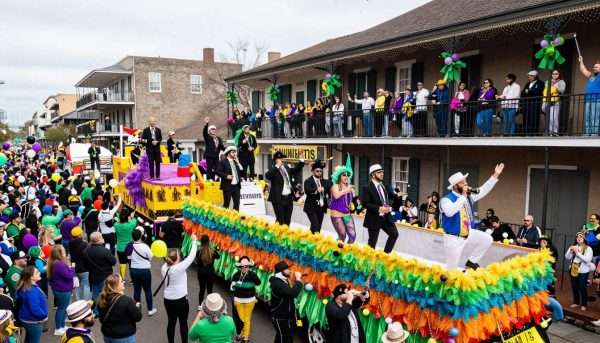
The vibrant energy of Mardi Gras transforms New Orleans into a spectacular celebration


Leave A Comment