
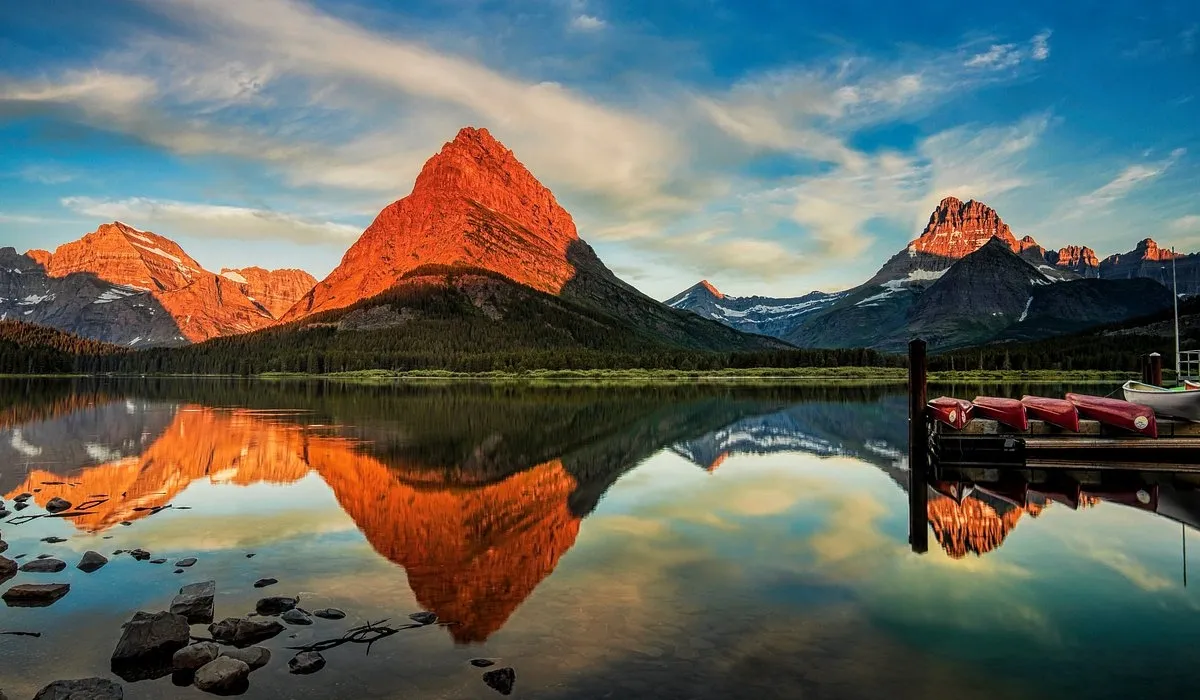
Glacier National Park, nicknamed the “Crown of the Continent,” spans a massive 2 million acres with countless activities for visitors. The park features over 700 miles of hiking trails that suit hikers of all skill levels. Most visitors stick to popular spots and miss the hidden gems scattered throughout the park.
The park has more to offer than its prominent attractions like Going-to-the-Sun Road and popular trails such as Grinnell Glacier Trail. Visitors who venture off the main tourist paths will find a world of unique experiences. The park’s best activities often exist away from the crowded, well-publicized spots. The park ranks among America’s most beautiful National Parks, yet many of its 130+ stunning lakes and scenic viewpoints remain quiet and peaceful.
This piece highlights 23 hidden and amazing activities that even regular visitors might have missed at Glacier National Park. Local secrets range from quiet sunrise spots and wildlife viewing areas to unique activities like goat yoga. These experiences can turn a regular trip into an unforgettable adventure. These insider tips will help travelers experience the park’s true magic in 2025, whether it’s their first visit or they’re returning for another adventure.
Hidden Hike to Apikuni Falls
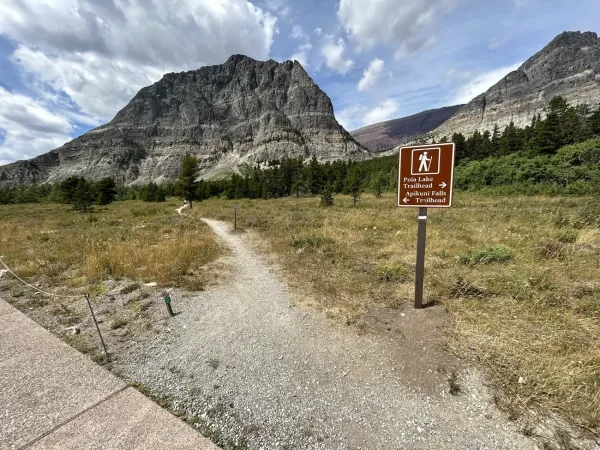
Image Source: Noah Lang Photography
Apikuni Falls is a hidden treasure in the Many Glacier area. The trail is one of the least visited day hikes in Glacier National Park and should be on your list of unique things to do. Hikers who venture here are rewarded with spectacular views and peaceful solitude that sets it apart from other park attractions.
Why Apikuni Falls is Special
The falls create a dramatic 100-foot waterfall that splits into two distinct tiers. Water free-falls from the cliff top in the first tier and forms a beautiful cascade in the second. The main waterfall leads to a series of smaller falls and cascades that create a stunning natural display. The trail gives you amazing views of Mount Allen (9,377 ft.), Mount Siyeh (10,014 ft.) and East Flattop Mountain (8,356 ft.) dominating the southern skyline.
The falls stay quiet and uncrowded, unlike many popular spots in the park. This makes it perfect for visitors who want some peace and quiet. The water flows from Natahki Lake, which sits in a glacially carved cirque between Altyn Peak, Mount Henkel and Apikuni Mountain.
How to Find Apikuni Falls
The journey starts at the Poia Lake Trailhead, 2.8 miles west of the Many Glacier entrance. The parking area fits about 12 vehicles, but spots are easier to find here than at busier locations. The path crosses an open meadow called Apikuni Flat and enters a young aspen grove after about 0.2 miles.
This moderate 1.8-mile round trip is one of the shorter hikes among the best things to do in Glacier National Park. The trail climbs about 580 feet, making it a bit challenging. Most hikers complete the route in 1-1.5 hours.
Best Time to Visit Apikuni Falls
The falls are at their best from June through October. Snowmelt creates powerful water flows in early summer. The trail bursts with colorful wildflowers throughout summer, making your hike even more memorable.
Wildlife lovers should head out early in the morning to spot deer, pikas and sometimes weasels. Remember to carry bear spray and stay alert since grizzly bears roam the area.
Boat + Hike Combo at Two Medicine
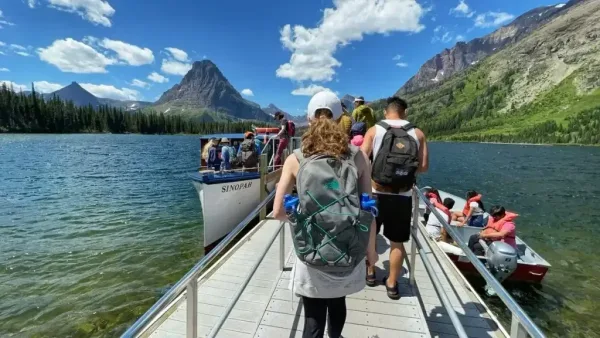
Image Source: Gather and Go Travel
The Two Medicine boat-hike combo gives visitors an amazing way to see the best of Glacier National Park. This spot sits in the park’s eastern section, away from the usual tourist crowds at popular locations.
Why the Two Medicine Combo is Unique
The Two Medicine area lets you explore a peaceful, less busy part of the park. The historic wooden boat Sinopah makes this experience special. This beautiful vessel has carried visitors for nearly 100 years. The boat captains tell great stories about the Blackfeet Nation, local geology and the Great Northern Railway’s early days during the 45-minute trip across the clear waters. The boat saves you about 3 miles of walking by dropping you off at the lake’s western shore.
How to Book the Two Medicine Boat Tour
This top park attraction needs some planning ahead. The Glacier Park Boat Company runs these tours, which often fill up fast in peak season. A round-trip ticket costs $20.25 for adults, while a one-way return costs $10.10. You should book your spot online before you arrive, especially during summer months. The boat dock ticket office needs you there 30 minutes before departure.
Local Tip for Two Medicine Combo
The best way to see Upper Two Medicine Lake is to catch the earliest boat tour at 8 or 9 AM. The morning light makes everything look magical. You might want to add a quick stop at Running Eagle Falls after your boat-hike adventure. It’s just a half-mile walk from where you park. Bear spray is a must for everyone, even in groups, since you could run into wildlife anywhere in the area.
Stargazing at Logan Pass
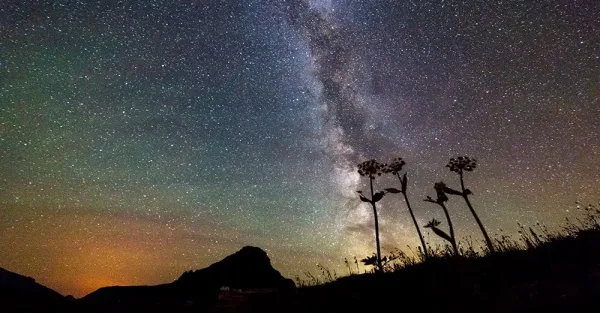
Image Source: National Park Service
Logan Pass becomes a celestial wonderland after sunset and provides one of the most extraordinary experiences in Glacier National Park.
Why Logan Pass is Perfect for Stargazing
The pass sits within an officially designated International Dark Sky Park and benefits from minimal light pollution and unusually dark skies. Visitors can witness thousands of stars, planets, galaxies and maybe even the Milky Way with exceptional clarity. The park’s strict lighting standards ensure at least 67% of Glacier’s lights are night-sky friendly, which helps preserve this natural treasure.
Best Time for Stargazing at Logan Pass
Clear skies and dry weather make July and August the optimal months for stargazing. The darkest skies appear during astronomical twilight between 12:20 am and 4:00 am. Logan Pass Star Parties happen on select dates (July 25 and August 22 in 2025) from 10:00 PM until midnight.
What to Bring for Stargazing
Night temperatures drop substantially, so warm layered clothing is essential even in summer. A headlamp or flashlight will help you navigate safely in darkness. The park doesn’t provide seating, so bring a comfortable chair. Star party tickets cost $5.00 per vehicle and are available at Apgar or St. Mary visitor centers the day before the event.
Redrock Falls Early Morning Moose Spotting
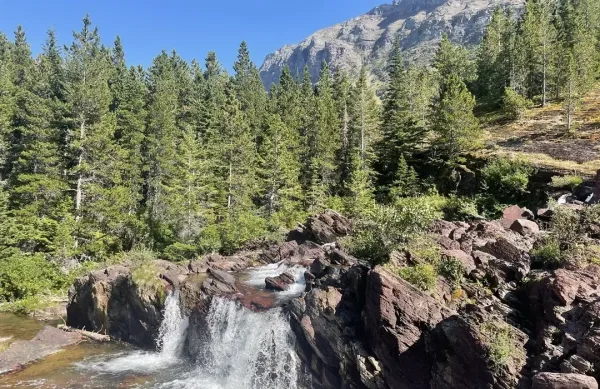
Image Source: AllTrails
The Many Glacier area contains a perfect trail for wildlife lovers who want memorable things to do in glacier national park. Redrock Falls trail rewards hikers with minimal effort and plenty of chances to spot wildlife.
Why Redrock Falls is a Hidden Gem
Beautiful cascades flow over distinctive red-colored rock formations at Redrock Falls. This creates a stunning contrast with the surrounding greenery. The trail has two lakes—Fishercap and Redrock—that photographers love to capture. Though it’s a short hike, you’ll see amazing views of alpine lakes and mountain backdrops. Families find this area perfect because it only rises 100 feet in elevation.
How to Get to Redrock Falls
Your hike starts at the Swiftcurrent Motor Inn parking lot in the Many Glacier area. The path follows Swiftcurrent Creek through a forest where you can catch glimpses of surrounding peaks. A young aspen grove appears after about 0.2 miles. The round trip to the falls covers just 1.8 miles, so most people can complete it easily.
Best Time to See Moose at Redrock Falls
Moose appear most often in the early morning. Fishercap Lake, just a short walk from the trailhead, has been a reliable spot to see moose over the last several years. The walk to Redrock Lake, another half mile ahead, gives you more chances to spot these amazing animals. This unique glacier national park attraction is best visited from June through early October.
Hidden Lake Overlook at Sunrise
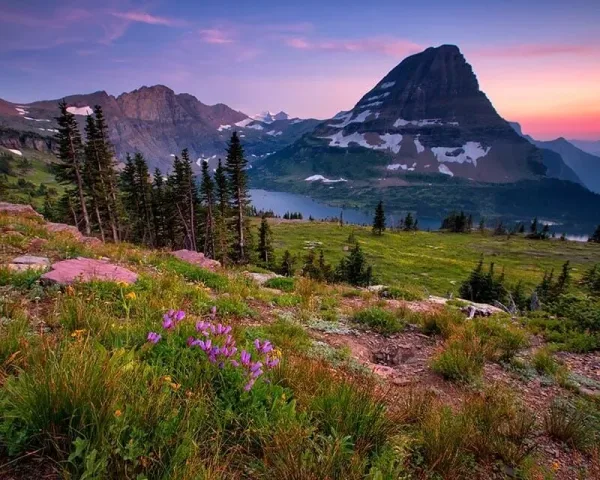
Image Source: Glacier Institute
Hidden Lake Overlook’s sunrise views stand out as an unforgettable experience among Glacier National Park’s many attractions and it’s worth waking up early to see it.
Why Hidden Lake Overlook is Magical at Sunrise
The morning sun bathes Bearhat Mountain in a potential red glow at Hidden Lake Overlook. Note that sunrise paints the valley below with stunning color contrasts. Mysterious mist with bluish tints settles in the valleys at dawn and changes as sunlight creates beautiful spots of yellow and orange. This natural light show combines with snow-dusted mountains against clear blue skies, making Hidden Lake Overlook maybe one of the park’s most picturesque spots.
How to Reach Hidden Lake Overlook
You’ll find the trail right behind Logan Pass Visitor Center. The round trip covers 2.7 miles with an elevation gain of 551 feet. Most people finish this moderate hike in about 1-1.5 hours. Snow often blankets parts of the trail early in the season, so you’ll need proper footwear with good grip and possibly trekking poles. Watch out for one steep section that drops off sharply.
Local Tip for Avoiding Crowds
The best strategy is getting to Logan Pass before sunrise for parking and prime views. Summer visitors fill the parking lot as early as 6:00 AM and spots remain hard to find all day. You might want to plan your visit in early September after the summer rush ends. Peak season visitors should know that wildlife appears most often during early morning hours.
Historic Chalet Stay at Sperry Chalet
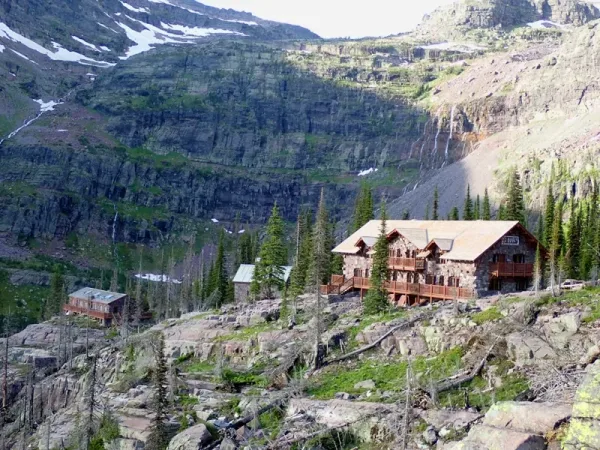
Image Source: News – Sperry Chalet
Sperry Chalet ranks among the top things to do in Glacier National Park. This historic treasure lets you experience authentic backcountry without camping.
Why Sperry Chalet is a Unique Experience
Built in 1913 by James J. and son Louis Hill of the Great Northern Railway, Sperry Chalet gives you an exceptional mountain getaway you can reach only by trail. The historic landmark went through an ambitious rebuild after a wildfire destroyed it in 2017 and reopened fully in 2020. You’ll find rustic charm mixed with comfort here. The rooms come with beds, linens, blankets, and pillows, though you won’t find modern conveniences like electricity or running water. The dining room serves what locals swear are “the world’s best grilled cheese sandwiches”.
How to Book Sperry Chalet
Bookings start each January and fill up fast. The chalet has 17 private rooms that fit one to five guests with different bed setups. You can book your stay through sperrychalet.com or call 1-888-345-2649. The high demand means you should fill out your reservation forms right away. Day-hikers can enjoy the dining room between 11:30 AM and 5:00 PM daily.
Sperry Chalet Pricing and Availability
The 2025 rates start at $314 for one person’s first night, with each extra guest paying $203. Additional nights cost $274 for the first person and $163 for others sharing the room. Kids under 12 get better rates – $145 for night one and $105 after that. Children under 3 stay free. You’ll have to pay a 50% deposit within 14 days of booking. The chalet usually operates for about 10 weeks from mid-July through early September.
Horseback Ride from Many Glacier Corral
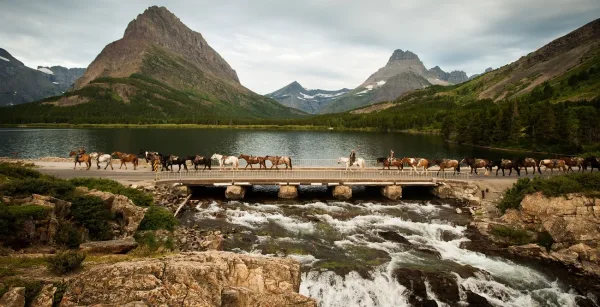
Image Source: Visit Glacier Park
Learning about Glacier National Park on horseback gives you a classic way to see some of the most stunning views among national park destinations.
Why Horseback Riding Here is Special
The Many Glacier valley rewards riders with wide-open views in a unique terrain that gets nowhere near as much rain as other park areas. This creates a different kind of ride with more wind and open spaces. Riders can spot wildlife and wildflowers on the trails while mountain views surround them in every direction.
How to Book a Ride at Many Glacier
Swan Mountain Outfitters has exclusive rights to provide horseback rides inside Glacier National Park. You can book online or call 1-877-888-5557. Rides range from the one-hour Swiftcurrent Loop ($100) to a full-day adventure ($425). Riders must meet basic requirements – you need to be at least 8 years old, 48 inches tall and weigh no more than 225 pounds.
What to Expect on the Trail
Horses walk at a steady pace so you can take in the scenery around you. Short rides like the Swiftcurrent Loop take you through thick forests past the charming “stump lake”, while the two-hour Cracker Flats ride shows off Sherburne Reservoir’s shoreline. Make sure to arrive early since every ride starts with a safety briefing. Remember that you’ll need to mount your horse from the ground without help.
Sunset at Sun Point
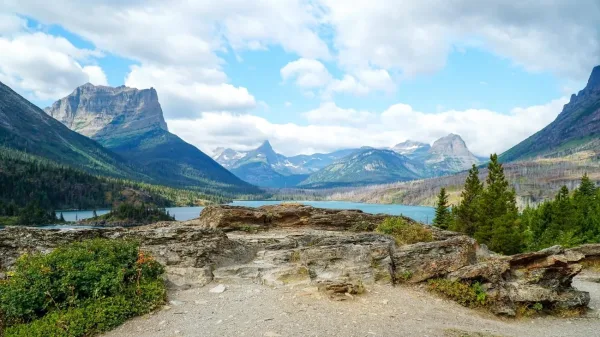
Image Source: National Park Service
Most visitors rush to crowded viewpoints, but Sun Point remains a hidden gem to watch evening colors among the unique things to do in Glacier National Park.
Why Sun Point is a Hidden Sunset Spot
The high vantage point at Sun Point gives breathtaking panoramic views of St. Mary Lake with mountains in the background. This creates a perfect canvas for sunset photos. The site has historical importance too. The Great Northern Railway built the Going to the Sun Chalets here built in 1915. Sunsets paint the surrounding peaks with a beautiful glow that feels different from the busy viewpoints in other parts of the park.
How to Get to Sun Point
You’ll find Sun Point 9.3 miles west of the St. Mary Entrance Station on the Going-to-the-Sun Road. The views start right from the parking area as the Sun Point Nature Trail slopes down to St. Mary Lake. This spot serves multiple purposes – it’s a shuttle stop and starts several waterfall trails. You can hike to Baring Falls, St. Mary Falls and Virginia Falls from here.
Best Time to Visit Sun Point
Sun Point looks its best from early July through mid-October when the Going-to-the-Sun Road opens for the season. The evening light creates magic as the sun dips behind mountains and bathes the landscape in golden colors. Some photographers like coming here at sunrise to catch the morning light on the lake and peaks. Families love this spot because it has picnic tables and restrooms.
Fishing at Lake Josephine
Lake Josephine stands as a peaceful retreat for fishing enthusiasts looking to explore the quieter side of Glacier National Park. This 130-acre alpine lake rests at nearly 5,000 feet elevation and combines spectacular scenery with excellent fishing spots.
Why Lake Josephine is Great for Fishing
The lake sits less than a mile from Swiftcurrent Lake. We caught brook trout and kokanee salmon in these tranquil waters. Brook trout thrive in the clear waters, usually reaching 10-12 inches. Anglers have great success with dry flies or attractor flies here. Mountain vistas surround the pristine lake, creating a peaceful fishing experience away from the park’s busier spots.
Fishing Regulations at Lake Josephine
The park’s boundaries don’t require a fishing license. However, conservation rules are strict:
- Release all native fish
- Use artificial flies and lures only
- Keep one rod per person close by
- The park bans all lead fishing equipment including weights, lures, jigs and line
What to Bring for Fishing
This special spot in Glacier National Park needs some preparation. Black and grizzly bears roam the area, so carry bear spray. Bring your regular gear but skip the felt-soled wading boots – they’re banned to stop invasive species. A gentle tip: wet your hands with lake water before handling fish to protect their scales.
Huckleberry Picking on Appistoki Falls Trail

Image Source: World of Waterfalls
The Appistoki Falls Trail rewards hikers with sweet foraging pleasures and provides one of the tastiest activities in glacier national park that tourists often miss.
Why Appistoki Falls is a Berry Lover’s Dream
Hikers will find a wealth of wild huckleberry bushes growing abundantly along the path. The trail’s relatively flat terrain creates perfect foraging spots as it winds through these berry-producing plants. The berries grow wild, which means they’re pesticide-free and as organic as nature intended.
When to go Huckleberry Picking
Berry enthusiasts should visit between late July and early September to catch these purple treasures at their peak ripeness. The berries reach their best picking stage during this period and show a deep purple color at full ripeness. The ripening time varies based on elevation – lower areas produce earlier, while higher locations yield later in the season.
Local Tip for Safe Foraging
Glacier National Park’s rules allow each visitor to collect up to one quart of berries for personal use. Hand picking is mandatory and the park strictly prohibits bush rakes and other harvesting devices. Note that bears consider these berries a most important food source. You should carry bear spray, watch for bear signs like scat, make noise as you pick and leave immediately if you see a bear in any berry patch.
Glacier Bay National Park viewing.
Goat Yoga at Goats of Glacier

Image Source: goatsofglacier.com
Looking for something quirky and unique at Glacier National Park? Goat yoga blends wellness and whimsy just outside the park’s boundaries.
Why Goat Yoga is a Fun Local Secret
Goats of Glacier farm creates a unique experience that combines traditional yoga poses with playful goat interactions. Past participants describe it as “30% yoga and 70% goats”, where laughter replaces meditation. These friendly goats roam freely among participants and often jump on people’s backs during poses to give unexpected cuddles. The special yoga dome provides stunning mountain views, making your session both comfortable and scenic.
How to Book a Session at Goats of Glacier
You’ll need to book your spot ahead of time through goatsofglacier.com or by phone. A 45-minute session currently costs between $35-39 per person and gives you access to the farm after yoga. Classes fill up quickly with a strict limit of 15 participants. Certified instructors from Yoga Hive Montana lead each session.
What to Bring for Goat Yoga
Participants need:
- A yoga mat (rentals cost $4)
- Water bottle and light snacks
- Weather-appropriate comfortable clothing
- Camera to capture memories
- A sense of adventure – remember, you’re on a farm
Scenic Float on the Middle Fork River
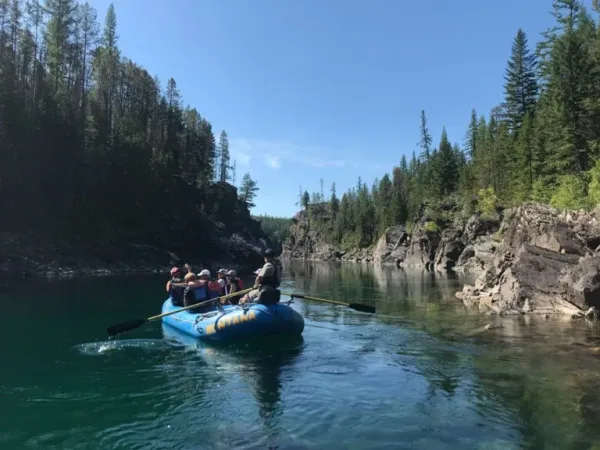
Image Source: Glacier Guides
The Middle Fork of the Flathead River provides a peaceful alternative to hiking trails and mountain viewpoints. This relaxing float trip ranks among the best activities in Glacier National Park.
Why the Middle Fork Float is Underrated
The Middle Fork’s crystal-clear waters mark Glacier National Park’s southwestern border. The river gives visitors a unique view that many people overlook. Rafters can enjoy stunning scenery as they float through the meeting point of the Middle and North Forks on this Wild and Scenic river. The calm, peaceful waters create a refreshing experience that works well for people of all ages and skill levels.
How to Book a Float Tour
You can choose from these authorized float trip companies:
- Glacier Guides and Montana Raft Company
- Glacier Raft Company
- Great Northern Resort
- Wild River Adventures
All tours leave from West Glacier. You should arrive 30 minutes before departure time. Standard float trips cost about $35-39 per person. Multi-day adventures start at $599.
Best Time for River Floats
The float season runs daily from May 10th to October 15th. Mid to late summer offers the smoothest experience with lower water levels, unlike the intense rapids during high water periods. Trips last between 1.5 to 2.5 hours based on seasonal conditions. Kids as young as 3 can enjoy these peaceful trips down the river.
Visit the Glacier Institute for a Day Program
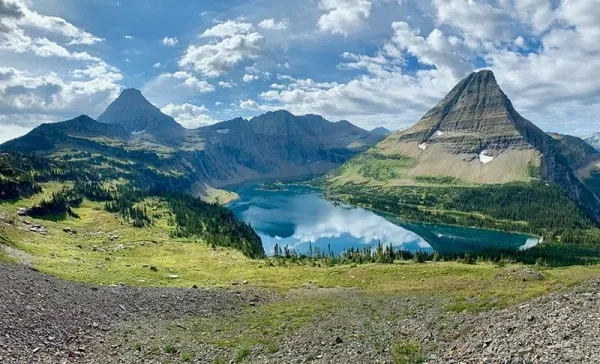
Image Source: Glacier Institute
The Glacier Institute offers exceptional educational experiences that go beyond typical sightseeing in Glacier National Park.
Why the Glacier Institute is a Hidden Gem
Since 1983, the Glacier Institute has served as the official education partner of Glacier National Park and Flathead National Forest. Taking a course solves one of the park’s biggest problems – you get a vehicle reservation for the day. Their programs combine outdoor adventure with expert instruction from experienced naturalists on the trails. The Institute’s Field Camp sits just inside the West entrance of the park, next to the Wild and Scenic Flathead River.
Types of Programs Offered
The Institute offers these educational opportunities:
- Wildlife courses (alpine mammals, birding, scat identification)
- Geology programs (Going-to-the-Sun Road history)
- Nature connection experiences (forest bathing, nature journaling)
- Outdoor skills (fly fishing, medicinal plant identification)
Courses range from easy hikes under three miles to challenging treks up to 10 miles with 2,300 feet of elevation change.
How to Register for Glacier Institute Events
You can register through their website or call 406-755-1211. Members get special perks like discounted rates and access to exclusive programs. The Institute provides transportation within the park for all courses. You can add lunch options during checkout, including gluten-free and vegan choices. Find the main office at 7450 HWY 2 East, Columbia Falls.
Hidden Trail to Johns Lake Loop
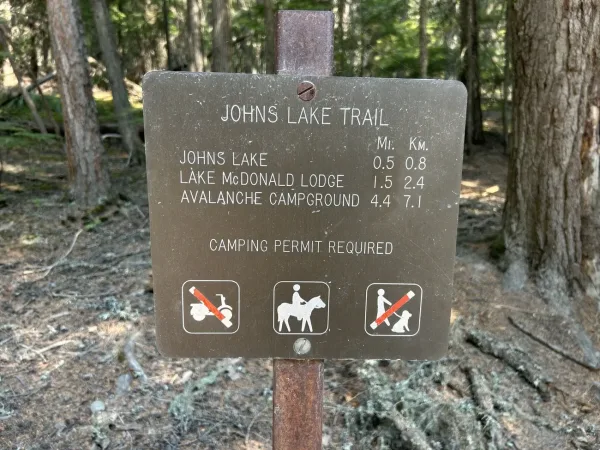
Image Source: Noah Lang Photography
Johns Lake Loop provides a peaceful alternative to crowded trails and ranks among the quietest hiking paths to explore Glacier National Park.
Why Johns Lake Loop is a Quiet Escape
The trail’s tranquil atmosphere sets it apart, and visitors rarely encounter other hikers even in summer’s peak season. Towering red cedars and hemlocks create a dense old-growth forest canopy that adds to the peaceful setting. The 2.1-mile loop rises only 160-225 feet, making it available to hikers of most fitness levels.
How to Find the Trailhead
Located 1.3 miles east of Lake McDonald Lodge, the trailhead stretches along Going-to-the-Sun Road. A compact parking area fits 7-8 cars on the road’s east side, with clear “Johns Lake” signs. Hikers must cross the main road from the parking lot, which creates a natural pause before they enter the forest sanctuary.
Wildlife to Watch for on the Trail
Black bears sometimes appear near the trail’s beginning. The lake’s wetland environment attracts moose throughout the year. Bird enthusiasts can spot ruddy ducks gliding across the lake, yellow-rumped warblers and various forest birds. Near McDonald Creek’s bridge crossings, deer and chipmunks make regular appearances.
Winter Snowshoe Tour in Glacier
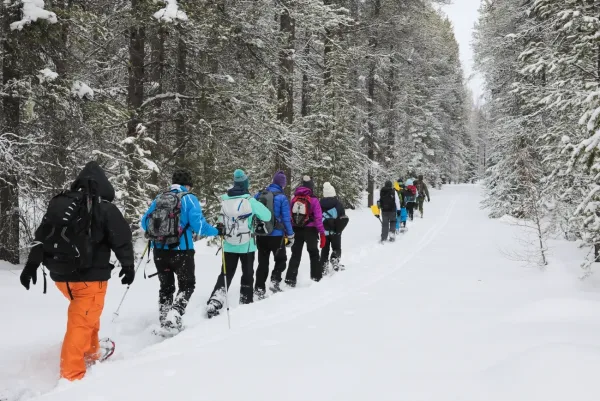
Image Source: National Park Service
Glacier National Park becomes a magical winter wonderland as snow blankets its landscape. Adventurous visitors discover enchanting activities in the park at the time crowds head home.
Why Winter in Glacier is Magical
Snow transforms Glacier into a peaceful sanctuary that summer tourists rarely experience. The park’s beauty takes on a dramatic new character under its winter coat. White-cloaked trees, frozen lakes and untouched wildlife tracks paint a spectacular scene. The mountain air feels crisp and clean against pristine snowscapes that create an extraordinary atmosphere. Visitors can soak in the park’s grandeur without peak season crowds.
How to Book a Snowshoe Tour
The park offers ranger-led snowshoe walks every Saturday and Sunday at 1:00 PM between December 28, 2024 and March 16, 2025. Commercial tours last 5 hours and include gear and lunch. Reservations must be made in advance with approved tour operators. Tour prices range from $35-39 per person.
What to Bring for Snowshoeing
Your winter adventure needs these essentials:
- Layered clothing (synthetic/wool base layers, insulating mid-layer, waterproof outer layer)
- Waterproof, insulated boots with warm hiking socks
- Hat, gloves, neck gaiter, and sunglasses
- Water and snacks
- Hand warmers (available upon request from guides)
Beginners can safely explore this remarkable park’s winter beauty with proper preparation and guidance.
Visit Yellowstone National Park.
Secret Cliff Jumping at St. Mary Falls
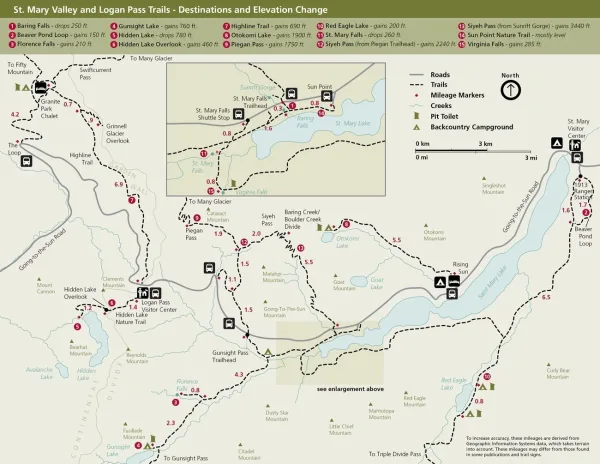
Image Source: National Park Service
Adventurous souls can discover a heart-racing secret at St. Mary Falls in Glacier National Park. Local daredevils take thrilling jumps into the sparkling pools that lie below.
Why St. Mary Falls is a Thrill-seeker’s Spot
The falls rank among the park’s top cliff jumping spots after the seasonal snowmelt drops. Crystal-clear waters create a stunning natural swimming hole with gorgeous colors. This spot draws adventure lovers with its range of jumping heights that suit different skill levels.
How to Safely Cliff Jump
This hidden gem demands careful attention to safety. Jumpers should follow these essential rules:
- Check the landing zone thoroughly before jumping
- Land feet-first to stay safe
- Be a strong swimmer since currents might pull you downstream
- Stay away during high water season in early summer
Local Tip for Timing Your Visit
The best time to experience this unique Glacier National Park adventure comes in mid-August. Water levels drop by a lot during this time, which creates safer conditions than the strong currents of June and July. Early morning visits give you the best shot at having this popular spot to yourself. While locals jump here often, note that waterfall activities always come with their own risks.
Powerful waterfalls around the world.
Photography Stop at Jackson Glacier Overlook
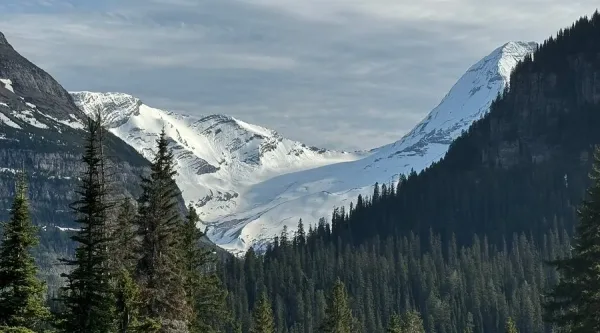
Image Source: Tripadvisor
Jackson Glacier Overlook gives photographers a great chance to capture one of the park’s receding glaciers. This makes it a must-see spot among glacier national park attractions.
Why Jackson Glacier Overlook is Underrated
Jackson Glacier stands as the most accessible glacier to view in the park. Visitors can spot it from a well-marked overlook on Going-to-the-Sun Road, just 5 miles east of Logan Pass. The stop draws many visitors since it needs no hiking yet rewards them with spectacular mountain views. The overlook reveals a stark climate change story – Jackson Glacier’s size dropped from 316 acres in 1966 to 187 acres by 2015.
Best Time for Photography
Photographers get the clearest glacier views from late August through early September. The seasonal snow melts away during this time and helps distinguish the actual glacier from nearby snowfields. Morning or late afternoon light creates the best shooting conditions. November visits let photographers avoid crowds and experience the park’s peaceful off-season atmosphere.
What Gear to Bring
A 150mm telephoto lens captures detailed glacier shots perfectly. Visitors say binoculars really help with viewing. Sharp images come from using a sturdy tripod, especially in dim light. Photographers should pack a polarizing filter that cuts snow glare and makes blue skies pop against the white glacier.
Mini Golf at Golfing to the Sun
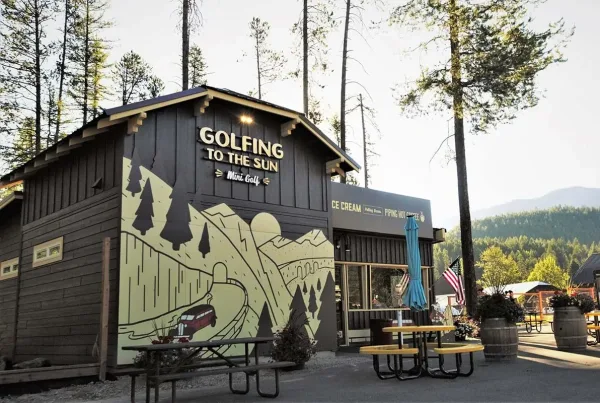
Image Source: Glacier National Park
The Golfing to the Sun mini golf course in West Glacier Village is a chance to unwind and see the park’s history from a different view. This fun activity pairs well with a day spent learning about Glacier’s natural wonders.
Why this Mini Golf is a Quirky Local Find
This unique course combines mini golf with Glacier National Park’s rich history. Players enjoy 18+ holes that feature characters and challenges highlighting Glacier trivia. The course’s goat mascot, McBilly, takes players through five distinct themes that showcase the park’s storied past. This isn’t your typical mini golf experience – it’s “quirky, sunny and just a little bit silly”. Families looking for fun entertainment will find exactly what they need here.
How to Get There
You’ll find the course at 200 Going-to-the-Sun Road in historic West Glacier Village. The GPS coordinates 48.496710°N, -113.982701°W lead straight to the location. The course’s spot just outside the park’s west entrance makes it perfect to visit after your park adventures.
Pricing and Hours
Prices (2025):
- Adults: $14.00
- Children (6-11): $12.00
- Kids 5 and under: Free
The course welcomes visitors daily from 8 AM to 8 PM, with the last tee time at 7 PM. The 2025 season runs from May 1 through October 1, weather permitting.
Comparison Table
| Activity | Location | Best Time to Visit | Duration/Distance | Cost | Special Features |
|---|---|---|---|---|---|
| Apikuni Falls | Many Glacier area | June – October | 1.8 miles RT, 1-1.5 hrs | – | Beautiful two-tiered waterfall reaching 100 feet |
| Two Medicine Boat + Hike | Two Medicine area | Early morning (8-9 AM) | 45-min boat ride | $20.25 RT, $10.10 one-way | Scenic ride on Sinopah, a historic wooden boat |
| Logan Pass Stargazing | Logan Pass | July-August, 12:20-4:00 AM | 2-3 hours | $5 per vehicle | Designated International Dark Sky Park |
| Redrock Falls | Many Glacier area | June – early October | 1.8 miles RT | – | Prime spot to observe moose in their habitat |
| Hidden Lake Overlook | Logan Pass | Before sunrise | 2.7 miles RT | – | Moderate climb with 551 ft elevation gain |
| Sperry Chalet | Backcountry | Mid-July – early September | N/A | $314 first night | Rustic historic lodge without electricity |
| Many Glacier Horseback | Many Glacier valley | – | 1-hour to full-day | $100-425 | Family-friendly rides for ages 8 and up |
| Sun Point | Going-to-Sun Road | July – mid-October | Short walk | – | Stunning panoramic views of the lake |
| Lake Josephine | Near Swiftcurrent Lake | – | N/A | No license required | Excellent brook trout fishing spot |
| Appistoki Falls Trail | Two Medicine area | Late July – early September | – | – | Rich wild huckleberry picking area |
| Middle Fork Float | West Glacier | May 10 – October 15 | 1.5-2.5 hours | $35-39 | Gentle river float suitable for ages 3+ |
| Johns Lake Loop | Near Lake McDonald | – | 2.1 miles | – | Gentle trail with 160-225 ft elevation change |
| Winter Snowshoe Tour | Various locations | December – March | 5 hours | $35-39 | Expert ranger guides available |
| Golfing to the Sun | West Glacier Village | May 1 – October 1 | 18+ holes | $14 adults, $12 children | Family mini golf with park themes |
Enjoy Glacier National Park
Glacier National Park has way more to offer than what you see at first glance. These 23 hidden gems highlight the amazing diversity across this magnificent wilderness. The park’s two million acres stretch from peaceful lakeshores perfect for fishing to thrilling cliff-jumping spots. Every type of traveler will find something extraordinary here.
Most visitors follow the common paths, but adventurous souls who explore these secret spots get something special. They find quiet moments in stunning landscapes that most people never see. The sunrise at Hidden Lake Overlook becomes an exceptional sight, while the night sky at Logan Pass shows stars you’d never spot in bright cities.
Kids will love the quirky Golfing to the Sun mini-golf course or a gentle float down Middle Fork River. Nature lovers should head to Fishercap Lake early morning. The short hike pays off with regular moose sightings.
Each season shows a different side of Glacier’s character. Summer fills the park with bright wildflowers and available hiking trails. Winter turns it into a peaceful snowshoe paradise. Fall brings amazing colors with smaller crowds – perfect for photographers who want to capture the park’s beauty.
These hidden spots are just a glimpse of what awaits explorers who step off the beaten path. Rangers often say the park shows its real magic to people who take time to find its secrets. The best memories rarely come from following the crowd.
Your next visit to this crown jewel should include some of these unique activities. Watching sunrise light up Bearhat Mountain, picking wild huckleberries on forest trails, or staying in a historic backcountry chalet will create memories that last forever. Glacier National Park rewards curious explorers with experiences that few travelers ever find.
FAQs
Q1. What are some unique activities to do in Glacier National Park?
Some unique activities include taking a scenic float on the Middle Fork River, stargazing at Logan Pass, going on a winter snowshoe tour, and enjoying goat yoga at Goats of Glacier farm just outside the park. The park also offers hidden hikes like Apikuni Falls and opportunities for huckleberry picking on certain trails.
Q2. When is the best time to visit Glacier National Park?
The best time to visit depends on your interests. Summer (June-August) is ideal for hiking and most activities, but also the busiest. Fall (September-October) offers beautiful colors and fewer crowds. Winter (December-March) is perfect for snowshoeing and seeing the park in a serene, snow-covered state. Spring can be unpredictable but good for wildlife viewing.
Q3. Are there any lesser-known spots for wildlife viewing in the park?
Yes, Redrock Falls in the Many Glacier area is a hidden gem for spotting moose, especially in the early morning. The Johns Lake Loop trail is also known for potential black bear, deer and bird sightings. For a unique experience, try an early morning horseback ride from Many Glacier Corral for increased chances of wildlife encounters.
Q4. How can I avoid crowds at popular viewpoints?
To avoid crowds, try visiting popular spots like Hidden Lake Overlook at sunrise. For less crowded alternatives, consider sunset at Sun Point or stargazing at Logan Pass. Exploring the Two Medicine area or taking a boat tour on Two Medicine Lake can also offer beautiful views with fewer people.
Q5. Are there any family-friendly activities in Glacier National Park?
Absolutely! Families can enjoy a scenic float on the Middle Fork River (suitable for ages 3+), play mini-golf at Golfing to the Sun in West Glacier Village, or take a boat tour on Two Medicine Lake. The Johns Lake Loop trail is an easy hike suitable for most fitness levels. Additionally, ranger-led programs and the Glacier Institute offer educational activities for all ages.


Leave A Comment