

The route from Lomé to Ouidah, the world’s voodoo capital, stretches about 50 kilometers to the Togo-Benin border and another 50 kilometers beyond. Border officials often just need ₦1,000 to ₦3,000 to stamp passports, but this process can test anyone’s patience.
Porto Novo, Benin’s capital city, sits on the Gulf of Guinea in western Africa. Local historians believe the city’s origins date back to the late 16th century. African citizens can visit Benin without a visa and stay up to 90 days, which makes the country available to many regional travelers. This piece guides travelers through their experience from Lomé to Porto Novo. You’ll find detailed information about border procedures, transport choices, common challenges and practical advice to make your trip to Benin smooth.
Documents and Requirements for Crossing the Border
The right paperwork is crucial before you start your trip to Benin from Togo. Border officials strictly check all documents, so it helps to know what you need ahead of time.
Valid Passport or ECOWAS ID
Travelers heading to Porto Novo Benin must have a passport with at least 6 months validity. Your passport needs at least one blank page for the entry stamp.
ECOWAS (Economic Community of West African States) members get special benefits when crossing borders in West Africa. They can use a valid ECOWAS Travel Certificate or an International Passport. These citizens can enter, exit, or stay in Benin up to 90 days without a visa.
Togolese authorities need your passport to be valid for at least three months beyond your stay. Some border posts might accept ECOWAS biometric ID cards instead of travel certificates, but you should always carry proper ID.
Yellow Fever Vaccination Card
Yellow fever vaccination proof tops the list of requirements to enter Benin. Anyone over nine months old must show a valid International Certificate of Vaccination or Prophylaxis (ICVP) – also known as a “Yellow Card” or “Carte Jaune”. Officials check this document carefully at entry points.
The certificate becomes valid 10 days after your shot, so time your vaccination right. There’s no way around this rule – you won’t get in without proper vaccination proof, whether at land borders or airports.
Togo has similar rules. Their officials require yellow fever documentation from everyone over one year old. Keep this certificate handy with your other travel documents for a smooth border crossing.
Visa Requirements for Non-ECOWAS Travelers
Non-ECOWAS visitors need to work through Benin’s visa process. Most travelers should get an electronic visa (e-Visa) through Benin’s online portal at least 7 days before arrival. These e-Visas last 30 or 90 days based on your choice.
U.S. passport holders get a special perk: you can extend a valid Benin eVisa to 36 months free of charge at any Beninese embassy or consular office.
African Union citizens can visit Benin without a visa for short stays. Some Asian countries and Israel also enjoy visa-free stays ranging from 14 to 90 days.
Transit visas work well for quick trips through Benin. The Togo-Benin border offers 2-day transit visas for 32,000 CFA and 8-day tourist visas cost 10,000 CFA.
Check the latest visa rules for your nationality before you head to Porto Novo or anywhere else in Benin. Rules can change without notice.
Route 1: Lomé to Porto Novo by Road

The road trip from Lomé to Porto Novo stands out as one of the most direct ways to reach Benin, stretching approximately 179-190 km. This route gives travelers a unique chance to see West Africa’s transportation system and border crossings up close.
Start From Lomé City Center
Your trip starts in Togo’s buzzing capital city, Lomé. You’ll find several taxi stands that serve as starting points. Most people catch their ride near Palm Beach or close to Santa Maria Hotel. These stands stay busy during daylight hours. Morning departures work best if you want to reach Porto Novo in one day.
The transport system here doesn’t run on fixed schedules. Vehicles wait until they have enough passengers before leaving. This means you might need to wait a while, especially during quiet times.
Shared Taxis to the Border
Most people take shared taxis – usually old station wagons or sedans – from Lomé to the Togo-Benin border. These rides are cheap, costing about one Canadian dollar for an hour-long trip to the border. The drive from Lomé’s center to Hilacondji border post takes 60-90 minutes depending on traffic.
Drivers often stop to pick up more passengers or cargo along the way. These taxis pack in up to seven passengers plus luggage. First-time visitors might find it cramped, but this is just how things work in West Africa.
Crossing the Hilacondji Border
The border crossing happens on foot after your taxi drops you off at Hilacondji. You’ll need to:
- Get your exit stamp from Togo’s immigration office
- Walk over to Benin’s immigration counter for your entry stamp
Hilacondji gets pretty busy – trucks waited an average of five hours here in 2017. People on foot usually move through faster. Both immigration offices share a building, but you’ll need to visit each counter separately.
Border officials will ask about your job, where you’re going, and how long you plan to stay in Benin. They’ll also check your e-visa if you need one. Keep your visa papers safe – you’ll need them when leaving Benin.
Transport Options After the border
After clearing customs, you have several ways to reach Porto Novo:
- Shared taxis: These are cheap and run most often
- Zemidjan (motorcycle taxis): Quick but bumpy for long trips
- Busses: Less frequent but available if you’re going through Cotonou
The actual drive from the border to Porto Novo takes about 2 hours, making it 3 hours of driving time total. With border waits and taxi delays, the whole trip usually takes 4-5 hours.
Private taxis cost more but save time since you won’t wait for other passengers. Some travelers break up their journey with a stop in Cotonou, Benin’s biggest city, before heading to Porto Novo the next day.
The total distance between Lomé and Porto Novo comes to about 189.6 kilometers. Roads stay decent for most of the trip. While it’s a straightforward route, leaving early gives you extra time for unexpected border delays or finding transport on the Benin side.
Route 2: Lomé to Porto Novo via Cotonou

Cotonou serves as a convenient stop for anyone traveling through Benin. This route gives travelers more options and makes a perfect break point for longer trips across the country.
Why Cotonou is a Common Stop
Cotonou stands out as Benin’s economic hub and largest city. While Porto Novo holds the title of official capital, Cotonou houses the international airport and acts as the country’s main transportation center. The major bus companies run their terminals here, which makes reaching other tourist spots in Benin much easier.
The city sits right between Lomé and Porto Novo on the coast, making it a natural place to rest overnight instead of pushing through the whole trip in one day. Cotonou’s city amenities draw many visitors who want to enjoy its hotels, restaurants and shopping before heading to the more formal atmosphere of Porto Novo.
Bus and Taxi Options From the Border
You’ll find several ways to reach Cotonou after entering Benin:
STM Voyageurs runs busses from Gare de Lomé station to Cotonou three times daily. Tickets cost between €11-16 (7,200-10,500 CFA) and the trip takes about 1 hour 40 minutes to reach Cotonou. Afrique Con also provides service twice daily at USD 11.00 (7,200 CFA), with a travel time of 2 hours 19 minutes.
If you’re at the border already, shared taxis and minibusses leave for Cotonou as soon as they fill up. The ride from the Benin border to Cotonou takes 1-2 hours depending on traffic.
Navigating Cotonou to Reach Porto Novo
Getting to Porto Novo becomes easy once you’re in Cotonou. These cities sit just 25 miles (40 km) apart, making the final stretch quick.
Nonvi Voyage Plus runs busses every 15 minutes throughout the day from Cotonou’s St Michel station to Welcome Ouando in Porto Novo. This part of the trip takes only 31 minutes, connecting Benin’s business and political capitals quickly.
Shared taxis offer another option from Cotonou’s Gare Jonquet or Gare du Dantokpa hubs. They reach Porto Novo in about 45 minutes and cost around 700 CFA (€1.07). These taxis run more often than busses but might not be as comfortable for longer distances.
The Lomé-Cotonou-Porto Novo route works well as a way to travel through Benin, especially if you want to see the country’s major cities along the way.
What to Expect at the Togo-Benin Border

The border crossing between Togo and Benin follows a clear process that can be tricky at times. A good understanding of what you’ll face at the Hilacondji border will make your trip to Benin much smoother.
Immigration Process and Passport Stamping
You’ll need to go through four distinct checkpoints at the Togo-Benin border crossing. Your first stop is a small outdoor office where Benin officials check your passport, visa and yellow fever certificate before giving you an exit stamp. After you sign a form and get your stamp, you’ll move to a second checkpoint. Officials there will take another look at your yellow fever certificate.
Guards at the third checkpoint will check your passport again. The main immigration office in Togo territory marks your final stop, and this is where you’ll spend most of your time. Officials here carefully review your documents and ask about your job and travel plans. You’ll also need to fill out a detailed form. This last part usually takes about 15 minutes, while the whole process takes 20-30 minutes if you’re walking across.
Common Scams and How to Avoid Them
Anyone crossing this border for the first time should watch out for scams. People often pretend to be “visa officials” and try to charge extra fees for entry paperwork. These fraudsters might even throw in promises of free rides to sweeten the deal.
Some police officers might ask for 2000-4000 CFA to write down your vehicle details in their books. Corrupt officials sometimes drag their feet unless you pay them under the table. The best way to stay safe is to handle all official business inside proper immigration buildings. Never pay any fees until you reach the final Togolese checkpoint.
Currency Exchange and SIM Card Tips
This border area stands out because traders take three West African currencies: CFA, Naira and Ghana Cedis. While this helps travelers, some people try to take advantage. Dishonest money changers often trick visitors by saying currency values are equal (like claiming 1000 CFA equals 1000 Naira when they’re quite different).
Buying SIM cards right at the border can be convenient but risky. Vendors sell cards for about 1500-2000 CFA, but some travelers have problems with “pre-registered” SIMs that stop working. Your best bet is to wait until you reach a bigger town for proper registration. You could also use e-SIM options like Airalo that work right away.
Local Transport and Costs in Benin
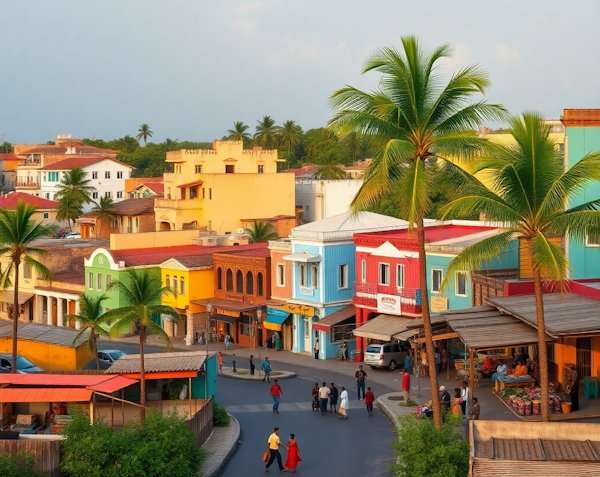
Getting around Benin’s cities means you’ll need to know the local transportation options that both tourists and locals use. The choices range from distinctive motorcycle taxis to shared vehicles, each with its own benefits for travelers.
Zemidjan (Motorbike Taxis)
Yellow-shirted motorcycle taxi drivers called “zémidjans” (or “zems” for short) dominate Benin’s towns and cities. The name means “take me away quickly” in the local Fon language. These motorbikes are a quick and cheap way to travel short distances, usually up to 10km (6 miles). Cotonou alone has between 200,000 and 250,000 zémidjan operators who serve about a million residents.
Zems work best for quick city trips and can only take two people—the driver and one passenger. Sometimes you’ll see three people squeezed on, but that’s nowhere near comfortable. New visitors should remember that drivers rarely provide helmets, so you’ll need to hold on tight to the driver or bike to stay stable.
Shared Taxis and Busses
Bush taxis come in two types: minivans and private cars. These vehicles link Benin’s towns and let you experience local life firsthand. Each vehicle carries 5 to 14 passengers, which means you’ll sit close to other travelers.
Busses aren’t the best choice in Benin because their schedules aren’t reliable. Cars or bush taxis work better for travelers who need to stick to a schedule. Most bush taxis leave when they’re full and you’ll need to pay in cash.
Typical Fares from Border to Porto Novo
Your transportation costs will change based on how far you go and how comfortable you want to be. Public transport tickets usually cost $1-2, while private taxis charge about $4-5 per mile. The bus trip from Lomé to Cotonou costs between $13-19. A shared taxi ride from Cotonou to Porto Novo costs around 700 CFA (€1.07).
Appreciate Lomo to Porto Novo by Land
The trip from Lomé to Porto Novo needs good planning and patience, but visitors get to experience West Africa’s rich cultural heritage. You’ll need proper documents – a valid passport, yellow fever certificate and the right visas if you’re not an ECOWAS citizen. This makes crossing the border quick and smooth. The Hilacondji border’s biggest challenge is staying alert to potential scams, especially fake “fees” and sketchy money changers.
You have several good routes to choose from based on your priorities. Shared taxis provide the quickest path if you’re going direct. A stopover in Cotonou lets you explore Benin’s business hub before heading to the capital. The complete trip takes about 4-5 hours, including border waits and transport connections.
Benin’s local transport has its own unique flavor and quirks. Zémidjans weave through busy city streets quickly, while shared taxis connect major towns at good rates. Smart travelers hit the road early, keep enough cash in the right currencies, and know what to expect in terms of comfort.
The road connecting Lomé to Porto Novo is more than just a transport route – it shows you real West African life. Once you’re past the border paperwork, you’ll find a country full of cultural treasures, from voodoo traditions to colonial buildings. The trip itself becomes part of Benin’s experience rather than just a way to reach your destination.
FAQs
Q1. What documents do I need to cross the border from Togo to Benin?
You’ll need a valid passport with at least 6 months validity, a yellow fever vaccination card and a visa if you’re not from an ECOWAS country. ECOWAS citizens can use their ECOWAS Travel Certificate or International Passport.
Q2. How long does the journey from Lomé to Porto Novo typically take?
The entire journey usually takes about 4-5 hours, including border crossing time. The actual driving time is around 3 hours, covering approximately 179-190 km.
Q3. What are the transportation options available from Lomé to Porto Novo?
You can take shared taxis from Lomé to the border, then continue with shared taxis or busses from the border to Porto Novo. Alternatively, you can travel via Cotonou using busses or shared taxis.
Q4. Are there any common scams to be aware of at the Togo-Benin border?
Yes, be cautious of individuals posing as “visa officials” offering to process entry documentation at inflated fees. Only conduct official business inside designated immigration buildings and never pay fees until reaching the final checkpoint.
Q5. What is a “zemidjan” and how does it work in Benin?
A “zemidjan” or “zem” is a motorcycle taxi common in Beninese cities. They’re fast and inexpensive for short distances, typically carrying one passenger. However, helmets are rarely provided, so hold on tightly for safety.


Leave A Comment