

The world’s top botanical gardens serve as living museums of Earth’s botanical diversity, housing more than 7.8 million preserved plant specimens. These spaces offer much more than just beautiful views.
The Chicago Botanic Garden’s sprawling 385 acres draw over a million visitors each year, while Singapore’s Gardens by the Bay showcases 32,000 global plant species. Nature’s finest collections thrive in these botanical wonderlands. The Royal Botanic Gardens Kew’s vast collection preserves over 30,000 plant species, and the Majorelle Garden creates enchanting displays within just two acres.
Plant enthusiasts planning their 2025 adventures can explore this piece highlighting 12 of the world’s most beautiful gardens. The guide details each garden’s unique features, special exhibitions and must-see attractions.
Singapore Botanic Gardens: A UNESCO World Heritage Site
The Singapore Botanic Gardens earned its place as Singapore’s first UNESCO World Heritage Site in 2015. It remains the only tropical botanical garden featured on the UNESCO World Heritage List. This recognition highlights its outstanding contribution to global natural and cultural heritage.
History and Cultural Significance
The 82-hectare green sanctuary dates back to 1859. What started as a British colonial garden has grown into a world-class botanical research center. The Gardens helped introduce economically valuable plants throughout Southeast Asia. The Para Rubber tree stands out as a prime example that brought wealth to the region in the early 20th century. An Agri-Horticultural society created the Gardens in the English Landscape Movement’s style. The British colonial government took over its management in 1874. Several Kew-trained botanists later shaped it into a major botanical institute.
National Orchid Garden: Home to Over 1,000 Species
The National Orchid Garden, the Gardens’ crown jewel, will celebrate its 30th anniversary in 2025. Recent improvements have brought impressive changes:
- The collection now features 1,500 species and 3,000 hybrids of orchids—50% more than before the renovation
- A new Tropical Montane Orchidetum lets visitors experience climbing through a tropical montane forest
- The Sembcorp Cool House recreates high elevation montane forests at 1,000-2,000m altitude. Temperatures stay between 16-23°C
The Gardens started its Orchid Hybridisation Program in 1928. More than 630 registered hybrids have emerged since then. Many special hybrids receive names of visiting dignitaries as symbols of friendship.
Conservation Efforts and Research Initiatives
Scientists at the Research and Conservation branch study plant diversity in Singapore and Southeast Asia. The Gardens’ Seed Bank works to protect seeds from up to 25,000 plant species. These plants face threats from climate change and habitat loss. The Singapore Herbarium, now 150 years old, holds one of the region’s largest collections of preserved plant and fungi samples. A massive digital database project will catalog 800,000 specimens. This resource will become Southeast Asia’s largest when it launches in 2027.
2025 Special Exhibitions and Events
The year 2025 brings multiple celebrations. The Gardens will mark its 10th year as a UNESCO site, the Singapore Herbarium and Library of Botany and Horticulture turns 150, and the National Orchid Garden reaches 30 years. Visitors can look forward to:
- The Singapore Botanic Gardens Heritage Festival starting July 2025
- Singapore Garden Festival Orchid Show with public entries
- “Planting Memories” exhibition sharing visitors’ personal stories
- Botanical Odyssey exhibition showcasing nature’s marvels
Kew Gardens, London: The World’s Most Diverse Plant Collection
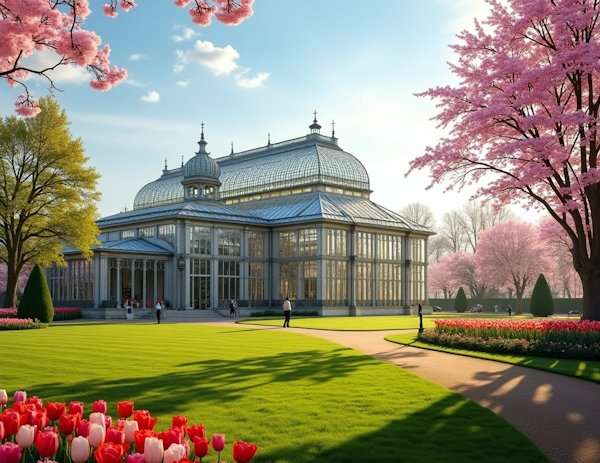
The Royal Botanic Gardens, Kew is 264 years old and stands as a UNESCO World Heritage Site that welcomes over two million visitors annually. This world-famous botanical garden has the largest collection of living plants with more than 30,000 species.
The Iconic Palm House and Temperate House
Built in 1848, the magnificent Palm House pioneered the large-scale use of wrought iron in construction. Visitors can see tropical treasures in this architectural marvel, including the world’s oldest pot plant – an Encephalartos altensteinii that has lived here since 1848. The air inside feels thick with green life as people walk among plants from the world’s most endangered environments.
Next door, you’ll find the Temperate House, the biggest Victorian glasshouse anywhere in the world. It opened its doors again in 2018 after a five-year renovation and now shows off 1,200 species from five continents. The building protects rare island plants from faraway places like Saint Helena and the Pitcairn Islands.
Treetop Walkway Experience
The Treetop Walkway rises 18 meters high and stretches 200 meters, giving people a bird’s eye view through the tree canopy. The team that created the London Eye designed this walkway, which opened in 2008 and lets visitors see life in the treetops up close. Built with over 400 tons of weathered steel, it blends naturally with the surrounding trees.
Visitors walk among sweet chestnut, beech, horse chestnut, and several oak species. The walkway has stairs and a lift, and the views change with each season. On clear days, you can spot London’s skyline in the distance.
Kew’s Millennium Seed Bank Project
Kew’s wild botanic garden in Sussex houses the Millennium Seed Bank, the world’s biggest collection of wild plant seeds. This underground facility stores over 2.4 billion seeds from about 39,000 different species, making it Earth’s most diverse collection of wild plant genetic material.
The seeds stay safe in vaults that can withstand floods, bombs and radiation at -20°C. The bank works with 97 countries to protect wild plants from extinction.
2025 Botanical Art Exhibitions
“The Power of Trees” exhibition will open at Kew’s Shirley Sherwood Gallery of Botanical Art in April 2025. It celebrates woodland beauty through various artworks. Visitors will see 20 botanical illustrations from The Bedgebury Pinetum Florilegium Society and Finnish artist Eija-Liisa Ahtila’s cinematic piece “Horizontal – Vaakasuora”.
The gallery plans to show two different exhibitions in autumn 2025 that connect traditional Indian art with modern work. “Flora Indica” will showcase outstanding pieces from Kew’s South Asian botanical illustration collections that tell forgotten stories.
Brooklyn Botanic Garden, New York: Urban Oasis of Biodiversit
The Brooklyn Botanic Garden stands as a 52-acre sanctuary of biodiversity in New York City’s urban heart. This 120-year-old garden ranks among the world’s most beautiful, with collections that showcase both native and international flora.
Cherry Esplanade and Annual Sakura Matsuri Festival
Double-flowering ‘Kanzan’ cherries dominate the garden’s Cherry Esplanade, reaching peak bloom in late April. Scarlet oak trees, known as Liberty Oaks, line this broad green lawn alongside spectacular cherry trees. These Liberty Oaks stand as memorials to September 11, 2001. The nearby Cherry Walk features different varieties that bloom over several weeks, starting in late March.
The garden replaced its traditional Sakura Matsuri Festival after 2019 with “Weekends in Bloom”. These celebrations run through four weekends in April and May with pop-up music shows, cultural demonstrations and family activities. The garden launched “Hanami Nights” in 2025, where visitors enjoy cherry blossoms during evening events with live performances and special refreshments.
Native Flora Garden Conservation
The Native Flora Garden, 111 years old, pioneered ecological native plant gardens in America. This three-acre space brings to life the habitats that once thrived in the New York region – meadows, bogs and pine barrens. The garden protects threatened species through its genetic repository and seed bank. A recent one-acre expansion brought 150,000 new plants from over 150 local species.
Japanese Hill-and-Pond Garden
Japanese landscape architect Takeo Shiota created the first public Japanese garden in the United States between 1914 and 1915. This space combines traditional hill-and-pond style with stroll-garden design, revealing its beauty along winding paths. Wooden bridges, stone lanterns, a viewing pavilion and a vermilion torii gate enhance the garden’s authenticity. The garden underwent careful restoration after suffering damage during World War II from anti-Japanese sentiment.
Accessibility Features and Guided Tours
Visitors find wheelchair access at all public entrances, with chairs ready at each gate on a first-come basis. Most garden areas connect through stair-free paths, though some historic routes remain uneven or steep. The Alice Recknagel Ireys Fragrance Garden opened in 1955 as America’s first garden for visually impaired visitors, featuring raised beds with fragrant plants and Braille labels. Specialized tours cater to visitors with memory loss, while seasonal tours highlight nature’s changing beauty.
Jardim Botânico, Rio de Janeiro: Tropical Paradise at the Foot of Corcovado
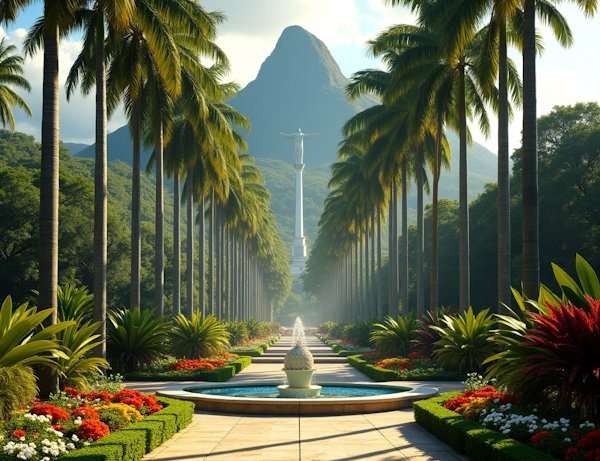
The Rio de Janeiro Botanical Garden (Jardim Botânico) sits at Corcovado Mountain’s base under Christ the Redeemer‘s watchful eye. This 54-hectare paradise ranks among the most beautiful gardens in the world. The garden started in 1808 and now houses approximately 6,500 plant species, with many facing extinction. The public has enjoyed access to this biodiversity hotspot since 1822, though it began as a place to grow West Indies spices.
Avenue of Royal Palms
Without doubt, the garden’s crown jewel is its stunning 750-meter avenue with 134 towering royal palms. These magnificent trees form a symmetrical corridor that welcomes visitors at the main entrance. The palms date back to the garden’s earliest days and have become its defining symbol. Photographers flock to this avenue more than any other spot in Rio de Janeiro.
Research Laboratory and Rare Plant Collections
Jardim Botânico goes beyond pure beauty. Brazil’s most complete botanical library lives here with over 32,000 volumes about botany. The garden’s research team studies neotropical flora extensively and focuses on identification and conservation. The collections showcase bromeliads, orchids, carnivorous plants, and cacti. Scientists found that there was the world’s only known specimen of G. arkeocarpus growing here in 2013.
Amazon Rainforest Conservation Initiatives
The garden leads Amazon conservation through special programs that protect rare species. The garden’s scientists cooperate with national parks like Rebio Poço das Antas. They work to boost endangered Amazon plant populations both in situ and ex situ. This all-encompassing approach has helped several threatened species thrive. The team also partners with other groups to protect plants from deforestation and climate change.
Photography Tips and Best Viewpoints
Photo spots abound throughout the garden. Sunlight creates magical effects as it filters through dense foliage during golden hour. The Japanese Garden, orchid greenhouse and lily pad pond make perfect subjects for close-up nature shots. All the same, the main palm avenue offers the most dramatic photos, especially with a wide-angle lens that captures their height and symmetry. Wildlife from nearby Tijuca National Park, including toucans, monkeys and butterflies, adds unexpected photo opportunities.
Gardens by the Bay, Singapore: Futuristic Botanical Wonder
Singapore’s downtown Marina Bay showcases a 101-hectare botanical masterpiece that redefines garden design. Gardens by the Bay combines nature, technology and state-of-the-art features to create one of the most beautiful gardens in the world. This futuristic wonder stands apart from traditional botanical spaces with its vertical gardens and climate-controlled biodomes that display plants from across the globe.
Supertree Grove and OCBC Skyway
The garden’s iconic Supertrees tower up to 50 meters high, matching the height of a 16-story building. These vertical gardens host over 162,900 plants from more than 200 species. The OCBC Skyway lets visitors get close to these giants on a 128-meter aerial walkway that floats 22 meters above ground. The walkway rewards visitors with stunning panoramic views of the Gardens against Marina Bay’s skyline. Photographers will find the best lighting conditions about an hour before sunset.
Cloud Forest and Flower Dome
A spectacular 35-meter indoor waterfall dominates the Cloud Forest conservatory. The space maintains temperatures between 23-25°C with humidity levels of 80-90%, creating perfect conditions found in tropical mountain regions. The Flower Dome has earned its place as the world’s largest columnless greenhouse. Its innovative roof features specially selected glass that maximizes light for plants while reducing solar heat.
Sustainability Features and Green Technology
The garden’s eleven Supertrees serve as environmental powerhouses with photovoltaic cells that capture solar energy. One unique Supertree works as a chimney stack and releases non-toxic fumes from a biomass boiler that turns plant waste into energy. The garden’s clever lake system filters water naturally through aquatic plants before releasing it.
Night Tours and Light Shows for 2025
The Gardens come alive after dark with Garden Rhapsody light and sound shows at 7:45pm and 8:45pm nightly. The 2025 lineup features themed shows like “World of Fantasy” (June), “Retro Fever” (July), “Songs of Singapore” (August) and “The Christmas Special” (November-January). The shows create an amazing experience through 68 independent audio speakers.
Kirstenbosch National Botanical Garden, Cape Town: Showcasing South Africa’s Unique Flora
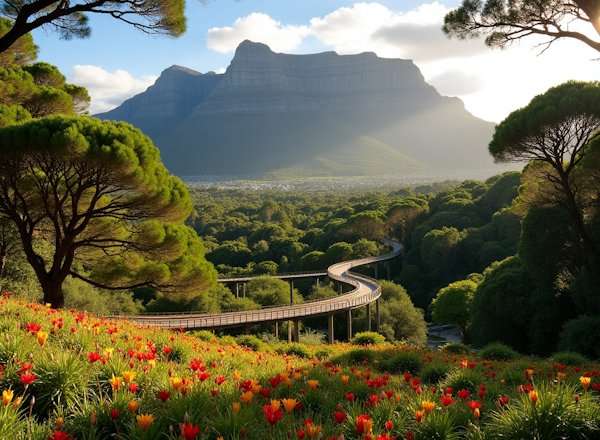
Kirstenbosch National Botanical Garden lies at Table Mountain’s eastern foot, spanning 528 hectares of managed and wild terrain. This natural wonder became a UNESCO World Heritage Site in 2004 as part of the Cape Floristic Region Protected Area.
Boomslang Canopy Walkway Experience
“The Boomslang,” the garden’s crown jewel, lets visitors weave through treetops like a serpent. Visitors can enjoy breathtaking views of the surrounding mountains and Cape Flats from this 130-meter curved steel and timber walkway, which hovers 12 meters above ground. The structure’s snake skeleton design touches the forest floor at just two points, which helped preserve the environment – not a single tree fell during construction. The walkway drew more than 200,000 extra visitors in its first year. Everyone, including wheelchair users, can view the arboretum’s 450 native tree species from above.
Protea Garden and Fynbos Collection
Visitors can explore the Cape Floral Kingdom’s unique vegetation along the Fynbos Walk. The path winds through the garden’s peaks, featuring dedicated spaces for Restio, Protea, Fynbos, Buchu and Erica gardens. This region holds nearly 20% of Africa’s plant species while covering just 0.5% of the continent. The area bursts with color between July and December, bringing four sunbird species and the distinctive long-tailed Sugarbird.
Conservation of Endemic Species
Kirstenbosch serves as both a display garden and conservation hub. The garden protects 37 of South Africa’s 40 known Encephalartos cycad species, including the final surviving specimen of one variety. Lucky visitors might spot wildlife such as Grysbok, Caracal and the Critically Endangered Table Mountain Ghost Frog throughout the reserve.
Summer Sunset Concerts for 2025
The upcoming 2024/2025 Summer Sunset Concert series will feature 17 weeks of music with Table Mountain as a backdrop. The lineup stars:
- Mi Casa (March 2, 2025)
- Watershed’s 25th anniversary show (March 16, 2025)
- Jeremy Loops (March 23, 2025)
- Ami Faku & Simmy closing the season (March 30, 2025)
Desert Botanical Garden, Phoenix: Celebrating Arid Beauty
The Desert Botanical Garden sprawls across Phoenix and proves the unexpected beauty of arid landscapes. This 140-acre garden features one of the world’s most impressive collections of living desert plants. Unusual species create stunning visual displays against rusty-red buttes.
Sonoran Desert Nature Loop Trail
This quarter-mile trail lets visitors learn about desert ecology and teaches survival techniques of plants and animals in water-scarce conditions. Guests can enjoy mountain views from the trail’s peaks that show the surrounding landscape differently. The path meanders through organ pipe cacti forests and native Sonoran Desert plants. Wildlife watchers can spot desert creatures in their natural habitat. The trail serves as an educational tool that expresses remarkable adaptations of desert species.
Cactus and Succulent Collection
The garden boasts an impressive 15,476 accessioned plants, and its collection represents more than two-thirds of all cactus species. The Plant Collections Network named it The National Collection of Cactaceae. Wild-origin plants make up 80% of species, which adds significant scientific value. The garden’s Opuntioideae collection leads the world with 208 of 261 known species and varieties. Recent additions brought 18 rare Copiapoa cactus specimens to the Virginia G. Piper Charitable Trust Desert Terrace Garden.
Desert Wildflower Blooms
Spring changes the garden with short-lived wildflower displays that need specific conditions to thrive. These blooms need at least an inch of soaking fall rain and perfect winter precipitation timing. Shrubs, perennials, annuals and trees create this colorful display. Many plants complete their life cycle in weeks. Some species’ seeds can stay viable in soil for up to ten years, which helps them survive the desert’s unpredictable rain patterns.
Night Tours and Luminaria Events
Las Noches de las Luminarias, the garden’s most cherished tradition, lights up trails with eight thousand glowing luminaria bags during select December nights. This Southwest tradition creates a magical nighttime experience with live music and entertainment. The garden also offers a “silent night” event on December 21 where visitors can enjoy peaceful moments without music, surrounded by the gentle glow of lights among 50,000 desert plants.
Montreal Botanical Garden, Canada: A Diverse Cultural Experience
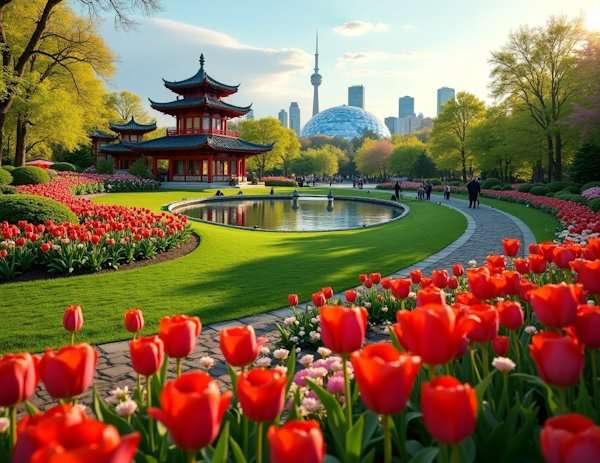
The Montreal Botanical Garden stands among the most beautiful gardens in the world and takes visitors on a special trip through various cultural landscapes. This 75-hectare horticultural masterpiece fascinates people with its distinctive thematic gardens that represent different world traditions.
Japanese Garden and Bonsai Collection
The Japanese Garden’s harmonious design creates a peaceful atmosphere with its carefully planned landscape of stone, water and plants. The Bonsai Courtyard lets visitors find a collection of rare beauty with specimens aged between 25 to 350 years. The bonsai exhibit features five simple shapes: upright, informal upright, slanting, cascade and semi-cascade—each shaped by traditional wire-sculpting techniques. The Satsuki azaleas create spectacular blooms in shades of white, pink and purple that often cover the entire plants.
Chinese Garden Cultural Exhibits
The Chinese Garden looks rustic and asymmetrical yet follows strict esthetic principles from the Ming era. The garden’s centerpiece, the Friendship Hall, features exhibitions under an impressive roof with symbolic creatures—dragons hold the ridgepole while lions guard the corners. Visitors can see penjing (meaning “landscape in a pot”), an ancient art form that dates back to the 2nd century. These miniature landscapes capture nature’s essence by removing unnecessary elements.
First Nations Garden
The First Nations Garden opened in August 2001 and shows the deep connections between indigenous peoples and plants. This 2.5-hectare modern garden features over 300 different plant species with thousands of shrubs, perennials and grasses. The garden represents environments where Cree, Algonquin, Attikamek, Innu and Naskapi traditionally lived and serves as a cultural meeting point to share knowledge.
Insectarium and Biodiversity Center
Next to the gardens, the Insectarium helps visitors find featured insects through interactive exhibits. The Biodiversity Center—opened in 2011—houses Quebec’s major collections of plants, insects and fungi. Its advanced genomic analysis platform makes shared research possible on various biological samples, creating a space where knowledge and breakthroughs flourish.
Nong Nooch Tropical Botanical Garden, Thailand: Spectacular Asian Paradise
Nong Nooch Tropical Botanical Garden stands as one of Southeast Asia’s largest botanical showcases. This 600-acre horticultural paradise sits near Pattaya. Traditional Thai elements blend with international design influences to create one of the most beautiful gardens in the world.
French Garden and European-Inspired Landscapes
The French Garden stands as one of Nong Nooch’s earliest themed spaces, drawing inspiration from the Gardens of Versailles. The area started as a simple sunflower field until Mr. Kampon’s European travels inspired him to reshape the scene in 1996. Visitors first experienced this masterpiece in 1998. The garden features perfect symmetry through geometrically trimmed plants that went together with one another with decorative elements like a pagoda and an English red telephone. The neighboring European Gardens showcase classical design principles. Hedges take precise geometric shapes—cones, spheres and squares—while golden sculptures create stunning contrasts against the lush greenery.
Cycad Collection and Conservation
The garden’s cycad collection amazes visitors with 348 species out of the world’s 352 cycad species. Some specimens can’t be found anywhere else in cultivation. This collection proves vital as cycads face extinction threats worldwide. The garden plays an active role in international conservation programs. Scientists gathered here during the 6th International Conference on Cycad Biology in 2002 and two Cycad Horticulture Workshops (2017 and 2019). These efforts make the garden a crucial ex-situ conservation site that protects this ancient plant group.
Thai Cultural Performances
Thai heritage comes alive through daily cultural shows featuring:
- Contemporary Thai dance performances
- Martial arts demonstrations
- Beautiful costumes and stage presentations
Visitors can catch these shows four times daily (10:30am, 11:30am, 1:30pm, and 3:30pm) in a theater that holds 2,030 people.
Elephant Shows and Interactive Experiences
Elephant performances draw countless visitors to the garden. These clever animals amaze audiences by painting pictures and playing various sports like football, basketball, and bowling. Baby elephants steal the show when they dance and play with hula hoops. Guests can buy bananas to feed the elephants and take pictures up close, creating lasting memories. These shows run at the same times as the cultural performances, with four shows each day.
Royal Botanic Gardens Victoria, Australia: Southern Hemisphere’s Botanical Gem

Royal Botanic Gardens Victoria has been a botanical treasure in the Southern Hemisphere since 1846. The garden beautifully blends its rich history with modern conservation methods and ranks among the most beautiful gardens in the world.
Indigenous Australian Plant Collections
The Australian Rare and Threatened Species Collection sits on the island beds of the Central Lawn, with specimens spread across suitable microclimates throughout the Gardens. The 16-year old collection showcases Australia’s remarkable native flora through field trips and work with similar organizations. Visitors can find rare plants in special areas like the Eucalyptus robusta bed, Xanthorrhoea bed, Eastern lawn, Conifer border, Australian Forest Walk, Fern Gully and Herbarium bed.
Guilfoyle’s Volcano Water Conservation System
William Guilfoyle built this remarkable structure in 1876. It served as the gardens’ main water supply through a gravity-fed irrigation system. The volcano sat unused for years until its restoration in 2010. Now it serves as part of a detailed stormwater management system. The crater lake features fourteen floating islands that use natural biological processes to clean water. Semi-aquatic plants on these islands have submerged roots that filter out sediments and excess nutrients.
Rare and Threatened Species Program
The groundbreaking “Raising Rarity” program helps communities protect Victoria’s botanical heritage. More than one-third of native plants face extinction threats. The program has achieved great success through:
- Students growing threatened species from their local areas
- Six regional botanic gardens creating multi-site conservation collections
- Local governments displaying threatened species in urban settings
Climate Change Adaptation Research
The Gardens’ “Landscape Succession Strategy” leads the way in planning for the future. It maps out how to adapt the botanical landscape for conditions expected in 2090. Researchers study global locations that match Melbourne‘s future climate predictions to choose new species. The Gardens plans to have 75% of its plants suited to the 2090 climate by 2036. They also aim to source all irrigation from green water sources.
Keukenhof Gardens, Netherlands: Spring Bulb Spectacular
Keukenhof Gardens comes alive each spring from March 20 to May 11. Over 7 million flower bulbs burst into bloom across its 32 hectares. This short-lived floral masterpiece ranks among the world’s top botanical gardens.
Tulip Fields and Flower Displays
You’ll find an amazing collection of 800 different tulip varieties spread across Keukenhof’s vast grounds. Nature sets the blooming schedule – early visitors see crocuses, daffodils, and hyacinths, while the iconic tulips show their full beauty mid-season. The garden’s 15 kilometers of walking paths lead you through stunning arrangements that reveal new views at every corner. Beautiful commercial tulip fields stretch beyond the garden’s edges, creating a colorful patchwork that shows off the Dutch countryside’s charm.
Indoor Pavilions and Exhibitions
The garden’s pavilions host rotating flower shows throughout the season. Beatrix Pavilion features a year-round display of orchids and anthuriums. The Oranje-Nassau Pavilion’s displays change almost weekly – you’ll see everything from spectacular rose shows (the world’s largest) to chrysanthemums, carnations and summer flowers. The Juliana Pavilion’s fascinating Tulipomania exhibition tells the story of tulip history.
Photography Tips for Capturing Blooms
The best shots come early morning or late afternoon when the light is perfect and crowds are thin. Your photos will look better if you focus on specific details instead of trying to capture everything. Try getting low and close to flowers to create dramatic three-dimensional effects. Mid-April to early May usually offers the best photo opportunities, depending on the weather.
2025 Flower Parade and Special Events
The 78th annual Flower Parade will take place on April 12, 2025. Beautiful floats covered in spring flowers travel 42 kilometers from Noordwijk to Haarlem. Garden visitors can catch the parade passing Keukenhof around 15:45. Noordwijkerhout hosts a special illuminated evening parade on April 11 and the floats stay on display in Haarlem until April 13.
Majorelle Garden, Marrakech: Vibrant Oasis in the Desert

A vibrant 2.5-acre jewel sits at the heart of Marrakech, engaging visitors from around the world. French painter Jacques Majorelle created this masterpiece, the Majorelle Garden, between 1923 and 1962. The garden stands as a perfect blend of exotic botanicals and striking architectural elements.
Cobalt Blue Architecture and Design Elements
The garden’s signature feature makes it truly unique. Buildings painted in an intense cobalt blue became so iconic that people now know this shade as “Majorelle Blue.” Jacques Majorelle patented this stunning color after drawing inspiration from Moroccan blue tiles and Berber turbans. This electric blue adorns buildings, fountains and edges throughout the garden. The color creates dramatic contrast against the lush vegetation. The architectural style combines French Art Deco with traditional Moorish influences. Visitors can see this blend in geometric buildings, wooden gates, lattices and decorative tile work.
Berber Museum and Cultural Heritage
The Berber Museum, located in Majorelle’s former painting studio, showcases more than 600 artifacts from Pierre Bergé and Yves Saint Laurent’s collection. King Mohammed VI supported the museum’s inauguration in 2011. The museum offers a panoramic view of North Africa’s most ancient people. Jewelry pieces represent a 9,000-year-old heritage. Itinerant silversmiths created these pieces not just for beauty but to protect the wearer’s health. The museum space divides into four distinct areas by themes, starting with Berber history and geography.
Exotic Cactus Collection
The garden’s botanical richness remains extraordinary. Plants from five continents fill the landscape. These plants fall into five categories: cacti, palms, bamboo, blooming potted plants and aquatic plants. Traditional Islamic gardens separate plants by type, but Majorelle Garden takes a different approach. Species blend together in a picturesque, varied landscape. Pools, streams, and fountains create a peaceful atmosphere. Birds of many species find sanctuary here, adding their songs to the garden’s charm.
Yves Saint Laurent Connection and Museum
French designer Yves Saint Laurent and Pierre Bergé stepped in to save the garden in 1980. After Majorelle’s death, the garden had fallen into disrepair and faced threats from hotel developers. The couple restored its original splendor and made it their home. A Roman column from Saint Laurent’s Tangier residence found its place in the garden after his death in 2008. The Musée Yves Saint Laurent opened nearby in October 2017, honoring the designer’s legacy and his connection to Marrakech.
Comparison Table
| Garden Name | Location | Size | Notable Features | Special Collections | Conservation Efforts | Special Events/Programs |
|---|---|---|---|---|---|---|
| Singapore Botanic Gardens | Singapore | 82 hectares | National Orchid Garden | 1,500 orchid species, 3,000 hybrids | Seed Bank preserving 25,000 plant species | Singapore Botanic Gardens Heritage Festival (2025) |
| Kew Gardens | London, UK | – | Palm House, Temperate House, Treetop Walkway | 30,000+ plant species | Millennium Seed Bank (2.4 billion seeds) | “The Power of Trees” Exhibition (2025) |
| Brooklyn Botanic Garden | New York, USA | 52 acres | Cherry Esplanade, Japanese Hill-and-Pond Garden | Native Flora Collection | Native Flora Garden genetic repository | Weekends in Bloom, Hanami Nights |
| Jardim Botânico | Rio de Janeiro, Brazil | 54 hectares | Avenue of Royal Palms (134 palms) | 6,500 plant species | Amazon rainforest preservation programs | – |
| Gardens by the Bay | Singapore | 101 hectares | Supertree Grove, OCBC Skyway | 162,900 plants of 200 species | Solar energy use, biomass recycling | Garden Rhapsody light shows |
| Kirstenbosch | Cape Town, South Africa | 528 hectares | Boomslang Canopy Walkway | Protea Garden, Fynbos Collection | Protection of 37/40 Encephalartos cycad species | Summer Sunset Concerts |
| Desert Botanical Garden | Phoenix, USA | 140 acres | Sonoran Desert Nature Loop Trail | 15,476 cataloged plants | National Collection of Cactaceae | Las Noches de las Luminarias |
| Montreal Botanical Garden | Montreal, Canada | 75 hectares | Japanese Garden, Chinese Garden | Rare bonsai collection (25-350 years old) | First Nations Garden biodiversity | – |
| Nong Nooch | Pattaya, Thailand | 600 acres | French Garden, European Gardens | 348 of 352 world’s cycad species | International cycad preservation initiatives | Daily cultural shows, elephant performances |
| Royal Botanic Gardens Victoria | Melbourne, Australia | – | Guilfoyle’s Volcano | Australian Rare Species Collection | “Raising Rarity” program | Climate change adaptation studies |
| Keukenhof Gardens | Netherlands | 32 hectares | 15km of walking paths | 800 tulip varieties | – | Annual Flower Parade (April 2025) |
| Majorelle Garden | Marrakech, Morocco | 2.5 acres | Cobalt blue architecture | Exotic cactus collection | – | Berber Museum exhibitions |
Enjoy Botanical Gardens in the World
Twelve remarkable botanical gardens serve as living museums around the world. Each garden showcases our planet’s botanical diversity in its own way. Singapore’s futuristic Gardens by the Bay and London’s Kew Gardens’ historic charm represent nature’s finest collections.
These gardens are more than tourist spots. They protect endangered species and advance scientific understanding through conservation, research and education. Kew’s Millennium Seed Bank protects billions of seeds, while Nong Nooch’s cycad collection houses almost every known species of these ancient plants.
These botanical sanctuaries build cultural bridges through spaces like Montreal’s First Nations Garden and Marrakech’s Majorelle Garden. Human creativity meets natural beauty in Brooklyn’s Japanese Hill-and-Pond Garden and Singapore’s Supertrees.
Royal Botanic Gardens Victoria’s climate change research shows these institutions’ commitment to sustainability and adaptation. Their work will give future generations access to these natural wonders. These gardens connect people with plants and protect Earth’s irreplaceable botanical heritage through careful preservation and innovative development.
FAQs
Q1. Which botanical garden is considered the world’s best?
While there’s no definitive “best” garden, the Royal Botanic Gardens, Kew in London is widely regarded as one of the world’s premier botanical institutions. It houses the largest collection of living plants globally, with over 50,000 species across 132 hectares and is a UNESCO World Heritage Site renowned for its extensive research and conservation efforts.
Q2. What is the top-rated botanical garden in the United States?
Longwood Gardens in Kennett Square, Pennsylvania, is often cited as the best botanical garden in the United States. Spanning 1,100 acres, it attracts 1.6 million visitors annually and was named the country’s top botanical garden by USA Today.
Q3. Are there any botanical gardens known for unique features or collections?
Yes, several gardens stand out for their unique offerings. For example, the Desert Botanical Garden in Phoenix showcases arid-adapted plants, while Nong Nooch Tropical Botanical Garden in Thailand houses 348 of the world’s 352 cycad species. The Gardens by the Bay in Singapore is known for its futuristic Supertrees and climate-controlled conservatories.
Q4. How do botanical gardens contribute to plant conservation?
Botanical gardens play a crucial role in plant conservation through various means. For instance, Kew Gardens’ Millennium Seed Bank preserves billions of seeds from around the world. Many gardens, like the Royal Botanic Gardens Victoria, run specialized programs to protect rare and threatened species. These institutions also conduct vital research on climate change adaptation and biodiversity preservation.
Q5. What unique experiences can visitors expect at botanical gardens?
Botanical gardens offer diverse experiences beyond plant viewing. Many host cultural events, like Kirstenbosch’s Summer Sunset Concerts or Keukenhof’s annual Flower Parade. Some feature unique architectural elements, such as the Boomslang Canopy Walkway at Kirstenbosch or the cobalt blue buildings at Majorelle Garden. Educational programs, guided tours, and seasonal displays are common, providing visitors with immersive and enriching experiences.












Leave A Comment