

Finding the best things to do in Kandy shows a city rich in cultural significance as Sri Lanka’s last royal capital. This historical gem sits about 3 hours inland from Colombo at 465 meters above sea level. The city preserves unique customs and traditions as independent Ceylon’s final stronghold.
Kandy stands proud as the island’s cultural capital and opens the door to Sri Lanka’s picturesque hill country. The city’s heritage shines through its many attractions. The Temple of the Sacred Tooth Relic ranks among the world’s most sacred Buddhist sites. This temple houses what many believe to be Buddha’s own tooth. On top of that, the Royal Botanical Gardens draws around 2 million visitors each year. These magnificent gardens spread across 60 hectares and nurture more than 4000 plant species. Kandy Lake provides a peaceful escape from the city’s bustling energy. King Sri Wickrama Rajasinghe built this serene lake in 1807.
This piece explores Kandy’s top attractions, from its sacred temples to lush gardens. The city also marks the beginning of what many call the greatest train journey in the world. These elements combine to create an unforgettable Sri Lankan experience.
Temple of the Sacred Tooth Relic
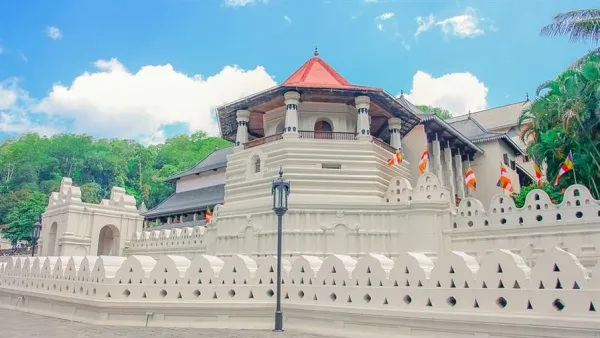
Image Source: sridaladamaligawa.lk
The Temple of the Sacred Tooth Relic stands as Kandy’s most precious attraction. Thousands of devotees and tourists flock to this Buddhist shrine each day to glimpse what many believe is Lord Buddha’s left canine tooth.
What is Temple of the Sacred Tooth Relic
Sri Dalada Maligawa, as locals call it, sits majestically within Kandy’s former royal palace complex. This magnificent temple emerged in the 16th century and showcases distinctive Kandyan architecture that blends elements from earlier shrines that protected the sacred relic. Artisans crafted intricate details using gold, silver, bronze and ivory throughout the structure. UNESCO recognized the temple’s cultural and historical value by declaring it a World Heritage Site in 1988.
Why visit Temple of the Sacred Tooth Relic
The temple’s significance extends beyond its religious importance. Sri Lankan history reveals that the sacred relic’s possession granted the rightful authority to rule the land. A golden lotus flower cradles the tooth relic inside the inner sanctum, nestled within several jeweled caskets atop a throne. Buddhist monks from Malwathu and Asgiriya chapters perform daily rituals that visitors can witness. Each Wednesday, a special ceremony called Nanumura Mangallaya takes place. During this ritual, monks bathe the relic with herbal water that many believe carries healing properties.
How to get to Temple of the Sacred Tooth Relic
Visitors will find the temple next to Kandy Lake, just eight minutes away from Kandy town by foot. A quick tuk-tuk ride costs about 200-250 rupees, though walking along the lake offers a pleasant alternative. The temple welcomes visitors through two entrances – one from Kandy-Jaffna Highway and another from Anagarika Dharmapala Mawatha.
Temple of the Sacred Tooth Relic Entry Fees or Timings
- Opening hours: 5:30 AM to 8:00 PM daily
- Worship ceremonies (Pujas): Morning (5:30-6:45 AM), Midday (9:30-11:00 AM), Evening (6:30-8:00 PM)
- Entrance fee: 2,000 LKR for foreigners, 1,500 LKR for visitors from SAARC countries, Thailand, and Myanmar
Remember to dress appropriately by covering your shoulders and knees. You’ll need to remove your footwear before entering the temple grounds.
Kandy Lake

Image Source: Next Travel Sri Lanka
Kandy Lake stands as a serene centerpiece among the top things to do in Kandy. This peaceful retreat from the bustling streets provides a stunning backdrop to the sacred Temple of the Tooth.
What is Kandy Lake
The locals know Kandy Lake as “Kiri Muhuda” or the “Sea of Milk.” King Sri Wickrama Rajasinghe, the last ruler of the Kandyan Kingdom, created this artificial lake in 1807. The picturesque water body covers 6,544 square meters and stretches 3.21 kilometers around its edges, reaching depths of 18.5 meters. A small island sits at the lake’s center, which was once the king’s relaxation pavilion. The British added their touch during colonization by building a fortress-style parapet around the perimeter and turning the island into an ammunition store.
Why Visit Kandy Lake
Kandy Lake provides one of the most relaxed experiences among places to visit in Kandy. The shoreline pathway lets you take a leisurely stroll under the shade of Nuga and palm trees. You’ll spot diverse birdlife here. Indian cormorants, white egret cranes, wood storks and pelicans call this place home. The iconic white “Ulpange” pavilion extends into the water – a spot that was once the bathing place of the king’s queens and concubines.
The lake creates stunning reflections of the surrounding hills, colonial architecture and the Temple of the Tooth. Photography enthusiasts will find plenty of perfect shots here.
Best Time to Visit Kandy Lake
December through April brings pleasantly dry weather – the perfect time to experience Kandy Lake. The most magical moments happen in the early morning or late afternoon. The temperatures stay cool at these times and golden light creates an enchanting atmosphere across the water. The temple lights create spectacular reflections on the calm surface during early evenings. Safety note: women should avoid walking alone after dark.
Royal Botanical Gardens
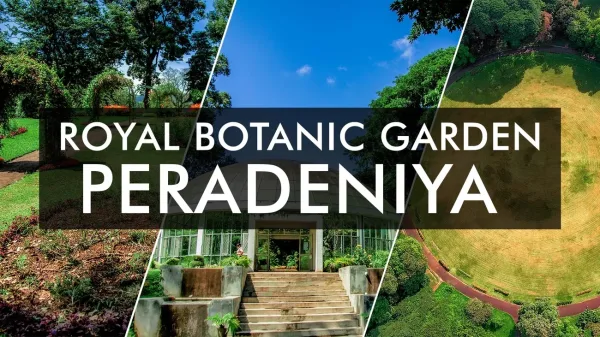
Image Source: Department of National Botanic Gardens
The Royal Botanical Gardens ranks among Asia’s most prestigious gardens and showcases the island’s rich botanical heritage spectacularly in Kandy.
What is Royal Botanical Gardens
This 202-year-old Royal Botanical Gardens at Peradeniya spans 60 hectares (147 acres) of beautifully landscaped grounds. The horticultural paradise lies 5.5 kilometers west of Kandy city at 460 meters above sea level and gets abundant rainfall year-round. More than 4,000 plant species thrive here, including rare orchids, spices, medicinal plants and an impressive palm collection. Sri Lanka’s first tea trees took root in these gardens back in 1824.
Why Visit Royal Botanical Gardens
The gardens feature remarkable attractions that make them a must-see in Kandy. The Orchid House dazzles visitors with more than 300 exotic varieties. A majestic avenue of royal palms, planted in 1950, adds to the garden’s grandeur. Plant lovers will marvel at the giant Javan fig tree’s massive central trunk and umbrella-like canopy. The garden’s history includes serving as Lord Mountbatten’s headquarters during World War II.
Royal Botanical Gardens Entry Fees or Timings
- Opening hours: 7:30 AM to 6:00 PM daily, 365 days per year
- Ticketing hours: 7:30 AM to 5:00 PM
- Foreign adult entry fee: LKR 3,540
- Foreign student entry fee: LKR 2,360 (with proof)
- Foreign child entry fee (5-12 years): LKR 1,770
Insider Tips for Royal Botanical Gardens
A local botanist’s guidance will enhance your garden experience. The gardens look magical during early morning or late afternoon, perfect for photography. Peak crowds gather from April to June, August to September and December – when flowers bloom most abundantly. Pack a picnic instead of eating at the overpriced cafeteria.
Bahiravokanda Vihara Buddha Statue
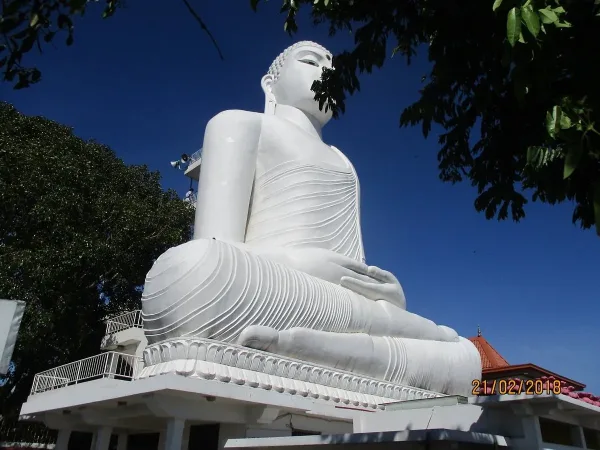
Image Source: Tripadvisor
The brilliant white Bahiravokanda Vihara Buddha Statue dominates Kandy’s skyline. This religious landmark ranks high among Kandy’s must-see attractions and provides spectacular views of the city.
What is Bahiravokanda Vihara Buddha Statue
The Bahiravokanda Vihara Buddha Statue stands 88-foot-tall in pristine white and people can spot it from nearly every corner of Kandy. This majestic statue sits atop Bahirava Kanda (Devil’s Hill) and shows Lord Buddha in the Dhyana Mudra or Nirvana pose – the position that marks his first Enlightenment. The construction started in the late 1980s and finished in 1992. Then-President Ranasinghe Premadasa officially inaugurated it on January 1, 1993. The statue stands near the Sri Maha Bodhi Temple, just 2 kilometers from Kandy’s heart.
Why Visit Bahiravokanda Vihara Buddha Statue
The statue’s elevated position provides one of the region’s most breathtaking panoramic views. Visitors can see Kandy Lake, the Temple of the Tooth, lush evergreen forests and tea plantations spread across the landscape. The city transforms at night as thousands of lights sparkle below. A small gallery inside the statue displays beautiful pictures that show Buddha’s journey from infancy to manhood. Visitors can take part in Buddhist traditions by offering flowers or lighting oil lamps at this spiritual site.
How to Get to Bahiravokanda Vihara Buddha Statue
The statue lies about 2 kilometers from Kandy Railway Station. A quick 10-minute tuk-tuk ride from downtown takes you to the site. Most travelers choose motorized transport to reach the statue’s base because of the steep climb. A 20-minute uphill walk leads to the statue once you reach the base. Adventurous visitors can try the complete climb from the bottom, though it requires more effort. Foreign visitors pay 250-300 LKR to enter, and the site welcomes guests from 6 AM to 6 PM daily.
Udawattakele Sanctuary
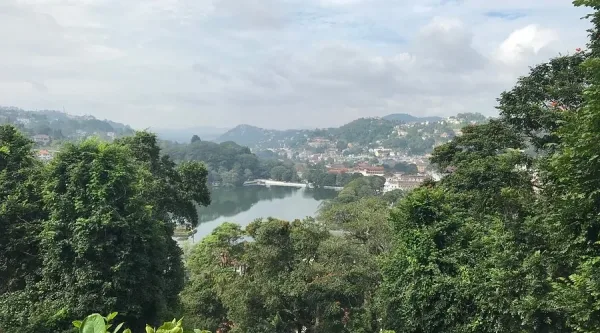
Image Source: Tripadvisor
Udawattakele Sanctuary nestles in Kandy’s urban heart, offering nature lovers a verdant forest escape from the city’s bustling cultural sites.
What is Udawattakele Sanctuary
The royal Kandyan family once called “Uda Wasala Watta” (the garden above the royal palace) their private pleasure garden. This 166-year-old forest reserve covers 104 hectares (257 acres) and rests on a hill-ridge behind the Temple of the Sacred Tooth Relic. The area became a forest reserve in 1856 and earned sanctuary status in 1938. The forest plays a vital role as a bio reserve for Kandy’s dense population. It works as a natural air purifier and helps regulate the local climate.
Why Visit Udawattakele Sanctuary
Nature thrives here with about 80 bird species calling this sanctuary home. You might spot endemic birds like Layard’s parakeet and Sri Lanka’s hanging parrot. The sanctuary shelters small mammals such as pale-fronted toque macaques, mouse deer, and slender lorises. Nature trails snake through thick canopies and lead to breathtaking Kandy viewpoints. The sanctuary’s spiritual essence comes from three Buddhist meditation hermitages and rock shelter dwellings within its bounds.
Best Time to Visit Udawattakele Sanctuary
December through April marks the ideal time to explore Udawattakele during the dry season. Wildlife becomes more active and temperatures stay cooler during early morning or late afternoon visits. A thorough exploration needs 3-4 hours. Remember to wear sturdy shoes and bring insect repellent – leeches might appear in wet weather.
Ceylon Tea Museum
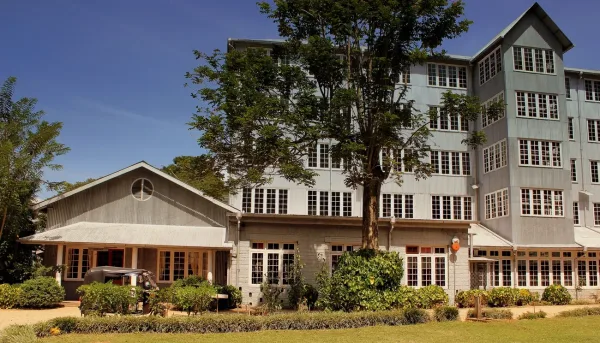
Image Source: en.wikipedia.org
Tea lovers will find the Ceylon Tea Museum a must-visit spot in Kandy. The museum gives visitors an amazing look into Sri Lanka’s world-famous tea industry.
What is Ceylon Tea Museum
The Ceylon Tea Museum stands in the old Hanthana Tea Factory, just 3 kilometers south of Kandy. Built in 1925, the building sat unused for over a decade until 2001. The Sri Lanka Tea Board and Planters’ Association brought it back to life that year. The museum welcomed its first visitors on December 1, 2001. You’ll find classic 19th-century tea equipment on the ground floor – colonial generators, rollers, dryers and sorting machines. The second floor houses the library and museum displays.
Why Visit Ceylon Tea Museum
The museum tells the rich story of Ceylon tea through exhibits about pioneers like James Taylor and Thomas Lipton. The top floor cafe serves fresh tea and offers stunning views. Visitors can use a mounted telescope to see Kandy city and the beautiful Hunasgiriya, Knuckles Range and Matale hills. The third floor lets you buy premium Ceylon teas from brands like Sri Lanka Tea Board teas, Tea Tang, Basilur and Mlesna.
Ceylon Tea Museum Entry fees or Timings
- Opening hours: Tuesday to Friday (8:30 AM-4:00 PM); Saturday & Sunday (8:00 AM-5:00 PM)
- Closed: Mondays
- Ticket prices: Non-resident adults (1000 LKR); Non-resident children (500 LKR)
- Note: The museum remains open on public holidays and poya days
Kandy Viewpoint (Arthur’s Seat)
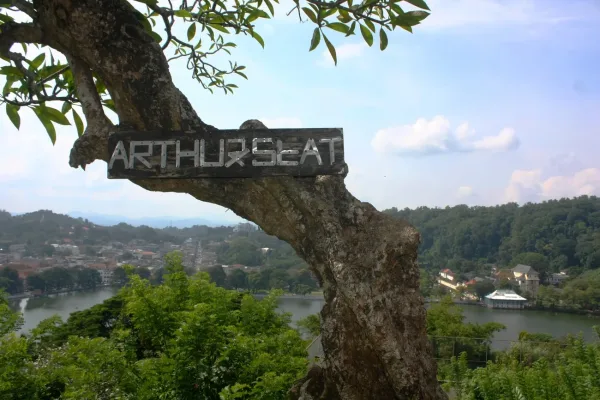
Image Source: en.wikipedia.org
Arthur’s Seat stands high above Kandy city and ranks among the best things to do in Kandy. Visitors can enjoy stunning views that showcase this historic city’s beauty in all its glory.
What is Kandy Viewpoint
Arthur’s Seat got its name from a British governor who loved spending time at this spot. This scenic overlook sits on the western edge of Kandy Lake, right where Lady Horton’s Drive meets Upper Lake Drive. The spot gives you an amazing 180-degree view of Kandy city. British colonial officials gave it this nickname because it reminded them of the famous Arthur’s Seat back in Edinburgh, Scotland.
Why Visit Kandy Viewpoint
This hidden gem stays away from tourist crowds and gives you an unmatched view of Kandy’s main attractions. The Temple of the Sacred Tooth Relic, Kandy Lake, and mountain ranges are clearly visible from this perfect spot. The viewpoint becomes a photographer’s paradise during sunrise and sunset as the light reshapes the scene beautifully. A pair of binoculars will help you spot interesting architectural details across the city.
How to Get to Kandy Viewpoint
You can reach Arthur’s Seat with a 20-minute uphill walk from Kandy Lake. A tuk-tuk ride from the city center costs about 300-400 LKR and serves as another option. The viewpoint stays open all day, but you should plan your visit early morning or late afternoon to avoid peak heat hours.
Take a safari in Sri Lanka.
Esala Perahera Festival
Image Source: Kandy Esala Perahera 2025
Sri Lanka’s Esala Perahera ranks among the oldest and grandest Buddhist festivals that revolutionize Kandy into a striking cultural showcase. No visitor should miss this spectacular event.
What is Esala Perahera Festival
This ancient religious procession, also called “The Festival of the Tooth,” started as a rain-invoking ritual in the 3rd century BC. The festival later united with the Dalada Perahera that pays tribute to the Sacred Tooth Relic at Sri Dalada Maligawa. The ten-day celebration happens each July or August and showcases about 5,000 performers. Traditional dancers, drummers, whip-crackers, and fire jugglers wear colorful costumes. More than 100 decorated elephants join the parade, and the most majestic tusker carries a golden casket with a replica of the Sacred Tooth Relic.
Why Visit Esala Perahera Festival
This mesmerizing festival stands out as one of Kandy’s finest attractions and provides a unique window into Sri Lanka’s heritage. Each night brings grander parades that peak with the final Randoli Perahera—a breathtaking spectacle that ranks among Asia’s most remarkable religious celebrations. The procession ends with the Diya Kepeema, a water-cutting ceremony at the Mahaweli River.
Best Time to Attend Esala Perahera Festival
The 2025 festival dates are July 30 to August 9:
- Kumbal Perahera: July 30-August 3
- Randoli Perahera: August 4-8 (Final night: August 8)
- Day Perahera: August 9
Kandy Market Hall

Image Source: Tripadvisor
Kandy Market Hall stands at the bustling heart of the city. This vibrant microcosm of Sri Lankan daily life lets visitors see authentic local culture beyond tourist attractions.
What is Kandy Market Hall
Kandy Market Hall, also called the Central Market or Municipal Market, occupies a two-story building with a courtyard area near the city’s clock tower. The market sits on Market Street and belongs to Kandy’s Municipal Council. The venue has been a crucial shopping destination where locals gather daily to buy fresh produce, spices, tea and other everyday items.
Why Visit Kandy Market Hall
The market lets travelers dive into local culture while meeting Kandy’s residents. Colorful stalls create a feast for the senses. The vibrant fruit section showcases exotic varieties like rambutan, mangosteen and durian, while the fragrant spice area offers cinnamon, cardamom and curry powder. Visitors can explore areas that sell unique handicrafts, batik fabrics, wood carvings and traditional jewelry. The market is also perfect to taste authentic Sri Lankan street food such as samosas and wattalapam (a creamy custard dessert).
Insider Tips for Kandy Market Hall
Price research helps since haggling is common. Vendors prefer Sri Lankan rupees as many don’t accept cards. Weekdays are less crowded than weekends. Simple Sinhala phrases like “Ayubowan” (hello) and “Stheerapai” (thank you) can substantially improve vendor interactions. The market’s popularity means visitors need about three hours to explore everything.
Knuckles Mountain Range
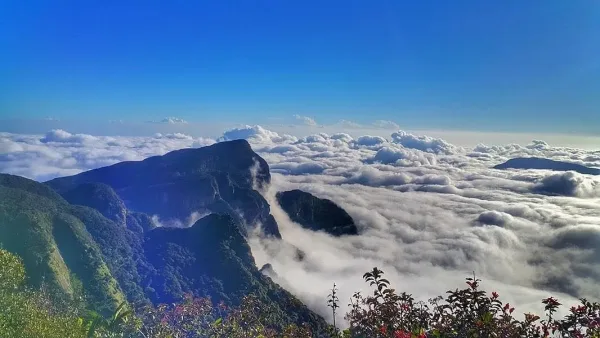
Image Source: Tripadvisor
The majestic Knuckles Mountain Range stands beyond Kandy’s city limits. Its misty peaks and rich biodiversity attract adventure seekers who want to experience extraordinary activities.
What is Knuckles Mountain Range
The Knuckles Range lies between Kandy and Matale districts and covers about 155 square kilometers. Local residents call it “Dumbara Kanduvetiya” (Mist-laden Mountain Range). British surveyors gave it the English name because the peaks looked like knuckles on a clenched fist. This UNESCO World Heritage Site features 34 peaks that rise between 900m to 1900m. The area contains five major forest types.
Why Visit Knuckles Mountain Range
The region serves as a biodiversity hotspot where over 34% of Sri Lanka’s endemic trees, shrubs and herbs thrive. Visitors can discover stunning landscapes that range from misty cloud forests to the beautiful Duwili Ella waterfall. Mini World’s End offers breathtaking views of valleys and countryside. Nature lovers can spot unique species among 128 bird varieties, 31 mammal species and countless reptiles.
Best Time to Visit Knuckles Mountain Range
Hikers find December through March ideal because the trails stay dry and are easy to access. The weather remains pleasant from March to September with clear skies. The best time to explore falls between May and September. Heavy rainfall occurs from October to February. This makes some trails challenging but rewards visitors with lush greenery and spectacular waterfalls.
Kandy to Ella Train Ride

Image Source: Johnny Africa
The Kandy to Ella train ride stands out as the world’s most scenic rail trip. This remarkable route gives travelers a unique view of Sri Lanka’s stunning hill country and ranks among the best activities Kandy has to offer.
What is Kandy to Ella Train Ride
British colonists built this legendary rail route through Sri Lanka’s central highlands in the 1864 to move tea from hill plantations to Colombo’s ports. The route now serves mostly passengers instead of its original freight purpose. A complete trip takes about 7 hours when running on schedule. The route between Hatton and Haputale stations offers the most stunning views. Passengers can see cascading waterfalls, thick jungles, and endless green tea plantations that cover the hillsides.
Why Take the Kandy to Ella Train Ride
The trip’s million-dollar views make it worth every minute. Travelers get clear views through big open windows. Many even sit at open doorways with their feet hanging out, creating those famous photos. The train weaves through misty mountains while tea plantation workers pause their work to wave at passing passengers. Small villages, cloud forests, and the famous Nine Arch Bridge add to this amazing experience.
How to Book Kandy to Ella Train Ride
Sri Lanka Railways’ website lets you book tickets 30 days before your trip. First-class cars have air conditioning but sealed windows. Second-class offers comfortable seats with open windows that work great for photos. Third-class gives you the most authentic local experience. Reserved seats cost between 600-3,000 LKR based on your class choice. You can buy unreserved tickets on the day of travel, starting at 300 LKR for third class.
Lankatilaka Temple
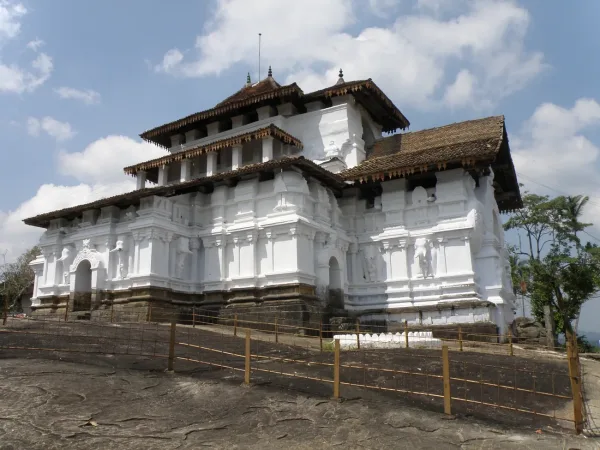
Image Source: en.wikipedia.org
Lankatilaka Temple sits majestically on a rock outcrop in Hiyarapitiya village. This remarkable structure stands as clear evidence of medieval Sinhalese craftsmanship and ranks among the top things to do in Kandy.
What is Lankatilaka Temple
The temple’s construction dates back to 1344 CE during King Bhuvanekabahu IV’s reign. The king’s chief minister Senalankadhikara built this architectural marvel, while South Indian architect Sthapati Rayar designed it. The structure originally reached 80 feet with four stories. Today, visitors can see three stories standing on its granite foundation. The temple’s design combines Sinhalese architecture from the Polonnaruwa period with Dravidian and Indo-Chinese influences. The entrance features a beautiful moonstone (Sandakadapahana) with two Korawakgalas that showcase the distinctive Gajasinha design.
Why Visit Lankatilaka Temple
The temple houses remarkable artistic treasures inside its walls. Two striking lion paintings decorate the corridor walls and lead to a magnificent 12-foot Buddha statue under a Dragon Arch (Makara Torana). Vibrant wall paintings tell stories of 24 previous Buddhas. The temple’s religious diversity shows in its sections dedicated to various deities like Vishnu, Saman, Vibhishana and others. Visitors can find this architectural gem about 4km from Pilimatalawa junction. The structure ended up offering breathtaking panoramic views of the surrounding Kandyan landscape.
Gadaladeniya Temple
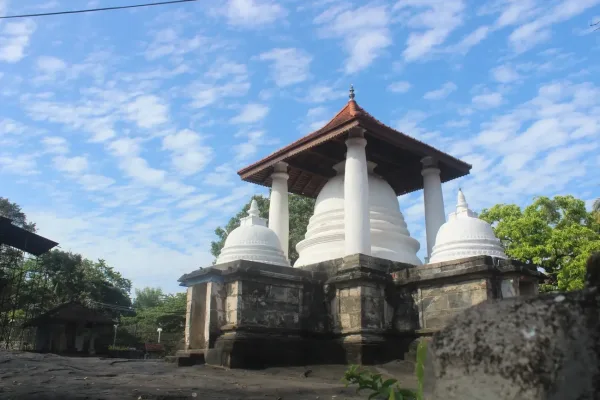
Image Source: Wonders of Ceylon
Gadaladeniya Temple stands majestically on a rock outcrop in Pilimathalawa. This remarkable temple blends South Indian Dravidian and Sinhalese architectural traditions and ranks among Kandy’s must-see attractions.
What is Gadaladeniya Temple
South Indian architect Ganesvarachari designed this ancient Buddhist shrine in 1344 CE during King Bhuvanekabahu IV’s reign. The temple’s official name is Saddharmatilaka Vihara or Dharma Kirthi Viharaya, named after its founding monk Seelavamsa Dharmakirti. Sculptured granite makes up most of the temple structure, except for two brick shikaras. A 2.43m high seated Buddha statue in the ‘Dhyana Mudra’ meditation pose adorns the main shrine room, with four standing Buddha figures on its sides. Next to the main shrine, you’ll find a devale dedicated to the Hindu god Vishnu.
Why Visit Gadaladeniya Temple
Beautiful stone carvings of drummers, dancers, wrestlers and flutists decorate the temple complex. An ornate Makara Thorana (Dragon Arch) welcomes visitors at the entrance before they reach the shrine room. The structure beautifully combines Polonnaruwa-era Sinhalese architecture with South Indian elements. The temple compound features a secondary shrine called Vijayothpaya or Vijayantha Prasada, which takes its name from deity Indra’s mythical palace. The temple’s unique three-sided twin pillars make it special – these rare architectural elements exist only in one other place: Yapahuwa.
Embekke Devale
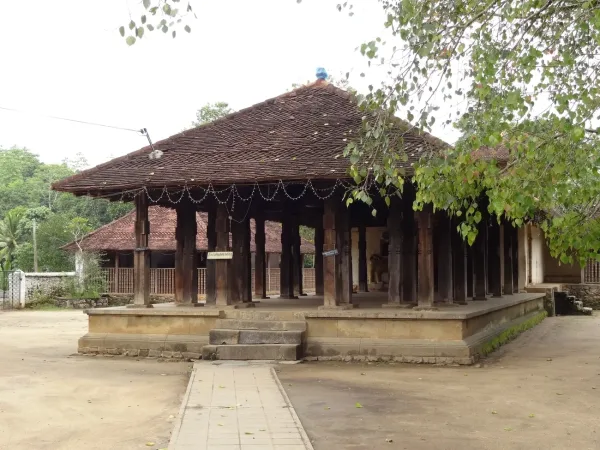
Image Source: en.wikipedia.org
Embekke Devale stands out for its extraordinary woodcarvings. This temple completes the triad of ancient Western Temples near Kandy and gives visitors a unique glimpse into Sri Lanka’s artistic heritage.
What is Embekke Devale
The temple sits 10 km north of Gampola and 16 km southwest of Kandy. Builders constructed Embekke Devale during the 14th century Gampola period. Most surviving structures come from the later Kandyan era. This temple differs from its stone and brick counterparts by showcasing timber architecture. The main shrine honors the Hindu deity Kataragama (Skanda/Murugan), whom Buddhist Sinhalese also venerate. Queen Henakanda Biso Bandara’s vision led to the temple’s construction after she experienced miraculous signs.
Why Visit Embekke Devale
The wooden Digge (Drummers’ Hall) stands as the temple’s crown jewel. It contains over 100 masterful woodcarvings that UNESCO recognizes among the world’s finest. This 16m by 8m hall features 32 wooden pillars with unique designs. Each panel shows distinct motifs. Visitors can see entwined swans, double-headed eagles, dancers, wrestlers and mythical creatures like the elephant-bull hybrid. This hybrid carving reveals something special – covering part of it shows either an elephant with an elongated trunk or a bull. The temple’s craftsmanship shines through the “Madol Kurupuwa,” a clever wooden pin that connects 26 rafters.
Helga’s Folly

Image Source: Helga’s Folly
Helga’s Folly stands out as one of the most unique things to do in Kandy. This surreal escape from the typical tourist path gives visitors a fascinating peek into a world where art, history and eccentricity come together.
What is Helga’s Folly
This amazing boutique hotel and restaurant sits on Rajapihilla Mawatha and brings its owner’s artistic vision to life. Helga de Silva Blow Perera’s creation started as a family home in the 1930s. Now this architectural wonder serves as both an avant-garde hotel and a museum-like experience. The mansion spans four floors packed with stunning artwork, antiques and memorabilia collected through the decades. The space defies any simple description.
Why Visit Helga’s Folly
This eccentric establishment completely breaks away from your typical hotel experience. Every room tells its own story with hand-painted murals, family photographs, candlelit corners and unique pieces of art. Guests find themselves wrapped in a dreamlike atmosphere where reality and fantasy blend together. The property’s guest list includes famous names like Vivienne Westwood and the band Stereophonics. The band loved their stay so much they wrote a song called “Madame Helga.”
Insider Tips for Helga’s Folly
You might want to try lunch or afternoon tea if staying overnight doesn’t fit your budget. Making reservations is smart, whatever your plans might be. The property’s extraordinary details reward careful attention, so take your time to look around.
Traditional Kandyan Dance Show
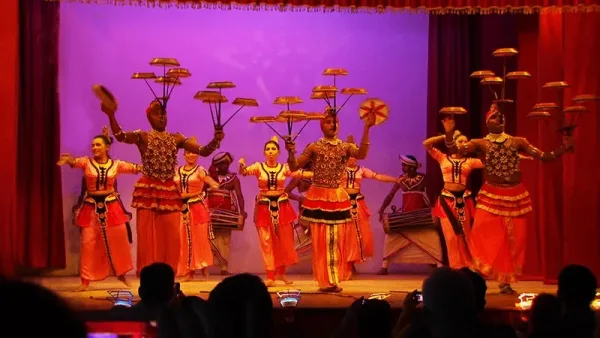
Image Source: Seerendipity tours Sri Lanka travel blog
The Traditional Kandyan Dance Show stands out as a unique cultural spectacle. Visitors get an authentic glimpse into Sri Lanka’s rich performing arts heritage. This show remains one of the most captivating attractions in Kandy.
What is Traditional Kandyan Dance Show
Kandyan dance emerged from Sri Lanka’s central hills and has ancient royal roots. The royal courts were its exclusive venue. This sophisticated art form has four distinct styles. The male dancers perform the ritualistic Ves dance wearing elaborate headgear. The graceful Naiyandi dance lights up processions. Dancers use small hand drums in the Uddekki dance, while the Pantheru dance shows remarkable agility. These sacred dances belonged to male performers throughout history. Dancers wear striking costumes with white loincloths, beaded breast ornaments and silver headgear.
Why Attend Traditional Kandyan Dance Show
The show brings a living cultural treasure to life. Powerful footwork combines with spectacular leaps and energetic whirls. Dancers express deep emotions through precise movements as traditional instruments like the Geta Bera drum play in the background. This colorful spectacle ends with an amazing fire-walking demonstration. These performances go beyond entertainment. They reveal Buddhist rituals and legends that have shaped Sri Lanka’s identity.
Best Venues for Kandyan Dance Show
Kandy Lake Club ranks among the top spots to watch authentic performances. Shows run daily at 5:30 PM. Cultural Dance Shows near the Temple of the Tooth Relic are a great alternative. Each show features the cobra dance, mask dance, and impressive fire displays. Tickets cost between $5-10 per person. Some hotels can arrange private performances for a more intimate experience.
When’s the best time to visit Sri Lanka.
Commonwealth War Cemetery
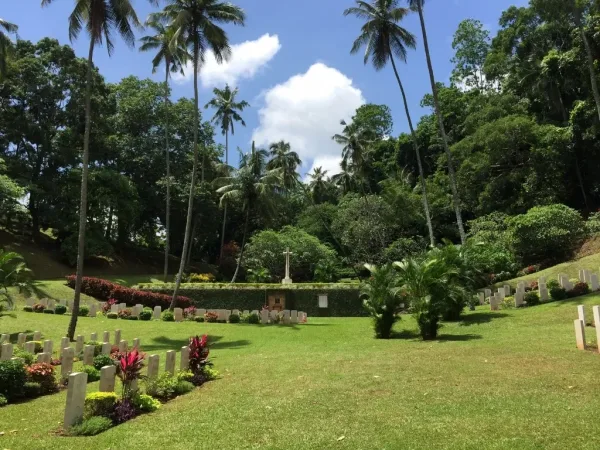
Image Source: Commonwealth War Graves Commission
A peaceful corner of the city holds the Commonwealth War Cemetery, which gives history enthusiasts a meaningful addition to their Kandy itinerary. This sacred ground honors fallen soldiers with dignified simplicity.
What is Commonwealth War Cemetery
The site, previously called Pitakande Military Cemetery, stands as a testament to brave soldiers from the British Empire who lost their lives during World War II, along with one soldier from World War I. The cemetery’s 203 graves tell stories of remarkable diversity. British soldiers make up 107 graves, while 35 East African, 26 Sri Lankan, 23 Indian, 6 Canadian, 3 Italian, 1 French and 2 unidentified brave souls rest here. The grounds hold the remains of 151 army personnel, 32 air force members, 16 naval servicemen and others from merchant navy and national fire service. Kandy’s significance grew when it became the headquarters for South East Asian Command in April 1944, under Supreme Allied Commander Admiral Lord Mountbatten.
Why Visit Commonwealth War Cemetery
Visitors can find peace and reflection in these beautifully managed grounds. The Commission’s unique design sets it apart from traditional graveyards by making flowers an essential part of the landscape. You’ll find this sacred place just 1.5km past the entrance to Peradeniya Botanical Garden. The site’s main entrance provides wheelchair access, welcoming everyone who wishes to pay their respects. The cemetery welcomes visitors daily from 7:00 AM to 4:00 PM, giving you plenty of time to include this meaningful stop during your Kandy visit.
Ambuluwawa Tower
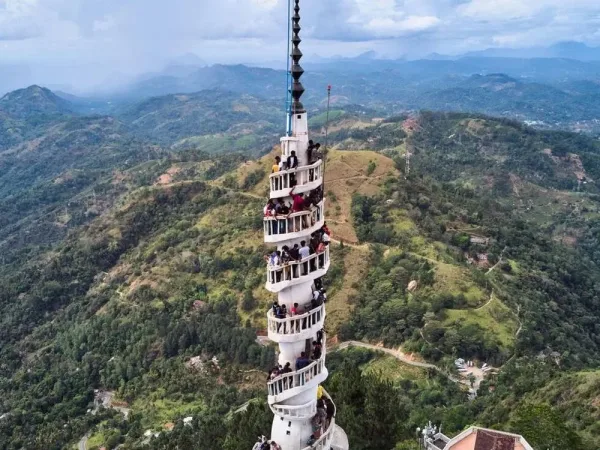
Image Source: JustWravel
The magnificent Ambuluwawa Tower spirals into the sky just outside the city limits. This remarkable structure is one of Kandy’s most exciting adventures that rewards thrill-seekers with exceptional panoramic views.
What is Ambuluwawa Tower
You’ll find this striking tower near Gampola town, about 25km from Kandy. The distinctive white spiral structure stands 48 meters tall on Ambuluwawa Mountain, 3,567 feet above sea level. Built in 2006 as a tourist attraction, this architectural masterpiece is part of the Ambuluwawa Biodiversity Complex. The complex holds a special place in Sri Lanka as the country’s first multi-religious center with Buddhist, Hindu, Christian and Muslim places of worship. The unique cone-shaped tower ends in a spiral staircase that winds its way to a pointed tip.
Why visit Ambuluwawa Tower
The tower’s main attraction is its stunning 360-degree views of mountain ranges and valleys. On clear days, visitors can see all the way to Adam’s Peak. The spiral staircase becomes narrower as you climb higher, adding an exciting challenge to your adventure. Beyond its architectural beauty, the surrounding biodiversity reserve is home to 126 species of living organisms (29 endemic) and about 200 different plant species.
How to get to Ambuluwawa Tower
Travelers from Kandy can choose between bus (#718 for 100-200 LKR), train or private vehicle to reach Gampola. A tuk-tuk ride from Gampola costs around 1,500-2,000 LKR for a round trip, including waiting time. The driver will take you up the steep 6km road to the entrance. The tower opens daily from 8:30 AM to 5:00 PM and foreign visitors pay an entrance fee of 2,000 LKR.
Comparison Table
| Attraction | Type | Location/Distance | Entry Fee (Foreign) | Opening Hours | Key Features |
|---|---|---|---|---|---|
| Temple of the Sacred Tooth Relic | Religious Site | Near Kandy Lake | 2,000 LKR | 5:30 AM – 8:00 PM | Home to Buddha’s tooth relic, UNESCO World Heritage Site |
| Kandy Lake | Artificial Lake | City Center | Free | 24/7 | 3.21 km circumference, built in 1807, showcases white Ulpange pavilion |
| Royal Botanical Gardens | Garden | 5.5 km west of Kandy | 3,540 LKR | 7:30 AM – 6:00 PM | 60 hectares, 4,000+ plant species, historic palm avenue |
| Bahiravokanda Vihara Buddha Statue | Religious Monument | 2 km from city center | 250-300 LKR | 6:00 AM – 6:00 PM | 88-foot-tall white Buddha statue, stunning city views |
| Udawattakele Sanctuary | Forest Reserve | Behind Temple of Tooth | – | – | 104 hectares, 80 bird species, Buddhist meditation spots |
| Ceylon Tea Museum | Museum | 3 km from Kandy | 1,000 LKR | 8:30 AM – 4:00 PM (Tue-Fri) | Four-story museum, historic tea equipment, scenic views |
| Kandy Viewpoint (Arthur’s Seat) | Viewpoint | Western edge of Kandy Lake | Free | 24/7 | Breathtaking 180-degree views of city |
| Esala Perahera Festival | Cultural Festival | City Center | – | Evening shows | 10-day celebration with 5,000 performers, 100+ decorated elephants |
| Lankatilaka Temple | Religious Site | Hiyarapitiya village | – | – | Built in 1344 CE, three-story building, distinctive architecture |
| Ambuluwawa Tower | Observation Tower | 25 km from Kandy | 2,000 LKR | 8:30 AM – 5:00 PM | 48-meter spiral tower, multi-faith center |
| Commonwealth War Cemetery | Memorial | 1.5 km from Botanical Garden | Free | 7:00 AM – 4:00 PM | 203 graves, well-kept grounds |
| Embekke Devale | Religious Site | 16 km from Kandy | – | – | Remarkable woodcarvings, UNESCO recognized craftsmanship |
| Helga’s Folly | Boutique Hotel | Rajapihilla Mawatha | – | – | Artistic mansion with unique design |
| Traditional Kandyan Dance Show | Cultural Performance | Various venues | $5-10 | Shows at 5:30 PM | Local dance shows with fire-walking displays |
Enjoy Things to Do in Kandy
Kandy sits at Sri Lanka’s heart as a rich source of culture that blends religious significance, natural beauty and historical depth. This ancient royal capital rewards travelers with experiences that range from sacred Buddhist sites to lush botanical wonders and mountain views that stretch as far as the eye can see.
The Temple of the Sacred Tooth Relic stands as the life-blood of any Kandy visit and the peaceful Kandy Lake offers a quiet contrast to the city’s vibrant energy. Nature lovers will love the well-kept Royal Botanical Gardens and the wildlife-rich Udawattakele Sanctuary.
Traditional Kandyan dance performances bring ancient rituals to life through powerful movements and rhythmic drumming. History enthusiasts can discover colonial influences at the Ceylon Tea Museum or visit the Commonwealth War Cemetery to pay their respects.
The adventurous can head out to the majestic Knuckles Mountain Range or climb the spiraling Ambuluwawa Tower to see stunning views. The Kandy to Ella train ride offers a unique experience through Sri Lanka’s beautiful landscapes and many consider it the world’s most scenic railway journey.
A visit during the grand Esala Perahera Festival gives visitors an unforgettable look at centuries-old traditions that remain vibrant today. The architectural beauty of Lankatilaka, Gadaladeniya and Embekke temples shows off medieval Sinhalese artisans’ remarkable skills.
Kandy strikes a perfect balance between its deep spiritual heritage, natural wonders, and architectural splendors. This former royal capital welcomes visitors from around the world to experience its timeless charm through 23 remarkable attractions that showcase Sri Lanka’s cultural heart.
FAQs
Q1. What is the best time to visit Kandy?
The ideal time to visit Kandy is between December and April when the weather is dry and pleasant. This period offers comfortable conditions for exploring outdoor attractions and participating in cultural activities.
Q2. How can I experience the famous Kandy to Ella train journey?
You can book tickets for the Kandy to Ella train ride through the official Sri Lanka Railways website 30 days in advance. The journey takes about 7 hours and offers breathtaking views of Sri Lanka’s hill country. Second-class seats with open windows are recommended for the best views and photo opportunities.
Q3. What is the significance of the Temple of the Sacred Tooth Relic?
The Temple of the Sacred Tooth Relic is one of the most sacred Buddhist sites in the world, housing what is believed to be a tooth of Buddha. It’s a UNESCO World Heritage Site and a must-visit attraction in Kandy, showcasing unique Kandyan architecture and daily rituals performed by Buddhist monks.
Q4. Are there any nature-based activities near Kandy?
Yes, nature enthusiasts can explore the Royal Botanical Gardens, which houses over 4,000 plant species or visit the Udawattakele Sanctuary, a forest reserve with rich biodiversity. For more adventurous travelers, the Knuckles Mountain Range offers hiking opportunities and stunning landscapes.
Q5. What unique cultural experiences can I have in Kandy?
Kandy offers several unique cultural experiences, including watching a Traditional Kandyan Dance Show, which showcases ancient Sri Lankan dance forms and often concludes with a fire-walking demonstration. You can also time your visit to coincide with the Esala Perahera Festival, a grand 10-day cultural procession featuring decorated elephants and thousands of performers.

Leave A Comment