

The United States stands among the world’s top birding destinations. Bird watchers spot over 900 species each year throughout the country. National parks provide natural sanctuaries for these birds and give visitors an unmatched chance to observe them up close.
The national park system hosts America’s best birding locations. Point Reyes National Seashore tops the list with 405 recorded bird species. Gateway National Recreation Area comes next with 375 species. Big Bend National Park houses 360 species, and the Everglades National Park protects more than 280 birds, including the striking snowy egret.
This piece highlights 15 of the best national parks to watch birds. You’ll find details about unique species, prime viewing spots and tips to make your birding trip memorable. Each park brings something special – from Channel Islands’ endemic island scrub jay to Zion’s majestic California condor with its 10-foot wingspan. These parks are a great way to get close to nature’s winged wonders.
Point Reyes National Seashore, California: A Birder’s Paradise

Point Reyes National Seashore is America’s ultimate birding paradise with nearly 490 bird species. This represents over 50% of all North American bird species. The bird count here is a big deal as it means that it surpasses the total species found in forty U.S. states. The coastal peninsula holds the record for the highest bird diversity among all U.S. national parks.
Record-Breaking Bird Diversity with Over 400 Species
Several factors make this peninsula a bird magnet. The perfect latitude combines with different habitats and the peninsula’s triangle shape along the Pacific Flyway to create an ideal environment for both resident and migratory birds. Birds traveling the 4,000-mile Pacific Americas Flyway between Arctic breeding grounds and Central/South American wintering locations find Point Reyes to be a crucial rest stop.
Best Seasons for Birding at Point Reyes
Birds call Point Reyes home throughout the year, but migration seasons offer the most amazing views. Spring migration peaks from March through May, while fall migration runs from August through December. Winter brings excellent chances to spot green-backed herons, hooded mergansers, ring-necked ducks, grebes and many raptors including black-shouldered kites. The winter rains between November and March create perfect conditions for wetland species to thrive.
Must-Visit Locations Within the Seashore
The seashore’s 70,000 acres include several prime birding spots:
- Abbott’s Lagoon: A winter paradise for waterfowl, raptors, and thousands of diving brown pelicans
- Bear Valley: Home to warblers, sparrows, kinglets, thrushes, wrens, woodpeckers, hummingbirds and owls
- Lighthouse Area: The place to spot brown pelicans, pelagic and Brandt’s cormorants, common murres, pigeon guillemots, loons and surf scoters
- Limantour: A meeting point of habitats where you’ll find wading birds, waterfowl, shorebirds and birds of prey
- Five Brooks Pond: The spot to see green-backed herons and various waterfowl during winter
Essential Gear for Point Reyes Birding
The weather here can be unpredictable. Winter brings rain and drizzle that can last for days, with occasional breaks of sun and calm. Spring days get windy with fresh to strong breezes, especially in March. Late May and early June offer pleasant temperatures. Good binoculars are a must, especially when dealing with coastal light conditions that need adaptable optics.
Everglades National Park, Florida: Wading Bird Heaven
Everglades National Park stands as the most important wading bird breeding ground in North America. The park’s vast wetland wilderness is home to over 360 bird species and provides some of the best birding opportunities in the eastern United States. Bird watchers will find this remarkable ecosystem perfect to spot water birds in their natural habitat.
Iconic Water Birds of the Everglades
White ibis dominates the park’s wading bird population. The wood stork has an interesting story – it moved from endangered to threatened status in 2014 and amazes visitors with its lightning-fast feeding skills. Pink-feathered roseate spoonbills catch everyone’s eye with their unique spoon-shaped bills. You’ll often spot them at Paurotis Pond. The park’s signature birds include the anhinga (nicknamed “snakebird”), great egrets, snowy egrets and several heron species like the great blue, little blue and tricolored herons.
Best Trails and Viewing Platforms
Florida visitors looking for best birding spots near me will find the Anhinga Trail a true gem. This photographer’s paradise lets you get close to birds and alligators. The 0.8-mile boardwalk runs along Taylor Slough and welcomes wheelchair users. Visitors can watch wading birds here throughout the year. The Eco Pond near Flamingo Visitor Center offers amazing views of American white pelicans in season. Mrazek Pond attracts lots of waterfowl and waders.
Seasonal Migration Patterns
Winter’s dry season brings the best viewing along the Anhinga Trail. Visitors can spot cormorants, purple gallinules and nesting anhingas all day long. Spring mornings work best to find Cape Sable seaside sparrows from the main park road. Bald eagles stay active during morning hours, while barred owls prefer coming out at dusk.
Conservation Efforts Protecting Bird Habitats
The park started protecting its birds since its creation in 1947. The $23 billion Comprehensive Everglades Restoration Plan represents the world’s biggest ecosystem restoration project. The plan focuses on bringing back historic water flows that birds need to thrive. These steps help address threats from nutrient pollution, water flow problems and invasive species. Special programs help endangered species like the Cape Sable seaside sparrow. Scientists need helicopters to reach this bird’s remote habitat.
Big Bend National Park, Texas: Desert Birding Excellence
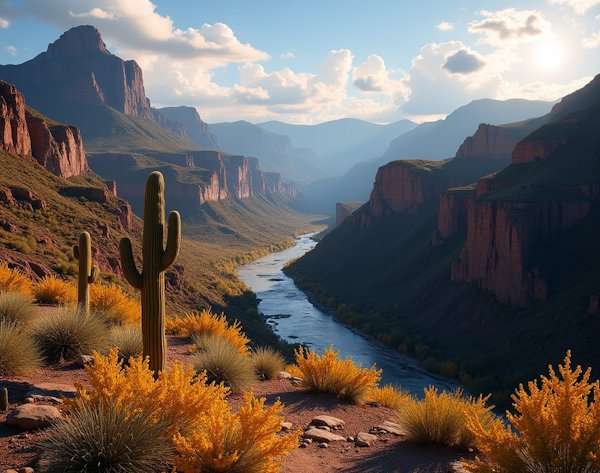
Big Bend National Park, nestled along the Mexican border in western Texas, is the most bio-diverse park in our national park system. This desert paradise welcomes more than 450 bird species throughout the year and has become a favorite destination among serious birders.
Finding the Elusive Colima Warbler
The Colima Warbler stands out as Big Bend’s most treasured avian resident. Birders make pilgrimages to the Chisos Mountains because this modest bird breeds nowhere else in the United States. Scientists first spotted it in the U.S. in July 1928 and spotting one takes quite an effort. Bird enthusiasts must tackle the challenging Pinnacles Trail or Laguna Meadows Trail to reach elevations above 6,000 feet. These warblers show up in late April and build their nests under rocks or beneath grass arches. Their distinctive rapid trill helps birders spot them in oak thickets.
Desert Oasis Hotspots
Rio Grande Village emerges as the park’s richest birding location with 305 recorded species. The riparian zone here draws Common Black Hawks, Yellow-breasted Chat and Bell’s Vireo. The park features several other prime spots:
- Chisos Basin: Mexican Jay and Painted Redstart call this home, while various warbler species pass through during migration
- Sam Nail Ranch: This shaded desert haven attracts Varied Bunting, Painted Bunting and Bell’s Vireo
- Blue Creek: Lucifer Hummingbirds often stop here during fall migration
Best Times to Visit for Border Species
Spring ranks as the best birding season, particularly during the last two weeks of April and first week of May. Late April brings summer breeding birds like the Colima Warbler, Mexican Jay and Varied Bunting. Hummingbird watchers should head to the Chisos Mountains in August to see Lucifer, Broad-tailed, Magnificent and Black-chinned Hummingbirds. The park also shines from August through early December as fall migration peaks.
Big Bend’s unique location makes it the western boundary for many eastern species and the eastern edge for many western species.
Acadia National Park, Maine: Atlantic Coastal Birding
Acadia National Park sits right on the Atlantic migration flyway, making it a perfect spot for bird watching with 338 documented bird species. This Maine coastal gem serves as a vital rest stop for countless birds as they travel between South America and their northern breeding grounds.
Peregrine Falcon Nesting Sites
Acadia’s peregrine falcon program stands as one of America’s greatest conservation wins. The park joined the Eastern Peregrine Falcon Reintroduction Program in 1984. Since their first successful nesting in 1991, these magnificent raptors have produced more than 160 chicks. The program worked so well that peregrines came off the federal endangered list in 1999.
The park closes several trails from March through mid-August to keep nesting falcons safe. These include Precipice Trail, Jordan Cliffs Trail, Penobscot East Trail, and Valley Cove Trail. You can still watch these amazing birds from special viewing spots. The Precipice Trailhead is a favorite, where rangers and docents set up spotting scopes and share their knowledge.
Seabird Watching Opportunities
The park’s coastal location creates perfect conditions for spotting maritime birds. Ship Harbor Trail lets you see guillemots, sandpipers, eiders and many shorebirds up close. Bird enthusiasts can take boat tours from Bar Harbor to nearby islands. There, Atlantic puffins, razorbills, and roseate terns nest from mid-May through mid-August.
Best Birding Spots Near Me in Acadia
The park’s 47,000 acres offer rich birding environments:
- Sieur de Monts Springs: The park’s top birding spot features wetlands, meadows and mature forests where warblers, flycatchers and marsh birds thrive
- Schoodic Peninsula: The best place to spot seabirds, northern gannets and pelagic species
- Cadillac Mountain: Home to the popular Hawk Watch program during fall migration
- Jordan Pond: A favorite among birders with a 4.8/5 star rating on AllTrails and a great place to watch breeding loons
Seasonal Migration Highlights
Cadillac Mountain comes alive with hundreds of raptors during fall migration from late August to early November. The park’s Hawk Watch citizen science program lets visitors take part in this amazing spectacle. Spring brings peak migration from late April through early June. This makes it the best time to visit Sieur de Monts and catch sight of numerous warbler species.
Bar Harbor Sand Bar becomes a winter haven for thousands of sea ducks. Common eiders, goldeneyes and sometimes greater scaup gather here. Each season changes Acadia’s birding landscape, which means multiple visits throughout the year will give you the fullest experience.
Channel Islands National Park, California: Island Endemics

Channel Islands National Park serves as a rich source of endemic bird life. The park stands as a vital breeding and resting area for landbirds, shorebirds and seabirds. This group of five islands off California’s coast earned the nickname “Galapagos Islands of North America”. The islands showcase nature’s laboratory that shaped its unique bird residents.
The Island Scrub-Jay: A Park Exclusive
North America’s only endemic island bird, the Island Scrub-Jay, lives on Santa Cruz Island within the park. This beautiful bird has grown larger than its mainland cousin, the Western Scrub-Jay. It sports darker blue feathers and a heavier bill. The jay’s population reaches about 2,300 individuals. Though common on the island, it remains one of America’s rarest birds.
These jays shape their ecosystem by collecting and storing up to 6,500 acorn seeds each year. Their work plays a significant role in restoring oak habitats. The birds thrive in a variety of environments including oak woodlands, chaparral, pine woods and streamside thickets. This adaptability shows how island species often use more diverse habitats than their mainland relatives.
Marine Bird Watching Opportunities
The park’s rich bird life extends beyond the famous jay. Large groups of Western Gulls, Cassin’s Auklets and Brandt’s Cormorants call these islands home. Channel Islands protects the world’s largest population of Scripps’s Murrelets. Bird enthusiasts flock here to spot these unique species.
Boat trips from the mainland let you see Cassin’s Auklets, Scripps’ Murrelets, Common Murres, Rhinoceros Auklets and Black-vented Shearwaters. The island waters welcome visitors throughout the year. Wildlife watchers can spot different species in every season.
Best Binoculars for Coastal Viewing
The park’s coastal conditions demand binoculars with excellent brightness and true color reproduction. Most bird watchers choose 7x or 8x magnification. These options provide wider views, which help track birds flying over water.
You need versatile optics to handle everything from bright reflective surfaces to foggy mornings. The marine environment requires waterproof binoculars. Models with ED (extra-low dispersion) glass work best in coastal areas. They reduce chromatic aberration that often appears when viewing high-contrast scenes at sea.
Yellowstone National Park, Wyoming: Mountain Bird Diversity
Yellowstone National Park‘s dramatic elevations from 5,282 to 11,358 feet create perfect conditions for nearly 300 bird species to thrive in its mountain habitats. The park’s ecosystems range from sagebrush grasslands to conifer forests and alpine meadows, creating an array of environments that best birding enthusiasts love to explore.
Raptor Watching in the Northern Range
The park provides a home to 19 breeding raptor species, while more migrants visit during seasonal changes. Bird watchers flock to the northern range between Calcite Springs and Tower Fall. This prime spot lets you watch nesting peregrine falcons, golden eagles and osprey as they hunt along the Yellowstone River. Park biologists keep track of bald eagles, ospreys, peregrine falcons and golden eagles to protect these magnificent birds.
Waterfowl Hotspots
Wetland habitats support 30% of Yellowstone’s breeding birds, making these areas crucial for waterfowl watching. Hayden Valley stands out as the park’s best spot for water birds. You might spot trumpeter swans, common loons, and American white pelicans here. Pelican Creek near Yellowstone Lake lets you watch wading birds like avocets and black-necked stilts up close.
Finding Great Gray Owls
Serious birders dream of spotting the great gray owl—known as “the ghost of the forest”. These mysterious birds blend seamlessly with pine tree trunks. Recent 2018 surveys revealed six boreal owls, eight great horned owls, six northern saw-whet owls, two northern pygmy-owls, one long-eared owl and one great gray owl. Best birding spots near me searches should focus on forested areas next to meadows, early morning or evening.
Seasonal Birding Calendar
More than 150 species return in spring to raise their young. Summer brings peak bird diversity as breeding birds fill every habitat. Hayden Valley becomes a major migration corridor in fall, with at least 17 raptor species passing through. Common ravens, Canada geese, trumpeter swans, dusky grouse and mountain chickadees stay year-round, making Yellowstone perfect for birding in any season.
Padre Island National Seashore, Texas: Coastal Migration Corridor

Padre Island National Seashore is a vital migration corridor that sits along the Central Flyway. Over 380 bird species make their trip through this region – that’s nearly half of all documented North American birds. This narrow barrier island naturally funnels migrating birds as they travel between North, Central and South America.
Shorebird Identification Tips
Bird watchers can tell similar-looking shorebirds apart by watching a few key features. Start with the bird’s size and shape – some appear compact like semi-palmated plovers while others look lanky like wading birds. Next, look at the bill shape. Curlews have curved bills while avocets show upturned ones. The leg color helps too – yellow legs might point to lesser or greater yellowlegs. Watch how they feed. Plovers pick at surfaces but sandpipers dig into the mud.
Best Times for Migration Viewing
The best birding happens during spring migration from March through May when neotropical songbirds land here. Birds pass through in impressive numbers during fall migration from mid-August through November. January and February excel at showing off wintering shorebirds and waterfowl. Mid-April might reward you with migration “fallouts” – rare but spectacular events where weather forces large numbers of birds to land at once.
Conservation Success Stories
The seashore’s conservation efforts tell remarkable stories of recovery. Kemp’s ridley sea turtle numbers jumped from just 702 nests in 1985 to over 100 nests yearly at North Padre Island. The whooping crane population grew from 16 birds in 1941 to about 300 today. These successes highlight the seashore’s steadfast dedication to protecting both bird and marine species.
Available Viewing Areas
South Padre Island Birding, Nature Center and Alligator Sanctuary welcomes everyone with its three-quarter mile elevated boardwalk. The center features five shaded blinds. Laguna Madre Trail adds another great option with its 1,500-foot boardwalk that crosses marshland and provides excellent freshwater pond views. These spots have logged over 350 species, ranking them among the top five best birding spots in USA.
Hawai’i Volcanoes National Park, Hawai’i: Endemic Species Haven
Hawai’i Volcanoes National Park stands as a safe haven for some of the world’s rarest birds and many species live nowhere else on Earth. This natural laboratory shields countless endemic birds from habitat loss, invasive species and disease.
Finding the Endangered Hawaiian Honeycreepers
The park’s high-elevation forests are home to several remarkable Hawaiian honeycreepers. You’ll spot the crimson ʻapapane—the most common honeycreeper—visiting ʻōhiʻa lehua blooms along Crater Rim Drive. The stunning vermilion ʻiʻiwi with its curved bill stays above 4,500 feet to avoid disease-carrying mosquitoes. Other notable forest birds include:
- Hawaiʻi ʻamakihi—scientists have spotted them below 3,500 feet, which shows they might resist avian diseases
- ʻŌmaʻo (Hawaiian thrush)—lives only on Hawaiʻi Island’s montane rain forests above 3,000 feet
The endangered ʻakiapōlāʻau, known as “the Hawaiian honeycreeper with the Swiss Army knife beak,” lives in the Kahuku unit, where about 1,900 birds remain worldwide.
Nēnē Goose Viewing Areas
The state bird of Hawaiʻi has bounced back from just 30 birds in 1952 to over 3,200 wild nēnē through dedicated conservation work. These distinctive geese often appear along the Crater Rim Trail and main park drive. Their strong feet have padded toes and reduced webbing—perfect for walking on rough lava terrain. The nēnē nesting season runs from October through May and some trails close to protect breeding pairs.
Conservation Challenges and Successes
Avian malaria poses the biggest threat to native birds, and a single mosquito bite can kill some species. Climate change has pushed mosquitoes into higher elevations that were once safe zones. Yet there’s hope through conservation work like predator-proof fences, captive breeding programs and mosquito control efforts.
Best Trails for Bird Photography
Locals call Kīpukapuaulu “Bird Park,” and its well-laid-out loop trail through varied habitats makes it the best birding spot. This kīpuka (older forest island surrounded by recent lava flows) gives you great chances to photograph native species like ʻapapane and ʻelepaio. Mauna Loa Trail offers a challenging but rewarding way to see high-elevation specialists, with a climb of 3,438 feet.
Olympic National Park, Washington: Three Ecosystems of Birds

Olympic National Park stands out with three distinct ecosystems that create an array of habitats where over 250 bird species thrive. The park stretches from sea level to alpine meadows. This ecological diversity gives birders a chance to experience coastal, rainforest and mountain birds in one location.
Coastal Birding Opportunities
The rugged Pacific shoreline hosts bald eagles, rhinoceros auklets, and western gulls that feed and nest in offshore trees. Dungeness Spit becomes a shelter for wintering aquatic birds like Surf and White-winged Scoters, Greater and Lesser Scaups, Horned and Red-necked Grebes. The three-mile Ediz Hook sand spit shields Port Angeles Harbor and remains one of the Olympic Peninsula’s most vital birding spots.
Rainforest Bird Specialties
The moss-draped temperate rainforests echo with the cheerful warble of tiny Pacific wrens hidden in the understory. These ancient forests make a perfect home for varied thrush, Steller’s jays and many woodpecker species. The Hoh Rainforest welcomes first-time visitors with ospreys and eagles nesting in tall trees. Anna’s hummingbirds zip through sunlit clearings during summer months.
Alpine Species at Hurricane Ridge
Hurricane Ridge reveals its subalpine specialists from spring through fall. Birders might spot Sooty Grouse, Horned Lark, American Pipits and migrant raptors gliding overhead. Blue grouse calls appeal to visitors across mountain meadows and create an immersive best birding experience. Deep hooting sounds give away the sooty grouse’s presence before you see them.
Best Binoculars for Variable Conditions
Olympic’s environments range from foggy coastlines to bright alpine zones, so versatile optics are vital. Binoculars with 7x or 8x magnification give you the perfect field of view to track birds in flight. Models with waterproof construction handle coastal mist and rainforest humidity well. The best birding spots in USA need optics with excellent color reproduction and image brightness to identify birds in Olympic’s changing light conditions.
Congaree National Park, South Carolina: Bottomland Forest Birding
Congaree National Park earned its status as a Globally Important Bird Area in 2001. The park protects the southeastern United States’ largest intact expanse of old-growth bottomland hardwood forest. This special ecosystem covers 27,000 acres of floodplain geology and hydrology. The landscape creates perfect habitats for birds as seasons change.
Prothonotary Warbler Hotspots
Birders from all over the country come to see the bright yellow Prothonotary Warbler, Congaree’s signature species. Weston Lake overlook has become a favorite spot to watch these beautiful birds in spring and summer. You’ll find it next to a barred owl nesting site. These cavity-nesting birds have seen their numbers drop by 40% since the 1960s. That’s why Congaree stands out as one of the best birding spots in USA to see this rare species. The mix of flooded forest and fallen trees makes it a perfect home for them. The park ranks among the top 10 places in the country to spot these distinctive warblers.
Boardwalk Birding Access
The elevated boardwalk trail system lets visitors explore the park whatever the flood conditions. The 2-mile Boardwalk Loop sits almost six feet above the forest floor, so you can enjoy the floodplain even when water levels are high. Bird watchers love this trail – it’s got a 4.5-star rating from over 3,200 AllTrails users. While you’re looking for Prothonotary Warblers, keep an eye out for Yellow-throated Warblers singing up high and groups of Tufted Titmice moving through. The boardwalk is a great place to see all but one of South Carolina’s woodpecker species, which show up in big numbers most of the year.
Seasonal Flooding Effects on Bird Populations
Floods shape the park’s ecosystem naturally. The park floods about 10 times each year, with water covering 90% of the land. Unlike places where people live, flooding here helps keep the ecosystem healthy and diverse. River levels peak from late winter to early spring and drop lowest from late summer to early fall. These natural patterns help spread nutrients across the floodplain and create different microhabitats for birds. The flooding also affects when birds migrate. February through April are excellent months to watch returning birds and join events like the Great Backyard Bird Count.
Death Valley National Park, California: Desert Oasis Birding

Death Valley National Park might sound intimidating, but it’s a remarkable destination for bird watching around its scattered water sources. This seemingly barren landscape is home to roughly 349 bird species throughout the year. The park has become a surprising sanctuary for birds in America’s hottest spot.
Furnace Creek Bird Concentrations
Furnace Creek stands out as Death Valley’s top birding location and serves as a classic “vagrant trap” where rare species appear among artificial plantings and water features. This verdant oasis attracts birds from miles around with its date palms, honey mesquite and athel tamarisk thickets. The area has recorded an impressive 321 species, making it one of the highest counts for any single location nationwide. The viewing platform next to Airport Road gives you the best birding results. You should check the palm tree grove and look around the residential area to spot hummingbird feeders and roadrunners.
Surprising Bird Diversity in Extreme Conditions
Death Valley supports more than 400 native animal species, which includes dozens of year-round resident birds that have adapted to desert life. The park’s distinct geography as a long north-south trough east of the Sierra Nevada range guides migratory birds through these valleys. Warbler flocks arrive by mid-April during spring migration, and southbound migrants return by early August. The greater roadrunner, phainopepla, and cactus wren call this place home year-round and have adapted perfectly to desert climates.
Dawn and Dusk Birding Strategies
Bird watching in Death Valley means moving “from oasis to oasis”. Birds are most active during cooler periods. The best times to visit are early morning or late afternoon when temperatures are more comfortable. You should focus on spots near water sources like settling ponds where you’ll often find wintering ducks and migrant shorebirds. Your essential gear should include a broad-brimmed hat, lightweight clothes and sun block. Winter requires extra warm layers. The winter season has fewer species but rewards those who explore low mountain springs and desert oases. These locations host most of the park’s birds.
Glacier National Park, Montana: Northern Rockies Specialties
Birds rule the skies of America’s Crown of the Continent at Glacier National Park. The park is home to 279 bird species and 144 of these make their nests within its boundaries. This mountain haven serves as vital habitat for both year-round residents and seasonal visitors.
Alpine Bird Species
The park’s highest zones are where rare tundra specialists make their home. Early morning visitors to Logan Pass might catch a glimpse of White-tailed Ptarmigan along the Hidden Lake trail. Gray-crowned Rosy-Finches and American Pipits make their home in the same alpine environment. The surrounding low spruce areas are perfect spots to find White-crowned Sparrows and Hermit Thrushes.
Finding the Elusive Black Swift
Montana’s most mysterious bird is the black swift. These amazing flyers choose to nest only behind remote waterfalls in Glacier National Park, which has become their nesting paradise. Scientists first spotted them in Montana during the 1940s, and now the park hosts nearly half of the state’s known nest sites. These swift flyers can reach speeds of 100 mph and are often seen at Haystack Creek from Going-to-the-Sun Road.
Best Birding Spots Near Popular Trails
The best best birding near me spots include McDonald Creek, where Harlequin Ducks appear during May and June. Bird watchers love the “Red Rocks” pullout above Avalanche Creek. The Inside North Fork Road might reward you with sightings of Spruce Grouse, Great Gray Owl and Three-toed Woodpecker. Cedar forests around Fish Creek Campground are perfect places to spot the Varied Thrush.
Photography Tips for Mountain Birds
Success in mountain bird photography comes with good preparation. Keep safe distances—100 yards from bears and wolves, 25 yards from other wildlife. Your camera should be set to fast shutter speeds (minimum 1/250th for stationary birds, 1/500th or faster for moving subjects). Birds are most active during morning and evening hours when the light is best. A steady shot needs three contact points—both hands on your equipment and viewfinder against your face.
Saguaro National Park, Arizona: Sonoran Desert Specialists
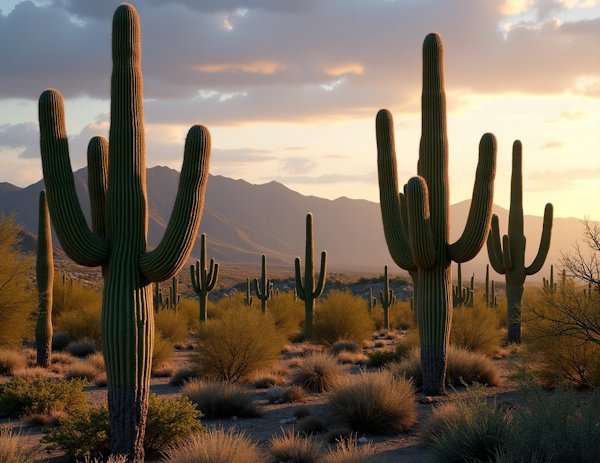
Majestic saguaro cacti dominate Arizona’s landscape and provide crucial homes for desert birds. This makes Saguaro National Park one of the Southwest’s top destinations for bird watching. The park splits into two sections – the Tucson Mountain District and Rincon Mountain District. Bird enthusiasts can spot over 150 species in the western section and more than 200 in the eastern region.
Finding the Gilded Flicker and Cactus Wren
The Gilded Flicker ranks among Saguaro’s most treasured species. These remarkable birds carve their nest cavities right into the saguaro’s soft flesh. Once the flickers move on, their abandoned cavities become homes for elf owls, screech owls and purple martins. Arizona’s state bird, the Cactus Wren, catches everyone’s attention with its harsh, scratchy calls. These clever birds build multiple nests. The male and female work together on the first breeding nest, then the male builds separate roosting nests that shield adults from predators and harsh weather.
Desert Adaptation Observations
Desert birds show remarkable ways of surviving harsh conditions. Many stay active only during cool hours or hide in shaded nests to beat the heat. Harris’s Hawks and Red-tailed Hawks build stick nests between saguaro arms that serve as perfect hunting perches. The White-winged Dove’s relationship with the saguaro stands out as truly special. These birds help pollinate cactus flowers, eat the fruit and sometimes drop seeds while resting. This creates new “nurse plants” that future saguaros need to grow.
Best Times for Desert Birding
Spring mornings offer the best birding opportunities as birds buzz with activity. Monsoon season runs from June 15 through September 30, bringing afternoon storms that alter the desert landscape. The winter months from November through March bring pleasant temperatures and steady rainfall. These gentle winter rains help the ecosystem more than the brief summer downpours.
Water Sources as Birding Hotspots
Natural water features create the best birding spots in USA in this dry environment. The Rincon Mountain District boasts permanent water sources with deep tinajas (natural water tanks) and springs that support all kinds of wildlife. The Tucson Mountain District’s water sources might last only a few days but create amazing temporary spots for bird watching. These precious desert waters draw everything from mighty raptors to tiny songbirds, especially during migration seasons.
Indiana Dunes National Park, Indiana: Great Lakes Migration
Indiana Dunes National Park sits along Lake Michigan’s southern shore and serves as a vital pathway for migrating birds. More than 350 species call this park home or pass through its rich ecosystem. The park’s location naturally creates a meeting point for major migration routes and provides excellent bird watching opportunities year-round.
Warbler Waves During Spring Migration
Vibrant colors fill the dunes when warbler waves sweep through during spring migration. These songbirds reach their peak numbers by mid-May. Cape May, Nashville, chestnut-sided and magnolia warblers make brief stops during this time. A single night of south winds can bring remarkable numbers – observers once counted 653 Yellow-rumped Warblers and 211 Palm Warblers from the observation tower in one morning.
Lakefront Viewing Areas
The park’s shoreline gives bird watchers excellent spots to observe species along the north-south migration corridor. Many birders head over to Portage Lakefront and Riverwalk to watch migratory species following the coastline. Bird enthusiasts can access more than 50 trails, viewing towers, platforms and boardwalks designed specifically for wildlife observation.
Best Birding Spots Near Me in the Midwest
Several locations provide extraordinary opportunities best birding spots near me in the region:
- Great Marsh Trail: Visitors spot over 40 bird species in one visit, including Blue-winged Teals flying in synchronized flocks
- Cowles Bog: American Woodcocks, Soras, and Virginia Rails frequent this spot’s wooded edges and marshes
- Longshore Bird Observation Tower: Researchers document spring and fall migrations here, recording over 250,000 birds from more than 200 species annually
Hawk Watch Opportunities
Spring brings spectacular hawk flights over the high dunes. Observers might see up to 300 birds daily during peak migration in March and April. The Dunes Birding Tower, also known as the “longshore tower,” provides the best birding views of this spectacle, especially on early mornings with south winds.
Great Smoky Mountains National Park, Tennessee/North Carolina: Forest Bird Diversity
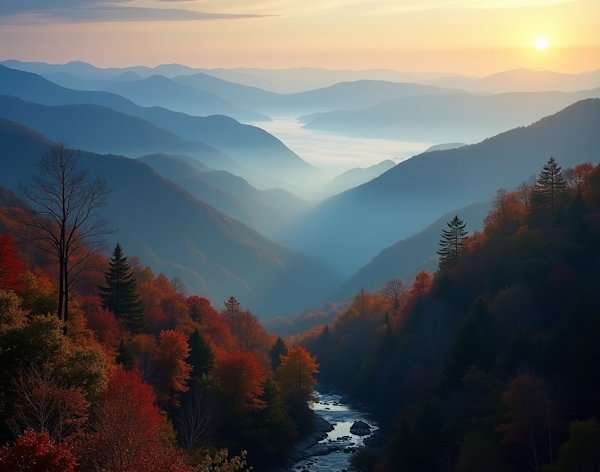
The Great Smoky Mountains National Park’s hardwood forests create a remarkable biodiversity hotspot. Scientists have recorded around 240 bird species in this forest sanctuary that straddles Tennessee and North Carolina. These forests provide essential habitat for both resident and migratory birds.
Finding Neotropical Migrants
The park welcomes about 21% of its recorded species from the Neotropical region during breeding season. Late March brings songbirds to lower elevations as spring arrives. These colorful visitors fill the forests with song and nesting activity by May. The best birding moments happen during the dawn chorus of Black-throated Green Warblers, Red-eyed Vireos and Scarlet Tanagers. Yellow Warblers, Eastern Kingbirds and Orchard Orioles become common sights during summer months.
High Elevation Specialties
The park’s ecosystem changes dramatically as heights reach beyond 6,000 feet. Mountain peaks create unique “islands” where northern bird species thrive. Northern Saw-whet Owls fill the night air with their distinctive calls. Common Ravens, Winter Wrens and Canada Warblers make these heights their home. Peregrine Falcons particularly favor the Devil’s Courthouse as their nesting grounds.
Best Trails for Bird Diversity
Cades Cove Loop Road stands out in “best birding spots near me” searches across the southeast. This 11-mile valley route attracts Red-tailed Hawks, American Kestrels, Wild Turkeys and Eastern Bluebirds. Beginners might prefer the more accessible Gatlinburg Trail. Waterrock Knob’s convenient loop trail offers excellent opportunities to spot Ruffed Grouse, Brown Creepers, Cedar Waxwings and various warblers.
Seasonal Birding Calendar
Each season brings unique birding opportunities to the Smokies. Late April through early May marks peak spring migration. Mountain birds start nesting once snow melts at higher elevations by mid-June. Migrants become restless as fall approaches, preparing for their southern journey. Winter brings fewer species but offers clearer views of year-round residents like the Carolina Chickadee, Carolina Wren and Downy Woodpecker.
Comparison Table
| National Park | Bird Species Count | Best Viewing Season | Notable Species | Key Birding Locations | Special Features |
|---|---|---|---|---|---|
| Point Reyes | 490 | Spring (Mar-May) & Fall (Aug-Dec) | Brown Pelicans, Cormorants | Abbott’s Lagoon, Bear Valley, Lighthouse Area | Pacific Flyway migration corridor |
| Everglades | 360+ | Winter dry season | White Ibis, Wood Stork, Roseate Spoonbill | Anhinga Trail, Eco Pond, Mrazek Pond | Premier wading bird breeding ground |
| Big Bend | 450 | Spring (late Apr-May) | Colima Warbler, Mexican Jay | Rio Grande Village, Chisos Basin, Sam Nail Ranch | Most bio-diverse U.S. national park |
| Acadia | 338 | Fall (Aug-Nov) | Peregrine Falcon, Atlantic Puffin | Sieur de Monts Springs, Schoodic Peninsula, Cadillac Mountain | Atlantic migration flyway |
| Channel Islands | – | Year-round | Island Scrub-Jay, Scripps’s Murrelet | Santa Cruz Island | Only endemic island bird in North America |
| Yellowstone | 300 | Spring-Summer | Great Gray Owl, Trumpeter Swan | Hayden Valley, Northern Range | 19 breeding raptor species |
| Padre Island | 380 | Spring (Mar-May) | Shorebirds, Waterfowl | South Padre Island Birding Center, Laguna Madre Trail | Central Flyway migration corridor |
| Hawaii Volcanoes | – | Year-round | Hawaiian Honeycreepers, Nēnē | Kīpukapuaulu (Bird Park), Mauna Loa Trail | Endemic species sanctuary |
| Olympic | 250+ | Spring-Fall | Pacific Wren, Sooty Grouse | Hurricane Ridge, Hoh Rainforest, Dungeness Spit | Three distinct ecosystems |
| Congaree | – | Feb-Apr | Prothonotary Warbler | Weston Lake, Boardwalk Loop | Largest intact bottomland hardwood forest |
| Death Valley | 349 | Spring migration | Greater Roadrunner, Phainopepla | Furnace Creek | Desert oasis with 321 species at single location |
| Glacier | 279 | Spring-Summer | Black Swift, White-tailed Ptarmigan | Logan Pass, McDonald Creek | 144 nesting species |
| Saguaro | 150-200 | Spring | Gilded Flicker, Cactus Wren | Rincon Mountain District, Tucson Mountain District | Specialized desert bird habitat |
| Indiana Dunes | 350 | Mid-May | Warblers, Hawks | Great Marsh Trail, Cowles Bog | Great Lakes migration funnel point |
| Great Smoky Mountains | 240 | Spring (late Apr-May) | Black-throated Green Warbler, Northern Saw-whet Owl | Cades Cove Loop Road, Waterrock Knob | 21% Neotropical migrants |
Enjoy the Best Birding Spots
America’s national parks are without doubt the best destinations for bird enthusiasts. These parks provide an unmatched chance to observe birds of all kinds. Point Reyes National Seashore has recorded 490 species. Big Bend and Padre Island each boast more than 350 species in their diverse landscapes.
These sanctuaries do more than just welcome visitors. Death Valley’s unexpected oases give shelter to 349 bird species in harsh desert conditions. The Channel Islands’ claim to fame is North America’s only island bird that exists nowhere else. The park system’s conservation work shows great results through the comeback of Acadia’s peregrine falcons and Hawaii’s nēnē.
Bird watching peaks at different times in each park. Indiana Dunes becomes a warbler haven during spring migration. The Everglades fill with spectacular waterfowl when winter arrives. Olympic’s three distinct habitats and Congaree’s ancient bottomland forests create perfect homes for both local and traveling birds.
These fifteen locations showcase American birdlife’s incredible range. Bird enthusiasts can spot rare species, watch migration events and support important conservation work. The national parks protect vital habitats from Hawaii’s endemic honeycreepers to Saguaro’s desert specialists. This preservation ensures future generations will experience America’s rich bird heritage.
FAQs
Q1. Which U.S. national park is considered the top destination for birding?
Point Reyes National Seashore in California is widely regarded as the premier birding destination among U.S. national parks. It boasts nearly 490 recorded bird species, representing over 50% of all North American bird species.
Q2. What is the best time of year for bird watching in national parks?
The best time varies by park, but spring migration (typically March through May) is generally excellent for birding across many parks. Fall migration (August through November) is also prime time. Some parks, like the Everglades, offer great winter birding.
Q3. Are there any endemic bird species found only in U.S. national parks?
Yes, the Island Scrub-Jay is found exclusively on Santa Cruz Island within Channel Islands National Park. It’s North America’s only endemic island bird species.
Q4. Which national park is best for observing desert bird species?
Saguaro National Park in Arizona is excellent for observing Sonoran Desert specialists. The park’s iconic saguaro cacti provide vital habitat for unique species like the Gilded Flicker and Cactus Wren.
Q5. How have conservation efforts in national parks impacted bird populations?
Conservation efforts in national parks have led to several success stories. For example, Acadia National Park’s peregrine falcon reintroduction program has been highly successful and Hawaii Volcanoes National Park has seen a rebound in the endangered nēnē (Hawaiian goose) population.


Leave A Comment