

French people consume an astounding 2.5 billion breakfast pastries as croissants each year. Their love for pastries extends further with 900 million pain au chocolat adding to this remarkable total.
French pastries have earned their place in UNESCO’s intangible cultural heritage list. The traditional French breakfast, “le petit déjeuner,” celebrates these cherished baked goods. Sweet morning treats take precedence over savory options in French culture.
The iconic butter croissant demands intensive preparation with its perfectly laminated dough. Chausson aux pommes traces its roots back to the 1600s. These classic creations represent French culinary mastery that continues to fascinate food enthusiasts worldwide. This piece explores 15 timeless French pastries and their stories.
Classic Butter Croissant
The butter croissant’s story begins in 13th century Austria as the kipferl. August Zang brought this crescent-shaped delicacy to France by opening a Viennese bakery in Paris in 1838. The French adaptation got its name from its shape and evolved from a dense, butter-rich pastry into the light, flaky viennoiserie that people love worldwide.
Croissant History and Origins
French bakers in the early 20th century created the modern croissant by replacing traditional brioche dough with a yeast-leavened laminated version. Paris saw the first recipe matching today’s croissant in 1906, published in Colombié’s Nouvelle Encyclopédie culinaire. The croissant’s shape tells its story – straight croissants traditionally signal pure butter (croissant au beurre), while curved shapes point to margarine-based versions (croissant ordinaire).
How to Eat a Croissant Like the French
French croissant traditions follow these simple guidelines:
- Small pieces should be broken off instead of using a knife
- Each piece gets its own touch of preserves
- Simple enjoyment works best – plain or with a light jam spread
- Coffee makes a perfect pair, though people debate about dipping
Best Times to Enjoy Croissants
A croissant tastes best warm, keeping its perfect texture for just a few hours. Early morning and mid-afternoon during the French goûter period offer the freshest croissants. The authentic experience comes before 11 AM, when the pastry maintains its ideal balance of crispy exterior and soft, pillowy interior.
Pain au Chocolat

The French take immense pride in their breakfast pastries and nothing stirs up debate quite like what to call their beloved chocolate-filled creation. Polls show 84% of French people know it as pain au chocolat, especially in the north and central parts of the country.
Pain au Chocolat vs Chocolatine Debate
People in southwestern France, particularly around Toulouse and Bordeaux, stand firm on calling it “chocolatine”. The debate got so heated that it made its way to the French Parliament in 2018, with deputies pushing for an amendment to recognize both names. The name changes as you travel through France – you’ll hear couque au chocolat in Ardennes and croissant au chocolat in Alsace.
Where to Find the Best Pain au Chocolat
Fabrice Pottier, a baker from Marcoussis, just took the top spot in France’s prestigious National Master of the Best Pain au Chocolat competition. His winning pastry shows off the perfect balance of flaky yeast dough with a crispy outside and soft, chocolate-filled inside. Paris’s Mamiche bakery has also made a name for itself with its perfectly layered dough and well-distributed chocolate.
Pain au Chocolat Price Guide
You’ll find quite a range in prices across France:
- Supermarket versions go for less than 80 cents
- Local bakeries charge between €1.08 to €2.00
- High-end shops set their prices higher:
- Waitrose premium selections: £2.25-£3.80
- Artisanal bakeries: €2.95-€3.80
The magic happens when butter-rich dough (26%) wraps around dark chocolate (12%), creating a perfect mix of textures. At 316 calories per serving, it makes for a filling breakfast treat.
Visit the best coffee shops in Paris.
Pain aux Raisins
Escargot gets its name from its unique spiral shape and belongs to the beloved pâtisserie viennoise family. This spiral-shaped delicacy combines leavened butter pastry with plump raisins and crème pâtissière filling that creates a perfect blend of textures and flavors.
Pain aux Raisins Components
Three key elements make up the traditional recipe. A leavened butter pastry forms the base through a careful lamination process. The filling blends vanilla-infused crème pâtissière with rum to create rich flavors. Simple syrup-soaked plump raisins bring natural sweetness and texture to the pastry.
Regional Variations
This breakfast pastry takes different forms throughout France and Europe:
- Sweetened bread or brioche dough is common in Northern Europe and North America
- Southern France’s version goes by the name brioche aux raisins
- Paris’s bakeries sometimes serve it as a raisin-stuffed bread loaf
Best Bakeries for Pain aux Raisins
Le Moulin de Rosa in Paris makes exceptional pain aux raisins. Du Pain et des Idées bakery creates their unique escargot version with innovative flavors that customers quickly snap up each morning. The best versions balance buttery pastry with generous filling and the center piece remains highly sought after due to its concentrated flavors.
These pastries taste best fresh from the oven. Local bakeries bake them twice daily so customers can enjoy warm, flaky treats in the morning and afternoon. Vanilla-infused cream pairs beautifully with woody, citrus notes of cinnamon to create a perfect breakfast treat.
Chausson aux Pommes

Dating back to 1630, chausson aux pommes started its journey in Saint-Calais, a town in France’s Sarthe region. This half-moon shaped pastry filled with spiced apple compote showcases French baking tradition at its finest.
Traditional Apple Filling Preparation
The classic filling blends Golden Delicious or Granny Smith apples with carefully chosen ingredients. We cook diced apples with brown sugar and butter until they become soft. The recipe calls for two distinct textures – one-third of the apples turn into a smooth sauce while the rest keep their chunky texture. This combination creates a perfect balance between smoothness and bite.
Chausson aux Pommes Serving Tips
These French pastries taste best when kept at room temperature in airtight containers. You should eat them within 1-2 days to enjoy their best taste and texture. The pastry reaches its peak flavor when warm and its flaky exterior stays crispy. Many bakeries add a sugar syrup glaze after baking to create a caramelized finish that makes them look and taste even better.
Where to Try Authentic Versions
Several famous bakeries make outstanding chausson aux pommes. The Palace’s head baker Guillaume Cabrol creates his unique version with croissant-style puff pastry. He mixes apple and pear compote with cider vinegar to add tang. Sébastien Lagrue prefers inventing with inverted puff pastry to achieve a lighter texture and he combines Madagascar vanilla with Norman butter traditions. At Maison Carette, Head Pastry Chef Frédéric Tessier invented a 35-centimeter elongated version that people can easily eat while walking down the street.
More hidden gems in Paris.
Brioche
French baking excellence shines through brioche, which originated in medieval France. Authentic versions need 400g of butter per kilo of flour. This rich bread from Normandy gets its golden color and soft texture from eggs and butter.
Types of French Brioche
Brioche Parisienne, also known as brioche à tête, has a small head that sits on top of the main loaf. The Brioche de Nanterre comes in a rectangular shape made of small dough balls placed in a loaf pan. The Brioche Vendéenne features elegant braids called barres that come in round, oval or stick shapes.
Brioche Serving Suggestions
French people eat brioche most during breakfast and afternoon snacks. Kids love to wrap squares of milk chocolate in brioche rolls. French families enjoy their breakfast brioche with these classic pairings:
- Chocolate hazelnut spread
- Local fruit preserves
- Salted butter with a pinch of salt
- Fresh honey
Popular Brioche Variations
The Saint-Genix variety came to life in 1880 and features pink pralines and pearl sugar. Brioche Vendéenne adds orange blossom water to its dough. The Brioche Feuilletée uses a special layering technique, while the Pastis Landais blends orange blossom water with vanilla and rum. In spite of that, the Brioche aux Pralines Roses from Rhône-Alpes remains a cherished regional favorite.
Kouign-Amann

In 1860, baker Yves-René Scordia created the kouign-amann in Douarnenez, Brittany, when he ran low on cake supplies. This French breakfast pastry’s name means “butter cake” in Breton and remains one of Europe’s richest creations.
Brittany’s Butter Cake Origins
The baker made his original recipe from leftover bread dough mixed with local butter and sugar. The kouign-amann recipe demands specific proportions: 30% butter, 30% sugar and flour makes up the rest. Tourism helped spread this pastry’s popularity throughout Brittany in the last century. Seventeen pastry chefs joined forces in 1999 to create the Association of the Kouign-Amann of Douarnenez that would protect its authentic recipe.
How to Eat Kouign-Amann
Fresh kouign-amann tastes best when it comes warm from the oven. The crispy exterior gives way to a soft, gooey center. Many people love breaking off pieces to dip in hot chocolate or coffee. The pastry pairs beautifully with:
- Vanilla ice cream
- Crème fraîche
- Sweet Muscadet wine
Where to Find Traditional Kouign-Amann
The Association du Véritable Kouign Amann de Douarnenez ensures authentic versions exist at select locations. Maison du Kouign Amann on rue J-Jaurès bakes some of the finest examples. This Breton delicacy has won fans worldwide, with bakeries in San Francisco and Singapore creating faithful versions. Traditional unflavored varieties still top the sales charts everywhere, showing how this classic Breton pastry continues to charm people globally.
Pain Suisse
The rectangular pain suisse stands out among French breakfast pastries with its combination of buttery dough, rich vanilla custard and chocolate chips. This delightful creation falls under the viennoiserie category and comes in two unique variations based on the dough.
Swiss-French Pastry Rise
Pain suisse means “Swiss bread” but has deep French roots. Bakers have developed two main preparations of this pastry – one uses traditional brioche dough while the other uses laminated croissant dough. The brioche version, called brioche Suisse, has a softer, more bread-like texture. The croissant dough version creates characteristic flaky layers.
Pain Suisse Filling Varieties
The signature filling blends crème pâtissière (vanilla custard) with chocolate chips to create these key components:
- Traditional vanilla pastry cream (30% of filling)
- Premium chocolate chips (12% of mixture)
- Butter-rich dough (26% of composition)
Many artisanal bakeries create their unique versions by adding salted butter caramel or Manjari chocolate. The chocolate chips spread more evenly throughout the pastry than in a pain au chocolat.
Best Times to Buy Pain Suisse
The best pain suisse comes fresh from the oven early in the morning. These pastries taste best on the day they’re baked because of their delicate custard filling. You can keep them at room temperature overnight, but refrigeration keeps them fresh up to two more days. Some bakeries make a second batch in mid-afternoon that’s perfect for goûter (afternoon snack).
More on the food in Switzerland.
Chouquettes

These delightful pâte à choux pastries come topped with pearl sugar and represent a simpler take on French breakfast treats. Chouquettes, which means “little bits of choux,” perfectly describes these bite-sized delicacies.
Chouquettes Making Process
A simple choux pastry forms the foundation with water, butter, flour and eggs. Bakers start by bringing water, salt, sugar, and butter to a boil before they mix in the flour. They stir the dough vigorously until it becomes smooth and let it cool briefly. Each egg goes into the mixture one at a time to create a glossy, pipeable consistency. Pearl sugar needs generous sprinkling on top as these puffs expand in the oven, giving them their signature crunch.
Where to Find the Best Chouquettes
Chambelland in Paris ranks among the finest spots to get these delicate treats. Pain Pain bakery in Montmartre creates exceptional versions and serves them fresh from the oven. Philippe Conticini’s patisserie on Rue Notre Dame de Nazareth makes over 100 chouquettes to order each day.
Typical Chouquettes Pricing
French bakeries price these treats differently:
- Traditional bakeries: €1.30 per piece
- Premium establishments: €4.50 for specialty versions
- Bulk purchases: €11.00 for boxes of three
- Tourist areas: €14.40 for dozen pieces
Chouquettes taste best when eaten within 3-4 hours after baking. Many bakeries prepare fresh batches twice daily. These pastries keep their perfect texture in uncovered baskets, though they stay fresh up to three days in airtight containers.
Gibassier
The gibassier is a special French breakfast pastry that comes from the village of Lourmarin in Provence. This delightful creation has deep cultural roots in the Luberon region and started as a way to keep people fed – especially shepherds and hunters.
Provençal Breakfast Tradition
What makes the gibassier special among French pastries is its shortbread-like texture and the fact that it uses olive oil instead of butter. The recipe blends orange blossom water, candied orange peel and anise seeds to create amazing Mediterranean flavors. The pastry holds a special place as one of Provence’s thirteen traditional Christmas desserts.
Gibassier Flavors and Variations
Bakers make this pastry in several distinct ways:
- Dry Version: A crunchy treat that lasts longer
- Brioche Style: Soft with a viennoiserie-like texture
- Shortbread Type: Crumbly and cookie-like
Some creative bakers add new twists while staying true to tradition. The authentic version from Lourmarin uses only French olive oil to keep its local character.
Best Bakeries for Gibassier
Michel Suas and his San Francisco Baking Institute brought the gibassier to American food lovers in 2002. Pearl Bakery in Portland and Clear Flour Bakery in Brookline make some of the best versions in America. The Midwife & Baker in California’s Bay Area bakes seasonal batches between November and January.
These pastries taste best within a few days after baking, right when their unique texture peaks. Many shops suggest trying your gibassier with honey butter while it’s still warm.
Try the pasteis de Belem in Lisbon.
Cannelé
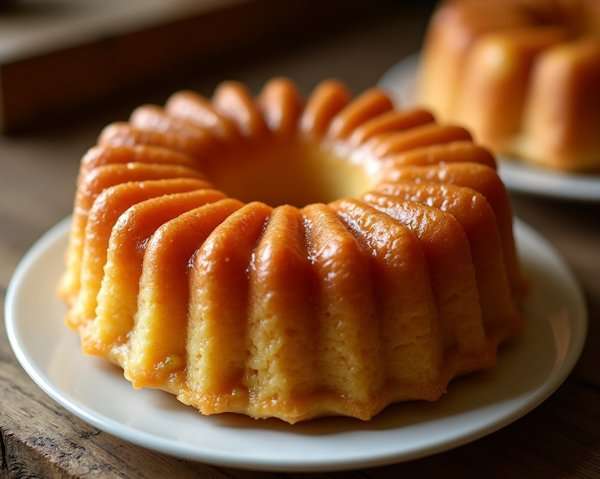
Between the 15th and 18th centuries, a small cylindrical French pastry with a dark caramelized crust came from the Couvent des Annonciades in Bordeaux. This creation later became the canelé, showing French culinary breakthroughs.
Bordeaux’s Famous Pastry
The Brotherhood of the Canelé of Bordeaux made the name their collective brand in 1985. Aquitaine soon had 800 manufacturers, and Gironde alone went through 4.5 million canelés each year. People love this pastry because of its unique rum and vanilla flavor. We crafted these treats in copper molds brushed with beeswax.
Cannelé Texture Guide
A perfect canelé should have these distinct features:
- Exterior: Dark, thick caramelized crust with a glossy finish
- Interior: Soft, tender custard center with vanilla specks
- Shell: Crunchy, almost rock-like resistance
- Center: Smooth, custardy consistency with rum notes
Where to Try Authentic Cannelés
Cassonade, a small local shop with a green storefront in Bordeaux, makes exceptional versions. Saint-Loubès’s Aquitaine Spécialités produces high-quality canelés without preservatives or additives. You should eat these pastries within 6 hours of baking. Traditional servings come in bunches of 8 or 16 pieces, with classic rum-vanilla and pure vanilla options.
Gâteau Basque
The beloved Gâteau Basque, called etxeko bixkotxa (“cake of the house”) in the Basque language, represents centuries of culinary heritage from the North of Pays Basque. Marianne Hirigoyen first sold it commercially in Cambo-les-Bains during the early 19th century. Her expertise with this distinctive pastry earned her the nickname “the Basque Cakewoman”.
Basque Country Origins
This special pastry has its roots in the thermal resort town of Cambo-les-Bains, where the first versions appeared around 1830. Basque families enjoyed it after Sunday mass and this cherished dessert stayed closely tied to the etxe (home). Each house mistress (etxe andrea) had her own special recipe. The cake’s fame grew beyond the region thanks to Napoleon III and Empress Eugenie’s regular visits to Cambo.
Traditional vs Modern Versions
The Eguzkia association has protected the authentic recipe since 1994. They just need specific ingredients:
- Red-label flour
- Charentes-Poitou buttermilk
- Natural ingredients without preservatives or artificial flavoring
Two main variations exist today: pastry cream filling is popular in the Spanish Basque region, while black cherry jam is the French favorite. The cherries must come from the Itxassou black variety, an AOP (Appellation d’Origine Protégée) from the Basque region. Today’s bakers also create versions with almond paste, chocolate, hazelnut or citrus-flavored cream.
Best Places for Gâteau Basque
Maison Adam’s locations in Biarritz and St Jean de Luz create exceptional traditional versions. This 300-year-old establishment serves both classic and chocolate variations. The Musée du Gâteau Basque in Sare is a great way to get hands-on experience through workshops and demonstrations. The cake’s popularity shows at the annual Gâteau Basque Festival in Cambo-les-Bains, which drew 30,000 visitors and sold over 3,000 cakes in 2019.
Palmier

Palmiers emerged in the early 20th century and showcase French pastry artistry with their distinctive butterfly shape. The name palmier, which means palm leaves in French, captures their fan-shaped appearance similar to palm tree fronds.
Elephant Ear Pastry History
This pastry’s worldwide appeal has created different regional names. Spanish bakers call them palmeras, while Latin American bakers know them as orejas (ears). German bakers named them Schweineohren (pig’s ears) because of their curved shape. Creative pastry chefs made these treats from leftover puff pastry dough.
How to Eat Palmiers
Making perfect palmiers demands precise preparation techniques. The secret lies in rolling the coils with the right tension. Tight rolls lead to sogginess, while loose ones become too brittle. French breakfast pastries taste best when fresh, with a delicate balance between their caramelized exterior and flaky interior.
Popular Palmier Variations
Modern interpretations include both sweet and savory options:
- Sweet variations feature cinnamon, nutmeg, cardamom or vanilla sugar
- Savory versions incorporate Parmesan, pesto, herbs or tapenade
Artisanal bakers now experiment with chocolate-hazelnut spreads and toasted nuts. Traditional versions remain a favorite breakfast companion with espresso, coffee or tea. These delicate pastries taste best when eaten within hours of baking.
Try a traditional Greek bakery.
Beignet
French colonists brought beignets to Louisiana in the 18th century and these delightful pastries have a rich European heritage that spans centuries. The square-shaped pastries made from leavened dough add a unique twist to traditional French breakfast treats.
French Doughnut Origins
The term “beignet” dates back to the 13th century and simply meant “a ball of dough fried in butter”. French settlers first introduced these treats to eastern Canada’s Acadia region before bringing them south during their Louisiana migration. The pastry’s cultural importance in French-American cuisine earned it the title of Louisiana’s state doughnut.
Regional Beignet Variations
Each French region puts its own spin on this classic pastry:
- Bougnettes in Catalonia
- Bugnes in Lyon and Savoie
- Bottereaux in Anjou and Brittany
- Chichis frégis in Provence
Where to Find the Best Beignets
New Orleans’ iconic Café du Monde, 160 years old, remains the go-to spot for authentic beignets. Their 24-hour kitchen serves these treats fresh from the fryer with generous dustings of powdered sugar. Royal Street’s Café Beignet dishes up warm, fluffy versions buried under thick layers of powdered sugar. Paris’s Boulangerie Paul and Maison Kayser stay true to French traditions with their exceptional takes on this pastry. These treats taste best when eaten fresh within hours of preparation, paired with a cup of dark-roast coffee spiced with chicory.
Financier

The financier, a French breakfast pastry, traces its roots to Visitandine nuns in the 17th century and rose to fame in 19th-century Paris. The pastry’s name comes from its rectangular mold that looks like a gold bar and it became popular with wealthy financiers near the Paris stock exchange.
Almond Cake History
Pastry chef Lasne turned the simple visitandine into an elegant financier near the Paris Stock Exchange. He created these treats specifically for businessmen who needed clean, quick snacks during their busy workday. The pastry stayed fresh without breaking, which made it perfect to carry in suit pockets.
Financier Flavors and Varieties
A classic recipe needs these key ingredients:
- Traditional almond flour base
- Beurre noisette (brown butter) to create a nutty flavor
- Egg whites that give it a light texture
- Powdered sugar and flour to build structure
Modern versions offer creative twists with:
- Pistachios or hazelnuts instead of almonds
- Chocolate or raspberry additions
- Seasonal fruit toppings
Best Places for Financiers
Top Parisian bakeries now make outstanding versions of these treats throughout the day. The cakes keep their perfect texture for 48 hours with proper storage. Bakeries suggest eating financiers on the same day to enjoy their crisp exterior and moist interior.
Comparison Table
| Pastry Name | Origin/History | Main Ingredients | Traditional Filling/Flavor | Best Time to Consume | Notable Characteristics |
|---|---|---|---|---|---|
| Classic Butter Croissant | 13th century Austria, arrived in France 1838 | Laminated yeast dough, butter | Plain butter | Early morning or mid-afternoon | Straight shape shows pure butter usage |
| Pain au Chocolat | Northern/Central France | Butter-rich dough (26%) | Dark chocolate (12%) | Early morning | 316 calories per serving |
| Pain aux Raisins | French Viennoiserie family | Leavened butter pastry | Crème pâtissière, rum, raisins | Fresh from oven, twice daily | Spiral shape, known as ‘escargot’ |
| Chausson aux Pommes | Saint-Calais, 1630 | Puff pastry | Spiced apple compote | Warm, within 1-2 days | Half-moon shape |
| Brioche | Medieval France, Normandy | 400g butter per kilo flour, eggs | Plain | Breakfast, afternoon snack | Golden color, soft texture |
| Kouign-Amann | Douarnenez, Brittany, 1860 | 30% butter, 30% sugar, flour | Plain butter and sugar | Warm, fresh from oven | Crispy, caramelized exterior |
| Pain Suisse | French-Swiss origins | Butter-rich dough (26%) | Crème pâtissière (30%), chocolate chips (12%) | Early morning | Rectangular shape |
| Chouquettes | French origin | Pâte à choux, pearl sugar | None | Within 3-4 hours after baking | Light, airy texture |
| Gibassier | Lourmarin, Provence | Olive oil, flour | Orange blossom water, anise seeds | Within several days | Unique shortbread-like texture |
| Cannelé | Bordeaux, 15th-18th century | Rum, vanilla, beeswax | Custard center | Within 6 hours after baking | Dark caramelized crust |
| Gâteau Basque | Cambo-les-Bains, 1830 | Red-label flour, buttermilk | Black cherry jam or pastry cream | – | Protected recipe since 1994 |
| Palmier | Early 20th century | Puff pastry, sugar | Plain sugar | Within hours after baking | Butterfly/palm leaf shape |
| Beignet | 13th century France | Leavened dough | None (powdered sugar topping) | Within hours after preparation | Square-shaped fried pastry |
| Financier | 17th century, Visitandine nuns | Almond flour, brown butter, egg whites | Plain almond | Within first day | Rectangular gold bar shape |
Enjoy French Breakfast Pastries
French breakfast pastries represent true culinary artistry. Each pastry tells its own story through centuries of baking tradition. These fourteen distinct treats highlight French baking’s remarkable range, from the classic butter croissant to the regional favorite kouign-amann.
French pastries keep their authentic character through carefully guarded recipes and traditional methods. Skilled bakers throughout France show their steadfast dedication to perfect laminated doughs. They create exact butter-to-sugar ratios and preserve the regional touches that give each pastry its unique personality.
The best time to enjoy French pastries depends on when they’re fresh from the oven. Local bakeries welcome early morning visitors with warm, flaky treats. The afternoon brings fresh batches that fit perfectly with goûter, France’s beloved tradition of taking a sweet break during the day.
French breakfast pastries honor their heritage while embracing change. Bakers experiment with new flavors and methods, but their commitment to premium ingredients and expert craftsmanship stays strong. These treasured pastries remind us daily of France’s exceptional culinary legacy and delight everyone with their outstanding taste and artisanal quality.
FAQs
Q1. What is considered the most iconic French breakfast pastry?
The croissant is widely regarded as France’s most iconic breakfast pastry. Known for its flaky, buttery layers and crescent shape, a great croissant should have a honeycomb-like interior when sliced in half.
Q2. How long does it take to prepare some of the more complex French pastries?
Some French pastries, like croissants, mille-feuille, and kouign-amann, can take several days to prepare. The lengthy process involves multiple stages of dough lamination and resting periods, but the result is an incredibly delicious and complex pastry.
Q3. What are the main types of pastry dough used in French baking?
The five basic types of pastry dough in French baking are shortcrust, filo, choux, flaky and puff pastry. Each type has unique characteristics and is used for different pastries, from tart shells to cream puffs.
Q4. Are there regional variations in French breakfast pastries?
Yes, many French pastries have regional variations. For example, the kouign-amann originates from Brittany, while the gibassier is a specialty of Provence. These regional pastries often incorporate local ingredients and traditions.
Q5. What is the best time to enjoy French breakfast pastries?
For the best experience, French breakfast pastries should be enjoyed fresh from the oven, typically in the early morning. Many bakeries also prepare a second batch in the afternoon for the French tradition of “goûter” or afternoon snack.


Leave A Comment