
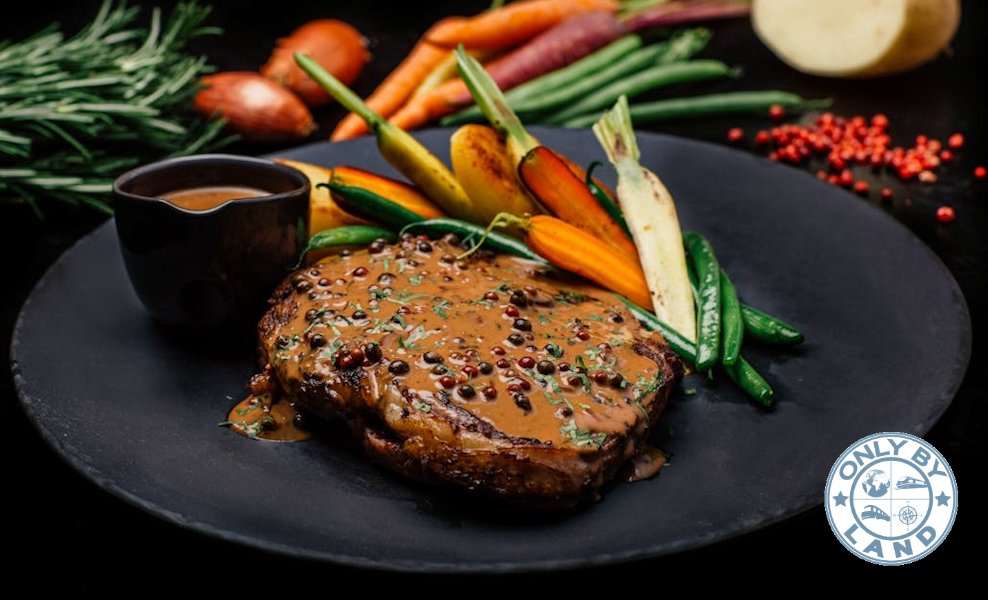
Galician cuisine stands among Spain’s most vibrant culinary traditions, boasting over 300 gastronomic festivals each year. The region’s rich food culture emphasizes shared meals and social dining that sets it apart from ever-changing modern eating habits, despite being one of Spain’s less prosperous regions.
This northwestern Spanish region’s gastronomy captivates visitors with its rustic charm and devotion to fresh, high-quality ingredients, especially its renowned seafood. Traditional Galician food showcases centuries of culinary expertise handed down through generations, from the iconic Pulpo a Feira (Market Octopus) dressed in olive oil and smoked paprika to the medieval-era Tarta de Santiago almond cake. Galicia’s steadfast dedication to authenticity shines through specialties like the protected-origin Mejillón de Galicia (Galician mussels) and the distinctive dome-shaped Queixo de Tetilla cheese. Each dish tells a unique story of Galicia’s gastronomic heritage.
The Coastal Treasures of Galician Cuisine
Galicia’s extraordinary culinary scene runs on its maritime heritage that stretches along 1,200 kilometers of rugged Atlantic coastline. The region’s dramatic cliffs and calm waters create an ecosystem that produces some of Europe’s best seafood.
Fresh Seafood Markets and Their Secrets
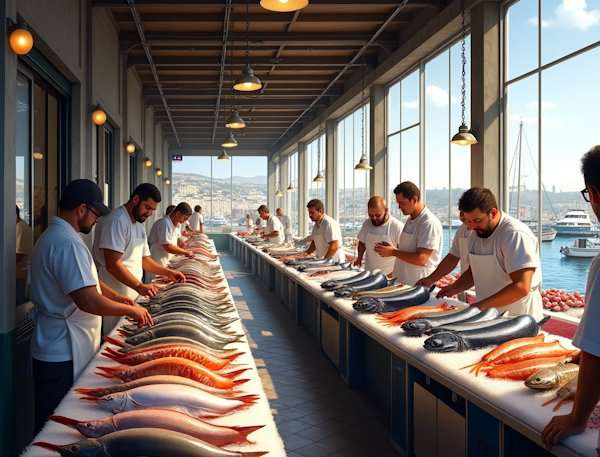
A Coruña’s fish market ranks among Europe’s most important fish markets and showcases Galician seafood at its finest. The market comes alive in pre-dawn hours as fresh catch arrives by the ton. The market buzzes with energy on Tuesdays and Thursdays when sailors, shellfish harvesters and buyers gather to participate in rapid-fire auctions. Fish and shellfish that travel straight from port to city earn the prestigious ‘Peixe da Lonxa da Coruña’ seal.
Lesser-known Coastal Delicacies
Galicia’s maritime bounty includes unique delicacies beyond common seafood varieties. Percebes (goose barnacles) harvested from storm-battered rocks sell for prices between fifty and hundred euros per kilo. On top of that, the velvet crab (nécora) offers a special treat – its velvety carapace hides flaky, savory meat throughout the body.
How Locals Prepare Seafood
Galician cooking celebrates seafood’s natural flavors. The caldeirada de pescado, a traditional fish stew that sailors created, perfectly shows the region’s cooking philosophy. Local chefs have a unique way to prepare octopus – they dip it in boiling water three times to “scare the octopus”. This prevents the skin from peeling off during cooking.
The mussel farming industry flourishes in the Rías Baixas, where 2,000 families manage about 4,000 rafts. Each rope carries mature mussels weighing around 300 kilos, with 500-800 ropes per batea. These mussels appear on plates either steamed with lemon wedges or marinated in a paprika-spiced sauce called escabeche.
Local markets display a wealth of other seafood like red bream, sardines, sea bass and crabs of all types. Pulpeiros, the professional seafood preparers, suggest using wooden plates that soak up water but keep oil to enhance the meal. The region’s seafood dishes often include local Albariño wine, creating distinct flavors that have made Galician cuisine a prominent part of Spanish food culture.
Hidden Mountain Flavors
The mountainous regions of Galicia hold their own culinary treasures beyond the coastal bounty. Here, time-honored traditions blend perfectly with bold flavors.
Traditional Meat Dishes
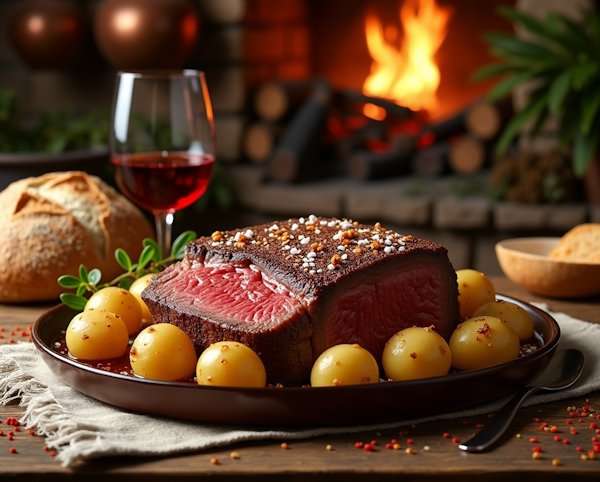
Galician beef is the life-blood of inland cuisine and proudly carries the prestigious ‘ternera gallega‘ seal of quality. The region’s signature dishes highlight this excellence through preparations like sirloin steak that comes with shallot and red wine reduction sauce paired with sautéed mushrooms.
Lacón con grelos, a satisfying dish that combines pork shoulder with turnip greens, has become a beloved mountain specialty. This dish typically includes chorizo and potatoes that create a perfect harmony of flavors. The traditional churrasco, made with either pork or beef ribs, shows how well the region’s cooks have mastered grilled meats.
Foraged Ingredients
Mountain terrain provides a wealth of wild ingredients. Local cooks use foraged mushrooms, especially porcini, in their dishes. These mushrooms improve traditional recipes like vushka – small ravioli filled with spicy plum and porcini mushroom pate.
Ancient Cooking Techniques
Smoking meats remains a cherished practice in Galicia’s mountain communities. Special ham and sausage trees emerge across the region before Easter and produce distinctive cured meats. The androlla sausage and botelo, which are smoked and then cooked, stand out as unique regional specialties.
The classic Caldo Gallego shows mountain cooking techniques that families have passed down through generations. Galician farmers created this warming stew that blends white beans, potatoes, cabbage and various pork products. The preparation needs slow-cooking so flavors can blend perfectly.
Local chefs stick to time-tested methods when preparing churrasco. They use a specific marinade of crushed garlic, parsley, oregano, rosemary, thyme, bay leaf and paprika. The meat needs precise timing – 20-30 minutes over high heat – with cognac added as the final touch. The traditional way of making lacón con grelos also requires careful attention to achieve that signature melt-in-your-mouth texture.
Visit Ourense Spain.
Secret Family Recipes

Family recipes are the life-blood of Galician culinary heritage. They keep centuries-old cooking traditions alive through generations of skilled home cooks.
Grandmother’s Cooking Wisdom
Galician kitchens value the gift of knowing proper proportions, a skill that takes years to develop. The region’s grandmothers keep their cooking secrets in their memories instead of writing them down. Many precious recipes are lost forever when they pass away.
These kitchen matriarchs really shine when making pastries. They create amazing treats with basic ingredients like eggs, almonds, flour, sugar, honey and lemon. The Santiago tart shows this tradition well, along with seasonal treats made from chestnuts or apples.
Galicia hosts more than 300 food festivals every year that celebrate these time-tested recipes. These gatherings started as local harvest celebrations and religious holidays where traditional meals took center stage.
Local Variations of Classic Dishes
Every Galician family puts their own spin on regional classics. The caldo gallego tastes different in homes across the region. Restaurant chefs might use several pots to make it, but families prefer one stockpot where flavors blend together perfectly.
Family traditions naturally create regional differences. To name just one example, see how polbo á feira changes from place to place – some areas add garlic, while others stick to olive oil and coarse salt. Local empanadas also come with different fillings, from tuna and chorizo to all kinds of vegetables.
Meat preservation shows how family recipes can differ by a lot. Families in interior Galicia take special pride in their sausage-making methods. Each household guards its special way of making androlla and botelo.
Women pass these cooking traditions down to their daughters or other women in the family. Modern cooking shows and magazines share new recipes, but they can’t replace the trusted family methods handed down through generations. Each cook adds their own special touch, knowing their cooking shows both their skill and their family’s reputation.
Visit Comillas.
Modern Takes on Galician Food
State-of-the-art chefs in Galicia blend centuries-old traditions with contemporary techniques to craft a new chapter in the region’s culinary story. The Galician Food Cluster actively encourages cooperation between companies and research centers through research and development.
New Interpretations by Local Chefs
Xosé Torres Cannas leads this culinary progress, and his innovative approach has earned him two Michelin Stars and one Green Michelin Star. His signature dish, “Camiño da Serpe’s garden,” showcases water infused with fermented tomatoes, wild leaves, flowers, beetroot and a distinctive herb dressing.
Alberto Cruz pays tribute to Galicia’s canning industry at Lándua in Costa da Morte through his modern take on mussel escabeche. Anna Portals creates contemporary versions of empanadas at Solleiros using Rías Baixas corn dough with cockles.
Fusion Experiments That Work
The AgrifoodTEF initiative reshapes the scene with a 1.5 million euro investment to boost the Galician food sector’s digital transformation. This program targets five key areas: arable farming, livestock, horticulture, tree crops and food processing. It integrates artificial intelligence and robotics to boost traditional methods.
Iago Pazos shows how fusion can honor tradition as a pioneer in the Galician gastronomic scene. His establishment Abastos 2.0 combines artisanal techniques with contemporary influences. His philosophy preserves the tavern language of Galician restaurants while adapting it to modern contexts.
The Lamb Mince Empanada Gallega perfectly illustrates successful fusion by incorporating Mediterranean flavors into the traditional Galician empanada structure. Chef Owen Morgan’s contemporary interpretation of the ninth-century Tarta de Santiago recipe adds a modern touch to this iconic dessert.
Seafood preparation sees exciting experiments from creative chefs. Modern versions of pulpo a la gallega now feature potato terrines and roasted capsicum aioli, which elevates the traditional octopus dish while preserving its cultural essence.
More on Santiago food.
Enjoy Galician Cuisine
Galician cuisine provides evidence of centuries-old culinary wisdom that blends coastal abundance with mountain traditions. Skilled home cooks and innovative chefs have passed these time-honored recipes down through generations. The recipes evolve yet maintain their authentic essence.
Grandmothers share their cherished cooking secrets while local markets buzz with activity early morning. Modern chefs reimagine classic dishes with thoughtful innovation. The region’s steadfast dedication reflects in its protected-origin products, traditional cooking methods and numerous gastronomic festivals that celebrate this heritage.
Galician dishes tell unique stories from family kitchens, traditional taverns and Michelin-starred restaurants. This distinctive culinary scene shows that great food stems not just from ingredients but from people who keep these traditions alive and reinvent them.
New generations accept new ideas while staying true to their culinary roots, making Galicia’s culinary future promising. This careful balance between tradition and innovation will give a thriving food culture that offers both locals and visitors an authentic taste of this special region.
FAQs
Q1. What are some unique seafood delicacies found in Galician cuisine?
Galicia offers distinctive seafood like percebes (goose barnacles) and velvet crabs (nécoras). Percebes are harvested from wave-battered rocks and can be quite expensive, while velvet crabs are known for their flaky, savory meat beneath a velvety carapace.
Q2. How do Galician chefs traditionally prepare octopus?
Galician chefs use a unique technique called “scaring the octopus” where they dip the octopus in boiling water three times before cooking. This method prevents the skin from detaching during the cooking process, ensuring a perfect texture.
Q3. What is the significance of family recipes in Galician cuisine?
Family recipes are the cornerstone of Galician culinary heritage, preserving centuries-old cooking traditions. These recipes are often passed down through generations, primarily from mother to daughter and are rarely written down, relying instead on memory and practice.
Q4. How are modern chefs innovating Galician traditional dishes?
Modern Galician chefs are blending centuries-old traditions with contemporary techniques. For example, some are creating new interpretations of classic dishes like empanadas using unique ingredients or reimagining traditional seafood preparations with modern twists while maintaining their cultural essence.
Q5. What role do gastronomic festivals play in Galician food culture?
Galicia celebrates over 300 gastronomic festivals annually, which play a crucial role in preserving and showcasing the region’s culinary traditions. These festivals originated from local harvest gatherings and religious holidays, and continue to be important events for sharing and celebrating Galician cuisine.



Leave A Comment