

Bali’s constant heat and humidity should guide your packing decisions. The island maintains a warm 30°C (86°F) year-round, so smart packing beats bringing too much stuff.
The island’s laid-back style means you’ll mostly wear shorts, t-shirts and flip-flops. This relaxed vibe makes packing simple, but weather can be unpredictable. Rain shows up more often between October and March during wet season, but surprise showers pop up in dry months too. The island’s cash-based economy also affects what you should bring.
This detailed guide lists 27 must-have items to pack for your Bali trip. You’ll find everything from cool, breezy clothes to proper temple wear that keeps you comfortable without weighing down your bags. These carefully picked travel basics will help first-time visitors handle both common needs and surprise situations better.
Lightweight Clothing

Image Source: Billabong
Lightweight clothing are the foundations of any practical packing list for Bali. The right fabric choices determine your comfort level in a destination where temperatures consistently range between 75-90°F (24-32°C).
Why it’s Essential
Your regular clothes won’t handle Bali’s tropical climate and persistent humidity well. The island’s relaxed atmosphere welcomes casual attire almost everywhere. Your skin needs to breathe in the humidity and lightweight clothing prevents that sticky feeling that drains your energy quickly. The right garments create a small microclimate around your body that helps regulate temperature. These lightweight options also protect you from the sun without making you overheat while you ride scooters or visit local villages.
Best Version to Pack
Natural, breathable fabrics will keep you comfortable:
- Cotton and linen pieces naturally wick moisture and let air flow through
- Loose-fitting shirts in white or light colors reflect sunlight and hide sweat
- Flowy dresses or maxi skirts create natural ventilation through a “chimney effect”
- Moisture-wicking t-shirts with mesh panels where you heat up most
- Lightweight shorts (linen or cotton) work great with breathable tops
Quick-dry synthetic blends serve you well on active days, especially those with mesh ventilation zones. More coverage with loose, lightweight clothing often keeps you more comfortable and protected from the sun than minimal clothing.
Pro Tips for Using it in Bali
White or light-colored clothing reflects heat better than dark colors. This simple choice improves your comfort substantially. Pack light because local shopping adds to Bali’s unique experience. A light jacket or wrap helps with evening temperature drops. Fabrics with slight texture (like seersucker) work better as they don’t cling to your skin when damp. You’ll need at least one modest outfit that covers shoulders and knees to visit temples.
Swimwear

Image Source: FINNS Beach Club
You can’t call your Bali trip complete without learning about the island’s pristine beaches and azure waters. That’s why swimwear becomes a must-have item on any packing list for Bali.
Why it’s Essential
Beach life in Bali centers around water activities. You’ll find everything from surfing and snorkeling to relaxing by infinity pools. Many travelers spend much of their time near water, so the right swimwear helps you stay comfortable. The high humidity makes clothes take longer to dry. Regular clothing stays damp for hours, so you need dedicated swim apparel. Good swimwear also protects you from UV rays during those long days under the tropical sun. Bikinis work fine at beach resorts, but Bali’s culture stays relatively conservative. This means you should choose your swimwear carefully.
Best Version to Pack
Quick-dry swimwear works best in Bali. These pieces dry in just 15-30 minutes when conditions are right, while traditional swimsuits need hours. You should pack:
- One-piece swimsuits that keep you secure during active water sports
- Swim trunks or board shorts that work as casual wear too
- Rash guards to protect you from the sun while snorkeling or surfing
- High-waisted options if you want more coverage
The best swimwear contains at least 15% spandex. This helps it perform well and keep its shape even after exposure to saltwater. Budget travelers can grab Columbia Sandy Shores Board Shorts. These dry quickly and won’t break the bank. Premium options made from recycled materials cost more but last longer.
Pro Tips for Using it in Bali
Temple visits rank high on every Bali trip. Keep a cover-up or sarong ready to switch from beach mode to cultural sites quickly. Wearing swimwear at temples or religious sites might get you fined or deported. Riding motorcycles in just swimwear isn’t safe either – you’ll get too much sun exposure. Pack swimwear that serves multiple purposes. Board shorts work as casual wear, and rash guards shield you from the sun during long exploration days. Eco-friendly swimwear made from recycled materials like Econyl lines up with Bali’s growing eco-conscious tourism scene.
Sunscreen (Reef-Safe)
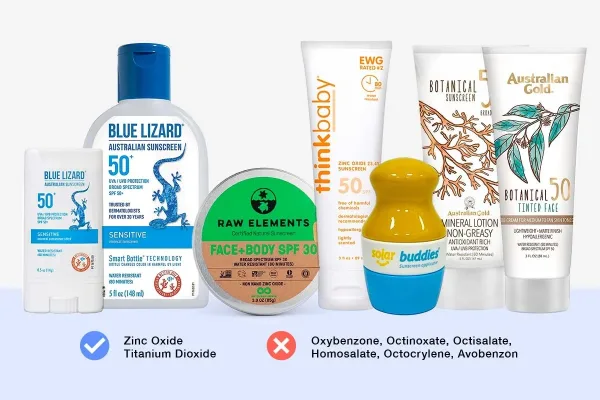
Image Source: Citrus Reef
Your skin needs special protection from Bali’s intense equatorial sun. This makes sunscreen choice crucial for your packing list for Bali. The stakes are high – over 14,000 tons of sunscreen end up in our oceans each year. Your choice of sunscreen affects both your health and the environment.
Why it’s Essential
Reef-safe sunscreen does double duty in Bali. It shields your skin from harmful UV rays and helps preserve the island’s delicate marine ecosystems. Research shows that regular sunscreens with oxybenzone and octinoxate harm coral DNA, which leads to bleaching and death. These chemicals accumulate in coral tissues, reduce fish reproduction rates, create defects in young mussels and stop essential algae growth that marine life depends on. Many tropical spots like Aruba and the U.S. Virgin Islands now make biodegradable sunscreen mandatory. Some places will even take away products that don’t meet their standards.
Best Version to Pack
A good reef-safe sunscreen should be mineral-based. It needs non-nano zinc oxide or titanium dioxide as active ingredients. Here’s what to look for on the label:
- “Reef-safe” or “reef-friendly” (always check ingredients despite the claims)
- Non-nano formulations (particles larger than 150 nanometers)
- Water-resistant options (these reduce ocean contamination by staying on longer)
Raw Elements, Thinksport, and Babo Botanicals are reliable choices. Bali’s surfers and divers often praise Surfyogis for its effectiveness in tropical weather. The brand doesn’t matter as much as avoiding oxybenzone, octinoxate, octocrylene, parabens, triclosan and PABA.
Pro Tips for Using it in Bali
Reef-safe sunscreen works differently from regular versions. You should apply it generously 15-30 minutes before sun exposure. These mineral formulas create a physical barrier instead of soaking into your skin. They wash off more easily during swimming or sweating, so frequent reapplication is key. Even the best reef-safe sunscreen won’t protect you unless you reapply it properly.
UPF clothing helps reduce the amount of sunscreen you need. This approach cuts down environmental impact and lightens your luggage. You might want to try local options like Sensatia’s Surf Naked lotion, which you can find throughout Bali. This supports local businesses and helps you avoid bringing products that might get confiscated.
Mosquito Repellent

Image Source: Things to do in Bali
A good mosquito repellent tops the list of things to take to Bali on your packing list for Bali. This tropical paradise offers stunning landscapes but also comes with mosquitoes that spread serious diseases.
Why it’s Essential
Mosquitoes do more than just annoy you in Bali. Dengue fever remains a persistent threat across the island. Daytime mosquitoes spread this disease most actively during dawn and before sunset. The good news is tourist areas face nowhere near the malaria risk of other tropical spots. Smart travelers know that preventing bites through proper repellent use beats treating mosquito-borne viral illnesses any day.
Best Version to Pack
Let me help you pick the right protection:
- DEET-based repellents (30-40%): Bushman Insect Repellent leads the pack with protection that lasts hours in humid weather. The higher DEET percentage gives you longer protection time rather than stronger effects.
- Picaridin alternatives (15-20%): Caladine Mosquito Repellent works great for sensitive skin while keeping those pesky insects away.
- Natural options: Repellents with citronella, eucalyptus or lemongrass oils smell nice but need frequent reapplication.
Families should try Natrapel – it’s gentle enough for kids and pets. You’ll find most repellents at local supermarkets and pharmacies throughout Bali.
Pro Tips for Using it in Bali
Your best defense starts with applying repellent before dawn and dusk – peak mosquito feeding times. Make sure to reapply every 2-3 hours, especially after a swim or heavy sweating. Many Bali hotels provide plug-in repellents or mosquito coils to boost your protection.
Waterproof formulas work best for jungle trips or rice field visits. Strong concentrations (30-40% DEET) are a must for remote area exploration, while lighter formulas work fine in resort areas. Local stores sell mosquito coils ($0.25-0.40 AUD per pack) that create a protective barrier around outdoor dining or pool areas.
Rain Jacket or Poncho
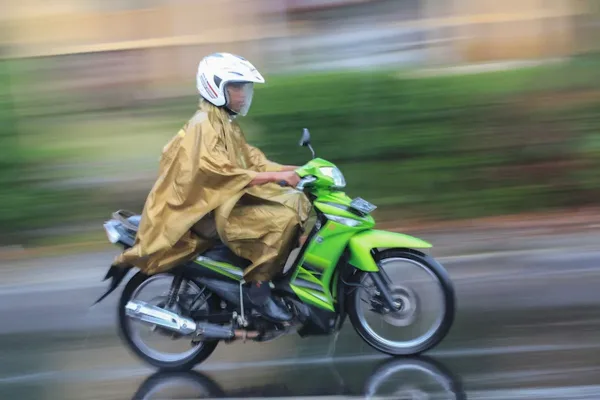
Image Source: Lotus Bungalows
Sudden downpours can catch you off guard in Bali, even during the dry season. A lightweight rain jacket or poncho should be on your packing list for Bali. These tropical showers show up without warning but don’t last long.
Why it’s Essential
Bali’s rain differs from what you might expect – it’s warm and pours heavily. A good rain jacket saves your cameras, phones and other valuable items from water damage. The island sees these quick showers throughout the year, not just during rainy season (October to March). Rain protection lets you keep moving instead of hiding under shelter, which helps you make the most of your vacation time.
Best Version to Pack
The right rain gear for Bali’s tropical weather needs:
- Lightweight breathability: Pick hot-weather jackets that wick moisture and have mesh vents
- Packability: Choose ones that fold into their pocket or small pouch
- Quick-drying capability: Materials that repel water help avoid that sticky, humid feeling
Ultralight rain ponchos work great in Bali since they cover both you and your backpack. Most locals use waterproof ponchos in heavy rain, especially on scooters. If you prefer jackets, look for ones with waterproof zippers, adjustable hoods and chin guards that give you complete protection.
Pro Tips for Using it in Bali
Keep your rain gear ready in your daypack’s outer pocket so you can grab it fast when dark clouds roll in. You can buy cheap ponchos from local mini-marts for short trips and leave them with your hotel when you head home. Umbrellas work well too, especially if you need both hands free to protect your camera gear. Waterproof phone cases add extra protection during wet season that jackets can’t provide.
Building aa daily routine to support mental health.
Temple-Appropriate Outfit

Image Source: Wira Rafting Bali
Proper temple clothing is a vital part of any packing list for Bali. You need the right attire to respect Balinese cultural traditions when visiting their temples.
Why it’s Essential
Balinese Hindu temples are sacred worship places where your dress shows respect for local customs and beliefs. Men and women must cover their shoulders and knees on temple grounds. Many tourists get turned away because they wear inappropriate clothing. Temple attire carries deep cultural meaning in Balinese Hinduism. A sarong symbolizes purity and reverence in sacred spaces. The right dress code lets you experience these spiritual sites with locals in a respectful way.
Best Version to Pack
Your ideal temple outfit should have:
- Sarong – A long fabric that wraps around your waist to your ankles (you must have this)
- Sash/belt (Senteng) – This secures your sarong and symbolizes control over negative thoughts
- Modest top – T-shirts or blouses with sleeves (tank tops and sleeveless shirts won’t work)
- Lightweight pants or long skirt – These should cover your knees when you sit
Most temples rent out sarongs and sashes if you come unprepared. Your own items are more convenient and hygienic. Women attending ceremonies need a traditional outfit with sarong, stagen, sash and kebaya. You’ll need this complete outfit only if you plan to join prayers.
Pro Tips for Using it in Bali
Take off your shoes before entering inner temple areas. Sandals work best since you can slip them off quickly. Local guides or temple attendants will show you the right way to tie your sarong. Each style has its specific wrapping method. Keep your feet away from holy objects when sitting. Never point your feet toward shrines. Stay quiet during ceremonies and get permission to photograph worshippers. Switch off your mobile phone to show respect for people in prayer. Temple beliefs restrict entry for pregnant women, those who gave birth recently or women during menstruation.
Flip-Flops or Sandals
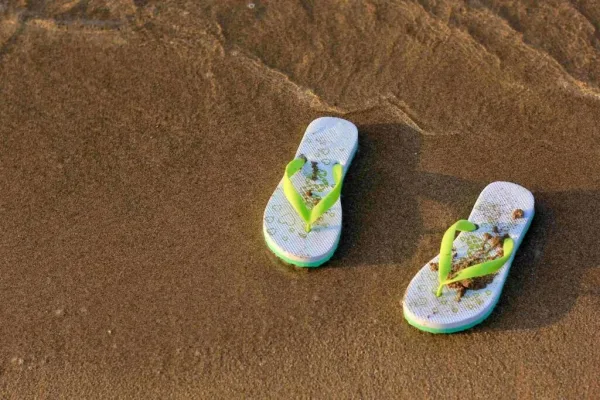
Image Source: FINNS Beach Club
Comfortable footwear should top your packing list for Bali. Most travelers opt for flip-flops or sandals as their go-to choice while discovering the island.
Why it’s Essential
Most visitors spend about 90% of their Bali trip wearing flip-flops or sandals. The island’s warm weather and frequent water activities make closed shoes impractical. Your choice of footwear will affect how much you enjoy your trip. Many tourists leave negative reviews of day tours because they wore the wrong shoes. Good sandals protect your feet on rough terrain and dry quickly after rain or water crossings. You can switch between activities throughout the day without changing your shoes.
Best Version to Pack
The most useful options include:
- Waterproof sandals built tough enough for adventures—brands like Teva Hurricane combine comfort with durability
- Lightweight sandals that work great as backup pairs when your adventure sandals get wet
- Water shoes that give you better grip during activities like white water rafting or quad biking
Crocs-type shoes prove excellent for Bali because they protect your feet and dry quickly. Beach walks need sandals with adjustable straps and good cushioning that prevent blisters.
Pro Tips for Using it in Bali
Leave expensive footwear at home since Bali’s dusty roads will ruin their look quickly. Flat shoes work best because resort areas have uneven ground that makes heels dangerous. Slip-on sandals make temple visits easier since you’ll need to remove shoes before entering inner areas.
Waterproof shoes become crucial during rainy season from October through March. Closed shoes protect your feet better than flip-flops when riding motorbikes. Local shops sell $2 flip-flops that many travelers find perfect for daily use.
Walking Shoes or Trainers

Image Source: Virgin Australia
Flip-flops might rule the beaches of Bali, but a good pair of walking shoes belongs in every packing list for Bali if you plan to venture beyond the sand.
Why it’s Essential
You’ll need comfortable walking shoes to explore Bali’s varied landscapes. Supportive footwear becomes crucial when you visit Ubud’s Sacred Monkey Forest or walk through the Tegallalang Rice Terraces. Anyone brave enough to take on Mount Batur’s pre-dawn trek needs reliable shoes to handle the rough volcanic paths. Good shoes protect your feet when you ride motorbikes, which is a common way to get around. Open-toed options can be dangerous here. The right walking shoes help you avoid blisters and tired feet during long days of exploration. This lets you take in all of Bali’s natural wonders without foot pain holding you back.
Best Version to Pack
These options work great for most Bali activities:
- Athletic sneakers: Running shoes with foam-padded collars keep feet happy for “eight-plus hours a day”
- Breathable mesh shoes: Holes in the design let your sweaty feet breathe in the tropical heat
- Versatile trainers: New Balance, Skechers, and Brooks are top picks that mix comfort with style
You might be surprised to learn that you don’t need heavy hiking boots for most Bali trips. Regular tennis shoes work fine even for the popular Mount Batur trek. In spite of that, light boots might help if you’re planning serious mountain hikes.
Pro Tips for Using it in Bali
Save space in your luggage by wearing your athletic shoes on the flight. You can switch between these and sandals during your stay. Many travelers love their waterproof sneakers because they handle surprise rain showers well—which happen often, even in dry season. Boat trips to Nusa Penida or the Gili Islands call for shoes that can take a bit of water splash during boarding.
Pick a specific pair of shoes for scooter riding as soon as you arrive. Look for walking shoes that can do it all—light enough for everyday use but tough enough for moderate hikes. Your feet tend to swell after lots of walking, so shoes with wider toe boxes will keep you comfortable during long days of exploring.
Reusable Water Bottle

Image Source: Islands
A good reusable water bottle is a vital health protection item on any packing list for Bali. The island’s tap water issues make your hydration plan just as important as where you stay.
Why it’s Essential
Your body needs proper hydration to fight jet lag, boost immunity and keep energy levels up during Bali adventures. Reusable bottles help protect the environment from single-use plastics that harm this island paradise. Bali’s tap water has bacteria and parasites that can lead to “Bali Belly” – a stomach problem that causes vomiting, diarrhea, fever and dehydration. The water safety issue goes beyond drinking. You should not use tap water to brush teeth or have ice in drinks. That’s why a water bottle with proper filtration isn’t just handy – it protects your health.
Best Version to Pack
Your ideal water bottle for Bali needs these features:
- Filtration capability: LifeStraw Go Series or SurviMate bottles filter out viruses (needed in Indonesia), while LARQ bottles clean themselves
- Insulation performance: Double-wall vacuum insulated bottles keep drinks cold for 24+ hours in Bali’s heat
- Practical design: The bottle shouldn’t leak in your bag and straps or handles make it easy to carry
Valourgo’s collapsible bottles save space in your luggage. But insulated stainless steel options from Hydro Flask, Owala or Klean Kanteen will keep your water colder.
Pro Tips for Using it in Bali
You can refill your bottle in many places across Bali. Most hotels have filtered five-gallon water jugs in their lobbies and restaurants usually let you refill. If you plan a longer stay, you can buy a five-gallon water jug from local stores. Your filtration bottle must handle viruses, not just bacteria, because hepatitis is common in Bali. Be careful with questionable water sources, even with filtered bottles. You might want to carry water purification tablets as backup.
Visit a spiritual retreat in Bali.
Daypack or Small Backpack

Image Source: Balipedia
A practical daypack or small backpack stands out as an essential Bali travel essential. You’ll need it to carry daily items while keeping your hands free as you move through Bali’s beautiful landscapes.
Why it’s Essential
Your daypack acts as a portable headquarters during Bali adventures. Water-resistant daypacks shield electronics, travel documents and valuables from the tropical downpours that often sweep across the island. Quality backpacks with breathable mesh panels prevent uncomfortable heat buildup between your back and the pack – a vital feature in Bali’s humid equatorial climate. Smart travelers leave their main luggage at their hotel and carry just what they need for daily trips. This makes a daypack perfect for temple visits, beach days, and waterfall adventures.
Best Version to Pack
A great Bali daypack should have these key features:
- Weather protection: Pick tear-resistant, waterproof materials that protect your stuff from sudden tropical rain
- Ventilation system: Breathable mesh shoulder straps and back panels create air channels
- Security elements: Hidden pockets and secure zippers keep valuables safe in busy markets
- Comfort features: Padded shoulder straps and chest straps reduce strain during long walks
- Capacity considerations: 10-15 liters works for day trips while 30-40 liters suits remote adventures
Lightweight options starting at 0.6 pounds help reduce fatigue during temple walks and volcano climbs.
Pro Tips for Using it in Bali
A pack that folds down to pocket size (about 6.7 x 7 inches) fits well with your main luggage. Look for a daypack with a wet compartment – you’ll need it after waterfall visits or surprise rain showers. Choose a design with side mesh pockets to hold water bottles. This allows quick access during humid hikes. Good water bottle storage matters a lot in Bali’s tropical heat.
Dry Bag
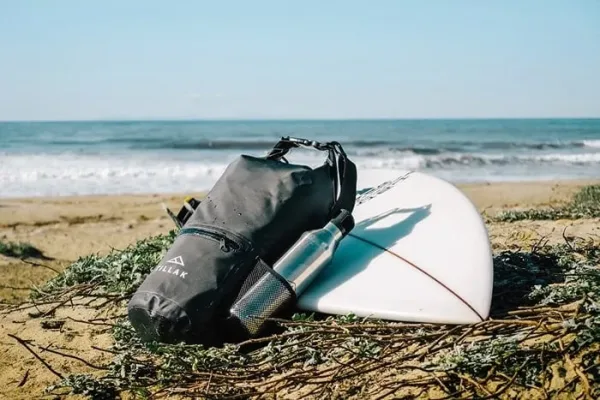
Image Source: Lush Palm
Water enthusiasts need a quality dry bag as one of the most overlooked yet great ways to get protection for electronics and valuables during aquatic adventures in Bali.
Why it’s Significant
Bali’s environment creates constant moisture challenges beyond just rain. Waterfall hikes, unexpected boat splashes and beach days all put unprotected belongings at risk. Quality dry bags protect valuables from complete submersion and feature 100% waterproof designs that float when sealed properly. Regular backpacks don’t match up to proper dry bags with welded seams that keep water out even during long exposure. This protection becomes vital for expensive electronics since Bali’s humidity can damage unprotected devices. Travelers heading to Nusa Penida or the Gili Islands face wet boat transfers where their stuff often gets soaked during boarding and getting off. The need for waterproof storage stays important year-round because sudden tropical downpours happen without warning, even in dry season.
Best Version to Pack
A perfect dry bag for Bali has:
- Roll-top closure system – Creates the most reliable waterproof seal through multiple folds
- Durable materials – Look for TPU-coated nylon or PVC tarpaulin that resists tears on rocky beaches
- Appropriate size – 10-15 liter capacity is enough for day trips and balances protection with portability
- Visibility features – Bright colors help spot the bag if dropped in water
Lightweight dry bags with shoulder straps work best since they mix protection with comfortable carrying capacity. Earth Pak gives reliable protection without breaking the bank for budget-minded visitors.
Pro Tips for Using it in Bali
A dry bag’s ability to work depends on proper sealing—fold the top at least three times before securing buckles. Your important documents should go in the smallest possible dry bag, then inside a larger one for extra protection during boat transfers. Quick-access splash pockets let you use electronics like phones without opening the main compartment. Dry bags can serve as floating storage during waterfall swims instead of leaving valuables unattended on shore. Note that all dry bags have limits—complete submersion under pressure for long periods might let water seep in eventually.
Toiletry Kit

Image Source: FINNS Beach Club
A well-laid-out toiletry kit becomes vital for your packing list for Bali since the tropical climate makes daily personal hygiene challenging.
Why it’s Essential
Bali’s humid environment creates unique challenges for personal care. A detailed toiletry kit helps protect your health and skin in this sun-drenched setting where regular hygiene habits might not work. The right toiletries protect you from common problems like “Bali Belly” and sun damage while keeping you comfortable throughout your trip. Some items are hard to find or cost more locally – sunscreen prices in Bali are substantially higher than at home. You need to think over prescription medications carefully. Keep them in original packaging with a doctor’s letter to avoid customs problems. A well-prepared kit lets you enjoy your experiences without hunting for essential items.
Best Version to Pack
Your ideal toiletry bag for Bali’s challenging environment should have:
- Water-resistant materials – Keeps contents safe from humidity and moisture
- Multiple compartments – Divides items by use and type
- Hanging capability – Makes any doorknob or shower rod your personal vanity
- Compact dimensions – Typically 10.4″ x 3.9″ x 6.7″ to save luggage space
Pack these Bali travel essentials:
- Toothbrush, toothpaste and dental necessities
- Travel-sized shampoo and conditioner
- High-SPF sunscreen (costs more locally)
- After-sun lotion with aloe vera
- Insect repellent with DEET
- Hand sanitizer for frequent use
- Basic medications and prescriptions
- Lip balm with SPF protection
Pro Tips for Using it in Bali
Bali’s constant 80-90% humidity demands smart toiletry organization. Waterproof compartments with sealed zippers create barriers against moisture and leaking bottles. Your bag needs breathability too – look for designs with mesh panels to prevent mildew in 30°C+ temperatures. Keep daily items in outer pockets for easy access. Make sure wet and dry items stay separate, especially after beach trips. A mini first aid kit with Imodium helps since stomach problems often affect travelers who aren’t used to local food.
First Aid Kit
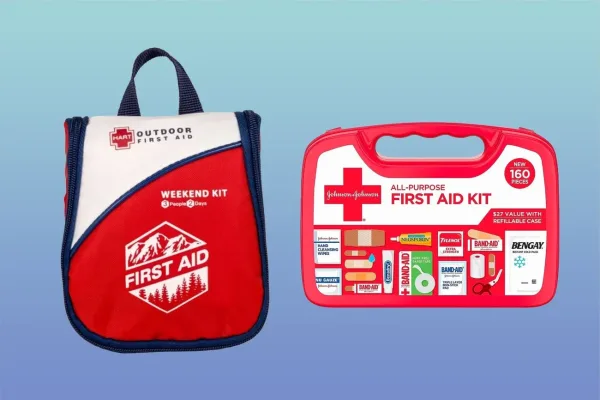
Image Source: Travel + Leisure
A proper medical kit is one of the most overlooked things to take to Bali. These kits are a great way to get help when minor injuries or illnesses threaten your vacation plans.
Why it’s Essential
Health preparation matters by a lot when you visit Bali. The unfamiliar bacteria, tropical conditions, and adventure activities create unique health risks. A well-stocked first aid kit helps travelers handle simple health problems without searching for pharmacies in unfamiliar places. Medical care can be hard to find in certain areas, which makes self-sufficiency a vital part of your trip. To name just one example, travelers often face motorcycle accidents, allergic reactions, dehydration and insect bites. Minor problems pop up without warning. Cuts can quickly become infected in tropical environments. Many visitors struggle with digestive issues when they’re not used to local food.
Best Version to Pack
The ideal first aid kit for Bali has:
- Simple wound care: Adhesive bandages, antiseptic wipes, antibacterial ointment and gauze to clean and cover injuries
- Medications: Pain relievers, antihistamines, anti-diarrheal agents and rehydration salts
- Tools: Digital thermometer, tweezers, scissors, and medical tape
- Specialized items: Hydrocortisone cream for bites/stings and blister treatments for walking injuries
Pre-assembled travel medical kits save time—Adventure Medical Kits offers compact options designed for travelers. You should customize your kit based on your health needs and planned activities.
Pro Tips for Using it in Bali
We stored medications in original packaging with prescriptions to avoid customs problems. Travelers with chronic conditions should pack enough medication for their stay plus extra supply for unexpected delays. You should keep copies of prescriptions with generic drug names to help with replacements if medications get lost.
The Kimia Farma network and locations marked “Apotek” on Google Maps offer good replacements for simple supplies. You can find basic medications in convenience stores like Alfamart or Indomaret during emergencies. Note that you should avoid packing antibiotics unless you’re heading to remote areas, since antibiotic resistance problems are systemic globally.
Travel Documents
Image Source: InvestinAsia
Travel documentation is the life-blood of a trouble-free Bali travel experience. Missing or incorrect paperwork can derail your vacation plans before they even begin.
Why it’s Essential
Your passport must remain valid for at least six months beyond your arrival date and contain a minimum of two blank pages. Indonesian authorities will deny entry at immigration if you don’t meet these requirements. They conduct strict document checks and require both passports and proof of onward travel. Bali charges a tourist tax of approximately IDR 150,000 (USD 10) per person, which is separate from Indonesian government fees. Travelers need to complete an electronic customs declaration upon entry. Visitors with emergency passports must get a visa before arrival in Indonesia since visa-on-arrival won’t be available.
Best Version to Pack
Smart travelers should keep these essential documents ready:
- Passport (with 6+ months validity and two blank pages)
- Visa documentation (Electronic Visa On Arrival costs 500,000 rupiah/USD 35)
- Return/onward flight confirmation
- Accommodation details
- Travel insurance documentation
- International Driving Permit (mandatory for vehicle rentals)
- Vaccination records (if required)
A dedicated travel document organizer with RFID protection, waterproof material and lockable zippers keeps everything secure.
Pro Tips for Using it in Bali
Experienced travelers create multiple backups of critical documents in both digital and physical formats. They scan all documents and store copies in password-protected cloud storage like Google Drive or Dropbox. Encrypted copies should be emailed to yourself and a trusted contact who can forward them if needed. Always carry a copy of your passport while keeping the original secured in your accommodation. Indonesian authorities require you to exit the country with the same passport used for entry. You must get a special exit permit if you replace your passport during your trip.
Power Adapter (Type C/F)

Image Source: Bali.com
Electronic devices in Bali need specific electrical adapters – a crucial item many travelers forget to add to their packing list for Bali.
Why it’s Essential
Bali’s electrical system uses Type C and Type F power outlets that have two round pins. Type F outlets come with two extra earth clips on the sides. The power system runs at 230V with 50Hz frequency, which runs substantially higher than the 120V standard found in countries like the United States. Your devices won’t charge without proper adapters, and you risk damaging your phones, cameras and laptops. Using incompatible devices can cause serious damage to your electronics. Travelers who come from Australia, Japan, USA, UK, Canada, and Singapore need adapters because their plug types don’t match Bali’s socket design.
Best Version to Pack
Here are your best adapter options:
- Universal travel adapter – Perfect for frequent travelers and works in over 150 countries including Bali
- Multi-country adapter – Handles various plug types including Bali’s Type C and F
- Single-country adapter – A compact option made just for Bali’s outlets
The best adapters include surge protection since Bali’s power supply can fluctuate. Models with built-in USB ports let you charge multiple devices at once without extra adapters.
Pro Tips for Using it in Bali
Check your device labels before you leave. If you see “INPUT: 100-240V, 50/60 Hz,” you’ll only need an adapter, not a voltage converter. Most modern electronics like phones, laptops, and camera chargers fall into this category. Your hairdryers and styling tools usually need voltage converters unless they’re marked as dual-voltage.
Keep your adapters dry and don’t plug in too many devices at once. Power outages happen in Bali, so a portable power bank makes a great backup. You can find adapters at convenience stores, supermarkets and electronics shops across the island if you forget to pack one.
Power Bank
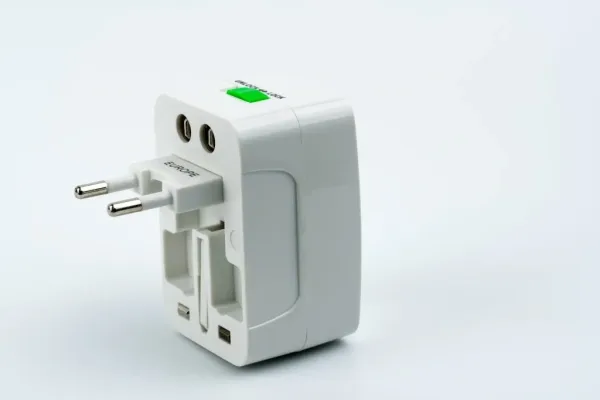
Image Source: Viceroy Bali
A good power bank should be at the top of your packing list for Bali. You might find it hard to charge your devices during day-long trips and adventures in remote areas.
Why it’s Essential
Bali throws some unique charging challenges at you. The power outlets aren’t always reliable, voltage goes up and down and you’ll spend long hours away from your hotel. Your Bali travel essentials need regular charging – phones that capture waterfall moments and cameras that snap those perfect sunset ceremonies. Without a backup power source, you could miss great photo chances or lose your way just when you need directions most. The remote parts of Bali don’t have many places to charge, yet these are exactly where you’ll need your phone the most for maps and translation apps. Without doubt, power banks give you freedom from hunting down wall outlets in cafes, hotels or airports. This is a big deal as it means that you won’t have to depend on airport charging stations.
Best Version to Pack
Your ideal power bank for Bali should have these features:
- Appropriate capacity: A 10,000mAh bank gives you about three full smartphone charges – just right for power and weight
- Multiple ports: Get one with both USB-C and USB-A outputs to charge different devices at once
- Passthrough charging: This handy feature lets you charge devices while the power bank itself charges up
- Airline compliance: Your power bank must stay under 100 watt-hours (about 27,000mAh) to fly
Anker, Belkin, and Zendure make reliable banks. The waterproof ones work best with Bali’s unexpected weather.
Pro Tips for Using it in Bali
Never put your power bank in checked bags – they belong in carry-on only. Work out how much power your devices just need before you go. Most smartphones take around 3,000-4,000mAh for a full charge. Your power bank won’t like too much heat, which matters in Bali where temperatures often hit above 30°C. If this is your first trip, pack a power bank that lasts all day. You’ll thank yourself when exploring places like Ubud or the northern temples where charging spots are hard to find.
Underwater Camera or Waterproof Phone Case

Image Source: Underwater Photography Guide
You just need specialized equipment to capture Bali’s underwater wonders. Waterproof imaging tools should be on your packing list for Bali.
Why it’s Essential
Bali’s exceptional underwater photography spots range from coral reefs to marine life encounters. These moments will slip away without the right equipment. Regular “waterproof” phones aren’t reliable when submerged for long periods and could get damaged. We needed dedicated waterproof cases to protect our devices while keeping them functional. This becomes crucial during sudden rain showers, waterfall visits or beach days. Most Bali travel essentials can serve multiple roles, but underwater photography gear fills a specific need you can’t substitute.
Best Version to Pack
You have two main options to choose from:
Waterproof Phone Cases:
- AxisGo – Works with iPhones and has full touchscreen access, rated for 33 feet (USD 200, sometimes USD 40 on sale)
- ProShot Dive – Works with different phones, rated for 130 feet (around USD 40)
- Pelican Marine Series – Floats in water, stays waterproof in one meter of water for 60 minutes
Dedicated Underwater Cameras:
- Point-and-shoot waterproof cameras like Olympus TG models work up to 15m/50ft without extra housing
- Camera/housing combinations let you go deeper (30-60m) and work with accessories
Your choice really depends on what you plan to do – whether you’re snorkeling near the surface or heading to deeper spots like Tulamben or Menjangan Island.
Pro tips for using it in Bali
Put tissue inside your waterproof case and dunk it briefly to check the seal before your trip. Phone cases that float give you extra peace of mind during water activities. Floating hand grips make it easier to swim and take photos at the same time. Note that capacitive touchscreens don’t work underwater – start your video above water or use physical buttons once submerged. Clean your gear with fresh water after ocean use to avoid salt damage.
Packing Cubes
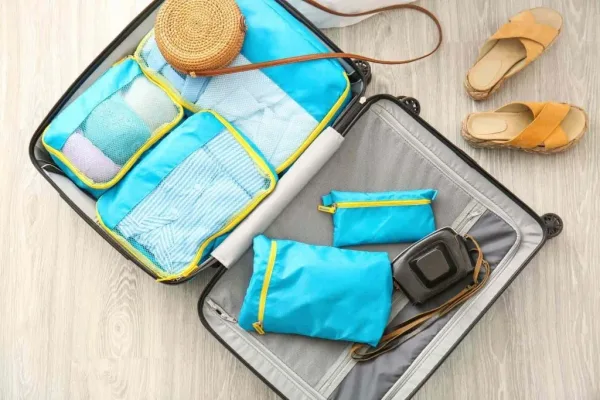
Image Source: Holafly
Packing cubes will change how you organize your packing list for Bali. They make travel easier and more enjoyable.
Why it’s Essential
These fabric organizers work like small compartments inside your suitcase and bring order to travel chaos. You can separate clean clothes from dirty ones after beach visits or sweaty hikes in the rice terraces. Your clothes stay wrinkle-free because the cubes prevent them from moving around during transport. This saves you from ironing in Bali’s humid weather. The cubes also keep your clothes safe from dirty hotel drawers. Many travelers say they can’t go back to regular packing after they find these simple organizers. These small but mighty tools streamline your entire travel experience. You’ll pack faster before leaving and find your items easily at your destination.
Best Version to Pack
The best packing cubes for Bali should have these key features:
- Material quality: Lightweight nylon or polyester with durable zippers that handle tropical conditions
- Mesh panels: Let you see what’s inside and allow airflow in humid weather
- Appropriate sizing: Different sizes in each set fit various types of clothing
- Compression capability: Perfect for bulky items like sweaters needed for cool evenings
Compression cubes work great for Bali trips because they have an extra zipper that saves space when closed. If you care about the environment, brands like Cotopaxi make colorful cubes from recycled materials.
Pro Tips for Using it in Bali
Smart packing starts with good cube organization. Put similar items together – keep underwear in one cube and swimwear in another. This makes everything easy to find during your trip. You can also organize cubes by activity for temple visits, beach days or hiking trips. Roll your lighter clothes before putting them in cubes to see and grab items quickly. Keep one cube empty for dirty clothes. Most travelers find that three to five cubes give them the perfect mix of organization and space in their luggage.
Comparison Table
| Item | Main Purpose | Best Version/Features | Tips | What to Keep in Mind |
|---|---|---|---|---|
| Lightweight Clothing | Deals with constant humidity and heat (75-90°F) | Cotton/linen pieces, loose shirts, flowing dresses, sweat-wicking t-shirts | Pick white/light colors that reflect heat | Pack light; you can shop locally |
| Swimwear | Beach fun, water sports | Material dries fast (15-30 min), 15% spandex | Bring a cover-up for temples | Not allowed in temples/religious places |
| Sunscreen (Reef-Safe) | Protects from UV, saves coral reefs | Mineral-based, non-nano zinc oxide/titanium dioxide | Put on 15-30 min before sun | Must be reef-safe; regular sunscreens banned |
| Mosquito Repellent | Stops diseases (dengue risk) | Products with 30-40% DEET or 15-20% Picaridin | Use at dawn/dusk | Put on fresh layer every 2-3 hours |
| Rain Jacket/Poncho | Guards against sudden rain | Light, breathable, easy to pack | Keep it handy in daypack | Warm rain happens year-round |
| Temple Outfit | Gets you into religious sites | Sarong, sash, modest top covering shoulders/knees | Take shoes off before entry | Needed for all temple visits |
| Flip-Flops/Sandals | Your go-to shoes (90% of time) | Waterproof, strong build | Skip the expensive ones | Quick removal needed for temples |
| Walking Shoes | Adventures, hiking | Cushioned sneakers with breathable mesh | Wear while flying to save space | Not needed most days |
| Reusable Water Bottle | Clean water, less plastic | Built-in filter, keeps drinks cold/hot | Fill up at hotels/restaurants | Don’t drink tap water |
| Daypack | Holds daily needs | 10-15L size, resists water, good airflow | Look for breathable back panels | Perfect for day trips |
| Dry Bag | Keeps electronics safe from water | Roll-top, TPU-coated nylon/PVC | Roll top 3+ times to seal | Must-have for boat trips |
| Toiletry Kit | Keeps hygiene items handy | Resists water, multiple pockets, can hang | Keep wet/dry items apart | Watch out for humidity |
| First Aid Kit | Handles minor medical needs | Basic bandages, meds, tools | Keep pills in original boxes | Tropical weather affects healing |
| Travel Documents | Lets you enter legally | Valid passport (6+ months), visa papers | Save digital/paper copies | Tourist tax applies |
| Power Adapter | Charges devices safely | Works with Type C/F, surge protection | Check your device’s voltage | System uses 230V/50Hz |
| Power Bank | Backup power | 10,000mAh size, multiple ports | Pack in carry-on only | Limited places to charge |
| Underwater Camera/Case | Takes water photos | Cases rated for 33-130ft depth | Test seals before trip | Clean after ocean use |
| Packing Cubes | Keeps luggage tidy | Light nylon/polyester, mesh panels | Pack similar things together | 3-5 cubes usually enough |
Final Thoughts on Packing for Bali
Smart preparation is key to a great Bali adventure. The 27 must-have items in this piece help travelers tackle common challenges on this tropical island paradise. Light clothes that help curb humidity and reef-safe sunscreen to protect your skin and marine life – each item has a clear purpose to make your trip better.
Smart packing needs balance, not excess. First-timers often pack too much, but this detailed list covers everything you need without extra bulk. We picked each item based on weather, culture and practical needs. This helps you stay ready for planned activities and surprise situations.
Bali’s culture deserves your respect. Temple clothes don’t take much space but let you experience deep cultural moments that regular tourists miss. Eco-friendly choices like reef-safe sunscreen and reusable water bottles line up with efforts to keep Bali beautiful.
Good safety prep lets you relax on your trip. Well-prepared travelers handle small emergencies with ease – sudden rain, mosquitoes or minor cuts won’t ruin your day. You won’t need to stress about these small problems.
Smart travelers know great trips happen when you pack right the first time. This careful selection stops you from rushing to buy basics after arrival. You can dive right into Bali’s amazing views, rich culture and unforgettable moments from day one.
Without doubt, staying flexible is your best travel buddy. Even with perfect plans, surprises pop up. So a flexible attitude and good prep are the foundation for amazing Bali memories. With these carefully picked essentials, you can explore this magical island with confidence – from holy temples and green rice fields to clean beaches and colorful underwater worlds.
FAQs
Q1. What clothing should I pack for a trip to Bali in 2025?
Pack lightweight, breathable clothing made from natural fabrics like cotton and linen. Include loose-fitting shirts, flowy dresses and moisture-wicking t-shirts. For temple visits, bring modest outfits that cover shoulders and knees.
Q2. How much money should I budget per day in Bali?
A budget of around $100 USD per day should be sufficient for most travelers. This typically covers food, drinks, local transportation and basic activities. However, adjust your budget based on your planned activities and accommodation preferences.
Q3. What items should I avoid bringing to Bali?
Avoid packing expensive jewelry, as it’s unnecessary and may attract unwanted attention. Don’t bring illegal drugs under any circumstances. Also, consider leaving toiletries at home, as many are readily available and often cheaper to purchase in Bali.
Q4. Is a waterproof camera or phone case necessary for Bali?
Yes, a waterproof camera or phone case is highly recommended. Bali offers numerous water activities and unexpected rain showers are common. These protective cases allow you to capture underwater memories and protect your devices during beach days or sudden downpours.
Q5. What type of footwear is best for a Bali trip?
Pack a combination of comfortable flip-flops or sandals for everyday wear and a pair of sturdy walking shoes for more adventurous activities. Waterproof sandals are ideal for beach days and exploring waterfalls, while closed-toe shoes are better for hiking or long walks.







Leave A Comment