

Wild Japanese macaques (snow monkeys) enjoy the warmth of natural hot springs at Jigokudani Snow Monkey Park
A Natural Wonder: The Snow Monkey Park Experience
Established in 1964, the Jigokudani Monkey Park (Jigokudani Yaen-koen) was created as a place where the natural behavior of Japanese macaques could be observed in their native habitat. Located in a valley aptly named “Hell’s Valley” due to its steep cliffs and steaming hot springs, the park provides a sanctuary where these remarkable primates can thrive while allowing visitors a glimpse into their fascinating world.
What makes this location truly special is that it’s the only place in the world where you can observe wild monkeys bathing in natural hot springs. The Japanese macaque is the northernmost-living non-human primate and these hot spring baths help them survive the harsh winter months when temperatures can drop well below freezing.
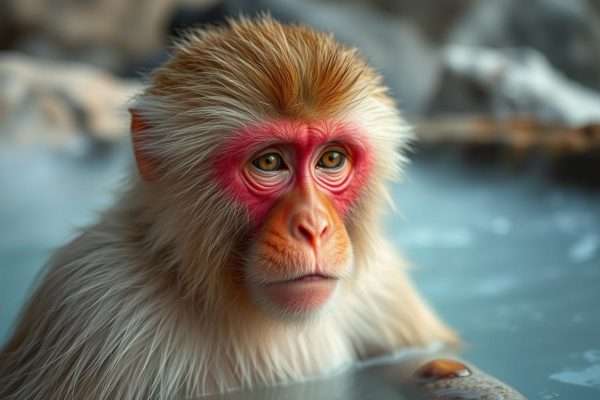
Unlike a zoo, the Snow Monkey Park is home to completely wild macaques that come and go freely. The resident troop consists of around 160-200 monkeys who live in the surrounding forests but visit the park daily, especially during winter when food is scarce and the hot springs provide welcome warmth.
The monkeys have developed a complex social structure, with clear hierarchies that visitors can observe. Alpha males, mothers with babies and juvenile monkeys all interact in fascinating ways, completely accustomed to human observers but remaining truly wild in their behavior.
Experience the Snow Monkeys Up Close
Join a guided tour from Nagano to see these remarkable creatures in their natural habitat while learning about their behavior and social structure from expert guides.
Key Attractions and Highlights
Monkey Behavior and Social Dynamics
One of the most fascinating aspects of visiting the Snow Monkey Park is observing the complex social interactions between the macaques. The troop follows a strict hierarchy, with dominant males and females enjoying privileged access to the hot springs and food. Younger monkeys play and squabble around the edges, while mothers carefully groom their babies.

A mother macaque grooms her baby near the edge of the hot spring
Visitors can witness a range of natural behaviors, from feeding and grooming to the fascinating spectacle of monkeys diving into the hot spring water or sitting with almost meditative expressions as they soak in the warmth. The monkeys largely ignore human visitors, allowing for authentic wildlife observation.
Seasonal Highlights
Winter (December-March)

The most iconic time to visit, when snow blankets the valley and the monkeys spend extended periods in the hot springs. The steam rising from the water against the snowy backdrop creates magical photo opportunities.
Spring (April-June)
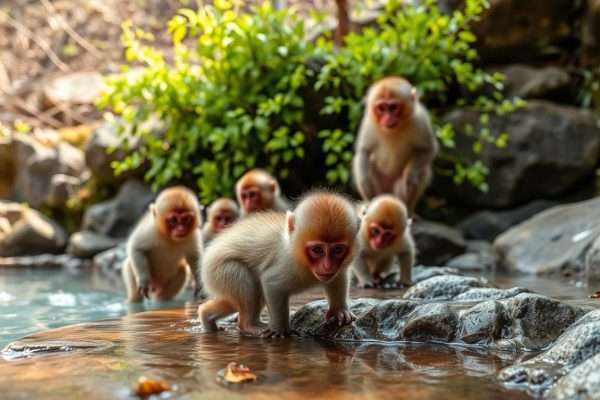
Baby season! Spring brings newborn monkeys, and visitors can observe mothers caring for their tiny infants. The surrounding forest begins to green, creating a beautiful backdrop.
Autumn (October-November)

Fall foliage transforms the valley into a canvas of red and gold. The monkeys begin to visit the hot springs more frequently as temperatures drop, but without the winter crowds.
Photography Tips
- Visit early in the morning for the best light and fewer crowds
- Bring a zoom lens (70-200mm is ideal) for close-up shots without disturbing the monkeys
- In winter, protect your camera from steam and moisture with appropriate covers
- Be patient – the most magical moments often happen when you wait quietly
- Look for interactions between monkeys rather than just single portraits
Essential Visitor Information
The Journey to Snow Monkey Park
Reaching the park requires some effort, but the journey through the Japanese countryside is part of the experience. The park is located near the town of Yamanouchi in Nagano Prefecture, about a 30-40 minute walk from the nearest bus stop.
The Forest Trail
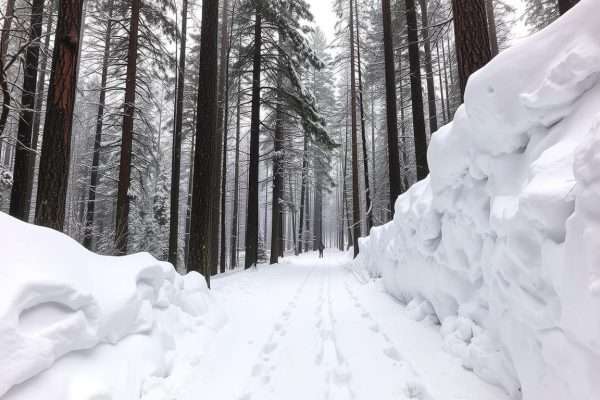
From the Kanbayashi Onsen bus stop, visitors follow a 1.6 km (1 mile) trail through a beautiful cedar forest. The path is well-maintained but can be slippery in winter, when proper footwear is essential. The walk takes approximately 25-40 minutes depending on conditions and your pace.
This forest approach is an integral part of the experience, offering a peaceful transition from the human world to the monkeys’ domain. In winter, the snow-covered path creates a magical atmosphere, while in warmer months, the lush greenery provides welcome shade.
Trail Accessibility
The trail to the park involves uphill sections and can be challenging for those with mobility issues, especially in winter. There are no wheelchair-accessible routes to the park. In winter, the path can be icy – rental crampons are available at shops near the trailhead.
Opening Hours and Entry Fees
| Season | Opening Hours | Entry Fee (Adults) | Entry Fee (Children) |
| Winter (Nov-Mar) | 9:00 AM – 4:00 PM | 800 yen | 400 yen (ages 6-17) |
| Green Season (Apr-Oct) | 8:30 AM – 5:00 PM | 800 yen | 400 yen (ages 6-17) |
The park is open year-round, including holidays, though it may close during severe weather conditions. No reservations are required for individual visitors, and tickets are purchased at the entrance.
Best Times to Visit
Time of Year
- Winter (Dec-Mar): Peak season for seeing monkeys in the hot springs, but also the most crowded
- Spring (Apr-Jun): Baby monkey season with fewer crowds
- Summer (Jul-Sep): Least crowded, but monkeys spend less time in the hot springs
- Autumn (Oct-Nov): Beautiful foliage and increasing hot spring activity
Time of Day
- Early Morning (opening time): Fewer visitors and active monkeys
- Mid-Morning: Good balance of monkey activity and manageable crowds
- Afternoon: More crowded, especially with tour groups
- Late Afternoon: Crowds thin out before closing
Skip the Hassle with a Guided Tour
Join a day tour from Nagano that includes transportation, park entry and visits to other local attractions like Zenkoji Temple.
Nearby Attractions and Experiences
Shibu Onsen
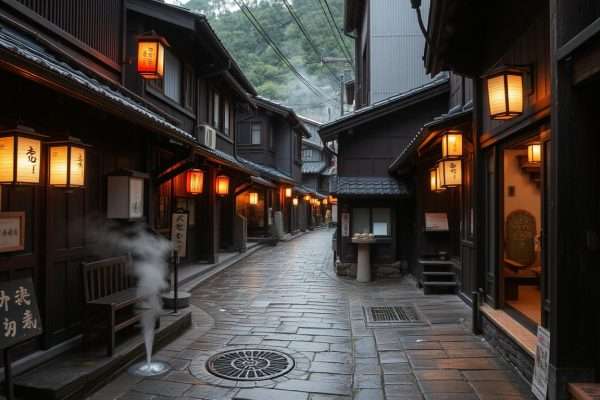
This charming hot spring town features nine public baths and traditional ryokan inns. Visitors staying at local ryokan can experience the “bath-hopping” culture by visiting all nine public baths with a special wooden key.
Shiga Kogen
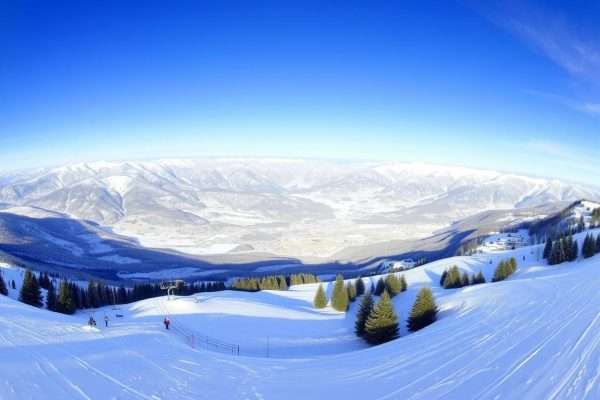
Japan’s largest ski resort area offers excellent winter sports opportunities from December to May. In green seasons, the highlands transform into a hiking paradise with alpine flora and stunning mountain views.
Zenkoji Temple
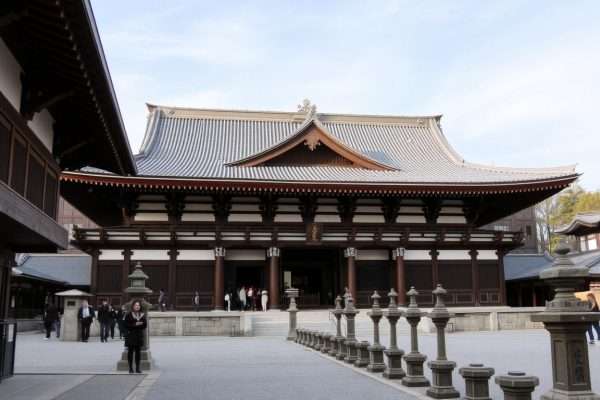
One of Japan’s most important Buddhist temples, dating back 1,400 years. Located in Nagano City, this impressive temple complex is often combined with Snow Monkey Park visits and offers a fascinating glimpse into Japanese spiritual traditions. Snow Monkey Park and nearby attractions in Nagano Prefecture
Cultural Context: Monkeys in Japanese Tradition
The Japanese macaque holds a special place in Japanese culture and tradition. In Japanese folklore, monkeys are considered messengers of the gods and protectors against evil spirits. The famous “three wise monkeys” (see no evil, hear no evil, speak no evil) originated in Japan at Toshogu Shrine in Nikko.
The practice of bathing in hot springs (onsen) has been central to Japanese culture for centuries, valued for both physical and spiritual purification. The sight of wild monkeys adopting this human custom creates a unique connection between the natural and human worlds that resonates deeply with Japanese cultural values of living in harmony with nature.

Onsen Culture and the Snow Monkeys
The snow monkeys’ hot spring bathing behavior was first observed in 1963 when a young female macaque discovered the comfort of the warm waters during the harsh winter. Other monkeys soon followed, and this learned behavior has been passed down through generations, becoming a fascinating example of cultural behavior in non-human primates.
Today, the park represents a unique intersection of wildlife conservation, tourism and cultural heritage. Visitors from around the world come to witness this remarkable adaptation, where wild animals have independently adopted a behavior so closely associated with human culture.
“The sight of these wild creatures finding solace in hot springs, just as humans have done for centuries, creates a profound connection between species. It reminds us that despite our differences, we share fundamental needs for comfort and community.”
Conservation and Sustainable Tourism
The Snow Monkey Park operates with a strong conservation focus. The monkeys are completely wild and free to come and go as they please. Park staff provide supplemental feeding to encourage the monkeys to visit regularly, but not enough to make them dependent on humans for survival.
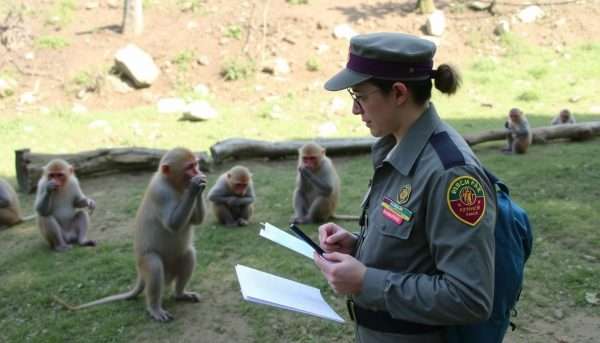
Park staff monitor the monkeys’ health and behavior while maintaining minimal human interference
Ethical Tourism Practices
Visitor Guidelines
- Do not feed the monkeys – they receive balanced nutrition from park staff
- Maintain a respectful distance and never touch the monkeys
- Avoid direct eye contact, which monkeys may perceive as threatening
- No flash photography, as it disturbs the animals
- Speak quietly and move calmly around the park
- Never enter the hot spring water with the monkeys
Park Conservation Efforts
- Regular health monitoring of the monkey population
- Research on macaque behavior and social structures
- Habitat preservation in the surrounding forest
- Educational programs for visitors and local schools
- Controlled visitor numbers to minimize impact
- Collaboration with wildlife researchers
Responsible Wildlife Viewing
Remember that the Snow Monkey Park is not a zoo – it’s a wild habitat where we are privileged guests. The monkeys’ natural behavior is what makes this experience special. By following park guidelines and practicing ethical wildlife viewing, you help ensure this unique phenomenon can continue for generations to come.
Practical Travel Tips
Getting to Snow Monkey Park
From Tokyo
- Take the Hokuriku Shinkansen from Tokyo to Nagano Station (90 minutes)
- From Nagano Station, take the Nagaden Express Bus directly to Kanbayashi Onsen (45 minutes)
- Walk the forest trail to the park (30-40 minutes)
Total journey time: Approximately 3 hours
From Nagano City
- Take the Nagaden Express Bus from Nagano Station East Exit to Kanbayashi Onsen (45 minutes)
- Walk the forest trail to the park (30-40 minutes)
Alternative: Take the Nagano Dentetsu train to Yudanaka Station, then a local bus to the park entrance
Recommended Pass

The “Snow Monkey 2-Day Pass” (¥4,000) includes round-trip bus/train transportation from Nagano and park admission – a convenient and cost-effective option.
Where to Stay
Traditional Experience
Stay in a traditional ryokan in Shibu or Yudanaka Onsen for the complete Japanese hot spring experience. These historic inns offer tatami rooms, kaiseki meals and access to multiple hot spring baths.
Recommended: Kokuya Ryokan, Senshinkan Matsuya
Modern Comfort
Nagano City offers a range of modern hotels within easy reach of the express bus to the monkey park. This option provides more dining choices and easy access to Zenkoji Temple.
Recommended: Hotel Metropolitan Nagano, Chisun Grand Nagano
Ski & Monkey Combination
Stay in Shiga Kogen ski resort for a winter sports and monkey viewing combination. The resort area is connected to the monkey park by regular shuttle buses.
Recommended: Hotel Grand Phenix, Okushiga Kogen Hotel
Essential Packing List
Winter Visitors (Dec-Mar)
- Waterproof winter boots with good grip
- Warm, layered clothing (temperatures can drop below freezing)
- Hat, gloves, and scarf
- Hand warmers
- Camera with zoom lens (protected against moisture)
- Small backpack for essentials
- Water and snacks (limited options at the park)
Green Season Visitors (Apr-Nov)
- Comfortable walking shoes with good grip
- Light, breathable clothing (layers for changing temperatures)
- Rain gear (especially in June-July rainy season)
- Sun protection (hat, sunscreen, sunglasses)
- Insect repellent (summer months)
- Camera with zoom lens
- Water and snacks
Ready to Meet the Snow Monkeys?
Experience this unique wildlife encounter with a guided tour that handles all the logistics, including transportation, expert guides and combined visits to other Nagano highlights.
Frequently Asked Questions
Are the monkeys truly wild or are they captive?
The Japanese macaques at Snow Monkey Park are completely wild. They live freely in the surrounding mountains and forests, coming to the park voluntarily. There are no fences or enclosures, and the monkeys come and go as they please. Park staff provide some supplemental food to encourage regular visits, but the monkeys forage naturally for most of their diet.
Is it safe to visit with children?
Yes, the park is generally safe for children, but parental supervision is essential. The monkeys are wild animals and should be treated with respect. Children should be instructed not to approach, touch or feed the monkeys, and to avoid making loud noises or sudden movements. The trail to the park can be challenging for very young children, especially in winter conditions.
Can I visit the Snow Monkey Park as a day trip from Tokyo?
Yes, it’s possible but makes for a long day. Take an early Shinkansen from Tokyo to Nagano (90 minutes), then the express bus to the park (45 minutes), plus the 30-minute walk to reach the monkeys. Allow at least 1-2 hours at the park itself. For a more relaxed experience, consider staying overnight in Nagano or one of the nearby onsen towns.
Will I definitely see monkeys in the hot springs?
During winter (December-March), there’s a high probability of seeing monkeys bathing in the hot springs, especially on cold days. In warmer months, the monkeys still visit the park but spend less time in the water. The park’s official website and social media accounts often post updates about monkey activity. Remember that these are wild animals, and their behavior cannot be guaranteed.
Is the park accessible for people with mobility issues?
Unfortunately, the park has limited accessibility. The 1.6 km trail from the bus stop involves uneven terrain, stairs, and inclines that make it challenging for those with mobility issues, especially in winter when the path can be snow-covered and slippery. There is currently no alternative access route suitable for wheelchairs or those who cannot manage the forest trail.
Experience the Magic of Snow Monkey Park
The Jigokudani Snow Monkey Park offers one of the world’s most unique wildlife experiences – a chance to observe wild Japanese macaques in their natural habitat, engaging in the remarkably human-like behavior of bathing in hot springs. Whether you visit during the iconic snow-covered winter months or during the lush green season when baby monkeys play among the troop, this extraordinary destination provides unforgettable encounters and photography opportunities.
By approaching your visit with respect for these wild animals and their environment, you’ll contribute to the conservation of this special place while creating memories that will last a lifetime. The journey to reach the park may require some effort, but like many of Japan’s most rewarding experiences, the destination more than justifies the journey.
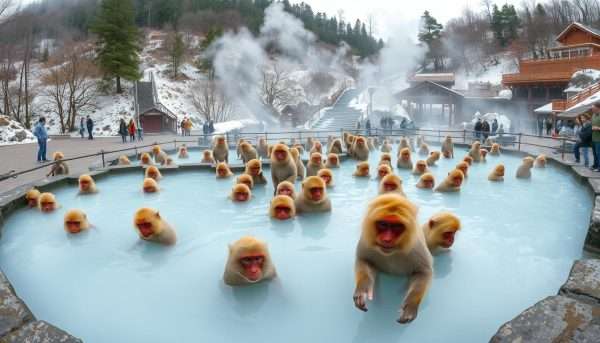
The magical world of Japan’s snow monkeys awaits your visit
Plan Your Snow Monkey Adventure Today
Whether you choose a guided tour or plan your own visit, the snow monkeys of Jigokudani offer a wildlife experience unlike any other in the world.



Leave A Comment