
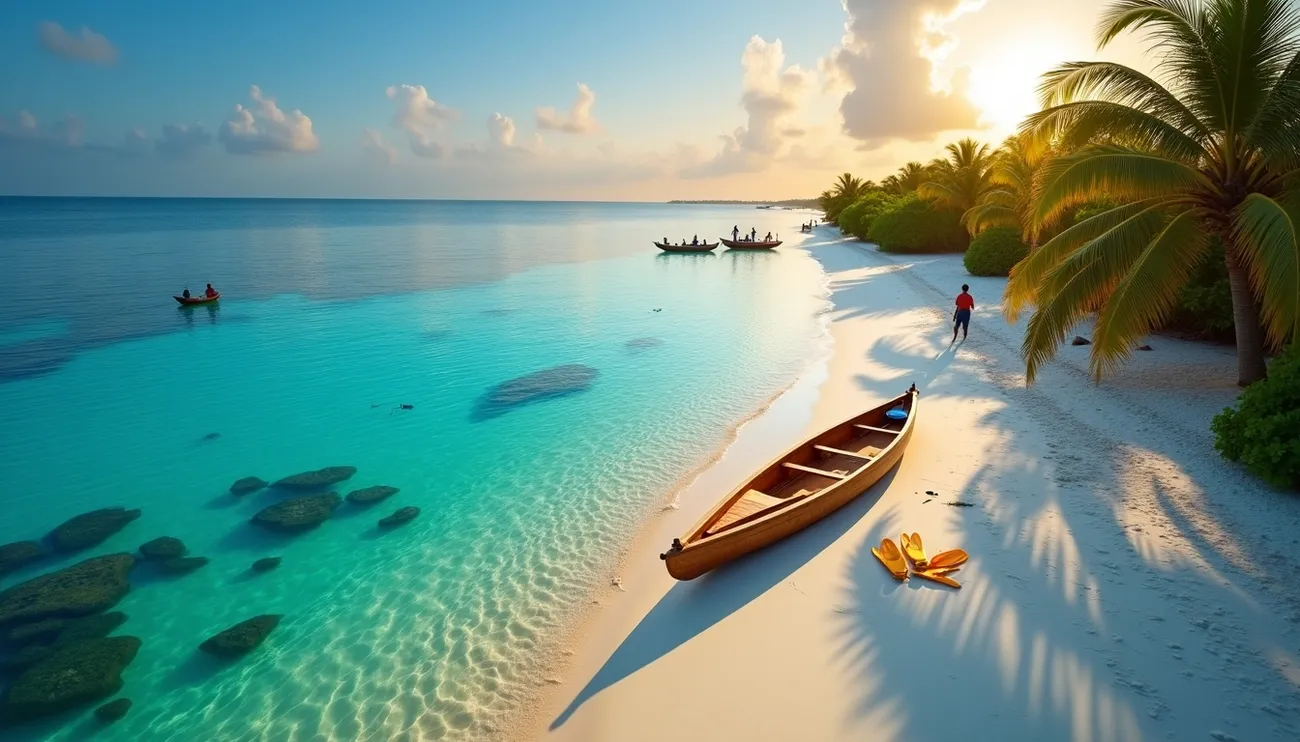
Lakshadweep offers much more than typical tourist activities. This stunning archipelago spans 32 sq. kilometers in the Arabian Sea and has 36 islands. You’ll find pristine beaches, crystal-blue waters and vibrant coral reefs here.
Most travelers stick to scuba diving, snorkeling, and island hopping. But Lakshadweep tourism has many hidden experiences waiting to be found. The archipelago has only 10 inhabited islands, including Agatti, Kavaratti (the capital) and Bangaram. The best months to visit are October through February. These months bring pleasant weather and excellent underwater visibility. Nature puts on a magical show of bioluminescence from October to December.
This detailed guide will reveal the best things to do in Lakshadweep that most tourists miss. You can explore secluded beaches and meet locals who speak Malayalam and Jeseri. A special permit is mandatory for anyone visiting these protected islands. This piece covers everything you need to find Lakshadweep’s hidden treasures, whether you’re planning a budget trip or looking for luxury experiences.
Hidden Beaches and Islands You Shouldn’t Miss

Away from the tourist spots of Lakshadweep, secret shores and secluded islands remain untouched by crowds. These hidden gems give travelers a chance to experience pure environments and create unforgettable memories with nature.
Thinnakara: The Untouched Paradise
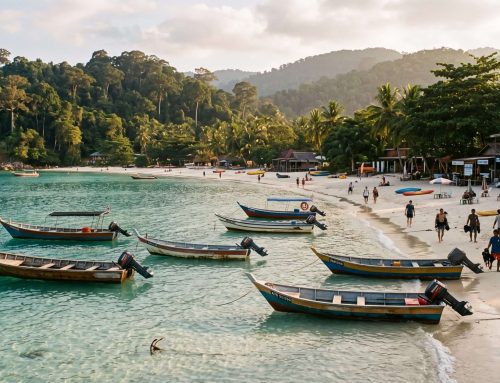
This crescent-shaped island sits near the busy Bangaram Island yet stays remarkably pure. The powder-white beaches meet shallow, crystal-clear lagoons that look like natural swimming pools.
The island’s pristine coral ecosystem makes it ideal to watch marine life without crowds. You can even camp in tents on its beaches and fall asleep under starlit skies as gentle waves lap the shore. The island is so small that you can walk around it in less than an hour while finding hidden coves and perfect spots to take photos.
The rising sun creates a magical golden glow across the beach each morning. Photographers love this island because it lets them capture unspoiled tropical views.
Parali Islands: Walkable During Low Tide
The most interesting thing about the Parali group is how you can reach them. These islands appear and vanish with the tides. At low tide, you can walk between certain Parali islands on exposed sandbars—something most visitors never get to try.
Three small islands (Parali I, II, and III) make up this group near Bangaram. They’re special because they have no buildings at all, showing you what Lakshadweep looked like hundreds of years ago.
The right timing matters here. You should check tide charts and go with a local guide who knows the safe times to cross. Some of the archipelago’s most varied coral formations live in the shallow waters around these islands, making them great spots to take underwater photos.
Kalpitti Island: Jurassic-like Terrain
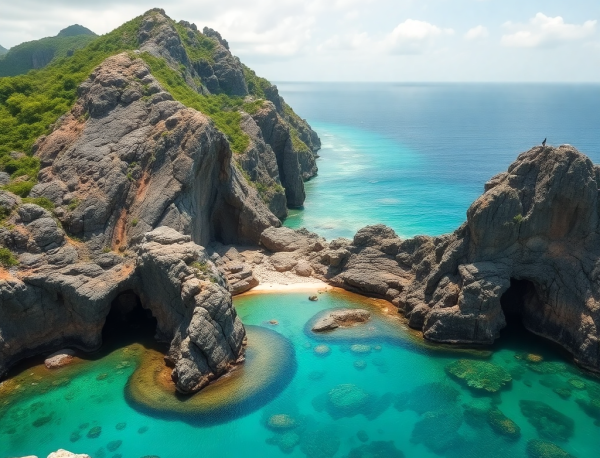
Kalpitti stands out from other Lakshadweep islands with its prehistoric-looking landscape. This tiny uninhabited island near Agatti has unusual rock formations that make it feel like stepping into another world.
The island’s rugged coastline features weather-worn rocks and dramatic views unlike anything else in Lakshadweep. Many seabirds nest here, making it perfect for birdwatchers and wildlife photographers.
Rich marine life thrives in Kalpitti’s waters, including some of the region’s most colorful coral gardens. The island’s hard-to-reach location has kept it natural, giving visitors a truly untouched environment.
Chetlat and Bitra: Offbeat and Serene
Chetlat and Bitra sit at Lakshadweep’s northern edge. These islands see few tourists but offer real cultural experiences and natural beauty.
People often call Chetlat the “island of coconut trees.” It blends natural beauty with cultural heritage beautifully. You can watch traditional fishing methods firsthand here. The beaches stay natural, and the clear waters are perfect for year-round snorkeling.
Bitra is Lakshadweep’s smallest inhabited island but has one of its biggest lagoons. This remote spot shows you how local people really live. The small population means visitors get personal attention you won’t find in touristy places.
Both islands let you join traditional coconut harvesting and processing—activities that support the local economy. They’re remote with basic facilities, but you’ll experience authentic island life and peace that’s rare on developed islands.
These hidden islands give travelers Lakshadweep’s true essence beyond tourist spots. They connect you with pure nature and genuine island culture—experiences most visitors miss.
Unique Water Experiences Beyond the Usual
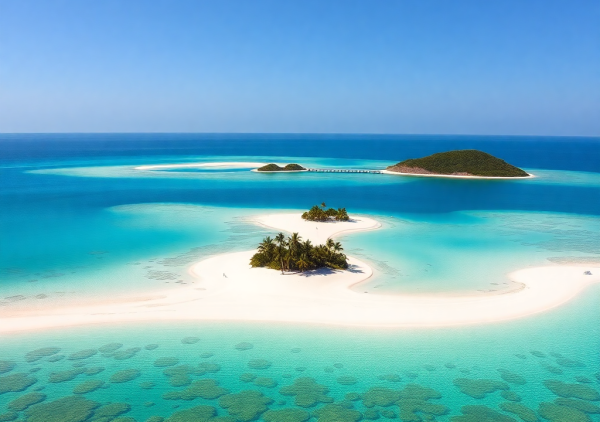
Lakshadweep’s aquatic wonders are way beyond standard snorkeling and diving experiences. These hidden marine adventures show the archipelago’s true magic to travelers who step away from typical tourist activities.
Bioluminescence at Bangaram
The glowing shores of Bangaram Island are the sort of thing I love about Lakshadweep. The beach transforms into a blue wonderland after dark. Tiny marine plankton create this magical effect by emitting light when waves or movement disturb them, which results in an ethereal glow along the shoreline.
You’ll see this bioluminescent show best under these conditions:
- Peak season: The view is clearest from November to March when the water is most transparent
- Ideal timing: Between 7:00 PM and midnight, especially during new moon phases with darker skies
- Best islands: Bangaram leads the way, but Agatti and Kavaratti are great spots too
The ocean shows its most brilliant glow during the Southwest monsoon from September through November. Many first-time visitors think the twinkling blue lights come from nearby light sources. Bangaram Island resort helps guests appreciate this unique natural show by turning off all lights for about 5 minutes around 10 PM.
Glass-bottom Boat Rides
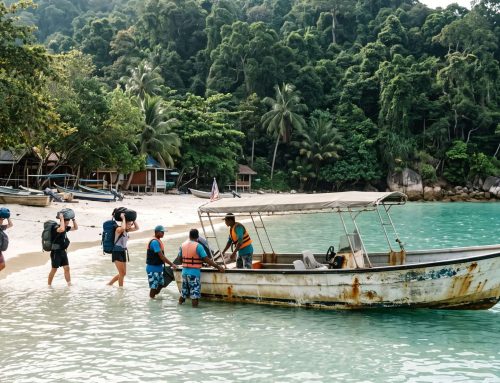
Glass-bottom boats are a great way to get close to Lakshadweep’s underwater treasures without getting wet. These boats have transparent floors that let you peek into the vibrant marine world below.
You can take these rides at Agatti, Kadmat, Kalpeni, Minicoy, Bangaram and Kavaratti. Each spot has its own special coral formations and fish species, so taking multiple rides is worth it if you love watching marine life.
A typical ride lasts 30 to 45 minutes and costs between Rs 500 to Rs 1500 based on the location, duration and season. The ocean stays calm and clear from October to May, making it perfect for these trips.
These boat rides are accessible to more people than most water activities in Lakshadweep. The operators provide life jackets to keep everyone safe while they enjoy the experience.
Shipwreck Snorkeling (if available)
Lakshadweep’s waters hold some amazing underwater treasures. In 2022, divers found that there was a centuries-old European warship near Kalpeni island. This important find has a cannon and anchor, suggesting it might be from Portuguese, Dutch or British naval forces of the 17th or 18th centuries.
Near Bangaram Island, adventure seekers can snorkel around the Princess Royal’s remains, a ship that sank about 200 years ago. The site sits near the lagoon’s edge and has become an artificial reef full of marine life and colorful corals.
Professional divers guide visitors throughout their shipwreck snorkeling adventure. Bangaram’s clear, warm waters let you see how marine ecosystems take over human structures as time passes.
Turtle and Dolphin Watching Tours
The clean waters of Lakshadweep are home to amazing marine mammals and reptiles. Bottlenose dolphins play here often, making dolphin-watching trips extra special. These smart creatures swim up to boats, seeming just as interested in us as we are in them.
Turtle lovers will find plenty to see in Lakshadweep. Green and hawksbill turtles have lived in Earth’s oceans for over 150 million years and they’re the most common types you’ll spot in the islands’ lagoons. You can take special turtle-watching trips on glass-bottomed boats for about Rs 950.
Morning hours bring the best chances to see turtles and dolphins when marine life is most active. Many resorts and local operators run reef-rounding trips that include dolphin watching, especially around Bangaram Island. These tours run for a few hours and give you plenty of chances to take photos and get close to these amazing sea creatures.
These unique water experiences help visitors understand Lakshadweep’s extraordinary marine ecosystem better than any standard tourist activity could.
Best coral reefs in the world.
Cultural Encounters Most Tourists Overlook
The cultural heritage of Lakshadweep remains hidden from most tourists, giving visitors a chance to experience the true spirit of these magical islands. These islands hold more than just beautiful beaches and blue waters – they tell a story shaped by years of isolation and different cultural influences.
Local Food Tasting: Mira and Octopus Fry
Lakshadweep’s kitchen brings together seafood mastery and local spices. The Octopus Fry stands out as a must-try dish for food lovers who want to try something new. This crispy treat combines baby octopus with green chilies, garlic and traditional masalas to create the perfect beach snack.
You’ll enjoy this spicy dish best during sunset hours by the beach. A spicy dipping sauce makes it taste even better. Make sure to try Kinnathappam too – it’s a coconut pudding with a hint of cardamom that locals love both as dessert and snack.
The island’s food shows its remote location and rich marine life. Fresh seafood and coconut are the stars of most local dishes, showing the islands’ green practices.
Traditional Dance and Festivals
Kolkali and Parichakali are the islands’ most cherished folk arts. Dancers move in perfect sync to traditional drum beats, creating an unforgettable cultural show. Minicoy Island has its own special Lava dance where men wearing bright clothes beat drums in perfect rhythm – you won’t see anything like it anywhere else in India.
The quiet islands come alive with several festivals throughout the year:
- Minicoy Festival (January) – A bright post-harvest celebration with community gatherings and shows
- Eid-ul-Fitr – People say special prayers, wear new clothes, and share traditional sweets
- Onam – Features snake boat races, flower decorations and the famous Onam Sadhya feast
Independence Day and Republic Day celebrations show a religious touch across Lakshadweep, highlighting the islands’ special cultural identity.
Visiting Ujra Mosque and Marine Museum
Kavaratti’s Ujra Mosque is a 17th-century masterpiece built by Sheik Mohammad Qasim. The mosque’s sloping tiled roofs look like Kerala’s coastal temples – a smart way to handle the island’s frequent rains. Visitors can see beautifully carved pillars inside and an amazing ceiling that people say came from a single piece of driftwood.
Two mysterious wells sit behind the mosque, and locals believe they can heal people. The Rathib ritual fills the air with melodic chants and prayers every Monday and Friday night.
The Marine Museum next door teaches visitors about Lakshadweep’s underwater life. People love to see the shark skeleton, while other displays show traditional fishing methods and how islanders live in harmony with the ocean.
Understanding Jeseri and Mahl Dialects
Languages add another layer to Lakshadweep’s cultural story. Most islands speak Jeseri (also called Dweep Bhasha), except Minicoy. The name comes from the Arabic word “Jazari,” which means “Islander”. This Malayalam dialect changes slightly between islands and sounds like the Arabi Malayalam that Mappila community speaks on the Malabar Coast.
Minicoy Island’s people speak Mahl, which connects to Maldives’ Divehi language and has surprising links to Sinhala, Marathi, and Konkani. These different languages show how the islands have been a meeting point for cultures throughout history.
Learning a few words in these languages helps create better connections with locals. They really appreciate when visitors try to speak their language. Today, islanders want official recognition for their languages as English, Malayalam and Hindi become more common in schools.
Eco-Friendly Adventures and Nature Walks
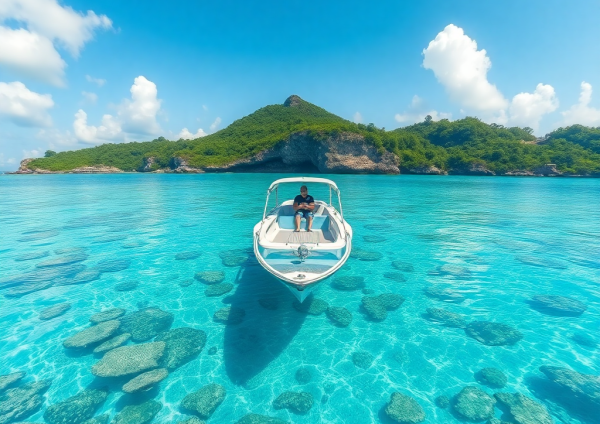
Learning about Lakshadweep’s natural beauty through green activities shows you the true spirit of these islands. You can experience the archipelago’s stunning sights without harming its delicate ecosystem.
Kayaking Through Shallow Lagoons
Kayaking is one of the best green ways to see Lakshadweep’s crystal waters. The calm lagoons around the islands create ideal spots for this non-motorized activity. Beginners and experts can safely enjoy paddling here. The clear waters let you glide above vibrant coral reefs and watch the rich marine life. You’ll see colorful fish, turtles and rays swimming below.
Kayaking stays quiet and green, which helps protect the sensitive marine ecosystem. Most resorts have kayaks you can rent by the hour. The waters are calmest from October to April. During these months, humidity drops and underwater visibility peaks.
Morning trips let you spot various sea creatures. Sunset paddles turn magical as golden light sparkles on turquoise waters. Adventure seekers can try rare night kayaking under star-filled skies. Sometimes, glowing plankton adds to the experience.
Walking Safaris on Sandbanks
A stunning natural wonder appears near Bangaram Island – a beautiful sandbank rises from turquoise waters during low tide. These temporary bridges let you walk on paths that seem to float on the sea.
Pure white sand creates perfect spots for picnics, photos or just taking in the untouched island views. The sandbanks give you great places to watch marine life. Sea turtles, bright fish and wading birds often appear along the edges.
Timing matters for these sandbank walks – low tide gives you the best experience. Local guides know the perfect times for these trips and lead visitors safely across these natural paths.
Birdwatching and Coral Spotting
Pitti Bird Sanctuary sits on a small coral islet in Lakshadweep. Bird lovers find this protected area exceptional. Rare seabirds breed here, including white terns, greater crested terns and Tibetan Sand-Plovers. Boats provide the only access to this quiet sanctuary. The peaceful setting lets you watch birds in their natural home.
The breeding season runs from September through March. Thousands of nesting birds fill the island, including Saunders’s terns, Lesser Crested terns and brown noddies. Birds are most active early morning and late afternoon, making these times best for watching and photography.
Coral fans can enjoy the shallow waters around many islands. The clear water shows vibrant underwater life even without diving gear.
Stargazing and Sunrise Hikes
The night sky in Lakshadweep turns into a stunning display of stars, far from city lights and pollution. Clear nights reveal countless stars, creating perfect stargazing conditions. Many visitors say this natural connection changes their perspective.
Sunrise hikes offer amazing yet often overlooked experiences in Lakshadweep. Small islands mean you can easily reach great viewing spots before dawn. The rising sun paints orange and pink across the sky, reflecting off calm waters and creating perfect photo moments.
Bangaram Island gives you amazing views of both sunrise and sunset from its 2.30 square kilometer area. Early birds can watch dawn break on the east shore and catch sunset on the west coast later – a special feature few places offer.
These green adventures show Lakshadweep’s dedication to sustainable tourism. They give visitors real, meaningful experiences that go way beyond typical tourist activities.
Planning Tips Most Guides Don’t Tell You
Your successful Lakshadweep trip depends on practical planning details that many standard travel guides miss. These insider tips will help you direct your way through the archipelago’s special requirements and make the most of your island stay.
Permit Process and PCC Explained
You need a permit from the Lakshadweep Administration to enter the islands. Indian citizens should submit an application form with ID proof and photographs. Foreign visitors must get an additional Restricted Area Permit (RAP). Many tourists don’t know these permits aren’t automatic. The process takes 7-10 business days, so early application is vital.
Best Time to Visit Lakshadweep for Each Activity
The weather shines from October to March, but each activity has its sweet spot. December to February brings the clearest waters for diving and visibility. The magical bioluminescent shows peak from September to November. The calm seas from November to April are perfect for water sports lovers. Many activities stop during monsoon season (May to September) due to heavy rain – something regular travel guides often skip.
How to Choose Between Bangaram, Agatti and Kavaratti
Each major island has its own charm:
- Agatti: Great for easy access (it has the only airport) and simple accommodations
- Kavaratti: The administrative capital offers cultural immersion with strong infrastructure
- Bangaram: Luxury seekers love its exclusive resorts and top-notch marine activities
Avoiding Over-touristy Areas
The authentic island experience awaits away from the crowds. Skip Agatti beach on weekends and Kavaratti’s main lagoon during peak hours (10 AM-3 PM). North Agatti beaches in the morning or weekday visits to Kalpeni offer better experiences. The eastern shores stay quiet all year round. Island-hopping packages let you find peaceful spots across the archipelago.
Budget-Friendly Ways to Explore More
You can visit the beautiful Lakshadweep islands without emptying your wallet. Smart planning helps travelers enjoy this paradise at reasonable costs.
Using SPORTS Packages Wisely
SPORTS (Society for Promotion of Nature Tourism and Sports) packages give you great value. These include accommodation, permits, transit fees, meals and refreshments. Budget travelers should look at the Silver Sand Package starting from ₹10,000 for Kadmat or Kalpeni. The Lakshadweep Samudram five-day cruise offers a complete experience. It takes you to Kavaratti, Kalpeni and Minicoy, with Gold Class prices starting from ₹33,500. You’ll find better rates by booking on weekdays instead of weekends.
Staying in Homestays vs. Resorts
Homestays let you experience local life at much lower prices than resorts. A night’s stay costs between ₹3,000–₹6,000 in budget places, while premium resorts charge ₹12,000–₹30,000+. Places like Amal Residency and KPS Residency welcome budget travelers. Most affordable options serve simple but delicious meals—vegetarian, non-vegetarian and Jain food—perfect for longer stays.
Combining Islands for Economical Travel
Traveling with an even number of people cuts costs by a lot. Two people sharing a double room pays less than single occupancy. A well-planned four-day budget trip to Agatti, Bangaram (day trip) and Kavaratti costs about ₹42,000–₹49,000 per adult. Flying one way and sailing back saves money and adds a mini-cruise experience to your trip.
Booking Inter-island Transfers Smartly
Shared speedboats cost much less than private charters. Government ferries charge only ₹300–₹800 per ride, while private transfers cost ₹8,000–₹12,000. Round-trip vessel fares between Agatti-Kavaratti cost ₹2,000 and Agatti-Bangaram cost ₹4,000. Remember to carry enough cash since ATM facilities are limited on the islands.
Enjoy Lakshadweep
Lakshadweep is India’s hidden paradise that offers much more than typical tourist spots show. These pristine islands reveal their true character through quiet beaches like Thinnakara and Kalpitti. You’ll see magical sights like bioluminescent waters and experience rich cultural traditions unique to this part of India.
The real Lakshadweep comes alive when you step away from popular spots. Traditional Kolkali dances, tasty octopus fry, and local conversations in Jeseri dialect create lasting memories. Early morning kayaking through crystal-clear lagoons awaits adventurous visitors. The archipelago lets you take starlit walks across temporary sandbanks that appear only during low tide.
Good planning makes your trip to these protected islands special. Getting permits early, picking the right time for activities and choosing between Bangaram, Agatti, or Kavaratti can turn a regular vacation into something extraordinary. Budget travelers can enjoy this paradise through government SPORTS packages, local homestays and smart island combinations.
Lakshadweep’s charm extends beyond its picture-perfect beaches. The islands hold hidden spots most tourists never see. Nature runs on undisturbed in pristine corners while age-old traditions continue. Visitors who look deeper and explore further will find both natural wonders and rich cultural treasures in this unique archipelago.
FAQs
Q1. What is the best time to visit Lakshadweep? The best time to visit Lakshadweep is from October to May. This period offers pleasant weather, calm seas and excellent visibility for water activities. December to February is ideal for diving and snorkeling due to the clearest waters.
Q2. Do I need a permit to visit Lakshadweep? Yes, all tourists, including Indian nationals, require an entry permit to visit Lakshadweep. You can apply for this permit online through the official Entry Permit Portal. The approval process may take up to 15 days, so it’s advisable to apply well in advance of your planned travel dates.
Q3. What are some unique experiences in Lakshadweep that most tourists miss? Some unique experiences include witnessing bioluminescence at Bangaram Island, exploring the untouched Thinnakara Island, walking on temporary sandbanks during low tide near Parali Islands and participating in traditional dance performances like Kolkali and Parichakali.
Q4. Is alcohol allowed in Lakshadweep? Generally, the sale and consumption of alcohol are prohibited in Lakshadweep. However, some exceptions are made for tourists, particularly on Bangaram Island. It’s important to respect local customs and stay updated on current regulations regarding alcohol consumption.
Q5. What are some budget-friendly ways to explore Lakshadweep? To explore Lakshadweep on a budget, consider using SPORTS (Society for Promotion of Nature Tourism and Sports) packages, staying in homestays instead of resorts, combining multiple islands in your itinerary and booking inter-island transfers smartly. The Silver Sand Package, starting from ₹10,000, offers good value for budget travelers.




Leave A Comment