
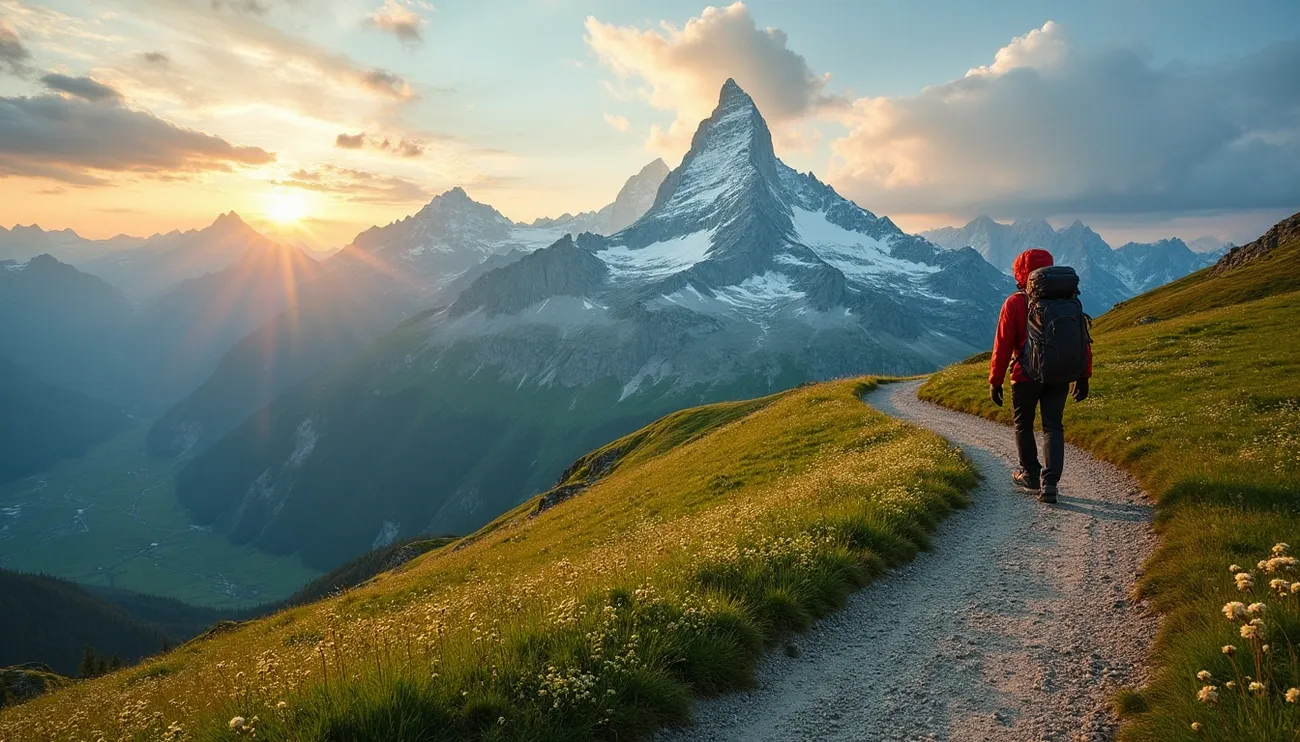
Planning a Tour du Mont Blanc itinerary marks the start of your quest to conquer one of Europe’s most famous long-distance hiking trails. This stunning 170km circuit wraps around Western Europe’s highest peak. The trail attracts over 200,000 hikers, runners, and cyclists each year, making it Europe’s most popular long-distance trek.
The trail spans 160-170km with dramatic elevation changes. Hikers face a total ascent and descent of about 10,000 meters. The path weaves through France, Italy, and Switzerland showcasing spectacular views of glaciers, alpine meadows, snow-capped peaks and pristine lakes. Most people finish the trek in 7 to 12 days[-5], with the classic route split into 11 stages. The trek needs careful planning since experienced hikers book their accommodations at least 9 months ahead.
This piece guides you through every detail to plan your Tour du Mont Blanc adventure. You’ll learn how to pick the best starting point and choose route options that match your fitness level and schedule. This step-by-step guide helps create the perfect itinerary for both seasoned trekkers and first-time multi-day hikers, ensuring an unforgettable alpine experience.
Understand the Tour du Mont Blanc Trail
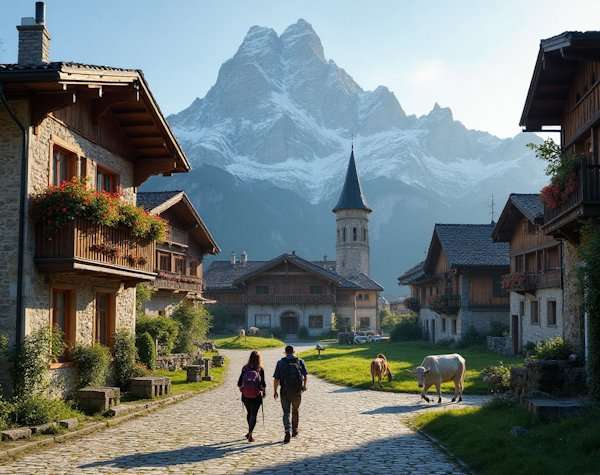
The Tour du Mont Blanc trail offers a perfect mix of challenging terrain and stunning Alpine views. Let’s take a closer look at the trail’s features to help you plan a realistic schedule that matches what you can do.
Trail Distance and Elevation Gain
The Tour du Mont Blanc covers about 165-170 kilometers (103-105 miles) in a complete loop around the Mont Blanc massif. Most reliable sources put the distance at around 170km. The biggest challenge isn’t the distance itself but the elevation changes you’ll face throughout your trip.
You’ll climb between 9,000-10,600 meters (29,500-35,000 feet) in total elevation. This climb equals Mount Everest’s height. Each day on the trail brings about 700-1,200 meters of climbing. Good fitness preparation helps you enjoy the experience rather than just getting through it.
The standard route’s highest spots are Col des Fours in France and Fenêtre d’Arpette in Switzerland. Both reach 2,665 meters (8,743 feet) above sea level. A side trail near Col des Fours goes up to Nord des Fours at 2,756 meters (9,042 feet). Altitude sickness isn’t common here since you adjust to the height as you walk.
Countries and Regions Covered
The Tour du Mont Blanc gives you a chance to explore three European countries in one trek. The path takes you through France, Italy, and Switzerland. Each country brings its own landscapes, culture, food and language to your adventure.
Most hikers start in France’s Chamonix Valley, head into Italy’s southern section, then cross into Switzerland’s northeastern part before returning to France. You’ll need to speak some French and Italian since English isn’t common along the way.
You should plan ahead for currency changes. You’ll need euros in France and Italy and Swiss francs in Switzerland. Having both currencies ready makes your trip smoother.
Tour du Mont Blanc Starting Point Options
The TMB is a loop trail, so you can start anywhere. These spots have become popular starting points because they’re easy to reach and have good services:
- Les Houches (France) – The classic choice with an official trailhead arch. It’s in the Chamonix Valley, just 93km/58mi from Geneva Airport.
- Chamonix (France) – The Plan Praz Gondola connects you to the trail about 1,000m above the valley.
- Courmayeur (Italy) – The main Italian gateway to Monte Bianco (Mont Blanc’s Italian name) with all the services you need.
- Champex-Lac (Switzerland) – Switzerland’s main starting point next to a beautiful alpine lake.
Most people head counter-clockwise on the Tour du Mont Blanc. This direction helps you adjust better to the tough terrain. Going clockwise works too and shows the mountains from different angles.
Your starting point shapes which trail sections you’ll face first. This choice affects your first few days and shapes your whole experience on this amazing trail.
Choose the Right Time to Go
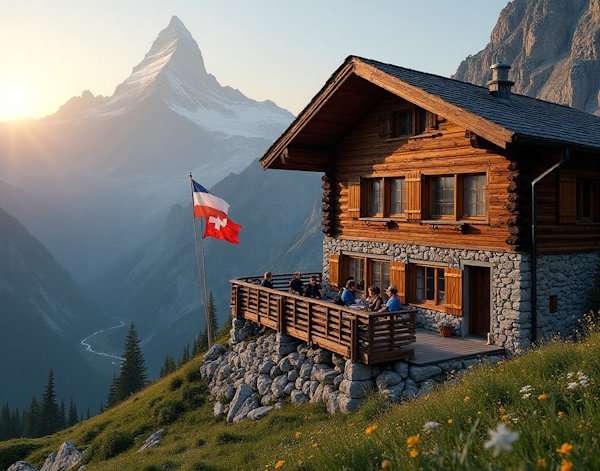
The time you pick for your Tour du Mont Blanc trek will shape your entire hiking adventure. Weather in the Alps creates unique hiking conditions throughout the year, which makes timing a vital part of your planning.
Best Months for Weather and Trail Conditions
The Tour du Mont Blanc hiking season lasts from mid-June to mid-September. This short window exists with good reason—the trail becomes too challenging or impossible to hike outside these months.
Peak season hits in July and August when weather is most reliable. Mountain temperatures during these months usually stay between 20°C and 30°C in daylight hours and can drop to 10°C at night. Weather changes faster at high elevations, so you’ll need to stay prepared even in summer.
Temperature variations by month:
- June: 11-24°C (52-75°F) with about 70mm rainfall
- July: Warmest month with highest temperatures
- August: 12-26°C (53-79°F) with about 70mm rainfall
- September: 9-21°C (48-70F) with about 60mm rainfall
Each month offers something special, even though July and August have the best conditions. June brings wildflowers in full bloom and milder temperatures. September rewards hikers with cooler weather and stunning fall colors. October hiking is possible but risky as temperatures fall to between 5-17°C (41-62°F).
Avoiding Crowds and Closures
Smart timing helps you dodge the busiest periods on the trail. Most hikers crowd the path between July 15 and August 15, when schools in all three countries along the trail take their summer break.
Quiet trail options include:
- Early Season (mid-June to early July): Less crowded trails, more daylight and spectacular alpine flowers
- Late Season (late August to mid-September): Trail traffic drops sharply after August 15
Mountain refuges usually open around June 1st and close by September 30th. Late September sees many facilities winding down—some places close between September 15-30. Gondolas and other services might also reduce their hours or shut down completely.
The Ultra-Trail du Mont Blanc (UTMB) race usually happens in late August/early September. This big event brings extra visitors to the area and might affect where you can stay along certain parts of the route.
How Snow Affects Route Variants
Snow conditions can change your tour options, especially early in the season. High passes often have snow well into summer, sometimes until mid-July.
Early season hikers should know these key points:
Snow stays on passes above 2000m into early July. This makes popular variants like Col des Fours (2665m) and Fenêtre d’Arpette (2665m) extra challenging until they clear. Grand Col Ferret proved tough to cross in June 2024, and many hikers had to skip this section.
Early season safety tips:
- Skip high-level variants until trails clear completely
- Bring hiking poles and maybe trail spikes
- Ask local mountain offices about current conditions before you start
Melting snow creates extra challenges like mud, stronger rivers and potentially dangerous snow bridges. When crossing snowfields, stick to existing tracks and be extra careful where a slip could lead to a dangerous fall.
Nobody can predict exact snow conditions because they depend on winter snowfall and spring melting. That’s why early-season hikers should keep their plans flexible.
Decide How Many Days You Need
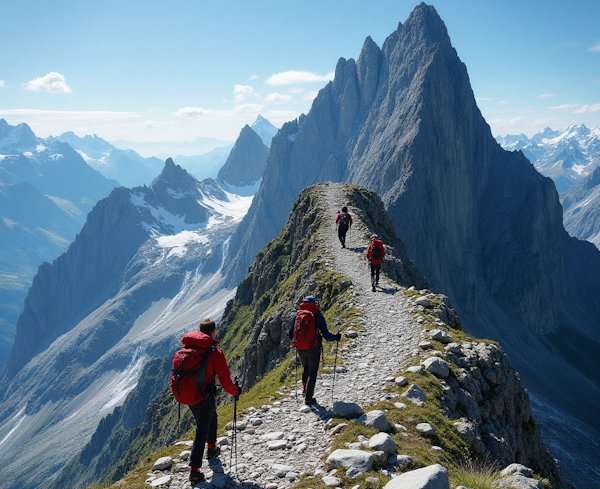
Picking the right length for your Tour du Mont Blanc trek is a vital decision in your planning. This amazing trail works with different schedules and fitness levels. The core experience stays intact regardless of your chosen duration.
Tour du Mont Blanc How Many Days: 7, 10 or 11?
The classic Tour du Mont Blanc has 11 stages that hikers typically complete in 11 days. This traditional route covers the full 170km circuit with about 10,000 meters of elevation gain. Most trekkers finish their experience in 7 to 11 days based on their pace, fitness level and available time.
The complete experience without rushing offers these options:
- 11-day itinerary: You’ll cover 16km (10 miles) daily with about 900m (3,000 ft) elevation gain per day
- 10-day itinerary: Days are a bit longer, and you can take one rest day halfway through
- 7-day itinerary: You’ll need to cover 25km (16 miles) daily with roughly 1,400m (4,600 ft) elevation gain
The Tour du Mont Blanc’s flexibility lets hikers split the trail into portions. You can tackle half the route one year and finish it the next. The trail’s accessibility means you can join at different points for shorter 3-5 day segments.
Pros and Cons of Shorter vs Longer Itineraries
Shorter itineraries (7-8 days):
- Pros: Less time away, works for limited vacation days, might cost less overall
- Cons: More physical demands with longer daily distances, less time to adjust to elevation changes, fewer chances to explore villages
A 7-day itinerary means covering 25km with 1,400m elevation gain each day. This demands excellent fitness and endurance. The standard 11-day route brings this down to about 16km daily with 900m elevation gain.
Longer itineraries (10-14 days):
- Pros: Relaxed pace, better adjustment time, chances to explore villages and take side trips, works for more fitness levels
- Cons: Costs more overall, needs more time off work/commitments, might mean carrying more gear
Most seasoned hikers suggest first-timers should think over the 11-day self-guided tour. Those wanting shorter days can stretch it to 14 days and break the trail into easier segments.
Sample Durations for Different Fitness Levels
Your fitness level plays a key role in choosing the right itinerary length:
Beginner/Moderate Fitness: A 12-14 day itinerary with shorter daily distances works best. Each day takes 5-6 hours of hiking with moderate elevation gain. Family options with much shorter stages are available too.
Average Fitness: The classic 11-day itinerary fits well. You’ll hike 6-8 hours daily. This means being outdoors 8-10 hours each day with breaks. Each day brings about 900m (3,000 ft) of elevation gain.
Advanced Fitness: Experienced hikers can finish in 7-8 days. This packed schedule needs great stamina and means hiking 8-10 hours daily with few breaks. Daily elevation gain jumps to about 1,400m (4,600 ft).
Ultra Runners: Elite athletes join the Ultra-Trail du Mont Blanc race and complete the circuit in under 24 hours.
Take time to assess your fitness honestly before picking your itinerary. Stamina – knowing how to hike multiple days in a row – matters more than pure speed. Your Tour du Mont Blanc schedule should match both your goals and enjoyment. This remarkable trail deserves to be savored rather than rushed through.
Pick Your Route and Variants
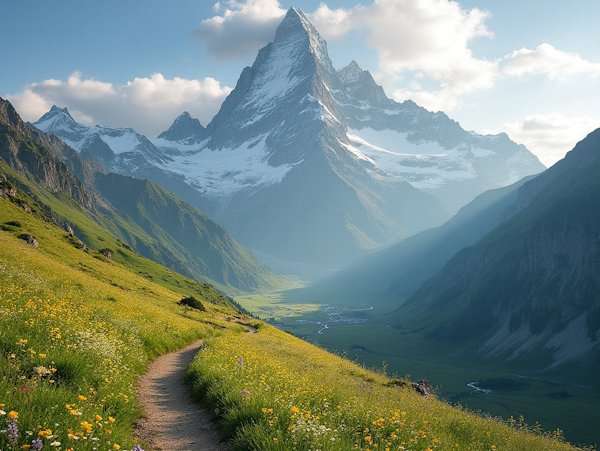
The Tour du Mont Blanc stands out because hikers can choose from multiple routes to customize their trip around this iconic massif. Your tour du Mont Blanc itinerary can be tailored to match your interests and abilities once you know the available paths.
Overview of the Classic Route
The classic Tour du Mont Blanc circuit creates a 170km (106 miles) loop with about 10,000 meters of elevation gain. This circular path usually starts in the Chamonix Valley at Les Houches and moves counter-clockwise through France, Italy and Switzerland before coming back to where it began.
The classic TMB has 11 stages, each with its own terrain and challenges:
- France Section: Les Houches leads through Les Contamines and over the tough Col du Bonhomme (2,329m) and Col de la Croix du Bonhomme (2,483m) toward Les Chapieux
- Italy Section: Col de la Seigne takes you into Italy, through Val Veny, Courmayeur and along Val Ferret
- Switzerland Section: Grand Col Ferret leads into Switzerland, through La Fouly, Champex-Lac and Trient before heading back to France
Most hikers choose the counter-clockwise direction because it shows better views of Mont Blanc and lets them adjust gradually to the challenging terrain. The clockwise direction works too, with fewer hikers on the trail during morning hours.
Popular Variants and Detours
Many variants have developed to improve the classic TMB experience. These alternatives often take higher routes with tougher terrain but reward you with amazing views and less crowded trails.
Key variants include:
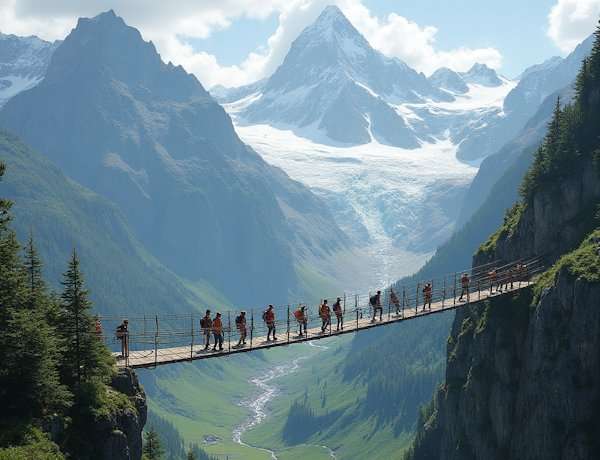
- Col de Tricot (2,120m): This path between Les Houches and Les Contamines features a Himalayan-style suspension bridge and amazing views of the Bionnassay glacier. You can take this variant even in early season when snow still covers other high passes.
- Fenêtre d’Arpette (2,665m): A challenging route between Champex-Lac and Trient crosses a steep boulder field but shows off magnificent views of the Trient Glacier.
- Col des Fours (2,665m): The TMB’s highest point offers a direct route that skips Les Chapieux. The landscape here looks lunar-like, different from the main route’s green terrain.
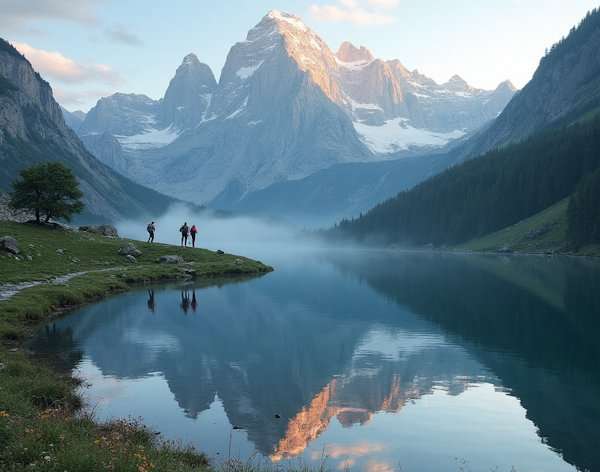
- Lac Blanc Detour: Near the Chamonix Valley, this popular variant shows stunning Mont Blanc reflections in an alpine lake, though it adds extra distance and climbing.
Note that many variants become risky during early season (mid-June to early July) because of snow, especially Col des Fours where dangerous snow bridges can hide streams. Check current conditions before trying any variant route.
Tour du Mont Blanc Route Planning Tools
Good resources and tools will help you plan your tour du Mont Blanc route:
- Paper Maps: Two specialized maps show the entire circuit with essential topographical details and mark both main routes and variants. Many hikers put these maps on their walls to see the whole trip during planning.
- Digital Resources: Several websites and apps offer detailed TMB planning features:
- The Hiking Club app shows up-to-the-minute refuge availability, helps create custom itineraries and lets you download GPS maps
- Autour du Mont-Blanc website has current trail conditions and webcams showing mountain weather
- Guidebooks: Kev Reynolds’ guidebook leads the pack, breaking down the trail into 11 stages and covering all major variants.
Note that staying flexible helps when planning your tour du Mont Blanc itinerary. Weather, accommodation and energy levels might make you adjust your route during the trek. Having several variants in mind and proper planning tools will help you get the most from this magnificent trail.
Book Your Accommodation Early
Finding a place to stay is a vital part of planning your tour du Mont Blanc itinerary. This popular trail needs advance planning to secure your nightly accommodations, unlike other hiking spots where last-minute stays might work.
Types of Lodging: Huts, Hotels Camping
TMB accommodations match different priorities and budgets:
Mountain refuges (huts) embody the true TMB experience. These spots bring hiking and farming communities together in remote locations. You’ll find everything from simple dormitories to comfortable facilities. Most offer half-board options (dinner and breakfast included) at around €80-90 per person. The isolated nature of many refuges means limited internet access. Booking might be tricky but the authentic alpine experience makes it worth your effort.
Hotels and guesthouses give you more comfort. You’ll find them in valley towns like Les Houches, Chamonix, Les Contamines, Courmayeur and Champex-Lac. Prices start at €65 per person. Most rooms come with private bathrooms and extra amenities.
Camping can cut your costs dramatically—potentially more than half. You’ll need to carry extra gear though. France lets you camp near refuges, but Italy and Switzerland have strict rules against wild camping.
How to Reserve Refuges and Auberges
Start your bookings early—aim for October or November for next summer’s season. Most refuges upload their availability to booking platforms in October. The remaining properties usually add their dates by December.
You have three main ways to book:
- The official Tour du Mont Blanc Association website (montourdumontblanc.com) lists about 40% of available properties. It features an interactive map showing all refuges, variants and facilities.
- Individual property websites handle another 40% of direct bookings.
- Sites like Booking.com cover roughly 24% of properties and often let you cancel without penalties.
Watch out for locations with limited stays. Book Les Chapieux (end of stage 2) and Trient (end of stage 8) right away. Missing these spots might force you off the trail.
Guided vs Self-guided Booking Options
Self-guided independent bookings give you flexibility at the lowest cost. You’ll make your own reservations and pay only for your stay. This means more planning—you’ll research refuges, figure out daily distances and handle bookings across three countries.
Self-guided packages strike a balance. They come with set TMB itineraries and detailed trail information. Companies like Adventure Base in Chamonix book refuges, arrange transfers and provide round-the-clock help without the full guided tour cost.
Fully-guided group experiences cost more but remove planning stress. These usually include stays (sometimes in hotels instead of refuges), luggage transfers and professional guides. Some tours use taxis between trail sections and hotels, skipping mountain huts completely.
Early booking remains the most important advice for TMB trekkers, whatever your accommodation style or booking method.
Plan for Food, Water and Supplies
Good nutrition and hydration management are the foundations of a successful Tour du Mont Blanc itinerary. You’ll want to know where to find food and clean water throughout your experience. This knowledge helps you avoid carrying extra weight while keeping your energy levels high for daily climbs.
What Meals are Included in Huts
Mountain refuges along the Tour du Mont Blanc trail offer half-board options (dinner and breakfast included). Most hikers choose this option because they don’t have to carry cooking equipment and food supplies. This setup makes sense since many facilities are in remote locations.
Refuges serve breakfast at 7:00am. The meal is simple but fills you up with bread, spreads, cheese, meat cuts, cereal and yogurt. You’ll also get coffee, tea, and juice. The quality changes between locations. Refugio Elena serves large morning buffets while Refugio Elisabetta’s offerings are lighter.
Dinner becomes a social event at 7:00pm with assigned seating. Evening meals come with multiple courses. You’ll get soup, bread, cheese, pasta or rice, vegetables and dessert. We served cheese plates or curry with rice to vegetarians, while meat-eaters got various ham-based dishes. The food is hearty and calorie-rich, featuring local specialties like fondue, tartiflette (baked potatoes with cheese and bacon) and rösti.
Where to Refill Water on the Trail
The Tour du Mont Blanc has more water sources than other long-distance treks like Italy’s dry Alta Via 1. Hikers can refill bottles at refuges’ taps or water troughs approximately every 5km along the route.
You should carry 1.5 liters between towns and villages, and 2 liters when crossing mountain passes. Adjust these amounts based on temperature, trek intensity and altitude. Your body loses water through breathing twice as fast at elevation compared to sea level.
Some sections require extra water planning:
- Stages 10 and 11 are very dry
- The variant stage 8 (Col du Fenêtre from Champex Lac to Trient/La Peuty) has no refill spots
Refuge Lac Blanc (stage 10) and Refuge Bellachat (stage 11) can’t provide free tap water refills because they lack treated water sources. Don’t drink straight from streams – livestock grazing increases contamination risks.
Buying Snacks and Packed Lunches
Smart food planning will save you money during your experience. You have three main options for daytime food:
Refuges offer picnic lunches for about €12-13 if you order the night before. The quality varies by a lot. Refuge Motetts gives great value with hard-boiled eggs, tomatoes, bread, pâté, salami, cheese and dried fruit. Some hotel-made lunches might only have thin ham slices between buttered bread.
Supermarkets and bakeries in villages are affordable options to build your own meals. You can stock up in Les Houches, Courmayeur and Champex Lac. These places sell bread, cheese, cured meats and high-energy snacks. Plan ahead since villages like Les Chapieux and Trient don’t have food shops.
Mountain huts and “buvettes” (small restaurants) along some stages serve hot meals, but they close between 2:30pm-6:00pm. These options cost more – about €12-20 for a filling lunch compared to €4-5 for self-made meals.
Hikers love energy-dense foods like cereal bars, small salamis, mixed nuts and local cheeses like Swiss Gruyère. Self-catered meals cost around €10-15 daily per person, while restaurant meals run €20+.
Pack Smart for the Trail
Your success on the Tour du Mont Blanc depends on what you pack—and what you leave at home. The trek’s changing elevations and unpredictable weather make smart packing a vital part of your preparation.
Essential Gear and Clothing
Every Tour du Mont Blanc journey needs the right footwear. Waterproof hiking boots with ankle support work better than trail runners on this challenging terrain. You should break in your boots before you leave to avoid blisters. Trekking poles are just as significant. They help you stay stable during steep descents and reduce strain when climbing.
Mountain environments need smart layering strategies. Start with moisture-wicking base layers (skip cotton as it holds moisture), add an insulating mid-layer fleece and finish with a waterproof shell jacket. Your refuge stays need these essentials:
- Sleeping bag liner (refuges often require this)
- Earplugs and eye mask (you’ll need these in dormitories)
- Lightweight “refuge clothes” for your evenings
- Quick-dry towel to use after showers
The mountain weather can change quickly—even summer days turn cold at higher elevations along the trail.
Backpack Size and Weight Tips
Your accommodation choice determines your backpack size. A 30-45 liter pack is enough for refuge stays. Campers should get 50-60 liter packs for their sleeping gear. Your pack weight should stay under 10kg.
Luggage transfer services need both a day pack (25-30L) and a soft-sided duffel bag. The duffel’s weight limit is 15kg (33 pounds).
Weather-specific Packing Advice
This multi-day experience takes you through dramatic elevation changes. You’ll go from 2,200 feet in valleys to 8,800 feet at mountain passes. Sunny days let you hike in shorts and t-shirts, but the weather changes faster at higher elevations.
Early or late season hikes might need microspikes where snow stays on passes. A small umbrella helps during quick afternoon storms without needing full rain gear. Light versions of everything make sense—extra weight becomes harder to carry over the long distance.
Budget and Transportation Tips
Financial planning is the life-blood of any successful Tour du Mont Blanc adventure. Your comfort level and overall experience on this spectacular alpine trip depends on it.
Typical Daily Costs and Total Budget
The complete Tour du Mont Blanc trek costs between €500-€2,000 based on where you stay and how long you hike. Hikers who guide themselves and stay in refuges spend about €826 for a 10-day trip. Here’s the breakdown:
- Accommodation: €50 per night in refuges with half-board (€500 total for 10 nights)
- Lunch: €10-15 daily for self-made options or €12-13 for refuge packed lunches
- Showers: €1-5 per use in refuges where not included
- Extra expenses: €100-200 for drinks, snacks and other costs
You can cut your expenses by more than half if you camp in permitted areas. A 7-day TMB with bivouac camping costs about €250 compared to €630 for refuge stays.
Transport to and From the Trail
Geneva Airport (GVA) serves as the main gateway with great connections from Europe and the United States. Several options take you from Geneva to the trail:
- FlixBus: The cheapest option at €10-25 each way runs directly from Geneva Airport to Chamonix Sud bus station
- AlpyBus: Door-to-door service to Chamonix hotels costs more but adds convenience
- Mountain Drop-offs: Another door-to-door service that hikers rate highly
Champex-Lac offers an alternative starting point. Switzerland’s public transport system connects it well with Geneva, Zurich or Basel airports.
Luggage Storage and Transfers
Most hikers bring more luggage than they want to carry on the trail. You can store extra bags:
- Hotel storage: Book pre/post-trek stays and most hotels will store your luggage
- Bounce: Find secure storage spots in Chamonix, near the Chamonix Sud bus station. Online bookings include insurance
Luggage transfer services move your bags between stops:
- Each bag costs €45 per day, plus €55 for remote locations
- Share a duffle bag (up to 15kg) with your hiking partner to split the cost
- Full luggage transfer service runs €140-300 per person throughout the trip
Your overnight bag arrives at the next location by 6pm daily, letting you hike with just a daypack.
Enjoy Tour du Mont Blanc Itinerary
The Tour du Mont Blanc stands as an incredible adventure that needs solid preparation. This iconic 170km trip crosses three countries and showcases spectacular Alpine scenery with physical challenges that push even seasoned hikers to their limits. Your TMB trek needs careful planning around timing, duration, routes, accommodation, supplies and budget.
The weather will definitely shape your experience on the trail. July and August give the best hiking conditions, while June shows off wildflowers and September brings beautiful autumn colors with fewer crowds. Your fitness level and available time will help you choose between an intense 7-day schedule or a more relaxed 11-day trip.
Route options add excitement to your adventure. The classic counter-clockwise circuit remains a favorite, and with good reason too. Many more variants like Col des Fours and Fenêtre d’Arpette give extra challenges and views to hikers looking for exceptional experiences.
Booking your accommodation is the most vital part of planning. You should start reservations 9 months ahead, especially when you have bottleneck spots like Les Chapieux and Trient. Smart packing with layered clothing, proper footwear and trekking poles will give a comfortable trip despite changing mountain weather.
Your food plan changes based on what works for you – half-board refuge options skip cooking needs while village stores give budget-friendly self-catering choices. Clean water is easy to find with refill spots about every 5km along the route.
The full adventure costs between €500-€2,000 based on where you stay, what you eat, and if you use luggage transfer services. Most hikers land at Geneva Airport and take shuttle services to reach trailheads.
Tour du Mont Blanc tests both body and mind while creating lasting Alpine memories. This piece gives you the knowledge to build a trip that matches your skills and priorities. Your TMB adventure beckons – start planning today to circle Western Europe’s highest peak.
FAQs
Q1. How long does it take to complete the Tour du Mont Blanc?
Most hikers complete the Tour du Mont Blanc in 7 to 11 days, depending on their pace and fitness level. The classic itinerary consists of 11 stages, but it’s possible to condense the trek into a more challenging 7-day route or extend it to a more relaxed 14-day journey.
Q2. When is the best time to hike the Tour du Mont Blanc?
The official hiking season runs from mid-June to mid-September. July and August offer the most reliable weather conditions but are also the busiest months. Early season (June) features abundant wildflowers, while September brings cooler temperatures and beautiful autumn colors with fewer crowds.
Q3. Do I need to book accommodations in advance for the Tour du Mont Blanc?
Yes, it’s highly recommended to book accommodations well in advance, ideally by October or November for the following summer season. Many refuges and popular spots fill up quickly, especially during peak season. Booking early is crucial for securing places at bottleneck locations like Les Chapieux and Trient.
Q4. What type of gear is essential for the Tour du Mont Blanc?
Essential gear includes waterproof hiking boots with ankle support, trekking poles, layered clothing (base layer, insulating mid-layer, and waterproof shell), a sleeping bag liner for refuges and a backpack (30-45 liters for refuge stays, 50-60 liters for camping). Weather can be variable, so prepare for both warm and cold conditions.
Q5. How much does it cost to hike the Tour du Mont Blanc?
The total cost for the Tour du Mont Blanc typically ranges from €500 to €2,000, depending on your accommodation choices, trip duration and whether you use services like luggage transfers. A 10-day self-guided trek staying primarily in refuges costs approximately €826, including accommodation, food and some extra expenses.


Leave A Comment