
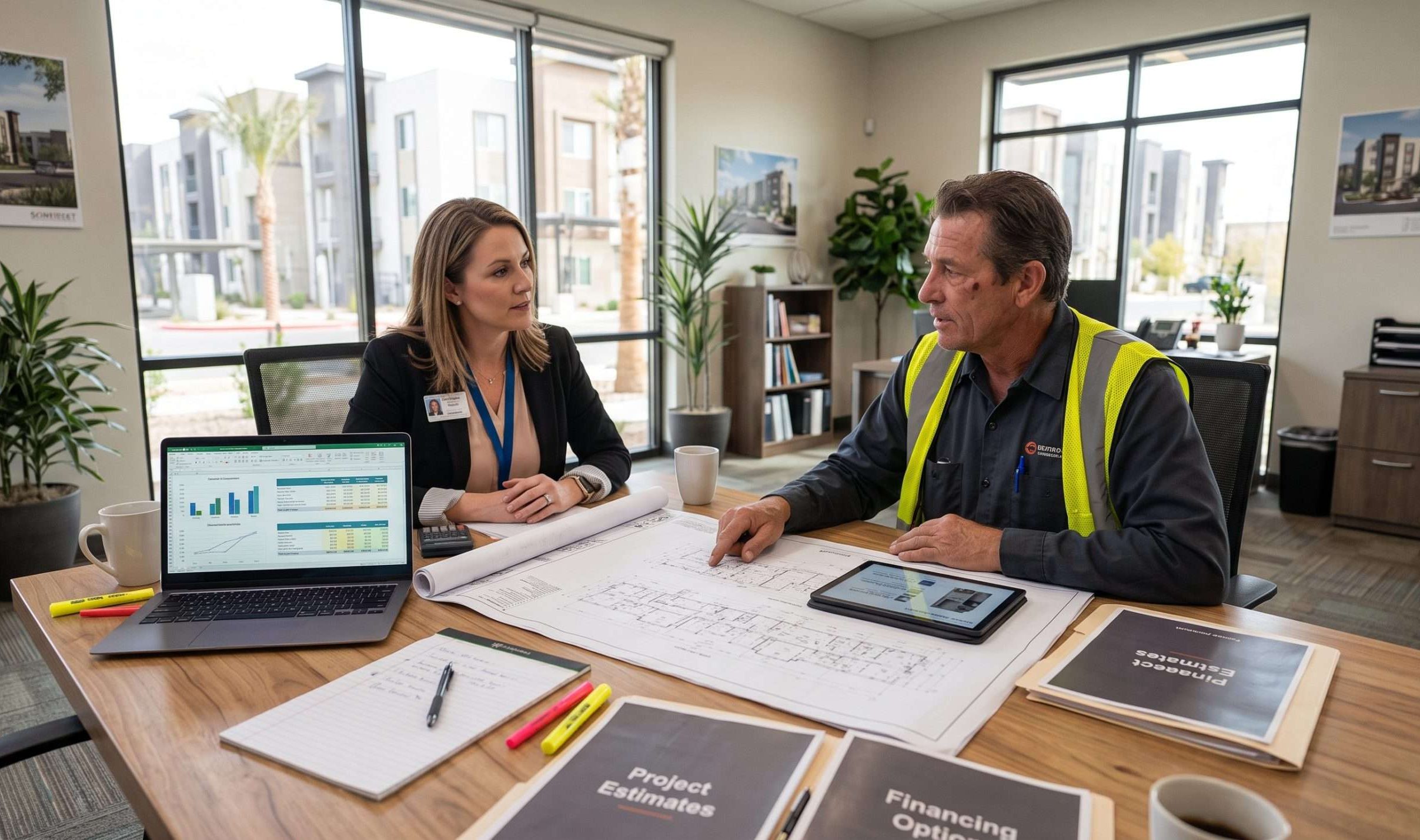
Managing residential properties often means responding to urgent plumbing problems that can’t wait for the next budget cycle. When a main water line fails or a building’s boilers need immediate replacement, property managers face the challenge of finding fast, affordable funding. The choice of financing option can dramatically affect both cash flow and the long-term cost of property upkeep. Understanding how Plumbing Financing Options interest rates differ, and how annual percentage rates (APR) impact total repayment, is essential for making sound decisions that protect operating budgets.
Residential Plumbing Repair Costs and Property Budgeting
Sudden failures—like burst pipes after a freeze or sewer line collapses—can strain even well-managed reserve funds. For many property managers, these events require spending outside planned maintenance schedules, making cash flow forecasting more difficult. When budgeting for plumbing repairs, it’s important to account for both expected and unexpected costs. Some managers create contingency lines in their annual budgets specifically for emergencies, but these often fall short for major repairs.
Financing can bridge this gap, yet the choice between using operating reserves, credit lines, or dedicated loans will affect the property’s financial health. The interest cost on borrowed funds can be significant, especially for larger projects. Comparing financing strategies for emergency repairs helps managers anticipate which tools best fit their property’s size and risk profile. By planning ahead and understanding payment structures, property managers can minimize budget surprises and avoid deferring critical repairs.
Comparing APR Rates Across Commercial Lenders
APR, or annual percentage rate, represents the true yearly cost of borrowing, including fees and interest. For property managers, comparing APR rates from different lenders is the most transparent way to evaluate Plumbing Financing Options interest rates. For example, a loan with a low advertised interest rate but high origination fees may actually be more expensive than a higher-rate loan with minimal fees when considering total APR.
Commercial lenders, banks, and credit unions each structure their plumbing repair loans differently. Some may offer promotional rates for property improvements, while others include variable rates that can increase over time. Reviewing APR disclosures side by side allows managers to compare the real cost of funds. Choosing between fixed and variable APR also matters; fixed rates offer predictable payments, while variable rates may save money early but increase risk if market rates rise.
Resources like Plumbing Financing Options give property managers access to multiple loan types and clear information on rates and terms. Reviewing these options helps managers understand what’s available before committing to any specific lender.
Evaluating Unsecured Loans Versus Equipment Financing
Two common ways to fund plumbing repairs are unsecured loans and equipment financing. Unsecured loans do not require collateral, making them faster to obtain, but they often come with higher APRs due to increased risk for the lender. These loans can be a good fit for emergency repairs or when property managers need flexibility in how funds are used.
Equipment financing, by contrast, is secured by the plumbing systems or fixtures being installed. This structure often results in lower APRs since the lender can reclaim the equipment in case of default. However, the funds can only be used for specific purchases, and additional paperwork may be required to document assets. Comparing the differences between secured and unsecured loans ensures managers choose the right structure for their project scope and timeline.
For larger plumbing upgrades—such as installing new boilers or backflow prevention systems—equipment financing might make more sense, while unsecured loans may suffice for smaller, rapid-response repairs. The ideal choice depends on both the urgency of the project and the property’s financial position.
Calculating Total Cost of Capital for Maintenance Projects
Understanding the total cost of capital is essential for accurate project budgeting. This figure includes not just the principal and interest, but all fees, closing costs, and any prepayment penalties associated with Plumbing Financing Options. For instance, a loan with a seemingly competitive APR may include additional charges that increase its overall expense.
Property managers should request detailed amortization schedules from potential lenders. These schedules break down each payment’s allocation to principal and interest, helping managers compare the long-term impact of each financing option. Factoring in the duration of the loan, payment frequency, and any required reserves or insurance further clarifies the true cost.
By thoroughly reviewing all terms and conditions, property managers can avoid surprises that erode project margins and ensure that financing supports, rather than undermines, the property’s ongoing maintenance program.
Conclusion
Start by gathering detailed quotes for your next plumbing project, then compare APRs, fees, and repayment terms side by side. Prioritizing transparent cost comparisons and understanding loan structures will help you secure financing that supports your property’s long-term financial health.













Leave A Comment