
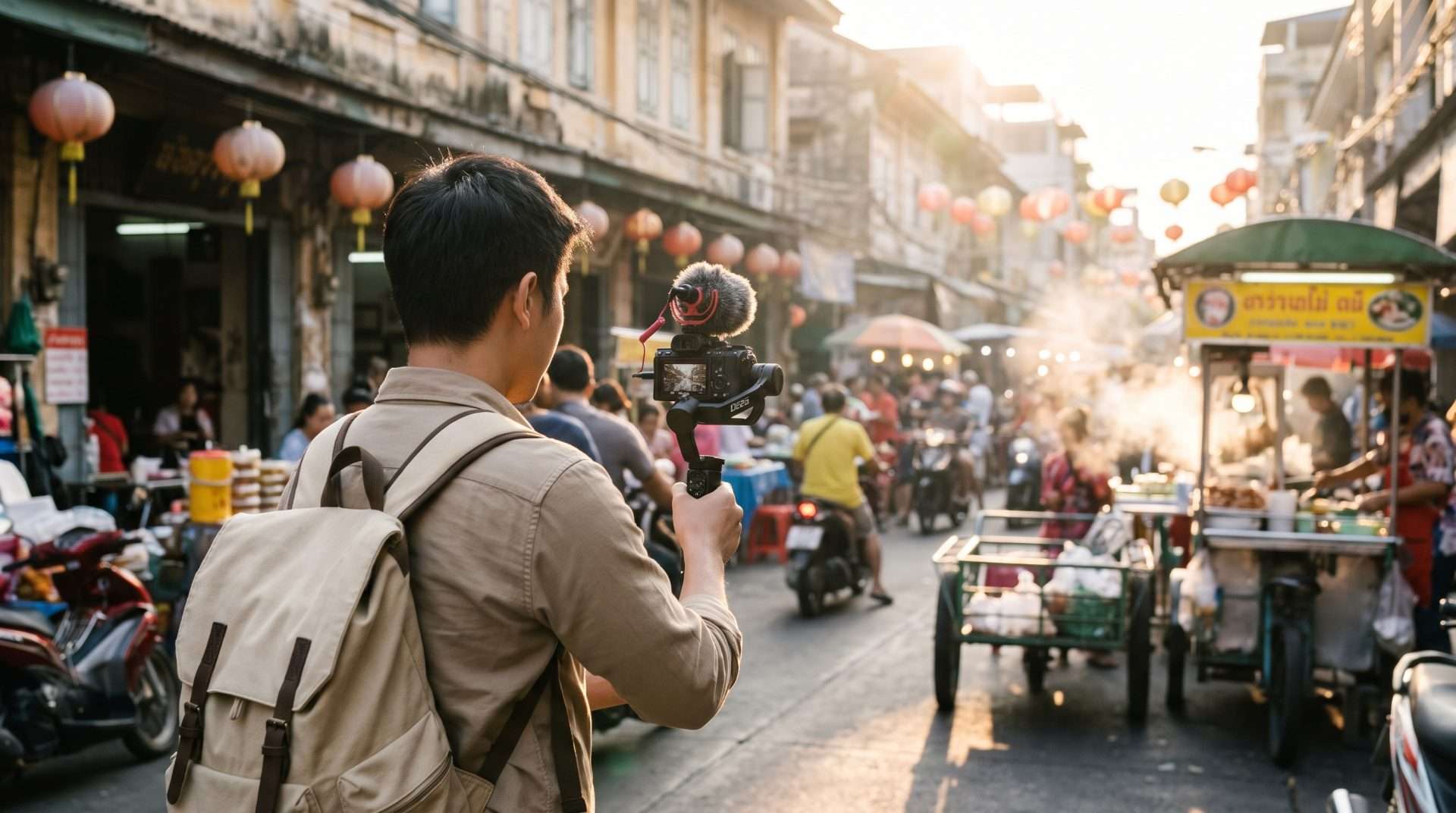
Travel photography has long been the standard way adventurers preserve their memories, but video captures something photographs cannot: the movement, sound, and atmosphere of a place. Whether you’re traveling by train across Europe, navigating overland routes through Africa, or exploring a city on foot, video documentation adds a new dimension to how you experience and share your travels. The challenge, however, lies in choosing the right equipment and techniques to capture compelling footage without being weighed down by gear.
Modern travel videography doesn’t require a film crew or professional studio setup. With thoughtful planning and the right approach, independent travelers can document their journeys in ways that feel authentic and engaging. From stabilization techniques to understanding frame rates and angles, there’s a learning curve, but it’s far more accessible than many assume. Resources like guides on video camera for sport can offer insights into capturing dynamic movement, which translates well to travel scenarios where you’re often on the move.
Choosing Equipment That Travels Well
The first decision any travel videographer faces is what to carry. Unlike studio filmmaking, where weight and size are irrelevant, travel demands portability. A camera that requires a tripod, external microphone, and multiple lenses becomes a burden rather than a tool. The best travel video equipment is lightweight, durable, and capable of producing quality footage without excessive accessories.
Action cameras have revolutionized travel videography by offering compact form factors with built-in stabilization. These devices are designed to withstand rough handling and variable weather, which matters when you’re moving between destinations frequently. Smartphone-based solutions have also matured significantly, with mobile gimbals providing stabilization that rivals dedicated cameras in many scenarios. The key is matching your equipment to your travel style. A backpacker moving between hostels needs different gear than someone on a month-long overland expedition with a vehicle.
Battery life and charging infrastructure matter more than you might expect. Traveling through remote areas or regions with unreliable electricity means your camera needs either exceptional battery performance or the ability to charge via USB power banks. Storage capacity is equally important. A single day of travel can generate hours of footage, and cloud backup may not be available in all locations.
Mastering Stabilization and Movement
Shaky footage is the hallmark of amateur travel videos. Viewers can tolerate imperfect lighting or audio, but unstable footage becomes unwatchable quickly. Stabilization is therefore one of the most important technical skills to develop. Modern cameras often include electronic stabilization, which helps, but understanding how to move deliberately and smoothly makes a dramatic difference.
Walking while filming requires a different technique than stationary shots. Instead of holding the camera at arm’s length, keeping it closer to your body reduces the amplification of your natural movement. Panning slowly across a landscape or following a subject requires deliberate, controlled motion. Many videographers find that practicing these movements before filming helps tremendously. A simple walk through a market or along a street becomes an opportunity to refine your technique.
Gimbal stabilizers have become affordable enough for casual travelers to consider. These motorized devices counteract your hand movements, producing smooth footage even while walking on uneven terrain. They’re particularly useful for establishing shots and transitions between scenes. The trade-off is additional weight and battery consumption, so they’re best suited for travelers who prioritize video quality over ultralight packing.
Capturing Audio in Challenging Environments
Video without audio is merely a silent film, and travel environments present unique audio challenges. Wind noise, traffic, and ambient sound can overwhelm dialogue or music. Built-in microphones on cameras and phones are rarely sufficient for travel videography. An external microphone, even an inexpensive lavalier or shotgun mic, dramatically improves audio quality.
The type of microphone depends on your filming style. If you’re recording yourself speaking, a lavalier mic clipped to your shirt works well. For capturing ambient sound and environmental audio, a shotgun microphone pointed at your subject is more effective. Windscreens are essential in outdoor environments, as wind noise can ruin otherwise perfect footage. Many travel videographers carry a simple foam windscreen that weighs almost nothing but prevents hours of footage from being unusable.
Recording separate audio tracks is a technique worth learning. Rather than relying solely on the camera’s microphone, recording dialogue or narration on a separate device gives you flexibility in editing. A smartphone voice memo app can serve this purpose in a pinch, though dedicated audio recorders are more reliable.
Composition and Storytelling Techniques
Technical proficiency matters, but storytelling is what transforms raw footage into compelling video. Travel videography succeeds when it conveys not just what a place looks like, but how it feels. This requires intentional composition and thoughtful editing choices.
Establishing shots set the scene. A wide view of a train station, market, or landscape tells viewers where you are. Close-up shots reveal details: hands preparing food, architectural elements, or expressions on faces. Varying shot types prevents monotony and maintains viewer engagement. A sequence of wide, medium, and close shots creates rhythm and visual interest.
Movement within the frame matters as much as camera movement. Filming a street vendor requires positioning yourself to capture their hands at work, their expression, and the products they’re selling. Anticipating moments before they happen, rather than reacting after, produces more polished footage. This skill develops with practice and observation.
Transitions between scenes deserve attention. Rather than abrupt cuts, many travel videographers use natural transitions like walking through a doorway or panning across a landscape. These techniques feel organic and maintain viewer immersion. Editing software can add transitions, but in-camera transitions feel more authentic and require less post-production work.
Planning Your Filming Schedule
Successful travel videography requires balancing documentation with actual travel experience. Spending every moment filming means missing the sensory details that make travel meaningful. The solution is intentional planning about when and what to film.
Identifying key moments before they happen helps. If you’re visiting a famous landmark, filming during golden hour produces better footage than midday harsh light. If you’re attending a local event or market, arriving early allows you to scout locations and plan your shots. This preparation doesn’t require rigid scheduling; it simply means thinking about your filming goals for each day.
Some travelers dedicate specific times to filming, perhaps early morning or late afternoon, leaving the rest of the day for unrecorded exploration. Others film opportunistically, capturing moments as they happen. Neither approach is wrong; the best method depends on your travel style and how important video documentation is to your journey.
Conclusion
Travel videography enhances how you experience and share your adventures. It requires thoughtful equipment choices, technical skill development, and intentional storytelling, but these elements are learnable regardless of your starting point. The goal isn’t to produce Hollywood-quality content; it’s to capture the essence of your travels in ways that resonate with viewers and preserve memories that still photos alone cannot convey. By focusing on stabilization, audio quality, and compelling composition, you’ll create videos that do justice to the places you visit and the journeys you undertake.












Leave A Comment