
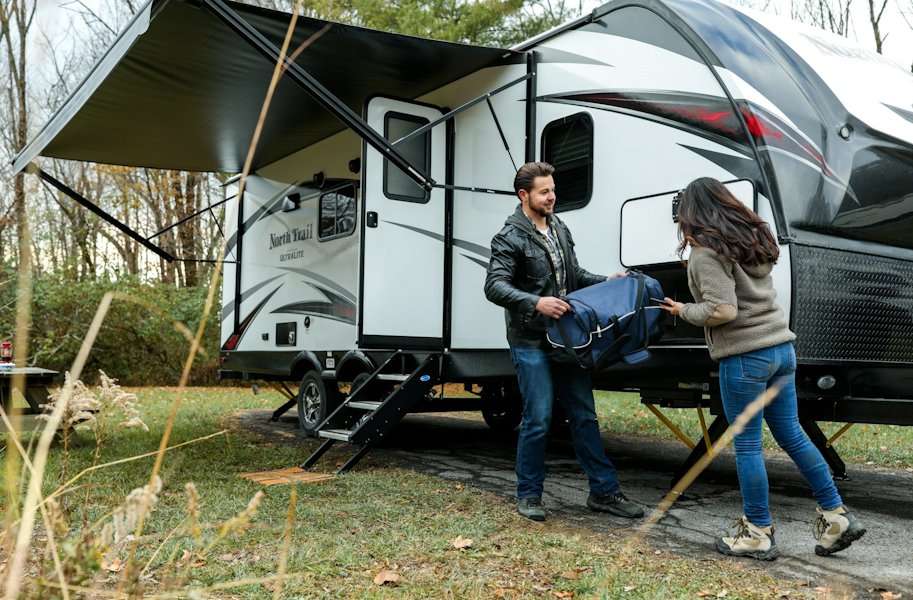
Choosing the right awning fabric for your RV is an important part of ensuring a comfortable and enjoyable travel experience. The awning not only provides shade and protection from the elements but also contributes to the overall look of your RV. Whether you’re planning long-term travel or just a weekend getaway, selecting the best fabric for your awning can make a big difference in both durability and style. In this guide, we’ll explore key factors to consider when choosing RV awning fabrics for long-term travel.
Consider the Weather Conditions
One of the most important aspects of selecting an RV awning fabric is its ability to withstand various weather conditions. RVers are exposed to sun, rain, wind, and temperature fluctuations, so the fabric needs to be durable enough to handle these elements. Fabrics such as polyester and acrylic are popular choices due to their strength and weather resistance. These materials are known for their ability to resist fading under UV rays, repel water, and hold up against wind. When choosing your fabric, consider the typical weather conditions you’ll encounter on your trips. If you expect extended exposure to the sun, UV protection will be an essential feature to look for in your awning fabric.
UV Protection and Heat Resistance
Extended exposure to the sun can cause fabrics to weaken over time, making UV protection a key consideration for your awning fabric. UV-resistant fabrics protect both the awning itself and the interior of your RV. They help keep the interior cooler by blocking harmful UV rays and preventing the sun from fading your upholstery and other materials inside your vehicle. If you plan to travel in hot, sunny regions, it’s essential to choose a fabric that offers strong UV resistance. This will not only ensure the longevity of your fabric but also make your outdoor space more comfortable.
Water Resistance and Protection
Another crucial factor to consider is water resistance. Your awning should provide shelter during rainstorms, keeping you dry while maintaining the integrity of the fabric. Many high-quality RV awning fabrics come with water-repellent treatments or are naturally water-resistant. Polyester and acrylic fabrics are both popular options for water resistance, as they can withstand heavy rainfall without soaking through. However, it’s also important to ensure that your awning is properly installed to prevent water from pooling in areas where the fabric could stretch or tear.
Aesthetic Appeal and Design
While durability is key, the aesthetic appeal of your RV awning fabric shouldn’t be overlooked. Your awning can play a significant role in enhancing the overall look of your RV, so it’s important to choose a fabric that complements your vehicle’s design. Awning fabrics come in a wide variety of colors, patterns, and textures, so you can find one that fits your style. Lighter colors tend to reflect sunlight and keep the area cooler, while darker colors absorb heat and may provide warmth during cooler weather. Stripes, solids, and custom designs are also available, giving you the freedom to personalize your outdoor space.
Weight and Ease of Use
The weight of the fabric is another important consideration when selecting an awning. While it’s important for the fabric to be durable, it should also be lightweight enough to allow for easy setup and takedown. A heavier fabric may offer greater durability, but it could be harder to handle, especially if you’re frequently deploying and retracting your awning. Lighter fabrics, on the other hand, are easier to roll up and store but may not be as resilient in extreme weather. Be sure to choose a fabric that strikes a balance between weight and durability, depending on how often you plan to use your awning.
Ease of Maintenance

Maintaining your awning is crucial for its longevity, and some fabrics are easier to clean and care for than others. Fabrics with built-in protective coatings or those treated to resist mold and mildew can save you a lot of time and effort when cleaning your awning. Additionally, choosing a fabric that is resistant to dirt and stains will help keep your awning looking new for longer. Regular cleaning and proper storage when the awning is not in use will ensure that it stays in good condition, even after long-term exposure to the elements.
The Right Fabric for Your Travel Needs
When it comes to choosing the right RV awning fabric for long-term travel, it’s essential to consider both durability and style. Your fabric should be able to withstand the elements, offer UV protection and be easy to maintain. At the same time, it should reflect your personal style and enhance the appearance of your RV. Whether you’re traveling through hot, sunny climates or venturing into rainy areas, selecting the right fabric can make a significant difference in the comfort and longevity of your outdoor space.














Leave A Comment