

Senegal’s food stands out as West Africa’s most diverse and flavorful cuisine. The unique blend of ethnic traditions and French cooking techniques creates distinctive tastes that tell a remarkable story. The Atlantic Ocean shapes this coastal nation’s food identity and fresh fish remains at the heart of many traditional recipes.
French colonial rule until 1960 and local ingredients have left their mark on Senegalese cooking. The country’s relationship with peanuts runs deep – they’re not just the main cash crop but also star in beloved dishes like Mafe, a rich stew that combines meat, vegetables and peanut sauce. The soul of Senegalese food lies in its staple ingredients – millet, white rice, sweet potatoes and black-eyed peas. These ingredients create meals that satisfy both hunger and tradition.
Senegalese cuisine offers something special for everyone. The national dish Thieboudienne brings together fish, rice and vegetables in a flavorful tomato sauce. Light and crispy fritters make perfect street snacks throughout the country. The cuisine’s depth shows in dishes like Yassa Chicken with its tangy onion sauce and Dibi, the popular grilled meat found on street corners. These recipes show why Senegal deserves recognition as a culinary destination.
Thieboudienne (Senegalese Fish and Rice)

Image Source: The New York Times
Thieboudienne (pronounced “cheb-oo-jen”) stands as the crown jewel of Senegal cuisine. This masterpiece came from the fishing communities on the Island of Saint-Louis. Local tradition credits a 19th-century cook named Penda Mbaye, who worked at the governor’s residence during French colonial rule. The name simply means “rice and fish” in Wolof language, which perfectly captures this one-pot wonder that now represents Senegalese identity.
Thieboudienne Ingredients
Carefully selected components make up the heart of Thieboudienne. The dish centers around firm white fish (usually grouper or snapper) marinated in rof – a tasty paste made of parsley, garlic, chili peppers and onions. Broken rice serves as the base, which French colonists brought to Senegal from Vietnam. The dish’s vegetable mix brings together carrots, cabbage, eggplant, cassava, sweet potatoes and okra. The rich tomato broth gets its thickness from nokoss – a mix of onions, bell peppers, chiles and fresh tomatoes. Many recipes add fermented locust beans (netetou) and dried or smoked fish to create unique umami notes.
Thieboudienne Preparation Method
Making Thieboudienne takes patience and care. The cook starts by stuffing or marinating fish with the herb-rich rof paste. A tomato sauce comes next, with onions and tomato paste fried until they blend well. The fish cooks in this sauce before coming out to stay whole. Root vegetables go in first, followed by softer ones based on cooking time. Once tender, the vegetables come out and broken rice goes into the tasty broth. The final presentation brings everything together, often topped with xońe – the crispy rice that forms at the pot’s bottom.
Why Thieboudienne is the National Dish
Thieboudienne offers a unique cultural value in Senegal. UNESCO recognized it as an Intangible Cultural Heritage of Humanity. The dish shows Senegalese hospitality (teranga) at its best, as families and guests gather around one communal dish and eat with their hands. Mothers pass down these time-honored cooking techniques to their daughters. The dish shows Senegalese creativity – they turned broken rice, once seen as low quality, into a celebrated staple. A Senegalese cook put it best: “Thieboudienne is the queen… It’s soul food”.
Yassa Poulet (Marinated Chicken with Onions)
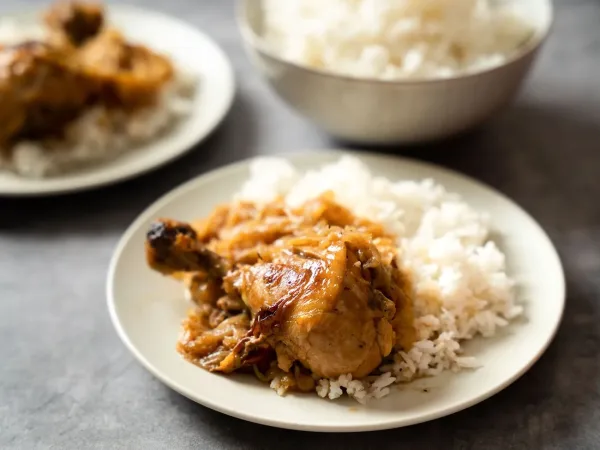
Image Source: Serious Eats
Yassa Poulet, a beloved staple that originated in Senegal’s Casamance region, has made its way across West Africa. Simple ingredients come together through careful preparation to create this complex and satisfying meal.
Yassa Poulet Flavor Profile
Yassa Poulet brings together contrasting elements in perfect harmony. Sweet caramelized onions create the dish’s foundation. This sweetness pairs beautifully with lemon or lime juice’s bright acidity. The dish gains depth and subtle tang from Dijon mustard, while garlic adds aromatic elements. Spice levels can vary based on personal taste—some recipes add scotch bonnet or habanero peppers that give “a little tingle on the lips” without overpowering other flavors. Some cooks add green olives at the end to provide “a lightly earthy bitter taste that marries so well with the onions, mustard and lemon juice.” The dish delivers “citrus notes from the lemons, heat from cayenne pepper and sweet and earthy notes from the slow cooked onions.”
Yassa Poulet Cooking Process
The dish starts with marination. Chicken pieces soak in a mixture of lemon juice, Dijon mustard, oil, garlic and spices for 4-8 hours or overnight. Traditional preparation calls for grilling the chicken over wood fire, though many home cooks sear it in a pan until golden. The secret to authentic Yassa lies in its onions—equal in weight to the chicken—which cook down until they reach an “ocher color.” These onions “shrink way down” as they develop rich flavors. The final step combines the chicken and remaining marinade with onions, braising until the meat becomes so tender it “falls apart.”
Yassa Poulet Cultural Significance
Yassa showcases Senegal’s rich culinary heritage and colonial influences. People know the dish as both “poulet yassa” (French) and “yassa ganaar” (Wolof), which shows French colonial effects. The dish demonstrates West Africa’s skill at creating maximum flavor from local ingredients. Families serve it over white rice, embodying the Senegalese value of “teranga”—a tradition of hospitality and community meals.
Mafe (Peanut Stew)

Image Source: My Pretty Brown Eats
Mafe, a celebrated peanut-based stew, sits at the heart of Senegalese comfort food and shows the country’s deep connection with groundnuts. This rich, creamy dish started in Mali but became an essential part of Senegal’s food identity.
Mafe Key Ingredients
The soul of authentic Mafe comes from its unique components. Natural peanut butter (or ground peanuts) creates the stew’s signature creamy texture and nutty flavor. Most Senegalese cooks choose beef, lamb, or chicken as their protein base, though you’ll find fish versions too. The veggie mix usually has onions, tomatoes, and garlic as aromatics that go together with sweet potatoes, carrots and cabbage. The stew gets its depth from tomato paste, which mixes with peanuts to create a bright orange color. Traditional cooks swear by bouillon cubes or powder, while habanero or scotch bonnet peppers add that perfect heat to balance out the richness.
Mafe Variations
West African regions have put their own spin on this beloved stew. The Gambia’s version, called Domoda, often throws in squash or sweet potatoes. Malian tigadèguèna takes a different path from Senegalese Mafe’s creamy peanut sauce – it’s more watery and uses unrefined shea butter instead. Um’bido brings greens into the mix, while Ghanaian Mafe adds boiled eggs. City folks often skip the meat and use tofu, tempeh or extra vegetables.
Mafe Serving Suggestions
Senegalese people love their Mafe over fluffy white rice – it’s perfect for soaking up all that rich sauce. Malians pair it with fonio or millet dough (to). Head to Northern Nigeria or Ghana and you’ll find it with tuwo or omo tuo (rice or millet dough). Sahelian countries serve it with couscous, while Ivorians might put it next to fufu and sweet potatoes. Cauliflower rice works great as a modern low-carb option. The best part? Mafe stays good in the fridge for five days or in the freezer for 2-3 months, so you can make it ahead of time.
Djoudj National Bird Sanctuary.
Thiébou Yapp (Rice with Meat)

Image Source: YouTube
“The Rice of Meat” in Wolof, Thiébou Yapp is a hearty adaptation of Senegal’s national dish that replaces fish with succulent meat. This beloved meal shows Senegalese rice dishes’ versatility and demonstrates how simple ingredients transform into a satisfying feast.
Thiébou Yapp Ingredients
High-quality meat forms the heart of Thiébou Yapp—usually beef or lamb cut into 2-inch cubes. This version differs from its fish counterpart by focusing on the interplay between tender meat and flavorful rice. Onions, garlic, bell peppers and a distinctive spice mixture called nokoss create an aromatic base. The dish features cabbage, carrots, eggplants, habanero peppers and sometimes turnips. Mustard plays a key role in many recipes to tenderize the meat and add flavor. Broken jasmine rice—twice-broken rice found in Asian specialty markets—creates the perfect texture to soak up the rich broth. Regional variations add olives, hard-boiled eggs, or sausage, which reflect French colonial influences.
Thiébou Yapp Preparation
The cook starts by browning meat in hot oil until it cooks evenly. Aromatics like onions and garlic turn translucent as they sauté. The nokoss paste—a mixture of onions, green pepper, scallions, garlic and habanero—creates a flavor-packed base. Meat simmers in this mixture with water for about 45 minutes to create a rich broth. Rice steams separately until it becomes soft but stays firm. The steamed rice joins the broth once the meat turns tender and soaks up all the concentrated flavors. Cooks add vegetables near the end. The final presentation features a dome shape with fresh vegetable garnishes.
Occasions for Thiébou Yapp
Senegalese families often serve Thiébou Yapp as their Sunday specialty when they gather for shared meals. Yes, it is a perfect example of teranga (Senegalese hospitality), as people eat together around one large communal platter. This hearty dish suits family celebrations and special gatherings perfectly. Its labor-intensive preparation makes it special for important occasions. Families create their unique recipes and pass them down through generations, which builds distinctive flavor profiles that become part of their culinary legacy. As the life-blood of Senegalese cuisine, Thiébou Yapp means more than just food—it represents cultural identity and strengthens family bonds through shared meals.
Thiébou Guinar (Rice with Chicken)

Image Source: YouTube
Thiébou Guinar stands out as a popular variation of rice-based dishes in Senegalese cuisine. People also know it as ceebu guinaar or chebu ginaar. This chicken-focused dish follows cooking principles like its cousins while bringing its own unique flavors to the traditional recipe.
Thiébou Guinar Spices
A carefully selected blend of herbs and spices creates the aromatic profile of Thiébou Guinar. The chicken gets its tender texture from a mustard marinade that adds a pungent undertone. Cooks often boost the flavors with bay leaves and thyme. Some recipes call for crushed pepper blend that gives the dish more character. On top of that, bouillon cubes create a rich savory foundation that works perfectly with chicken’s natural taste.
Thiébou Guinar Cooking Method
The process starts when marinated chicken pieces turn golden brown. The meat then simmers with tomato paste, bouillon cubes and vegetables until tender. The chicken and vegetables come out of the cooking liquid once they reach the right consistency. This tasty broth becomes the base for cooking rice, which soaks up all the concentrated flavors. The final assembly involves spreading rice on a serving plate and topping it with chicken and vegetables. A drizzle of remaining sauce completes the dish.
Thiébou Guinar Taste Profile
Tender chicken, aromatic rice, and perfectly cooked vegetables create a memorable flavor experience. The mustard brings a unique tanginess that makes this dish different from other Senegalese rice preparations. Sweet caramelized onions balance the savory elements beautifully. Fresh vegetable garnishes add color and nutrients to this main course dish.
Thiébou Guerté (Rice with Peanut Sauce)
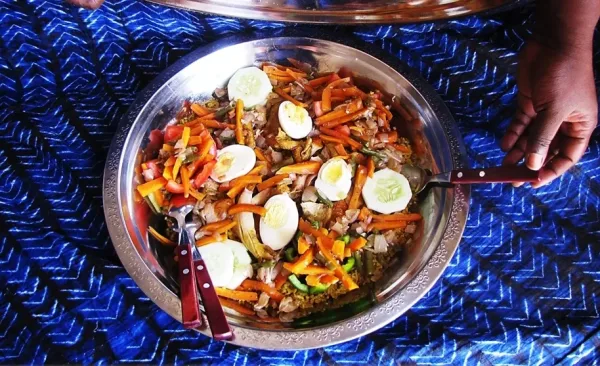
Image Source: TasteAtlas
Peanuts shine as Senegal’s most valuable cash crop in Thiébou Guerté, a distinctive rice-based dish that is different from its well-known cousins. This unique preparation showcases Senegalese cuisine’s versatility through creative use of local ingredients, though people make it less often than other variations.
Thiébou Guerté Uniqueness
Peanut butter sets Thiébou Guerté apart from other rice dishes. This key ingredient gives the dish its light brownish color and creamy texture. The name translates to “The Rice of Peanut” in English, which shows peanuts’ essential role in this preparation. The dish skips mustard found in Thiéboudienne or Thiébou Yapp and uses peanut butter instead, which creates an entirely new flavor profile. Senegal’s agricultural heritage and culinary creativity blend perfectly in this dish that combines two of the country’s main crops—rice and peanuts—in perfect harmony.
Thiébou Guerté Preparation
Cooks follow similar basic techniques as other thieb variations to prepare Thiébou Guerté. The process starts with frying meat in herbs and spices until seasoned well. Instead of adding mustard like other versions, the recipe calls for peanut butter and water so the meat soaks up rich flavors. This mixture turns into a thick, flavorful paste that becomes the dish’s foundation. Adding broken rice—the same type used in Thiéboudienne—to this peanut-infused mixture completes the dish. The rice absorbs the nutty essence as it cooks, which results in a uniquely flavored one-pot meal.
Serving Time for Thiébou Guerté
Thiébou Guerté tastes delicious but rarely appears in everyday Senegalese cooking. People save this special dish mostly for celebrations and festive gatherings. Most families make it only on special occasions, which makes it more of a treat than regular fare. Yet this dish remains crucial to their culinary heritage and serves as a main course. Travelers who want authentic experiences should ask locals about the best time to enjoy this specialty.
Caldou (Fish in Lemon Sauce)

Image Source: YouTube
Caldou, Senegal’s coastal culinary gem, brings together fresh fish and tangy broth in perfect harmony. This elegant yet simple dish shows its Portuguese roots, much like Portugal’s caldeirada de peixe.
Caldou Ingredients
Fresh whole fish like red snapper, tilapia, or carp are the foundations of authentic Caldou. Lemon or lime juice gives the dish its signature tang. The flavorful base comes from sliced onions, garlic and tomatoes. Most recipes add a whole scotch bonnet or habanero pepper without breaking it to control the heat level. The dish’s distinctive umami comes from fermented fish, though fish sauce works well as a substitute outside West Africa.
Caldou Regional Roots
Casamance in southern Senegal is Caldou’s birthplace, where Portuguese traders set up 400 years ago, before French rule began. The region’s unique food traditions still stand apart from northern Senegalese cuisine today. Chef Pierre Thiam’s childhood memories of his mother’s Caldou showcase the dish’s deep regional roots. White rice makes the perfect companion to this dish, and a squeeze of lemon brings out its flavors perfectly.
Caldou Taste and Texture
Bright citrus notes dance with fresh fish’s natural sweetness in this remarkable dish. Caldou offers a lighter touch than other Senegalese stews. The brothy texture keeps the fish tender and lets it soak up all the amazing flavors around it.
Bassi Salte (Millet Couscous with Meatballs)
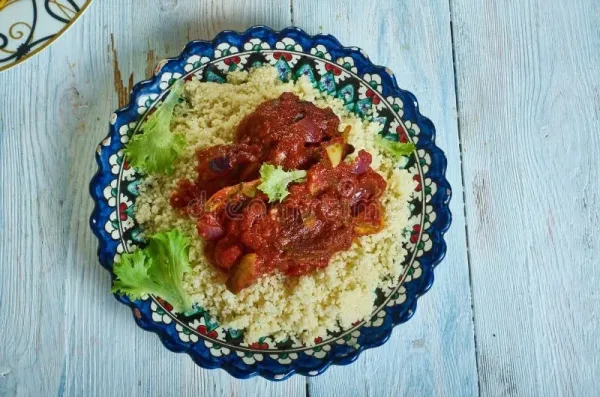
Image Source: Dreamstime.com
Bassi Salte is a traditional Senegalese delicacy that combines millet couscous with meat and vegetables. This remarkable dish showcases the country’s rich culinary heritage through its depth of flavors and cultural importance.
Bassi Salte Components
Millet couscous forms the foundation of Bassi Salte. We used lalo (baobab powder) as a binder for the naturally gluten-free semolina. The protein comes from mutton meatballs called diaguas and chunks of either mutton or chicken. Sweet potatoes, regular potatoes, cassava roots, carrots, white beans and cabbage make up the vegetable mix. The dish’s unique character comes from sweet ingredients like raisins and dates that create an interesting sweet-savory balance unlike other Senegalese dishes.
Bassi Salte Preparation
The cooking starts with hot water poured over millet couscous. The meat browns in a pan until golden, then cooks with tomatoes, onions and tomato paste. Water goes in next, followed by cassava, green pepper, carrots, and garlic that simmer together. The sauce thickens to the right consistency that gives the dish its authentic taste. Kidney beans cook separately until soft and mix with the couscous. The final assembly layers the couscous-bean mixture at the bottom, topped with meat and vegetables, and finished with a generous pour of the rich sauce.
Bassi Salte Festive Use
Bassi Salte plays a special role in Senegalese Muslim culture. People make it during Achoura, a religious festival known locally as Tamkharit. Stores stock up on precooked millet couscous during these celebrations, though some cooks still hand-roll tiny couscous balls the traditional way. The preparation becomes a day-long event where cooks show off their sauce-making skills, reflecting their dedication to both cooking and culture.
Best Caribbean Islands for foodies.
Chere (Millet Couscous)

Image Source: YouTube
Chere stands as one of Senegal’s oldest indigenous food traditions, deeply treasured by the Serer ethnic group. This millet couscous shows how basic grains can become versatile dishes through techniques passed down from one generation to the next.
Chere Traditional Use
The Serer people’s favorite food is Chere. This simple dish has served as breakfast food through the ages, usually paired with fermented milk or cream and sugar. People sometimes enjoy it for lunch or dinner with heartier sides. Modern Senegalese maintain their connection to their farming roots through this traditional food, since millet farming came before rice in the region. You’ll find this dish everywhere in Senegal, Gambia and Mauritania.
Chere Preparation
Real Chere starts with millet grains hulled by rhythmic pounding with heavy wooden pestles. Cooks then add a touch of water to the millet flour and shape it into tiny lentil-sized balls by hand. These small pellets go into a couscoussière (traditional steamer) to steam for about 20 minutes until done. The finished couscous has a unique texture that feels like “smooth sand in mouth” with nutty, slightly bitter flavors.
Chere Accompaniments
Dairy products and Chere go hand in hand, especially buttermilk sweetened with sugar. The savory versions come with fish, potatoes and spicy fish broth. Each area creates its own special sides based on what’s available locally. Some versions mix in dried fruits like raisins or mangoes, and even shredded coconut adds an interesting crunch. Special occasions might call for nuts or dried apricots to turn this everyday staple into something festive.
Dibi (Grilled Meat)

Image Source: Eat Your World
Dibi is Senegal’s treasured grilled meat tradition. The Wolof word simply means “barbecue,” which shows its straightforward but special role in Senegalese food culture.
Dibi Meat Options
Lamb remains the top choice for authentic dibi, and it’s easy to see why – Muslim Senegalese make up 95% of the population. In spite of that, many people choose beef that comes chunked or on the bone. City dwellers often pick chicken from their dibi grills. Some regions serve gamier meats like antelope or wild hog and you’ll find fish on the grill along Senegal’s long coastline.
Dibi Street Food Culture
Small eateries called dibiteries are the heart of urban life in Dakar and other cities. These spots have simple interiors with wood-fired earthen ovens. Chefs arrange logs to create different heat zones that work best for each cut of meat. These places really come alive at night. People flock here after clubs close or to watch wrestling matches – a sport that Senegalese love even more than soccer.
Dibi Serving Style
Your freshly grilled dibi arrives in paper bags stained with meat juices. Each serving comes with grilled onions, spicy mustard sauce and pieces of crusty baguette. People eat with their right hand, following local tradition and many enjoy their meal with a cold Gazelle or Flag beer.
Accara (Black-Eyed Pea Fritters)
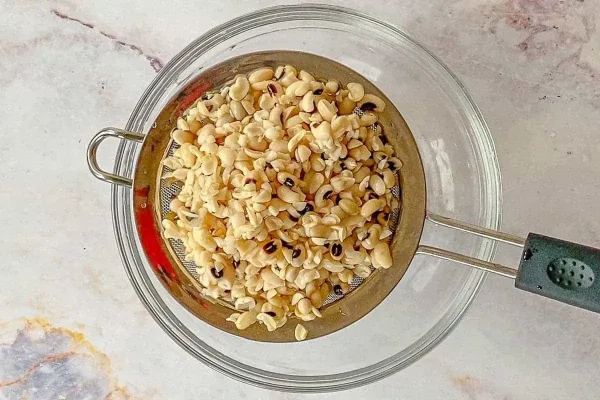
Image Source: – MySpicyKitchen
Accara stands out in Senegalese cuisine as golden, crispy fritters that delight with each crunchy bite. These beloved black-eyed pea fritters show how simple ingredients can become extraordinary street food through traditional preparation.
Accara Ingredients
Black-eyed peas are the heart of authentic Accara. Senegalese cooks choose peas with skins intact to get the perfect crunch. Red onions add a pleasant spicy flavor that complements the peas’ natural sweetness. A scotch bonnet pepper or habanero brings the heat, which mellows during frying. Fresh cilantro adds herbaceous notes in modern versions. The signature crispy exterior comes from high smoke point oils like peanut, avocado or canola oil.
Accara Cooking Method
The process starts with soaking dried peas for 6-8 hours until they swell up. Cooks then remove the skins by gently rubbing the peas between their fingers. The peeled peas go into a food processor with onions, hot peppers and salt to create a textured batter without water. Traditional cooks whip the batter for 4-5 minutes to add air, which makes lighter, fluffier fritters. Small scoops of batter drop into hot oil and fry until they develop a golden-brown crust.
Accara as a Snack
Senegalese people often enjoy Accara for breakfast with a spicy tomato sauce called sosu kaani. These fritters taste great stuffed inside bread like burgers or served with porridge. Street vendors in urban areas sell these crispy treats at marketplaces and busy corners. Their portable nature and satisfying crunch make them perfect party food.
Fataya (Senegalese Turnovers)

Image Source: YouTube
Fataya are delectable half-moon shaped turnovers that perfectly blend Senegalese creativity with Lebanese culinary influence. These golden-fried pastries have become one of the country’s most popular street foods.
Fataya Fillings
These versatile turnovers come with many filling options. The traditional version uses seasoned fish or tuna as its base and combines it with finely chopped onions, garlic and fresh herbs like parsley and cilantro. A heartier option features beef fataya made with minced meat, onions and tomato paste cooked until dry. Urban areas have embraced chicken variations that are marinated in yassa-style sauce before being wrapped in dough. You’ll also find vegetarian options filled with potatoes, onions and spicy seasonings. Some even use chickpeas as a protein alternative.
Fataya Preparation
The authentic fataya starts with a simple dough of flour, milk, salt and sometimes eggs. The dough needs at least 10 minutes of kneading and an hour of rest to become smooth and pliable. The fillings cook separately until they’re fragrant and slightly dry to avoid sogginess. Small circles of rolled dough (9.5-10cm in diameter) each get a spoonful of filling. Water moistens the edges before they’re folded into half-moons and sealed with fork tines pressed firmly around the edge. These plump pockets turn crisp and golden in the deep fryer.
Fataya Popularity
Senegalese people cherish fataya as street food, and they become essential during Ramadan. Local vendors and establishments like Star Burger and Chez Joe serve these treats with a spicy tomato-and-onion sauce called kaani. People enjoy them as quick snacks or light meals, especially at the beach. These treats trace their roots to Lebanese sambousiks and have influenced other foods like Nigerian meat pies and Argentinian empanadas.
Pastels (Fried Fish Pies)

Image Source: Chef’s Pencil
Pastels, the crispy golden fish-filled pockets, have become West Africa’s favorite street food. These savory hand pies represent Senegal’s unique contribution to the region’s culinary landscape.
Pastels Stuffing
Authentic Pastels shine through their fish-based filling. Tuna mixed with finely chopped onions, tomato paste, and aromatic herbs creates the perfect stuffing. Many recipes add bird’s eye chili that brings subtle heat and thyme sprigs that add distinctive flavor. Some versions use white fish like mackerel, trout, or dorad that blend perfectly with garlic, parsley, cilantro and basil. A simple mix of kosher salt and freshly ground black pepper boosts the natural flavors.
Pastels Ssauce Pairing
A zesty tomato sauce always accompanies these delicious pockets and balances their richness perfectly. The spicy dipping sauce combines tomato paste and thinly sliced onions with seasonings that simmer gently for 15-20 minutes. Senegalese tradition dictates varying heat levels based on regional priorities.
Pastels Street Food Appeal
These bite-sized treats fill Dakar’s streets and vendors sell them throughout the day. People love them because they’re affordable and filling. Pastels work equally well as quick snacks or party food, which makes them popular at special occasions. Their grab-and-go nature makes them perfect companions while learning about Senegal’s vibrant street life.
Thiakry (Sweet Couscous Dessert)
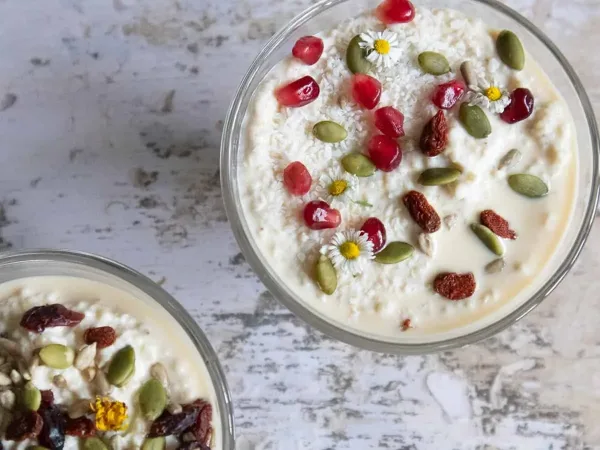
Image Source: Four Carrock Court
Sweet desserts play a vital role in Senegalese dining. Thiakry stands out as their most cherished dessert that rounds off traditional meals. This sweet millet couscous pudding (also spelled thiacry or chakery) originated from the Wolof people. The dessert’s popularity has spread across West Africa, where people know it as “dèguè” in Bambara or “bodé” in Fulani language.
Thiakry Ingredients
Authentic Thiakry’s foundation rests on millet couscous that creates its distinctive texture and subtle nutty flavor. The base blends with dairy products such as yogurt, sweetened condensed milk or sour cream to achieve its creamy consistency. Some recipes add evaporated milk to enhance richness. Dried fruits like raisins, desiccated coconut, and warm spices such as nutmeg and cinnamon make common additions. Some variations feature orange blossom water and vanilla extract to create aromatic depth.
Thiakry Preparation
The process starts by cooking millet in water until tender, which takes about 30 minutes. The grain needs to cool on a flat tray to avoid clumping. Cooks mix sweetened condensed milk, yogurt and milk with spices in a separate bowl. They fold the cooled millet into this creamy mixture and chill it for at least an hour. Some cooks add melted butter to make it richer.
Thiakry as a Dessert
Senegalese culture values Thiakry as comfort food with subtle sweetness. People serve it at celebrations and gatherings as a refreshing final course. The dessert shines with various toppings—mangoes, coconut, chopped nuts like pistachios, or pomegranate seeds during festive occasions. Many people in The Gambia and Senegal enjoy this cold treat without garnish, though city restaurants often present it with elaborate toppings.
Sombi (Coconut Rice Pudding)
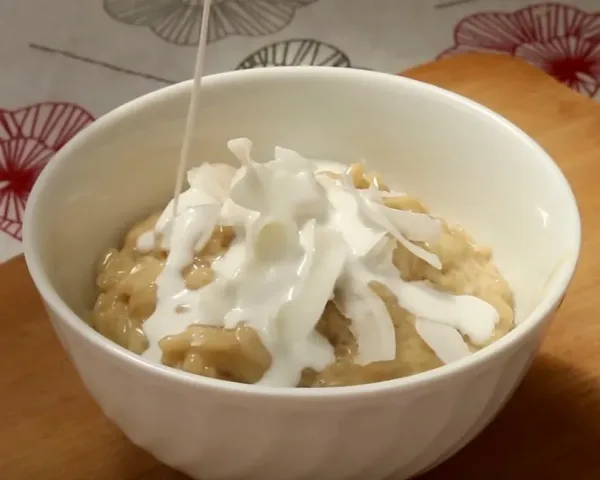
Image Source: Steve’s Kitchen –
Sombi, a comforting coconut pudding from West Africa, strikes a perfect balance between simplicity and indulgence. This traditional Senegalese dessert has become popular across the region because it tastes great and anyone can make it.
Sombi Ingredients
Authentic Sombi’s foundation comes from medium-grain rice, coconut milk, water, sugar and a pinch of salt. Most recipes add coconut cream to make it richer. Cooks often use vanilla to improve the flavor, either with a split bean or extract. Modern versions tend to use brown sugar instead of white sugar. Some creative cooks add warm spices like cinnamon or brown butter to deepen the flavor. Coconut chips sprinkled on top create a nice crunch.
Sombi Texture and Flavor
Sombi’s unique character comes from its creamy, sweet profile. Rice and coconut milk blend together to create a fragrant, rich consistency. Cooks can adjust the thickness to their liking by adding more coconut milk for a thinner pudding or cooking it longer to make it thicker.
Sombi Serving Occasions
Sombi works well as a warm, comforting dessert that adapts to any season. Senegalese families often serve it cold straight from the fridge during hot weather. This versatile treat shows up at casual weeknight dinners and formal gatherings because it’s so easy to make.
Comparison Table
| Dish Name | Main Ingredients | Key Seasonings/Spices | Traditional Preparation Method | Serving Style/Occasion | Cultural Significance |
|---|---|---|---|---|---|
| Thieboudienne | Fish, broken rice, vegetables (carrots, cabbage, eggplant, cassava) | Rof (parsley, garlic, chili, onions), nokoss (onions, bell peppers, chiles) | Fish marinates in rof, cooks in tomato sauce with staged vegetable additions, rice simmers in broth | Shared community style | UNESCO recognized national dish that embodies teranga (hospitality) |
| Yassa Poulet | Chicken, onions | Dijon mustard, lemon juice, garlic | Chicken marinates overnight then grills and braises with sweet caramelized onions | Comes with white rice | Blends French colonial heritage with local cooking traditions |
| Mafe | Meat (beef/lamb/chicken), peanut butter | Bouillon, habanero/scotch bonnet peppers | Meat and vegetables simmer together in rich peanut sauce | Pairs with rice or couscous | Celebrates Senegal’s peanut farming legacy |
| Thiébou Yapp | Beef or lamb, broken rice | Nokoss, mustard | Meat browns and simmers with aromatics while rice cooks in meat broth | Sunday family meals | Symbolizes teranga at celebrations |
| Thiébou Guinar | Chicken, rice | Mustard, bay leaves, thyme | Mustard-marinated chicken braises with vegetables as rice cooks in broth | Served as main dish | Popular twist on classic rice dishes |
| Thiébou Guerté | Rice, peanut butter, meat | – | Meat fries with herbs then cooks with peanut butter before rice joins the mix | Reserved for special events | Combines staple crops – rice and peanuts |
| Caldou | Fresh fish (snapper/tilapia) | Lemon/lime juice, garlic | Fish cooks in tangy broth with onions and tomatoes | Accompanies white rice | Reflects Portuguese cooking influence |
| Bassi Salte | Millet couscous, mutton, vegetables | Lalo (baobab powder) | Steamed couscous meets fried meat and simmered vegetables in sauce | Served at religious festivals (Achoura) | Holds ceremonial importance |
| Chere | Millet | – | Hulled millet becomes small steamed balls | Breakfast with fermented milk | Represents ancient food traditions |
| Dibi | Lamb/beef | – | Wood-fire grilled meat | Night-time street food | Defines urban food culture |
| Accara | Black-eyed peas, onions | Scotch bonnet/habanero pepper | Soaked peas shed skins, blend with onions, then fry | Morning or street food | Quick meal staple |
| Fataya | Fish/meat, onions | Garlic, herbs | Seasoned filling wraps in dough and fries | Street food, Ramadan favorite | Shows Lebanese food influence |
| Pastels | Fish (tuna/white fish) | Thyme, bird’s eye chili | Fish mixture wraps in dough then fries golden | Street snack or celebration food | West African street food classic |
| Thiakry | Millet couscous, dairy products | Nutmeg, cinnamon | Cooked millet meets dairy then chills | Celebration dessert | Traditional Wolof sweet |
| Sombi | Rice, coconut milk | Vanilla (optional) | Rice and coconut milk cook until creamy | Serves hot or cold | Beloved comfort dessert |
Enjoy Senegalese Food Dishes
Senegalese cuisine stands without doubt as one of Africa’s most diverse and flavorful culinary traditions. Senegal has crafted a unique food identity through centuries of cultural exchanges. This identity brilliantly combines traditional West African ingredients with French techniques and regional influences. These dishes showcase the country’s rich agricultural heritage and demonstrate masterful use of staples like rice, fish, peanuts and millet.
Every Senegalese dish narrates a unique story. UNESCO recognizes Thieboudienne as a cultural treasure, and it’s more than just the national dish. The meal embodies communal dining’s essence and celebrates the concept of teranga (hospitality). Simple ingredients transform into complex flavor experiences in meat preparations like Yassa Poulet and Dibi.
Senegalese culinary expertise shines through street foods like Accara, Fataya, and Pastels. These convenient yet deeply satisfying bites have nourished generations. Sweet treats like Thiakry and Sombi round off any authentic Senegalese meal perfectly.
These fifteen dishes represent Senegal’s culinary resilience and creativity beyond their amazing flavors. The comparison table shows how different cooking techniques, ingredient combinations and cultural contexts blend into a rich food culture. Many dishes play specific social roles – from daily meals to celebration foods that mark special occasions.
Visitors should try these authentic dishes instead of settling for international cuisine. Food helps you learn about local traditions, values and history. The rewarding flavors make any culinary adventure in Senegal worthwhile, even if some preparations seem unfamiliar at first.
FAQs
Q1. What is considered the national dish of Senegal?
Thieboudienne, a flavorful combination of fish, rice, and vegetables, is widely recognized as Senegal’s national dish. It has been honored by UNESCO as an Intangible Cultural Heritage, reflecting its significance in Senegalese culture.
Q2. What are some popular street foods in Senegal?
Senegal offers a variety of delicious street foods, including Accara (black-eyed pea fritters), Fataya (savory turnovers) and Dibi (grilled meat). These quick bites are especially popular in urban areas and during festive occasions like Ramadan.
Q3. How does Senegalese cuisine incorporate peanuts?
Peanuts play a significant role in Senegalese cooking, particularly in dishes like Mafe, a hearty stew made with meat, vegetables and a rich peanut sauce. The use of peanuts reflects Senegal’s agricultural heritage as a major peanut-producing country.
Q4. What are some traditional Senegalese desserts?
Popular Senegalese desserts include Thiakry, a sweet millet couscous pudding, and Sombi, a creamy coconut rice pudding. These desserts often feature ingredients like millet, rice, and coconut and are enjoyed both at everyday meals and special celebrations.
Q5. How has French colonial influence shaped Senegalese cuisine?
French colonial influence is evident in several Senegalese dishes, such as the use of baguettes and the incorporation of mustard in recipes like Yassa Poulet. This culinary fusion has resulted in a unique blend of West African and European flavors in Senegalese cooking.


Leave A Comment