

The Caribbean’s cuisine is a food lover’s paradise that awaits exploration. Its flavors tell a story of the region’s rich mixture of cultures. Each dish, from the fiery-sweet jerk chicken to the hearty pepperpot, gives us a window into the islands’ life and traditions.
The Caribbean’s food culture stands out because it blends European, African, Middle Eastern and Asian influences beautifully. The region’s culinary map combines West African, Creole, Amerindian, European, Latin American, Indian/South Asian, Chinese and Middle Eastern cooking methods and tastes. Rice, plantains, beans, cassava, cilantro, bell peppers, chickpeas, tomatoes, sweet potatoes and coconut are staples throughout the islands. Local meats like beef, poultry, pork, goat and fish add to this rich mix. Every island creates its own special dishes that highlight nature’s tropical abundance.
These 15 essential Caribbean dishes showcase the region’s varied cooking styles, ranging from Puerto Rico’s fried specialties to Trinidad and Tobago’s curry creations. The experience becomes magical when you taste Puerto Rico’s national dish of arroz con gandules or savor flavors that families have passed down through generations. Caribbean food takes you on an unforgettable journey of taste.
Jerk Chicken
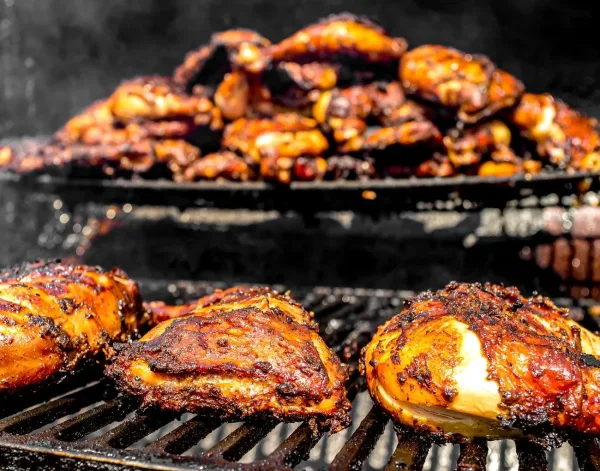
Image Source: Rooted Spices
Origin of Jerk Chicken
The Maroons, escaped African slaves who found refuge in Jamaica’s mountains during the 17th century, created jerk cooking. They needed a way to preserve meat without giving away their location to captors. The indigenous Taíno people’s cooking methods inspired the Maroons, who adapted their technique of cooking wild hogs in underground pits to avoid smoke signals. The word “jerk” probably comes from the Spanish word “charqui,” which means dried strips of meat similar to jerky. This cooking method shows how food became a symbol of freedom.
What Makes Jerk Chicken Special
Jerk chicken stands out because of its explosive flavor profile and unique preparation method. Two key ingredients make authentic jerk what it is: scotch bonnet peppers and allspice (locals call it pimento). These ingredients mix with thyme, garlic, ginger, scallions and cinnamon to create a marinade that seeps deep into the meat.
The magic of jerk comes from its rare mix of opposites. Each bite offers something new, from chest-warming heat to bright citrus notes that balance the spiciness. The cooking method adds another layer of flavor. The meat cooks slowly over pimento wood, which gives it a smoky taste you won’t find anywhere else. You end up with tender meat and perfectly charred skin that captures Jamaica’s food culture perfectly.
How to Enjoy Jerk Chicken
The best way to experience Caribbean food is to pair jerk chicken with its traditional sides. Local custom suggests eating it with Jamaican hard dough bread, festival (fried sweet cornbread dough) or rice and peas. Red Stripe beer makes the perfect drink partner because it helps cool down the sauce’s heat.
Jerk chicken has grown from its humble beginnings into a Caribbean food staple. You’ll find it everywhere from Jamaica’s roadside “jerk stands” to restaurants in North America and Europe. These bold, smoky flavors have made this dish popular way beyond its island home, giving food lovers everywhere a real taste of Caribbean cooking.
Mofongo
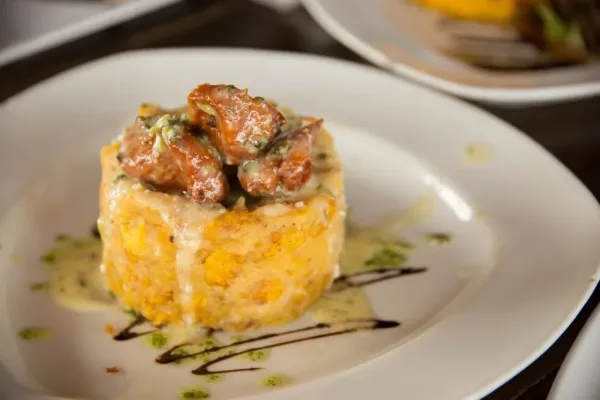
Image Source: Demand Africa
Origin of Mofongo
Mofongo stands as a perfect example of Caribbean’s cultural fusion in food. This Puerto Rican favorite comes from West Africa, where fufu – a dish of mashed starchy vegetables – made its way to the Caribbean through enslaved Africans. The name comes from an Angolan-Kikongo word “mfwenge-mfwenge,” which means “a great amount of anything at all.” Puerto Rico’s first cookbook, “El Cocinero Puerto-Riqueño o Formulario,” introduced mofongo recipes in 1859 under the name “mofongo criollo.”
The dish evolved beyond its West African roots by blending three cultural influences. Spanish contributions like pork and garlic mixed with Taíno Indian’s root vegetable mashing techniques and West African cooking methods. This blend turned the soft, boiled fufu into something uniquely Puerto Rican – a hearty dish packed with texture and complex flavors.
What Makes Mofongo Special
Mofongo’s magic lies in its ingredients and preparation. Green plantains serve as the foundation. Cooks fry them until golden, then mash them in a wooden mortar and pestle called a pilón. This traditional tool, carved from native hardwoods like mahogany or guaiacum, creates mofongo’s unique texture.
The dish stands out among Caribbean foods thanks to its special mix: fried plantains mashed with crispy pork cracklings (chicharrones), plenty of garlic and olive oil or butter. Modern cooking methods use frying instead of boiling the starch. This technique gives mofongo its signature crusty, dense texture and rich, savory taste.
How to Enjoy Mofongo
You can enjoy mofongo in many ways. The classic version comes shaped like a ball or dome with simple chicken or beef broth (caldo) that adds moisture to the dense plantain mixture. A fancier option, mofongo relleno (stuffed mofongo), features the plantain mixture shaped into a bowl filled with seafood, chicken or other meats in tasty sauces.
Puerto Rico offers creative spins on this classic dish. Trifongo mixes three starches—usually plantains, cassava, and breadfruit—while bifongo combines two, often using both ripe and green plantains. Some places serve it with salsa criolla (a sofrito-based sauce) or al ajillo (garlic sauce), especially when seafood is involved. Whatever the style, mofongo shows how Caribbean cooking can turn simple ingredients into dishes that tell rich cultural stories.
Ackee and Saltfish
Image Source: Jamaican Foods and Recipes
Origin of Ackee and Saltfish
Jamaica’s national dish tells a powerful story of cultures coming together through colonial history. The ackee fruit made its way from West Africa to Jamaica before 1725. Enslaved people from Ghana brought it with them, where they called it “Ackee” or “Aki” – a name that came from the Akan people, Akyem. The fruit’s use in West Africa was mostly for medicine and soap-making, not food. Scientists know it as Blighia sapida, named after Captain William Bligh who took specimens from Jamaica to England’s Royal Botanic Gardens in 1793.
Saltfish has its own story. European colonizers brought this preserved codfish as a cheap protein source to feed enslaved Africans. The preservation method helped keep the fish fresh without refrigeration. The trade became so profitable that the Bank of Nova Scotia opened its first overseas branch in Kingston in 1889.
What Makes Ackee and Saltfish Special
The dish stands as a testament to creative cooking born from necessity. Unripe ackee contains toxins, so people must wait for the pod to open naturally before picking it. This shows it’s safe to eat. The ackee’s mild, creamy texture and subtle nutty taste creates a perfect balance with the salty fish.
Cooks sauté boiled ackee with rehydrated saltfish, onions, Scotch bonnet peppers, tomatoes and spices like pepper and paprika. The cooked yellow arils look like scrambled eggs but taste completely different. Each serving packs 483 calories with 14% carbs, 55% fat and 31% protein.
How to Enjoy Ackee and Saltfish
Jamaican families eat this versatile dish throughout the day, though it’s most popular for breakfast or brunch. Popular side dishes include:
- Starches: Roasted breadfruit, boiled green bananas, fried dumplings (johnnycakes) or hard dough bread
- Fruits: Fried plantains (ripe or green)
- Grains: Plain white rice or rice and peas
- Vegetables: Callaloo (like spinach)
Some restaurants serve it over bammy (cassava flatbread) as a dinner appetizer. The dish has become famous worldwide. Olympic champion Usain Bolt loves it for breakfast, and Harry Belafonte’s 1956 hit “Jamaica Farewell” celebrates it with “Ackee rice, saltfish are nice”. While export rules are strict because of unripe ackee’s toxicity, canned versions help Jamaicans living abroad enjoy their beloved dish.
Oil Down
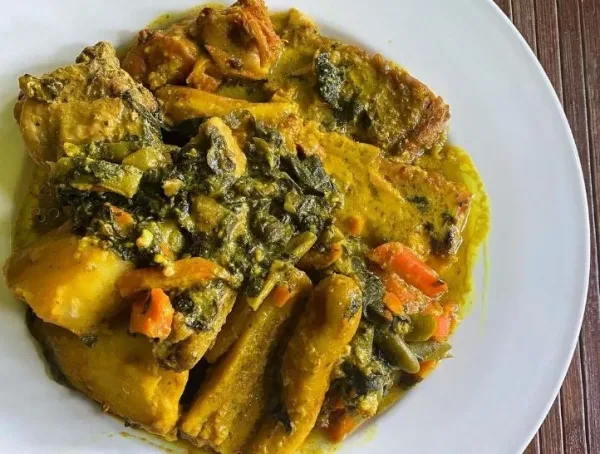
Image Source: Travel Noire
Origin of Oil Down
Grenada’s national dish, Oil Down, tells the island’s story through its community-focused preparation and mix of ingredients. The dish traces its roots to African enslaved peoples who worked on plantations. They created this hearty one-pot meal as a practical way to feed large groups with limited resources. The name comes from what happens during cooking – coconut oil soaks into the food or settles at the bottom of the pot. Oil Down has grown from its simple beginnings to become the life-blood of Grenadian cuisine. People often gather at neighborhood “oil downs” where men take the lead in cooking.
What Makes Oil Down Special
Oil Down’s magic comes from its carefully stacked ingredients and slow-cooking process. This rich stew features:
- Breadfruit: You can’t make real Oil Down without it
- Salted meat: Usually chicken, pigtail, or salted fish
- Coconut milk: Creates the creamy base and that signature “oil down” effect
- Callaloo leaves: Adds texture and helps pack in flavor naturally
- Dumplings: Most Grenadians say these dense dough balls are a must
- Ground provisions: Green bananas, yams or dasheen root
- Turmeric: Gives everything that beautiful golden color
Oil Down isn’t like regular stews where everything mixes together. Cooks “pack” it with breadfruit and meat at the bottom, vegetables in the middle and callaloo leaves with dumplings on top. Each family puts their own spin on the recipe. Grenadians say “no two oil downs are the same”.
How to Enjoy Oil Down
Oil Down brings people together at celebrations and gatherings, from family promotions to beach limes (social gatherings). The dish works as daily food and celebration fare. You’ll find it at Grenada’s Independence Day festivities where its colors match the national flag—green (callaloo), red (carrots) and gold (turmeric). A perfect Oil Down should have a bit of liquid left (about ¼-½ cup) rather than being completely dry. Some Grenadians serve their Oil Down with curried fish, which makes both dishes taste even better.
Bake and Shark
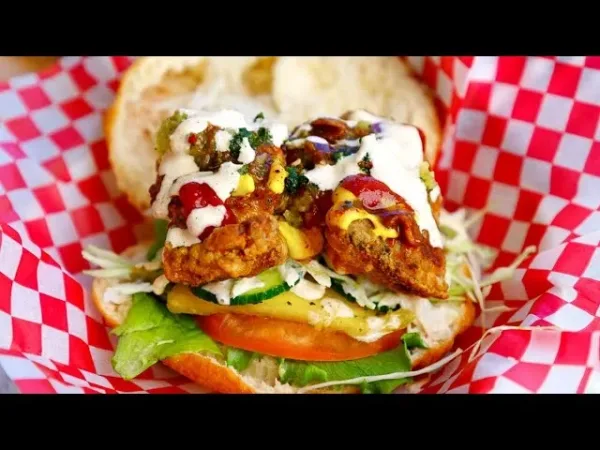
Image Source: YouTube
Origin of Bake and Shark
Bake and Shark, Trinidad and Tobago’s iconic street food, started its journey at the shores of Maracas Bay. This cherished sandwich has grown from its modest roots to become a symbol of Trinidadian cuisine. Local fishermen created it by frying fresh shark with a doughy bread called “bake.” Richard, a local vendor, gets credit for inventing this dish. His bake and shark stand at Maracas Beach remains the most recognized spot to this day.
What Makes Bake and Shark special
This dish stands out because of its unique mix of textures and flavors that anyone can customize. The heart of it combines fried shark meat nestled in a split fried flatbread. Cooks marinate the shark in lemon juice, herbs, and spices like garlic, thyme and scotch bonnet peppers before breading and frying it golden brown. The “bake” part uses a light, puffy dough that combines flour, baking soda, yeast, salt and butter. It puffs up beautifully in hot oil.
How to Enjoy Bake and Shark
The sandwich offers a true taste of Caribbean food culture. People start with their sandwich and add their favorite toppings from an array of condiments:
- Sauces: tamarind, garlic sauce, pepper sauce, chadon beni (cilantro sauce)
- Vegetables: lettuce, tomatoes, cucumbers, coleslaw
- Extras: pineapple, mango chutney
The dish’s popularity extends beyond Maracas Beach. You’ll find it at festivals, concerts, and carnivals across Trinidad and Tobago. It has become a must-have at “all-inclusive” carnival events. Anthony Bourdain showcased this Caribbean treasure in his “Parts Unknown: Trinidad and Tobago” TV show, which helped spread its fame as the islands’ signature dish worldwide.
Doubles
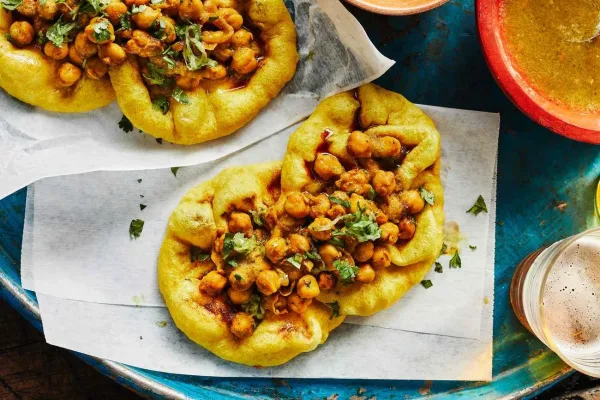
Image Source: Food & Wine
Origin of Doubles
Doubles stands as the life-blood of Trinidad and Tobago’s treasured street foods, with a rich and fascinating history. Emamool “Mamoodeen” Deen and his wife Raheman Rasulan Deen created this beloved dish in 1936 in Princes Town. The original version featured curried chickpeas served over a single fried flatbread. The dish got its distinctive name because customers kept asking to “double” the bara (flatbread) in their orders. The northern Indian dish called chole bhature likely inspired its creation, showcasing the Indo-Trinidadian heritage that shapes much of the island’s food culture.
What Makes Doubles Special
This Caribbean delight shines through its perfect simplicity: two soft, slightly fried flatbreads filled with curried chickpeas (channa). The humble appearance belies an extraordinary flavor profile. The bread’s (bara) pillowy texture creates the perfect base for spiced chickpeas, enhanced with onions, garlic and chadon beni (culantro). Quality Doubles demand properly cooked channa—tender and “uncountable, more than half-dissolved”—creating that signature saucy consistency.
How to Enjoy Doubles
People traditionally eat Doubles for breakfast, and there’s a special technique to enjoy them. The proper way involves a forward lean, with one hand holding the Doubles close to your chest while the other folds the top bara to create a cup for the channa. Your Doubles experience becomes personal with these favorite toppings:
- Tamarind chutney
- Cucumber relish
- Hot pepper sauce
- “Roast” (roasted pepper sauce)
- Coconut chutney
Doubles means more than just food—it embodies Trinidad’s diverse cultural heritage and brings comfort to Trinidadians worldwide.
Pepperpot
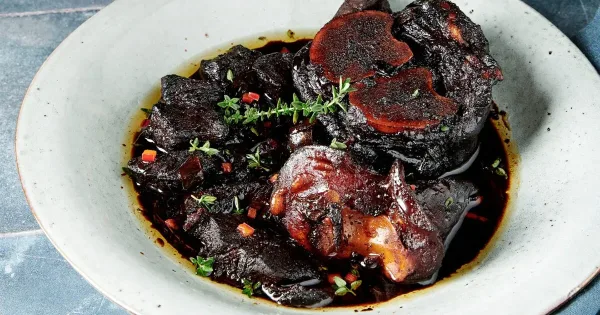
Image Source: PBS
Origin of Pepperpot
Pepperpot, Guyana’s national dish, comes from the indigenous Amerindian people who found an ingenious way to preserve food. This rich, flavorful stew has its roots in tribes that learned cassava root extract could naturally preserve food. The Amerindians created this dish when they needed to keep meat fresh without refrigeration in tropical weather. The dish grew beyond its practical roots and became the life-blood of Guyana’s culture, earning its place as the country’s most beloved dish.
What Makes Pepperpot Special
Cassareep stands as the soul of authentic pepperpot—a thick, black liquid that looks like molasses and comes from cassava root’s bitter juices. This amazing ingredient keeps the stew fresh for weeks without refrigeration. Cooks slowly simmer beef (sometimes pork or mutton) with cinnamon, cloves, thyme and Guyana’s native wiri wiri peppers. Sweet and savory flavors blend perfectly in this dish. The stew tastes better each time Guyanese cooks reheat it.
How to Enjoy Pepperpot
Christmas morning in Guyana wouldn’t be complete without pepperpot, which families start cooking days before the celebration. Most people eat it with Guyanese plait bread—a braided white bread that looks like challah but lacks its shiny egg-washed top. Some folks prefer cassava bread, rice or brioche instead. Guyanese people love to tear off pieces of bread and soak up the rich gravy—they call it a “match made in heaven”. A few people choose to serve their pepperpot over steamed white rice.
Caribbean Islands for foodies.
Flying Fish and Cou-Cou
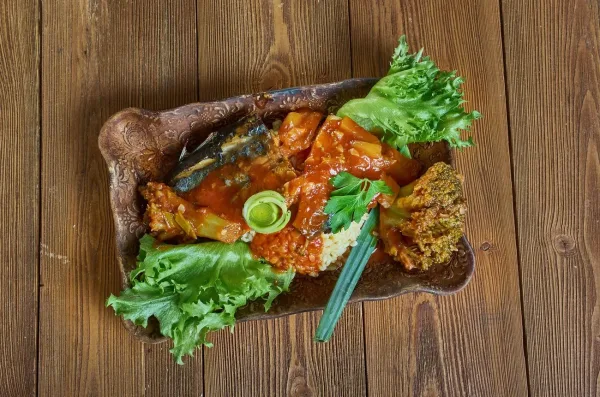
Image Source: Sandals® Resorts
Origin of Flying Fish and Cou-Cou
Barbados takes immense pride in Flying Fish and Cou-Cou as its national dish. This iconic combination tells a story deeply rooted in the island’s identity. Early African settlers brought their culinary traditions and adapted their method of preparing fufu (a similar cornmeal dish) into what we now call cou-cou. The flying fish part naturally became part of the dish since these silver swimmers filled Barbadian waters, which led to the country’s nickname “the land of flying fish”. Bajans serve this beloved dish every Friday in homes and restaurants. It means much more than just food—it stands as a symbol of Bajan heritage and island pride.
What Makes Flying Fish and Cou-Cou Special
The magic of this dish lies in its perfectly balanced components. The smooth, slightly sticky cou-cou combines cornmeal and okra. Cooks use a special wooden tool called a “cou-cou stick” to achieve just the right texture. The fish preparation involves steaming or frying fresh filets marinated in lime juice and Bajan seasoning. Environmental changes have affected flying fish populations, so some cooks now use sea bass or other white fish. Yet many locals insist the original’s delicate flavor remains unmatched.
How to Enjoy Flying Fish and Cou-Cou
The best way to savor this dish combines both elements—cou-cou shaped into a mound with a center well that cradles the flavorful fish and sauce. Many people add fresh tomato-based sauce, pickled cucumber or a side salad to complement the rich flavors. This cherished meal brings Bajans together at family gatherings and public celebrations. It serves as both comfort food and a cultural cornerstone that keeps Bajans connected to their roots, even when they’re far from home.
Lechon
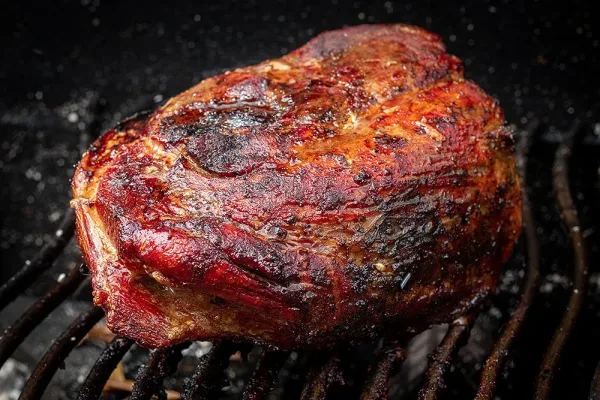
Image Source: Barbecue Bible
Origin of Lechon
Spanish colonial territories gave birth to lechon, which evolved into unique regional versions throughout the Caribbean. The spit-roasted whole pig tradition became Puerto Rico’s cultural heritage during the Spanish colonial era. Cuban lechon asado emerged when Spanish cooking methods blended with Caribbean and African influences. The Philippines’ version, known as “lechon baboy,” carries Spanish naming but actually existed before colonial times, since Austronesian cultures had already domesticated pigs.
What Makes Lechon Special
Lechon’s preparation creates an exceptional culinary experience. Puerto Rican cooks marinate their lechon with garlic, salt, pepper, oregano and achiote. Cuban versions feature mojo – a flavorful blend of sour orange, garlic, onion and herbs. The cooking requires a whole pig slow-roasted on a spit (varita) over open flames for 6-8 hours. This process needs patience, skill, and community effort. The result is the dish’s famous crispy skin (cuerito), which people cherish in every variation for its texture and taste.
How to Enjoy Lechon
Caribbean food culture celebrates with lechon at Christmas, weddings and family gatherings. Each region pairs it with different sides:
- Puerto Rico: Arroz con gandules, morcilla, and pasteles
- Cuba: Rice and beans
- Philippines: Minimal dipping sauces or liver-based sauce depending on regional style
Families and communities come together to prepare and enjoy lechon, making these meals day-long celebrations with music and dancing. This shared experience strengthens lechon’s cultural importance.
Crab Backs
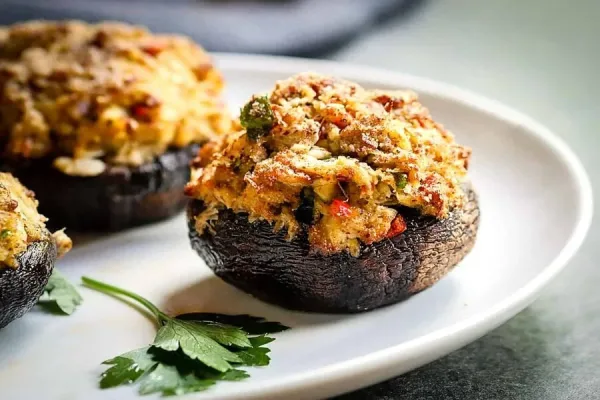
Image Source: Saint Lucifer Spice
Origin of Crab Backs
The Caribbean islands treasure their stuffed crab shells as a beloved delicacy. These shells shine brightest during Dominica’s Creole celebration weeks in October. This seafood masterpiece shows how the region’s people can turn simple ingredients into extraordinary dishes. The dish emerged as a clever way to use smaller, less desirable crab parts that wouldn’t make it to main courses.
What Makes Crab Backs Special
Crab backs stand out through their unique preparation and flavor profile. The empty shells get a new life when filled with flaked crabmeat, butter, onions, tomatoes, green onions and Worcestershire sauce. Food enthusiasts describe the taste as “a roller-coaster party in the mouth” with bold yet delicate flavors. Blue crab’s creamy innards taste like in caviar, while Dungeness crab’s innards have a custardy texture that’s sweet like in sea urchin.
How to Enjoy Crab Backs
These delightful crab backs pair perfectly with toast and champagne or black velvet – a mix of Guinness and champagne. Barbados locals call this dish “Bajan crab backs,” which shows its significance in Caribbean cuisine. The seasoned mixture goes into shells topped with breadcrumbs and browns under a broiler until golden. Picking out whole crab meat needs patience and is “a labor of love”, but the result captures Caribbean cuisine’s authentic flavors perfectly.
Enjoy music in the Dominican Republic.
Pholourie

Image Source: Cooking With Ria
Origin of Pholourie
These golden-fried dough balls show evidence of how Indian indentured laborers adapted their cuisine when they arrived in the Caribbean during the 19th century. We found these treats mainly in Trinidad and Tobago, Guyana and Suriname. Indian immigrants created pholourie by adapting their traditional recipes with ingredients they could find locally. The settlers changed their cooking methods in their new island homes and created what became a treasured part of Indo-Caribbean food heritage. On top of that, it plays an important cultural role beyond daily eating, especially during the Hindu Phagwah festival celebrated across the region.
What Makes Pholourie Special
Pholourie gets its unique character from its key ingredients—a batter that combines flour and ground split peas, seasoned with geera (roasted ground cumin), turmeric, garlic, hot pepper and salt. Some cooks employ yellow split peas that they soak overnight and blend until smooth to create the batter base. Each household has its own twist – some prefer baking powder while others swear by yeast. The end result? Soft, chewy balls with a slight crunch outside that pack a delicious, spiced punch.
How to Enjoy Pholourie
You need at least one signature sauce with your pholourie. Popular choices include:
- Tamarind sauce—spicy, sweet, sour, and tangy
- Mango sour—made from unripened green mangoes simmered with garlic, salt and hot peppers
- Hot pepper sauce—for those who want extra heat
This versatile snack remains a favorite throughout the day in Caribbean communities. People enjoy pholourie everywhere from family gatherings to street corners as an affordable and filling treat. The fact that it tastes great even at room temperature makes it perfect for parties and buffets.
Callaloo
Origin of Callaloo
Caribbean food history shows its resilience and creativity through Callaloo. This versatile dish made its way to the region during colonial times, with roots in West Africa. Enslaved Africans adapted it by turning local plants into meals that kept people fed. The dish creates some confusion because its name refers to both the leafy vegetable and the finished meal, depending on where you are. Native Jamaicans (Arawak and Taino people) made Callaloo part of their traditional cooking. Later, Indo-Jamaican immigrants brought their own version of Callaloo (Amaranthus viridis) during the late 17th-18th centuries.
What Makes Callaloo Special
Regional variations and adaptability make Callaloo truly unique. Trinidad and Tobago’s authentic Callaloo combines taro leaves, okra, pumpkin, coconut milk, onions, garlic and Scotch bonnet peppers. The dish stands as their national dish without official designation. Jamaicans prefer to use amaranth leaves in their recipe. This dish packs plenty of nutrients including vitamins A, C, K and magnesium. Its dietary fiber helps keep your digestive system healthy.
How to Enjoy Callaloo
Caribbean people serve Callaloo in many delicious ways. Jamaicans love pairing it with saltfish, roasted breadfruit, boiled green bananas or dumplings. People in Trinidad typically serve it as a side dish with rice, macaroni pie and their favorite protein. Grenada’s national dish, Oil Down, features Callaloo steamed with garlic, onion and coconut milk as a key ingredient. You can get creative by stuffing bell peppers with Callaloo or blending leftovers into a smoothie with banana, pear and lemon.
Brown Stew Chicken
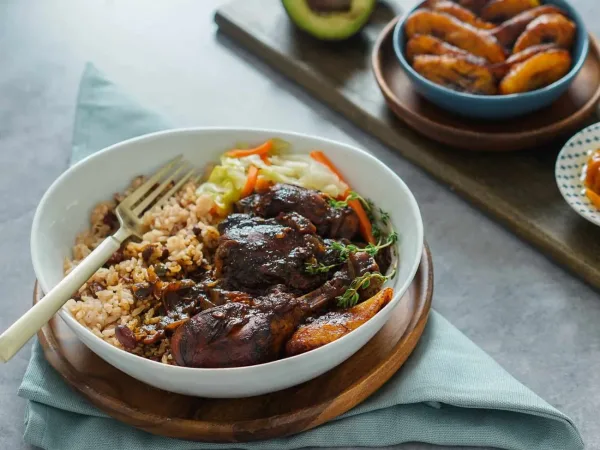
Image Source: Serious Eats
Origin of Brown Stew Chicken
You’ll find this comforting Caribbean dish on every English-speaking Caribbean island, and each place adds its own special touch. Jamaica’s cuisine claims the strongest connection to brown stew chicken, yet it remains a shared treasure among many islands. Back in the day, Jamaicans called it “Fricasseed Chicken” before it got its current name. This dish shows how Caribbean cooks turn basic ingredients into amazing meals through time-tested cooking methods.
What Makes Brown Stew Chicken Special
This dish’s incredible taste comes from a unique cooking process. Dark meat chicken pieces soak up herbs and spices, often overnight, to build deep flavors. Browning sauce gives the dish its distinctive dark color and rich taste. Caribbean cooks make this kitchen essential from cane sugar, seasonings, and caramel color. The chicken browns until it reaches a deep shade, then simmers slowly with aromatic vegetables, scotch bonnet peppers and spices. This gentle cooking creates tender meat that falls right off the bone in a delicious gravy. The scotch bonnet peppers add flavor without too much heat, creating a mild yet rich taste.
How to Enjoy Brown Stew Chicken
Sunday dinners in Caribbean homes often feature this dish and rice and peas make the perfect side. Coconut rice, plain white rice, fried plantains or steamed cabbage also work beautifully as accompaniments. The flavors get even better over time, making leftover servings taste amazing for up to 3-4 days. Many Jamaican cooks swear by their secret trick – they add two teaspoons of sugar while seasoning to create an even richer gravy color.
Croquetas
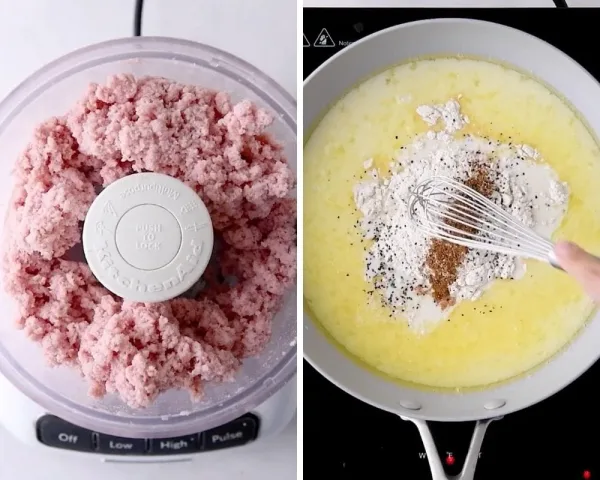
Image Source: A Sassy Spoon
Origin of Croquetas
These delightful treats with their crispy exterior and creamy interior trace back to 17th-century France as a ragout-filled delicacy. François Massialot created the original recipe by combining meat, truffles, marrow, bread crumbs and cheese. Spanish colonial expansion brought croquetas to the Caribbean, where they evolved from their European roots into beloved regional specialties. They became a staple appetizer in Cuba that reflected the island’s Spanish heritage with local flavors. These fried bechamel fritters now represent one of the most cherished tapas on Spanish-influenced Caribbean islands.
What Makes Croquetas Special
Caribbean croquetas’ magic comes from their contrasting textures – a shatteringly crisp exterior that surrounds an ultra-creamy filling. The authentic Caribbean versions use a thick béchamel base (flour, butter, and milk) without cheese, which lets the protein’s flavor stand out. Popular fillings on the islands include:
- Ham (most traditional)
- Chicken
- Fish or seafood
- Vegetables
Making perfect croquetas takes patience. The béchamel must reach the right consistency before it’s chilled, formed, breaded and fried at exactly 180°C. This careful process turns simple ingredients into what people call “bite-sized delights”.
How to Enjoy Croquetas
Caribbean croquetas play many roles in local cuisine. They work great as appetizers and party food, making them perfect for gatherings. Cubans enjoy them “morning, noon and night” and often dip them in mayoketchup—a mix of mayonnaise and ketchup. Recaito mayo provides another tasty dipping option. The best way to experience authentic Caribbean flavors is to serve them with other tapas-style dishes or a cold beer. You’ll find these popular treats at festivals, celebrations and street food vendors throughout the region.
Chicharron
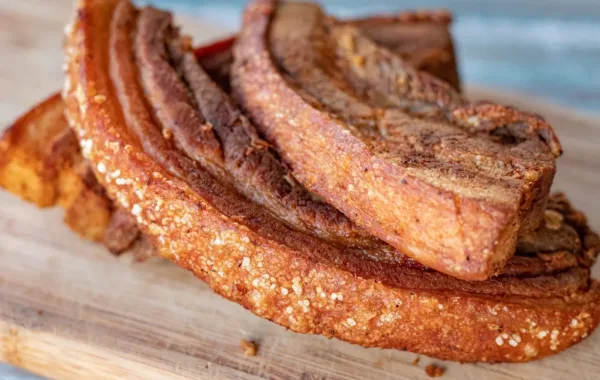
Image Source: Belqui’s Twist
Origin of Chicharron
Chicharron traces its roots to Spain, where its name comes from the word achicharrar or chicharrar, which means to expose something to heat until charred or toasted. This crispy pork delicacy spread to Latin America and the Caribbean, where each region developed its own unique version. The dish emerged as a practical solution to use every part of the pig. Today, chicharron stands as a testament to Spanish cuisine’s influence on Caribbean food culture.
What Makes Chicharron Special
True chicharron’s magic lies in its preparation and distinctive texture. The traditional cooking process starts with boiling large chunks of pork belly that are later crisped in their own rendered fat. This method creates chicharron’s signature texture – a shattering crisp skin covering tender, juicy meat. Each Caribbean region offers its own take on this classic dish. Dominican cooks serve it in long strips, while Colombian chefs prepare meatier portions with diamond-pattern scored skin.
How to Enjoy Chicharron
Caribbean cooks have created numerous ways to serve this versatile dish:
- Dominican Republic: The dish pairs with boiled yuca, onion relish, or fried green plantains
- Mexico: The meat nestles in warm corn tortillas with salsa verde
- Bolivia: Sunday gatherings feature this dish served with tomato salsa
A squeeze of fresh lime adds the perfect acidic balance to chicharron’s rich flavors.
Comparison Table
| Dish | Country/Region of Origin | Main Ingredients | Traditional Preparation Method | Common Accompaniments | Cultural Significance |
|---|---|---|---|---|---|
| Jerk Chicken | Jamaica | Chicken, scotch bonnet peppers, allspice, thyme, garlic, ginger, scallions | Slow-cooked over pimento wood | Jamaican hard dough bread, festival, rice and peas | Maroons (escaped slaves) developed this method to preserve food |
| Mofongo | Puerto Rico | Green plantains, pork cracklings, garlic, olive oil | Fried plantains mashed in wooden pilón with other ingredients | Chicken/beef broth, seafood, meat in sauce | Represents blend of Spanish, African, and Taíno Indian cultures |
| Ackee and Saltfish | Jamaica | Ackee fruit, salted codfish, onions, Scotch bonnet peppers | Sautéed boiled ackee with rehydrated saltfish | Roasted breadfruit, boiled green bananas, fried dumplings | Jamaica’s national dish |
| Oil Down | Grenada | Breadfruit, salted meat, coconut milk, callaloo leaves, dumplings | Layered ingredients slow-cooked in coconut milk | Curried fish | Grenada’s national dish, brings communities together |
| Bake and Shark | Trinidad and Tobago | Shark meat, fried flatbread | Marinated shark fried in breading, served in fried bread | Various sauces, tamarind, garlic sauce, pineapple | Maracas Bay’s signature street food |
| Doubles | Trinidad and Tobago | Curried chickpeas, fried flatbread (bara) | Two flatbreads filled with curried chickpeas | Tamarind chutney, cucumber relish, pepper sauce | Born in 1936, showcases Indo-Trinidadian culture |
| Pepperpot | Guyana | Meat, cassareep, cinnamon, cloves, thyme | Slow-cooked stew with cassareep | Guyanese plait bread, cassava bread | Guyana’s national dish, Christmas breakfast tradition |
| Flying Fish and Cou-Cou | Barbados | Flying fish, cornmeal, okra | Fish marinated and fried/steamed, cornmeal cooked with okra | Tomato-based sauce, pickled cucumber | Barbados’s national dish |
| Lechon | Puerto Rico/Cuba | Whole pig | Spit-roasted over open flames for 6-8 hours | Puerto Rico: Arroz con gandules, morcilla | Essential celebration dish |
| Crab Backs | Dominica | Crabmeat, butter, onions, tomatoes, breadcrumbs | Stuffed crab shells broiled until golden | Toast, champagne | Highlight of Creole celebration weeks |
| Pholourie | Trinidad/Guyana | Split peas flour, spices | Deep-fried spiced dough balls | Tamarind sauce, mango sour, pepper sauce | Tied to Hindu Phagwah festival |
| Callaloo | Trinidad/Jamaica | Taro/amaranth leaves, okra, coconut milk | Slow-cooked with vegetables and seasonings | Rice, macaroni pie, saltfish | West African cuisine’s Caribbean adaptation |
| Brown Stew Chicken | Jamaica | Chicken, browning sauce, scotch bonnet peppers | Chicken browned then slow-simmered | Rice and peas, fried plantains | Classic Sunday family meal |
| Croquetas | Cuba | Béchamel, meat/seafood filling | Thick béchamel filled, breaded, and fried | Mayoketchup, Recaito mayo | Popular Spanish-inspired appetizer |
| Chicharron | Caribbean (Spanish influence) | Pork belly | Boiled then fried in own fat | Lime wedges, yuca, onion relish | Created as smart way to use all parts of pork |
Enjoy Caribbean Cuisine
Caribbean cuisine stands as a mixture of centuries of cultural exchange, adaptation, and state-of-the-art cooking methods. These fifteen iconic dishes show how simple ingredients turn into extraordinary culinary masterpieces that tell the island’s history. Jamaica’s fiery jerk chicken and Barbados’ national pride of flying fish and cou-cou each carry their island’s signature while sharing the common thread of Caribbean culinary heritage.
The remarkable nature of these dishes extends beyond their flavors. Each recipe tells a fascinating story of resilience and creativity. Indigenous peoples created pepperpot as the quickest way to preserve food. African fruit paired with European preserved fish led to ackee and saltfish. Puerto Rican identity shines through mofongo, which perfectly blends Spanish, African and Taíno influences.
These fifteen culinary treasures open the door to Caribbean gastronomic exploration. The archipelago holds countless other regional specialties waiting to be found. Your next Caribbean visit should take you beyond resort menus to authentic local eateries where these dishes reveal their truest form. You can also recreate these island favorites at home, though you might need to source certain authentic ingredients from specialty stores or online sellers.
Caribbean food culture serves as proof of the region’s complex history, where people from different backgrounds united—sometimes through conquest and hardship—to create something uniquely beautiful and delicious. The islands’ abundant natural resources combined with generations of culinary innovation have created an explosion of flavors, textures and cooking techniques.
These dishes mean more than just food. They carry cultural preservation, family traditions and national pride. Caribbean cuisine keeps evolving while honoring its rich heritage, whether served at festive celebrations or daily meals. Note that each time you taste any of these fifteen remarkable dishes, you experience more than just food—you taste the delicious legacy of the beautiful Caribbean islands.
FAQs
Q1. What is the national dish of Jamaica?
Ackee and saltfish is Jamaica’s national dish. It combines ackee fruit with salted codfish, onions, and Scotch bonnet peppers, typically served with sides like roasted breadfruit or fried dumplings.
Q2. How is authentic jerk chicken prepared?
Authentic jerk chicken is marinated with a mixture of scotch bonnet peppers, allspice, thyme, garlic and other spices. It’s then slow-cooked over pimento wood to infuse a distinctive smoky flavor. The result is tender meat with a perfectly charred skin.
Q3. What makes mofongo a unique Puerto Rican dish?
Mofongo is unique for its combination of fried green plantains mashed with crispy pork cracklings, garlic and olive oil. This dense, flavorful dish is traditionally prepared in a wooden mortar and pestle called a pilón, giving it a distinctive texture and taste.
Q4. Why is pepperpot considered special in Guyanese cuisine?
Pepperpot is special in Guyanese cuisine due to its unique ingredient, cassareep – a preservative made from cassava root. This allows the stew to be kept unrefrigerated and reheated for days, with its flavor improving over time. It’s traditionally served as a Christmas breakfast in Guyana.
Q5. How do Caribbean croquetas differ from their European counterparts?
Caribbean croquetas, particularly popular in Cuba, differ from European versions by primarily using a thick béchamel base without cheese. This allows the flavor of the protein filling (often ham or chicken) to shine through. They’re typically smaller and crispier than their European counterparts.













Leave A Comment