
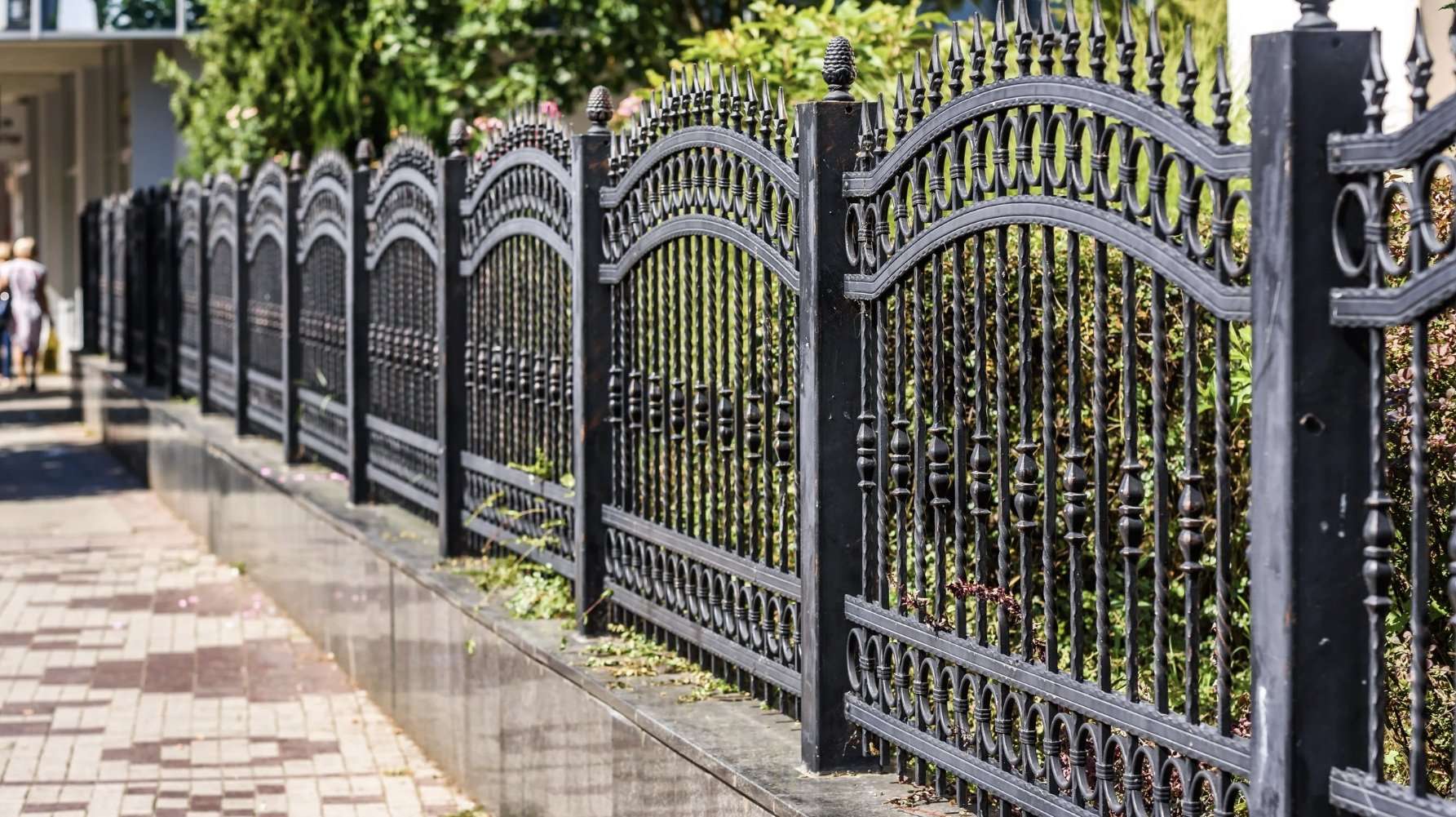
Living in Tennessee means dealing with air so thick you could practically swim through it on a July afternoon. But that muggy atmosphere isn’t just uncomfortable for you it’s absolutely brutal on your iron railings. Picture this: humidity sitting above 70 percent for months on end during spring and summer. Your metal railings are basically soaking in moisture day after day. Rust doesn’t stand a chance *not* to form.
Here’s the silver lining, though. Once you grasp the fundamentals of iron railing maintenance and layer on some battle-tested protection tactics, your railings can look fantastic and stay structurally solid for 30, 40, or even 50 years. Yes, even when Tennessee’s weather throws its worst at them.
Understanding Tennessee’s Climate Impact on Iron Railings
Up north, they just don’t get what we’re dealing with down here. Tennessee’s weather creates this nasty trifecta: crushing humidity, wild temperature swings, and rain that seems to come out of nowhere. Metal experts actually call this combination a “perfect storm” for corrosion. That’s not hyperbole.
Common Problems Faced by Tennessee Homeowners
Walk through Nashville’s neighborhoods and you’ll see gorgeous iron railings everywhere, each one fighting the climate every single day. Middle Tennessee’s location puts us right in the crosshairs of humid continental weather patterns. Hot, sticky summers. Moderate winters. It’s tough conditions for any outdoor metalwork.
If you’re thinking about iron railing installation in Nashville, you’ll want contractors who actually understand these regional nightmares. Local pros know that cookie-cutter maintenance plans won’t cut it here. Tennessee humidity demands specialized approaches.
Red rust is enemy number one. It shows up as those flaky, reddish-brown patches that make your railings look neglected. Black rust? That’s worse, it means corrosion has already eaten deep into the metal itself. Then comes pitting, where small holes and depressions start compromising structural strength while trapping even more moisture. It’s a vicious cycle.
The Science Behind Humidity and Metal Corrosion
There’s a tipping point where moisture in the air shifts from annoying to genuinely destructive for metal. Studies have pinpointed that critical threshold corrosion rates jump dramatically when relative humidity crosses into the 60 to 75 percent range. Tennessee blows past these numbers regularly. During our warmer months, you’re looking at 70 to 85 percent humidity being totally normal.
What happens next is basically chemistry gone wild on your railings. Water molecules from humid air latch onto oxygen, then attack the iron surface to create iron oxide. That’s your rust. And when temperatures bounce around, hot days, cool nights, your metal expands and contracts. This movement cracks whatever protective coating you’ve got, exposing virgin metal to all that moisture waiting to pounce.
Essential Preparation Before Starting Iron Railing Maintenance
You can’t just slap some paint on and call it a day. Proper prep work determines whether your maintenance lasts two years or twenty. Inspection comes first, always.
Inspecting Your Iron Railings for Damage
Get up close with your railings. Really look at those joints and welds, water loves hiding in connection points, and they rust out faster than smooth sections. Don’t just eyeball it, either. Run your hands along the welded spots. Feel for rough patches or flaking that might not be obvious visually. Check everywhere the railing touches concrete or ground. Moisture travels upward from these contact zones like a sponge wicking water.
Surface discoloration? Bubbling paint? Orange-brown streaks? These are red flags telling you problems are brewing before they become serious. Deep pitting, rust that’s penetrated way down, wobbly sections, now you’re potentially looking at safety hazards. It might be time to bring in a professional for assessment.
Gathering the Right Tools and Materials
Caring for iron railings in humidity means having the right arsenal ready. Wire brushes in multiple sizes for scraping rust. Sandpaper ranging from rough to smooth grits. Clean rags for wiping down surfaces. And please, don’t skip safety gear. Get yourself quality safety glasses, heavy-duty work gloves, and a proper dust mask.
Product-wise, invest in rust converters that actually neutralize corrosion chemically. Metal primers are built for direct application. Topcoats are engineered specifically for high-humidity environments. Here’s a pro tip: marine-grade products work amazingly well in Tennessee despite us being landlocked. They’re designed for constant moisture exposure.
Deep Cleaning Techniques for Iron Railings
A clean surface is your foundation. Without removing every bit of rust and grime, your protective coatings won’t stand a chance against Tennessee’s relentless humidity.
Removing Existing Rust and Oxidation
Start with mechanical wire brushes or sandpaper on rusty areas. Work small sections at a time, scrubbing until you hit clean metal with zero orange tint remaining. Stubborn rust that won’t budge? Rust converter is your friend. It chemically changes iron oxide into a stable compound you can safely paint over.
For bigger jobs, power tools save your arms. An angle grinder with a wire wheel attachment makes quick work of large areas. Just watch your pressure; you don’t want to gouge the actual metal underneath. After you’ve cleared visible rust, wipe everything with a damp cloth to grab dust particles. Let it dry completely. I mean bone-dry. Then you’re ready for coatings.
Proper Cleaning Methods for Different Finishes
Painted railings need gentler treatment. Mild soap and water with a soft brush protect the existing coating. Powder-coated surfaces handle scrubbing better but still avoid abrasive pads that scratch. Got ornamental railings with intricate designs? Old toothbrushes become your best friend for reaching tight decorative spaces.
Raw iron without any protective finish? You can be more aggressive here since there’s no coating to preserve. Stronger chemical cleaners work fine on bare metal surfaces.
Professional-Grade Rust Prevention Strategies
This standard galvanized steel fencing can corrode completely in just 5 years in warm, humid, chloride-rich coastal environments. Tennessee’s inland humidity creates similar destruction. You need serious protection strategies, not basic paint.
Modern Coating Systems for Maximum Protection
Epoxy primers create your foundation layer. They bond directly to metal and form a moisture barrier. Apply thin, even coats. Check the manufacturer’s specs for ideal temperature and humidity during application. Most epoxy primers need a full 24 hours to cure properly. Don’t rush it.
Direct-to-metal paints skip the separate primer step, though they typically offer less protection than multi-layer systems. For maximum defense in preventing rust on iron railings, go three layers: epoxy primer first, intermediate coat second, UV-resistant topcoat to finish.
Timing Your Maintenance for Optimal Results
Spring and fall are your sweet spots for protecting iron railings from rust in Tennessee. Target days between 50 and 85 degrees with humidity below 70 percent. Never paint with rain in the 24-hour forecast moisture ruins proper curing.
Summer heat makes coatings dry too fast, potentially trapping air bubbles or preventing good adhesion. Winter cold slows curing dramatically and can freeze your products. Always check the extended weather forecast and plan around stable conditions.
Advanced Preventive Maintenance Techniques
Coatings alone won’t solve everything. Comprehensive protection requires addressing why corrosion starts in the first place.
Moisture Management Strategies
Improve drainage around railing bases so water doesn’t pool there. Slope soil away from posts. Install small gravel beds around ground-mounted sections to help water run off. Cut back plants and bushes at least six inches from railings. Better airflow means less trapped moisture.
Got railings near downspouts or sprinkler systems? Reroute that water flow to minimize direct contact. These environmental tweaks dramatically extend how long your protective coatings last by reducing exposure frequency and duration.
Smart Monitoring and Early Intervention
Keep a maintenance log. Write down inspection dates, what treatments you applied, and problems you found. This record helps spot patterns and predict when attention’s needed next. Set phone reminders for quarterly inspections during high-humidity months and annual deep maintenance sessions.
Always check railings after major storms or prolonged wet spells these events stress coatings the hardest. Catch rust spots immediately, like within days of appearing, and you prevent them from spreading to larger areas requiring extensive repairs.
Cost-Effective Maintenance Strategies
Emergency repairs reveal the true financial impact of iron railing care. Let’s break down how to maximize protection while minimizing what you spend.
DIY vs. Professional Services Breakdown
Most routine maintenance cleaning, light rust removal, and coating application fall within typical DIY abilities and save serious cash versus hiring pros. You’ll spend $50 to $150 on supplies for a standard residential project compared to $500 to $1,500 for professional treatment.
But structural repairs? Welding work? Extensive rust damage? These often justify calling professionals. They’ve got specialized tools and expertise that prevent expensive mistakes and ensure repairs meet safety codes.
ROI of Proper Iron Railing Maintenance
Regular Tennessee iron railing care extends lifespan from maybe 10-15 years if neglected to 30-40 years or longer with proper attention. Replacement costs hit $50 to $150 per linear foot installed. Annual maintenance? Just $100 to $200 in materials and your time.
Property values benefit, too. Well-maintained iron features boost curb appeal and show potential buyers you care about your property overall. Rusty, neglected railings scream deferred maintenance and make buyers wonder what else you’ve ignored.
Common Questions About Iron Railing Protection
How often should I inspect my iron railings in Tennessee’s humid climate?
Monthly visual checks during high-humidity months catch problems early. Quarterly thorough hands-on examinations check joints, welds, and ground contact points carefully. Annual deep maintenance should include complete cleaning and coating renewal for maximum protection.
Can I use automotive products on iron railings?
Absolutely. Many automotive rust treatments work excellently on railings since both fight similar corrosion challenges. Rust converters, metal primers, and clear coats designed for cars often outperform products marketed specifically for architectural metalwork. Just verify products are rated for outdoor exposure.
What’s the best way to stop rust that’s already started?
Remove all visible rust immediately using wire brushes or sandpaper until you reach clean metal. Apply rust converter to chemically neutralize remaining oxidation. Prime and paint the area promptly within 24 hours before fresh rust forms on exposed metal surfaces.
Protecting Your Investment for Years to Come
Iron railing maintenance doesn’t have to overwhelm you once you understand Tennessee’s specific challenges and what actually works. Regular inspections, immediate attention to rust spots, and quality protective coatings form your defense. Remember, humidity above 70 percent accelerates corrosion dramatically, making proactive care essential.
The time and money you put into proper maintenance pays back through extended lifespan, maintained property values, and safety for everyone using your railings. Start with a thorough inspection today. Your railings will reward you for decades to come.











Leave A Comment