

Why Age-Appropriate Games Matter for Toddlers
Toddlers experience the world differently than older children. Their developing brains are wired for exploration, repetition, and sensory experiences. Games designed specifically for this age group aren’t just about entertainment—they support crucial developmental milestones:
Physical Development
Simple games that involve movement help toddlers develop gross motor skills like running, jumping, and balancing. Fine motor activities like picking up small objects or manipulating play materials strengthen the tiny muscles needed for future skills like writing.
Social Skills
While toddlers often engage in parallel play (playing alongside rather than with others), party games introduce concepts like taking turns, sharing, and following simple instructions—all building blocks for future social interactions.
Cognitive Growth
Games involving colors, shapes, counting, or simple problem-solving help develop early cognitive skills. Even simple activities like finding hidden objects build memory and critical thinking abilities.
Emotional Regulation
Appropriate games help toddlers practice managing excitement, disappointment, and patience in a supportive environment. These experiences build emotional resilience that serves them throughout childhood.
When games are too complex, toddlers quickly become frustrated or lose interest. Activities that are too simple won’t engage them. The sweet spot is finding games that offer just the right level of challenge while guaranteeing success and fun.
Simple Physical Games for Toddlers
Physical games are perfect for burning off toddler energy while developing coordination and motor skills. These activities require minimal setup but deliver maximum fun!
1. Dance Freeze

What you’ll need: Music player, fun toddler-friendly songs
How to play: Play upbeat music and encourage toddlers to dance however they like. When you pause the music, everyone must “freeze” in their position. For toddlers, keep the freeze periods brief (3-5 seconds) before starting the music again. The silly poses and giggles make this a party favorite!
Developmental benefits: Improves listening skills, body control, and following instructions while burning energy.
2. Balloon Keep-Up

What you’ll need: Several large, inflated balloons (not helium)
How to play: Give each child a balloon or have several floating around the room. Challenge the toddlers to keep the balloons from touching the ground by tapping them up with their hands, heads, or feet. No rules—just fun!
Developmental benefits: Enhances hand-eye coordination, spatial awareness, and motor planning.
Safety tip: Always supervise toddlers with balloons. Uninflated or popped balloons pose a choking hazard. Consider using balloon alternatives like scarves for children under 3.
3. Animal Parade
What you’ll need: Open space, optional animal masks or pictures
How to play: Call out different animals and have toddlers move around the room mimicking that animal. “Hop like a bunny!” “Stomp like an elephant!” “Slither like a snake!” Make it more engaging by showing pictures of each animal or using simple animal masks.
Developmental benefits: Encourages imagination, builds vocabulary, and develops gross motor skills through varied movements.
Free Toddler Party Game Checklist
Planning a toddler party? Download our free printable checklist with all 15 games, including materials needed and setup instructions. Perfect for keeping organized on party day!
Engaging Sensory Activities for Little Explorers
Toddlers learn through their senses, which is why experienced kids party entertainers often incorporate hands-on, sensory-based activities into their party packages to keep little guests engaged, curious, and happily involved. These games stimulate touch, sight, sound, and sometimes even taste, creating memorable experiences for little ones.
4. Treasure Hunt
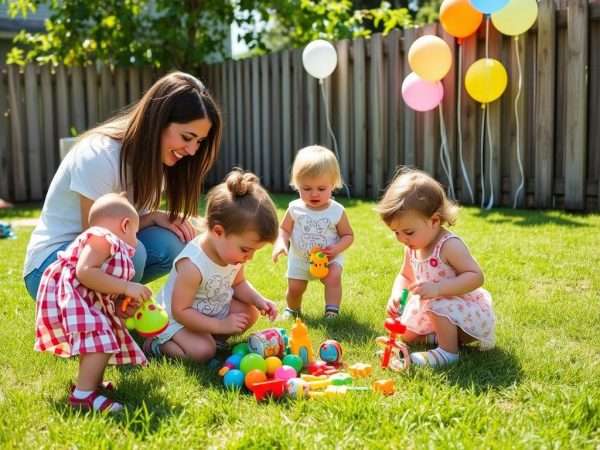
What you’ll need: Small toys or objects, basket for each child
How to play: Hide colorful objects in plain sight around the party area. Give each toddler a small basket and encourage them to find the “treasures.” For very young toddlers (1-2 years), make objects visible and easy to spot. For older toddlers (2-3 years), you can make it slightly more challenging.
Developmental benefits: Builds visual discrimination skills, encourages independent exploration, and develops problem-solving abilities.
5. Sensory Bins
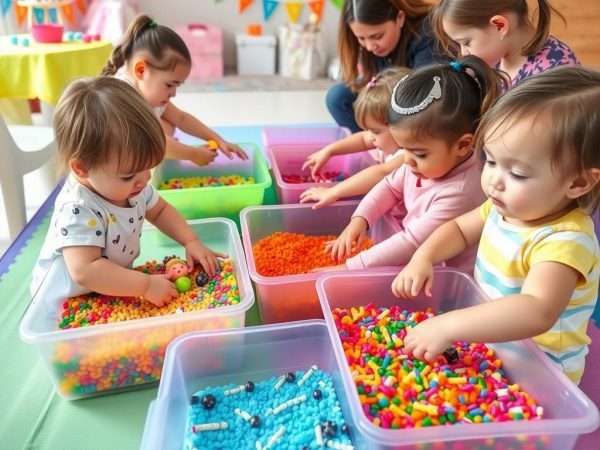
What you’ll need: Large plastic containers, sensory materials (rice, pasta, water beads, etc.), small toys
How to play: Create 2-3 different sensory bins filled with materials safe for toddlers to explore. Hide small toys or objects inside for them to discover. Set bins on a washable mat or tablecloth for easier cleanup.
Developmental benefits: Stimulates tactile development, encourages curiosity, and builds fine motor skills.
Sensory bin ideas: Colored rice, dry pasta, water beads (for 3+ with supervision), kinetic sand, or even just water with cups and spoons.
6. Bubble Pop
What you’ll need: Bubble solution, bubble wands or machine
How to play: Blow bubbles and encourage toddlers to pop them by clapping, stomping, or poking. For extra fun, use a bubble machine to create a continuous stream of bubbles. This simple activity can entertain toddlers for surprisingly long periods!
Developmental benefits: Improves hand-eye coordination, encourages physical activity, and brings pure joy.
Musical Games That Toddlers Love
Music naturally engages toddlers and helps develop rhythm, listening skills, and coordination. These musical games are simple enough for the youngest party guests but entertaining for all ages.
7. Musical Statues
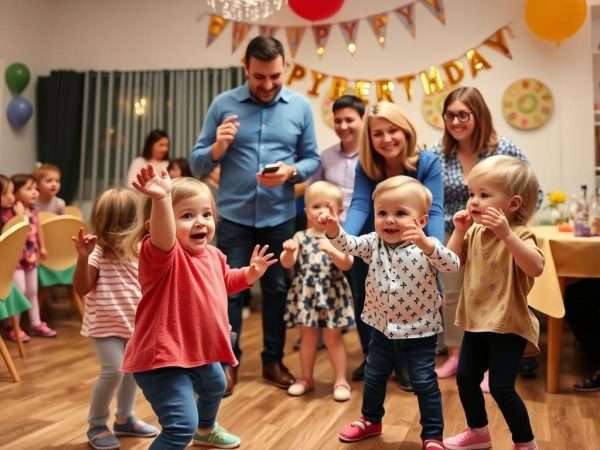
What you’ll need: Music player, toddler-friendly songs
How to play: Similar to Dance Freeze, but with a twist! When the music stops, call out a shape or animal for the children to imitate. “Be a star!” (children stretch out arms and legs) or “Be a turtle!” (children crouch down). This adds an imaginative element to the classic game.
Developmental benefits: Builds listening skills, encourages creativity, and develops body awareness.
8. Parachute Play
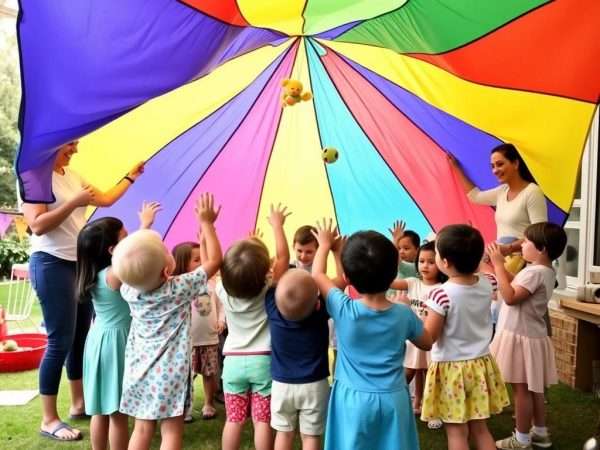
What you’ll need: Play parachute or large bedsheet, soft balls or stuffed toys
How to play: Have adults and children hold the edges of the parachute. Play music and move the parachute up and down in rhythm. Place soft balls or stuffed animals on top and watch them bounce! For toddlers, simple up-and-down movements work best.
Developmental benefits: Promotes cooperation, rhythm, and gross motor skills while creating a visually stimulating experience.
No parachute? A large flat bedsheet works perfectly! Just make sure it’s one you don’t mind getting a little dirty.
9. Musical Ring-Around-the-Rosy
What you’ll need: Just willing participants!
How to play: Hold hands in a circle and sing “Ring around the rosy, pocket full of posies, ashes, ashes, we all fall down!” On “fall down,” everyone gently sits down. Toddlers love the predictable pattern and the excitement of the fall. Repeat as many times as the children are enjoying it.
Developmental benefits: Builds anticipation skills, encourages social interaction through hand-holding, and develops listening abilities.
Need More Toddler Activity Ideas?
Join our parent community for weekly toddler activity suggestions, developmental tips, and exclusive printables delivered straight to your inbox.
Simple Group Activities for Toddler Parties
While toddlers often engage in parallel play rather than true cooperative play, these gentle group activities help introduce social concepts while keeping the fun flowing.
10. Pass the Parcel

What you’ll need: Small prizes wrapped in multiple layers of paper, music
How to play: For toddlers, modify the classic game by placing a small treat or toy between each layer of wrapping. Seat children in a circle and pass the parcel while music plays. When the music stops, the child holding the parcel unwraps one layer and keeps the small prize. Continue until all layers are unwrapped.
Developmental benefits: Introduces turn-taking, builds patience, and creates shared excitement.
Toddler tip: For very young toddlers, help them understand when to pass and when to unwrap. Keep the music segments short to maintain engagement.
11. Follow the Leader
What you’ll need: Open space
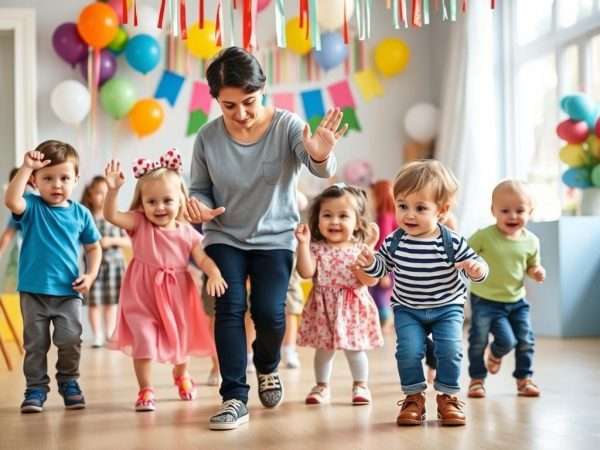
How to play: For toddlers, an adult should be the leader. Make simple movements like clapping hands, touching toes, or making animal sounds, and encourage the little ones to copy you. Keep movements simple and fun, changing frequently to maintain interest.
Developmental benefits: Encourages observation skills, builds imitation abilities (crucial for learning), and develops gross motor coordination.
12. Bean Bag Toss
What you’ll need: Bean bags or soft stuffed toys, buckets or laundry baskets
How to play: Set up buckets or baskets and have toddlers take turns tossing bean bags into them. For younger toddlers, place the containers very close. For older toddlers, you can move them slightly farther away. Celebrate every attempt, regardless of accuracy!
Developmental benefits: Develops hand-eye coordination, builds throwing skills, and introduces concepts of taking turns.
Safety Considerations for Toddler Party Games

Safety should always be the top priority when planning activities for toddlers. Here are essential considerations to keep in mind:
Choking Hazards
Toddlers explore with their mouths, making small objects dangerous. Avoid games with pieces smaller than a toilet paper tube. Be especially careful with:
- Balloons (uninflated or popped)
- Marbles or small balls
- Coins or token game pieces
- Small toys with detachable parts
Supervision Requirements
Never leave toddlers unattended during party games. Maintain these supervision ratios:
- 1-2 years: One adult per 2-3 children
- 2-3 years: One adult per 3-4 children
- Consider recruiting parent helpers or hiring an extra pair of hands
Physical Safety
Prevent bumps and tumbles with these precautions:
- Remove furniture with sharp corners from play areas
- Use soft mats for floor activities
- Ensure running games have clear paths without obstacles
- Check outdoor areas for hazards before play
Allergy Awareness
Be mindful of potential allergens in game materials:
- Ask parents about allergies when sending invitations
- Avoid food-based games if food allergies are present
- Be cautious with sensory materials (some children react to wheat, corn, or certain dyes)
- Have allergy information for all parents readily available
Important: Always have a first aid kit accessible and know basic first aid for choking, which is a particular risk for this age group. Keep emergency contact information for all children readily available.
Adapting Games for Different Group Sizes and Spaces
The beauty of toddler party games is their flexibility. Here’s how to adapt the activities based on your specific circumstances:
Small Groups (2-5 toddlers)
- Focus on quality over quantity—fewer games with more attention
- Allow longer turns for each child
- Consider more individualized activities like craft stations
- Parents can be more involved in guiding each game
Medium Groups (6-10 toddlers)
- Create small teams or pairs for some activities
- Set up multiple stations of the same game to reduce waiting
- Use visual cues (like sitting spots) to help organize the group
- Consider a rotation system for popular activities
Large Groups (10+ toddlers)
- Focus on games where everyone participates simultaneously
- Set up multiple game stations with parent volunteers
- Use a simple visual schedule to rotate groups
- Consider hiring help or recruiting several parent volunteers
Adapting for Different Spaces
Small Indoor Spaces
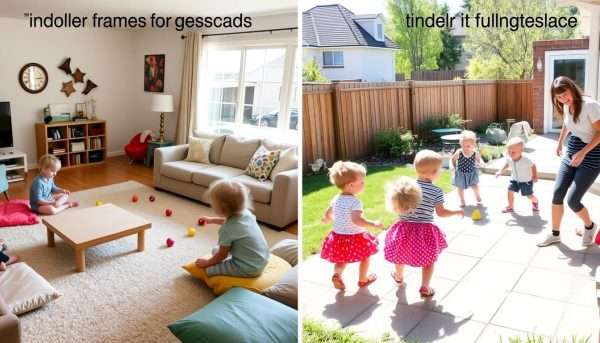
- Focus on stationary games like sensory bins
- Use cushions or hula hoops to define personal spaces
- Modify movement games to use “in place” actions
- Consider a “one in, one out” approach for popular stations
Large Indoor Spaces
- Create defined zones for different activities
- Use furniture or decorations as natural dividers
- Include more movement-based games
- Consider sound levels—large echoing spaces can overwhelm toddlers
Outdoor Spaces
- Take advantage of space for larger movement games
- Have a backup plan for weather changes
- Create shade for hot days
- Define boundaries clearly with cones or blankets
Mixed Age Groups
- Create “big helper” roles for older siblings
- Design games with simple and advanced options
- Consider parallel activities for different ages
- Pair younger toddlers with older children or adults
Printable Toddler Party Game Cards
Get our beautifully designed game instruction cards with materials lists and age recommendations. Print, cut, and keep handy during your party!
Simple, Inexpensive Materials for Toddler Party Games
You don’t need to spend a fortune on specialized equipment for toddler party games. Many engaging activities can be created using everyday items you likely already have at home.
Household Items That Double as Game Materials
Kitchen Items
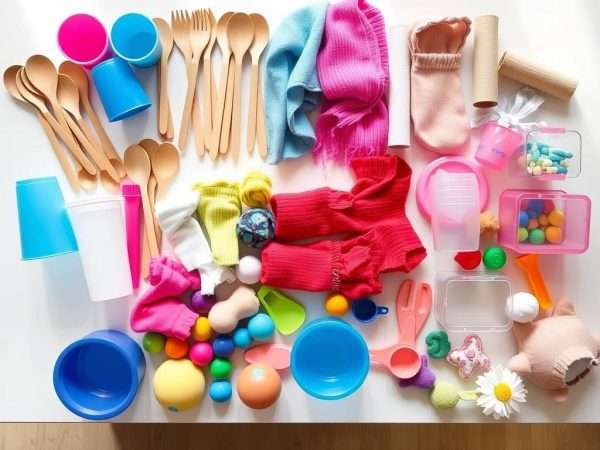
- Plastic measuring cups (for water play)
- Wooden spoons (for musical instruments)
- Plastic containers (for sorting games)
- Muffin tins (for color sorting)
Fabric Items
- Old bedsheets (as parachutes)
- Scarves (for dancing or as blindfolds)
- Socks (filled to make bean bags)
- Pillowcases (for sack races)
Paper Products
- Newspaper (for crumpling games)
- Paper plates (for crafts or targets)
- Toilet paper tubes (for bowling pins)
- Paper bags (for puppet making)
Dollar Store Finds
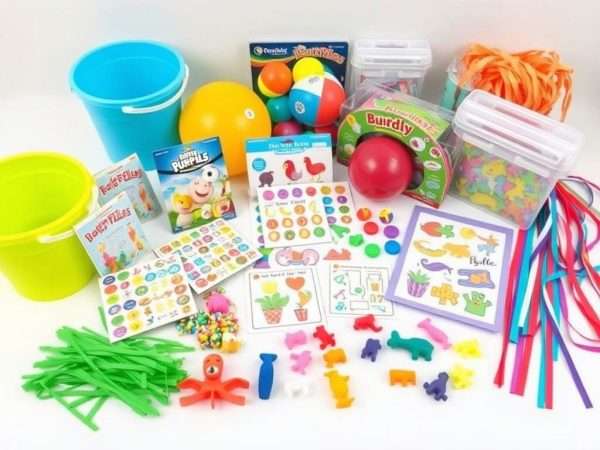
For just $10-15, you can gather enough supplies for multiple games:
- Plastic buckets or baskets (for tossing games)
- Bubble solution and wands
- Beach balls (safer than regular balls for indoor play)
- Plastic animals (for sensory bins or animal games)
- Stickers (for prizes or craft activities)
- Colorful streamers (for dancing or decorating)
- Simple puzzles (for quiet activity stations)
Money-saving tip: Coordinate with other parents who have toddlers to create a shared “party game kit” that you can all borrow for various celebrations throughout the year.
Nature-Based Materials
Free, sensory-rich materials from the outdoors (perfect for nature-themed parties):
- Large leaves (for a “lily pad” jumping game)
- Smooth stones (for sensory play or stacking)
- Pine cones (for counting or sorting activities)
- Sticks (for building or as wands)
- Flowers (for a simple scavenger hunt)
Always check natural materials for safety before giving them to toddlers. Avoid items with sharp edges, toxic plants, or small parts that could break off.
Three More Creative Party Games for Toddlers
Round out your party planning with these additional toddler-friendly activities that require minimal preparation but deliver maximum fun.
13. Fishing Fun
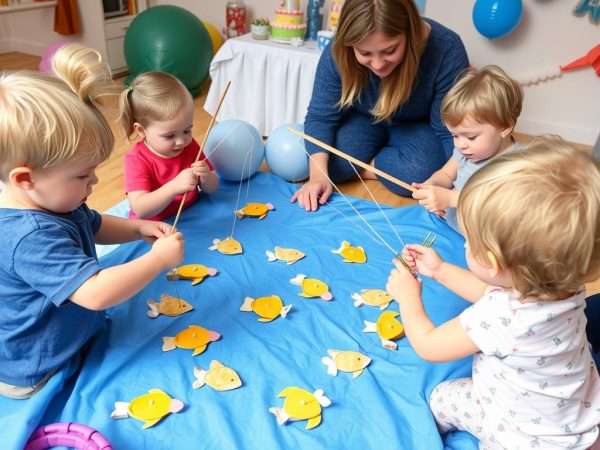
What you’ll need: Blue blanket or sheet, paper fish with paper clips attached, “fishing rods” made from sticks with string and magnets
How to play: Spread the blue blanket on the floor to represent water. Scatter paper fish on top. Give toddlers simple fishing rods made from sticks with string and magnets. They can “fish” by catching the paper clips with their magnets. For younger toddlers, adults can help guide the fishing rods.
Developmental benefits: Builds fine motor control, patience, and hand-eye coordination.
14. Color Matching Race
What you’ll need: Colored paper circles, matching colored objects
How to play: Place colored paper circles on the floor. Give toddlers a basket of objects that match those colors (blocks, balls, toys). Call out a color and have them find an object of that color and place it on the matching circle. Make it collaborative rather than competitive for this age group.
Developmental benefits: Reinforces color recognition, categorization skills, and listening comprehension.
15. Teddy Bear Picnic

What you’ll need: Stuffed animals, play tea set, blanket
How to play: Ask each child to bring their favorite stuffed animal to the party (or provide extras for those who forget). Set up a picnic blanket with a play tea set and pretend food. Let the toddlers serve their teddy bears and engage in imaginative play. You can play the Teddy Bears’ Picnic song in the background.
Developmental benefits: Encourages imaginative play, social interaction, and nurturing behaviors.
Frequently Asked Questions About Toddler Party Games
How long should each game last for toddlers?
For toddlers aged 1-3, plan for activities lasting 5-10 minutes maximum. Their attention spans are short, so it’s better to have more short activities than fewer long ones. Watch for signs of disinterest and be ready to move on to the next game when engagement wanes.
How many games should I plan for a 2-hour toddler party?
For a 2-hour party, plan 4-6 structured games or activities, allowing time for free play, cake, and presents. Have 1-2 backup games ready in case some activities don’t resonate with the group. Remember that transitions between activities also take time with toddlers.
Should toddler party games have winners and losers?
For children under 3, competitive games with winners and losers aren’t developmentally appropriate. Focus instead on collaborative activities where everyone participates and succeeds. If you do have games with outcomes, ensure everyone receives equal recognition or small prizes.
What if some toddlers don’t want to participate in the games?
This is completely normal! Never force participation. Have a quiet corner with books or simple toys for children who need a break. Some toddlers prefer to watch first before joining in. Gentle encouragement is fine, but respect their comfort levels and allow them to observe if they prefer.
How can I keep parents engaged during toddler party games?
Clearly communicate whether you expect parents to stay and participate or if drop-off is an option. For games, assign specific roles to parents who stay, such as helping with a particular station or leading a specific activity. This helps parents feel included while providing necessary supervision for the toddlers.
Complete Toddler Party Planning Kit
Beyond games: Get our comprehensive toddler party planning kit with invitation templates, decoration ideas, age-appropriate menu suggestions, and all our game resources in one convenient download.
Share your kit recommendations in the comments below.
Creating Memorable Toddler Parties with the Right Games

The perfect toddler party isn’t about elaborate decorations or Pinterest-perfect setups—it’s about creating joyful moments that match your little one’s developmental stage. The games and activities in this guide are designed to do exactly that: provide age-appropriate fun that supports growth while creating lasting memories.
Remember these key takeaways as you plan your next toddler celebration:
- Keep it simple – Toddlers find joy in the simplest activities when presented with enthusiasm
- Prepare for flexibility – Be ready to abandon the schedule if something isn’t working or if a particular game is a huge hit
- Focus on process over outcome – The fun is in the doing, not in the end result
- Embrace the chaos – Perfect execution isn’t the goal; connection and joy are what matter
- Include sensory experiences – Toddlers learn through their senses, so incorporate texture, sound, and movement
With these thoughtfully selected games in your party-planning toolkit, you’re well-equipped to create a celebration that honors this special, fleeting stage of childhood. The laughter, discovery, and shared experiences will be what everyone—especially you—remembers long after the decorations come down.
Happy celebrating!
















Leave A Comment