
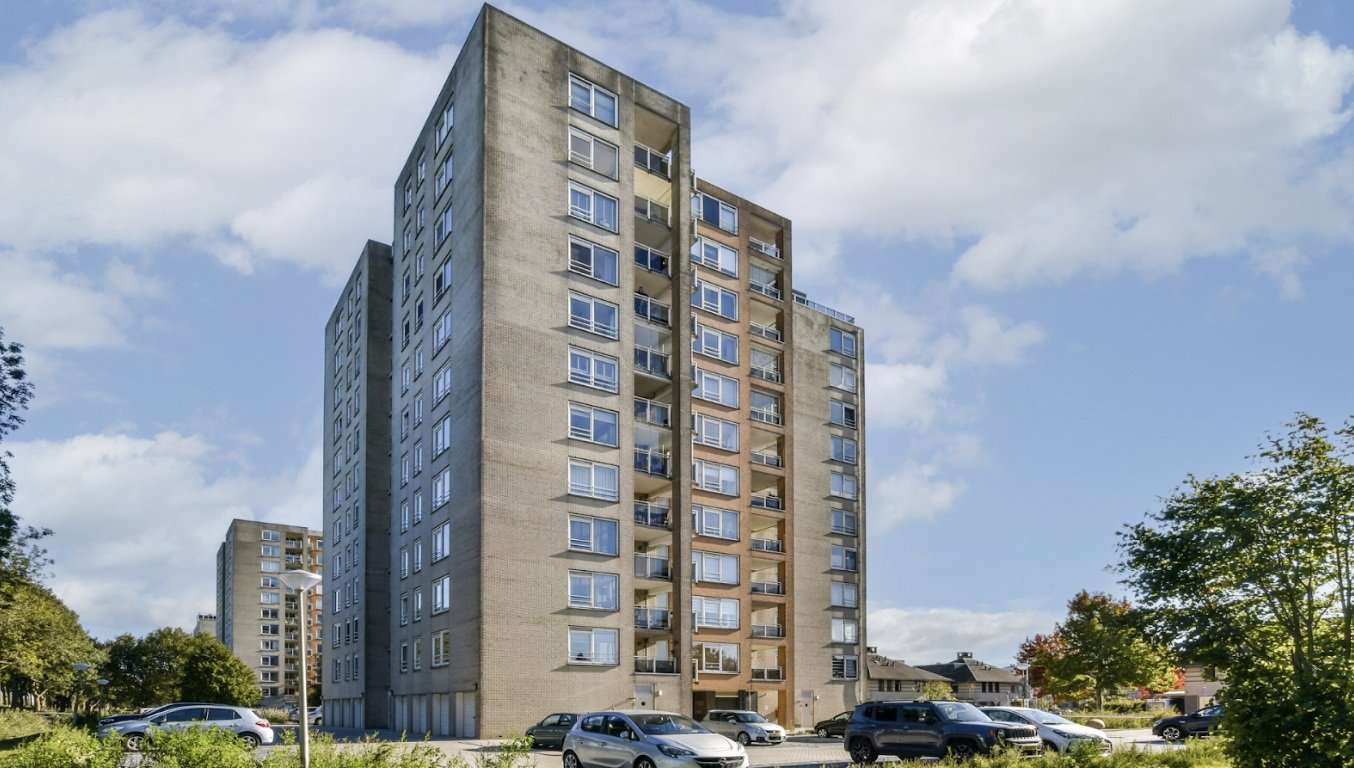
Something fundamental has changed in real estate. Cities that once promised opportunity and excitement now feel exhausting, too loud, too crowded, too much concrete blocking out the sky. Millions of people are walking away from urban centers entirely, searching instead for homes tucked into forests, perched on mountainsides, or opening onto endless horizons. This is a fundamental rethinking of what makes a home valuable, driven by health concerns, work flexibility, and the simple human need for breathing room.
How We Got Here: The Move to Green Spaces
Remember 2020? That year rewired everything about how you think of home. Properties that agents once dismissed as “too far out” are suddenly hot commodities. Nature-rich real estate has flipped from niche to mainstream overnight. Buyers want elbow room. They want home offices where the only background noise is birdsong. They want their kids running through actual yards instead of navigating crowded playgrounds wedged between apartment towers.
Take Teton Valley as a case study. Squeezed between Idaho’s dramatic Teton Range and Wyoming’s iconic Grand Teton National Park, this valley delivers jaw-dropping Rocky Mountain scenery without the pretense. You get skiing that rivals anywhere in North America, plus hiking, fishing, and small-town authenticity that’s increasingly rare. The area’s charm lies in balancing outdoor adventure with genuine community.
Buyers discovering teton valley idaho real estate are finding something remarkable: mountain living without Jackson Hole’s eye-watering price tags. The valley offers exactly what today’s market demands, natural beauty you can actually afford, combined with the space and privacy that’s become essential for families and remote professionals. It’s not a compromise. It’s optimization.
Why This Shift Has Staying Power
Buying homes in nature has shifted from daydream to practical decision. The psychological component runs deeper than convenience. Those lockdown months taught everyone a harsh lesson about the environment and mental health. Natural light matters. Fresh air matters. Being able to step outside without navigating traffic matters enormously. Nobody’s rushing back to windowless living when better alternatives exist.
Who’s Making This Move
Young parents want something different for their children, trails and trees instead of exhaust fumes and cramped playgrounds. Retirees are cashing out of cities to spend their retirement somewhere peaceful. High-earning professionals are trading skyline views for mountain panoramas without thinking twice. The appeal of real estate in natural environments doesn’t discriminate by age bracket or income level. It’s universal.
The Health Case You Can’t Ignore
Living near nature delivers measurable health improvements. This isn’t feel-good speculation, it’s documented in study after study showing how natural environments directly affect your physical and mental well-being.
Mental Health Benefits
Your stress levels plummet when you’re surrounded by greenery instead of concrete canyons. Simply having trees visible from your window reduces anxiety in measurable ways. A morning walk through forest trails clears your head better than any gym session ever could. Depression rates drop significantly among people living near parks or natural areas.
City life bombards your brain constantly. Natural settings provide the mental reset you didn’t know you desperately needed. This isn’t about weekend getaways anymore, it’s your daily reality.
Physical Health Improvements
Air quality isn’t abstract. Cities trap pollution between buildings like atmospheric cesspools. Natural areas offer cleaner air that directly benefits respiratory health, especially for kids and older residents. You’ll notice the difference in how deeply you sleep and how easily you breathe.
When hiking trails sit five minutes from your door instead of an hour’s drive away, you’ll actually use them. Kids play outside instead of staring at screens all day. These small daily choices compound into significant health improvements over time.
Family Dynamics Change
Parents consistently report better family relationships in nature-rich settings. Everyone has space. Kids can safely explore. Families share outdoor experiences that strengthen bonds in ways that surprise first-time buyers. The benefits of living in nature ripple through relationship quality in unexpected ways.
The Financial Logic
Emotional appeal is obvious, but let’s talk numbers. The financial case for nature-rich properties is strong and getting stronger. These investments frequently outperform traditional urban real estate on both appreciation and quality-of-life returns.
Property Values and Appreciation
Nature-rich properties show remarkable resilience when markets tumble. They appreciate steadily because supply is fundamentally limited, nobody’s creating more lakefront or mountain property. Meanwhile, demand keeps climbing as more professionals discover remote work possibilities. This supply-demand imbalance drives values upward consistently.
Properties adjacent to national parks or protected lands have built-in value insurance. With a Bali investment property, development restrictions help ensure your view stays pristine, and that long-term permanence can command premium pricing as the years pass.
Cost of Living Realities
Healthcare expenses typically drop when you’re healthier. Property taxes in rural areas run substantially lower than urban centers. Energy efficiency improves when homes are designed specifically for their environment rather than squeezed into city grids. These savings accumulate significantly across years of ownership.
Climate change is reshaping real estate decisions whether we like it or not. Gallup research shows 61% of Americans worry about climate change, while 45% believe global warming will seriously threaten them in their lifetimes. People increasingly view natural settings as safer long-term bets against environmental uncertainty.
Understanding Your Options
Different natural environments appeal to different priorities. Understanding these categories helps you narrow your search based on what matters most to your lifestyle and budget.
Mountain Living
Alpine settings deliver four-season recreation and views that never get old. Winter sports, summer hiking, year-round beauty, these areas stay consistently desirable. Property values tend to be strong because mountain land is inherently scarce.
Waterfront Properties
Lakes, rivers, and coastal locations offer water recreation and unique ecosystems. These command premium pricing but deliver exceptional lifestyle value. Privacy levels vary dramatically based on property size and location.
That variation is especially important in island markets, where waterfront estates, hillside homes and condos can create very different ownership choices within the same destination. Buyers considering the U.S. Virgin Islands can use St. Thomas Homes for Sale to compare the types of residential properties available across St. Thomas before deciding whether the island matches the setting they want.
Forest Settings
Wooded lots provide natural privacy and wildlife habitat right outside your door. They’re often more affordable than mountain or waterfront options while still delivering the nature connection buyers seek. Forest acreage gives families genuine seclusion.
Making the Move
The shift toward nature-rich properties reflects fundamental changes in how we work, live, and define well-being. These aren’t temporary fads, they’re lasting shifts powered by technology, health awareness, and evolving values. Properties offering genuine connection to natural environments deliver both lifestyle improvements and solid financial returns.
Whether mountains, forests, or waterfront settings call to you, today’s options span every budget and preference. The question isn’t whether to consider real estate in natural environments, it’s which type of natural setting matches your vision for home and life.
Questions You’re Probably Asking
Do these properties cost more than city homes?
Prices vary wildly by location, but many nature-rich areas actually cost less per square foot than urban centers. You’re paying for land and lifestyle rather than proximity to business districts. The value equation frequently favors rural properties.
What about internet and cell service?
Most nature-rich markets now have reliable high-speed options through fiber, cable, or satellite. Cell coverage has expanded dramatically. Always verify connectivity before committing, but it’s rarely a dealbreaker anymore.
Are these properties harder to sell later?
Not necessarily. Nature-rich properties enjoy strong buyer demand currently, though markets move slower than urban areas. Properties near recreation areas or with unique features move quickly. Working with local agents who understand these markets is essential.













Leave A Comment