
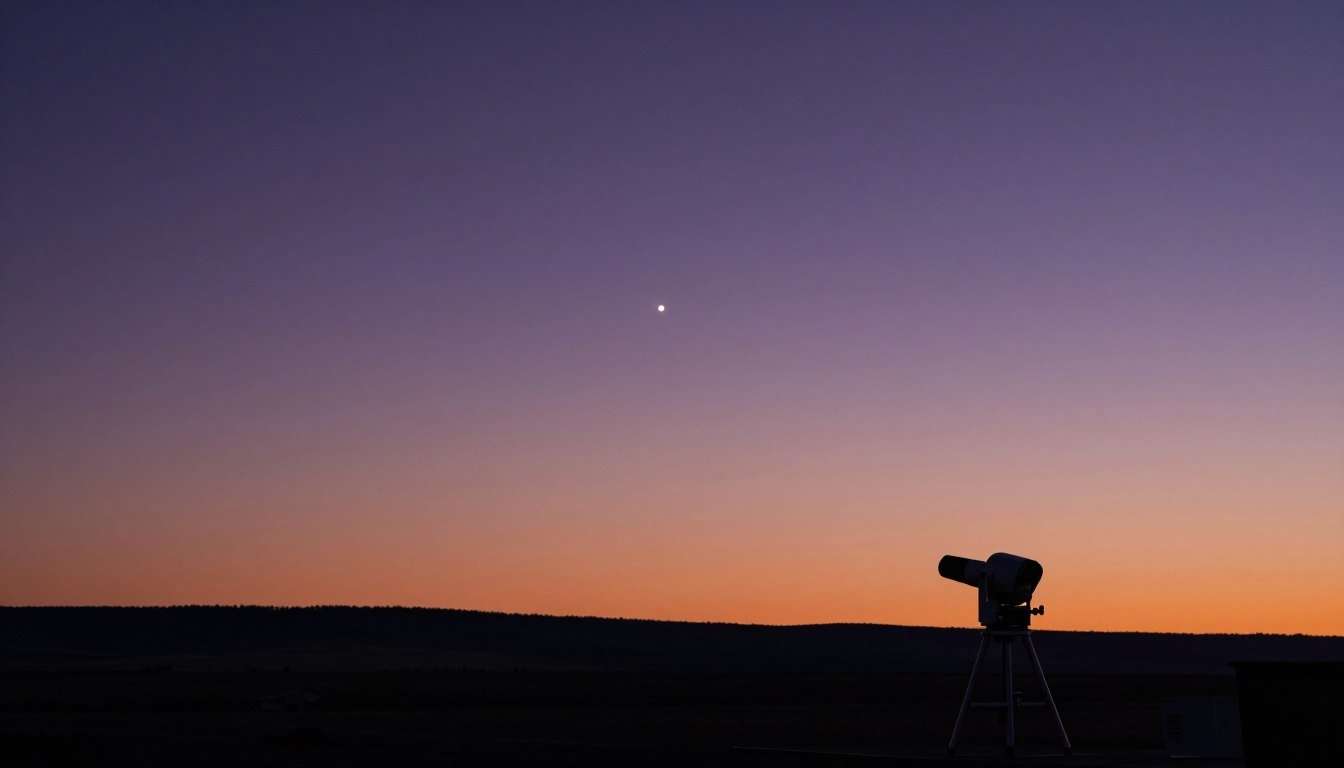
The phenomenon called Mercury in Retrograde captures attention worldwide several times each year. While many people focus on astrological meanings, fewer understand how to actually observe this planet during these periods. This comprehensive guide reveals exactly where and when you can see Mercury in the sky during retrograde motion.
Mercury retrograde occurs three to four times annually. Each period lasts approximately three weeks. During these times, the planet appears to move backward across the night sky. This optical illusion creates unique viewing opportunities for stargazers and astronomy enthusiasts alike.
Quick Viewing Tip: Mercury is best observed during twilight hours, either just after sunset or before sunrise. The planet stays close to the horizon and requires clear weather conditions for optimal viewing.
Understanding Mercury in Retrograde: The Astronomical Reality

Mercury retrograde represents an optical illusion rather than actual backward motion. The planet continues its normal orbit around the sun. However, Earth’s faster orbit creates the appearance of Mercury moving in reverse against background stars.
This phenomenon happens when Earth passes Mercury in its orbital path. Imagine two cars on a highway. The faster car overtaking the slower one makes the slower vehicle appear to move backward. The same principle applies to planetary motion during retrograde periods.
Astronomical Facts
- Mercury completes one orbit every 88 Earth days
- Retrograde periods last about 20 to 24 days
- The planet remains closest to the sun throughout
- Viewing windows occur during twilight hours only
Common Misconceptions
- Mercury does not actually reverse direction
- The planet stays visible during retrograde
- Retrograde affects observation angles only
- All planets experience retrograde motion periodically
Understanding retrograde motion helps astronomers track planetary positions accurately. Ancient cultures noticed this pattern thousands of years ago. Modern technology allows us to predict these events with precision. Each year brings three or sometimes four retrograde periods for Mercury.
Never Miss a Mercury Viewing Opportunity
Get personalized alerts for Mercury retrograde viewing times in your location. Our free notification service sends you reminders when Mercury is visible, along with optimal viewing conditions for your area.
Best Times and Conditions for Observing Mercury in Retrograde

Timing proves crucial when attempting to observe Mercury during any period. The planet remains notoriously difficult to spot due to its proximity to the sun. During retrograde, viewing opportunities shift based on whether Mercury appears as a morning or evening star.
Morning Viewing Windows
Morning observations require waking before sunrise. Mercury appears low on the eastern horizon approximately 30 to 60 minutes before dawn. The planet shines brightly against the lightening sky during these moments. Morning retrograde periods typically occur when Mercury transitions from evening to morning visibility.
The best morning viewing occurs during autumn months in the Northern Hemisphere. Spring months offer optimal morning views for Southern Hemisphere observers. These seasonal differences result from the ecliptic angle relative to your horizon.
Evening Viewing Windows
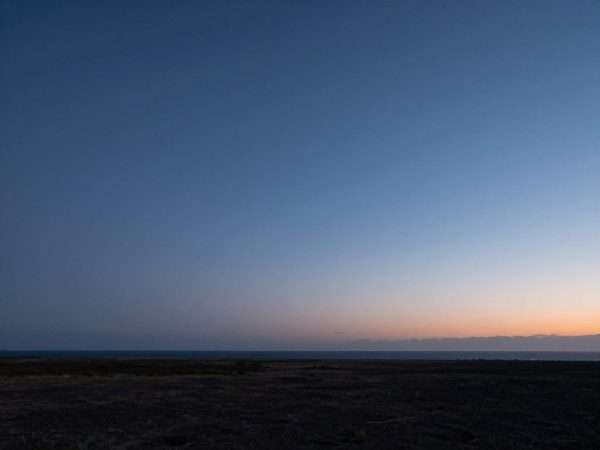
Evening observations happen shortly after sunset. Look toward the western horizon within 30 to 60 minutes of the sun setting. Mercury appears as a bright point of light low in the sky. The planet sets quickly after the sun, creating a limited viewing window each night.
Optimal Weather and Sky Conditions
Clear skies are absolutely essential for Mercury observation. Even thin clouds can obscure this planet from view. Check weather forecasts carefully before planning your observation session. The following conditions provide the best viewing experience:
- Completely clear horizons without obstruction
- Minimal atmospheric haze or fog
- Low humidity levels for crisp visibility
- Stable atmospheric conditions without turbulence
- Absence of light pollution near the horizon
- Dry air masses rather than moisture-laden systems
Temperature affects viewing quality less than humidity and clarity. Cold winter nights often provide excellent visibility due to dry air. However, summer months can also offer good viewing when weather systems remain stable. The key factor involves finding locations with unobstructed horizon views.
How to Locate Mercury in the Night Sky
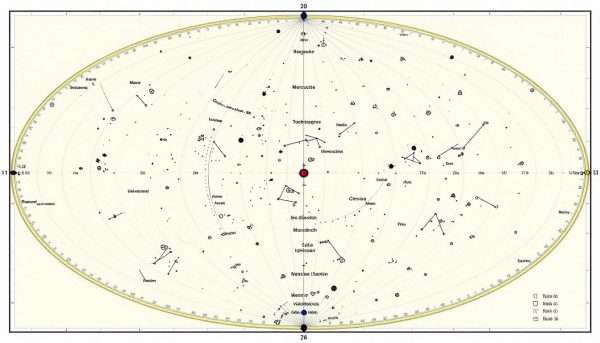
Finding Mercury requires knowing where to look and what reference points to use. The planet follows the ecliptic path across the sky. This path represents the apparent route the sun takes throughout the year. All planets travel along or near this celestial highway.
Using Constellations as Guides
Zodiac constellations mark the ecliptic path perfectly. During retrograde, Mercury moves through specific zodiac regions. The planet typically occupies one or two constellations during each retrograde period. Learning these patterns helps predict Mercury’s location.
Evening retrograde periods often place Mercury in western constellations like Pisces, Aries, or Taurus. Morning retrograde periods show Mercury in eastern constellations such as Virgo, Libra, or Scorpio. The exact constellation depends on the time of year and Earth’s position in its orbit.
Timing and Horizon Position
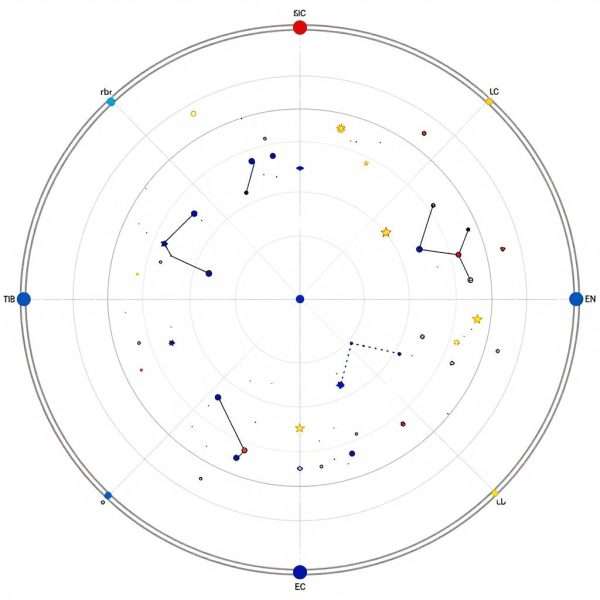
Mercury never strays far from the sun in our sky. The planet reaches maximum elongation of about 28 degrees from the solar disk. This angular distance determines how high Mercury rises above the horizon during twilight hours.
Use the following timing guidelines for observation planning:
Evening Observations
- Start watching 15 minutes after sunset
- Peak visibility occurs 30 to 45 minutes post-sunset
- Mercury sets within 90 minutes of sunset
- Look 5 to 15 degrees above western horizon
Morning Observations
- Begin observations 60 minutes before sunrise
- Best visibility 30 to 45 minutes pre-dawn
- Mercury rises about 90 minutes before sun
- Search 5 to 15 degrees above eastern horizon
Mobile Apps and Digital Tools
Modern technology simplifies Mercury location tremendously. Smartphone apps use GPS and augmented reality to point you directly toward planets. These tools account for your location, time, and current planetary positions automatically.
Recommended Tools: Sky Guide, Star Walk 2, Stellarium Mobile, and SkySafari provide accurate real-time planetary positions. Point your device toward the sky and follow on-screen indicators to find Mercury instantly.
Desktop planetarium software offers even more detailed information. Programs like Stellarium or Cartes du Ciel show precise coordinates, elevation angles, and optimal viewing times. These free resources help plan observation sessions days or weeks in advance.
Best Geographic Locations and Viewing Conditions
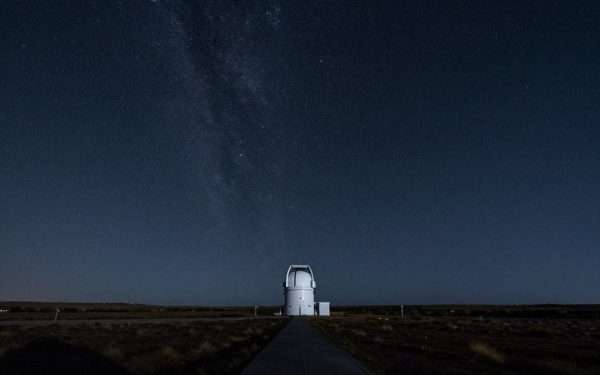
Your geographic location significantly impacts Mercury visibility during retrograde periods. Latitude affects the ecliptic angle relative to your horizon. This angle determines how high Mercury climbs above the horizon during twilight viewing windows.
Latitude Considerations
Mid-latitude locations between 25 and 50 degrees provide balanced viewing opportunities throughout the year. These regions experience favorable ecliptic angles during both morning and evening observation periods. Northern and southern extremes face seasonal challenges.
Tropical Regions
Locations near the equator enjoy steep ecliptic angles year-round. Mercury rises higher above the horizon during twilight periods. These areas offer consistent viewing opportunities regardless of season.
Mid-Latitude Zones
Regions between 25 and 50 degrees latitude experience seasonal variation. Spring and autumn provide the best viewing angles. Winter and summer months present more challenging observation conditions.
Polar Regions
High-latitude areas face significant challenges observing Mercury. The shallow ecliptic angle keeps the planet very low. Extended twilight during summer months compounds visibility problems.
Ideal Observation Sites
Site selection matters as much as timing for successful Mercury observation. The perfect location combines several critical factors. Unobstructed horizons prove absolutely essential since Mercury stays low in the sky.
- Elevated positions like hilltops or mountains
- Coastal areas with clear ocean horizons
- Open plains or desert regions
- Dark sky preserves away from cities
- Locations at least 20 miles from urban centers
- Sites with western or eastern horizon access
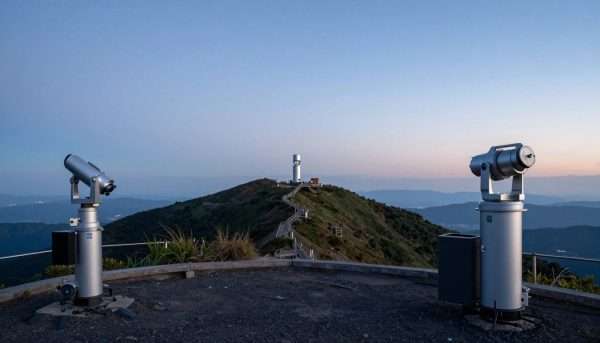
Light pollution significantly reduces Mercury visibility. The planet’s brightness can be overwhelmed by artificial lighting near the horizon. Rural locations far from cities provide vastly superior viewing conditions. Even small towns create enough light pollution to hamper observation efforts.
Seasonal Advantages
Different seasons favor different viewing orientations based on hemisphere. Northern Hemisphere observers find evening Mercury best in spring. Morning observations work better during autumn months. Southern Hemisphere patterns reverse these seasonal preferences.
“The ecliptic angle reaches its steepest during spring evenings and autumn mornings. This geometry lifts Mercury higher above the horizon, making the planet easier to spot during twilight hours.”
Essential Tips for Stargazers and Amateur Astronomers
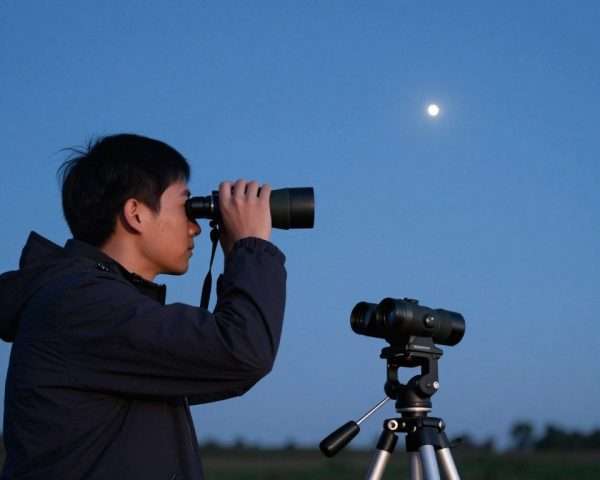
Successful Mercury observation requires preparation and patience. Even experienced astronomers find this planet challenging due to its proximity to the sun and low altitude. Following proven techniques dramatically improves your chances of spotting Mercury during retrograde periods.
Pre-Observation Planning
Start planning your observation session several days in advance. Check planetary position software to determine exact viewing times for your location. Mercury’s visibility window shifts daily as Earth and Mercury move in their orbits. These changes affect optimal observation timing throughout each retrograde period.
- Calculate precise sunset or sunrise times for your location
- Determine Mercury’s azimuth and altitude angles
- Scout observation sites during daytime hours
- Check extended weather forecasts for clear conditions
- Plan backup observation dates for weather contingencies
- Arrive at your observation site 30 minutes early
Observation Techniques
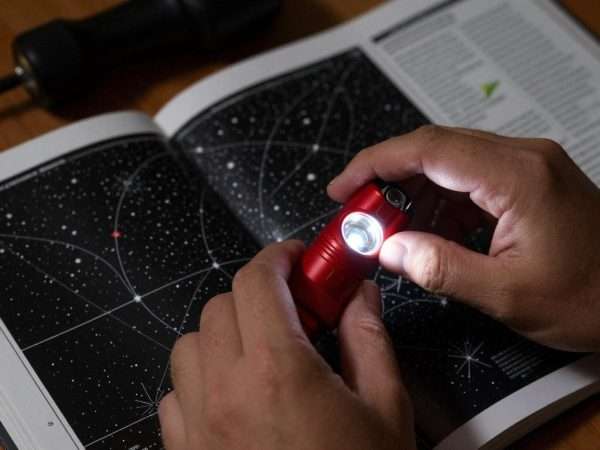
Your eyes need time to adjust to low light conditions. Allow at least 10 to 15 minutes for dark adaptation before beginning serious observation. Avoid looking at bright lights, including phone screens, during this adaptation period. Red flashlights preserve night vision better than white light.
Start scanning the horizon before Mercury becomes theoretically visible. The planet often appears earlier than prediction software suggests when atmospheric conditions are exceptional. Sweep your gaze slowly along the ecliptic path. Mercury appears as a steady, non-twinkling point of light.
Distinguishing Mercury from Stars
Several characteristics help identify Mercury among background stars. The planet shines with steady light rather than twinkling. Stars twinkle due to atmospheric turbulence. Planets remain stable because their apparent disk size is larger than point-source stars.
Mercury Identification Features
- Steady, non-twinkling light
- Creamy white or slightly yellow color
- Brighter than most nearby stars
- Positioned along ecliptic line
- Low altitude near horizon
- Visible only during twilight
- Moves against star background over days
Common Challenges and Solutions
Atmospheric haze near the horizon creates the biggest obstacle for Mercury observation. The planet must shine through more atmosphere when positioned low in the sky. This extra air causes dimming and color distortion. Elevated observation sites reduce atmospheric interference by placing you above some haze layers.
Safety Warning: Never attempt to observe Mercury when the sun remains above the horizon. The planet’s proximity to the sun creates serious eye damage risk. Always wait until the sun completely sets or has not yet risen before beginning observation.
Clouds near the horizon can appear after sunset even when overhead skies remain clear. These low-lying clouds form from temperature inversions over water or cool ground. Check weather radar and satellite imagery for low cloud formations before traveling to observation sites. Coastal locations often develop marine layers that block horizon views.
Common Misconceptions About Viewing Mercury in Retrograde
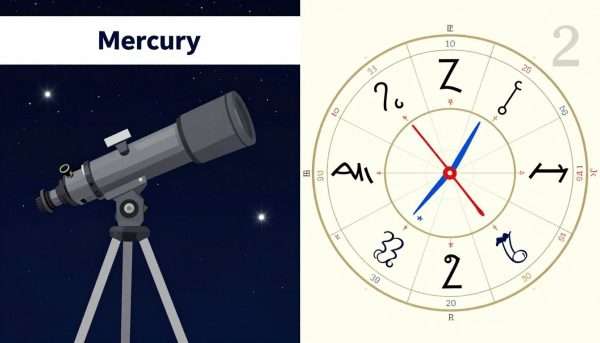
Confusion surrounds Mercury retrograde due to mixed astronomical and astrological information. Separating fact from fiction helps set realistic expectations for observation attempts. Many people believe myths that have no scientific basis.
Retrograde Visibility Myths
Some sources claim Mercury becomes invisible during retrograde motion. This misconception likely stems from the transition period when Mercury moves from evening to morning sky. During these few days, the planet passes too close to the sun for safe observation. However, Mercury remains visible before and after this transition.
Scientific Facts
- Mercury continues normal orbit during retrograde
- The planet remains visible throughout most retrograde periods
- Retrograde motion is an optical illusion from Earth’s perspective
- Viewing opportunities occur during twilight hours only
- Atmospheric conditions affect visibility more than retrograde status
Common Myths
- Mercury disappears completely during retrograde
- The planet actually reverses its orbital direction
- Retrograde makes Mercury easier to see
- Special equipment is required for observation
- Mercury looks different during retrograde periods
Astrological vs. Astronomical Retrograde
Astrology and astronomy define retrograde differently. Astronomical retrograde refers specifically to apparent backward motion against background stars. This phenomenon occurs predictably based on orbital mechanics. Astrological retrograde involves interpretative meanings assigned to this period.
From an observation standpoint, retrograde status does not change Mercury’s appearance or visibility. The planet looks identical whether moving direct or retrograde through the sky. Only its direction of motion relative to stars changes over time. This motion becomes apparent when tracking Mercury’s position over several nights.

Technology and Equipment Myths
Many beginners assume expensive equipment is required to observe Mercury. In reality, your naked eyes provide sufficient tools for spotting this planet. Mercury shines brightly enough to see without optical aids under good conditions. However, binoculars or small telescopes enhance the viewing experience significantly.
Another common belief suggests retrograde periods offer superior viewing opportunities. No evidence supports this claim. Mercury’s visibility depends entirely on its elongation from the sun and your geographic location. Retrograde status neither improves nor degrades viewing conditions. The planet may be well-placed during some retrograde periods and poorly placed during others.
Equipment Recommendations for Mercury Observation
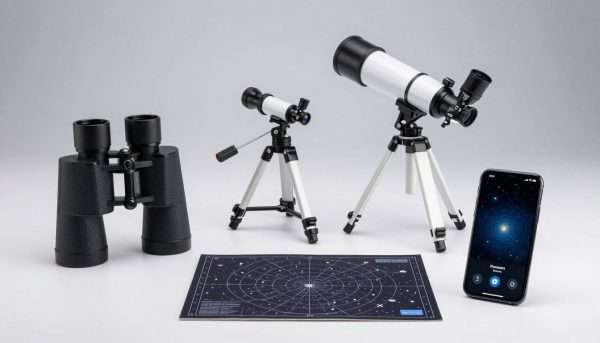
Mercury observation requires minimal specialized equipment. Your unaided eyes work perfectly for initial spotting. However, optical instruments reveal details impossible to see otherwise. The right equipment enhances your experience without requiring major financial investment.
Naked Eye Observation
Begin your Mercury observations without any equipment. This approach helps you learn the planet’s typical appearance and position. Once you consistently find Mercury with naked eyes, optical aids become more useful. Many experienced observers prefer naked-eye viewing for the pure connection with the night sky.
Binoculars for Enhanced Viewing
Binoculars represent the ideal first optical instrument for Mercury observation. These tools provide several advantages over naked-eye viewing while remaining affordable and portable. A quality pair of binoculars costs significantly less than even entry-level telescopes.
Entry-Level Binoculars
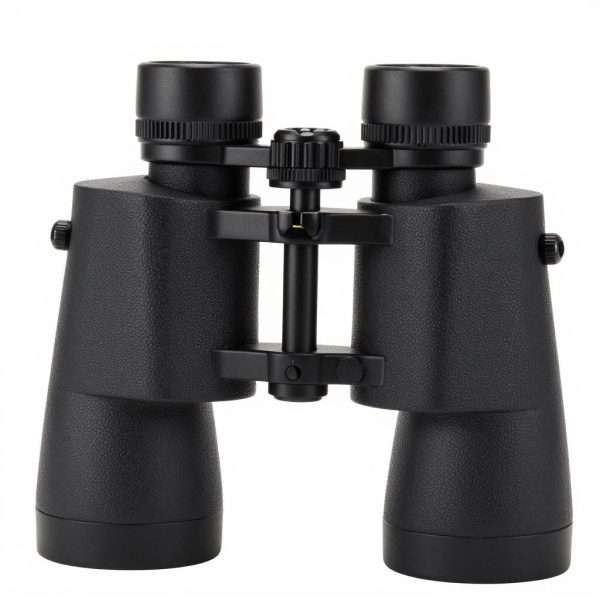
Magnification: 7×50 or 10×50
Aperture: 50mm
Field of View: Wide angle preferred
Weight: Lightweight for handheld use
Price Range: $100 to $300
Best For: Beginners and casual observers
Intermediate Binoculars
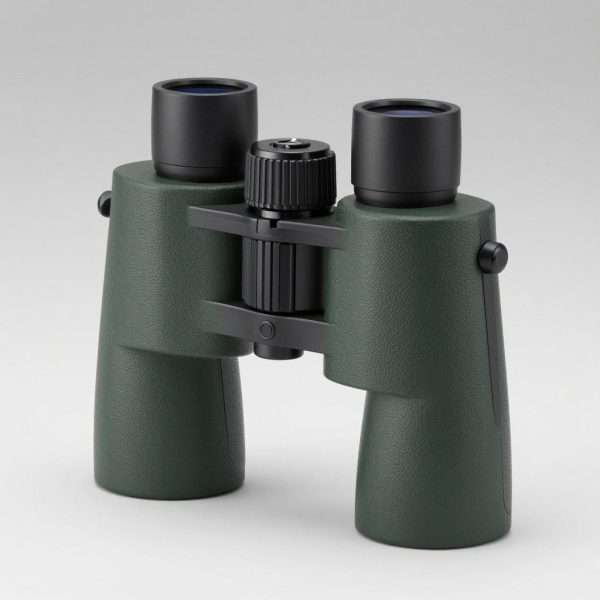
Magnification: 12×50 to 15×70
Aperture: 50mm to 70mm
Features: Image stabilization helpful
Mounting: Tripod adapter included
Price Range: $300 to $800
Best For: Serious amateur astronomers
Giant Astronomy Binoculars
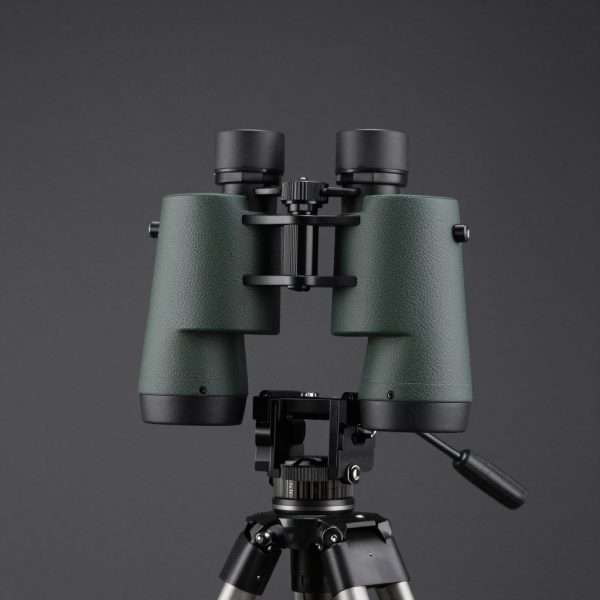
Magnification: 20×80 to 25×100
Aperture: 80mm to 100mm
Mounting: Requires stable tripod
Features: Premium optical quality
Price Range: $800 to $2000+
Best For: Dedicated observers with experience
Binoculars magnify Mercury enough to reveal its changing phase during retrograde periods. The planet shows crescents, half-phases, and gibbous shapes similar to the moon. These phase changes occur because we observe Mercury from different angles as both planets orbit the sun.
Telescopes for Detailed Observation
Small telescopes reveal even more Mercury detail than binoculars. Magnifications between 50x and 150x work best for planetary observation. Higher magnifications require excellent atmospheric conditions called “good seeing.” Atmospheric turbulence blurs details at high magnification even with perfect equipment.
Beginner Telescope Recommendation: A 70mm to 90mm refractor or 4-inch to 6-inch reflector provides excellent Mercury views. These instruments show the planet’s disk clearly and reveal phase changes easily. Expect to invest $200 to $600 for quality beginner telescopes.
Essential Accessories
Supporting equipment improves observation success regardless of optical instruments used. These accessories enhance comfort and viewing quality during observation sessions. Most items cost little but provide significant benefits.
- Sturdy tripod for binoculars or telescopes
- Red LED flashlight for chart reading
- Reclining lawn chair for comfortable viewing
- Printed or digital star charts
- Smartphone astronomy apps
- Notebook for recording observations
- Warm clothing for evening sessions
Complete Mercury Observation Kit Guide
Download our comprehensive equipment guide with detailed recommendations, comparison charts, and setup instructions. Learn which tools work best for your budget and experience level. Includes printable observation log sheets and Mercury tracking charts.
Smartphone Photography
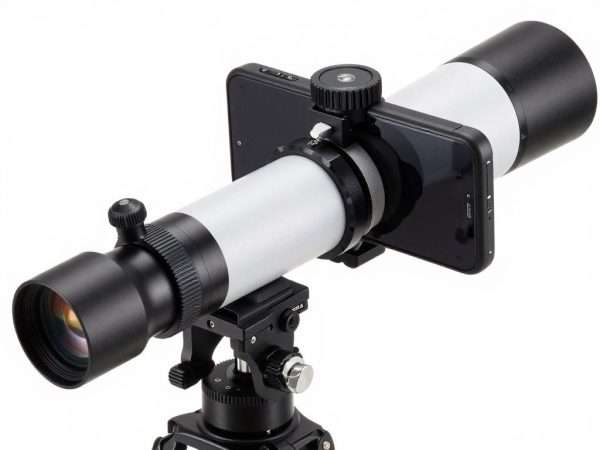
Modern smartphones can photograph Mercury through telescope eyepieces. This technique called digiscoping requires steady hands or specialized adapters. Mercury appears small even through telescopes, making photography challenging. However, capturing even simple photos provides satisfying documentation of your observations.
Start Your Mercury Observation Journey Today
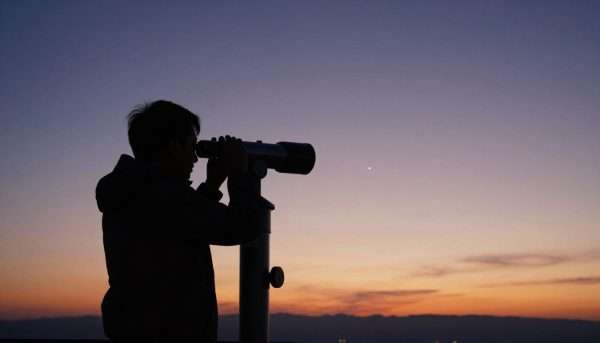
Observing Mercury during retrograde periods connects you directly with celestial mechanics. This challenging planet rewards patient observers with memorable views. Each successful sighting builds your astronomical skills and deepens appreciation for our solar system.
Remember that Mercury observation requires persistence. Weather conditions and atmospheric clarity significantly impact success rates. Plan multiple observation attempts during each retrograde period. Even experienced astronomers sometimes miss Mercury due to unfavorable conditions beyond their control.
The retrograde period itself does not affect viewing difficulty. Mercury’s apparent backward motion creates fascinating tracking opportunities over several weeks. Record the planet’s position each night to witness retrograde motion firsthand. This hands-on observation demonstrates orbital mechanics better than any textbook explanation.
Start with naked-eye observations to build foundational skills. Progress to binoculars once you consistently locate Mercury without assistance. Telescopes reveal fascinating details but are not necessary for satisfying observation experiences. The moment you first spot Mercury shining in twilight becomes a memorable achievement regardless of equipment used.
Quick Start Checklist
- Check current Mercury retrograde dates and times
- Install astronomy app on your smartphone
- Scout observation locations with clear horizons
- Monitor weather forecasts for clear evenings
- Plan observation sessions 30 to 45 minutes after sunset
- Allow eyes to dark-adapt before searching
Success Factors
- Clear skies with minimal haze
- Unobstructed horizon views
- Locations far from light pollution
- Patient, persistent observation efforts
- Accurate timing based on your location
- Realistic expectations for first attempts
Join the global community of amateur astronomers who track Mercury through its fascinating retrograde dance. Share your observations and learn from experienced observers. Online forums and local astronomy clubs provide invaluable support for beginning stargazers. Your Mercury observation journey starts with a single successful sighting.
Join Our Mercury Observers Community
Connect with thousands of amateur astronomers tracking Mercury worldwide. Get personalized observation tips, share your sightings, and access exclusive viewing guides. Our newsletter delivers retrograde schedules, optimal viewing alerts, and practical astronomy advice directly to your inbox.
The night sky awaits your exploration. Mercury shines as a bright beacon connecting Earth observers with our closest planetary neighbor. Each retrograde period brings fresh opportunities to witness this celestial phenomenon. Your successful observation adds you to centuries of sky watchers who have marveled at Mercury’s mysterious apparent motion through the stars.















Leave A Comment