

The spring equinox marks a magical moment when Earth reaches perfect balance. Day and night stand equal in length. This astronomical event has inspired humans for thousands of years. Cultures worldwide pause to honor the arrival of spring during this time. The natural world awakens from winter’s slumber.
Ancient civilizations built monuments aligned with this celestial event. Modern communities continue these traditions today. People gather to celebrate renewal, growth, and the promise of warmer days ahead. The spring equinox connects us to nature’s rhythms and our ancestors’ wisdom.
Understanding these celebrations enriches our connection to the seasons. It helps us appreciate diverse cultural traditions. This guide explores how different societies honor the spring equinox and how you can participate in these meaningful rituals.
What Is the Spring Equinox and Its Astronomical Significance
The spring equinox occurs when the sun crosses the celestial equator. This happens around March 20th each year in the Northern Hemisphere. At this precise moment, Earth’s axis tilts neither toward nor away from the sun. The result creates equal hours of daylight and darkness.

This astronomical event marks the official beginning of spring in the Northern Hemisphere. Meanwhile, autumn begins in the Southern Hemisphere. The word equinox comes from Latin words meaning equal night. Scientists can predict this moment with incredible precision.
The spring equinox represents a turning point in Earth’s yearly journey around the sun. Days grow longer after this date. Temperatures begin rising in most regions. Plants respond to increased sunlight by emerging from dormancy. Animals become more active as food sources return.
Key Astronomical Facts
- Occurs twice yearly (spring and autumn)
- Happens at the same moment worldwide
- Date varies slightly each year
- Marks beginning of astronomical spring
- Sun rises exactly due east and sets due west
Natural World Changes
The spring equinox triggers remarkable changes in nature. Plants detect increasing daylight hours. Birds begin migration patterns northward. Trees start budding as soil temperatures warm. This moment signals the perfect time for planting seeds in many climates.
Energy flows differently during this time. The balance point between winter and summer creates unique conditions. Farmers traditionally used this timing to plan their agricultural activities. Modern gardeners still follow these natural rhythms for optimal growth.
Historical and Cultural Significance Across Civilizations
Ancient civilizations understood the spring equinox held profound importance. They observed how this moment affected their survival. Crops depended on proper timing of the seasons. Communities developed elaborate systems to track this astronomical event.
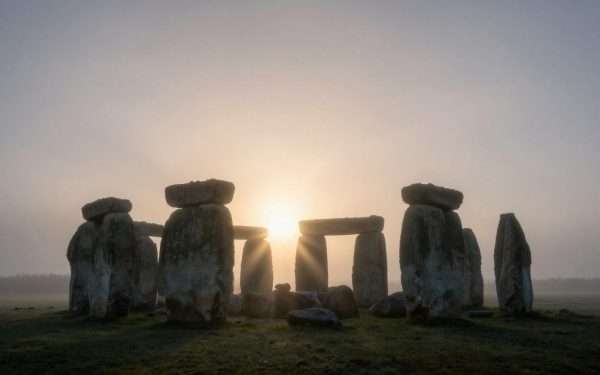
The Maya built pyramids with precise astronomical alignments. At Chichen Itza, the spring equinox creates a serpent shadow on the pyramid steps. Egyptian temples captured equinox sunlight in specific chambers. These architectural marvels demonstrate advanced astronomical knowledge.
Ancient Mesopotamian Traditions
The earliest recorded spring equinox celebrations come from Mesopotamia. The Akitu festival honored the beginning of the agricultural year. This twelve-day celebration included processions, rituals, and renewal ceremonies. Kings reaffirmed their divine authority during this sacred time.
Babylonian astronomers tracked celestial movements with remarkable accuracy. Their observations influenced later civilizations. The concept of the zodiac originated from these equinox observations. Many modern calendar systems trace back to these ancient calculations.
Persian Nowruz Heritage
Nowruz has been celebrated for over 3000 years. This Persian New Year coincides exactly with the spring equinox. Families prepare for weeks before the celebration. They clean their homes thoroughly, symbolizing spiritual renewal.
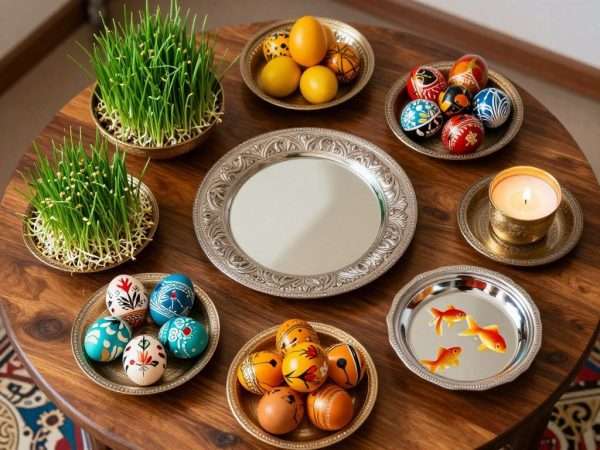
The Haft-Seen table displays seven items starting with the letter S. Each symbol represents different blessings for the new year. Families gather around this table at the exact moment of the equinox. The celebration continues for thirteen days.
European Pagan Customs
Celtic traditions honored the spring equinox as Ostara. Druids celebrated the balance between light and darkness. Germanic tribes associated this time with the goddess Eostre. Her symbols included eggs and rabbits, representing fertility and new life.
These pagan customs merged with Christian traditions over centuries. Many Easter traditions originated from these ancient spring celebrations. The timing of Easter still depends on the spring equinox and lunar cycles.
Traditional Spring Equinox Celebrations Around the World
Every culture developed unique ways to celebrate spring equinox. These traditions reflect local environments, beliefs, and agricultural practices. Modern communities maintain many of these customs. They connect current generations with ancestral wisdom.
Nowruz: Persian New Year Festival
Nowruz remains one of the world’s oldest continuous celebrations. Over 300 million people across Central Asia, the Middle East, and beyond observe this holiday. UNESCO recognized it as Intangible Cultural Heritage of Humanity.
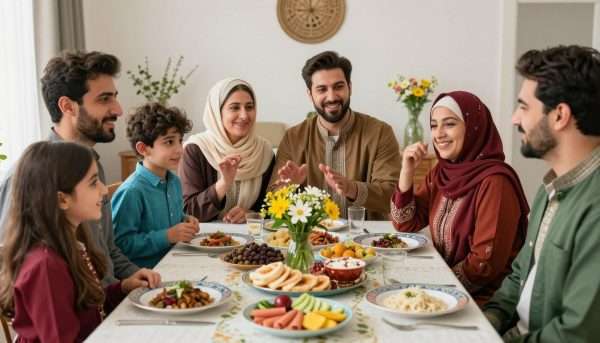
Preparations begin with Khaneh Tekani, or house shaking. Families clean every corner of their homes. They purchase new clothes and settle debts before the new year. On the last Wednesday, people jump over bonfires in the Chaharshanbe Suri festival.
The celebration emphasizes renewal, forgiveness, and new beginnings. Families visit elders to show respect. Children receive gifts and money. Communities share elaborate feasts featuring traditional dishes. The number seven appears repeatedly in Nowruz symbolism.
Holi: India’s Festival of Colors
Holi celebrates the triumph of good over evil. This vibrant festival occurs around the spring equinox in India and Nepal. The celebration lasts two days, beginning with a bonfire ceremony called Holika Dahan.
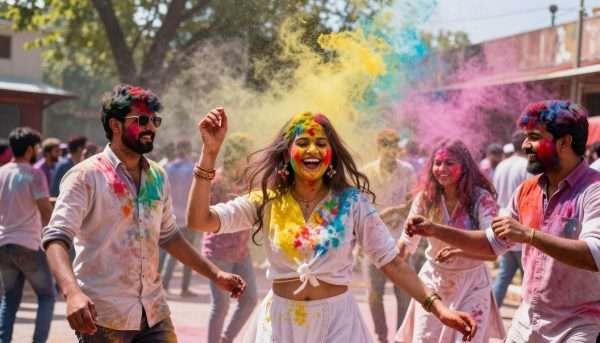
The second day features the famous color throwing ritual. People gather in streets, parks, and homes. They toss colored powder and water on friends and strangers alike. The colors represent the vibrancy of spring and life’s joyful nature.
Traditional music and dance accompany the festivities. Families prepare special foods including gujiya, a sweet dumpling. The festival encourages people to forget past conflicts. Social barriers dissolve temporarily as everyone joins the colorful celebration.
Shunbun no Hi: Japanese Spring Equinox Day
Japan observes a national holiday during the spring equinox. Shunbun no Hi focuses on honoring ancestors and appreciating nature. Families visit graves to clean them and offer flowers. Buddhist temples hold special services during this time.
The celebration emphasizes the Buddhist concept of higan. This word describes the shore of enlightenment. During equinox week, the barrier between our world and the spiritual realm becomes thinner. People reflect on the middle path between extremes.

Botamochi, a sweet rice cake covered in red bean paste, is the traditional food. Families also enjoy ohagi, a similar treat. The cherry blossom season often coincides with this holiday. Hanami, or flower viewing parties, occur throughout Japan.
Ostara: Modern Pagan Wheel of the Year
Contemporary pagans celebrate Ostara as part of the Wheel of Year. This modern tradition draws from ancient European customs. Practitioners honor the balance between light and dark. They welcome the returning warmth and growing season.
Rituals often include decorating eggs as symbols of potential and new life. Planting seeds represents future growth and intentions. Many create altars with spring flowers, particularly daffodils and tulips. Colors emphasize pastels, greens, and yellows.
Communities gather for group ceremonies or celebrate privately. The focus remains on balance, renewal, and connection to natural cycles. Meditation and reflection help practitioners align with spring energy. Many set intentions for personal growth during this season.
Easter and Christian Spring Traditions
Easter’s timing connects directly to the spring equinox. Church councils established that Easter falls on the first Sunday after the first full moon following the equinox. This calculation links Christian celebration to ancient astronomical observations.
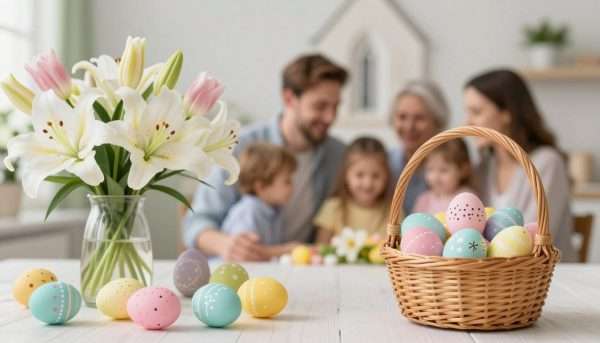
Many Easter customs originated from pre-Christian spring celebrations. Egg decoration, rabbit symbols, and spring flowers all have pagan roots. The resurrection story aligns perfectly with spring themes of renewal and rebirth. New life emerges from apparent death.
Different cultures developed unique Easter traditions. Orthodox Christians celebrate with elaborate church services and special breads. Western traditions include egg hunts and chocolate rabbits. All emphasize hope, renewal, and the victory of light over darkness.
Get Your Free Spring Celebration Guide
Download our comprehensive printable guide featuring celebration ideas, ritual instructions, and seasonal recipes from cultures worldwide. Join thousands of readers honoring nature’s rhythms throughout the year.
Modern Ways to Celebrate Spring Equinox
Contemporary celebrations blend ancient wisdom with modern lifestyles. People adapt traditional practices to fit current circumstances. Urban dwellers find creative ways to connect with seasonal changes. The core themes of balance and renewal remain constant.
Personal Rituals and Mindfulness Practices
Many people create personal spring equinox rituals. These practices foster connection with natural cycles. Meditation during sunrise on the equinox feels particularly powerful. The balanced energy supports reflection and intention setting.
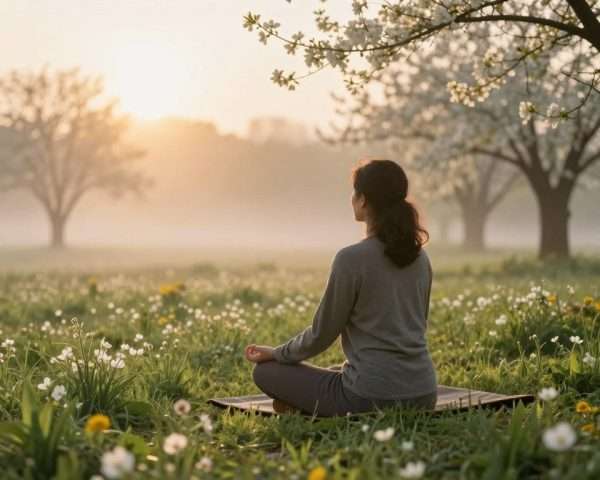
Journaling helps process winter experiences and plan for the growing season. People write down what they want to release from the past months. They also record intentions for the coming season. Some burn these papers ceremonially to symbolize transformation.
Creating balance in daily life mirrors the equinox energy. People evaluate their work-life balance during this time. They adjust schedules to allow more outdoor time. Physical activities like yoga emphasize balance poses during equinox week.
Community Gatherings and Events
Cities worldwide host spring equinox festivals. These events bring communities together to celebrate the season. Farmers markets expand their offerings as local produce returns. Botanical gardens organize special equinox tours and workshops.
Music festivals often coincide with the spring equinox. Outdoor concerts celebrate returning warmth. Art installations highlight themes of renewal and balance. Dance performances incorporate seasonal symbolism and natural elements.
Urban Celebrations
- Park cleanup initiatives
- Community garden plantings
- Street festivals with local vendors
- Public art installations
- Outdoor yoga classes
- Educational workshops
Home Celebrations
- Spring cleaning rituals
- Planting indoor herb gardens
- Creating seasonal altars
- Hosting equinox dinner parties
- Crafting nature decorations
- Family nature walks
Eco-Conscious Equinox Activities
Environmental awareness shapes modern spring celebrations. People use this time to commit to sustainability practices. Planting native species supports local ecosystems. Reducing waste aligns with renewal themes.
Community tree planting events happen worldwide during equinox season. These activities create lasting positive impact. Participants connect with earth while improving their environment. The planted trees symbolize growth and future generations.
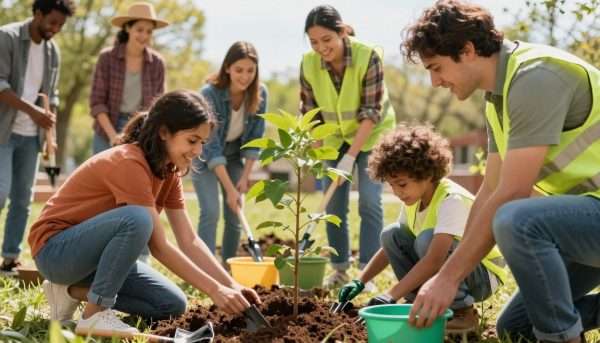
Beach and park cleanups combine celebration with environmental action. Groups gather to remove winter debris. They prepare natural spaces for spring visitors. This practice honors earth while serving the community.
Common Symbols, Foods, and Activities of Spring Equinox
Certain symbols appear across diverse spring equinox traditions. These universal elements reflect shared human experiences of seasonal change. Understanding these symbols deepens celebration meaning. They connect us to ancient wisdom and natural patterns.
Universal Spring Symbols
Eggs represent the most widespread spring equinox symbol. Their shape suggests perfect balance and potential for new life. Ancient peoples saw eggs as containing the universe in miniature. Decorating eggs appears in traditions from Asia to Europe.

Flowers symbolize beauty emerging from cold earth. Daffodils, tulips, and crocuses push through frozen ground. Their appearance confirms winter’s end. Different cultures assign meaning to specific blooms. Cherry blossoms represent impermanence in Japanese tradition.
Seeds embody potential and future abundance. Planting seeds during the equinox connects to agricultural traditions. The act represents faith in growth and cycles. Many people plant both literal and metaphorical seeds during this time.
Natural Symbols
- Blooming flowers
- Bird nests and eggs
- Sprouting seeds
- Butterflies emerging
- Running water
Color Symbolism
- Green for growth
- Yellow for sun energy
- Pink for new beginnings
- White for purity
- Pastels for gentleness
Animal Symbols
- Rabbits for fertility
- Lambs for innocence
- Birds for freedom
- Bees for productivity
- Butterflies for transformation
Traditional Spring Equinox Foods
Seasonal foods play central roles in spring celebrations. Fresh greens appear after months of stored winter produce. Eggs feature prominently in many traditions. These foods nourish bodies while symbolizing renewal.
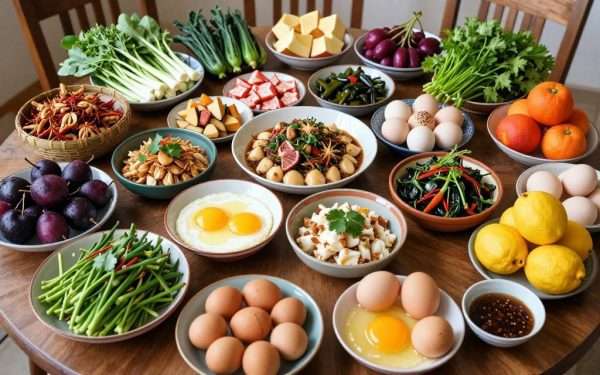
Leafy greens provide essential nutrients after winter. Dandelion, nettle, and wild greens have been consumed for millennia. These plants detoxify bodies and restore vitality. Modern celebrations often include fresh salads and green smoothies.
Dairy products represent abundance as animals produce more milk in spring. Butter, cheese, and cream appear in traditional recipes. Persian celebrations feature special herb and cheese platters. Hot cross buns combine dairy with seasonal spices.
Traditional Dishes by Culture
- Persian: Sabzi polo (herb rice) with fish
- Indian: Gujiya (sweet dumplings) and thandai
- Japanese: Botamochi (sweet rice cakes)
- European: Hot cross buns and egg dishes
- Greek: Lamb dishes with spring vegetables
- Chinese: Qingtuan (green rice balls)
Modern Spring Recipes
Contemporary cooks adapt traditional recipes for current tastes. Vegan versions replace animal products with plant alternatives. Local and seasonal ingredients take priority. The focus remains on fresh, light foods that celebrate renewal.
Spring soups featuring peas, asparagus, and herbs honor the season. Salads incorporate early greens and edible flowers. Baked goods use honey and natural sweeteners. These dishes nourish while connecting eaters to seasonal rhythms.
Meaningful Equinox Activities
Specific activities enhance spring equinox celebrations. These practices engage mind, body, and spirit. They create memorable experiences that deepen seasonal awareness. Both solitary and group activities hold value.
Sunrise watching on the equinox offers powerful symbolism. The sun rises exactly due east this day. Witnessing this moment connects observers to astronomical reality. Many people meditate or perform rituals during sunrise.

Balance exercises honor the day’s equilibrium theme. Try standing on one foot during meditation. Create mandala art with natural materials. Arrange stones to represent balance. These activities embody equinox energy physically.
Cleaning and organizing homes follows ancient spring cleaning traditions. Clearing physical space creates mental clarity. Donate unused items to begin fresh. Open windows to welcome spring air and light into living spaces.
The Spring Equinox Role in Agriculture and Nature
The spring equinox has guided agricultural activities for millennia. Farmers worldwide recognize this moment as crucial for planting. Modern science confirms ancient wisdom about seasonal timing. Understanding these connections enriches our relationship with food systems.
Historical Agricultural Significance
Ancient farmers lacked calendars but tracked the sun’s position carefully. The equinox provided a reliable marker for planting times. Crops planted too early risked frost damage. Those planted too late missed optimal growing conditions.
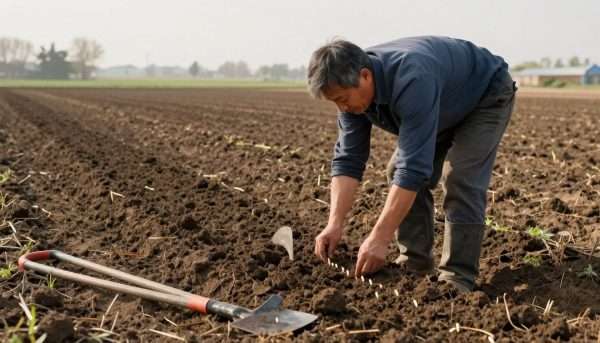
Different regions developed specific planting calendars based on equinox timing. Mediterranean farmers planted grains after the equinox. Northern Europeans waited slightly longer for soil to warm. Asian rice farmers coordinated planting with equinox-related festivals.
The Farmer’s Almanac and similar guides still reference equinox dates. These publications help gardeners time their activities appropriately. Indigenous knowledge systems maintain detailed seasonal calendars. This wisdom proves increasingly valuable as climate patterns shift.
Natural World Transformations
Nature responds dramatically to increasing daylight after the equinox. Plant hormones activate in response to light changes. Trees begin photosynthesis more actively. Underground root systems mobilize stored energy for growth.
Animal behavior shifts significantly during this time. Migratory birds navigate using day length as a trigger. They return to northern breeding grounds around the equinox. Amphibians emerge from winter hibernation. Insects become active as temperatures rise.

Soil microorganisms increase activity as earth warms. This biological awakening makes nutrients available to plants. Earthworms move closer to the surface. Beneficial fungi extend networks through warming soil. These invisible processes support all visible growth.
Modern Gardening and Equinox Timing
Contemporary gardeners use equinox timing for planning. Cool-season crops can be planted shortly after the spring equinox in most zones. These include lettuce, peas, spinach, and radishes. Warm-season plants require additional weeks of soil warming.
Permaculture practitioners particularly value equinox awareness. They observe how natural systems respond to seasonal shifts. This knowledge informs sustainable garden design. Working with natural rhythms reduces resource inputs.
Equinox Planting Guide
Plan your garden using spring equinox as a reference point. Different plants require varying soil temperatures. Check your local frost dates alongside equinox timing. This combination ensures successful planting.
- Immediate planting: peas, lettuce, spinach
- Two weeks post-equinox: carrots, beets
- Four weeks post-equinox: tomatoes, peppers
- Six weeks post-equinox: squash, cucumbers
Nature Observation Activities
Track natural changes around the spring equinox. Keep a nature journal recording daily observations. Photograph the same location weekly to document changes. These practices deepen seasonal awareness.
- Monitor first flower blooms
- Track bird migration arrivals
- Observe tree bud development
- Note temperature patterns
- Document day length changes
Celebrating Spring Equinox with Family and Children
Introducing children to spring equinox celebrations creates lasting memories. These experiences teach valuable lessons about nature, cycles, and cultural traditions. Family activities strengthen bonds while honoring seasonal changes. Simple practices make the biggest impact.
Educational Activities for Children
Help children understand the equinox through hands-on learning. Use a globe and flashlight to demonstrate Earth’s tilt and orbit. This visual explanation makes abstract concepts concrete. Children grasp the science while appreciating the wonder.
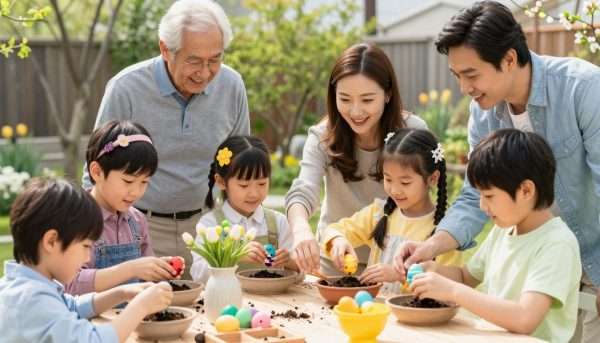
Create balance experiments that embody equinox energy. Try balancing eggs on their ends, a popular equinox myth. While eggs balance any day with patience, the activity sparks conversations about equilibrium. Build balancing structures with blocks or natural materials.
Nature scavenger hunts encourage observation skills. Create lists of spring signs to find: budding trees, returning birds, blooming flowers. Children develop awareness of seasonal changes. They learn to notice subtle shifts in the natural world.
Creative Craft Projects
Egg decorating provides endless creative possibilities. Use natural dyes from vegetables and spices. Onion skins create beautiful golden tones. Beets produce pink shades. Turmeric yields sunny yellows. This activity connects children to traditional practices.
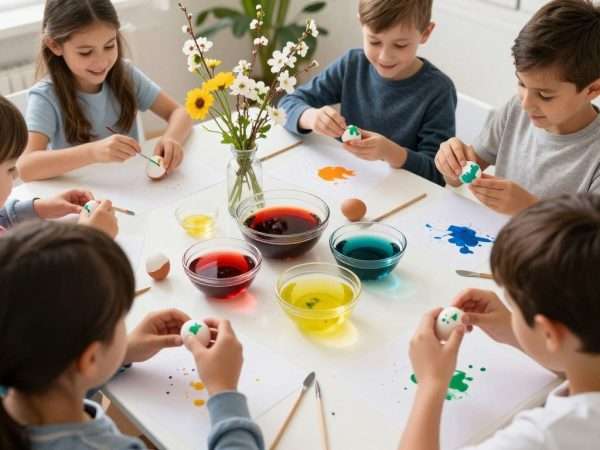
Flower pressing preserves spring beauty for year-round enjoyment. Press early blooms between heavy books. Later create cards, bookmarks, or framed art. Children appreciate lasting reminders of fleeting seasonal moments.
Build fairy gardens or miniature spring landscapes. Use small pots, pebbles, moss, and tiny plants. These projects encourage imagination and care for living things. Children take pride in nurturing their creations.
Outdoor Family Traditions
Establish annual family rituals around the spring equinox. Plant a tree together each year. Measure its growth alongside children’s development. This tradition creates living legacy and environmental benefit.
Organize sunrise or sunset picnics on the equinox. Pack seasonal foods and warm blankets. Share stories about spring from different cultures. Watch the sky change colors together. These moments become cherished family memories.

Take nature walks to observe seasonal changes firsthand. Bring collection bags for interesting finds: feathers, flowers, unique stones. Create nature tables at home displaying these treasures. Rotate items as seasons progress throughout the year.
Spring Equinox for Personal Growth and Spiritual Wellness
The spring equinox offers powerful energy for personal transformation. Many people use this time for intentional growth work. The balance point between seasons supports reflection and forward planning. Spiritual practices harness this natural momentum.
Setting Intentions and Goals
Spring energy naturally supports new beginnings. Use equinox time to set clear intentions for the coming months. Reflect on what you want to cultivate in your life. Consider areas needing more balance or attention.

Write intentions on seed packets before planting. As plants grow, your intentions manifest. This practice creates physical reminders of goals. Tending the garden becomes meditation on personal development.
Create vision boards specifically for spring and summer goals. Include images representing desired outcomes. Display boards where you see them daily. The visual reinforcement supports manifestation and motivation.
Balance and Renewal Rituals
Personal rituals honor the equinox’s balanced energy. Light two candles representing darkness and light. Meditate on areas of imbalance in your life. Consider what needs releasing and what deserves nurturing.
Spring cleaning extends beyond physical spaces. Clear mental and emotional clutter during this time. Release grudges, limiting beliefs, or outdated patterns. Make space for fresh perspectives and experiences.
Morning Equinox Ritual
- Wake before sunrise if possible
- Prepare a warm beverage mindfully
- Find a comfortable outdoor or window spot
- Watch the sunrise while setting intentions
- Journal about what you want to grow
- Express gratitude for new opportunities
Evening Reflection Practice
End equinox day with gentle reflection. Review the past season’s experiences. Acknowledge growth and lessons learned. Forgive yourself for perceived failures. Celebrate successes both large and small.
Light a candle and sit quietly for ten minutes. Breathe deeply and feel your connection to earth’s rhythms. Imagine roots extending from your body into soil. Draw up spring energy for renewal and vitality.
Connecting with Natural Cycles
Deepening awareness of natural cycles enriches daily life. Observe sunrise and sunset times throughout spring. Notice how quickly days lengthen. This attention creates presence and gratitude.
Spend intentional time outdoors during equinox week. Walk barefoot on earth if weather permits. Feel the temperature and moisture of soil. Notice wind direction and bird songs. These sensory experiences ground spiritual practice in physical reality.

Moon cycles complement equinox awareness. Note the moon phase during the equinox. Track lunar changes throughout the spring season. Combining solar and lunar awareness creates fuller understanding of natural rhythms.
Join Our Seasonal Celebration Community
Receive monthly guides featuring celebration ideas, recipes, and rituals for all eight seasonal festivals. Connect with thousands of people honoring the wheel of the year. Get exclusive access to printable resources, seasonal calendars, and expert tips for living in harmony with nature’s rhythms.
Embracing the Spirit of Spring Equinox
Spring equinox celebrations connect us to ancient wisdom and natural cycles. These traditions remind us that we belong to something larger than ourselves. The balance of day and night mirrors balance we seek in daily life. Renewal in nature inspires personal transformation.
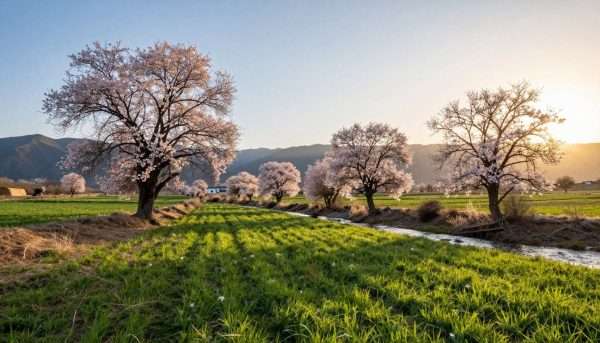
Whether you celebrate through ancient rituals or modern practices, the intention matters most. Honoring seasonal changes grounds us in the present moment. It creates appreciation for earth’s gifts and rhythms. Each culture offers unique perspectives on this universal human experience.
Start small with practices that resonate personally. Plant seeds in your garden or a window box. Watch the sunrise on the equinox morning. Cook a meal with seasonal ingredients. These simple acts create meaningful connections to the season.
The spring equinox invites us to begin again. Winter’s darkness has passed. Longer days bring warmth and possibility. Seeds planted now will flourish in coming months. May this spring bring you growth, balance, and joy as you celebrate the earth’s eternal renewal.















Leave A Comment