
The top 10% of American households now spend an average of $7,900 per trip, up from $5,100 in 2022. The top 1% spend $12,400 and take an average of 6 leisure trips per year, more than double the national average of 2.8. Luxury travel is no longer defined by thread count or lobby chandeliers. The money is moving toward places that offer scarcity, cultural depth, and access that cannot be replicated at scale.
The global leisure tourism market is forecasted to hit $7,723 billion in 2026. Within that figure, the fastest growth is in destinations where exclusivity comes from geography, not price tags alone.
Where the Money Is Going in 2026
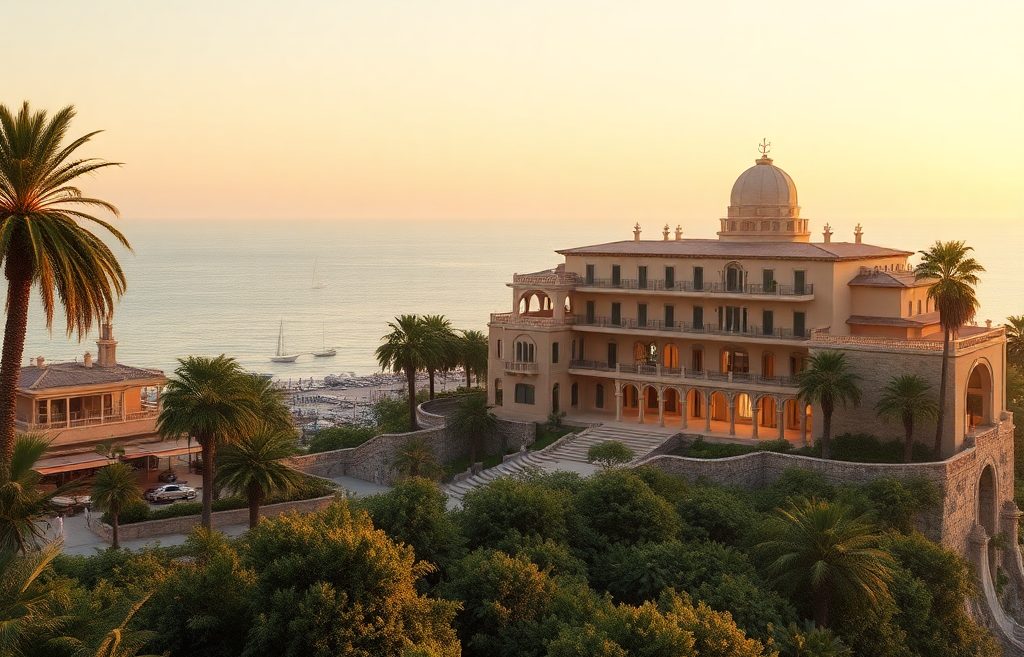
New hotel openings tell you where the industry expects demand. In 2026, Capella opened its first Japan property in Kyoto’s Higashiyama District. Edition Lake Como reimagined a 19th-century palazzo with 148 rooms. The Waldorf Astoria moved into London’s Admiralty Arch, steps from Buckingham Palace. Bulgari built a resort in the Maldives with 33 private pool villas and a separate island villa.
The pattern repeats across markets. Developers are investing in heritage restorations, low-density builds, and culturally embedded locations rather than generic high-rise resorts. These projects take years and require confidence that travelers will plan ahead, stay longer, and value context over convenience.
Trips Designed Around More Than the Hotel
Luxury travelers in 2026 are spending differently than they did 5 years ago. Three out of 4 are willing to splurge most on hotels, but 64% now prioritize excursions and curated activities such as private tours or exclusive cultural access. The priority is now trips built around something specific: a wine region, an archaeological site, a culinary tradition, a wellness retreat.
The trip format varies as much as the destination. A culinary tour through Emilia-Romagna, a sailing charter along Croatia’s Dalmatian coast, a solo wellness retreat in Bali. It doesn’t need to be a sugar daddy vacation or a five-star resort to count as luxury. What matters is that the trip was built around something the traveler actually wanted to do. A week in Georgia’s Caucasus region or Norway’s Lofoten archipelago costs less per night than a standard suite in Monaco, but the appeal of hiking to remote villages or eating at a family-run farm ranks higher for a growing share of high-income travelers.
The Maldives Problem
The Maldives remains the default answer to “where should I go for a luxury trip,” and the pricing reflects it. Among the most luxurious new hotels on Travel + Leisure’s 2026 It List, Here, Maldives topped the price chart, with rooms starting at $11,000 per night. Bulgari’s new Ranfushi resort adds another ultra-premium option to an already saturated market.
The issue for travelers spending $10,000 to $25,000 per trip is that the Maldives offers a narrow range of activities at a very high cost. Overwater villas, spa treatments, and private dining cover the first 3 days. After that, the isolation that makes the location attractive starts working against the trip itself. Repeat visitors increasingly seek destinations that provide both luxury infrastructure and enough cultural or geographic variety to fill a full week.
Contrast that with a trip to southern Italy or coastal Japan, where the hotel is one part of a daily itinerary that includes local markets, historical ruins, working farms, and regional restaurants that do not exist inside the resort. The cost per night may be lower, but the cost per memorable hour is significantly higher in destinations built around activity rather than isolation.
Destinations That Are Harder to Reach
Some of the most compelling locations in 2026 are places where access is limited by geography rather than price. The Faroe Islands sit between Iceland and Norway, reachable by a small number of flights per week. Dominica, often called the Nature Island of the Caribbean, has no mass tourism infrastructure and attracts visitors looking for volcanic hot springs, reef diving, and jungle trails rather than beach clubs.
Tamuda Bay in Morocco has drawn St Regis and Royal Mansour properties within a short period, signaling that luxury brands see demand for North African coastal destinations that are not Marrakech. In Japan, travelers are moving beyond Kyoto and Tokyo toward regions like Shikoku and Tohoku, where traditional ryokans offer an atmosphere that the major cities have outgrown.
These destinations share a trait. They are hard to get to, have limited room inventory, and do not try to compete on amenities. Their appeal is that most people will never visit them.
What $8,000 Buys in Different Places
The average cost of a vacation at the luxury tier sits around $7,900 per trip, and it goes much further in some destinations than others. In Southeast Asia, that budget covers 10 nights at a 5-star resort with private excursions, domestic flights, and fine dining. In the Maldives, it covers 3 nights in a mid-tier overwater villa. In Italy, it covers a week in a boutique hotel with guided tours of wineries and historical sites.
The cost gap is why emerging destinations are gaining share. A traveler who values activity density will find that their dollar stretches further in countries where luxury hospitality is newer and prices have not yet been inflated by decades of demand. Portugal’s Alentejo, Colombia’s Cartagena coast, and Oman’s Musandam Peninsula all fall into this category.
Health and Wellness as a Travel Category
Recent luxury travel statistics show that among the top 1% of travelers, 34% are planning a trip in the next 12 months primarily for health and wellness, up from 23% in prior years. Wellness is no longer a spa menu staple added to an existing resort. It is the entire reason for the trip.
Properties like Six Senses Grand Bahama, opening in 2026, build the wellness program into the architecture and daily schedule. Other travelers choose medical tourism destinations in Thailand or Switzerland, where clinical-grade diagnostics are paired with recovery stays in resort settings. The average booking window for these trips is 122 days, suggesting that wellness travelers plan further ahead than the general luxury market.
The Booking Window and What It Means
Affluent travelers book an average of 122 days in advance. That 4-month lead time reflects both the complexity of high-end itineraries and the limited inventory at top-tier properties. A 20-room boutique in the Faroe Islands sells out months before a 400-room resort in Cancun.
The booking window also reflects how these travelers research. Marriott reports that 93% of elite travelers expect personalized recommendations. Travel advisors who serve ultra-high-net-worth clients describe a move from selling destinations to building itineraries around a client’s interests, dietary restrictions, fitness goals, and cultural curiosities. The trip is the product. The destination is the setting.
For travelers in 2026, the best luxury location is the one where the money spent produces days that feel distinct from each other, where each morning offers a reason to leave the room, and where the place itself could not be swapped for another without losing something essential.










Leave A Comment