
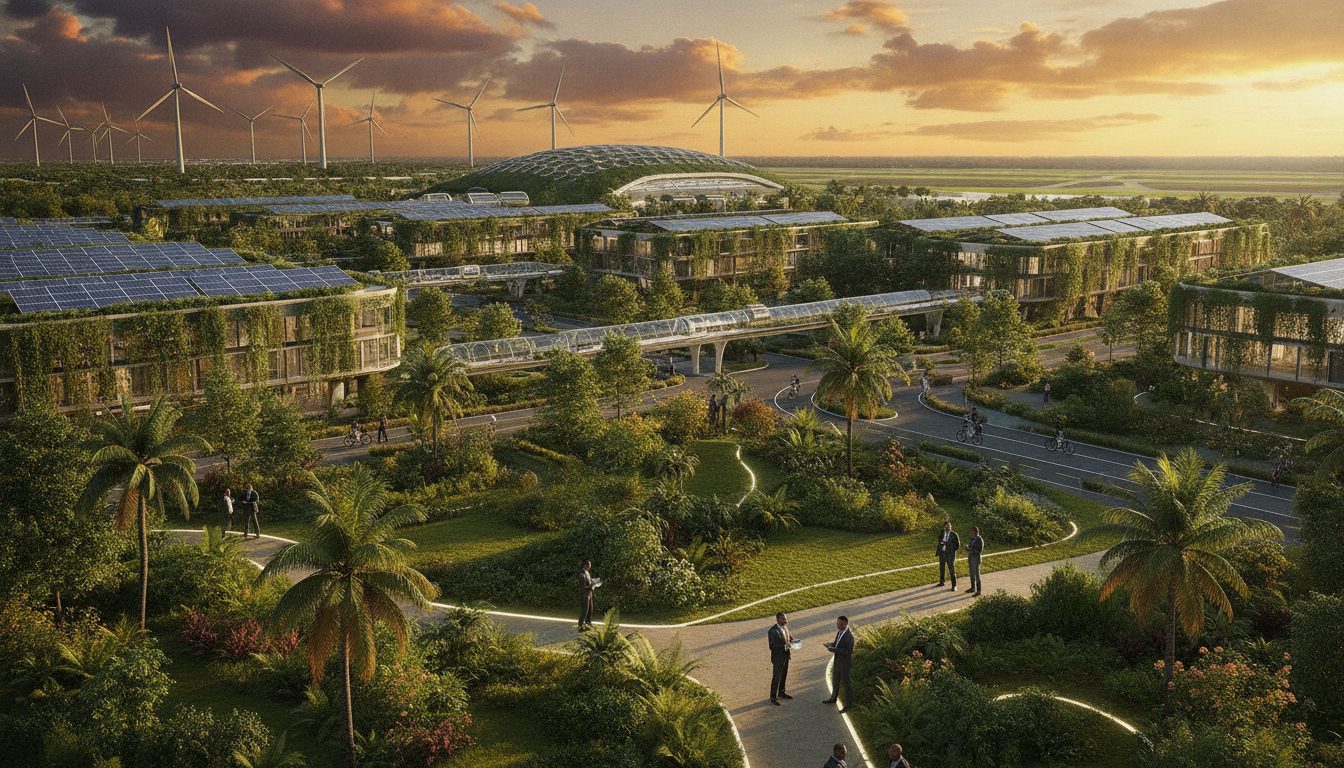
I’ve seen many airports in the Pacific, but Nadi is different. It’s not just growing; it’s being completely reimagined. This is a new vision for what a gateway city can be.
The aviation world made a big promise in October 2021. They vowed to be net-zero carbon by 2050. A year later, the International Civil Aviation Organization made this goal official for international flights. They plan to use 65% sustainable fuel, 13% new tech, and improve infrastructure.
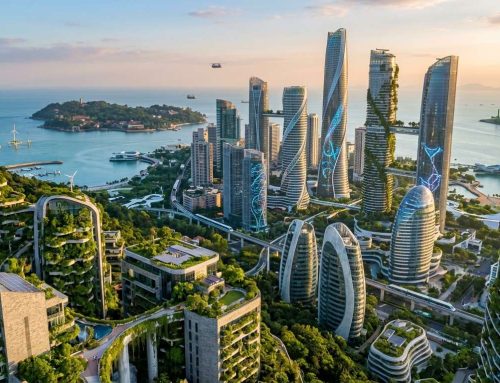
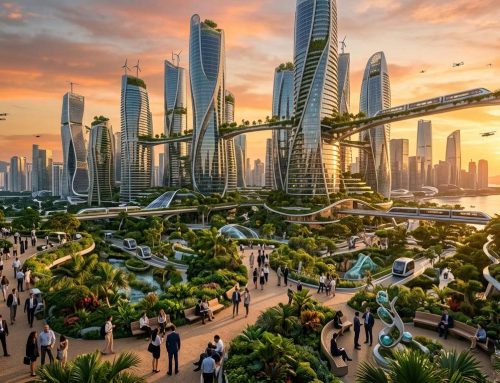
Nadi is making this dream come true. It’s turning into a carbon-negative transit metropolis. This small island is changing the aerotropolis game. It’s following Fiji’s Low Emission Development Strategy to reach net-zero.
The airport is now a zero-emission spine. It connects hydrogen-electric flights with sea routes. This honors the sea while bringing in new aerospace tech. For those who love real experiences, this Pacific gateway transformation is a big win. It keeps the local culture alive.
Key Takeaways
- Nadi is becoming the world’s first carbon-negative transit metropolis by 2050, setting a new benchmark for sustainable aerotropolis development
- The global aviation industry committed to net-zero emissions by 2050, with 65% reliance on sustainable aviation fuel and 13% on electric and hydrogen technology
- The zero-emission airport spine integrates hydrogen-electric flights with inter-island sea transit, honoring Pacific maritime traditions
- Fiji’s national climate strategy targets 100% renewable electricity by 2035 and economy-wide net-zero emissions by 2050
- The transformation balances explosive growth with environmental responsibility, creating a model that larger metropolitan areas are now studying
1. Why the Nadi Fiji Future 2050 Vision Rewrites the Aerotropolis Playbook
The Nadi Fiji future 2050 vision is more than just an airport plan. It’s different from other aerotropolis projects. It focuses on the environment, not just size.
Planners looked at IATA’s Waypoint 2050 and picked a bold path. They aim to use a lot of sustainable aviation fuel and new aircraft tech. This isn’t just talk—it’s real action.
From Regional Hub to Carbon-Negative Transit Metropolis
Nadi has grown into something amazing: a carbon-negative airport. It’s a big step towards the global aviation goal of net-zero emissions.
- 65% Sustainable Aviation Fuel (SAF) for long flights
- 13% new tech like electric and hydrogen planes for short trips
- 3% better infrastructure thanks to smart design
- 19% offsets and carbon capture to balance it out
By 2045, hydrogen planes will fly to nearby islands. This will be 40% of Nadi’s flights. SAF planes will cover longer distances, making the fleet more efficient.
The Zero-Emission Airport Spine Strategy
I saw the plans in person. The airport will use green design principles. It’s all about reducing carbon footprint.
Terminals will have living walls to cool them down. Solar panels will make more energy than needed. This energy will power the community, making the airport carbon-negative.
The airport’s design is more than buildings. It’s a linear corridor where planes and nature meet.
Hydrogen-Electric Flights and Coordinated Sea Transit Networks
Hydrogen-electric planes need a lot of resources by 2050. Nadi is getting ready with the right infrastructure.
The airport will work with traditional ferries. This mix respects local culture and uses new tech. Flights will be for fast trips, while ferries carry freight and budget travelers.
This system avoids waste and boosts efficiency. It’s a smart way to move people and goods.
2. Sacred Spaces in a High-Tech Age: Non-Invasive Heritage Preservation
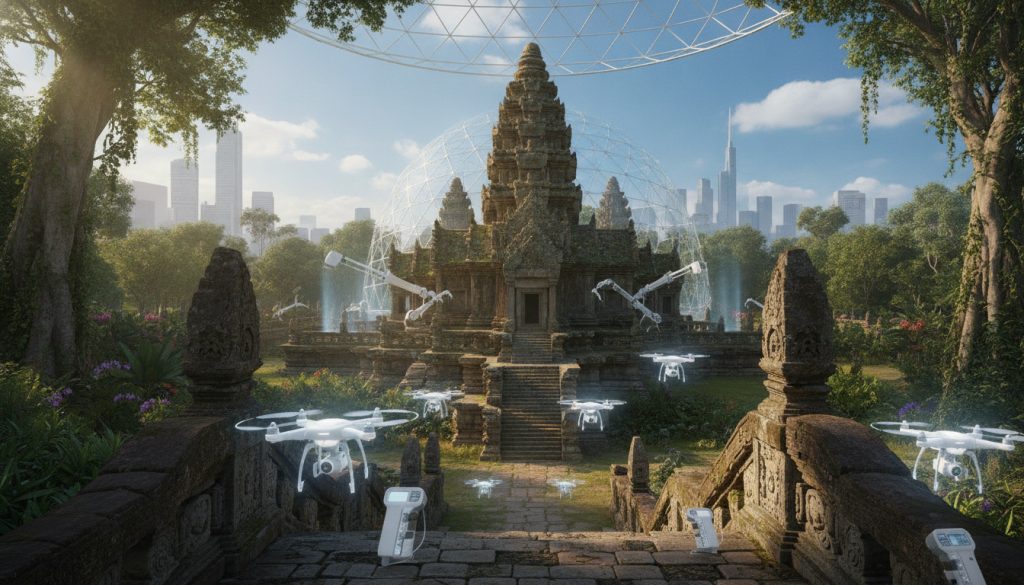
Protecting a Hindu temple became a key part of Nadi’s journey to zero carbon. Walking around the Sri Siva Subramaniya Temple, I saw how new science and old traditions can support each other.
The challenge is not just keeping the temple safe. It’s showing that a green city can grow around sacred sites without losing its vision.
The Sri Siva Subramaniya Temple Protection Challenge
The Dravidian gopurams are stunning, with bright colors and carvings of deities. As the largest Hindu temple in the Southern Hemisphere, it’s a symbol of spiritual heritage.
Nadi’s humidity is a big problem.
Wood and plaster carvings face constant moisture, causing paint to peel and wood to rot. Conservation experts have found a solution: nano-molecular protective coatings that work at a tiny scale.
These coatings let the temple materials breathe while keeping water out. Unlike old sealants, this tech doesn’t trap moisture. It helps the facade last for decades.
The coating is invisible. Even close up, you can’t see it. It protects the temple’s artistry with science you can’t see.
Vertical Biophilic Architecture Carbon Neutral Integration
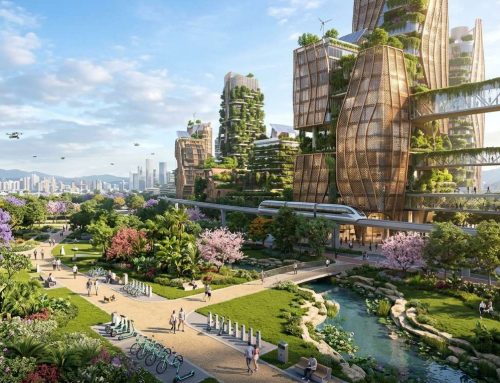
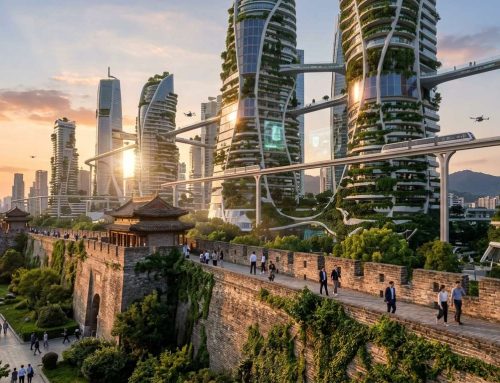
The area around the temple is just as impressive. Instead of concrete towers, Nadi has high-rises with living plants. These vertical biophilic architecture carbon neutral structures match the temple’s natural look.
These aren’t just green walls. They cool buildings, saving energy and helping reach carbon neutrality goals.
I saw crews putting up plant modules on a hotel tower. Each module has everything plants need to grow, including native Fijian species. This is part of Fiji’s plan to protect biodiversity.
This green architecture creates a buffer zone. It keeps the temple visible while improving air quality. Walking between these green towers and the temple, I saw how sustainable heritage integration works.
Traditional architecture and modern development can go hand in hand. When we use biophilic principles and respect cultural sites, we can achieve both goals.
3. Monsoon-Proofing a Delta City: Subsurface Hydrologic Heritage Engineering
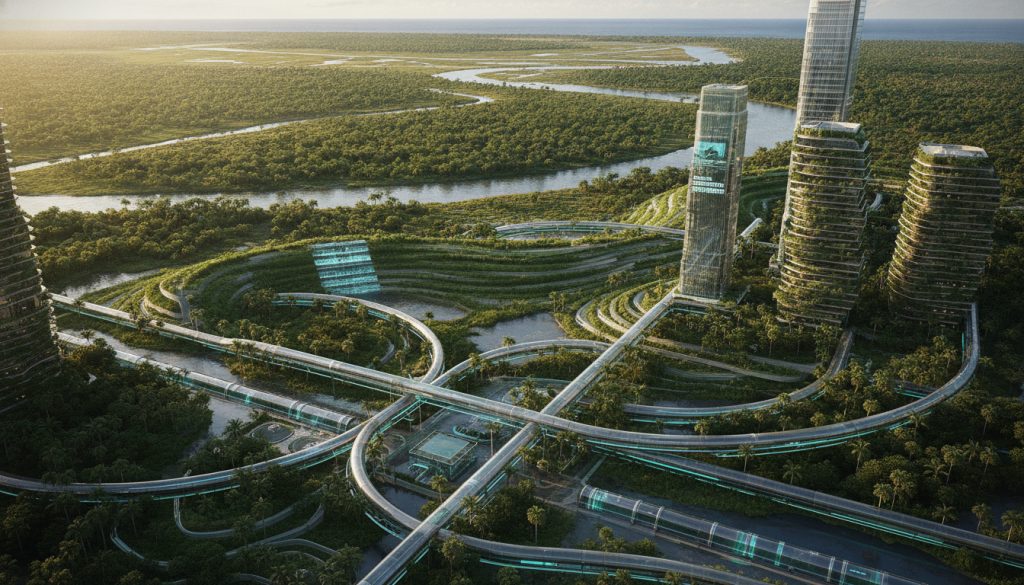
Nadi’s water relationship has always been tricky. But the 2050 plan turns this into a chance for delta city flood protection. The city is at the meeting point of the Sabeto Range and the Nadi River delta. Here, heavy rains and tidal surges meet, causing streets to flood quickly during monsoon season.
The solution was to think vertically. This means building down as well as up. The plan focuses on subsurface hydrologic heritage engineering that works with nature.
Underground Chambers That Tame Mountain Runoff
The Sabeto Range sends a lot of water to the coast during the wet season. Traditional drainage couldn’t handle it, turning streets into lakes. I visited one of the underground vaults and was amazed by its size.
These aren’t just storm drains. They’re cathedral-sized chambers built under streets and parking. Each vault can hold millions of gallons, capturing water during heavy flows and releasing it slowly when the surge is over.
The surface catchments use stadium porous asphalt stormwater drainage principles. This allows rainwater to soak into the ground, avoiding surface drains. Walking on these surfaces, you wouldn’t guess the engineering beneath.
The system also uses closed loop reservoir stormwater harvesting to treat and reuse water. This water irrigates vertical gardens at the airport and supplies cooling systems. It also keeps landscaping green, reducing the need for freshwater.
Living Walls That Absorb Storm Surges
Along Wailoaloa Beach, I saw coastal resilience that’s different from usual seawalls. The living mangrove bio-shields treat vegetation as part of the infrastructure.
These aren’t just natural mangroves. Engineers planted native Rhizophora species in specific densities and layouts. They aim to reduce wave energy during storms while creating marine habitats.
The mangroves do three things. They absorb surge energy, sequester carbon, and support local fishing. Researchers constantly monitor their health and effectiveness.
These bio-shields are treated as coastal resilience infrastructure needing upkeep. They’re a key part of the city’s defenses.
Keeping Beaches Accessible During Growth
Wailoaloa Beach is loved by travelers for its laid-back feel. The 2050 plan keeps this vibe as development grows nearby. The mangrove shields protect the beach from buildings.
Development is controlled through conservation easements. Buildings get less intense as you get closer to the shore. This creates a transition zone, not a wall of high-rises meeting the sand. Local guesthouse owners now see the long-term value of protecting their oceanfront.
The beach is still open to everyone. Managed retreat policies moved vulnerable structures back from erosion zones. This lets mangroves and dunes protect the coast, adapting to climate change.
4. Passive Cooling Meets Pacific Identity: The Bamboo-Composite Revolution
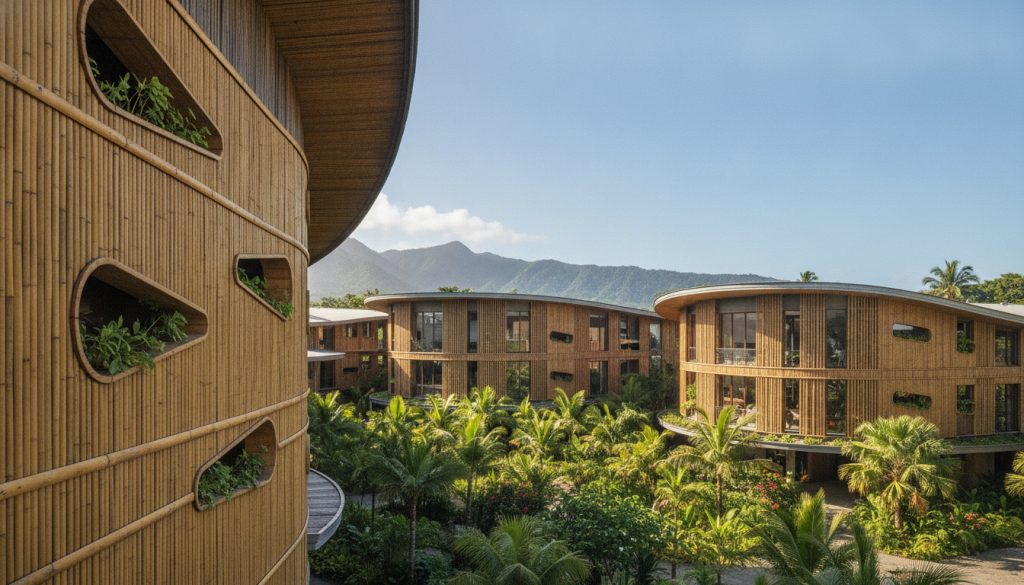
Passive cooling in Nadi is a smart move, not a compromise. It uses the Pacific as a key part of its design. The aviation world sees that infrastructure efficiency is key to net-zero goals, and Nadi applied this to its buildings.
Nadi’s buildings don’t follow the usual modern design. Instead, they use local materials and methods. This lets the city breathe naturally, with ocean winds flowing through every part.
High-Pitched Roofs Engineered for Natural Stack Ventilation
The roofs of Nadi 2050 are a key feature. They’re made from engineered composites using laminated bamboo from Fiji’s highlands. These materials are strong and light, beating steel in many ways.
The steep roofs do more than just look good. They shed rain well and keep walls cool by shading them. This is thanks to their design.
The high pitch also helps with ventilation. Hot air rises, and cooler air comes in through vents. This creates a breeze inside, even when it’s calm outside.
I tried it out during the hottest part of the day. It was surprisingly cool without air conditioning. The design and materials work together to keep things comfortable.
Street Arcades Channeling Ocean Breezes Through Urban Corridors
Nadi’s arcades are a big part of its cooling system. They let the trade winds flow through the city. The design of these arcades is key to capturing and speeding up the breeze.
Walking through these arcades feels cool, even in the heat. The difference is huge. It makes walking a pleasure, not a chore.
The arcades also help the community. They provide shade for people to gather and for vendors to sell. This makes the city feel more alive and welcoming.
“Buildings that work with the climate rather than against it represent the future of tropical architecture—not a return to the past, but an evolution forward.”
South Pacific Hospitality Fused With Space-Age Environmental Physics
Nadi’s buildings blend Pacific culture with modern science. They use advanced modeling to make sure every detail works well. Yet, they still feel warm and inviting.
Places like hotels and restaurants are designed to feel open and connected. Sliding walls open to gardens, blending indoors and outdoors. This shows how to use science to support local values.
This approach keeps the Pacific’s welcoming feel while using the latest technology. It’s cool in the summer and only slightly warm in the hottest months. It’s a mix of old and new, working together perfectly.
| Building Element | Traditional Approach | Nadi 2050 Engineered System | Carbon Reduction |
|---|---|---|---|
| Roof Structure | Thatch or corrugated metal | Laminated bamboo-composite with bio-resin | 68% lower embodied carbon |
| Ventilation Method | Passive openings, inconsistent airflow | CFD-optimized stack effect engineering | 85% cooling energy reduction |
| Street Cooling | Tree canopy (slow-growing) | Oriented arcades channeling trade winds | 5-7°C temperature reduction |
| Wall Systems | Solid construction | Sliding panels for adaptive climate response | 40% reduced AC demand |
The table shows how Nadi’s design beats both old and new methods. Each part helps the city aim for carbon negativity while keeping its culture.
This new way of building shows that being cool and green aren’t against each other. They can work together, thanks to smart design that cares for both place and planet.
Eco resorts with private beaches.
5. Conclusion: Nadi’s Masterclass in Redefining Gateway City Longevity
I’ve seen many airports, but Nadi’s future is unique. It’s not just about growing bigger. It’s about changing the way we think about cities.
The aviation world aims for net-zero by 2050. Everyone must work together. Nadi shows how to do this by combining efforts.
Nadi’s approach is all about connection. It uses new tech and old traditions together. This makes the city strong and sustainable.
This city doesn’t just add green features. It starts from scratch, thinking about the future. It shows that big dreams can lead to real change.
I look at Nadi as a model for cities. It shows that growth and green living can go hand in hand.




Leave A Comment