

Day trips from Ho Chi Minh City provide travelers an escape from urban energy into Vietnam’s varied landscapes and cultural heritage. Visitors can explore historical war sites like the Cu Chi Tunnels stretching 250km underground, coastal retreats along Vung Tau’s 20-kilometer coastline, or cooler climates at Da Lat sitting 1,500 meters above sea level. All these options lie within a few hours of the city. The best day trips from Ho Chi Minh City range from floating markets in the Mekong Delta to pristine beaches and mountain temples. This piece covers the top 15 saigon day trips that showcase Southern Vietnam’s most captivating destinations.
Ben Tre
Why Visit Ben Tre
Ben Tre province sits about 85 kilometers from Ho Chi Minh City and has earned its reputation as Vietnam’s “Kingdom of Coconuts” with over 70,000 hectares of coconut plantations yielding nearly 600 million fruits each year. This serene Mekong Delta destination provides an authentic escape into rural Vietnamese life, far removed from tourist-heavy areas. The province’s network of tree-lined paths, shaded coconut groves and meandering canals creates an atmosphere where time slows down. More than 300 coconut candy factories operate throughout the region and produce the soft, sticky sweets Vietnam exports worldwide.
Top Things to Do in Ben Tre
Sampan cruises through narrow canals are the quintessential Ben Tre experience. You glide past towering coconut palms where only birdsong and gentle paddling break the silence. Most hotels provide free bicycles for guests, and cycling ranks among the best ways to explore. Take a ferry to Cu Lao Long islet and find authentic village life along Ham Luong River. Coconut candy factory tours reveal the production process from start to finish, including the traditional wood-fired cooking methods. Food experiences include coconut rice, coconut-braised shrimp and ca tai tuong chien xu (deep-fried elephant ear fish).
How to Get to Ben Tre from Ho Chi Minh City
Public busses from Mien Tay Bus Station cost $4-7 and take 2-3 hours, departing every hour between 5:00 AM and 8:00 PM. Limousine busses are more comfortable at $15-20 for a 2-hour trip. Private cars or taxis run $40-55 and complete the trip in 1.5 hours. Guided tours including boat rides and village visits range from $75-100 per person.
Where to Stay in Ben Tre
Oasis Hotel, Ben Tre Riverside Resort and Viet Uc Hotel receive excellent family reviews. Homestay Nam Ham Luong provides immersive local experiences with home-cooked meals. DIAMOND STARS BEN TRE HOTEL features modern amenities including an indoor pool.
Cu Chi Tunnels
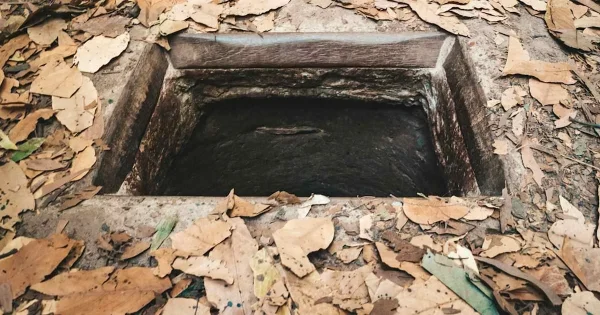
Image Source: History.com
Why Visit Cu Chi Tunnels
The Cu Chi tunnel complex stretches 121 kilometers underground and represents one of Vietnam’s most important war memorial sites. This underground network sits 60 kilometers northwest of Ho Chi Minh City and served as hiding spots, living quarters, supply routes and hospitals for Viet Cong fighters during the Vietnam War. Two sites welcome visitors: Ben Dinh has reconstructed tunnels closer to the city, while Ben Duoc preserves sections of the original system with fewer crowds. The Vietnamese government maintains both locations as memorial parks that gave an explanation into wartime resilience and the conflict’s complexity.
Learning About the Cu Chi Tunnels
Visits begin with a documentary film that explains the tunnel’s role in the war. Tourists crawl through 20-100 meter tunnel sections. The passageways remain narrow and claustrophobic despite widening for visitors. Underground conference rooms have been restored where campaigns like the 1968 Tet Offensive were planned. Guides demonstrate camouflaged booby traps made from bamboo spikes and display kitchens with chimneys built 100+ meters away to avoid detection. They explain two-way shoes designed to create misleading footprints. Bomb craters and various exhibits above ground illustrate how villagers survived aerial bombardments. A shooting range has AK-47 and M16 experiences for additional fees.
How to Get to Cu Chi Tunnels from Ho Chi Minh City
Guided bus tours provide the most convenient option. They cost $15-40 and include transport, English-speaking guides and entry tickets. The trip takes 1.5-2 hours. Boat tours reach the site in one hour for $70-100. Private cars run 800,000-1,200,000 VND ($32-50) round trip. Budget travelers take Bus 13 from Ben Thanh Bus Station to Cu Chi, then Bus 79 to the tunnels for approximately $2-3 total. The trip requires 2.5-3 hours though.
Tips for Visiting Cu Chi Tunnels
The site operates 7:00 AM to 5:00 PM daily with entry fees of $4-6. Book first departures to beat crowds and avoid peak heat. Wear old, light clothing and sturdy shoes as tunnels are dusty and jungle paths become slippery. Pack insect repellent (Dengue Fever risk exists), sunscreen and water. Avoid bulky bags when you enter tunnels.
Vung Tau
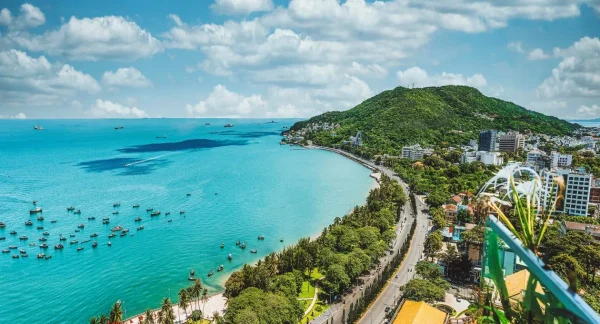
Image Source: Vietnam Tourism
Why Visit Vung Tau
Vung Tau sits 125 kilometers southeast of Ho Chi Minh City. This makes it the closest beach escape for travelers who seek coastal respite. The trip takes under two hours and positions this seaside town as an ideal destination for quick getaways from urban Saigon. Two hills jut into the sea and create distinct coastlines: Back Beach (Bai Sau/Thuy Van) stretches along the eastern side while Front Beach (Bai Truoc) curves along the west. French colonial architecture, religious landmarks and fresh seafood markets distinguish Vung Tau from other beach destinations.
Top Things to Do in Vung Tau
The 32-meter Christ of Vung Tau statue dominates Small Mountain. You must climb 811 steps to reach the base. The statue was completed in 1974 and ranks among Vietnam’s tallest religious monuments. Bach Dinh (White Palace) was built in 1898 as a French Governor-General retreat. It houses original colonial furniture and antique porcelain collections. Thang Tam Temple displays bones of beached whales in its main hall and is one of southern Vietnam’s few remaining whale-worship sites. Back Beach provides nearly 10 kilometers of shoreline for swimming and sunbathing. Front Beach offers calmer waters that suit families. Local restaurants serve banh khot (mini curry pancakes topped with shrimp) and fresh seafood platters.
How to Get to Vung Tau from Ho Chi Minh City
Hydrofoil ferries depart from Bach Dang pier in District 1. The trip takes two hours and costs VND120,000-250,000. FUTA Bus and Hoa Mai operate comfortable coaches from Ho Chi Minh City, with tickets priced at VND150,000. Guided tours including transport and entrance fees range from $15-40 per person.
Where to Stay in Vung Tau
Mercure Vung Tau, The Wind Resort, SV Boutique Resort, Lotus Vung Tau Resort and Vung Tau Intourco receive consistent recommendations for beachfront locations and facilities.
Can Gio Mangrove Biosphere Reserve
Why Visit Can Gio
UNESCO recognized Can Gio’s mangrove ecosystem as a Biosphere Reserve in 2000. The reserve protects a 75,740-hectare forest that covers over 310 square kilometers. This coastal district sits 74 kilometers from Ho Chi Minh City and functions as the city’s “green lung”. It offers a sharp contrast to urban sprawl. The mangrove forest, 2,000 years old, supports biodiversity with more than 200 species of fauna and 52 species of flora. Extensive Agent Orange spraying decimated the area during the Vietnam War, though restoration efforts have revived this critical habitat since then.
Wildlife and Activities in Can Gio
Monkey Island is home to around 1,500 wild rhesus monkeys. This population has earned Can Gio its playful nickname. Visitors feed the monkeys but should guard cameras, phones and sunglasses from their quick hands. The bird sanctuary hosts over 20,000 individuals belonging to 26 species. These include collared kingfishers, Indian white-eyes and black-tailed gulls. Hundreds of large fruit bats rest in treetops at a secluded lagoon. This site is one of Vietnam’s few dedicated bat conservation areas.
Entry to Sac Forest Tourism Area costs 35,000 VND per person, with a tram ride adding 15,000 VND. Canoe tours through mangrove corridors run 600,000 VND for eight people. Traditional wooden boats cost 300,000-350,000 VND for groups of four or more. The crocodile sanctuary displays endangered Crocodylus Porosus. Visitors can feed them from boat platforms. War remnants at Rung Sac Guerrilla Base reveal the area’s role as a Viet Cong hideout between 1962-1975.
How to Get to Can Gio from Ho Chi Minh City
Bus 20 from Pham Ngu Lao Street reaches Binh Khanh ferry port, followed by Bus 90 to Can Gio. The complete trip costs approximately 2 USD and takes 2 hours 30 minutes. Taxis range from 888,000-962,000 VND. Motorbikes follow Huynh Tan Phat Street to Binh Khanh Ferry, then continue 40 kilometers on Rung Sat Street. The trip takes 1.5 hours.
Best Time to Visit Can Gio
The dry season runs from December through April. Trails remain accessible during this period, mosquitoes decrease and weather favors outdoor exploration. Birdwatchers prefer May through October when thousands of wild birds nest at the sanctuary.
Mui Ne
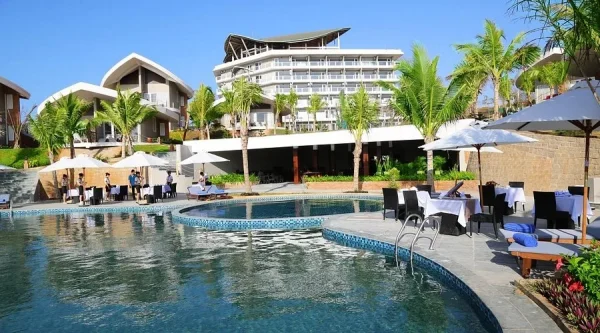
Image Source: Tripadvisor
Why Visit Mui Ne
Mui Ne’s coastal desert setting creates a rare landscape where sand dunes meet the South China Sea. 200 kilometers from Ho Chi Minh City, this fishing village turned resort town attracts culture enthusiasts and adventure seekers. The area ranks among Asia’s top kiteboarding destinations, with strong winds from October through March. Palm-fringed beaches stretch along the coastline. Red and white sand dunes inland provide desert-like terrain. An international mix of Vietnamese and foreign residents adds a relaxed atmosphere distinct from other beach towns.
Top Things to Do in Mui Ne
Fairy Stream flows ankle-deep between red clay limestone formations and green forest. Visitors must wade barefoot upstream. The fishing village market operates at dawn, where boats bundle together as fishermen unload catches using crates and motorbikes. White Sand Dunes (Bau Trang) sit 60-65 kilometers from Phan Thiet center and create a mini desert with fresh water lakes. Sunrise visits capture pink and purple skies. Red Sand Dunes closer to town glow orange at sunset, with sandboard rentals at 20,000-30,000 VND. Kiteboarding schools offer morning lessons when winds remain gentler. Beachfront properties provide day passes for hammocks and massage services. Bo ke seafood grills along the seaside wall serve fresh oysters and grilled prawns from bubbling tanks.
How to Get to Mui Ne from Ho Chi Minh City
Coaches cost 160,000-350,000 VND per person and take 4-5 hours. Limousines run 190,000-400,000 VND with similar travel times. Private cars complete the trip in 2.5-3 hours and cost 1,200,000 VND per trip. Trains from Saigon station to Muong Man or Phan Thiet station cost 145,000-500,000 VND.
Where to Stay in Mui Ne
Budget options include Sand Dune Hotel and Victory Guest House. Mid-range resorts like Nam Chau Boutique Resort range 40-60 USD nightly. Luxury properties including Anantara Mui Ne Resort and The Anam Mui Ne offer spa facilities and beachfront access.
Cai Rang Floating Market
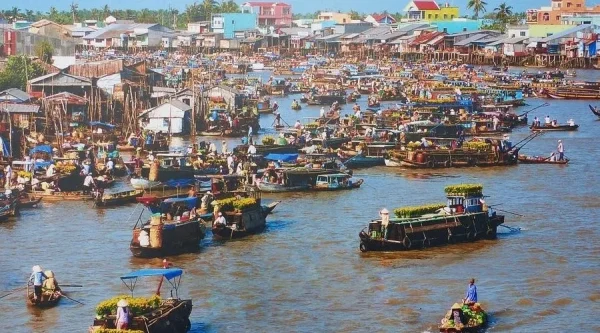
Image Source: Tripadvisor
Why Visit Cai Rang Floating Market
Cai Rang operates as the Mekong Delta’s largest wholesale floating market, where hundreds of boats exchange agricultural products before sunrise. This century-old trading hub sits 165 kilometers southwest of Ho Chi Minh City in Can Tho and represents authentic river commerce that shaped the region’s economy. British publication Rough Guides named it among the world’s 19 must-visit food destinations. The market formed over 100 years ago at the confluence of Hau and Cai Rang rivers, where shallow depths allow easy anchoring. Tourism has reduced the market’s size to 10-20% of pre-pandemic levels though, making it more spectacle than genuine trading center.
What to Expect at Cai Rang Floating Market
Vendors attach produce samples to bamboo poles called “Cay Beo” instead of shouting. Buyers can identify goods from distance this way. Large wholesale boats dominate transactions, while smaller vessels serve tourists wearing bright orange life jackets. Floating breakfast boats sell hu tieu (rice noodle soup) for 25,000-40,000 VND and traditional kho coffee brewed in clay pots. Chef Gordon Ramsay praised the hu tieu as “the greatest dish I’ve ever had”. Don ca tai tu folk music performances occur on weekend boats.
How to Get to Cai Rang Floating Market from Ho Chi Minh City
Bus companies including Phuong Trang/FUTA operate hourly departures at 165,000 VND and reach Can Tho in three hours. Private cars cost 800,000-1,200,000 VND. Hosted tours from Ho Chi Minh City range from 30-200 USD and include boat rides with guide services. Boat tickets from Ninh Kieu Pier in Can Tho cost 2-4 USD per person, with group rates at 150,000 VND per person[254].
Best Time to Visit the Market
Arrive between 5:00-6:30 AM at the time trading activity peaks and sunrise lights up the Hau River. The market operates until 9:00-10:30 AM. December through April brings clear skies and comfortable temperatures. Fruit harvests including rambutan and durian arrive during this period[253]. Tet Holiday features festive decorations and increased trading energy.
Tay Ninh and Cao Dai Temple
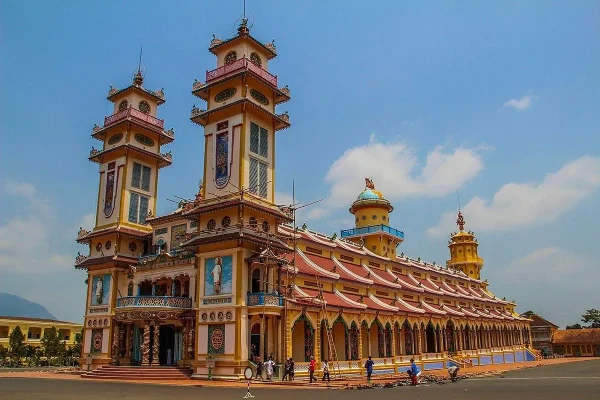
Image Source: Tripadvisor
Why Visit Tay Ninh
Tay Ninh Province sits about 95 kilometers northwest of Ho Chi Minh City and hosts the Cao Dai Holy See, the spiritual center of Caodaism. This Vietnamese religious movement was founded in 1926 and blends Buddhism, Taoism, Confucianism, Christianity, and Islam into a unified belief system. The religion claims over four million followers in Vietnam, making it the country’s third-largest faith. The Great Holy See building was constructed between 1933 and 1955 and ranks among Southeast Asia’s most visually striking structures. Its baroque-meets-Buddhist facade is covered in pastel dragons, lotus motifs, and the All-Seeing Divine Eye.
The Cao Dai Temple
The temple architecture combines neo-Gothic, baroque, and oriental design elements. Dragon-wrapped pillars line the interior halls beneath sky-blue ceilings and lead toward an altar where the Divine Eye symbol glows. The noon ceremony brings hundreds of white-robed followers into the main hall. Priests in yellow (Buddhism), blue (Taoism), and red (Confucianism) colored robes lead chants. Visitors observe from the upper gallery balcony and maintain silence throughout the 45-minute service. Entry remains free, though modest dress covering shoulders and knees is required.
How to Get to Tay Ninh from Ho Chi Minh City
Bus services cost from 5 USD and take about 1 hour 20 minutes. Limousine minivans offer comfortable seating at 139 USD and complete the trip in around 2 hours. Route 70-2 from Cu Chi Bus Station provides budget transport at 10,000-40,000 VND.
Prayer Ceremony Schedule
Four daily ceremonies occur at 6:00 AM, 12:00 PM, 6:00 PM, and midnight. The noon service attracts most visitors and begins at 12:00 PM.
My Tho
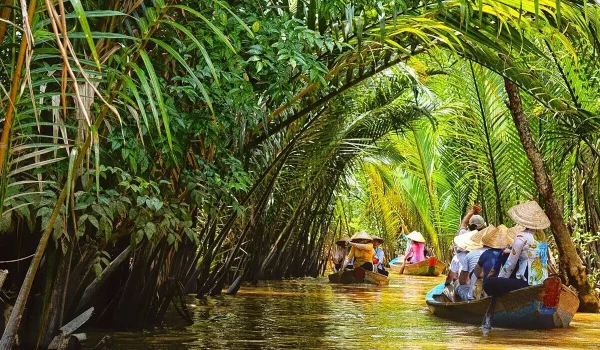
Image Source: Expedia
Why Visit My Tho
My Tho serves as the gateway town to the Mekong Delta, where the mighty river splits into many tributaries that form the region’s lifeline. Positioned 70 kilometers southwest of Ho Chi Minh City, this riverside settlement provides easier access compared to deeper delta destinations and maintains authentic cultural experiences. Vinh Trang Pagoda sits 3km from the city center and represents the largest Buddhist sanctuary in Tien Giang province. The structure dates back to 1849. This national historical-cultural relic blends Eastern and Western architectural styles with intricate ceramic mosaic gates and giant Buddha statues.
Top Things to Do in My Tho
Boat trips along the Tien River reveal floating houses where fish farms operate beneath stilted structures. Traditional sampan rides take you through narrow canals shaded by overhanging water coconut palms and provide close-up views of rural life along the creek banks. Coconut candy workshops demonstrate production processes that use traditional wood-fired methods. Visitors get free samples. Horse cart rides recreate transportation methods that landlords used in the past.
Traditional folk music performances feature Dan Ca Tai Tu, a UNESCO-recognized art form from Southern Vietnam. Fresh tropical fruits and honey tea tastings accompany these shows. Lunch has elephant ear fish prepared in authentic style.
How to Get to My Tho from Ho Chi Minh City
Phuong Trang operates hourly busses from Mien Tay Bus Station. The fare ranges from $4-7 and the trip takes 2 hours 23 minutes. Private cars complete the 42.3-mile trip in about one hour.
Where to Stay in My Tho
Central Plaza Hotel My Tho features 106 rooms spread over 19 floors with an infinity pool on the 7th floor that overlooks the Tien River. Other options are Cuu Long Hotel and Mekong My Tho Hotel.
Con Dao Islands
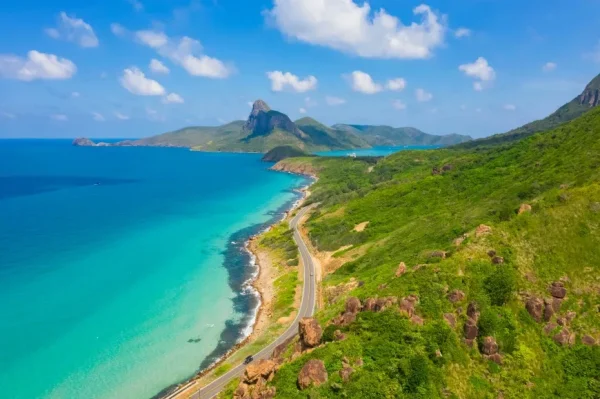
Image Source: Vietnam Tourism
Why Visit Con Dao
Con Dao archipelago has 16 islands covering 75 square kilometers. Remote and untouched, it sits 185 kilometers offshore from Vung Tau. Con Son Island has only 12,000 residents and delivers pristine beaches, vibrant marine life, and sobering war history. Lonely Planet recognized it among the world’s 10 most mysterious islands in 2012. The dry season from November to July brings warm temperatures between 24°C and 30°C, perfect for underwater exploration.
Top Things to Do in Con Dao
Dam Trau Beach features a stunning arc-shaped coastline that mountains surround. Divers explore over 25 sites around Hon Cau, Hon Bay Canh, and Hon Tai islands. They encounter sea turtles, bamboo sharks, and coral gardens with visibility beyond 20 meters. Con Dao Prison stands as a special national historical site. Con Dao National Park protects over 15,000 hectares of rare bird species and dense jungle.
How to Get to Con Dao from Ho Chi Minh City
Flights from Tan Son Nhat take 50 minutes to one hour. One-way tickets cost 1,100,000-1,800,000 VND. Ferries from Vung Tau require 4 hours, while Soc Trang boats complete the trip in 2.5 hours. Fares range from 300,000 to 900,000 VND. Phu Quy Express operates a 6-hour ferry from downtown Ho Chi Minh City.
Where to Stay in Con Dao
Six Senses Con Dao features 50 private pool villas with green design and turtle conservation programs. The Secret Con Dao, Poulo Condor Boutique Resort, and budget-friendly Hotel De Condor provide alternatives near Con Son Town.
Da Lat
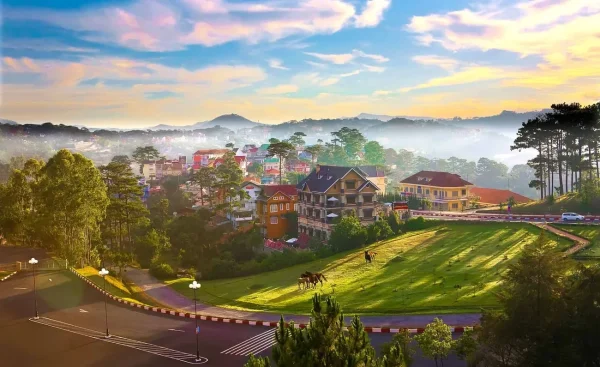
Image Source: World Mate Travel
Why Visit Da Lat
Elevated 1,500 meters above sea level in Vietnam’s Central Highlands, Da Lat is known as the “City of Eternal Spring” with temperatures ranging 20-27°C year-round. Pine-covered hills, flower gardens and French colonial villas create a romantic mountain retreat 308 kilometers from Ho Chi Minh City. The cool climate contrasts with tropical coastal destinations. This makes it a favored escape for honeymooners and families seeking temperate weather.
Top Things to Do in Da Lat
Bao Dai Summer Palace has panoramic city views from the former Emperor’s retreat. Cable cars descend to Tuyen Lam Lake, a 350-hectare reservoir encircled by Truc Lam Zen Monastery. Datanla and Elephant waterfalls offer canyoning adventures. The baroque-meets-Buddhist Linh Phuoc Pagoda has intricate glass mosaics [423]. Crazy House shows surrealist architecture resembling a fairy-tale castle. Van Thanh Flower Village grows Da Lat’s famous blooms, stunning during the biennial Flower Festival. Xuan Huong Lake sits at the city center for paddle boating and lakeside walks.
How to Get to Da Lat from Ho Chi Minh City
Flights from Tan Son Nhat take 50 minutes, covering 275 kilometers. Sleeper busses cost $8-23 and require 6-10 hours [454]. Private cars complete the 330-kilometer journey in six hours at $200.
Where to Stay in Da Lat
Ana Mandara Villas features 17 renovated French villas with heated pools. Nesta Valley Dalat Hotel, Golden Sun Hotel and Mercure Dalat Resort offer luxury amenities. Sweet Lavender Hotel provides budget accommodation under $20 nightly.
Weekend getaways from Bangkok.
Cat Tien National Park
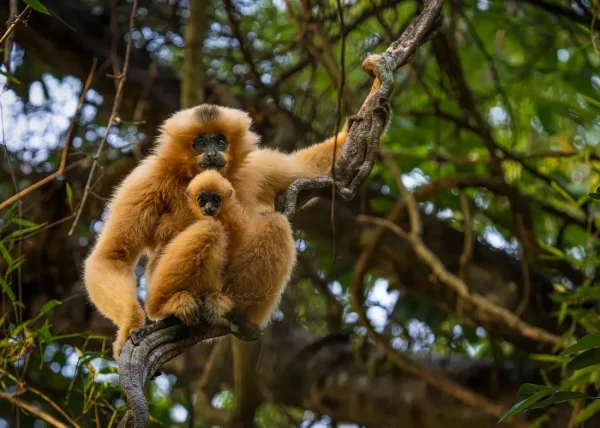
Image Source: Global Conservation
Why Visit Cat Tien National Park
Cat Tien National Park protects over 82,000 hectares of lowland tropical forest and stands as one of Vietnam’s six UNESCO-recognized biosphere reserves. This biodiversity hotspot sits 150 kilometers northeast of Ho Chi Minh City and shelters more than 1,500 plant species, 300+ bird species, 100+ mammals, and 120+ reptiles and amphibians. Three nature reserves merged in 1992 to form the park, creating a vast wilderness. Endangered species roam freely here, including gaur, yellow-cheeked gibbons, black-shanked douc langurs, and Siamese crocodiles.
Wildlife and Activities in Cat Tien
Sunrise gibbon treks allow visitors to hear these primates calling at dawn, making them easier to locate. Bau Sau (Crocodile Lake) requires a 10km jeep ride followed by a 5km rainforest hike and rewards trekkers with wetland views inhabited by rare Siamese crocodiles. Night safari tours depart at 7:00 PM for two-hour wildlife spotting of deer, porcupines, and wild boars. Cat Tien is the only park offering these tours. The park’s centuries-old giant trees create majestic canopies along trekking routes, including Dipterocarpus and Shorea species. Bird-hides open from October to May for photographers targeting Germain’s Peacock-Pheasant and Green Peafowl.
How to Get to Cat Tien from Ho Chi Minh City
Private cars take 3-3.5 hours and cost 1,600,000-2,000,000 VND for 1-2 passengers. Limousine vans provide business-class comfort at 180,000-260,000 VND per person in 3.5-4 hours. Local busses require 4-5 hours with one transfer at Tan Phu Town and total 100,000-160,000 VND.
Best Time to Visit Cat Tien
December through May marks peak wildlife watching, with clear trails and active birds that make primate spotting easier. Temperatures range 34°C to 19°C during dry months, while June-November brings heavy rain that makes trails muddy.
Ho Coc Beach
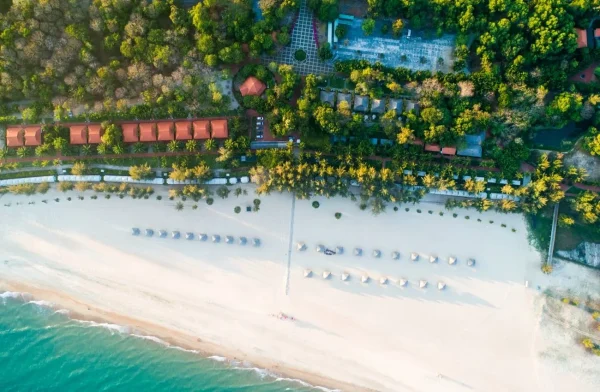
Image Source: Iconic Long Hai Hotel
Why Visit Ho Coc Beach
Ho Coc Beach stretches along the coast just 125 kilometers from Ho Chi Minh City and preserves wild beauty absent from heavily commercialized shorelines. Light-colored sand forms a 10-kilometer arc backed by densely forested hills. You can reach this tranquil retreat in 2.5 hours. Natural rock formations and rustic wooden bridges attract couples seeking wedding photo backdrops. Casuarina forests provide shade for those escaping city life. The beach earned recognition in 2015 when U.S. travel site Thrillist ranked it 8th among 12 surprisingly affordable paradise destinations.
Top Things to Do at Ho Coc Beach
Camping beneath pine groves dominates the experience. Visitors pitch tents on sand for overnight stays that feature BBQ parties and stargazing. SUP (stand-up paddleboard) along the coastline and beach volleyball suit friend groups. Kayaking through clear waters costs $5-8. Binh Chau Hot Springs sits 10 kilometers away and is available by bicycle rentals at $3-5 daily. The mineral-rich soaks are believed to treat various health conditions.
How to Get to Ho Coc Beach from Ho Chi Minh City
Private cars via National Highway 51 complete the 110-kilometer trip in 2.5-3 hours. Limousine busses provide door-to-door service with comfortable seating. Public busses from Mien Dong Station to Xuyen Moc cost $6-8 round-trip and require a 15-minute xe om to the beach.
Where to Stay at Ho Coc Beach
Seava Ho Tram Resort features beachfront access with swimming pools and children’s playgrounds. Vanilla Ho Tram, Hotel Tan Duy and Hodota Resort & Camping offer budget-friendly options. Beachside camping allows tent setup near waves.
Weekend getaways from Singapore.
Ke Ga Beach and Lighthouse
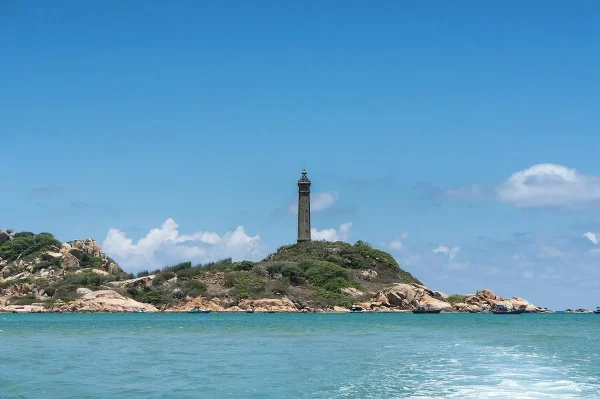
Image Source: Tripadvisor
Why Visit Ke Ga
The Ke Ga Lighthouse sits on Hon Ba island about 180 kilometers from Ho Chi Minh City. It stands as Vietnam’s oldest and tallest beacon. French architects built this granite structure in 1897. The stone tower rises 35 meters high and the lamp reaches 65 meters above sea level. The island lies 500 meters offshore. You can reach it by motor boat or traditional basket boat. The cost ranges from 50,000-100,000 VND per person. Clear turquoise waters and natural granite rock formations shaped like a rooster’s head surround this historic landmark.
Top Things to Do in Ke Ga
The lighthouse has 183 spiral steel steps. Climbing them rewards visitors with panoramic coastal views that span kilometers of beaches and anchored fishing boats. Golden sunsets against rugged cliffs create excellent photography opportunities. You can camp overnight on nearby beaches and enjoy stargazing with wave sounds. Fresh seafood markets operate in the mornings. Fishing experiences and dragon fruit farm visits add cultural depth.
How to Get to Ke Ga from Ho Chi Minh City
Busses from Ho Chi Minh City reach Ke Ga in 3 hours 49 minutes. The fare is 28-35 USD. Private transfers complete the trip in 2.5 hours at 65 USD. From Phan Thiet, the 30-kilometer route takes 40-45 minutes.
Where to Stay in Ke Ga
Azerai Ke Ga Bay offers beachfront luxury with pool villas. Rates start at 191.45 USD. Mid-range options include Edensee Kega Beach Resort at 65.13 USD and Adora Bay Ke Ga Beach Resort at 50.99 USD. Budget homestays like Peaceful Hill cost 16.31 USD.
Tan Lap Floating Village
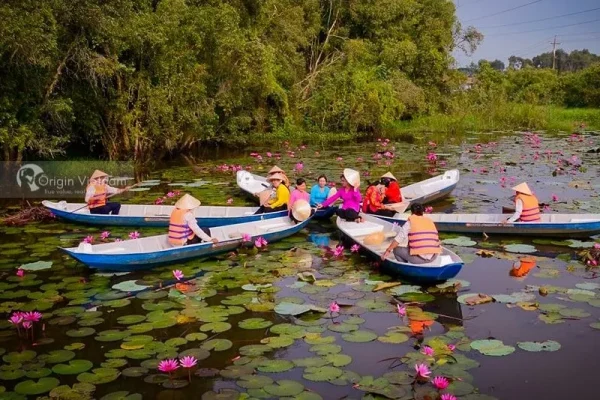
Image Source: origin vietnam
Why Visit Tan Lap Floating Village
Tan Lap Floating Village has been nominated as one of Vietnam’s top 10 eco-tourism destinations. The village occupies a 135-hectare core zone with a 500-hectare buffer in Moc Hoa District, Long An Province. This wetland sanctuary sits 110 kilometers from Ho Chi Minh City in the Dong Thap Muoi region and features big melaleuca forests, lotus fields and calm canals. The Truc Lam Chanh Giac Zen Monastery adds spiritual depth to nature exploration. It is one of the Mekong Delta’s largest pagodas.
Activities at Tan Lap Floating Village
Boat trips through the floating village and melaleuca forest provide encounters with lotus ponds and water lilies. The 5-kilometer paved path winds through the forest. Wooden bridges test your balance along moss-covered trails. Visitors climb the 38-meter watchtower to view the forest panorama. Tickets cost 50,000-120,000 VND. Lunch features regional specialties like grilled snakehead fish wrapped in lotus leaves. Full-day tours from Ho Chi Minh City run approximately USD 70.
How to Get to Tan Lap from Ho Chi Minh City
Busses from Mien Tay Bus Station reach Tan Lap in 2.5-3 hours at USD 6-12. Private cars complete the 110-kilometer trip via National Highway 1A to Ben Luc, then Highway 62, in 2-2.5 hours for USD 30-50. Motorbike rentals cost USD 5-10 daily.
Best Time to Visit
August through November marks peak beauty. Flooding creates lush landscapes and lotus flowers bloom, especially between September and December.
Weekend getaways from Hong Kong.
Ba Den Mountain
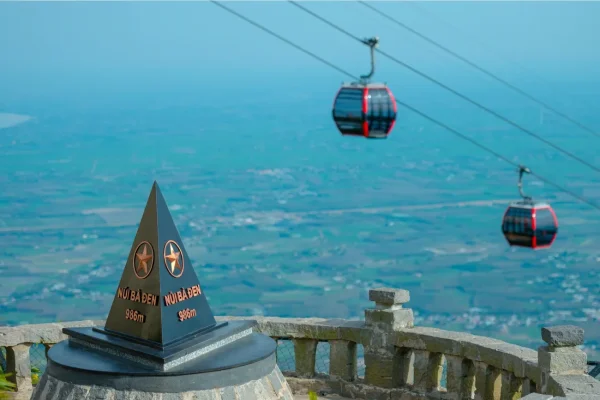
Image Source: Sun Paradise Land
Why Visit Ba Den Mountain
Ba Den Mountain stands at 986 meters and claims the title of Southern Vietnam’s highest peak. This sacred mountain sits 100 kilometers northwest of Ho Chi Minh City and has served as a pilgrimage destination for three centuries. The legend of Linh Sơn Thánh Mẫu forms the foundation of its spiritual significance. Sun World developed a modern cable car system manufactured by Austrian company Doppelmayr. The Van Son summit line covers 1,847 meters of elevation and uses 113 cabins that transport up to 4,400 passengers per hour. Ba Den Station holds the Guinness World Record as the world’s largest cable car station at 10,959 square meters.
Top Things to Do at Ba Den Mountain
The 300-year-old Ba Den Pagoda complex has active pilgrimage sites where incense burns without pause. The Tay Bo Da Son Bodhisattva Statue rises 72 meters and is recognized as Asia’s tallest bronze Buddha statue on a mountaintop. Rice paddies, rubber plantations and Dầu Tiếng reservoir come into view on clear days. Van Son cable car tickets cost 400,000 VND for adults and 300,000 VND for children. Chua Hang round trips run 250,000 VND and 150,000 VND for adults and children.
How to Get to Ba Den Mountain from Ho Chi Minh City
The drive takes about 2 hours via Highway 22. Coaches cost 160,000-220,000 VND and limousines run 190,000-300,000 VND.
Tips for Visiting Ba Den Mountain
December through April offers the best visibility and cooler temperatures. Modest clothing that covers shoulders and knees is required at pagoda areas. Temple buildings require you to remove footwear before entering. Cable cars operate from 5:30 AM to 9:30 PM.
Comparison Table
| Destination | Distance from HCMC | Travel Time | Transportation Cost | Main Highlights | Entry Fee | Best Time to Visit |
| Ben Tre | 85 km | 1.5-3 hours | $4-100 (bus to guided tour) | Coconut plantations, sampan cruises and candy factories, cycling through villages | – | – |
| Cu Chi Tunnels | 60 km | 1.5-3 hours | $2-100 (public bus to boat tour) | 121 km underground tunnel network, war history and crawling through tunnels, shooting range | $4-6 | 7:00 AM arrival to avoid crowds and heat |
| Vung Tau | 125 km | Under 2 hours | VND 120,000-250,000 ($5-10) | 32-meter Christ statue, Bach Dinh (White Palace) and 10 km Back Beach, fresh seafood | – | – |
| Can Gio Mangrove Reserve | 74 km | 1.5-2.5 hours | $2-65 (bus to taxi) | 75,740-hectare UNESCO Biosphere Reserve, 1,500 wild monkeys and bird sanctuary, bat conservation | 35,000 VND (~$1.50) | December-April (dry season); May-October to watch birds |
| Mui Ne | 200 km | 2.5-5 hours | VND 160,000-1,200,000 ($7-50) | White and Red Sand Dunes, Fairy Stream and kiteboarding, fishing village market | VND 20,000-30,000 to sandboard | October-March to kiteboard |
| Cai Rang Floating Market | 165 km (to Can Tho) | 3 hours | VND 165,000-1,200,000 ($7-200 on tours) | Mekong Delta’s largest wholesale floating market, floating breakfast boats and folk music | VND 150,000-400,000 to rent boat | 5:00-6:30 AM arrival; December-April |
| Tay Ninh (Cao Dai Temple) | 95 km | 1 hour 20 min – 2 hours | $5-139 | Cao Dai Holy See, unique religious architecture and noon prayer ceremony | Free | Noon ceremony at 12:00 PM |
| My Tho | 70 km | 1-2.5 hours | $4-7 (bus) | Vinh Trang Pagoda (built 1849), Tien River boat trips and coconut candy workshops, folk music | – | – |
| Con Dao Islands | 185 km offshore | 50 min-6 hours (flight vs ferry) | VND 300,000-1,800,000 ($13-75) | 16 pristine islands, 25+ dive sites and Con Dao Prison, sea turtles, Dam Trau Beach | – | November-July (dry season) |
| Da Lat | 308 km | 50 min-10 hours (flight vs bus) | $8-200 | 1,500m elevation, Bao Dai Palace and Crazy House, waterfalls, flower gardens, 20-27°C year-round | – | Year-round (eternal spring climate) |
| Cat Tien National Park | 150 km | 3-5 hours | VND 100,000-2,000,000 ($4-85) | 82,000-hectare UNESCO reserve, 300+ bird species and gibbon treks, Crocodile Lake, night safari | – | December-May (dry season) |
| Ho Coc Beach | 125 km | 2.5-3 hours | $3-8 | 10 km wild beach, camping under pine groves and SUP, Binh Chau Hot Springs nearby | $5-8 to kayak | – |
| Ke Ga Beach & Lighthouse | 180 km | 2.5-4 hours | $28-65 | Vietnam’s oldest and tallest lighthouse (1897, 35m high), 183 spiral steps, island 500m offshore | VND 50,000-100,000 to rent boat | – |
| Tan Lap Floating Village | 110 km | 2-3 hours | $6-70 (bus to full tour) | 135-hectare melaleuca forest, lotus fields and Truc Lam Chanh Giac Zen Monastery, 38m watchtower | VND 50,000-120,000 (~$2-5) | August-November (flooding season); September-December to see lotus |
| Ba Den Mountain | 100 km | 2 hours | VND 160,000-300,000 ($7-13) | 986m peak (Southern Vietnam’s highest), 300-year-old pagoda and 72m Buddha statue, Guinness Record cable car | VND 150,000-400,000 to ride cable car | December-April (best visibility) |
Enjoy Day Trips From Ho Chi Minh
Southern Vietnam offers remarkable diversity for travelers who want escapes beyond Ho Chi Minh City’s urban energy. You’ll find options from the Cu Chi Tunnels’ historical significance just 60 kilometers away to Con Dao’s pristine beaches 185 kilometers offshore. Beach enthusiasts can choose between Vung Tau’s quick access and Mui Ne’s dramatic sand dunes or Ho Coc’s wild camping spots. Nature lovers will find UNESCO-protected reserves at Can Gio and Cat Tien. Cultural explorers can experience floating markets and Cao Dai ceremonies along with mountain pagodas. Travel times span 1.5 to 10 hours. Budgets accommodate every traveler. These destinations provide exceptional experiences. Pick the trips that match your interests and start discovering Vietnam’s captivating southern region.
FAQs
Q1. How far are the Cu Chi Tunnels from Ho Chi Minh City and what’s the best way to get there? The Cu Chi Tunnels are located 60 kilometers northwest of Ho Chi Minh City. The most convenient option is taking guided bus tours costing $15-40, which include transport, English-speaking guides, and entry tickets, with the journey taking 1.5-2 hours. Budget travelers can use public busses (Bus 13 to Cu Chi, then Bus 79 to the tunnels) for approximately $2-3, though this takes 2.5-3 hours.
Q2. What is the best time to visit Cai Rang Floating Market? The best time to visit Cai Rang Floating Market is between 5:00-6:30 AM when trading activity is at its peak and sunrise beautifully illuminates the Hau River. The market operates until 9:00-10:30 AM. For optimal weather conditions, plan your visit between December and April when you’ll experience clear skies, comfortable temperatures, and abundant fruit harvests.
Q3. Can you visit Da Lat as a day trip from Ho Chi Minh City? While technically possible, Da Lat is 308 kilometers from Ho Chi Minh City, making it challenging as a day trip. Flights take only 50 minutes, but sleeper busses require 6-10 hours and private cars need about 6 hours. Due to the distance and travel time, Da Lat is better suited for an overnight stay to fully enjoy its cool climate, waterfalls, and attractions.
Q4. What should I wear when visiting the Cu Chi Tunnels? Wear old, light clothing and sturdy shoes as the tunnels are dusty and jungle paths can become slippery. Avoid bulky bags when entering the tunnels, and pack essentials like insect repellent (due to Dengue Fever risk), sunscreen, and water. The site can get very hot, so breathable fabrics are recommended.
Q5. How much does it cost to visit Ba Den Mountain’s cable car? Cable car tickets to Van Son summit cost 400,000 VND for adults and 300,000 VND for children. The Chua Hang round trip costs 250,000 VND for adults and 150,000 VND for children. The cable cars operate from 5:30 AM to 9:30 PM daily, and visitors should wear modest clothing covering shoulders and knees when visiting pagoda areas.




Leave A Comment