

What Is Tai Chi Walking? Understanding the Basics
Tai chi walking is a moving meditation that evolved from traditional Chinese tai chi practices. Unlike regular walking, which focuses on getting from point A to point B, tai chi walking emphasizes the journey itself—the quality of each step, your breathing pattern, and your mental presence throughout the movement.
“Tai chi walking involves an intentional, slow flow of motion,” explains Dr. Suzanne Hackenmiller, walking expert and medical advisor. “It’s less about distance and more about developing a conscious connection with your body—focusing on maintaining good posture, keeping your balance, and controlling your breathing.”
The practice originated from Tai Chi Chuan, a martial art developed in 17th-century China by Chen Wangting. While traditional tai chi incorporates various forms and movements, tai chi walking distills these principles into a simplified practice centered around the fundamental act of walking.
What makes tai chi walking unique is its emphasis on weight shifting, mindful movement, and coordinated breathing. Each step becomes a deliberate act of balance and awareness, creating a moving meditation that calms the mind while strengthening the body.
The Remarkable Benefits of Tai Chi Walking

The gentle nature of tai chi walking belies its powerful effects on both physical and mental health. Research published in BMJ Evidence-Based Medicine shows that both walking and tai chi individually are effective in treating insomnia, while a 2017 study in the journal Peer J reveals that both activities can improve cognitive function and fitness, particularly in older adults.
Physical Benefits
- Improved balance and stability, reducing fall risk especially in older adults
- Enhanced leg and core strength through constant engagement of stabilizing muscles
- Better posture from mindful alignment practices
- Increased joint mobility and flexibility
- Improved circulation and cardiovascular health
- Enhanced coordination and proprioception (body awareness)
Mental and Emotional Benefits
- Reduced stress and anxiety through mindful focus
- Improved mood and mental clarity
- Enhanced concentration and focus
- Better sleep quality
- Increased mind-body connection
Spiritual Benefits
Beyond the physical and mental advantages, regular tai chi walking practice can foster a deeper sense of inner peace and spiritual well-being. The practice encourages practitioners to be fully present, cultivating a state of mindfulness that many find spiritually nourishing.
Federica Gianni, personal trainer and meditation teacher, notes: “Instead of just walking for exercise, in tai chi walking, every step is done with full awareness. You shift your weight carefully, coordinate your breath, and stay relaxed and balanced. It’s almost like doing moving meditation, but in walking form.”
Ready to Experience the Benefits of Tai Chi Walking?
Download our free 7-Day Tai Chi Walking Starter Plan and begin your journey to better balance, reduced stress, and improved well-being.
Tai Chi Walking Technique: A Step-by-Step Guide
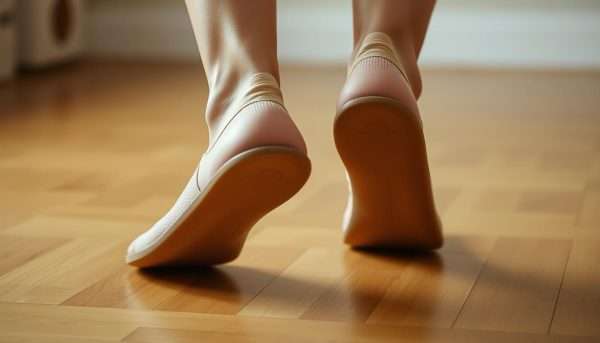
Learning tai chi walking begins with understanding the proper technique. While it may look simple, each movement is deliberate and purposeful. Here’s how to get started:
Basic Posture
- Stand with feet hip-width apart, knees slightly bent (never locked)
- Relax your shoulders and let your arms hang naturally at your sides
- Imagine a string pulling the crown of your head upward, lengthening your spine
- Tuck your chin slightly to align your neck with your spine
- Soften your gaze, looking straight ahead
The Fundamental Step
- Shift your weight fully onto one leg (for example, the right leg)
- Slowly lift your unweighted foot (left foot) slightly off the ground
- Place your heel down first, then roll through the foot as you transfer your weight
- Complete the weight transfer until your weight is fully on the forward foot
- Repeat with the other foot, maintaining a slow, continuous motion

Breathing Technique
Coordinating your breath with movement is central to tai chi walking:
- Breathe naturally from your diaphragm (belly breathing)
- Inhale as you lift your foot
- Exhale as you place your foot down and transfer weight
- Keep your breathing smooth, deep, and relaxed
Hand Positions
While beginners often start with arms hanging naturally at their sides, as you progress, you can incorporate traditional tai chi hand positions:
- Basic position: Arms relaxed at sides
- Intermediate: Arms gently curved at elbow height, palms facing down
- Advanced: Coordinating arm movements with each step (similar to natural walking but more deliberate)
How Tai Chi Walking Differs From Regular Walking

| Aspect | Regular Walking | Tai Chi Walking |
| Pace | Moderate to brisk | Deliberately slow and measured |
| Focus | Destination or distance | Quality of movement and breath |
| Weight Transfer | Automatic, unconscious | Deliberate, complete weight shifts |
| Foot Placement | Natural heel-to-toe | Exaggerated, mindful heel-to-toe rolling |
| Breathing | Typically unconscious | Coordinated with movement |
| Mental State | Often distracted or multitasking | Present, mindful, meditative |
Unlike other mindful walking practices such as Buddhist walking meditation, which primarily focuses on mental awareness, tai chi walking equally emphasizes physical technique, balance, and energy flow. The practice incorporates principles from traditional Chinese medicine regarding “qi” (vital energy) circulation, making it both a physical exercise and an energetic practice.
Beginner’s Guide to Tai Chi Walking Practice

Getting Started: Your First Practice
- Find a quiet, flat space free from distractions
- Wear comfortable, loose-fitting clothing and flat shoes (or go barefoot)
- Begin with 5-10 minutes of practice, gradually increasing duration
- Start by establishing proper posture as described earlier
- Practice weight shifting from one foot to the other before adding steps
- Focus on quality rather than quantity of movement
A 10-Minute Beginner Routine
- 1 minute: Stand in the basic posture, focusing on breathing and relaxation
- 2 minutes: Practice weight shifting from foot to foot without stepping
- 5 minutes: Begin tai chi walking, moving forward slowly and mindfully
- 2 minutes: Practice turning (shift weight completely to one foot, pivot on that foot, then continue walking)
Common Mistakes to Avoid
- Rushing the movement – Remember, slower is better in tai chi walking
- Incomplete weight shifts – Ensure you fully transfer weight before lifting the next foot
- Rigid posture – Keep joints soft and body relaxed while maintaining alignment
- Holding breath – Breathing should be natural and coordinated with movement
- Looking down – Keep your gaze forward to maintain proper neck alignment
Tips for Improvement
- Practice in front of a mirror initially to check your posture
- Record yourself to identify areas for improvement
- Focus on one aspect (posture, breathing, or foot placement) per practice session
- Be patient with yourself—improvement comes with consistent practice
- Consider joining a class or finding an instructor for personalized guidance
Incorporating Tai Chi Walking Into Your Daily Routine

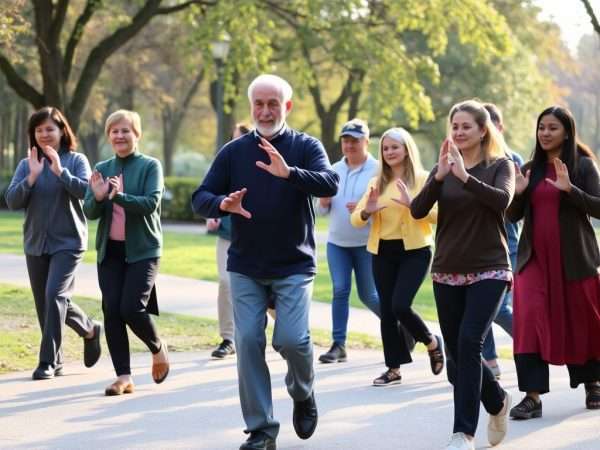
The beauty of tai chi walking lies in its flexibility—it can be practiced almost anywhere and adapted to fit your schedule. Here are strategies for making it a regular part of your life:
Finding Time for Practice
- Morning ritual – Start your day with 5-10 minutes of tai chi walking to center yourself
- Lunch break – Use part of your break for a brief practice to reset your mind
- Evening wind-down – Practice before bed to release tension and prepare for sleep
- Micro-practices – Even 1-2 minutes of mindful walking several times throughout the day can be beneficial
Creating a Practice Schedule
Consistency is key to experiencing the full benefits of tai chi walking. Consider this progressive schedule:
| Week | Frequency | Duration | Focus |
| 1-2 | 3 days/week | 5 minutes | Basic posture and weight shifting |
| 3-4 | 4 days/week | 10 minutes | Adding proper breathing coordination |
| 5-6 | 5 days/week | 15 minutes | Incorporating arm positions |
| 7+ | Daily | 15-30 minutes | Refining all elements together |

Adapting to Different Environments
- Indoor practice – Find a quiet hallway or clear space in your home
- Outdoor practice – Parks, gardens, or quiet paths are ideal for connecting with nature
- Limited space – Practice stepping in place or in a small circle
- Public spaces – Find a quiet corner in a public garden or building
Rowan Clift, training specialist, notes: “Even just a few minutes of tai chi walking a day makes a difference. Many teachers suggest about ten to 20 minutes daily, but even five mindful minutes before or after a regular walk can be grounding.”
Scientific Research Supporting Tai Chi Walking
The health benefits of tai chi walking are supported by a growing body of scientific research. Here are some key findings:
Balance and Fall Prevention
A study published in the Journal of Biomechanics found that the deliberate weight shifting in tai chi helps improve balance and reduce fall risk in older adults. The research demonstrated that regular practitioners showed improved proprioception (body awareness) and stability compared to non-practitioners.
Stress Reduction and Mental Health
Research in the Journal of Psychiatric Research showed that tai chi practices, including walking forms, can significantly reduce stress hormones like cortisol while increasing mood-regulating neurotransmitters. Participants reported decreased anxiety and improved sense of well-being after just eight weeks of regular practice.
Cardiovascular Benefits
A study in the American Journal of Medicine demonstrated that tai chi can improve blood pressure in older adults with cardiovascular disease. When combined with walking, the practice showed additional benefits for heart rate variability and overall cardiovascular function.

Cognitive Function
The 2017 study published in Peer J found that both walking and tai chi improved cognitive function in older adults. The combination of physical movement with mindful awareness appears to stimulate neural pathways that support memory and executive function.
These scientific findings support what practitioners have known for centuries—that the mindful movement of tai chi walking offers comprehensive benefits for physical, mental, and emotional well-being.
Master Tai Chi Walking with Expert Guidance
Watch our free video tutorial demonstrating proper tai chi walking techniques and get personalized tips from certified instructors.
Conclusion: Your Journey with Tai Chi Walking
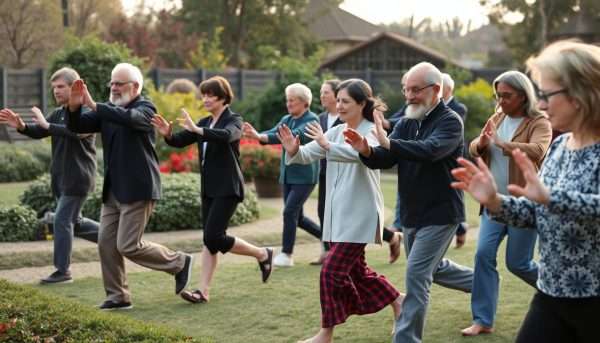
Tai chi walking offers a unique blend of physical exercise, mental focus, and spiritual awareness that few other practices can match. Its accessibility makes it suitable for almost anyone, regardless of age or fitness level, while its depth ensures that even longtime practitioners continue to discover new benefits.
As you begin or continue your tai chi walking journey, remember that consistency matters more than perfection. Even a few minutes of practice each day can yield significant benefits over time. Be patient with yourself, focus on the quality of your movement rather than quantity, and allow yourself to fully experience the present moment with each step.
In our busy modern world, tai chi walking offers a path to reconnect with ourselves, improve our health, and find moments of peace amid the chaos. Whether you practice alone in your living room or join a community of fellow enthusiasts in a park, the ancient wisdom of tai chi walking remains as relevant today as it was centuries ago—perhaps even more so.
Take that first mindful step today, and discover where the path of tai chi walking might lead you.













Leave A Comment