

Karakol’s Rich Culinary Heritage
Karakol’s food scene is a direct reflection of its fascinating history. Founded in 1869 as a Russian military outpost, the city soon became home to various ethnic groups who brought their culinary traditions with them. The most significant migration wave came in the late 1870s when Dungan (Hui) and Uyghur people fled unrest in Western China and settled in what is now Kyrgyzstan.
These settlers introduced dumplings, hand-pulled noodles and unique cooking techniques that blended with local Kyrgyz nomadic food traditions centered around meat, dairy and bread. This cultural fusion created the diverse and distinctive Karakol food landscape we see today, where a single street might offer everything from spicy Dungan noodle soups to traditional Kyrgyz nomadic dishes.
What makes Karakol a true food paradise is how these culinary traditions have been preserved through generations while still evolving with creative local twists. The specialties you’ll taste here have been perfected over decades by families who settled in this mountain town, creating flavors you simply won’t find elsewhere.
Must-Try Traditional Dishes in Karakol
Karakol’s diverse cultural influences have created a unique food scene with dishes you won’t find anywhere else in quite the same form. Here are the essential traditional dishes that define Karakol food and should be on every visitor’s culinary bucket list:
Ashlan-Fu
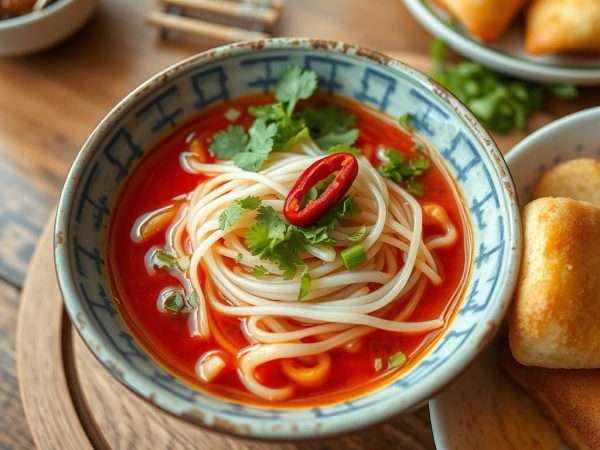
If Karakol had an official dish, ashlan-fu would undoubtedly claim the title. This spicy cold noodle soup is the pride of Karakol food culture and has Dungan origins. What makes it special is the playful combination of textures: thick, chewy rice noodles and thinner wheat noodles swimming in a tangy, vinegar-chili sauce and topped with fresh herbs.
The vibrant red broth delivers a perfect balance of sour, spicy and savory flavors that are especially refreshing on hot summer days. Locals even claim it’s the perfect hangover cure! To balance the heat, ashlan-fu is traditionally served with piroshky – fried bread stuffed with potatoes that helps mop up the delicious broth.
Where to try it: Head to the dedicated “Ashlan-fu Alley” at Karakol’s Small Bazaar, where vendors compete to serve the best version. Ashlan-fu Saida is widely considered to serve the most authentic version in town.
Laghman
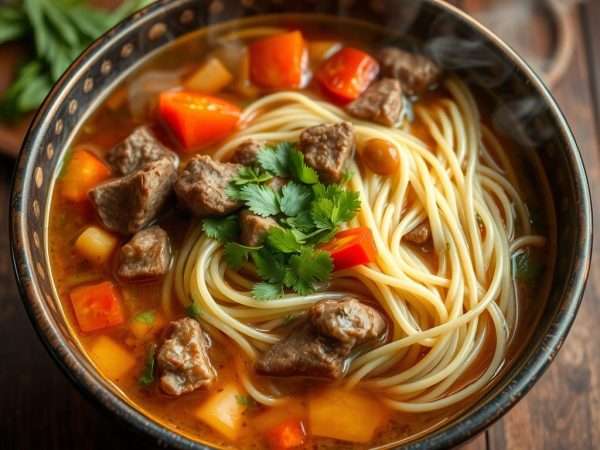
Laghman is perhaps Central Asia’s most beloved noodle dish and Karakol offers some of the finest versions you’ll find anywhere. The star of this dish is the hand-pulled wheat noodles – long, chewy and made fresh daily. The name itself means “stretched noodles,” and watching skilled cooks prepare them is a performance in itself.
In Karakol, you can sample three main styles of laghman: traditional soupy laghman with a flavorful broth, boso laghman where the noodles are stir-fried with vegetables and meat and guyru laghman which is less soupy but still moist. Each ethnic group – Uyghur, Uzbek, and Dungan – has their own signature style with different herbs and ingredients.
The dish typically features bell peppers, tomatoes, garlic, onions and tender pieces of beef or lamb, creating a hearty meal perfect after a day of mountain trekking.
Where to try it: Cafe Zarina is renowned for their excellent boso laghman, though many restaurants around town serve good versions. For a truly authentic experience, consider taking a cooking class to learn how to make your own.
Manti

Manti are steamed dumplings found throughout Central Asia, but Karakol has its own special versions that reflect the local food culture. Larger than typical dumplings, these palm-sized pockets of dough are pleated by hand and steamed to perfection.
Traditional fillings include lamb mixed with onions, but Karakol is especially known for its juisai (greens) version filled with local mountain herbs. Seasonal pumpkin manti are another local specialty worth seeking out in autumn. Each dumpling is typically served with a dollop of kaymak (sour cream) and sometimes a spoonful of laza (local chili sauce) for those who enjoy some heat.
The delicate dough and juicy filling make these dumplings an addictive treat that showcases the skill of Karakol’s home cooks.
Where to try it: Manti are ubiquitous throughout Karakol, but some of the freshest are found at the food stalls in Bogu Bazaar. Many family-run restaurants also serve excellent versions.
Beshbarmak

No exploration of Karakol food would be complete without trying beshbarmak, the national dish of Kyrgyzstan. The name translates to “five fingers,” referencing the traditional way of eating it with your hands. This hearty dish consists of hand-cut flat noodles topped with boiled meat (typically mutton or sometimes horse) that has been slow-cooked for hours in its own juices.
The meat and noodles are mixed together and served with a light broth called shorpo and topped with onions that have been marinated in the meat juices. This creates a delightfully messy concoction that’s perfect for warming up after outdoor adventures in the nearby mountains.
Traditionally a nomadic dish prepared for special occasions, beshbarmak represents the heart of Kyrgyz culinary heritage and offers a taste of the country’s pastoral traditions.
Where to try it: While beshbarmak is most commonly eaten in mountain homes, several restaurants in Karakol serve authentic versions. Dastorkon restaurant offers an excellent traditional preparation.
Ganfan
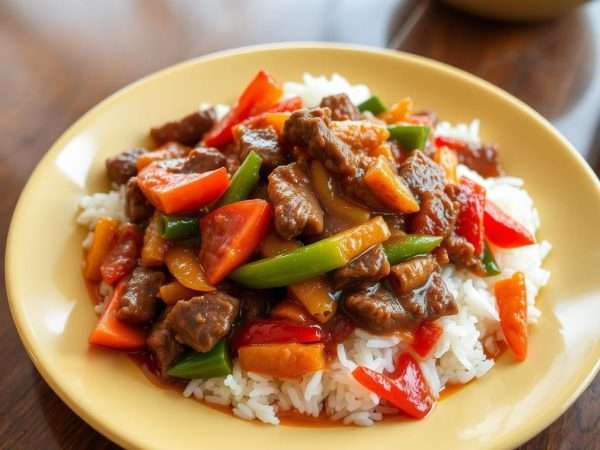
Ganfan is a beloved Dungan-inspired dish that has become a staple of Karakol food culture. Often described as the rice version of laghman, this hearty dish features steamed rice topped with a similar spicy meat and vegetable sauce that would normally be served with noodles.
There are several variations of ganfan you might encounter in Karakol. Jutse Tse features rice topped with egg and chive, Latse Tse includes fried peppers and meat over rice and Swan Tse combines rice with cabbage and meat.
The dish offers a perfect balance of carbohydrates, proteins and vegetables in one satisfying bowl. For those who enjoy spice, ask for some laza (chili sauce) on the side to add an extra kick.
Where to try it: The most authentic ganfan is found in Dungan family homes in the nearby village of Yrdyk. In Karakol proper, many restaurants serving Central Asian cuisine will have it on their menu.
Oromo
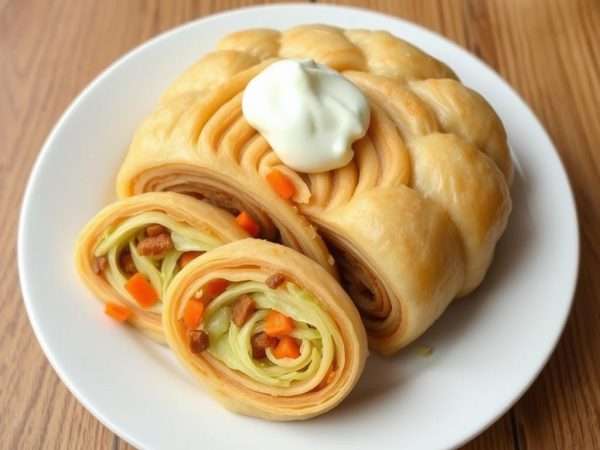
Oromo is a traditional Kyrgyz dish that’s as beautiful to look at as it is delicious to eat. The name means “wrapped,” which perfectly describes how this dish is prepared. Thin layers of handmade dough are filled with a mixture of ingredients, then rolled into a spiral and steamed in a special pan.
The most common fillings include finely chopped cabbage and carrots for a vegetarian version or small pieces of meat with onions for meat-eaters. When sliced, the spiral pattern reveals beautiful layers of dough and filling. Oromo is typically served with kaymak (similar to sour cream), which adds a pleasant tanginess to the dish.
This labor-intensive dish showcases the skill of Kyrgyz cooks and offers a lighter alternative to some of the heartier meat-focused dishes in Karakol food culture.
Where to try it: Kochevnik Restaurant serves a delicious oromo, though you can also find good versions at food stalls around Bogu Bazaar.
Kumis
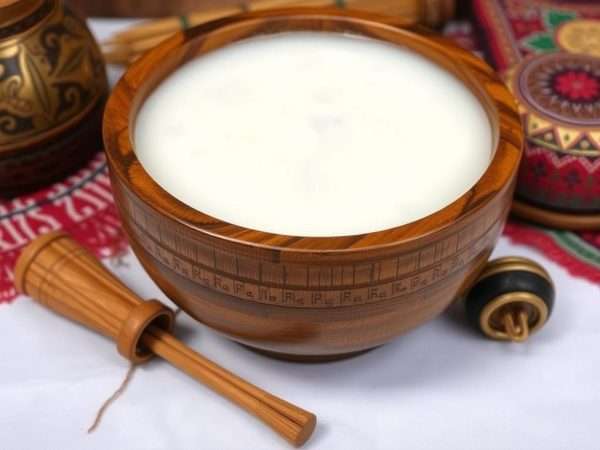
No article on Karakol food would be complete without mentioning kumis (also spelled kymyz), a traditional fermented mare’s milk beverage that holds cultural significance throughout Kyrgyzstan. This slightly alcoholic, mildly carbonated drink has been part of nomadic culture for centuries.
The production process involves fermenting fresh mare’s milk in a special container (traditionally a horse-hide sack) while churning it periodically over several days. The result is a tangy, slightly fizzy beverage with a distinctive flavor often described as a mix of yogurt and light beer.
Kumis is more than just a beverage – it’s considered to have medicinal properties and is an important part of Kyrgyz cultural heritage. While it’s definitely an acquired taste for most visitors, trying at least a small cup offers insight into the traditional nomadic lifestyle that shaped Kyrgyz cuisine.
Where to try it: Look for signs that say “кымыз” around Karakol, or pick up a bottle at Bogu Bazaar. It’s most commonly available in summer months when mare’s milk is plentiful.
Best Places to Experience Authentic Karakol Food
Now that you know what to eat, here’s where to find the most authentic Karakol food experiences:
Ashlan-fu Alley at Bogu Bazaar

For the most authentic Karakol food experience, head straight to the dedicated Ashlan-fu Alley at the Small (Bogu) Bazaar. This narrow passageway is lined with vendors who specialize exclusively in ashlan-fu and piroshky, competing to serve the best version of Karakol’s signature dish.
The most renowned stall belongs to Saida, whose ashlan-fu has achieved legendary status among locals and visitors alike. For around 130 KGS (approximately $1.50 USD), you’ll get a bowl of spicy noodles and a potato-filled piroshky – the perfect combination of flavors and textures.
The bazaar atmosphere adds to the experience, with locals crowding around small tables enjoying their meals. This is street food at its most authentic and a must-visit for any food lover in Karakol.
Tip: Visit between 11am and 2pm when the alley is busiest and the turnover ensures the freshest noodles.
Cafe Zarina
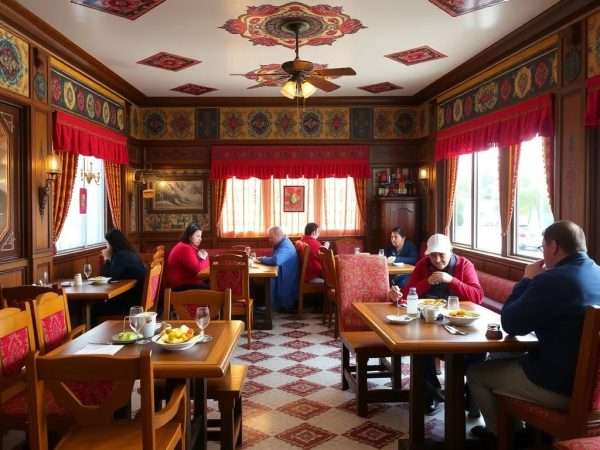
Cafe Zarina has earned a reputation as one of the best restaurants in Karakol for authentic local cuisine. Their boso laghman is widely considered flawless and they also serve excellent mompar (a soup with square dough noodles) and other traditional dishes.
The restaurant has a cozy, unpretentious atmosphere that appeals to both locals and visitors. Prices are reasonable, with most main dishes costing between 200-350 KGS ($2.50-4.00 USD). The staff is helpful and can accommodate special requests, including vegetarian versions of many dishes if you ask.
What makes Zarina special is their commitment to traditional cooking methods and flavors, offering a genuine taste of Karakol food culture without any tourist-oriented modifications.
Tip: Try their lentil soup alongside the laghman for a perfect meal combination.
Dastorkon
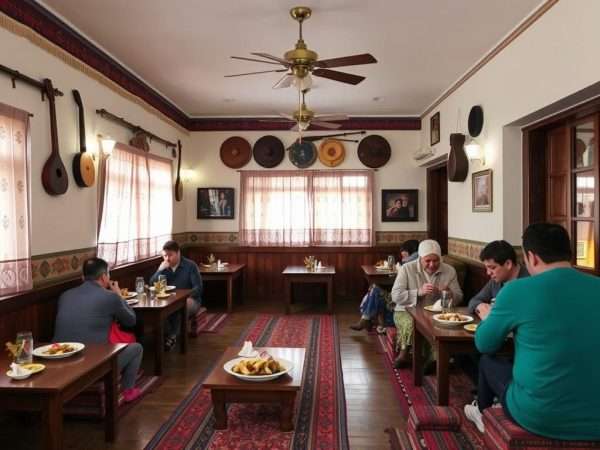
For a more upscale yet authentic Karakol food experience, Dastorkon offers traditional Kyrgyz cuisine in a beautiful setting that reflects the local culture. The restaurant’s name refers to the traditional tablecloth used for serving meals in Kyrgyz homes, and the interior is decorated with traditional textiles and crafts.
Dastorkon excels at classic Kyrgyz dishes like beshbarmak, kuurdak (a hearty dish of fried marinated meat with onions and potatoes) and shorpo (meat soup). Their menu also includes excellent salads and vegetable dishes that use fresh local ingredients.
While slightly more expensive than other local eateries (expect to pay 350-500 KGS/$4-6 USD for main dishes), the quality and atmosphere make it worth the splurge. The staff speaks some English and can help explain unfamiliar dishes.
Tip: If available, try their sea buckthorn drinks – a local specialty with a unique tangy flavor.
Karakol Cultural Dinners
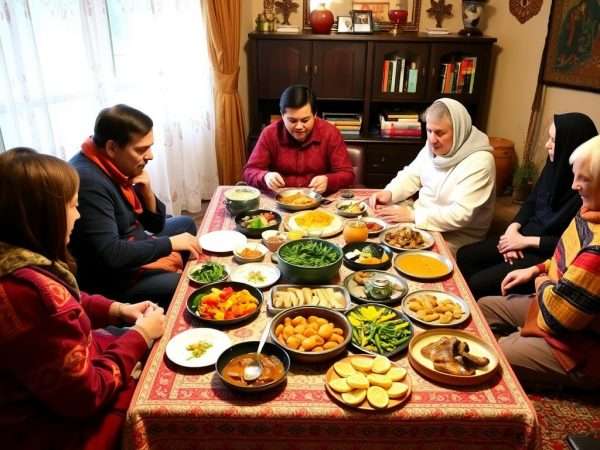
For the most immersive Karakol food experience, nothing beats participating in a cultural dinner with a local family. These organized experiences allow you to visit a family home, learn about traditional cooking methods and enjoy authentic dishes that are rarely found in restaurants.
Several types of cultural dinners are available, each highlighting different ethnic cuisines found in Karakol:
- Dungan Family Dinner: Experience Dungan cuisine including homemade ashlan-fu, ganfan and unique desserts like tomomo
- Kyrgyz Ethnic Dinner in a Yurt: Try traditional nomadic dishes like beshbarmak and kurgak kesme in an authentic yurt setting
- Uyghur Home-style Dinner: Sample rare dishes like goshnan (meat pie) that aren’t available in restaurants
These experiences typically cost around 1400 KGS ($17 USD) per person and include transportation, a guide and a full meal with multiple courses. They require advance booking and usually need a minimum of 4 participants.
Tip: Some dinners include cooking demonstrations where you can learn to make dishes like laghman noodles from scratch.
Karakol Lighthouse Cafe

When you need a break from traditional Karakol food or crave some excellent coffee, Karakol Lighthouse offers a modern cafe experience with both local and international options. This stylish spot has become popular with travelers for its relaxed atmosphere, reliable Wi-Fi and English-speaking staff.
While their menu includes Western favorites, they also serve quality versions of local dishes like laghman and manti. Their breakfast options are particularly good, making this a perfect morning stop before a day of exploring.
Prices are slightly higher than local eateries (expect to pay 300-500 KGS/$3.50-6.00 USD for main dishes), but the quality and atmosphere justify the cost. They also offer excellent desserts and pastries that make for a perfect afternoon treat.
Tip: Their brownie is frequently mentioned as one of the best sweet treats in town.
Practical Tips for Enjoying Karakol Food
Dining Etiquette
- It’s customary to wash your hands before meals, especially when eating traditional dishes like beshbarmak that are traditionally eaten with hands
- When dining in someone’s home, wait for the eldest person to begin eating before you start
- If offered kumis or other traditional beverages, it’s polite to at least take a small sip
- Leaving a small amount of food on your plate signals that you’ve had enough; a clean plate might suggest you’re still hungry
Budget & Pricing
- Street food like ashlan-fu is incredibly affordable at 100-150 KGS ($1.20-1.80 USD)
- Local restaurants typically charge 200-400 KGS ($2.40-4.80 USD) for main dishes
- Cultural dinner experiences cost around 1400 KGS ($17 USD) per person
- Many places only accept cash, so carry som (the local currency)
- Tipping is not expected but appreciated (10% is generous)
Seasonal Specialties
- Summer: Fresh fruit and berries, especially apricots and sea buckthorn
- Fall: Pumpkin-filled manti and other seasonal vegetable dishes
- Winter: Hearty meat dishes like beshbarmak and kuurdak
- Spring: Fresh herbs and greens in dishes like juisai manti
Language Tips
- Learn basic food terms in Russian or Kyrgyz (most menus are in Russian)
- Keep photos of dishes you want to try on your phone to show staff
- Many restaurants in tourist areas have picture menus
- “Vegetarianskiy” (vegetarian) and “Bez myasa” (without meat) are useful phrases
Explore Karakol’s Food Scene with a Guided Tour

For those who want to dive deeper into Karakol food culture but feel overwhelmed by the options or language barriers, a guided food tour offers the perfect solution. These experiences provide expert guidance, cultural context, and access to places you might not discover on your own.
Karakol Foodie Tour
For just 600 KGS (about $7 USD) per person, you can join a comprehensive food tour organized by Destination Karakol. This guided experience includes:
- Tastings of key Karakol food specialties including ashlan-fu, oromo, laghman, and azu
- Visits to local eateries that tourists rarely discover
- Cultural and historical context for each dish
- An English-speaking guide who can translate and explain ingredients
- Dessert at a local favorite spot
This tour is perfect for visitors with limited time who want to sample a variety of Karakol food specialties in one efficient outing.
Cooking Classes
For a more hands-on experience, cooking classes offer the chance to learn how to prepare traditional Karakol food yourself. Options include:
- Dungan Cooking Class: Learn to make ashlan-fu and other Dungan specialties
- Laghman Workshop: Master the art of hand-pulling noodles
- Kyrgyz Bread Making: Discover traditional bread baking techniques
These classes typically last 2-3 hours and include eating your creations afterward. Prices range from 800-1200 KGS ($10-15 USD) per person, and advance booking is required.
Embrace the Flavors of Karakol
Karakol food offers a unique window into the cultural tapestry of this fascinating region. From the spicy tang of ashlan-fu to the hearty comfort of beshbarmak, each dish tells a story of cultural exchange, adaptation and tradition preserved through generations.
What makes Karakol’s culinary scene special isn’t just the food itself, but the people behind it – families who have passed down recipes for generations, market vendors who have perfected a single dish over decades and home cooks who welcome visitors to their tables.
Whether you explore on your own or join a guided experience, taking time to discover Karakol food is an essential part of understanding this unique corner of Central Asia. So come hungry, eat like a local and create delicious memories that will last long after your journey ends.
Ready to Taste the Best of Karakol Food?
Book a cultural dinner or food tour to experience authentic local cuisine with expert guides who can introduce you to the best dishes and share the stories behind them.


Leave A Comment