
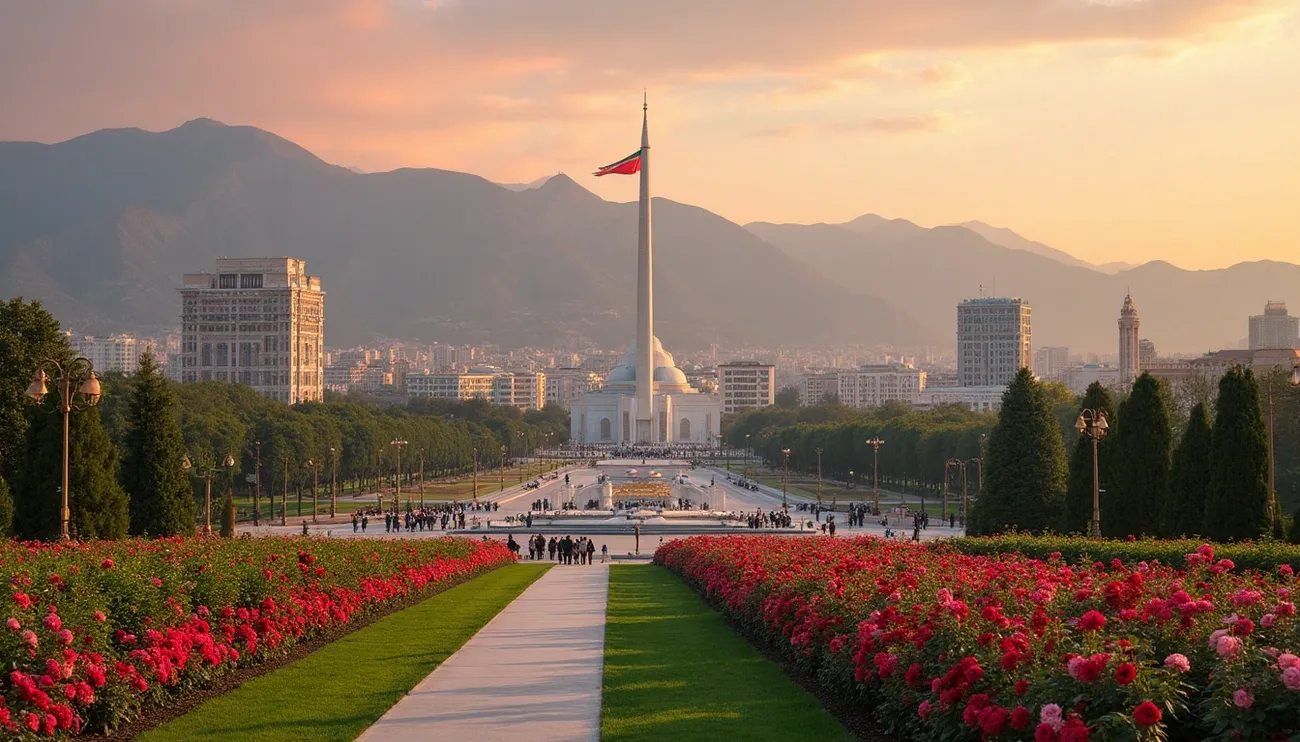
Dushanbe, Tajikistan rarely makes it to global tourist lists, yet this capital city holds surprising records and hidden treasures. The city got its name from its Monday market – Dushanbe means “Monday” in the local language. It changed completely after becoming Tajik Soviet Republic’s capital in 1924.
Many travelers skip this city while visiting Central Asia, but Dushanbe’s attractions sit conveniently within walking distance. Rudaki Park welcomes visitors with vibrant flowers and roses. The city’s 165-meter flagpole held the world record as the tallest freestanding flagpole from 2011 to 2014. Tajikistan’s beautiful spots continue to amaze visitors, and tourism numbers grow each year. This makes it the right time to find these local gems. Travelers can treat themselves to unexpected places while planning their Pamir Highway adventure or taking a break during their Central Asian trip.
Victory Park
Image Source: Canton Township
Victory Park sits atop a hill in eastern Dushanbe. This memorial pays tribute to World War II sacrifices and gives visitors amazing panoramic views of Tajikistan’s capital city.
What Makes Victory Park Special
The park’s centerpiece is a touching memorial complex constructed in 1985 that marks the Soviet victory’s 40th anniversary in the Great Patriotic War (1941-1945). A pink star-shaped eternal flame stands at its heart. The flame comes alive during special celebrations like Victory Day and Tajikistan’s Independence Day. A tiled wall rises behind the flame. It showcases the hammer and sickle emblem with words in Russian and Tajik that read “No one is forgotten, and nothing is forgotten”.
The “Alley of Heroes” creates the park’s most powerful impact. Steps lead down from the main memorial, and each level shows photographs and names of Tajik soldiers. These brave men earned the “Hero of the Soviet Union” title. The memorial tells the story of more than 300,000 Tajiks who fought in the war. Sadly, over 60,000 never made it home.
The park’s high position rewards visitors with stunning views of Dushanbe’s cityscape and mountain ranges. Tall fir trees create cool spots of shade. People come here to reflect quietly or enjoy picnics while taking in the beautiful scenery.
How to Get to Victory Park
The park sits about one kilometer from central Dushanbe and you can reach it several ways. Bus #37 takes you to the intersection of Shohtemur and Druzhby Narodov street. You’ll need to walk uphill for 1.5km to reach the park entrance.
A taxi ride straight to the restaurant area makes the trip easier. This spot used to be a cable car station. The memorial area is just a five-minute walk from here.
Local Tip
Spring brings the best conditions for walking up to the park and the views remain spectacular. Evenings transform the park into a gathering spot. Local couples and friends come here to enjoy its peaceful atmosphere. You might spot some people with “a sneaky bottle of vodka,” but the locals stay friendly and mind their own business.
Soviet war memorial enthusiasts should check out two other sites in Dushanbe. The memorial in Railways Park behind the Train Station and the Victory monument on Ayni Street add to the experience.
Rudaki Park
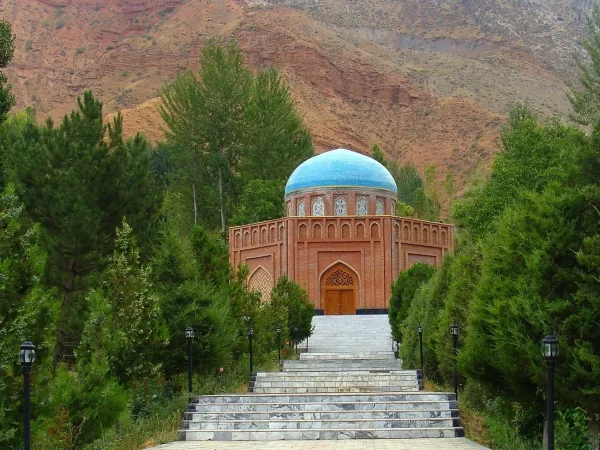
Image Source: Koryo Tours
Dushanbe’s Rudaki Park stands as a beautifully landscaped garden oasis in Tajikistan’s bustling heart. This cultural landmark and popular gathering spot takes its name from a 9th-century Persian poet, known as Tajik poetry’s founding father.
Why Locals Love Rudaki Park
A striking statue of Rudaki dominates the park, standing tall under a rainbow of stunning mosaics. Tajik people hold this monument close to their hearts – most homes have just two books: the Koran and Rudaki’s works.
The park’s charm goes beyond its cultural roots. Peaceful artificial lakes help visitors unwind, and fountains spray cool mists on hot summer afternoons. Beautiful lawns and flower beds create a mixture of colors that blend with trees from around the world. The park takes on a magical feel after dark with artistic lights glowing until 10 PM, making it look like something from an oriental fairy tale.
How to Get to Rudaki Park
You’ll find this central attraction easily. The park sits next to the massive Statue of Ismoil Somoni, surrounded by Dushanbe’s key buildings. Most city center hotels are a short walk away, and Hotel Tajikistan gives you a direct view of the park.
Public transport options include trolleybuses #1, #2, #10 or busses #3a, #8, #18 and #23 – they all stop by the park. If you’re flying in, Dushanbe International Airport lies about 5 kilometers from downtown, with plenty of taxis ready to bring you into the city.
Local Tip
The park really comes alive during national holidays, weekends and evenings. The fountain area turns into a stage where you can watch Tajik singers perform while locals dance nearby. Spring and summer bring the best conditions as fountains flow freely and trees provide cool shade. So even on scorching days, Rudaki Park remains a peaceful haven in one of Tajikistan’s most beautiful spots.
Wall of Great Tajik Writers
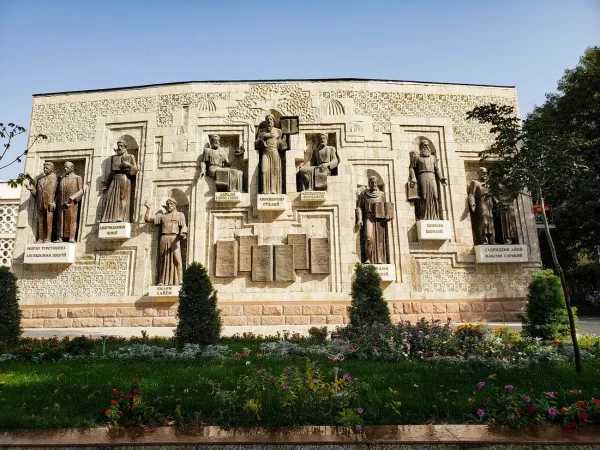
Image Source: Heroes Of Adventure
The Writers’ Union building’s grand facade stands as a powerful symbol of Tajikistan’s rich literary heritage. Eleven life-size statues rest in nine artistic niches on this impressive structure that celebrates the nation’s most revered poets and writers from over a millennium of literary excellence.
Historical Significance of the Wall
Renowned architect E. Salikhov built the Wall of Great Tajik Writers in the early 1980s. The structure blends Soviet Modernist architecture with Persian and Soviet literary traditions. This architectural landmark quickly became famous and showed Soviet values of social purpose, grandeur and simplicity.
Rudaki (859-941), known as the “Adam of Poets” and father of classical Persian literature, holds the central place of honor. Other literary giants surround him, including the mathematician-poet Omar Khayyam (1048-1131), epic writer Ferdowsi (940-1020) and Sadriddin Ayni (1878-1954) who wrote the first Tajik language novel.
The Writers’ Union started with a political goal to make sure literary works matched Communist ideals. Now it works like writers’ organizations in other countries to support and promote Tajik literature.
Where to Find the Wall
The Wall sits on Ismail Somoni Avenue in central Dushanbe. Visitors can reach it by taking Trolleybus routes 2 and 10 or Bus routes 8 and 23 to the Putovskiy stop. A small park next to the building features an interesting statue of Ayni and Russian writer Maxim Gorky in conversation.
Local Tip
The morning light creates perfect conditions to photograph the detailed sculptures. Reading about the writers from left to right takes you through a timeline of Tajik literary history. Literary fans might find it interesting that only two of the eleven writers were born in modern-day Tajikistan – evidence of the region’s rich cultural heritage and cross-border influences.
Navruz Palace
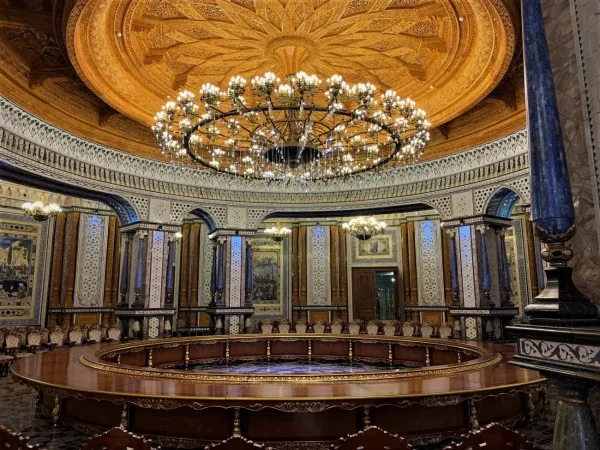
Image Source: Koryo Tours
Completed in 2014, Navruz Palace stands as one of Dushanbe’s largest and most opulent buildings. This architectural marvel has grown faster into a crown jewel among Tajikistan’s tourist attractions. The palace serves as both a cultural center and a venue that hosts high-profile international conferences.
Interior Expresses of Navruz Palace
The palace boasts 12-15 uniquely designed halls that showcase different elements of Tajik artistry. The majestic Zarandud hall steals the show with its 38-meter height and walls adorned in hand-painted gold spanning about 6,000 square meters. Sixteen towering columns grace the hall, which features a spectacular crystal chandelier. This masterpiece stretches 22 meters tall, spans 10 meters in diameter and weighs an impressive 5.5 tons.
The palace’s other remarkable spaces include:
- The Arzhang hall shines with Florentine mosaics that use 52 tons of semi-precious stones. Artists incorporated 29 types of local gems including jasper, lapis lazuli and onyx
- The Guliston hall reigns as the complex’s largest space at 6,500 square meters. Artisans from Khujand and Isfara created its intricate floral wood carvings
- Each floor celebrates specific materials—one gleams with white marble and gold, while another showcases hand-carved woods
How to Visit Navruz Palace
The palace sits at 14/2 Ismoili Somoni Avenue in central Dushanbe and is available through public transport. Bus routes 1, 3, or 5 stop right at the “Navruz Palace”. Downtown visitors might find taxis more convenient.
You’ll find the palace open Monday through Friday from 8:30 AM to 5:00 PM, but it stays closed on weekends. Entry costs less than $10 USD, making it an affordable way to experience Tajikistan’s most luxurious attractions.
Local Tip
Weekday visits offer a quieter experience since weekends often buzz with events and locals. Guided tours are a great way to get fascinating details about the palace’s construction and significance. The palace truly comes alive during Nowruz festivities (around March 21st) with cultural performances of traditional Tajik music and dance. Note that proper attire matters, especially during formal occasions—skip the shorts and tank tops.
Komsomol Lake
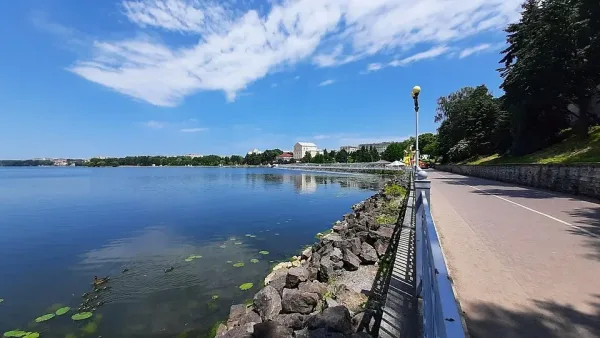
Image Source: en.wikipedia.org
Komsomol Lake sits in the northern part of Dushanbe and gives visitors a peaceful break from city life. Members of the Soviet Youth organization (Komsomol) built this artificial lake in 1939. Since then, it has become a favorite spot for locals and tourists who want to relax.
What Makes Komsomol Lake Special
The lake covers 21 hectares [link_1] with impressive dimensions. It stretches 715 meters long, varies from 203 meters wide in the northeast to 614 meters in the southwest and goes down to 5 meters deep. People now call it “Youth Lake” (Kuli ҷavonon in Tajik) and it gets its water from the Dushanbinka (Varzob) river.
The lake’s story goes beyond its beginnings. Architect V. Zhitomirsky designed a beautiful pavilion with snow-white Ionic columns that was added in 1954. The lake also has a proud sporting history – it had one of the best rowing facilities in Soviet sport. Yuri Lobanov, a 10-time world champion, trained here in 1982.
The views from the lake are stunning. Visitors can see Dushanbe’s modern skyline, including the Palace of the Nation, the Tajik flagpole and Nowruz palace. The luxurious Hyatt Regency hotel stands right by the water’s edge.
How to Get to Komsomol Lake
You’ll find the lake in central Dushanbe, just south of “Youth Park” in the Ismoil Somoni district. Its central location makes it easy to reach – you can take a taxi or include it in your walking tour of downtown Dushanbe.
Local Tip
The lake comes alive on warm days when locals gather around its shores. Vendors sell drinks and snacks along the water. The lake is most peaceful early in the morning, while afternoons buzz with Tajik families cooling off in the water. Some buildings around might look old, but the lake’s calm waters create a perfect spot to unwind.
National Library of Tajikistan
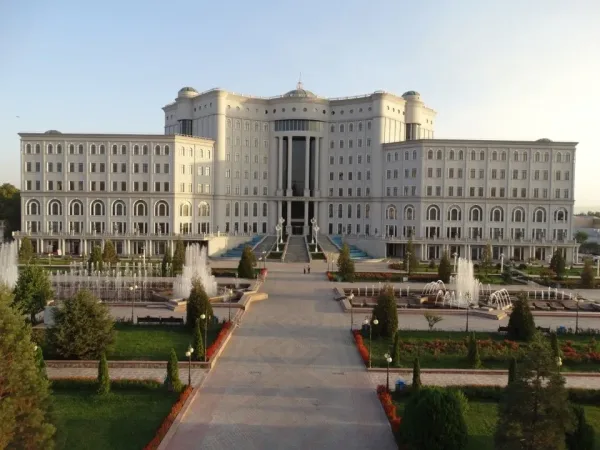
Image Source: Wikipedia, the free encyclopedia
The National Library of Tajikistan stands proudly next to the Somoni Monument in central Dushanbe. This remarkable building serves as both an architectural marvel and one of the city’s most important cultural landmarks. Since its opening in March 2012, it has become one of the capital’s most striking buildings that draws book lovers and architecture fans from everywhere.
Architecture and Design of the Library
The building’s design cleverly mimics an open book, which symbolizes knowledge and wisdom. Its impressive size makes it the largest library in Central Asia, stretching 167 meters long and 52 meters high, with a total area of 45,000 square meters.
Traditional Tajik architecture blends smoothly with modern design elements throughout the structure. The main facade features 22 busts of famous Tajik historical figures, scientists and literary icons. These sculptures tell the story of the nation’s rich intellectual history.
The white building lights up beautifully at night, making it a favorite spot for photographers. You’ll even find the library’s image on the 200 Somoni banknote – a testament to its cultural significance.
What’s Inside the Library
Behind its impressive facade, the library holds over 6 million items including books, manuscripts, magazines and digital resources. The building features:
- 25 reading rooms with 274 workstations for visitors
- Three exhibition halls showcasing ancient manuscripts and rare books
- Nine conference and symposium rooms that can hold up to 1,100 people
The Oriental Manuscripts Department houses 2,201 manuscripts that offer a wealth of Persian-Tajik literature. These include works from medieval masters like Rudaki, Firdousi, Ibn Sina, and Saadi.
Tech-savvy visitors can access modern information systems, including an electronic catalog and digital library resources.
Local Tip
The ground-floor café offers a perfect spot to relax with coffee after browsing the collections. Weekday visits help you avoid the crowds. Tajik citizens can enter free with their passport. International visitors should ask about guided tours that usually take 15-20 minutes and might cost a small fee.
Mehrgon Bazaar
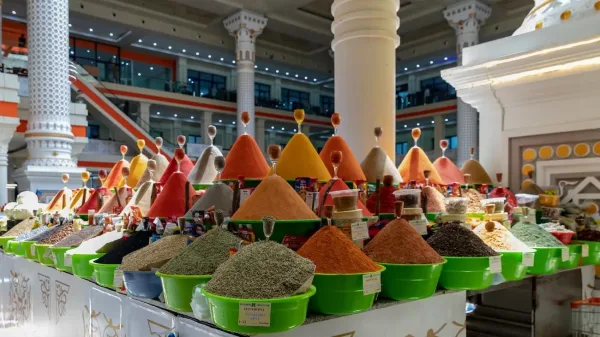
Image Source: VisitSilkRoad
The magnificent Mehrgon Bazaar captures Dushanbe’s true spirit, where local life bursts with color. Built in 2014, this market complex looks more like a palace than a shopping center. Its grand arches, decorated cornices, and Silk Road-inspired Islamic architecture make it stand out.
What to Buy at Mehrgon Bazaar
This massive market spans over 10,000 square meters on three floors. A stunning pyramid-shaped skylight bathes the spacious central area in natural light.
Food lovers can find these local treasures:
- Regional delights like Garm’s apples, Tursunzade’s rice, and Khatlon’s almonds
- A rich variety of dried fruits and nuts from northern Tajikistan
- Fresh produce, traditional Central Asian treats, and the national dish “Tajik Plov” (morning hours only)
The market’s charm goes well beyond food. The upper levels house clothing stores, hair salons, and various communication and financial services. Anyone interested in textiles should check out the beautiful collection of handmade fabrics, carpets and clothing that showcase Tajikistan’s cultural heritage.
How to Get to Mehrgon Bazaar
Getting to the market is easy with several transport options. You can take a taxi, hop on a minibus or catch bus number 4. Walking from central Dushanbe? Just turn off Rudaki Avenue onto any side street that leads to the market.
Local Tip
The real adventure lies beyond the main building. Hundreds of makeshift stalls fill the surrounding streets. This outdoor maze of shops creates a different vibe – busy and energetic in true Central Asian style. Shoppers can find construction materials, household appliances and kitchen items not available inside Mehrgon.
Dress appropriately, carry cash, and stay aware of your surroundings. The bazaar gives you a chance to sample new flavors, bargain with friendly sellers and soak up the lively atmosphere of this remarkable eastern marketplace.
Haji Yaqub Mosque
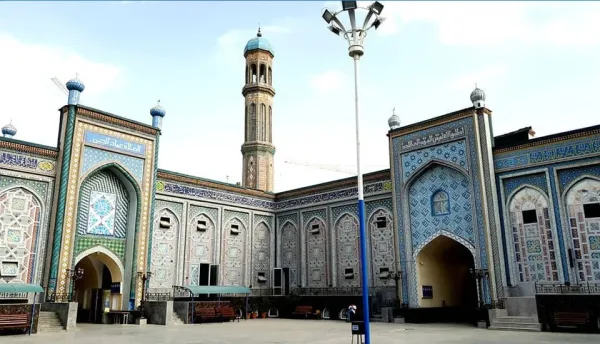
Image Source: Stantrips
Haji Yaqub stands proudly as the central mosque of Dushanbe, serving as both a spiritual sanctuary and cultural landmark. The sacred building bears the name of a prominent Tajik religious leader who escaped to Afghanistan. Today, it houses the Islamic Center of the Republic and the Islamic Institute of Tajikistan.
Spiritual Ambiance of the Mosque
Peace and tranquility greet visitors the moment they step inside Haji Yaqub Mosque. The prayer hall stretches out to welcome up to 3,000 worshippers. The mosque’s story began in 1856, built with money from Haji Yaqub and his mother. It went through major renovations after the Soviet Union dissolved in 1991, marking Tajikistan’s Islamic revival.
The mosque’s architecture stands out with its mix of Persian Islamic art and modern design. Beautiful mo’araq tiles (mosaics), calligraphic bands, muqarnas vaulting and pointed arches connect it to Persian architectural heritage. All the same, modern square mosaic tiles appear among these traditional features, creating its own special character.
Visiting Etiquette
The mosque welcomes visitors who follow these respectful practices:
- Dress modestly—women should cover their hair with a headscarf and wear loose-fitting clothing covering arms and legs; men should wear long pants and avoid sleeveless shirts
- Remove shoes before entering the prayer areas
- Avoid visiting during prayer times to prevent disrupting worshippers
- Ask permission before taking photographs, especially of people
- Keep quiet and turn off mobile phones
Local Tip
The best time to visit is early morning or late afternoon with fewer crowds. Religious festivals like Eid al-Fitr or Eid al-Adha are a chance to see the mosque decorated beautifully and filled with celebration. Time spent exploring the detailed architecture and peaceful courtyard helps visitors appreciate this spiritual haven more deeply. The mosque stays open daily from 4:00 AM to 11:00 PM, giving everyone plenty of time to experience one of Dushanbe’s most important attractions.
Soviet Mosaics
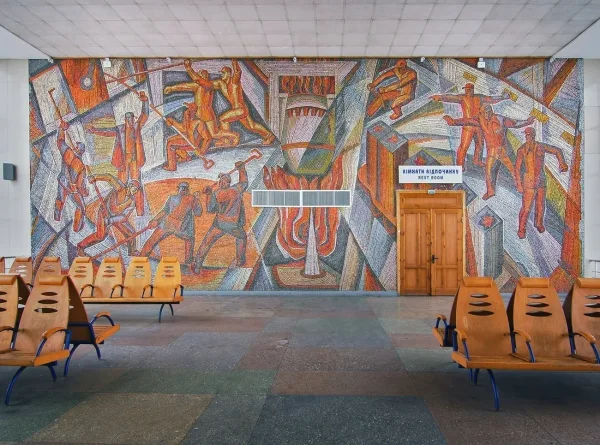
Image Source: COMRADE Gallery
Dushanbe stands out among former Soviet cities. While others have erased their communist heritage, Dushanbe’s colorful mosaic art still tells amazing stories of Tajikistan’s Soviet period. These eye-catching public artworks blend Soviet ideology with traditional Tajik cultural elements beautifully.
Where to Find Soviet Mosaics
The city’s artistic treasures grace buildings built from the 1960s onward. The Avicenna Soviet Mosaic catches everyone’s attention at the intersection of Abuali Ibn Sino Street and the road to the Historical Museum. You’ll spot another stunning mosaic mural with Soviet themes on Tehron Street 21. Local artists Anvarsho Sayfudinov and Jalil Rasulov created the printing house mosaic in 1983. Their work shows a perfect blend of Soviet and Tajik artistic styles.
Symbolism in the Mosaics
The public artworks tell a unique story of Soviet ideology mixed with Tajik identity. The Soviet Union chose mosaics as their official public art in 1918 because they lasted longer than painted murals in harsh weather. Tajikistan’s mosaics often show men and women as equals and celebrate education, publishing, and knowledge.
The printing house mosaic shows this cultural mix through three panels. The left panel depicts bookmaking, while the right one shows education and literacy. The center features a man and woman standing equally under words that read “A book is your friend in loneliness, a book is the source of knowledge”. Cotton appears often in these artworks since it drove Tajik Soviet economy.
Local Tip
The best photos come from visits in early morning or late afternoon. A local guide can help you learn about these mosaics’ history. The Bactria Cultural Center started their “Mosaic Tajikistan” project in 2019. They map Dushanbe’s mosaics to protect them. This project helps people explore these amazing artworks that combine Soviet realism with Tajik culture.
Ismaili Center

Image Source: the.ismaili
The Ismaili Center stands as one of Dushanbe’s finest architectural gems. It brings a modern revival of Central Asian design tradition. This landmark opened in October 2009 as the world’s fifth purpose-built Ismaili Center and Central Asia’s first, celebrating the region’s 1300-year Ismaili community history.
Architecture of the Ismaili Center
Canadian architect Farouk Noormohamed created the Center’s unique design that draws from Samanid architectural heritage. The exterior showcases sandstone baked brick with beautiful blue and turquoise glazed tiles that pay tribute to the 10th-century Samanid Mausoleum. Builders used three million bricks brought from Samarkand to complete this masterpiece.
The structure boasts five minarets. The main tower reaches 25 meters high, while the other four stand at 21 meters. The interior floors display patterned granite mosaics along with beech, wenge and cherry wood parquet. Beautiful woodcarvings, plasterwork, and hand-carved solid doors from Italy add to its elegant interior.
The building shines with its innovative sustainability features. Tajikistan’s high seismic activity led designers to add an elastic wood roof diaphragm that absorbs structural stress. The 25,500 square meter complex uses water-source pumps and a heat recovery wheel to stay energy efficient.
Tour Availability
Visitors can join free guided tours on weekends from 9:00 AM to 12:00 PM. Young students often lead these tours and give an explanation about the building’s architectural value and cultural significance. The Center serves beyond religious purposes and hosts cultural events, exhibitions, fairs and educational lectures regularly.
Local Tip
Note that photographers should visit in the morning hours when sunlight lights up the building’s intricate geometric patterns best. This Center means more than just architecture – it embodies cultural revival. Make sure to explore all four connected sections (administrative, social, prayer-meditative and educational) to grasp the Center’s detailed vision. Travelers looking for authentic experiences beyond Dushanbe’s usual tourist spots will find this landmark especially rewarding.
Visit Rustavi Georgia.
Botanical Gardens
Russian plant pathologist Boris Alexeevich Fedtschenko founded the Botanical Garden of the Academy of Sciences in 1933. This garden stands as Dushanbe’s leading scientific treasure. The 40-hectare sanctuary plays a crucial role in plant conservation and botanical research, setting it apart from the city’s recreational parks.
What to See in the Botanical Gardens
The garden houses an impressive collection of 1,765 tree species across five geographical zones. Visitors can discover dendroflora from Europe and Siberia with 188 species, the Mediterranean region with 303 species, Central Asia featuring 144 species, North America showing 363 species and East Asia displaying 767 species.
A striking cone-shaped glass greenhouse stands at the garden’s center. This structure creates a vibrant home for tropical plants in a lush environment. Plant lovers should visit the orchid house with its collection of rare and exotic blooms.
The Japanese Garden remains a highlight that emerged through collaboration with Japan. This peaceful space captures traditional elements with koi ponds, stone lanterns, bonsai trees and decorative footbridges. The grounds protect many endangered plant species listed in the Red Book of Nature.
Best Time to Visit
Each season brings its own charm to the garden. Spring bursts with vibrant blooms and blossoms. Summer shows off lush greenery. Autumn paints the scene with warm hues. Winter creates a peaceful snow-covered wonderland. Local performers entertain visitors in wooden pavilions on Saturday afternoons.
Local Tip
Early morning visits mean cooler temperatures and smaller crowds. Fitness enthusiasts can enjoy exercise stations throughout the grounds, with many designed for children. The entrance fee is just USD 0.50, making it an easy escape from city life. Visitors should bring cameras to capture seasonal flowers and wear comfortable shoes to explore the extensive trail network.
Gusgarf Waterfall
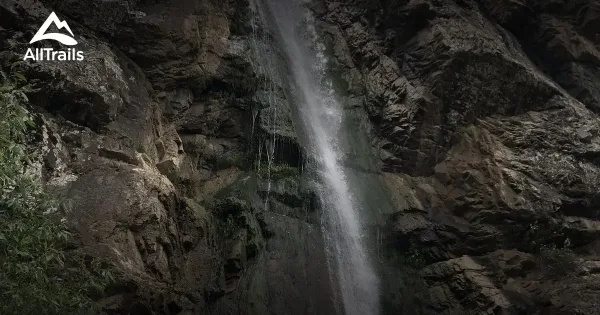
Image Source: AllTrails
A stunning 30-meter waterfall crashes down from a rocky cliff in the Hissar Mountain Range. Gusgarf Waterfall is one of nature’s most beautiful displays just outside Dushanbe. The thundering water creates countless sparkling drops that dance in the sunlight.
Hiking Route to Gusgarf
Your adventure starts at the 21km marker along the Varzob Gorge on the M34 Highway. The trail is moderately difficult and takes you through small villages where you’ll see local life up close. You’ll walk through beautiful forests and mountain slopes before reaching the waterfall after about 2-3 hours of trekking (8km one way).
The final stretch gets pretty steep but remains doable for anyone with average fitness. You’ll hear the rushing water get louder until the magnificent waterfall suddenly appears behind some rocks.
What to Pack
To make the most of this hidden gem in Tajikistan’s beautiful places, here’s what you need:
- Sturdy hiking boots with good grip to handle rough terrain
- Plenty of water and energy-rich snacks for the 4-6 hour round trip
- Trekking poles to help you stay stable on steep parts
- First aid kit, sunscreen, and bug spray to stay safe
- Camera to snap those amazing views and waterfall shots
- Light rain jacket to stay dry from waterfall spray, even on sunny days
Local Tip
The best time to visit is between April and May when red tulips and flowering hawthorn cover the mountain slopes. Plus, starting early helps you avoid crowds and gets you the best light to take photos. If you’re feeling brave, you can take a chilly dip in the deep round pool at the waterfall’s base. Just remember to check the weather before you go – the trail gets way harder after rain.
Shirkent Dinosaur Park
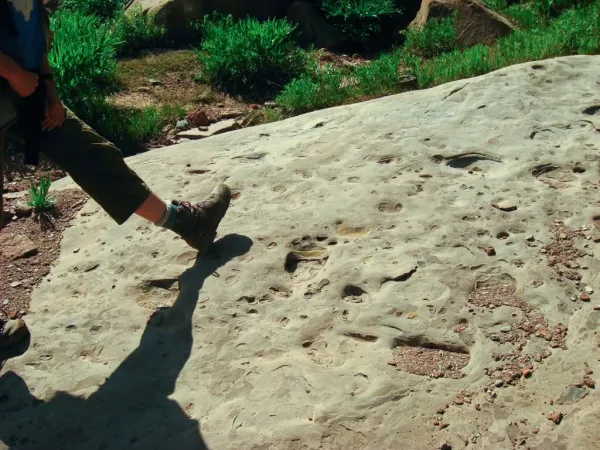
Image Source: Pamir Trips
Tajikistan holds an amazing prehistoric treasure just 60 kilometers from Dushanbe. Shirkent Historical and Natural Park stands out from regular tourist spots. Visitors can step back millions of years to see real-life dinosaur footprints preserved in remarkable detail.
Fossil Tracks at Shirkent
The park’s most exciting feature is its collection of fossilized dinosaur footprints. These belong to Macropodasaurusgravis – a five-toed dinosaur with unique prints. Scientists have found eight dinosaur track sites throughout Tajikistan. Three of these sites sit within the Shirkent River gorge. The numbers are impressive – more than 400 footprints spread across three locations from different time periods.
These ancient prints come in various sizes. Some tracks stretch up to 70cm long and 60cm wide, sinking 10cm deep into the ground. The first set of prints sits close to Shirkent village on the river’s right bank. These limestone prints measure about 0.5m long and 30cm wide. A second group appears 5km deeper in the gorge, showing Tridactylous prints between 50-65cm long.
How to Get to Shirkent
Travelers can choose several routes from Dushanbe. Busses leave from the Asia Express terminal regularly. Another option is taking shared taxis to Tursunzoda city from Zarnisor car station. This 100km trip costs about 20 somoni per seat. Local taxis in Tursunzoda charge 10-15 somoni to reach Shirkent village.
The trail starts at the entrance and runs about 5km. Hikers follow a scenic path along small rivers with cherry plum trees dotting the landscape. Most people complete the hike in about 5 hours.
Local Tip
Good preparation makes a big difference. Bring comfortable hiking shoes, pants, caps, sunscreen and at least one liter of water per person. Pack enough food to share with others – sandwiches and snacks work well. The trail needs moderate fitness levels. People with spinal injuries, pregnant women or those with heart problems should skip this hike.
Chaykhona Rohat

Image Source: Wikimedia Commons
Walking through Chaykhona Rohat’s doors transports you into a living museum of Tajik cultural heritage. This legendary teahouse, 64 years old, stands as one of Tajikistan’s oldest surviving “chaikhanas” that remains a cherished institution where history and daily life blend seamlessly.
Menu Highlights at Chaykhona Rohat
The menu spans over 100 food choices, which makes ordering both exciting and daunting. Traditional Tajik milk tea is the life-blood beverage that perfectly pairs with signature dishes like:
- Rice-based osh and flavorful shashlik kebabs
- Hot sambusas (as with Indian samosas) – deep-fried triangular dough pockets filled with vegetables or minced meat
- Hearty lagman, comforting shurpa soup and the national dish plov
Vegetarian options remain sparse, with fried eggs among the few reliable meat-free choices. The locally recommended “Dushanbe ice-cream” provides a refreshing sweet ending.
Ambiance and Setting
The teahouse sits on bustling Rudaki Avenue and engages visitors with its architectural fusion of stark Soviet design and intricate local ornamentation. A two-story structure features an open terrace adorned with vibrant mosaics. Elegant stairs lead guests to walls, columns and ceilings painted with traditional Tajik patterns.
Guests can choose between the open gallery overlooking the avenue or traditional raised platforms inside. The vast interior accommodates up to 1,000 guests at once, creating a space where “locals and tourists all mingle together… reminding colorful patterns of Tajik fabrics”.
Local Tip
The authentic atmosphere shines best during early afternoon when crowds are thinner. Language barriers exist since most staff members speak simple English. A simple Russian phrasebook or translation app helps smooth communication. The elderly patrons in their formal attire and traditional Tajik hats embroidered with silver thread deserve special attention—they embody the teahouse’s significance as a social hub.
This cultural landmark faces uncertainty—public campaigning saved it from demolition in 2015, yet recent announcements hint at possible demolition for modern development. Experiencing this historic gem should top your Dushanbe itinerary before potential changes occur.
Qurutobkhona
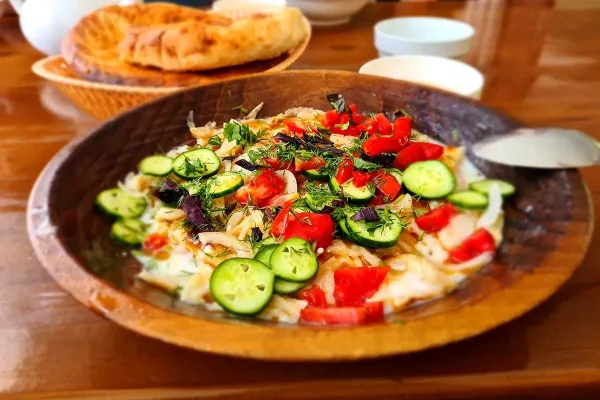
Image Source: Trek Tajikistan
Qurutobkhona establishments stand out in Central Asia’s food scene as special venues that serve Tajikistan’s beloved national dish. These unique eateries have become must-visit spots for food lovers who want to learn about Dushanbe’s amazing food culture.
What is Qurutob
The name qurutob comes from two main ingredients: “qurut” (dried balls of salty cheese) and “ob” (water). The dish starts when cooks dissolve qurut in water to create a yogurt-like sauce with a distinct salty taste. This sauce becomes the foundation for strips of fatir (a flaky flatbread) that are torn and layered on top. Fresh vegetables like onions, tomatoes, cucumbers, and herbs such as cilantro and parsley complete the dish. People eat this communal dish from a large wooden plate called a tabaq and traditionally everyone shares it using their hands.
The dish comes in different versions – some include meat like lamb or beef while others stay vegetarian. This simple bread salad shows authentic Tajik cuisine at its best by mixing basic ingredients into something amazingly flavorful.
Where to Try Qurutob
These spots serve the best qurutob in Dushanbe:
- Qurutob Olim – Many locals call it the best qurutob spot in the country
- Qurutobkhona-i Navruzi – Right in central Dushanbe, you can get qurutob with or without meat and ghee
- Qurutobkhonai “Nuh” – The homely atmosphere captures authentic Eastern charm
- Qurutobkhonai “Sayoh” – This place won the “Best National Cuisine 2020” award
A serving at most qurutobkhonas costs just a few US dollars.
Local Tip
New visitors should start with a half portion since the servings are quite big. Restaurants usually give spoons to tourists, but eating with your hands will make the locals smile. Remember to wash your hands at the washing stations near the entrance before your meal.
Comparison Table
| Location | Location/Access | Main Features | Best Time to Visit | Special Tips |
|---|---|---|---|---|
| Victory Park | 1km from central Dushanbe; Bus #37 or taxi | Memorial complex with eternal flame; “Alley of Heroes”; City views from above | Spring; Evening hours | Check out special lighting during national celebrations |
| Rudaki Park | Central location; Trolleybuses #1, #2, #10 or busses #3a, #8, #18, #23 | Rudaki’s statue; Artificial lakes; Fountains; Lit pathways | Spring through summer; Weekends | Cultural shows happen during national holidays |
| Wall of Great Tajik Writers | Ismail Somoni Avenue; Trolleybus 2,10 or Bus 8,23 | 11 life-size statues; Soviet Modernist architecture | Morning (best photos) | Read history chronologically from left to right |
| Navruz Palace | 14/2 Ismoili Somoni Avenue; Bus routes 1,3,5 | 12-15 distinct halls; Gold-covered Zarandud hall; Crystal chandelier | Weekdays; Nowruz festivities | Wear appropriate clothes; Book guided tours |
| Komsomol Lake | Central Dushanbe, Ismoil Somoni district | 21-hectare artificial lake; Historic pavilion; Rowing spots | Early mornings; Warm days | Grab snacks at shoreside stands |
| National Library | Near Somoni Monument | 9-story book-shaped building; 6 million items; 25 reading rooms | Weekdays | Try ground-floor café; Tajik citizens enter free |
| Mehrgon Bazaar | Take bus #4 or taxi from Rudaki Avenue | 10,000 sq meters; 3 stories; Local specialties | – | Wear modest clothes; Bring cash; Walk nearby streets |
| Haji Yaqub Mosque | – | Prayer hall fits 3,000 people; Traditional Persian architecture | Early morning or late afternoon | Dress appropriately; Skip prayer times |
| Soviet Mosaics | Scattered throughout city | Mix of Soviet ideology and Tajik culture | Early morning or late afternoon | Good lighting makes better photos |
| Ismaili Center | – | 5 minarets; Sandstone brick design; Green features | Morning hours | Free weekend tours 9AM-12PM |
| Botanical Gardens | – | 1,765 tree species; Japanese Garden; Glass greenhouse | Year-round; Early morning | Pay USD 0.50; Wear comfy shoes |
| Gusgarf Waterfall | 21km marker on M34 Highway | 30-meter waterfall; 8km trail | April-May (wildflower season) | Leave early; Pack hiking gear |
| Shirkent Dinosaur Park | 60km from Dushanbe; Bus/taxi via Tursunzoda | 400+ dinosaur tracks; 5km hiking trail | – | Pack water and snacks; Average fitness needed |
| Chaykhona Rohat | Rudaki Avenue | Traditional teahouse; 100+ dishes; Seats 1,000 people | Early afternoon | Language might be tricky; Use translation app |
| Qurutobkhona | Several spots in Dushanbe | Classic qurutob dish; Group dining setup | – | Try half portions first; Eat traditionally with hands |
Enjoy Dushanbe Tajikistan
Dushanbe shines as Central Asia’s hidden treasure with experiences ranging from Soviet-era monuments to natural wonders near the city. The compact capital lets visitors discover various attractions within walking distance or short drives. This makes it perfect for travelers who want authentic experiences without the tourist crowds.
The city showcases Tajikistan’s rich cultural heritage in remarkable ways. Victory Park offers panoramic city views that take your breath away. The vibrant Mehrgon Bazaar bursts with local life in colorful splendor. These spots give visitors a great way to get meaningful cultural experiences.
Architecture buffs will without doubt love the striking contrast between Soviet-era buildings with their colorful mosaics and modern masterpieces like the Ismaili Center and Navruz Palace. Each structure tells a story of Tajikistan’s complex history and bright future through intricate designs.
The Botanical Gardens provide a peaceful escape within the city limits. Just a short trip away, you’ll find the dramatic Gusgarf Waterfall and prehistoric wonders of Shirkent Dinosaur Park. Traditional teahouses and qurutobkhonas create perfect settings to taste authentic Tajik cuisine while watching local customs unfold.
Tajikistan’s visitor numbers grow each year, yet the country remains nowhere near touched by mass tourism. The year 2025 gives travelers a great chance to discover this Central Asian gem before it gains wider recognition. Dushanbe rewards adventurous travelers with affordable, accessible and authentic experiences off the beaten path.
You might spend a few days discovering the city or use it as a gateway to broader Tajik adventures like the Pamir Highway. Either way, these hidden gems promise memorable encounters with one of Central Asia’s most fascinating cultures. Just bring your curiosity and camera—Dushanbe welcomes you with open arms and unexpected delights at every turn.
FAQs
Q1. What are some unique attractions in Dushanbe?
Dushanbe offers several unique attractions, including the Wall of Great Tajik Writers featuring 11 life-size statues, the impressive Navruz Palace with its gold-covered Zarandud hall and the Soviet-era mosaics scattered throughout the city that blend ideology with Tajik culture.
Q2. When is the best time to visit Dushanbe?
The best time to visit Dushanbe is generally from spring through summer (April to September). This period offers pleasant weather for outdoor activities, and many parks and gardens are in full bloom. Specific attractions like Gusgarf Waterfall are particularly beautiful in April and May when wildflowers carpet the surrounding slopes.
Q3. What traditional Tajik dish should visitors try in Dushanbe?
Visitors to Dushanbe should try qurutob, Tajikistan’s national dish. It’s a unique bread salad made with dried yogurt balls (qurut) dissolved in water, topped with torn flatbread, vegetables and sometimes meat. You can find this dish at specialized eateries called qurutobkhonas throughout the city.
Q4. Are there any natural attractions near Dushanbe?
Yes, there are several natural attractions near Dushanbe. The Gusgarf Waterfall, located about 21km from the city, offers a scenic 8km hiking trail leading to a 30-meter waterfall. Additionally, the Shirkent Dinosaur Park, 60km from Dushanbe, features over 400 preserved dinosaur footprints along a 5km hiking trail.
Q5. What’s a good cultural experience to have in Dushanbe?
A great cultural experience in Dushanbe is visiting Chaykhona Rohat, one of Tajikistan’s oldest teahouses. Established in 1958, it offers a blend of Soviet design and traditional Tajik ornamentation, serving over 100 menu items. It’s an excellent place to observe local life and try authentic Tajik cuisine in a historic setting.


Leave A Comment