
Planning your trip? Download our free comprehensive New Mexico Travel Guide with detailed itineraries, insider tips, and seasonal recommendations to make the most of your visit.
White Sands National Park: A Desert Wonderland
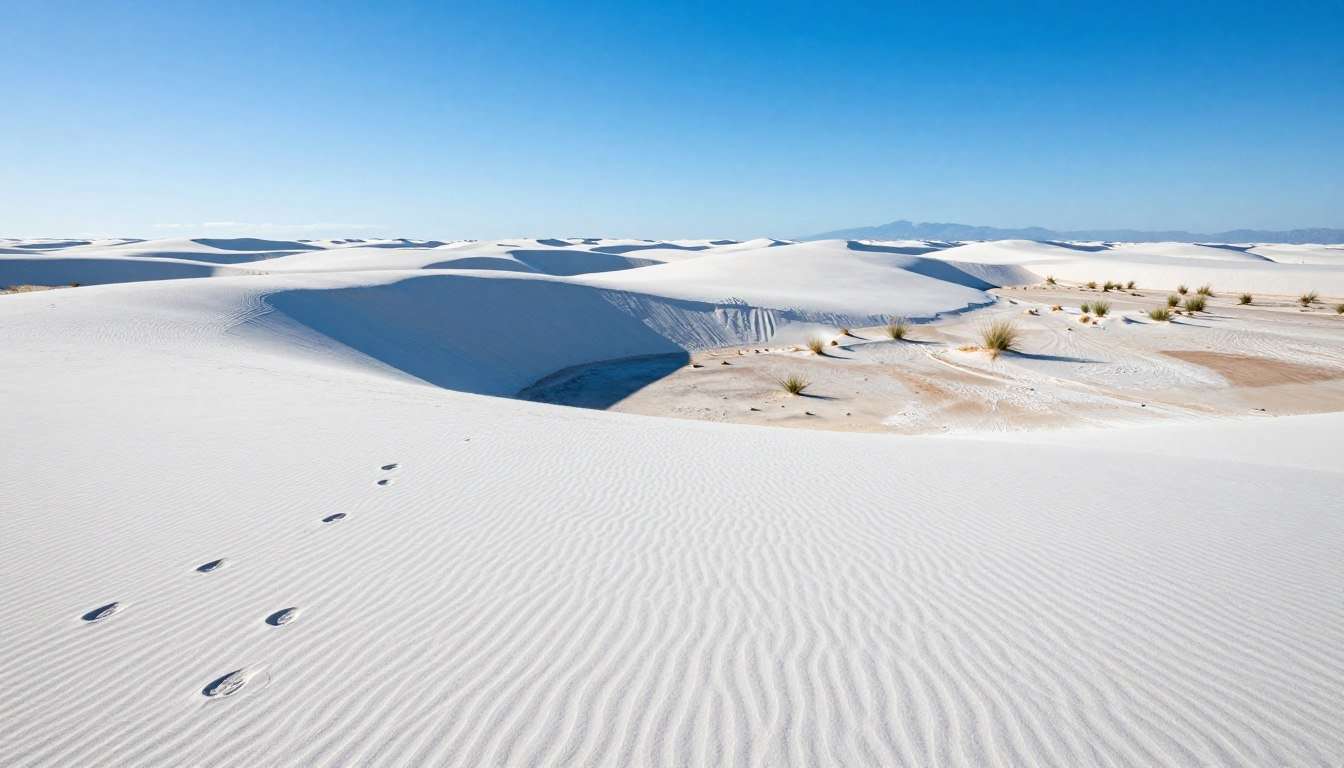
White Sands National Park stands as one of the most surreal landscapes you’ll ever encounter. The park contains the world’s largest gypsum dune field, stretching across 275 square miles of pure white sand.
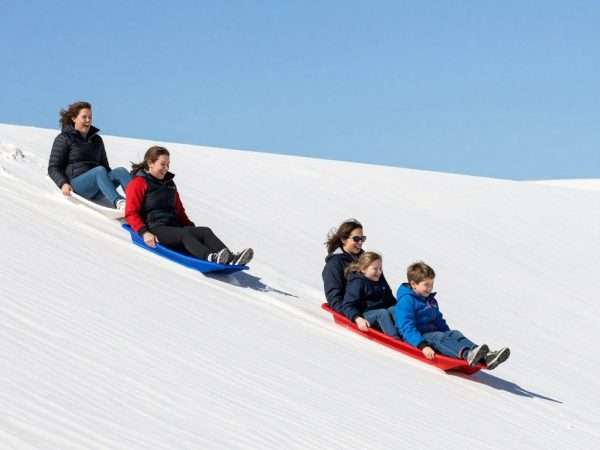
The brilliant white dunes create an otherworldly experience. Visitors can hike, sled down slopes, or simply wander through this unique desert environment.
What Makes White Sands Special
The gypsum crystals rarely exist as sand because they dissolve in water. White Sands formed in a rare geological scenario where water can’t escape the Tularosa Basin. As the water evaporates, it leaves behind these stunning white crystals.
The park offers several trails for different experience levels. The Interdune Boardwalk provides an easy walk with interpretive signs. For more adventure, the Alkali Flat Trail takes you five miles deep into the dune field.
Best Times to Visit White Sands
Visit during sunrise or sunset for the most spectacular views. The changing light creates incredible shadows and colors across the white sands. Summer temperatures can exceed 100 degrees, making spring and fall ideal seasons.
The visitor center opens daily and provides essential information about park conditions. Rangers offer guided walks that explain the unique ecology and geology of this remarkable place.
Experience White Sands Adventures
Book guided tours, dune sledding experiences, and sunset photography workshops. Expert guides help you discover the park’s hidden wonders and capture unforgettable memories.
Carlsbad Caverns National Park: Underground Marvels
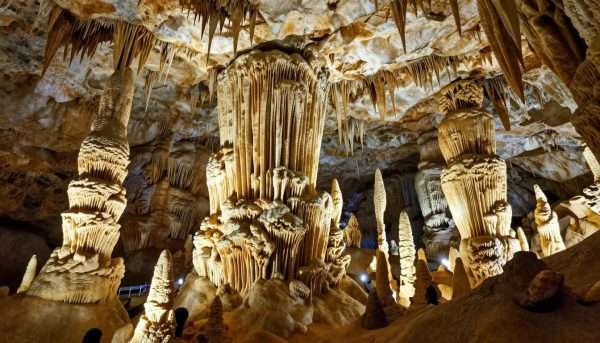
Carlsbad Caverns National Park takes you into one of the most impressive cave systems on Earth. The main cavern reaches depths of over 1,000 feet and contains rooms large enough to hold multiple football fields.
These limestone caves formed millions of years ago when sulfuric acid dissolved the surrounding rock. The result is a spectacular underground world filled with stunning rock formations.
Exploring the Caverns
Two main routes let you experience the caverns. The Natural Entrance route follows the traditional path early explorers used, descending 750 feet over about a mile. The elevator provides quicker access for those who prefer it.
The Big Room trail loops for 1.25 miles through the largest single cave chamber in North America. Massive stalactites and stalagmites create an alien landscape that leaves visitors speechless.
The Bat Flight Program
From May through October, hundreds of thousands of Brazilian free-tailed bats emerge each evening. The bats spiral out of the cave entrance in a spectacular natural phenomenon. Rangers present programs at the cave entrance amphitheater before the flight begins.
The caverns maintain a constant 56-degree temperature year-round. Bring a light jacket even during summer months. Comfortable walking shoes with good traction are essential for the sometimes slippery cave floors.
Important: Photography is allowed, but tripods require a permit. The caverns offer ranger-led tours to less-visited cave areas for those seeking more adventure. Reserve these specialized tours months in advance.
Plan Your Perfect New Mexico Adventure
Get our comprehensive 40-page New Mexico Travel Guide FREE. Includes detailed itineraries for 3, 5, and 7-day trips, seasonal recommendations, budget tips, hidden gems, and interactive maps. Everything you need to create your dream Southwest adventure.
Santa Fe: Art, Culture, and History
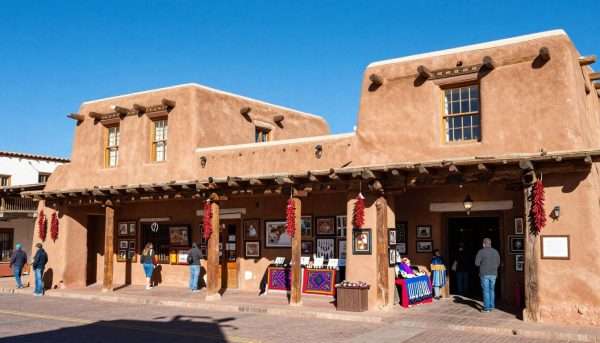
Santa Fe stands as America’s oldest state capital and a world-renowned art destination. The city’s distinctive adobe architecture and rich cultural heritage create an atmosphere unlike any other American city.
The historic plaza serves as the heart of downtown Santa Fe. Native American artists sell handmade jewelry and crafts under the portal of the Palace of the Governors, continuing a tradition that spans generations.
Canyon Road Art Galleries
Canyon Road contains over 100 art galleries within a half-mile stretch. The former burro path now showcases everything from traditional Southwestern art to contemporary installations. Gallery owners often greet visitors personally, creating an intimate art experience.
First Friday evening art walks bring the street alive with openings and special events. Many galleries serve wine and snacks while artists discuss their work with visitors.
New Mexico Cuisine
Santa Fe’s food scene deserves its own visit. The city claims to have invented New Mexican cuisine, a distinct style different from Mexican or Tex-Mex food. Green and red chile sauce tops nearly everything.
Historic restaurants like The Shed and Maria’s New Mexican Kitchen have served authentic New Mexican food for decades. The Christmas option lets you enjoy both red and green chile on the same plate.
Must-Try Santa Fe Experiences
- Visit Meow Wolf’s House of Eternal Return for immersive art
- Explore the Georgia O’Keeffe Museum
- Attend the Santa Fe Opera during summer season
- Shop at the Santa Fe Farmers Market for local products
- Take a walking food tour through downtown
- Visit during Indian Market or Spanish Market for special events
Discover Santa Fe With Local Experts
Experience the best of Santa Fe through guided cultural tours, art walks, and culinary adventures. Local guides share insider knowledge and hidden gems you won’t find in guidebooks.
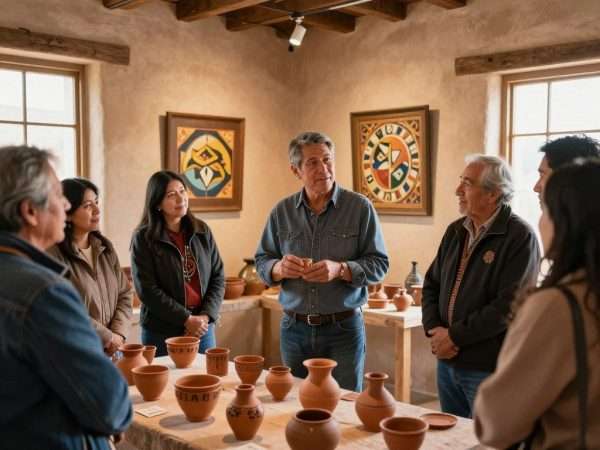
Taos Pueblo and Northern New Mexico
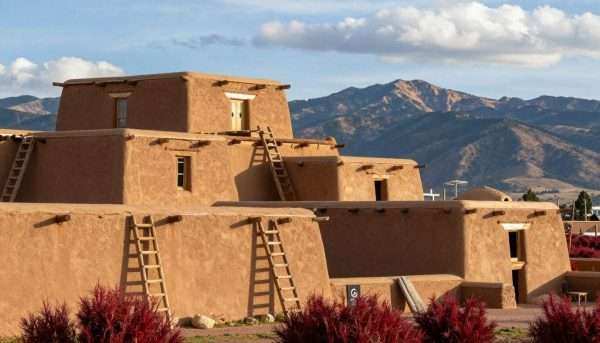
Taos Pueblo represents one of the oldest continuously inhabited communities in North America. People have lived in these adobe buildings for over 1,000 years, maintaining traditional ways despite the modern world around them.
The multi-story adobe structures remain largely unchanged since before Columbus reached America. Residents still live without electricity or running water in the main pueblo buildings, preserving their ancestral lifestyle.
Visiting Taos Pueblo
The pueblo welcomes visitors most days of the year, though it closes for several weeks in late winter for traditional ceremonies. Guided tours led by pueblo residents provide insight into the history, culture, and daily life of this remarkable place.
Respect for the community is essential. Photography is allowed in most areas with a permit, but always ask permission before photographing people. Some areas remain off-limits to visitors as they’re used for ceremonial purposes.
Taos Art Colony
The town of Taos itself has attracted artists for over a century. The dramatic landscape and unique light drew painters, writers, and other creative souls who established one of America’s most important art colonies.
The Harwood Museum and Taos Art Museum showcase works by early Taos artists and contemporary creators. Smaller galleries throughout town offer everything from traditional to cutting-edge contemporary art.
Outdoor Adventures Near Taos
Taos Ski Valley provides world-class skiing and snowboarding in winter months. Summer transforms the mountains into hiking and mountain biking paradise. The drive up to the ski valley offers stunning views regardless of season.
The Rio Grande Gorge Bridge stands 650 feet above the river, creating one of New Mexico’s most photographed spots. The gorge itself offers hiking and world-class whitewater rafting for adventure seekers.
Bandelier National Monument: Ancient Cliff Dwellings
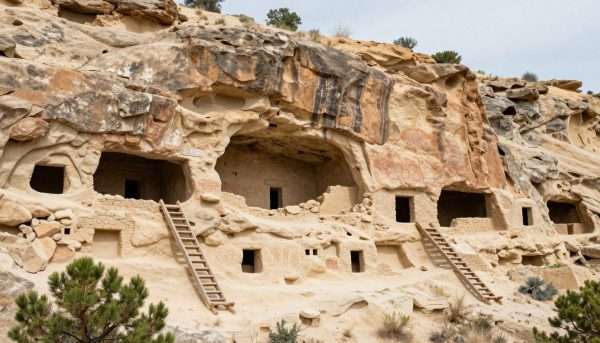
Bandelier National Monument preserves the ancestral homes of Pueblo people who lived here over 700 years ago. The site contains thousands of archaeological sites, including cliff dwellings carved directly into soft volcanic rock.
The main loop trail takes visitors through Frijoles Canyon where the ancestors of modern Pueblo people built their homes. You can climb wooden ladders into cliff dwellings and see ancient petroglyphs carved into the rock.
Exploring Bandelier
The Main Loop Trail covers 1.2 miles and provides access to the most significant cliff dwellings. Alcove House requires climbing four wooden ladders and 140 feet of elevation, but rewards visitors with a reconstructed kiva and spectacular canyon views.
Longer trails venture deeper into the backcountry where more remote pueblos await discovery. The visitor center offers exhibits explaining the area’s cultural and natural history. Rangers lead walks during peak season that bring the ancient sites to life.
Planning Your Visit
Summer temperatures in the canyon can be extreme. Morning visits provide cooler temperatures and better lighting for photography. The monument requires a shuttle reservation during peak season from May through October.
Bandelier sits at 6,800 feet elevation. Take time to adjust if you’re coming from lower elevations. Bring plenty of water, sun protection, and sturdy shoes for rocky trails.
What to Bring
Essential items for exploring Bandelier successfully and safely.
- At least one liter of water per person
- Sunscreen and wide-brimmed hat
- Sturdy hiking shoes with ankle support
- Camera with extra batteries
Trail Tips
Make the most of your Bandelier hiking experience.
- Start early to avoid afternoon heat
- Stay on marked trails to protect sites
- Watch for wildlife including elk and deer
- Allow 2-3 hours for main loop trail
Photography Guidelines
Capture memories while respecting this sacred place.
- Photography permitted in most areas
- No touching or climbing on walls
- Drones strictly prohibited
- Best light early morning or late afternoon
Visitor Center
Start your visit with orientation and information.
- Open daily with seasonal hour variations
- Museum exhibits about Ancestral Puebloans
- Bookstore with regional guides
- Ranger programs and guided walks
Albuquerque: Balloons, Culture, and Breaking Bad
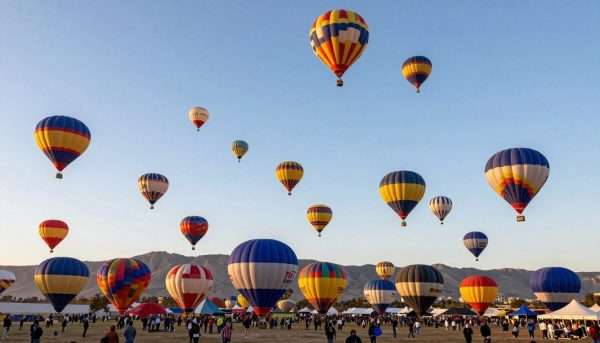
Albuquerque serves as New Mexico’s largest city and offers a different flavor of the state’s experience. The city blends modern amenities with deep cultural roots and outdoor adventures at the edge of the Sandia Mountains.
The Albuquerque International Balloon Fiesta transforms the sky each October into a canvas of color. Over 500 hot air balloons participate in the world’s largest ballooning event, creating unforgettable morning scenes.
Old Town Albuquerque
Old Town preserves the city’s Spanish colonial heritage around its original plaza. Adobe buildings house galleries, shops, and restaurants serving traditional New Mexican food. The San Felipe de Neri Church has stood since 1793, anchoring the historic district.
The area comes alive during festivals and holidays with traditional music and dance performances. Local artisans sell handmade goods in the plaza, continuing traditions that stretch back generations.
Sandia Peak Tramway
The Sandia Peak Tramway carries visitors from the desert floor to over 10,000 feet elevation in about 15 minutes. The 2.7-mile journey offers stunning views of Albuquerque and the surrounding landscape. At the top, hiking trails and observation decks provide spectacular vistas.
Winter transforms Sandia Peak into a ski area. Summer brings hikers to alpine trails where temperatures stay pleasant even when the valley below swelters. The sunset ride down creates magical moments as city lights begin twinkling below.
Breaking Bad Tours
Fans of Breaking Bad can visit filming locations throughout the city. The house used for Walter White’s residence still stands, though the current owners request that visitors respect their privacy. Several companies offer guided tours hitting major show locations.
The Candy Lady shop in Old Town sold the blue rock candy used as prop meth in the show. Visitors can purchase their own bag of “blue sky” as a unique souvenir.
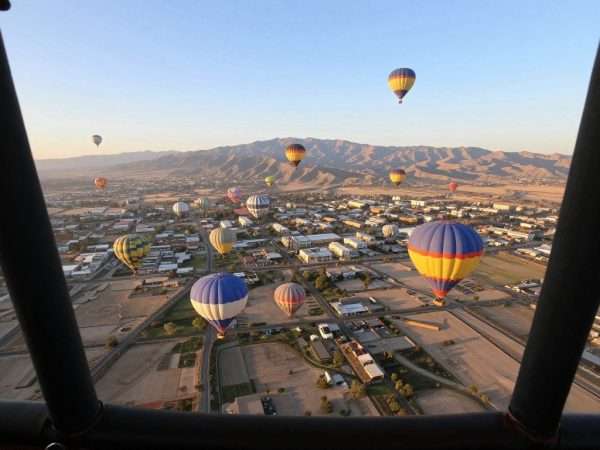
Soar Above Albuquerque
Book your own hot air balloon ride and experience the Rio Grande Valley from above. Professional pilots guide sunrise flights year-round, with special packages available during Balloon Fiesta.
Chaco Culture National Historical Park
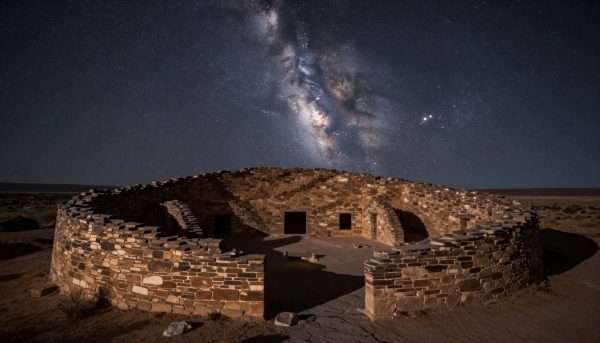
Chaco Culture National Historical Park contains the most impressive collection of ancient Pueblo structures in the Southwest. The massive great houses built here between 850 and 1250 CE demonstrate sophisticated engineering and astronomical knowledge.
Pueblo Bonito, the largest structure, contained over 600 rooms and stood four stories tall. The precise alignments of buildings and roads suggest the ancestors used this site for ceremonial and astronomical purposes as much as daily living.
Getting to Chaco
Reaching Chaco requires commitment. The final 21 miles to the park follow rough dirt roads that become impassable when wet. No services exist for miles in any direction. This remoteness preserves the site’s special character and provides incredibly dark night skies.
The drive itself becomes part of the adventure. The isolation helps visitors understand how remarkable these ancient structures were in their remote desert setting. High-clearance vehicles handle the road best, though careful drivers manage in regular cars during dry conditions.
Exploring the Great Houses
Several trails wind through the canyon, connecting different great houses and petroglyphs. The Pueblo Bonito loop provides the best introduction to Chaco’s architecture. The Petroglyph Trail climbs to ancient rock art sites with views across the canyon.
Rangers offer programs explaining the archaeological discoveries and ongoing research. The visitor center museum displays artifacts and explains current theories about how and why the Chacoans built this impressive complex.
Night Sky Programs
Chaco’s remote location creates some of North America’s darkest night skies. The park offers night sky programs where rangers and astronomers share the stars. The same sky the ancient Chacoans studied stretches overhead, creating a connection across centuries.
The Milky Way appears clearly on moonless nights. Photography enthusiasts capture stunning images of ruins silhouetted against star-filled skies. Spring and fall offer the most comfortable conditions for night viewing.
Natural Hot Springs Across New Mexico
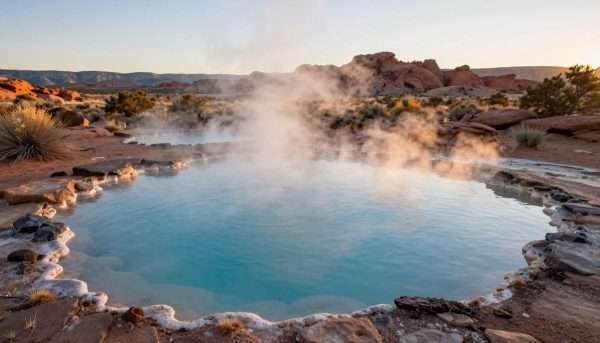
New Mexico’s volcanic history created numerous natural hot springs scattered across the state. These geothermal waters provide relaxation in stunning natural settings. Each springs offers unique character and experience.
Truth or Consequences takes its quirky name from a 1950s radio show. The small town sits above natural hot springs that have attracted visitors for centuries. Several spas offer private tubs fed by the mineral-rich waters.
Ojo Caliente Mineral Springs
Ojo Caliente operates as a full-service resort built around ancient springs. Five different springs flow here, each with distinct mineral content claimed to offer different therapeutic benefits. The waters range from iron to lithia to arsenic springs.
The resort offers day passes for those not staying overnight. Private pools, cliffside pools, and spa services create a luxurious experience. The property includes hiking trails and a restaurant serving local cuisine.
Jemez Hot Springs
The Jemez Mountains contain numerous hot springs along the Jemez River. Some require hiking to reach, while others sit beside the road. The area’s volcanic origins create perfect conditions for these thermal features.
Jemez Springs village offers several commercial bathhouses with private tubs. The nearby Soda Dam, a natural travertine formation, marks where hot mineral water emerges from the earth. Cool river water mixes with hot springs creating natural pools.
Montezuma Hot Springs
These free natural pools sit near Las Vegas, New Mexico (not Nevada). Several pools at different temperatures terrace up the hillside. The springs flow year-round, though winter visits require extra preparation.
The primitive nature means no facilities or supervision. Visitors should practice Leave No Trace principles and respect the natural setting. The pools offer incredible night soaking under star-filled skies.
Developed Hot Springs
- Ojo Caliente Resort and Spa
- Riverbend Hot Springs (Truth or Consequences)
- Blackstone Hotsprings (Truth or Consequences)
- Jemez Springs Bath House
- Facilities and changing rooms available
- Entry fees required
Natural Hot Springs
- Montezuma Hot Springs
- Spence Hot Springs
- San Antonio Hot Springs
- Turkey Creek Hot Springs
- Free access, no facilities
- Varying difficulty to access
Best For Families
- Ojo Caliente (supervised pools)
- Riverbend Hot Springs (private tubs)
- Jemez Springs Bath House (family-friendly)
- Facilities and safety features
- Professional staff on site
- Convenient amenities nearby
Find Your Perfect New Mexico Stay
From historic adobe inns to modern resorts, New Mexico offers unique accommodations for every budget. Discover highly-rated hotels, vacation rentals, and distinctive lodging options near all major attractions.
Outdoor Adventures and Recreation
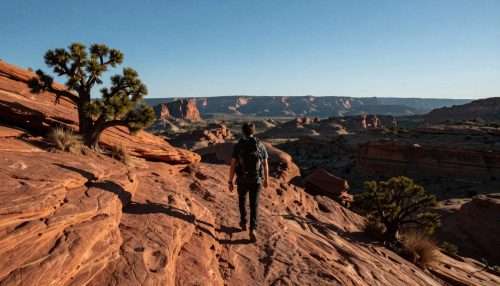
New Mexico’s diverse landscapes create endless outdoor recreation opportunities. The state’s varied terrain ranges from high alpine forests to low desert canyons, each offering unique adventures.
Year-round sunshine and generally dry climate make outdoor activities accessible during most months. Each season brings different experiences across the state’s dramatic elevation changes.
Hiking and Backpacking
Trails wind through every type of landscape New Mexico offers. The Pecos Wilderness provides alpine hiking through thick forests and pristine lakes. The Gila Wilderness, America’s first designated wilderness area, offers backcountry solitude.
Desert hiking brings different rewards. The dramatic landscapes of the Bisti Badlands create an alien world of twisted rock formations. Kasha-Katuwe Tent Rocks National Monument features slot canyons and distinctive cone-shaped formations.
Rock Climbing
World-class climbing exists throughout New Mexico. The volcanic rock around Los Alamos offers everything from beginner routes to challenging climbs. The Organ Mountains near Las Cruces provide dramatic granite spires.
Sport climbing, traditional climbing, and bouldering opportunities exist across the state. The generally dry weather creates reliable conditions year-round, though summer heat limits climbing to early morning hours in lower elevations.
Mountain Biking
New Mexico’s trails attract mountain bikers from around the world. The high desert around Santa Fe offers challenging single-track with stunning views. Taos Ski Valley transforms into a mountain biking destination each summer with lift-served downhill trails.
The Whole Enchilada trail system in the Sandia Mountains provides options for all skill levels. Riders can customize loops through varied terrain with technical challenges or cruiser trails as preferred.
Skiing and Winter Sports
Multiple ski areas provide winter recreation. Taos Ski Valley offers steep, challenging terrain that built its reputation. Ski Santa Fe provides convenient access to the capital city with varied runs.
Angel Fire and Red River offer family-friendly skiing with extensive beginner and intermediate terrain. Cross-country skiing and snowshoeing opportunities exist throughout national forests when snow conditions allow.
Desert Adventures
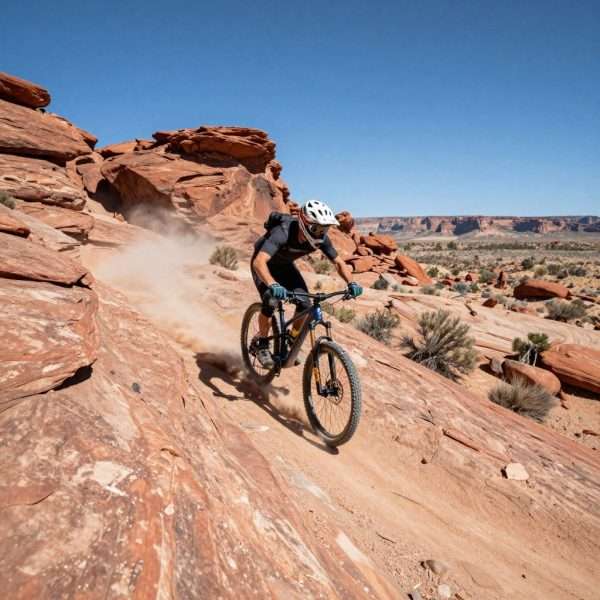
Explore unique desert environments through hiking, biking, and photography. The state’s diverse deserts offer year-round adventures.
Mountain Escapes
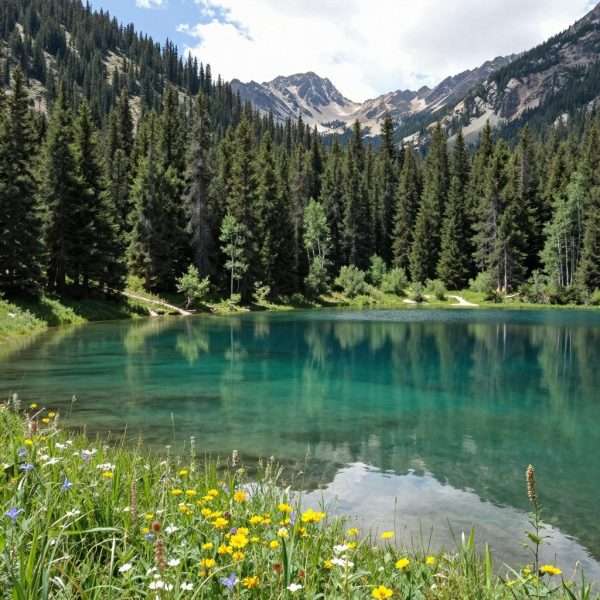
Cool mountain forests provide summer relief and winter snow sports. Alpine environments contrast dramatically with desert lowlands.
Water Activities
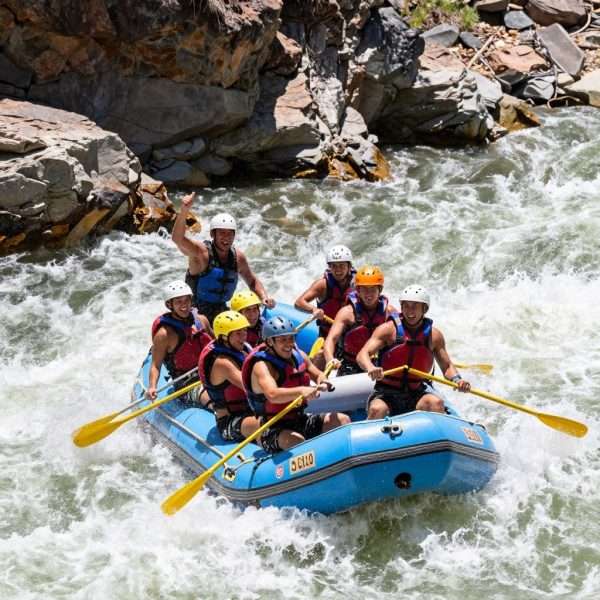
Rivers provide rafting thrills while lakes offer fishing and kayaking. Even the desert state has excellent water recreation.
Scenic Drives and Road Trips
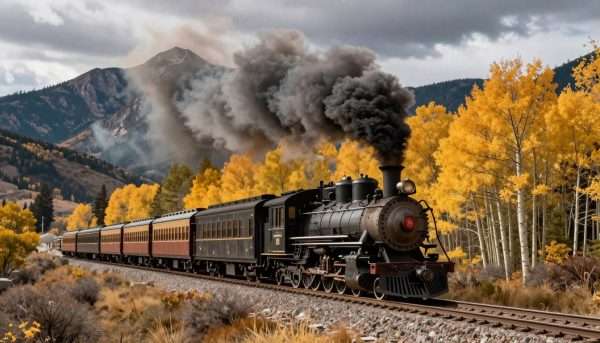
New Mexico’s roads lead through some of America’s most dramatic landscapes. Long distances between destinations become part of the adventure as scenery constantly changes. Each drive reveals different aspects of the state’s remarkable geography.
Highway 550 from Bernalillo to Aztec takes travelers through red rock country and past ancient sites. This route showcases the diversity packed into a single day’s drive across northern New Mexico.
Turquoise Trail
The Turquoise Trail connects Albuquerque and Santa Fe through old mining towns and spectacular high desert scenery. This designated National Scenic Byway follows Highway 14 through the east side of the Sandia Mountains.
Historic mining towns like Madrid and Cerrillos have transformed into art communities. Galleries, shops, and restaurants make these perfect stops for breaking up the drive. The landscape shifts from juniper-dotted hills to pine forests as elevation increases.
Enchanted Circle Scenic Byway
This 84-mile loop through the Sangre de Cristo Mountains circles Wheeler Peak, New Mexico’s highest point. The route passes through historic towns, offers stunning mountain vistas, and provides access to hiking, fishing, and skiing depending on season.
The town of Red River maintains its Wild West character as a year-round mountain resort. Eagle Nest Lake provides fishing and wildlife viewing opportunities. Fall brings spectacular aspen color that draws photographers from across the region.
Cumbres and Toltec Scenic Railroad
While not a drive you control, this historic narrow-gauge railroad provides one of America’s most spectacular train rides. The route crosses the Colorado-New Mexico border multiple times while climbing through mountain passes and traversing deep gorges.
Coal-fired steam locomotives pull vintage passenger cars just as they did over a century ago. The full-day trip covers 64 miles through terrain no roads reach. Half-day options allow shorter experiences of this National Historic Landmark.
Multi-Day Road Trip Adventures
Discover New Mexico at your own pace with expertly planned road trip itineraries. Receive detailed route maps, accommodation recommendations, and insider tips for the ultimate Southwest adventure.
- Customized 5, 7, and 10-day itineraries
- Best stops along each route
- Accommodation recommendations for every budget
- Hidden gems and photo opportunities
- Seasonal timing suggestions
- Downloadable GPS routes
Roswell and UFO Culture

Roswell embraced its role in UFO history and popular culture. The alleged 1947 crash of an unidentified object created a legend that still attracts visitors from around the world. The city celebrates this unique heritage throughout downtown.
The International UFO Museum and Research Center houses exhibits about the Roswell incident and UFO phenomena worldwide. Displays present different perspectives on what happened that summer evening decades ago. The museum takes itself seriously while acknowledging the entertainment value.
UFO Festival
Each July, the UFO Festival brings thousands to Roswell for concerts, lectures, costume contests, and alien-themed fun. Speakers discuss various aspects of extraterrestrial research while attendees enjoy the carnival atmosphere. The parade features creative alien costumes and decorated vehicles.
Downtown shops sell alien-themed souvenirs year-round. Alien streetlights line Main Street. Even the McDonald’s features a UFO-shaped structure. Roswell fully committed to its unique identity.
Beyond the Aliens
Roswell offers more than UFO culture. The Roswell Museum and Art Center contains an impressive collection of Southwestern art and Robert Goddard rocket science exhibits. Goddard conducted pioneering rocket experiments near Roswell in the 1930s.
Bottomless Lakes State Park provides outdoor recreation just outside town. The series of sinkholes filled with deep blue water create unique swimming and scuba diving opportunities in the desert landscape.
Very Large Array Radio Telescope

The Very Large Array stands as one of the world’s most powerful radio telescopes. Twenty-seven massive dish antennas work together to observe distant galaxies, stars, and cosmic phenomena. The installation creates an unforgettable sight in the middle of the high desert plains.
Each dish measures 82 feet in diameter and can be repositioned along railroad tracks. Different configurations allow astronomers to adjust the array’s capabilities. The VLA appeared in the movie Contact and continues contributing to astronomical discoveries.
Visiting the VLA
A visitor center provides exhibits explaining radio astronomy and the array’s function. A self-guided walking tour leads among the massive dishes. The scale becomes apparent when standing beside these engineering marvels.
The site offers free admission and welcomes visitors year-round. The remote location means planning ahead for meals and fuel. The drive across the Plains of San Agustin provides big sky country views and often antelope sightings.
First Saturday of each month, the VLA offers guided tours with access to areas normally closed to visitors. Scientists sometimes give talks about current research projects using the array.
Get Expert Trip Planning Help
Overwhelmed by options? Our New Mexico travel specialists provide free consultations to help you create the perfect itinerary based on your interests, timeline, and budget. We’ll help you make the most of your Land of Enchantment adventure.
Unique National Monuments
New Mexico contains several lesser-known but remarkable national monuments. These sites preserve unique geological features, cultural resources, and historical landmarks worth discovering during your visit.
Kasha-Katuwe Tent Rocks National Monument
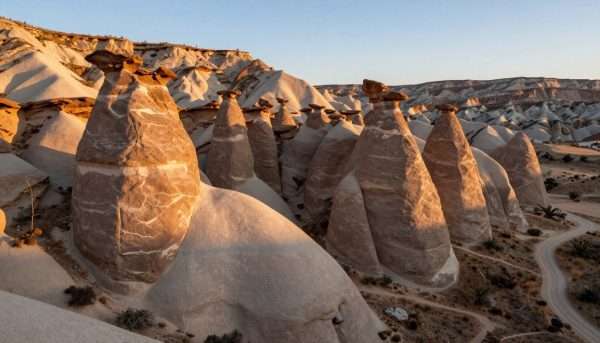
Volcanic eruptions millions of years ago created the distinctive cone-shaped formations that give this monument its name. Erosion carved soft pumice and tuff into tent-like shapes topped with harder caprock.
The Cave Loop Trail provides easy access to the formations. The slot canyon trail climbs through a narrow canyon before emerging at a mesa top with panoramic views. The changing light throughout the day creates different moods and photography opportunities.
Petroglyph National Monument
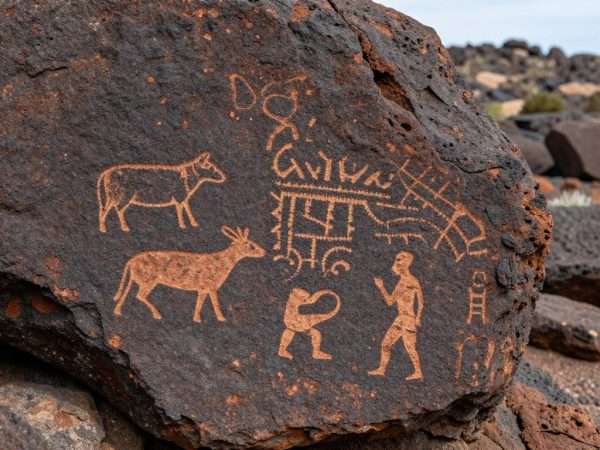
Over 25,000 ancient images carved into volcanic rock make this one of North America’s largest petroglyph sites. The images range from 400 to 700 years old, created by ancestors of modern Pueblo people and early Spanish settlers.
Several trails provide access to different petroglyph concentrations. Boca Negra Canyon offers the most accessible viewing area. The monument sits on Albuquerque’s west side, making it easily accessible for visitors staying in the city.
Aztec Ruins National Monument
Despite the name, Ancestral Puebloans built these structures, not Aztecs. Early settlers mistakenly attributed the ruins to the Aztec civilization. The site contains well-preserved great house structures connected to the Chaco cultural system.
The reconstructed great kiva provides the only place visitors can enter a great kiva and experience the scale and atmosphere. The visitor center explains the site’s connection to Chaco and the regional road system that linked communities.
El Malpais National Monument
El Malpais, meaning “the badlands” in Spanish, preserves vast lava flows, cinder cones, and lava tube caves. The volcanic landscape appears harsh and barren, yet supports diverse life adapted to these extreme conditions.
Ice caves stay frozen year-round despite summer surface temperatures. Lava tubes create underground passages that can be explored with proper equipment and permits. Hiking trails cross the lava fields, offering unique geological experiences.
Monument Visiting Tips
- Most monuments have no services or shade
- Bring plenty of water and sun protection
- Many require high-clearance vehicles
- Check road conditions before visiting
- Respect cultural and archaeological sites
- No collecting rocks, artifacts, or plants
Historic Ghost Towns and Mining Heritage
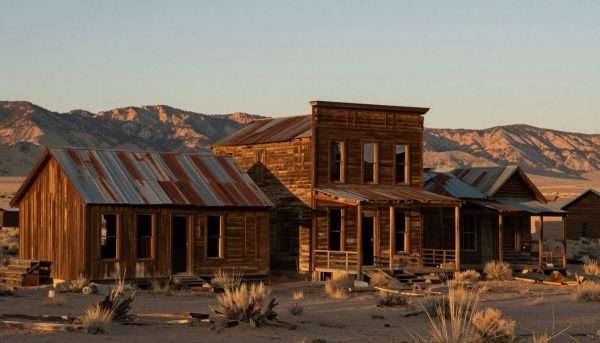
New Mexico’s mining boom created towns that thrived briefly before falling silent. These ghost towns and historic mining communities tell stories of ambition, hardship, and the frontier experience. Each location offers glimpses into New Mexico’s colorful past.
Madrid
Madrid transformed from ghost town to thriving art community. The former coal mining town nearly disappeared after mines closed in the 1950s. Artists and craftspeople began moving in during the 1970s, restoring old buildings and opening galleries.
The town’s main street now houses dozens of galleries, shops, and restaurants. The Mine Shaft Tavern operates in a building dating to 1899, serving burgers and local beers. Christmas in Madrid has become a major event, with over 100,000 lights decorating the town.
Mogollon
This remote mining town sits in the mountains above Silver City. Gold and silver mining made Mogollon prosperous in the late 1800s. The town declined when ore deposits ran out, but never completely emptied.
A handful of residents keep Mogollon alive as a living ghost town. Old buildings line the main street, some restored, others slowly returning to the earth. The drive up requires careful attention as the narrow mountain road winds through spectacular scenery.
Lake Valley
A silver boom in 1878 created Lake Valley practically overnight. The Bridal Chamber mine produced one of the richest silver strikes in history. The town peaked at around 4,000 residents before declining rapidly when silver prices crashed.
Today, a few buildings remain including the restored schoolhouse. The Bureau of Land Management manages the site. Interpretive signs explain the town’s brief but spectacular history. The remote location preserves an authentic ghost town atmosphere.
Cerrillos
Cerrillos experienced multiple boom periods from turquoise mining by ancient Puebloans through gold and silver extraction in the 1800s. The town survives as a small community with historic character intact.
The Cerrillos Hills Historic Park protects thousands of ancient turquoise mines. Trails lead through the mining landscape where people extracted the blue-green stone for over a thousand years. The town’s main street features shops and a museum in historic buildings.
Complete New Mexico Planning Resources
Access everything you need for your New Mexico adventure in one place. Download detailed guides, browse curated accommodations, book tours, and get expert planning assistance.
Practical Travel Information
Planning a successful New Mexico trip requires understanding some practical considerations. The state’s size, climate, and unique characteristics influence trip logistics and timing.
Best Times to Visit
New Mexico welcomes visitors year-round, but different seasons offer distinct experiences. Spring (April-May) brings moderate temperatures and wildflowers. Summer (June-August) means hot days perfect for mountain escapes but challenging in the desert.
Fall (September-October) provides ideal conditions across most of the state. Temperatures moderate, aspen trees turn gold, and harvest festivals celebrate the year’s bounty. Winter (November-March) brings snow sports to mountains while desert areas stay mild.
Getting Around
A car is essential for exploring New Mexico properly. Distances between destinations can be considerable. Major cities have airports, but most attractions require driving.
Rental cars are available at all airports. Gas stations become sparse in rural areas, so fill up when possible. Many attractions require unpaved roads where high-clearance vehicles perform best.
Altitude Considerations
Much of New Mexico sits at high elevation. Santa Fe at 7,000 feet is America’s highest state capital. Altitude affects some visitors with headaches, shortness of breath, or fatigue.
Take time to adjust when arriving from lower elevations. Drink extra water, limit alcohol initially, and pace activities for the first day or two. Most people adapt quickly to the altitude.
Weather Preparation
New Mexico weather can change rapidly, especially in mountains. Morning sunshine can give way to afternoon thunderstorms in summer. Temperature swings between day and night can be dramatic.
Layer clothing to adjust for temperature changes. Bring sun protection year-round as the high altitude and clear skies create intense sunshine. Rain gear proves useful even though precipitation totals stay low.
Staying Safe
Remote areas mean cell phone coverage can be spotty or nonexistent. Carry paper maps as backup navigation. Let someone know your plans when heading into backcountry.
Wildlife encounters usually involve viewing from a distance. Give animals space and never feed them. Rattlesnakes exist but bites remain rare when people watch where they step and reach.
| Season | Temperature Range | Best Activities | Considerations |
| Spring (Mar-May) | 50-75°F | Hiking, sightseeing, cultural events | Wind can be strong, some snow at high elevations |
| Summer (Jun-Aug) | 70-95°F | Mountain activities, water sports, evening events | Desert heat extreme, afternoon thunderstorms common |
| Fall (Sep-Nov) | 45-70°F | All activities, fall colors, festivals | Peak season crowds, book accommodations early |
| Winter (Dec-Feb) | 25-55°F | Skiing, hot springs, indoor cultural attractions | Some roads close, cold nights, snow at elevation |
Budget Planning
New Mexico offers options for various budgets. National monuments and many state parks charge modest entry fees or no fees at all. Cities offer everything from budget motels to luxury resorts.
Food costs vary widely. Local New Mexican restaurants provide excellent value. Santa Fe and Taos have upscale dining options for special occasions. Many towns have farmers markets with fresh, affordable local food.
Cultural Experiences and Events
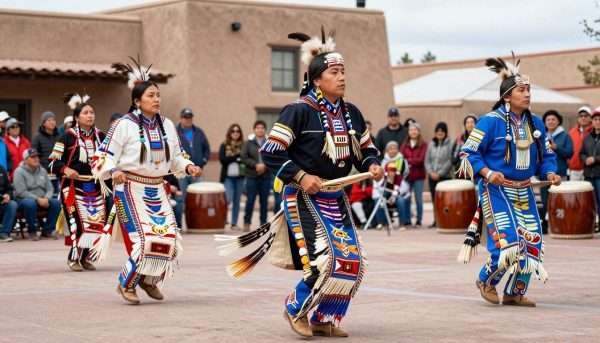
New Mexico’s rich cultural heritage comes alive through events, festivals, and ongoing traditions. The blend of Native American, Hispanic, and Anglo cultures creates unique celebrations found nowhere else.
Traditional Feast Days
New Mexico’s 19 pueblos celebrate annual feast days honoring their patron saints. These events blend Catholic and traditional Native American practices. Feast days include traditional dances, songs, and usually welcome respectful visitors.
Each pueblo sets its own policies about photography, recording, and visitor access. Always check rules before attending and follow them strictly. These are religious ceremonies, not performances for tourists.
Santa Fe Indian Market
Each August, Santa Fe hosts the largest and most prestigious Native American art market in the world. Over 1,000 artists from tribes across North America display their work around the plaza. Collectors and art enthusiasts come from around the globe.
Quality standards for participation are extremely high. Artists must be enrolled tribal members creating work in traditional or contemporary Native styles. The market provides opportunity to purchase directly from artists and learn about their techniques and traditions.
Albuquerque International Balloon Fiesta
The nine-day October event fills Albuquerque skies with hundreds of hot air balloons. Mass ascensions create unforgettable morning scenes. Special shape balloons, glowdeos (evening balloon glows), and competitions happen throughout the event.
Arrive early for mass ascensions as crowds gather before dawn. The balloons launch in waves as conditions permit. Cool morning temperatures provide best flying conditions. The event draws photographers from worldwide seeking perfect balloon images.
Las Fiestas de Santa Fe
This September celebration marks the 1692 Spanish resettlement of Santa Fe. The event includes the burning of Zozobra (Old Man Gloom), historical reenactments, parades, and traditional music and dance. The festivities span several days.
Burning Zozobra kicks off the celebration. The 50-foot marionette filled with written worries and bad memories burns spectacularly as the crowd roars. The ritual symbolically releases the past year’s troubles.
Hatch Chile Festival
Labor Day weekend celebrates New Mexico’s most famous crop in the small town of Hatch. The festival includes chile roasting, cooking competitions, live music, and abundant food. Hatch chiles have protected designation of origin status.
Late summer brings chile harvest across southern New Mexico. The distinctive aroma of roasting chiles fills the air. Visitors can purchase freshly roasted chiles by the sack to take home or ship.
Making the Most of Your New Mexico Experience
New Mexico rewards those who take time to explore beyond the obvious destinations. The state’s remarkable diversity means every visit can reveal something new and unexpected.
The landscapes range from pure white sand dunes to deep limestone caverns. Ancient cultures left their marks in cliff dwellings and petroglyphs. Modern artists continue traditions while creating innovative new works.
Plan time to simply wander and discover. The best experiences often come from unexpected moments. A conversation with a local artist, stumbling upon a hidden hot spring, or watching sunset paint the desert in impossible colors.
Whether you’re seeking adventure, cultural experiences, or natural beauty, New Mexico delivers. The Land of Enchantment earns its name through landscapes and cultures that captivate visitors and keep them returning year after year.
Start planning your New Mexico adventure today. The desert, mountains, and unique culture await your discovery.
Ready to explore? We’ve covered the highlights, but New Mexico holds countless more treasures. Use this guide as your starting point, then let your curiosity lead you to your own discoveries in the Land of Enchantment.


Leave A Comment