

November Weather Breakdown in Portugal
Understanding Portugal’s November climate is essential for planning your trip. The weather varies significantly between regions, with the north experiencing more rainfall than the south. While not beach weather throughout most of the country, November offers comfortable temperatures for exploring cities, hiking and enjoying cultural activities.
| Region | Average High (°C/°F) | Average Low (°C/°F) | Rainfall (mm) | Rainy Days | Sunshine Hours |
| Lisbon | 18°C / 64°F | 12°C / 54°F | 110mm | 9-10 | 6 |
| Porto | 16°C / 61°F | 10°C / 50°F | 160mm | 12-14 | 4 |
| Algarve | 20°C / 68°F | 13°C / 55°F | 80mm | 6-8 | 7 |
| Madeira | 22°C / 72°F | 17°C / 63°F | 90mm | 8-9 | 6 |
The Algarve region maintains the mildest and driest weather in November, making it ideal for outdoor activities like hiking, cycling and even occasional beach visits on warmer days. Porto and northern Portugal experience the most rainfall, with heavy downpours possible, while Lisbon offers a balance of sunny and overcast days. Pack accordingly with waterproof gear for the north and lighter layers for the south.

Ready to Experience Portugal in November?
Plan your perfect autumn getaway with personalized itineraries and expert local advice.
Top 5 Reasons to Visit Portugal in November
1. Fewer Crowds, More Authentic Experiences
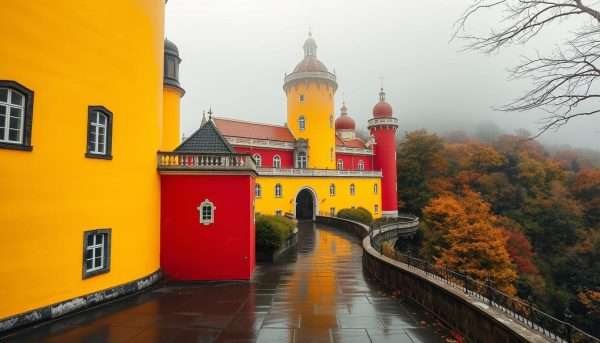
November sees significantly fewer tourists throughout Portugal. Popular attractions like Lisbon’s Alfama district, Sintra’s Pena Palace and Porto’s riverside Ribeira area are refreshingly uncrowded. You’ll experience more authentic interactions with locals and enjoy photography without throngs of tourists in your shots.

2. Wine Harvest Celebrations & Tastings
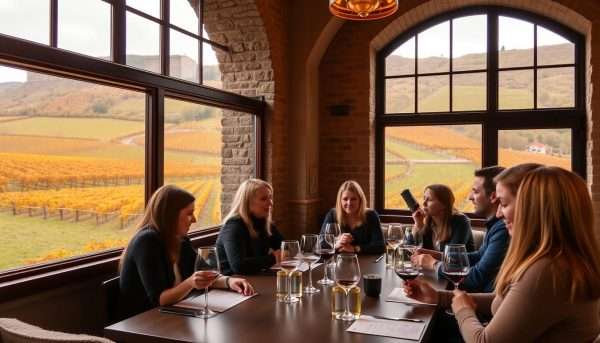
November is prime time for wine enthusiasts in Portugal. The grape harvest is complete, and new wines are ready for tasting. The Douro Valley and Alentejo regions host special tastings of young wines, while São Martinho celebrations pair new wine with roasted chestnuts. Many wineries offer extended tours during this quieter season, allowing for more personalized experiences.
3. Ideal Weather for Exploring Cities & Hiking
November’s mild temperatures (13-20°C) create perfect conditions for urban exploration and countryside hiking without summer’s intense heat. Lisbon’s seven hills and Porto’s steep streets are much more manageable in cooler weather. The Rota Vicentina coastal trails and Sintra’s forested paths are particularly beautiful with autumn colors and fewer hikers.

4. Dramatic Surfing Season
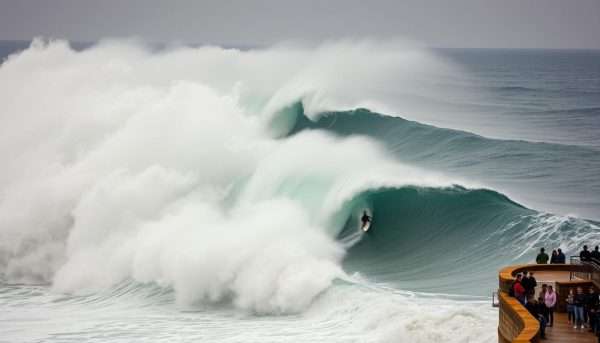
November marks the beginning of Portugal’s prime surfing season, with massive waves at Nazaré potentially reaching 30 meters high. Experienced surfers flock to the western coast, while beginners can find suitable conditions in the Algarve. The spectacle of watching professional surfers tackle these monster waves is worth the trip alone, with the coastal town buzzing with energy despite the off-season timing.
5. Significant Cost Savings
November offers exceptional value with accommodation prices dropping by 30-50% compared to peak season. Luxury hotels that command premium rates in summer become surprisingly affordable, while flight prices to Portugal also decrease significantly. Many restaurants and tour operators offer special off-season rates and promotions, allowing you to experience more within your budget.

November Festivals & Events Calendar
Portugal comes alive with unique cultural celebrations in November, offering visitors authentic experiences beyond typical tourist attractions. From wine festivals to jazz performances, these events showcase Portuguese traditions and contemporary culture.
São Martinho (St. Martin’s Day)
Date: November 11
Location: Nationwide, especially in smaller towns
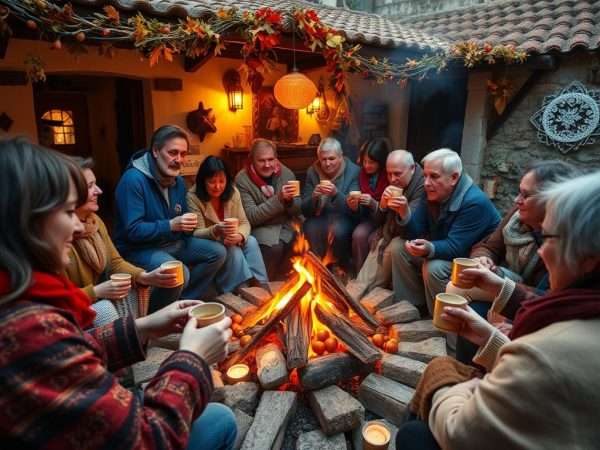
The most important November celebration in Portugal, São Martinho honors the saint who, according to legend, tore his cloak to share with a beggar during a storm, after which the sun came out. Portuguese celebrate with magustos (chestnut roasting parties), drinking new wine and água-pé (a light wine made from grape pomace). Look for community bonfires and street festivals in smaller towns and villages.
Lisbon & Sintra Jazz Festival
Date: Early to mid-November
Location: Various venues in Lisbon and Sintra
This prestigious jazz festival attracts international and Portuguese musicians to historic venues throughout Lisbon and Sintra. Performances take place in atmospheric settings like the Centro Cultural Olga Cadaval in Sintra and the Culturgest in Lisbon. The festival offers a mix of traditional and contemporary jazz in intimate settings with excellent acoustics.

Feira da Castanha (Chestnut Fair)
Date: First two weeks of November
Location: Trás-os-Montes region, especially Marvão
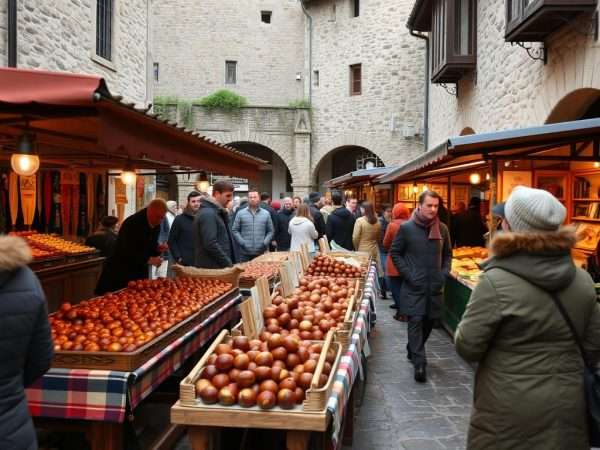
This traditional fair celebrates the chestnut harvest in Portugal’s northeastern region. The medieval town of Marvão transforms with food stalls, traditional music and cooking demonstrations. Visitors can sample various chestnut-based dishes, from soup to desserts, along with regional specialties and crafts. The fair offers insight into rural Portuguese traditions rarely seen by tourists.
Coruche International Ballooning Festival
Date: Mid-November
Location: Coruche, Ribatejo region
This spectacular event features dozens of colorful hot air balloons taking flight over the cork forests and rolling hills of Ribatejo. Morning and evening launches create magical photo opportunities as balloons drift across the autumn landscape. Visitors can book balloon rides or simply enjoy the spectacle from the ground, with additional activities including music performances and local food stalls.

Lisbon Restaurant Week
Date: Usually late November
Location: Lisbon
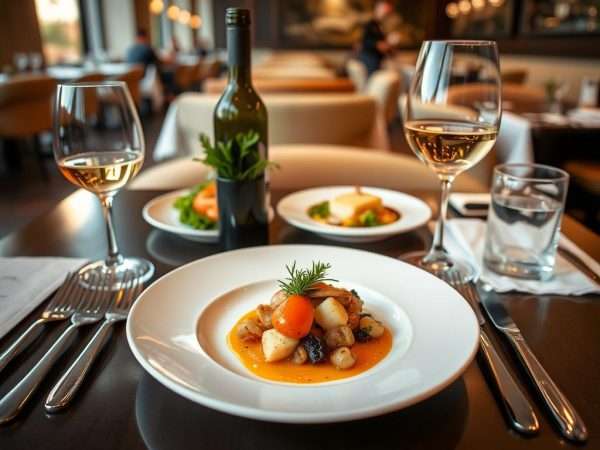
This culinary event offers fixed-price menus at some of Lisbon’s finest restaurants, making high-end dining accessible to more visitors. Participating restaurants create special tasting menus showcasing Portuguese cuisine with contemporary twists. It’s an excellent opportunity to experience Lisbon’s vibrant food scene at a fraction of the usual cost, with both traditional and innovative establishments participating.
Olive Harvest Festivals
Date: Throughout November
Location: Alentejo region
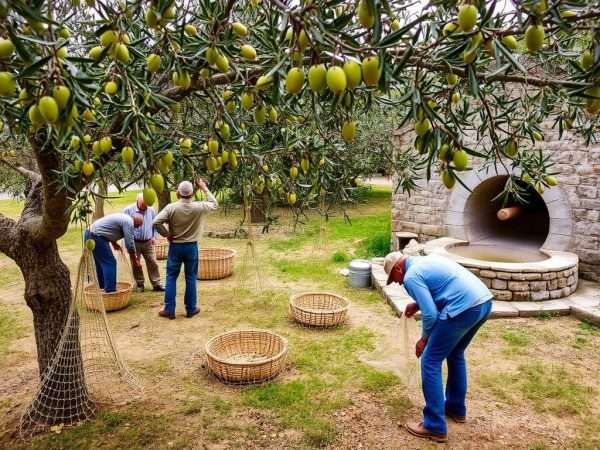
November marks the beginning of olive harvesting season in Portugal, particularly in the Alentejo region. Various small towns host celebrations with olive oil tastings, traditional harvesting demonstrations and regional cuisine. Visitors can participate in the ripar (traditional hand-picking method) at some estates and taste freshly pressed olive oil, an experience rarely available to tourists.
“November in Portugal offers a rare glimpse into authentic local traditions that most summer tourists never experience. The festivals this month connect visitors to centuries-old cultural practices that remain vibrant in Portuguese life.”
Packing Essentials for Portugal in November
Packing appropriately for Portugal’s variable November weather ensures comfort throughout your trip. The key is layering, which allows you to adapt to changing conditions throughout the day. Here’s what you should bring:
Clothing Strategy
- Base layers: Lightweight, moisture-wicking tops that can be worn alone on warmer days
- Mid layers: Light sweaters or cardigans that can be added or removed as temperatures fluctuate
- Outer layer: A waterproof, breathable jacket that protects from rain while preventing overheating
- Walking shoes: Comfortable, waterproof footwear for exploring cobblestone streets
- Evening wear: Smart casual options for restaurants (Portuguese dress relatively formally for dining)
- Accessories: Scarf, lightweight gloves and a compact umbrella

Recommended Gear
- Waterproof daypack: For carrying layers, camera, and water while exploring
- Quick-dry travel towel: Useful if caught in unexpected rain
- Portable phone charger: Cold weather can drain batteries faster
- Camera with weather protection: For capturing Portugal’s dramatic November skies
- Reusable water bottle: Portuguese tap water is safe to drink
- Travel adapter: Portugal uses type F plugs (230V)

Packing Tip: Regional Considerations
Northern Portugal: Pack heavier layers and more substantial rain gear, as Porto and the north can experience significant rainfall.
Central Portugal: Versatile layers work best for Lisbon and surrounding areas, where weather can change quickly.
Algarve: Lighter layers are suitable, but still bring a light jacket for evenings. Swimming gear is optional – brave souls might enjoy a quick dip on warmer days!

Regional Highlights: Portugal in November
Each region of Portugal offers unique experiences in November, from wine tasting in the north to beach walks in the south. Here’s what to expect across the country during this shoulder season.
Northern Portugal
Northern Portugal showcases dramatic landscapes and rich cultural traditions in November, though visitors should be prepared for more rainfall than other regions.
Porto & Douro Valley
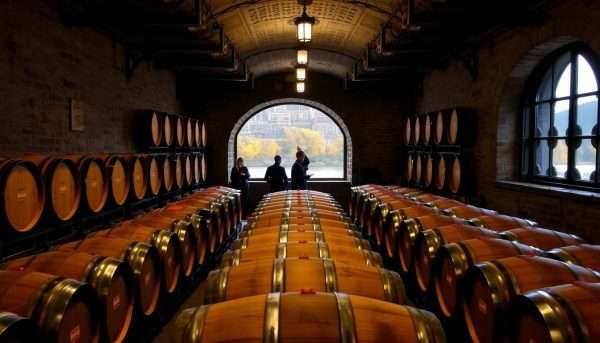
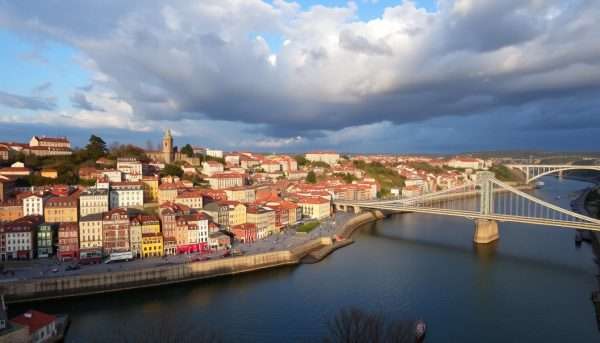
Porto’s atmospheric streets are perfect for exploring in November, with fewer tourists crowding the riverside Ribeira district. Don’t miss the opportunity to visit Port wine cellars in Vila Nova de Gaia, where you can enjoy extended tastings and tours without summer crowds. The cellars maintain a constant temperature year-round, making them ideal for rainy days.
The Douro Valley transforms in November as vineyards display golden autumn colors. While river cruises operate less frequently, private tours offer more personalized experiences. Many quintas (wine estates) provide special harvest-end tastings of young wines and olive oil.
Braga & Guimarães
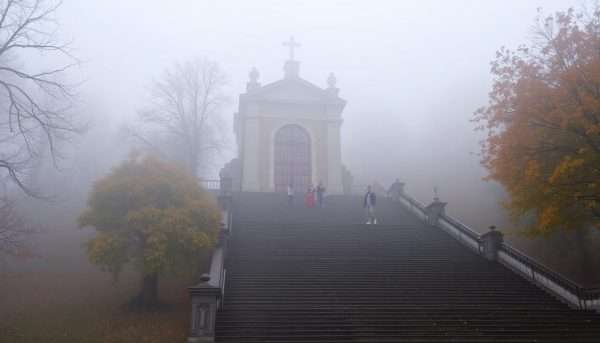
These historic cities are significantly less crowded in November, allowing for unhurried exploration of their medieval centers. Braga’s religious heritage shines through its numerous churches and the spectacular Bom Jesus do Monte sanctuary, which is particularly atmospheric in autumn mist.
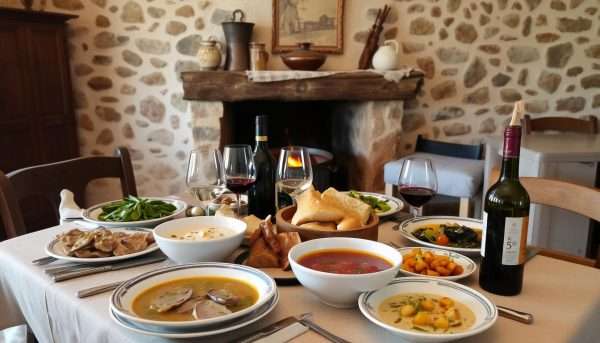
Guimarães, Portugal’s first capital, offers well-preserved medieval architecture and castle views. November visitors can enjoy local restaurants serving seasonal specialties like caldo verde (kale soup) and rojões (marinated pork) in cozy, authentic settings without reservation difficulties.
Central Portugal
Central Portugal balances urban exploration with natural beauty, offering diverse experiences for November travelers.
Lisbon & Surroundings
Lisbon’s seven hills are much more manageable to explore in November’s cooler temperatures. The city’s famous miradouros (viewpoints) offer spectacular vistas, often with dramatic November skies as backdrop. Indoor attractions like the Gulbenkian Museum and National Tile Museum provide cultural experiences on rainy days.
Day trips to Sintra become more enjoyable without summer crowds. The mystical Quinta da Regaleira gardens and Pena Palace take on an ethereal quality when wrapped in autumn mist. Nearby Cascais offers peaceful coastal walks along nearly empty beaches.
Coimbra & Central Heartland
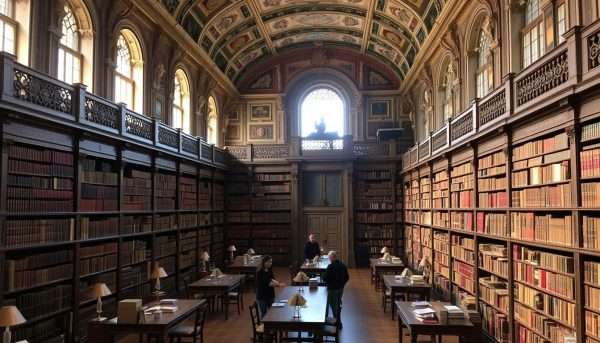
Coimbra, home to Portugal’s oldest university, buzzes with student life in November. The historic university library and botanical gardens offer refined cultural experiences, while traditional fado performances provide evening entertainment. The student atmosphere means the city remains lively even in off-season.
The central heartland, including Tomar with its UNESCO-listed Convent of Christ and the walled city of Óbidos, provides glimpses into Portugal’s medieval past. November visitors often have these historic sites almost entirely to themselves, creating magical experiences impossible during busier months.
Southern Portugal
The Algarve and Alentejo regions offer Portugal’s mildest November weather, perfect for outdoor activities and coastal exploration.
Algarve Coast
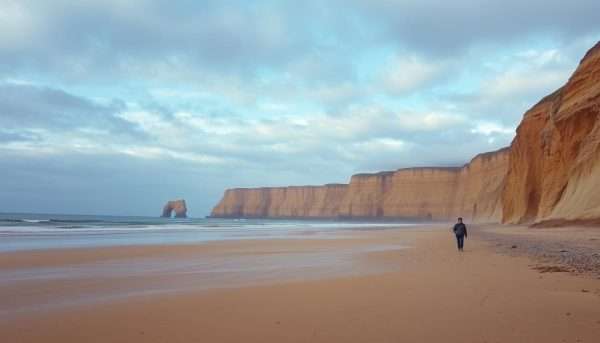
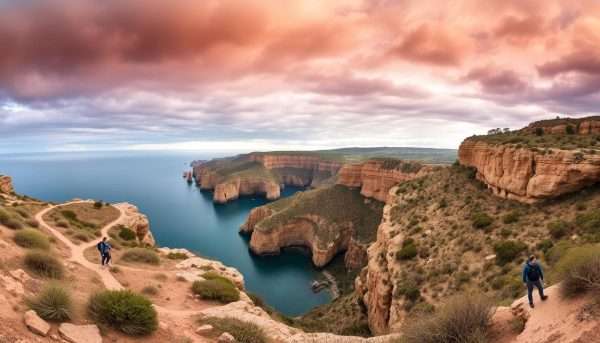
The Algarve transforms in November from crowded beach destination to peaceful coastal retreat. While sea temperatures (around 17-19°C) are too cool for most swimmers, the beaches become perfect for long walks, photography and contemplation. The famous golden cliffs and sea caves are more impressive without summer crowds.
Larger towns like Lagos, Albufeira, and Vilamoura maintain sufficient services for visitors, while smaller villages may partially close for the season. November is ideal for exploring inland Algarve, including historic Silves and Loulé, where authentic Portuguese life continues year-round.
Alentejo Region
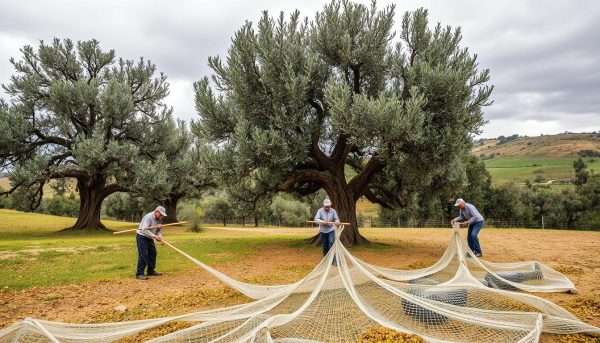
The Alentejo’s rolling plains and whitewashed villages offer authentic experiences in November. This is olive harvesting season, and visitors can participate in traditional harvesting or oil pressing at some estates. The region’s renowned wineries welcome visitors for tastings of newly released vintages in uncrowded settings.
Historic towns like Évora and Monsaraz reveal their medieval character without tourist crowds. November visitors can explore Roman ruins, megalithic monuments and castle walls at a leisurely pace. The region’s famous gastronomy shines in autumn, with hearty dishes featuring game, mushrooms and olive oil.
Discover Portugal’s Regional Treasures
Explore customized tours highlighting the best of each region in November.
Local November Food Specialties
November in Portugal brings a wealth of seasonal delicacies and traditional dishes that highlight the country’s rich culinary heritage. As temperatures cool, heartier fare takes center stage, with regional specialties showcasing autumn’s bounty.
Castanhas Assadas (Roasted Chestnuts)
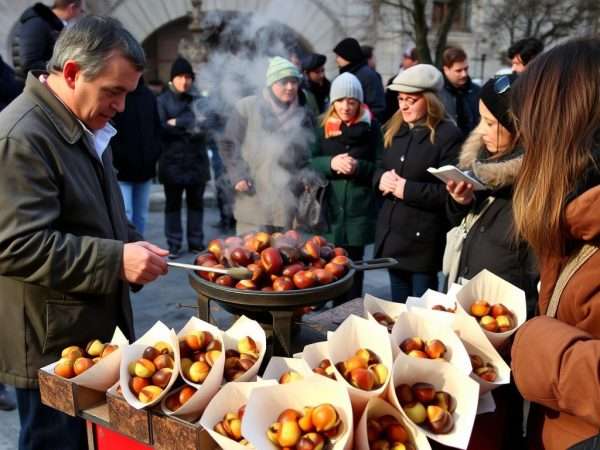
The quintessential November treat in Portugal, roasted chestnuts are sold by street vendors called castanheiros throughout the country. The smoky aroma of roasting chestnuts is a defining scent of Portuguese autumn. During São Martinho celebrations, chestnuts are traditionally paired with jeropiga (sweet liqueur wine) or new wine. Look for vendors with small charcoal roasters in city squares and at local festivals.
Água-Pé & New Wines
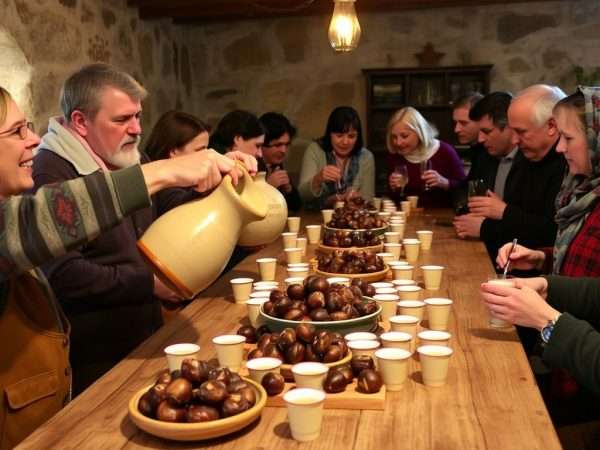
November is when Portuguese água-pé (literally “foot water”) becomes available. This light, slightly fizzy wine is made by adding water to already-pressed grape pomace, creating a low-alcohol beverage traditionally enjoyed with roasted chestnuts. November also brings the first tastings of the year’s new wines, especially young reds that pair perfectly with seasonal foods. Many local taverns offer special tastings during this period.
Caldo Verde (Kale Soup)
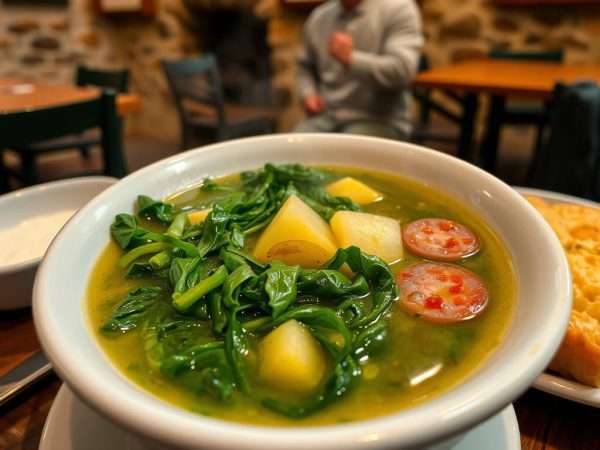
This iconic Portuguese soup becomes a staple as temperatures drop in November. Made with finely shredded kale, potatoes, olive oil, and often slices of chouriço sausage, it’s the perfect warming dish after a day of exploration. Every region has its variation, but all share the distinctive deep green color from which the soup takes its name. Family-run restaurants called tascas often serve the best versions.
Cabrito Assado (Roasted Kid Goat)
November is traditional slaughtering season in rural Portugal, and cabrito assado becomes a weekend specialty, particularly in northern and central regions. The young goat is slow-roasted with garlic, bay leaves, and white wine, resulting in tender meat with crispy skin. This dish is often the centerpiece of family Sunday lunches and can be found in traditional restaurants, especially in the Douro and Trás-os-Montes regions.

Lampreia de Ovos (Egg Lamprey)
Despite its name, this sweet contains no fish but is shaped to resemble a lamprey. Made from egg yolks, sugar, and almonds, this intricate confection appears in pastry shops throughout November. The creation involves forming delicate threads of sweetened egg yolk into the distinctive coiled shape. Look for this specialty in traditional confeitarias (pastry shops), particularly in Coimbra and central Portugal.

Fresh Olive Oil & Olive Dishes
November marks the beginning of olive harvesting season, and fresh olive oil (azeite novo) becomes available in producing regions, particularly the Alentejo. This bright green, intensely flavored oil is celebrated in simple dishes that showcase its quality. Try freshly pressed oil drizzled over toasted bread with a sprinkle of sea salt or sample traditional olive-based dishes like azeitonas de conserva (marinated olives) that appear on November tables.

“November is when Portugal’s true culinary soul emerges. The dishes we prepare now connect us directly to our ancestors and the rhythms of the land. For visitors, these foods offer the most authentic taste of Portugal.”
Sample Itineraries for Portugal in November
These carefully crafted itineraries take advantage of November’s unique conditions, balancing indoor and outdoor activities while highlighting seasonal specialties and events.
7-Day Cultural Tour: Lisbon to Porto
This route explores Portugal’s rich cultural heritage through its two major cities and important historical sites, with flexibility for weather conditions.
Day 1-2: Lisbon Exploration
- Morning: Explore Alfama district, visit São Jorge Castle for city views
- Afternoon: Tour Belém area including Jerónimos Monastery and Belém Tower
- Evening: Fado performance in Bairro Alto or Alfama
- Day 2: Visit Gulbenkian Museum and National Tile Museum (excellent indoor options)
- Evening: Explore Time Out Market for dinner sampling various Portuguese specialties
Day 3: Sintra Day Trip
- Morning: Visit the colorful Pena Palace (check weather forecast and go on the clearest day)
- Afternoon: Explore mystical Quinta da Regaleira gardens and wells
- Evening: Return to Lisbon for dinner in Chiado district
Day 4: Óbidos and Coimbra
- Morning: Drive to the medieval walled town of Óbidos, sample Ginjinha liqueur
- Afternoon: Continue to Coimbra, visit the historic University and Joanina Library
- Evening: Attend a traditional Coimbra fado performance
Day 5: Douro Valley
- Morning: Scenic drive through the Douro Valley’s terraced vineyards
- Afternoon: Wine tasting at a quinta, learn about port production
- Evening: Overnight in a quinta or continue to Porto
Day 6-7: Porto
- Morning: Explore Porto’s riverside Ribeira district and São Bento Station
- Afternoon: Cross to Vila Nova de Gaia for port wine cellar tours and tastings
- Day 7: Visit Livraria Lello, Clérigos Tower and Serralves Museum
- Evening: Farewell dinner featuring northern Portuguese specialties
5-Day Food & Wine Journey: Alentejo & Lisbon
This gastronomic adventure focuses on November’s seasonal specialties, from new olive oil to hearty regional dishes and wine tastings.
Day 1: Évora
- Morning: Arrive in Évora, explore the UNESCO World Heritage historic center
- Afternoon: Visit the Roman Temple and Chapel of Bones
- Evening: Dinner featuring Alentejo black pork and regional wines
Day 2: Olive Oil Experience
- Morning: Visit an olive oil estate during harvest season, participate in traditional harvesting
- Afternoon: Olive oil tasting session, learning to distinguish varieties and qualities
- Evening: Cooking workshop using fresh olive oil in traditional recipes
Day 3: Wine Estates
- Morning: Tour Alentejo wineries, focusing on small producers
- Afternoon: Extended tasting of new and aged wines with local cheese and charcuterie
- Evening: Dinner at a winery restaurant featuring wine pairings
Day 4-5: Lisbon Gastronomy
- Morning: Drive to Lisbon, stopping at a traditional bakery for regional pastries
- Afternoon: Food tour through Lisbon’s historic neighborhoods
- Evening: São Martinho celebration with roasted chestnuts and água-pé
- Day 5: Seafood experience at Mercado da Ribeira, cooking class featuring November specialties
3-Day Algarve Break: Nature & Relaxation
This short itinerary takes advantage of the Algarve’s milder November weather for outdoor activities while enjoying uncrowded beaches and towns.
Day 1: Lagos & Coastal Exploration
- Morning: Arrive in Lagos, explore the historic town center and marina
- Afternoon: Boat tour to Ponta da Piedade sea caves (weather permitting)
- Evening: Seafood dinner in Lagos’ old town
Day 2: Hiking & Nature
- Morning: Hike part of the Seven Hanging Valleys Trail with dramatic coastal views
- Afternoon: Visit Benagil Cave by small boat or kayak (check sea conditions)
- Evening: Relaxing dinner in Carvoeiro or Ferragudo village
Day 3: Cultural Algarve
- Morning: Visit historic Silves with its Moorish castle and cathedral
- Afternoon: Explore Monchique mountain town, sample medronho (fruit brandy)
- Evening: Final dinner featuring Algarve specialties like cataplana seafood stew
Money-Saving Tips for November Travel
November offers exceptional value for travelers to Portugal, with significant discounts across accommodation, activities, and transportation. Here’s how to maximize your budget during this off-season period.
Accommodation Strategies
- Luxury for less: Five-star hotels often reduce rates by 40-50% in November. Consider upgrading your stay without increasing your budget.
- Negotiate longer stays: For stays of 5+ nights, contact hotels directly to request special rates, especially in the Algarve where occupancy is lowest.
- Last-minute bookings: Unlike summer, November allows for spontaneous travel. Check booking sites 1-2 weeks before travel for heavily discounted unsold rooms.
- Consider apartment rentals: Monthly rates for apartments can offer significant savings for longer stays, with many owners willing to negotiate in the off-season.

Transportation & Sightseeing
- Car rental deals: November rates can be 50% lower than summer prices. Book compact cars for the best deals and fuel economy.
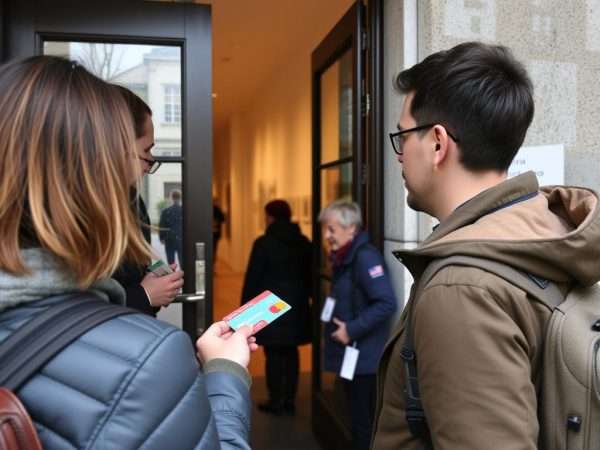
- Combo tickets: Purchase combined tickets for multiple attractions in cities like Lisbon (Lisboa Card) and Porto (Porto Card) for significant savings.
- Free museum days: Many Portuguese museums offer free entry on the first Sunday of each month. Plan your city visits accordingly.
- Group tours: Tour operators often run promotions in November to fill spaces. Look for “winter specials” on wine tours, boat trips and guided walks.
Dining & Food Savings
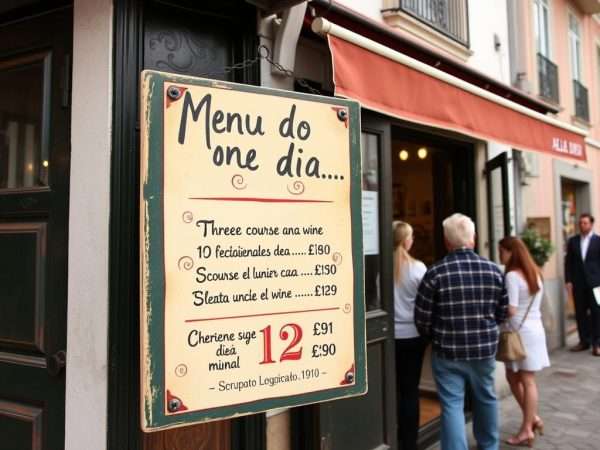
- Lunch menus: Take advantage of fixed-price lunch menus (menu do dia) typically offering 3 courses for €10-15, even at upscale restaurants.
- Wine direct from producers: Visit wineries for tastings and purchase bottles directly, often at 30-50% below retail prices.
- Shop at markets: Local markets like Lisbon’s Mercado da Ribeira or Porto’s Bolhão Market offer fresh produce and prepared foods at lower prices than restaurants.
- Avoid tourist traps: In November, it’s easier to spot restaurants catering primarily to tourists. Look for places filled with locals for better value and quality.
Timing & Planning
- Mid-week travel: Flights to Portugal are typically cheapest Tuesday through Thursday in November.
- Avoid holiday weekends: Prices may increase around All Saints’ Day (November 1) when Portuguese travelers take short breaks.
- Weather flexibility: Build flexibility into your itinerary to swap indoor and outdoor activities based on daily weather conditions.
- Advance festival bookings: While most attractions are uncrowded, special events like jazz festivals or São Martinho celebrations may sell out. Book these in advance.

November Budget Tip
Consider a “split stay” strategy to maximize value. Spend weekdays in cities (when business hotels offer their lowest rates) and weekends in coastal or rural areas (when prices drop due to fewer domestic travelers). This approach can save 15-25% on accommodation costs while providing a more diverse experience.
Find the Best November Deals
Discover discounted accommodation, tours and experiences for your Portugal trip.
Transportation Notes for November Travel
November offers unique considerations for getting around Portugal. With fewer tourists but potentially challenging weather, here’s what you need to know about transportation options during this month.
| Transportation Option | November Advantages | November Challenges | Best For |
| Rental Car | Lower rates, easy parking, flexibility for weather changes | Wet roads, potential for fog in mountainous areas | Exploring rural areas, Alentejo region, multiple-destination trips |
| Train | Comfortable in all weather, scenic routes, no parking concerns | Limited rural connections, occasional weather delays | Travel between major cities (Lisbon-Porto-Faro axis) |
| Bus | Extensive network, budget-friendly, reaches small towns | Longer travel times, less comfortable in poor weather | Budget travelers, reaching smaller towns not served by train |
| Domestic Flights | Time-saving for long distances, off-season discounts | Potential weather disruptions, limited regional airports | Lisbon to Algarve or Madeira connections |
Car Rental vs. Public Transportation
The decision between renting a car or using public transportation depends on your specific itinerary and comfort level with driving in potentially wet conditions.
Car Rental Advantages
- Freedom to explore remote areas like the Alentejo countryside or Serra da Estrela mountains
- Ability to adjust plans based on weather conditions
- Convenience for carrying luggage and shopping
- November rates often 40-50% lower than summer prices
- Empty roads and abundant parking, even in normally congested areas
Car Rental Challenges
- Wet roads can be slippery, especially on rural routes
- Navigation in historic city centers can be difficult
- Parking costs in major cities like Lisbon and Porto
- Limited visibility in foggy conditions (common in northern regions)
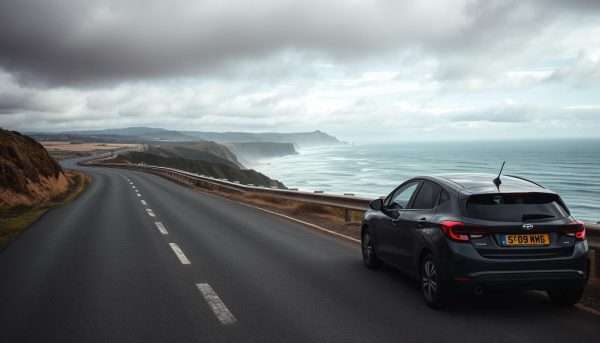
- Some scenic coastal roads may be affected by strong winds
For travellers who want to combine transport and accommodation, campervan hire in Portugal with Campervan Planet is worth pricing against the car-plus-hotel option in November, when both vehicle rates and campsite fees drop well below summer levels and the coastal sites along the Algarve stay open year-round.
Regional Transportation Tips
Northern Portugal
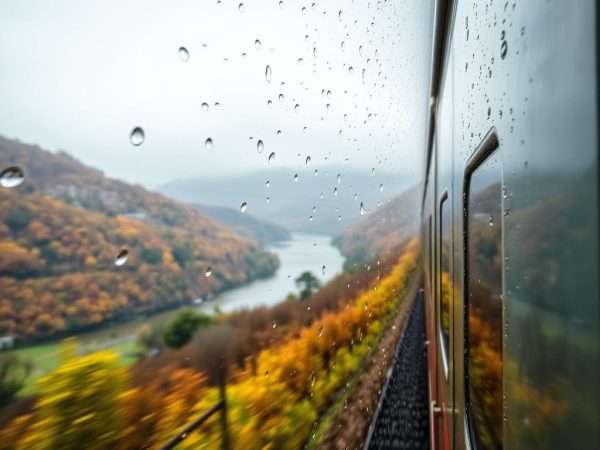
The north experiences the most rainfall in November, which can affect driving conditions. Trains provide excellent connections between Porto and major northern cities like Braga and Guimarães. For the Douro Valley, consider organized tours rather than self-driving if heavy rain is forecast, as valley roads can become slippery.
Central Portugal & Lisbon
Lisbon’s public transportation system is excellent year-round. The historic trams (especially the famous 28) are much less crowded in November. For day trips to Sintra, the regular train service is reliable even in inclement weather. When exploring Lisbon, be aware that sudden rain showers can make the city’s steep, tiled streets slippery.

Algarve & Southern Portugal
The Algarve’s limited public transportation makes a rental car almost essential in November when services are reduced further. The region’s roads are generally good, and rainfall is less frequent than in the north. For exploring the western Algarve’s surf spots or the eastern region’s nature reserves, having your own vehicle provides maximum flexibility.

Safety & COVID-19 Protocols
Portugal maintains high safety standards for travelers, with specific considerations for November visits and current health protocols. Here’s what you need to know before your trip.
Current Entry Requirements
As of the latest update, Portugal has normalized most travel procedures. Visitors from EU/EEA countries and most other nations can enter without specific COVID-19 requirements. However, regulations can change, so always check the official Visit Portugal COVID-19 page before traveling.
Non-EU visitors should verify if they need a Schengen visa through the Portuguese Immigration Service.
November-Specific Safety Considerations
Weather Safety
- Flash flooding: Heavy November rains can cause sudden flooding in urban areas and low-lying regions. Stay alert to weather warnings.
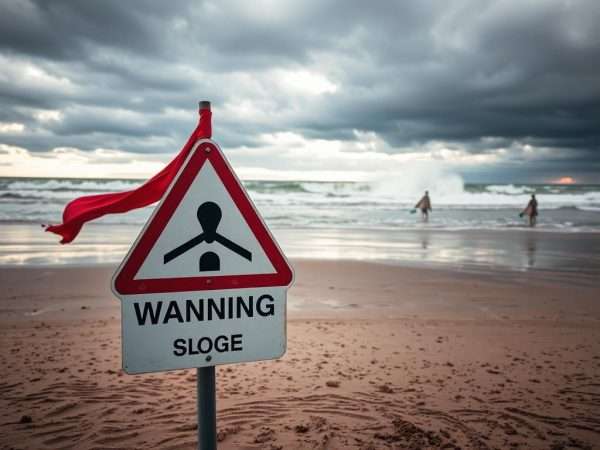
- Coastal conditions: The Atlantic coast experiences stronger waves and currents in November. Observe warning flags and avoid isolated beaches.
- Slippery surfaces: Portugal’s characteristic cobblestone streets become slippery when wet. Wear shoes with good traction, especially in hilly cities like Lisbon and Porto.
- Mountain driving: Fog and rain can reduce visibility in mountainous areas like Serra da Estrela and Serra de Monchique. Consider postponing these trips during adverse weather.
General Safety Tips
- Emergency numbers: The European emergency number 112 works throughout Portugal for police, fire and medical emergencies.
- Healthcare access: Portugal has excellent healthcare facilities. EU citizens should carry their European Health Insurance Card (EHIC). Non-EU visitors should have comprehensive travel insurance.
- Pickpocketing: While Portugal is generally safe, remain vigilant in tourist areas and on public transportation, especially in Lisbon and Porto.
- Road safety: Portuguese drivers can be assertive. Drive defensively and be particularly cautious on wet roads during November.

Health Services & Pharmacies
Portuguese pharmacies (farmácias) are easily identified by a green cross sign and can provide basic medical advice and over-the-counter medications. In November, it’s advisable to carry cold and flu medications as a precaution. For more serious issues, public hospitals have emergency departments (urgências) open 24/7.
Many pharmacies operate on a rotation system for after-hours service. Look for the farmácia de serviço sign indicating which pharmacy is open late in each area or ask at your accommodation for the nearest option.
Travel Insurance Reminder
November weather can cause travel disruptions and activity cancellations. Comprehensive travel insurance covering trip cancellation, medical emergencies and weather-related issues is strongly recommended. Ensure your policy covers outdoor activities if you plan to hike, surf or participate in other adventure sports.
Final Thoughts on Visiting Portugal in November
November reveals a different side of Portugal—one of authentic experiences, seasonal traditions, and remarkable value. While summer visitors see the country at its most vibrant, November travelers discover its soul. The occasional rainy day is a small price to pay for the opportunity to explore historic sites without crowds, engage with locals beyond the tourist industry and experience traditions like São Martinho that remain largely hidden from summer visitors.
The mild climate, especially in the Algarve and Lisbon regions, provides a welcome respite from the harsher November weather in northern Europe and North America. With proper preparation and a flexible attitude, you’ll find Portugal in November offers a perfect balance of cultural immersion, outdoor exploration and relaxation—all at a fraction of high-season costs.
Start Planning Your Portugal Adventure
Subscribe to receive seasonal updates, travel tips and exclusive Portugal offers.







Leave A Comment