
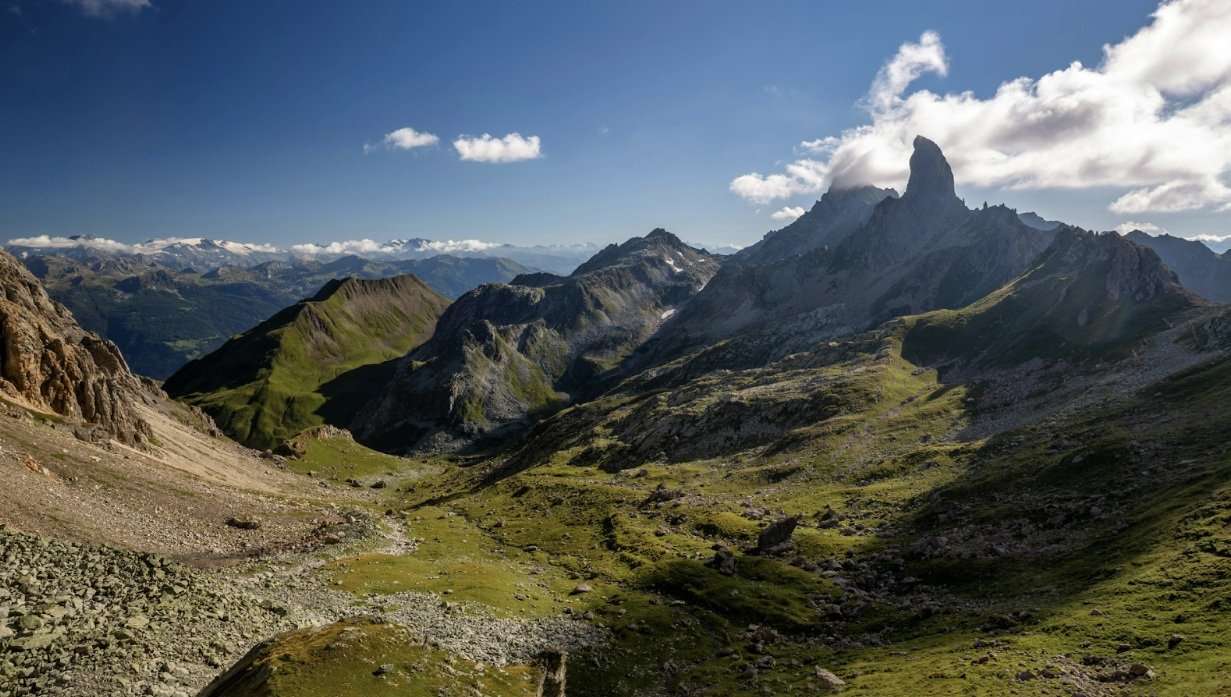
There’s something undeniably captivating about mountain vacations: the crisp, invigorating air, sweeping vistas that stretch endlessly, and the unparalleled sense of freedom that only high elevations can provide. Unlike a city escape or a beach weekend, mountain getaways come with unique challenges. Rapidly changing weather, temperature swings, and rugged terrain can easily catch first-time travelers off guard.
The good news is that with thoughtful preparation, these challenges transform into some of the most rewarding aspects of your trip. Understanding weather patterns, timing your visit, choosing the right accommodations, and preparing physically and mentally ensures your mountain adventure iis safe but truly memorable.
Understanding Mountain Region Climate and Seasonal Variations
You absolutely must grasp mountain weather patterns before you book anything. They operate on completely different rules than whatever you’re accustomed to back home, and your timing can literally make or destroy your entire experience.
Peak Season vs. Off-+Season
June to August offers the most stable weather and full trail access, though prices are higher. December to March delivers prime snow conditions for winter sports, along with peak holiday rates. Spring and fall bring fewer crowds and lower prices, but some facilities close and weather can be less predictable.
Altitude and Weather Preparedness
Mountain conditions change fast, clear skies can turn stormy within an hour. Expect major temperature swings between day and night, stronger UV exposure, and frequent afternoon storms. Pack proper gear and plan most activities for the morning.
Best Places to Stay in Mountain Destinations
Your accommodation choice genuinely shapes your vacation experience, regardless of whether you’re traveling for adrenaline-pumping adventure, peaceful relaxation, or quality family time. Private cabins, vacation homes, full-service resorts, and traditional lodges each present distinct amenities and advantages matching different travel styles.
Planning a mountain vacation in Jackson Hole means immersing yourself in dramatic peaks, crisp alpine air, and endless outdoor adventures. From skiing in the winter to hiking and wildlife spotting in the summer, Jackson Hole offers experiences that satisfy every type of traveler.
To make the most of your trip, consider booking Jackson Hole vacation rentals. These rentals provide the perfect home base, combining comfort, privacy, and convenience. Spacious cabins and luxury homes offer full kitchens, multiple bedrooms, and cozy living spaces—ideal for families or groups seeking both relaxation and adventure. Many properties also feature private hot tubs, fire pits, and panoramic mountain views, allowing you to unwind in style after a day on the slopes or trails. Staying in a rental ensures you enjoy the authentic mountain experience while having all the comforts of home.
Mountain Resorts and Lodge Accommodations
All-inclusive resorts simplify logistics beautifully. Everything exists on-site—restaurants, organized activities, spa services. Ski-in/ski-out access eliminates transportation headaches throughout winter months. Concierge services handle booking guides and activities.
The best places to stay in mountain destinations typically merge convenience with genuine luxury, though you’ll definitely pay premium prices for that combination.
Location Selection Strategies
Proximity carries more weight in mountain regions than virtually any other vacation type. Being twenty minutes from town potentially means navigating hairpin switchbacks after dark. Really consider how far you’re willing to drive daily.
Cell service vanishes quickly once you leave main population areas. If staying connected matters for your situation, research coverage maps thoroughly beforehand. Some isolated locations provide WiFi but absolutely zero cellular signal.
Mountain Getaway Travel Guide: Essential Pre-Trip Planning
Beginning with a comprehensive mountain getaway travel guide creates significant advantages in how you’ll ultimately experience your trip, helping you prepare both logistically and physically for mountain vacations’ unique demands.
Researching Your Destination’s Unique Characteristics
Every mountain region operates with its own quirks and peculiarities. Some require permits for popular trails. Others present seasonal wildlife concerns—bear country demands vastly different precautions than areas lacking large predators.
Review local event calendars carefully. Mountain towns regularly host festivals that might genuinely interest you or create crowds you’d prefer avoiding entirely. Trail conditions shift weekly, so bookmark local ranger station websites for current updates.
Physical Fitness Preparation
Begin conditioning four to six weeks before departure. Cardiovascular fitness matters most—your heart and lungs labor considerably harder at altitude. Stair climbing, hiking with weighted backpacks, and cycling build exactly the right muscle groups.
Never assume you’re fit enough simply because you maintain regular exercise routines. Altitude affects literally everyone differently, regardless of fitness level. Here’s a parallel: sixty-one percent of corporate strategists identify poor implementation as the primary reason new strategic initiatives fail. The same logic applies to vacation preparation—meticulous planning without adequate physical preparation frequently leads to disappointment.
What to Pack for a Mountain Trip: Comprehensive Gear Guide
Understanding what to pack for a mountain trip carries crucial importance because appropriate clothing, equipment, and safety gear ensure you’re genuinely prepared for sudden weather shifts, physical challenges, and potential emergencies in remote wilderness areas.
Layering System and Clothing Essentials
Forget single-layer outfits entirely. You need base layers using moisture-wicking material, mid-layers featuring fleece or down insulation, and waterproof outer shells. This systematic approach allows constant adjustment as conditions transform throughout your day.
Bring extra clothing beyond strict daily requirements. When something gets soaked or dirty, you’ll desperately want backup options. Quick-dry fabrics outperform cotton every single time in mountain environments.
Footwear for Mountain Terrain
Break in hiking boots well before your trip begins. Brand new boots combined with mountain terrain equals guaranteed blisters. Waterproofing matters considerably more than you’d initially think—morning dew, stream crossings, and surprise rain showers soak through regular shoes instantly.
Pack casual footwear for evening hours. Your feet will genuinely appreciate switching out of hiking boots after logging miles on challenging trails.
Health, Safety, and Emergency Supplies
Mountain-specific first aid should include altitude sickness medication, comprehensive blister treatment supplies, and extra sunscreen. Water purification tablets or filtration systems matter tremendously if you’re planning any backcountry activities. Emergency whistles, reliable headlamps, and portable charging solutions complete your safety gear essentials.
How to Prepare for a Mountain Vacation: Safety and Health Considerations
Comprehending how to prepare for a mountain vacation extends beyond simple packing and includes learning about altitude sickness, emergency protocols, and local regulations—all contributing factors toward safe and genuinely enjoyable getaways.
Altitude Sickness Prevention and Management
Acute mountain sickness (AMS) strikes many visitors above 8,000 feet elevation. Symptoms manifest as headaches, persistent nausea, dizziness, and profound fatigue. Ascending gradually provides the best prevention—avoid flying directly to high elevation then immediately launching into strenuous activities.
Consume three to four liters of water daily at altitude. Avoid excessive alcohol consumption. If symptoms intensify despite adequate rest and hydration, descending remains the only genuine solution. Some travelers take Diamox preventively—definitely discuss this option with your doctor beforehand.
Trail Safety and Navigation Best Practices
Remain on marked trails consistently. Taking shortcuts causes environmental erosion and gets people legitimately lost. Inform someone reliable about your detailed itinerary before heading out. Don’t depend solely on your phone for navigation purposes—batteries fail and signal disappears regularly.
Recognize when turning back makes sense. Summit fever pushes people beyond genuinely safe limits. When weather deteriorates significantly or you’re substantially behind schedule, returning isn’t failure—it’s intelligent decision-making.
Common Questions About Mountain Vacations
Do I need a 4WD vehicle for mountain destinations?
This depends entirely on season and your specific location. Winter typically demands all-wheel drive or four-wheel drive equipped with proper snow tires. Summer permits regular vehicles on most paved roads, though unpaved forest roads definitely benefit from higher ground clearance.
How long before my trip should I start physical preparation?
Launch conditioning four to six weeks ahead of departure. Emphasize cardiovascular fitness and leg strength development. Gradual training prevents injuries while helping your body adapt to increased demands of mountain activities at elevation.
What’s the biggest mistake first-time mountain travelers make?
Severely underestimating altitude effects. People wrongly assume their normal fitness level translates directly to mountain performance. Even accomplished athletes struggle initially at elevation. Schedule easier activities your first day, then build up gradually as your body acclimates.
Final Thoughts on Your Mountain Adventure
Planning mountain vacations demands more effort than organizing beach trips, absolutely. But the rewards justify every single bit of preparation you invest. You’ll experience landscapes and adventures that remain vivid in your memory for years afterward.
The secret lies in truly understanding what separates mountain destinations from everywhere else—from unique weather patterns to altitude effects to specialized gear requirements. Don’t let the planning process overwhelm you unnecessarily. Start with locking down accommodation and optimal timing, then systematically work through fitness preparation, packing requirements, and activity research. Each completed step builds momentum toward a trip that surpasses expectations rather than falling short.
Mountains offer something genuinely special that you simply can’t find elsewhere. Proper preparation ensures you’re completely ready to experience every magnificent bit of it. Your adventure awaits.













Leave A Comment