

What Exactly is a Tacuazin?
The Virginia opossum (Didelphis virginiana), commonly known as tacuazin in Mexico and Central America
“Tacuazin” (also spelled tlacuache, tlacuatzin, or tacuachi) is a name used throughout Mexico and Central America to refer to the Virginia opossum (Didelphis virginiana), the only marsupial native to North America. The name comes from the Nahuatl word tlacuatzin, which derives from the verb for “to eat” (tlacua) with a diminutive suffix (-tzin), essentially meaning “little eater.”
Key Characteristics of the Tacuazin
- Size comparable to a domestic cat, weighing between 4-14 pounds
- Grayish-white fur with a pointed snout and black ears
- Distinctive prehensile tail used for climbing and balance
- Famous for “playing dead” (thanatosis) when threatened
- Females have a marsupial pouch for carrying young
- Omnivorous diet including insects, small animals, fruits, and carrion
- Nocturnal habits and excellent climbing abilities
The tacuazin holds significant cultural importance in Mesoamerican mythology. According to ancient beliefs, it was the opossum who stole fire from the gods and brought it to humans, similar to the Prometheus myth in Greek mythology. This creature is also associated with the moon, fertility, and birth in various indigenous cultures.
What is a True Possum?
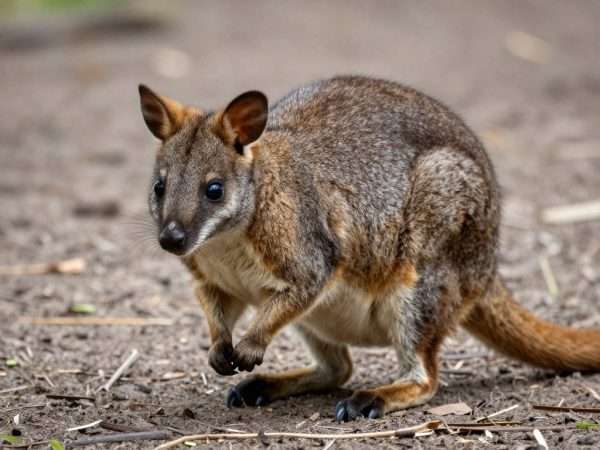
The common brushtail possum (Trichosurus vulpecula), a true possum native to Australia
The term “possum” properly refers to marsupial species native to Australia, New Guinea, and Sulawesi. These animals belong to the suborder Phalangeriformes and include approximately 70 species across multiple families. Unlike the North American opossum, true possums evolved separately in Australasia and represent a diverse group with varying characteristics.
Key Characteristics of True Possums
- Range in size from tiny pygmy possums to cat-sized brushtail possums
- Generally have rounder faces and ears compared to opossums
- Typically have thicker, bushier tails (not naked or rat-like)
- Most species have forward-facing eyes adapted for night vision
- Many species have specialized diets (some are strictly herbivorous)
- Do not “play dead” when threatened
- Females have a pouch that opens toward the front (unlike opossums)
In Australia, possums are protected wildlife in most regions, though some species like the common brushtail possum have adapted well to urban environments and can sometimes be considered pests when they take up residence in attics or damage gardens.
Tacuazin vs Possum: Head-to-Head Comparison
| Characteristic | Tacuazin (American Opossum) | Possum (Australasian) |
| Scientific Classification | Order: Didelphimorphia Family: Didelphidae | Order: Diprotodontia Suborder: Phalangeriformes |
| Native Habitat | North and South America | Australia, New Guinea, Sulawesi |
| Tail Type | Naked, scaly, prehensile | Furry, bushy (most species) |
| Face Shape | Long, pointed snout | Shorter, rounder face |
| Defense Mechanism | “Playing dead” (thanatosis) | Fleeing, vocalizing, or fighting |
| Diet | Omnivorous (insects, carrion, fruits) | Varies by species (many herbivorous) |
| Number of Species | Over 100 species | Around 70 species |
| Cultural Perception | Often seen as pests, but valued in some indigenous cultures | Protected wildlife in Australia, some species considered pests |

Visual comparison showing the distinct differences between a tacuazin (left) and an Australian possum (right)
Physical Differences in Detail
Tacuazin (Opossum) Appearance
The Virginia opossum has a distinctive appearance that often leads people to mistake it for an oversized rat. Its body is covered in coarse, grayish-white fur, while its face features a pointed snout, pink nose, and black, hairless ears. One of its most recognizable features is its long, prehensile tail that lacks fur and has a scaly appearance. Adult opossums typically measure 13-22 inches in body length with an additional 9-21 inches of tail.

Close-up of a tacuazin’s distinctive facial features
Possum Appearance
True possums from Australasia have a more varied appearance across species, but generally feature rounder faces and ears compared to their American counterparts. Their tails are typically fully furred and bushy, especially in species like the common brushtail possum. Their fur tends to be thicker and softer, and many species have forward-facing eyes that give them a more “cute” appearance compared to the somewhat fierce look of the opossum.

Behavioral Differences
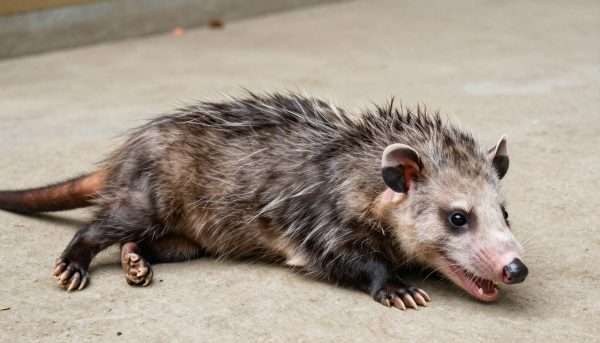
A tacuazin demonstrating its famous “playing dead” defense mechanism
Beyond physical appearance, tacuazins and possums exhibit distinct behavioral traits that further differentiate them:
Tacuazin (Opossum) Behavior
- Playing Dead: When threatened, opossums famously “play possum,” entering a catatonic state that can last for hours. This involuntary response includes slowed heart rate, stiffened body, and emission of a foul-smelling substance.
- Nocturnal Activity: Opossums are primarily active at night, using their excellent sense of smell to locate food.
- Nomadic Lifestyle: They rarely stay in one den for more than a few days, preferring to move frequently within their territory.
- Tick Consumption: Opossums are excellent groomers and can consume thousands of ticks annually, helping control tick populations and associated diseases.
Possum Behavior
- Territorial Nature: Many possum species establish and defend territories, particularly during breeding season.
- Vocalizations: True possums have a wide range of vocalizations, from hisses and growls to chattering sounds.
- Specialized Diets: While some possums are omnivorous, many have specialized diets. For example, the honey possum feeds exclusively on nectar and pollen.
- Social Structure: Some possum species exhibit more complex social behaviors than the typically solitary opossum.
Origin of the Confusion
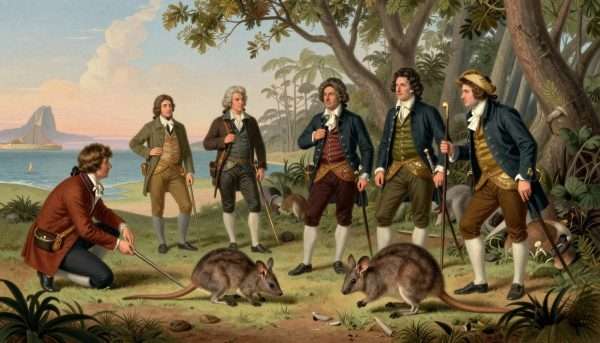
Captain James Cook’s expedition encountering and documenting Australian wildlife
The confusion between these two distinct marsupial groups has linguistic and historical roots:
Historical Naming Confusion
When British explorer Captain James Cook’s expedition reached Australia in the late 18th century, naturalists encountered marsupials that reminded them of the already-known American opossum. Sir Joseph Banks, the expedition’s naturalist, noted the similarities between these animals and the American “opossum” (which had been documented since the early 1600s).
The word “opossum” itself comes from the Algonquian language family of North American indigenous peoples, specifically from a word meaning “white animal” or “white dog-like animal.” When the similar-looking Australian marsupials were discovered, colonists simply applied the familiar term “opossum,” which was often colloquially shortened to “possum” in everyday speech.
Over time, this linguistic shorthand became formalized, with “opossum” generally referring to the American species and “possum” to the Australian ones. However, in North America, people commonly refer to the Virginia opossum simply as “possum,” perpetuating the confusion.
“Nothing prepares you for an opossum. They have a face only a mother could love. Really, they are such a weird looking animal.”
Cultural Significance
Tacuazin in Mesoamerican Culture
In Mesoamerican cultures, particularly among the Aztecs and Maya, the opossum (tlacuache) held significant mythological importance. It was often portrayed as a clever trickster who stole fire from the gods to benefit humanity. The opossum’s tail was also used in traditional medicine, particularly to aid in childbirth.

Ancient Mesoamerican artwork depicting the tacuazin in mythology
Possums in Australian Culture
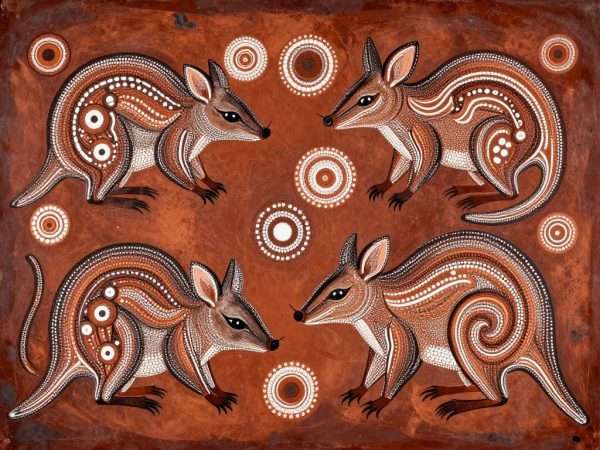
In Australia, possums feature prominently in Aboriginal Dreamtime stories and are considered important native wildlife. Despite sometimes being viewed as pests in urban areas, they are legally protected throughout Australia. Their fur was historically used by indigenous Australians for clothing and blankets, and they feature in various children’s literature and popular culture.
Ecological Roles and Importance
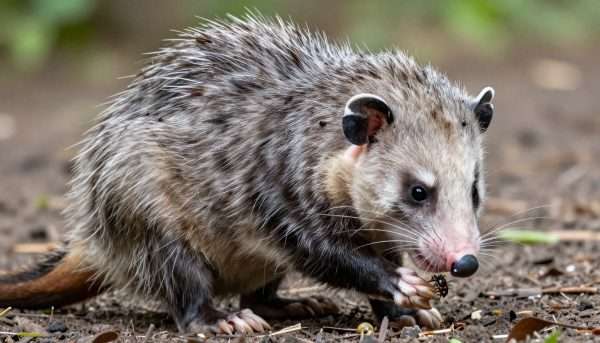
Tacuazins play a crucial role in controlling tick populations and reducing Lyme disease risk
Both tacuazins and possums play important ecological roles in their native habitats:
Tacuazin’s Ecological Benefits
- Tick Control: A single opossum can consume up to 5,000 ticks per season, helping reduce the spread of Lyme disease and other tick-borne illnesses.
- Waste Management: As scavengers, they help clean up carrion and food waste, reducing disease transmission.
- Pest Control: They consume many garden pests including snails, slugs, and various insects.
- Snake Resistance: Opossums have natural immunity to many snake venoms and will kill and eat venomous snakes.
Possum’s Ecological Benefits
- Pollination: Some possum species, like the honey possum, are important pollinators for native Australian plants.
- Seed Dispersal: Many possums consume fruits and disperse seeds through their droppings.
- Forest Health: Their feeding habits help maintain forest diversity and structure.
- Food Source: They serve as prey for native predators, supporting food web dynamics.
Conclusion: Distinct Animals with Shared Confusion

Tacuazin and possum: distinct marsupials in their natural habitats
Despite the linguistic confusion that has persisted for centuries, tacuazins and possums are distinctly different animals that evolved separately on opposite sides of the world. The tacuazin (Virginia opossum) is North America’s only marsupial, characterized by its rat-like appearance, naked prehensile tail, and famous “playing dead” defense mechanism. True possums are diverse Australasian marsupials with generally bushier tails, rounder faces, and different behavioral patterns.
Understanding the differences between these fascinating creatures not only clears up a common zoological confusion but also helps us appreciate the remarkable diversity of marsupial evolution across different continents. Whether you encounter a tacuazin in your North American backyard or spot a possum while visiting Australia, you can now confidently identify which marsupial family you’re observing.
Help Protect These Unique Marsupials
Now that you understand the difference between tacuazins and possums, learn how you can support conservation efforts for these remarkable animals. Both species face challenges from habitat loss and human encroachment.















Leave A Comment