

Your heart races. Your thoughts spiral. Your chest tightens. Anxiety has a way of making everything feel overwhelming in an instant.
But what if you could access a natural remedy that works within minutes? Deep breathing exercises for anxiety offer exactly that—a simple, science-backed way to calm your nervous system anywhere, anytime.
Research shows that controlled breathing can reduce stress hormones, lower blood pressure, and activate your body’s natural relaxation response. Unlike medications that take time to work, breathing techniques deliver immediate relief.
This comprehensive guide walks you through seven proven breathing methods. Each technique includes clear, step-by-step instructions you can start using today.
Understanding the Connection Between Breath and Anxiety
Your breathing pattern directly influences your mental state. When anxiety strikes, your breath becomes shallow and rapid. This triggers your body’s fight-or-flight response, releasing cortisol and adrenaline into your bloodstream.
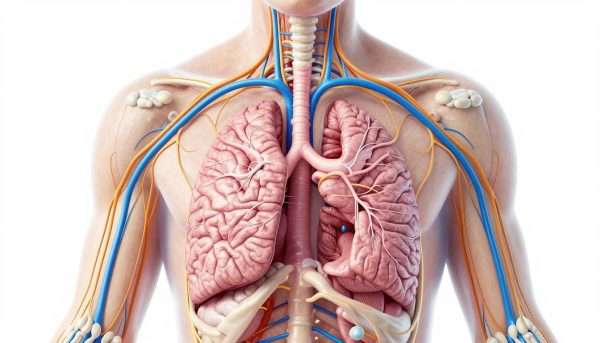
Deep breathing works by activating your parasympathetic nervous system. This is your body’s natural “rest and digest” mode. It counteracts the stress response by slowing your heart rate and lowering blood pressure.
The diaphragm muscle plays a crucial role in this process. When you breathe deeply into your belly, the diaphragm moves downward. This sends signals to your brain that it’s safe to relax.
Studies using brain imaging have shown that slow, controlled breathing changes brain activity. It reduces activity in areas linked to worry and stress. At the same time, it increases activity in regions responsible for calm and focus.
Cortisol levels drop significantly after just a few minutes of deep breathing. Your blood oxygen levels improve. Your muscles release tension. This entire physiological shift happens automatically when you breathe correctly.
How Deep Breathing Exercises Help Manage Anxiety
The moment you start deep breathing, your body begins to shift out of anxiety mode. The vagus nerve, which runs from your brain to your abdomen, gets activated. This nerve is like a highway between your breath and your emotional state.
Physical Benefits
- Lowers heart rate within 60 seconds
- Reduces muscle tension throughout body
- Decreases blood pressure naturally
- Improves oxygen circulation to brain
- Releases physical symptoms of stress
Mental Benefits
- Interrupts anxious thought patterns
- Creates sense of control and calm
- Improves focus and concentration
- Reduces feelings of panic
- Enhances overall emotional regulation
Research from major health institutions confirms these effects. Studies show that regular practice of breathing techniques can reduce anxiety symptoms by up to 60 percent. The British Heart Foundation recognizes controlled breathing as a key tool for managing stress.
Your breath also serves as an anchor to the present moment. When anxious thoughts pull you toward worries about the future, focusing on your breath brings you back to now. This mindfulness aspect makes breathing exercises doubly effective.
Get Your Free 7-Day Breathing Exercise Plan
Download our printable guide with daily breathing exercises designed specifically for anxiety relief. Includes tracking sheets and quick-reference cards.
7 Powerful Deep Breathing Techniques for Anxiety Relief
1. Diaphragmatic Breathing (Belly Breathing)
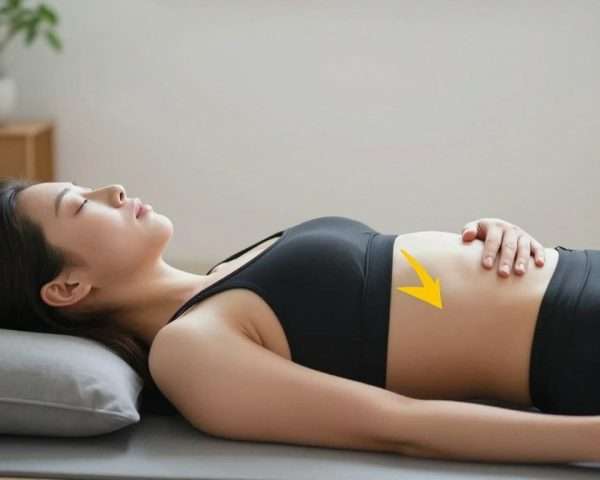
Diaphragmatic breathing is the foundation of all breathing exercises. This technique teaches you to breathe using your belly rather than your chest. Most people breathe shallowly from their chest, which actually increases stress.
Step-by-step instructions:
- Find a comfortable position, either lying down or sitting in a chair with good back support
- Place one hand on your chest and the other on your belly, just below your rib cage
- Breathe in slowly through your nose, allowing your belly to push your hand out
- Your chest should remain relatively still during this process
- Purse your lips as if blowing out a candle and breathe out slowly
- Feel your belly hand move inward as you exhale completely
- Repeat this cycle for 5 to 10 minutes
Duration: Practice for 5 to 10 minutes, three times daily when starting out.
Best time: Morning after waking, during lunch breaks, and before bed. This technique works especially well when you feel the first signs of anxiety building.
Benefits: Belly breathing immediately slows your heart rate. It maximizes oxygen intake with each breath. Regular practice strengthens your diaphragm muscle, making deep breathing more natural over time.
2. The 4-7-8 Breathing Technique

This breathing technique was developed by Dr. Andrew Weil, based on ancient yoga pranayama practices. The 4-7-8 pattern acts as a natural tranquilizer for the nervous system. Many people report feeling noticeably calmer after just one cycle.
Step-by-step instructions:
- Sit with your back straight or lie down in a comfortable position
- Place the tip of your tongue against the ridge behind your upper front teeth
- Keep your tongue in this position throughout the entire exercise
- Exhale completely through your mouth, making a whoosh sound
- Close your mouth and inhale quietly through your nose while counting to four
- Hold your breath for a count of seven
- Exhale completely through your mouth, making a whoosh sound, for a count of eight
- This completes one cycle; repeat three more times for a total of four cycles
Duration: Start with four breath cycles. As you become more comfortable, you can increase to eight cycles.
Best time: This technique excels at helping you fall asleep. Use it when anxiety keeps you awake at night. It also works well during high-stress moments when you need quick relief.
Benefits: The 4-7-8 breathing pattern reduces anxiety by forcing your mind to focus on counting. The extended hold and exhale activate your body’s relaxation response powerfully. Research shows this technique can lower blood pressure and improve sleep quality.
3. Box Breathing (Square Breathing)
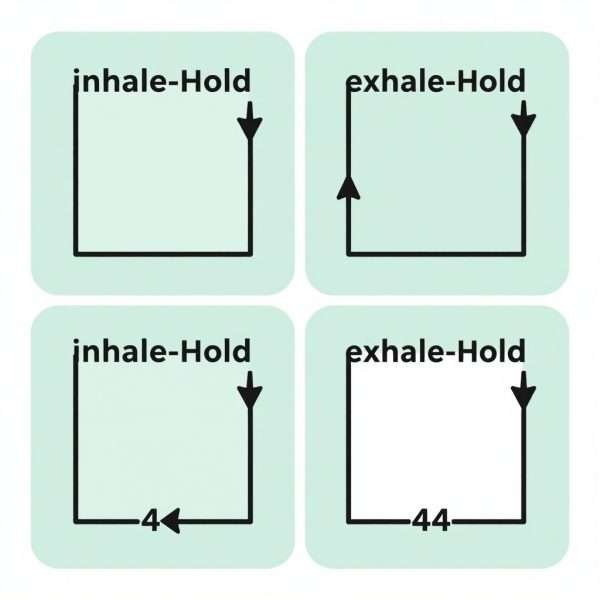
Box breathing gets its name from the equal timing on all four sides of the breath. Navy SEALs use this technique to stay calm in high-pressure situations. The symmetry of this pattern makes it easy to remember and practice anywhere.
Step-by-step instructions:
- Sit upright in a chair with feet flat on the floor
- Close your eyes or maintain a soft gaze looking downward
- Slowly exhale through your mouth, emptying your lungs completely
- Inhale slowly through your nose for a count of four
- Hold your breath for a count of four
- Exhale through your mouth for a count of four
- Hold your breath again for a count of four
- Repeat this box pattern for 5 minutes or until you feel calmer
Duration: Practice for 5 minutes initially. You can extend to 10 to 15 minutes as you build comfort with the technique.
Best time: Box breathing works exceptionally well before stressful events like presentations or difficult conversations. Many people use it during work breaks to reset their stress levels.
Benefits: The equal count on all four sides creates a meditative state. This breathing pattern improves focus while simultaneously reducing anxiety. Studies show it enhances performance under pressure while keeping stress hormones in check.

Calm App
Offers guided breathing exercises specifically designed for anxiety. Includes daily meditation sessions and breathing timer.
- Free basic version available
- Extensive breathing exercise library
- Sleep stories and music
Headspace
Features structured breathing courses that teach various techniques. Science-backed approach to meditation and anxiety management.
- 14-day free trial
- Anxiety-specific programs
- Progress tracking features

Breathwrk
Focused exclusively on breathing techniques. Provides visual and audio cues to guide your breathing patterns.
- Simple, focused interface
- Multiple breathing patterns
- Quick exercises for busy schedules
4. Extended Exhale Breathing
Extended exhale breathing focuses on making your exhale longer than your inhale. This simple adjustment powerfully activates your parasympathetic nervous system. When you extend the exhale, you directly stimulate the vagus nerve.
Step-by-step instructions:
- Find a comfortable seated position with your spine straight
- Take a normal breath in through your nose and count how long it takes
- Exhale through your nose or mouth, making the exhale twice as long as the inhale
- For example, inhale for a count of three, then exhale for a count of six
- Keep your shoulders relaxed and your belly soft
- Continue this pattern for 5 to 10 minutes
- Gradually you can extend both the inhale and exhale while maintaining the 1:2 ratio
Duration: Practice for 5 to 10 minutes. This technique can be used throughout the day whenever you feel stress building.
Best time: Use extended exhale breathing when you need to calm down quickly. It works well during anxiety attacks or moments of acute stress. Many people use it during commutes or in waiting rooms.
Benefits: The extended exhale directly triggers your body’s relaxation response. This technique quickly reduces heart rate and blood pressure. Research shows it’s particularly effective for managing panic symptoms and racing thoughts.
5. Alternate Nostril Breathing (Nadi Shodhana)

Alternate nostril breathing comes from traditional yoga pranayama practices. This technique balances the left and right hemispheres of your brain. It creates a sense of equilibrium and calm that many people find deeply centering.
Step-by-step instructions:
- Sit comfortably with your spine straight and shoulders relaxed
- Rest your left hand on your left knee
- Bring your right hand up to your nose
- Use your right thumb to close your right nostril
- Inhale slowly through your left nostril
- Use your ring finger to close your left nostril
- Release your thumb and exhale through your right nostril
- Inhale through the right nostril
- Close the right nostril with your thumb
- Release your ring finger and exhale through the left nostril
- This completes one cycle; continue for 5 to 10 minutes
Duration: Practice for 5 to 10 minutes. Start with just 2 to 3 minutes if you’re new to this technique.
Best time: Alternate nostril breathing works beautifully as a morning meditation practice. Many yoga practitioners use it before meditation to prepare the mind. It’s also effective before bed to quiet racing thoughts.
Benefits: This technique balances your nervous system by alternating stimulation between nostrils. Research shows it reduces stress hormones and improves focus. The rhythmic pattern creates a meditative state that naturally reduces anxiety.
6. The 4-4-4 Pattern Breathing
The 4-4-4 pattern breathing is a simplified version of box breathing. This three-part rhythm—inhale, hold, exhale—all for equal counts makes it easy to remember. The technique provides structure without requiring you to track four different phases.
Step-by-step instructions:
- Sit or stand with good posture
- Empty your lungs completely with a full exhale
- Inhale through your nose for a count of four
- Hold your breath for a count of four
- Exhale through your nose or mouth for a count of four
- Immediately begin the next cycle without pausing
- Repeat for at least 10 cycles or about 3 to 5 minutes
Duration: Practice for 3 to 5 minutes initially. You can extend to 10 minutes as the pattern becomes more comfortable.
Best time: This technique works well during the work day when you need a quick reset. Use it between meetings or during breaks. The simplicity makes it perfect for practicing discreetly in any setting.
Benefits: The 4-4-4 pattern calms the nervous system while improving oxygen flow. It’s simple enough to use during moments of high stress without needing to concentrate too hard. Studies show equal-count breathing patterns reduce cortisol levels effectively.
7. Pursed Lip Breathing
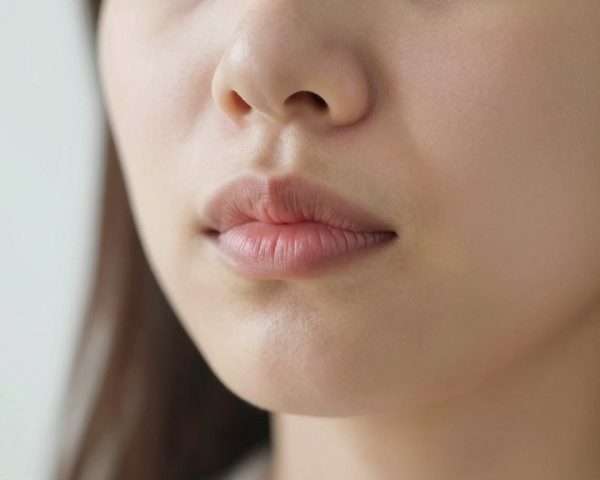
Pursed lip breathing is commonly recommended by healthcare providers for people with respiratory issues. But it’s equally effective for managing anxiety. This technique slows down your breathing naturally and creates a sense of control.
Step-by-step instructions:
- Relax your neck and shoulder muscles
- Breathe in through your nose for a count of two
- Purse your lips as if you’re about to whistle
- Breathe out slowly through your pursed lips for a count of four
- The exhale should take twice as long as the inhale
- Don’t force the air out—let it flow naturally
- Repeat for 5 to 10 minutes
Duration: Practice for 5 to 10 minutes. You can use this technique multiple times throughout the day as needed.
Best time: Pursed lip breathing works excellently during physical activity or when you feel short of breath. Many people use it while climbing stairs or during anxious moments that affect breathing.
Benefits: This technique keeps airways open longer, improving oxygen exchange. The focused exhale through pursed lips naturally slows your breathing rate. Research shows it effectively reduces breathlessness and feelings of panic.
Making Breathing Exercises Part of Your Daily Routine
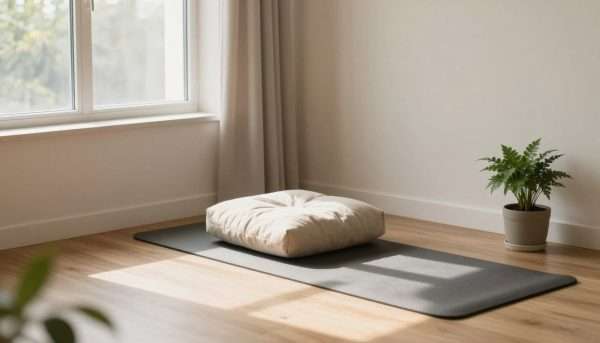
Consistency turns breathing exercises from a tool you use occasionally into a powerful habit that transforms your anxiety management. The key is making practice as easy and natural as brushing your teeth.
Best Times to Practice Deep Breathing
Morning practice sets a calm tone for your entire day. Spend 5 to 10 minutes with diaphragmatic breathing or alternate nostril breathing right after waking. This creates a foundation of calm before stress enters the picture.
Midday sessions help reset stress that accumulates during work. Try the 4-7-8 technique or box breathing during lunch breaks. Even three minutes can shift your state dramatically.
Evening practice helps transition from the day’s stress into restful sleep. Extended exhale breathing or the 4-7-8 technique work especially well before bed. This signals to your body that it’s time to wind down.
Creating Your Practice Environment
Find a quiet space where you won’t be interrupted. This doesn’t need to be elaborate—a corner of your bedroom or even your parked car works perfectly. Close the door or put on headphones to minimize distractions.
Temperature matters more than you might think. A slightly cool room helps you breathe more deeply. Wear comfortable clothes that don’t restrict your belly or chest. Remove tight belts or restrictive clothing.
Lighting should be soft and calming. Natural light works beautifully for morning practice. Dimmer lights or candles create a peaceful atmosphere for evening sessions. Some people prefer to close their eyes entirely.
Essential Practice Tips
- Start with just 2 to 3 minutes daily
- Practice at the same time each day
- Use phone reminders to build consistency
- Don’t judge your performance
- Notice improvements gradually over time
- Keep a simple breathing journal
Common Mistakes to Avoid
- Forcing the breath too hard
- Practicing only when anxious
- Holding tension in shoulders
- Breathing too quickly
- Expecting instant perfection
- Giving up after a few days
Using Guided Resources and Technology
Breathing apps provide structure and guidance, especially when you’re starting out. They offer visual cues that help you maintain the right timing. Many apps track your progress, which helps build motivation.
Guided audio recordings work well if you prefer verbal instruction. You can find free recordings on YouTube or meditation platforms. These walk you through each technique step by step.
Simple tools like a meditation timer or even a regular kitchen timer help you commit to specific practice periods. Set it for 5 minutes and breathe until it chimes. This removes the need to check the clock.
Building Your Practice Gradually
Start with one technique that feels most natural to you. Practice it daily for at least two weeks before adding another. This builds competence and confidence without overwhelming you.
Increase duration slowly. Begin with 3 to 5 minutes and add one minute each week. Most people find 10 to 15 minutes daily provides significant anxiety relief. But even 5 minutes consistently beats 30 minutes occasionally.
Link your breathing practice to existing habits. Breathe deeply right after your morning coffee or before checking your phone. These connections make the new habit stick more easily.
When Breathing Exercises Aren’t Enough: Knowing When to Seek Professional Help
Deep breathing exercises for anxiety provide powerful relief for many people. But they work best as part of a comprehensive approach to mental health. Sometimes anxiety requires additional professional support.
Seek help from a mental health professional if your anxiety significantly interferes with daily life. This includes avoiding activities you once enjoyed, missing work or school regularly, or experiencing panic attacks that feel unmanageable.

Physical symptoms that persist despite breathing practice warrant medical attention. These include chest pain, dizziness that doesn’t improve, difficulty sleeping for extended periods, or symptoms that worsen over time.
Thoughts of self-harm or feeling unable to cope always require immediate professional intervention. Call the National Suicide Prevention Lifeline at 988 or text “HELLO” to 741741 for the Crisis Text Line. These services provide free, confidential support 24 hours a day.
Important: Breathing techniques complement professional treatment—they don’t replace it. Many therapists teach these same techniques as part of cognitive behavioral therapy (CBT) or other anxiety treatments.
Professional options include therapy, medication, or a combination of both. Cognitive behavioral therapy has strong research support for treating anxiety. Medications like SSRIs can help balance brain chemistry when needed.
Many people find that combining breathing exercises with therapy creates the most effective anxiety management. The breathing techniques give you immediate tools to use between sessions. Therapy helps address the underlying patterns that fuel anxiety.
Need to Talk to Someone?
If anxiety is overwhelming or breathing exercises aren’t providing enough relief, professional support can help. Speak with a licensed mental health counselor today.
Start Your Journey to Calmer Breathing Today
Deep breathing exercises for anxiety offer a scientifically proven path to relief that you can start using immediately. These seven techniques—from simple belly breathing to more structured patterns like the 4-7-8 method—give you options for every situation.
Remember that consistency matters more than perfection. Start with just one technique that resonates with you. Practice it for 5 minutes daily. As it becomes comfortable, explore the other breathing patterns presented here.
Your nervous system responds to breath work quickly. Many people notice reduced anxiety symptoms within the first week of regular practice. Over time, these techniques become automatic tools you can access whenever stress appears.
The beauty of breathing exercises lies in their simplicity. You carry the solution with you everywhere. No equipment needed. No special location required. Just a few minutes and your willingness to breathe deeply.
Download the free guide above to get started today. Track your progress as you build this life-changing habit. And remember—seeking professional help when needed isn’t weakness. It’s wisdom.
Your breath is your anchor in moments of anxiety. Use it wisely, and you’ll find a calm that’s always within reach.















Leave A Comment