

The confusion between possums and opossums ranks among the most common wildlife naming mix-ups. Many people use these words interchangeably, not realizing they refer to two distinct animals living on opposite sides of the world. This widespread misunderstanding stems from linguistic evolution and geographical separation.
These creatures share marsupial heritage but belong to completely different taxonomic families. The possum vs opossum question reveals fascinating insights into how similar-sounding names can mask profound biological differences. Understanding these distinctions helps clarify nature’s diversity.
This comprehensive guide explores the real differences between possums opossums. We’ll examine their geographic distributions, physical characteristics, behavioral patterns, and taxonomic classifications. You’ll discover why confusion persists and learn exactly when to use each word correctly.
Where Possums and Opossums Live: Geographic Distribution Explained
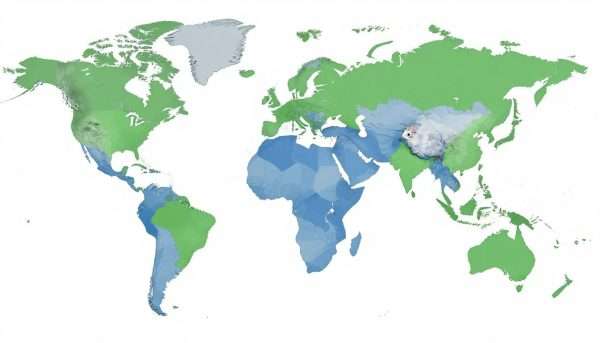
The geographic separation between these animals provides the clearest distinction. Opossums are native to the Americas, primarily inhabiting regions throughout North America and South America. The Virginia opossum represents the only marsupial species naturally occurring in the United States and Canada.
These American marsupials thrive in diverse environments from southern Canada to Argentina. They’ve adapted to forests, grasslands, and even urban areas. Their remarkable adaptability has allowed opossums to expand their range northward over recent decades.
Possums, conversely, call Australia and nearby regions home. These marsupials are native to Australia, New Guinea, and various Pacific islands. Australia hosts the greatest diversity of possum species, with over seventy different types documented across the continent.
The brushtail possum stands as Australia’s most common and recognizable species. These creatures have successfully colonized urban environments throughout Australian cities. New Zealand also hosts possum populations, though they were introduced there and are now considered invasive.
Geographic Quick Facts: No wild opossum populations exist naturally outside the Americas. Similarly, no wild possum populations inhabit the Americas naturally. This complete geographic separation makes location the easiest way to identify which animal you’re discussing.
Possum vs. Opossum: Physical Characteristics That Set Them Apart

Opossum Physical Features
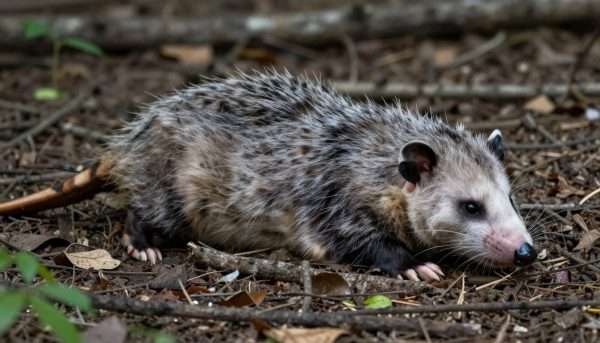
Opossums display distinctive physical characteristics that distinguish them from their Australian counterparts. The Virginia opossum typically measures between fifteen to twenty inches in body length. Their appearance features coarse, grayish-white fur that provides effective camouflage.
The opossum’s tail serves as perhaps its most recognizable feature. This long, hairless, scaly appendage functions as a prehensile tool. Young opossums can briefly hang from branches using their tails, though adults rarely employ this ability due to weight constraints.
Their faces present a pointed snout with a pink nose. Opossums possess fifty teeth, more than any other North American land mammal. These teeth create an intimidating display when threatened, contributing to their defensive strategies.
Possum Physical Features
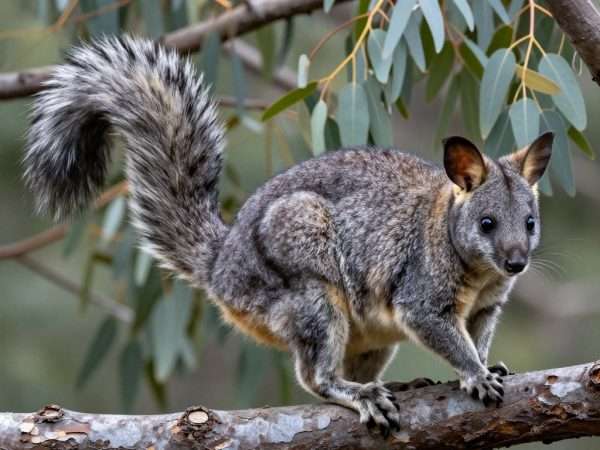
Australian possums showcase markedly different physical traits. Brushtail possums feature thick, bushy tails covered in fur. This tail provides balance and warmth rather than serving as a prehensile appendage like the opossum possum comparison reveals.
Possums generally present softer, denser fur than their American relatives. The brushtail possum displays silver-gray to brown coloring with a distinctive cream-colored belly. Their compact, rounded bodies appear more squirrel-like compared to the rat-like appearance of opossums.
Size variations exist among possum species. The common brushtail possum ranges from thirty-two to fifty-eight centimeters in body length. Their facial features appear less pointed, with rounder ears and a shorter snout than opossums display.
Opossum Size Specifications
North American opossums demonstrate considerable size variation based on geographic location and food availability. Adult measurements provide clear identification markers.
- Body length: 15-20 inches (38-51 cm)
- Tail length: 10-21 inches (25-53 cm)
- Weight range: 4-14 pounds (1.8-6.4 kg)
- Standing height: 9-13 inches (23-33 cm)
Possum Size Specifications
Australian possums vary significantly across species, with the brushtail possum representing average dimensions. These measurements help distinguish possums from opossums.
- Body length: 12-23 inches (32-58 cm)
- Tail length: 10-15 inches (25-38 cm)
- Weight range: 3-10 pounds (1.4-4.5 kg)
- Standing height: 7-10 inches (18-25 cm)
Behavioral Patterns: How Possums and Opossums Act Differently
Nocturnal Habits and Activity Patterns
Both possums opossums demonstrate nocturnal behavior, emerging after sunset to forage and explore. This shared characteristic represents one of their few behavioral similarities. These animals have evolved excellent night vision and heightened senses for navigating darkness.
Opossums are solitary creatures that establish individual territories. They spend daylight hours sheltering in hollow trees, abandoned burrows, or protected spaces. Their nomadic nature means they rarely use the same den for extended periods.
Australian possums display more varied social structures. While many species are solitary, some brushtail possums maintain small family groups. They establish permanent den sites in tree hollows, which they defend vigorously against intruders.
Dietary Preferences and Feeding Behavior
The opossum’s opportunistic diet includes almost anything edible. These omnivorous marsupials consume insects, small rodents, birds, eggs, fruits, and carrion. Urban opossums frequently raid garbage bins and pet food bowls, demonstrating remarkable adaptability.
Their scavenging habits provide valuable ecological services. Opossums consume thousands of ticks annually, helping control tick populations. They also clean up carrion that might otherwise spread disease.
Possums maintain more specialized dietary preferences. Brushtail possums primarily eat leaves, flowers, and fruits from eucalyptus trees. They supplement this vegetarian diet with occasional insects and bird eggs. This specialized feeding creates challenges when possums attempt to colonize non-native environments.
Defense Mechanisms: Playing Possum vs Playing Dead
The phrase “playing possum” actually describes opossum behavior, highlighting the linguistic confusion between these species. When threatened, opossums may enter an involuntary catatonic state called thanatosis. This physiological response isn’t conscious acting but rather an automatic defensive mechanism.
During this state, opossums become completely immobile. Their bodies release a foul-smelling fluid from anal glands that mimics decay. This convincing death display often persuades predators to lose interest and leave.
Possums employ different defensive strategies. They typically flee into trees when threatened, using their climbing abilities for escape. Some species produce defensive sounds including hisses, clicks, and screeches. Physical aggression represents their last resort when cornered.
Opossum Behavior Highlights
- Solitary and nomadic lifestyle patterns
- Opportunistic omnivorous feeding strategy
- Playing dead defensive response mechanism
- Excellent climbing despite ground preference
- Limited territorial aggression behaviors
- Adaptable to urban environment changes
Possum Behavior Highlights
- Territorial with established den sites
- Primarily herbivorous diet preferences
- Flight and vocalization defense tactics
- Exceptional tree-dwelling abilities
- Strong territorial defense behaviors
- Specialized habitat requirements
Scientific Classification: Understanding the Taxonomic Difference Between Possum and Opossum

The taxonomic distinction between these animals reveals why possums opossums are not closely related despite superficial similarities. Both groups belong to the infraclass Marsupialia, meaning they’re marsupials that raise young in pouches. However, their evolutionary paths diverged millions of years ago.
Opossums belong to the order Didelphimorphia, which contains over one hundred species of American marsupials. The Virginia opossum specifically belongs to the family Didelphidae. These animals represent some of the oldest surviving marsupial lineages on Earth.
Possums are classified under the order Diprotodontia, which includes kangaroos, koalas, and wombats. This order contains several possum families, with Phalangeridae representing the family containing brushtail possums. The taxonomic separation demonstrates these are fundamentally different animals.
Evolutionary History and Divergence
Marsupials originated in South America approximately one hundred million years ago. When continents separated, marsupial populations became isolated. American marsupials evolved into modern opossums while Australian marsupials diversified into numerous species including possums.
This geographic isolation created two distinct evolutionary trajectories. Despite developing some superficially similar features through convergent evolution, possums and opossums remain only distantly related. Their last common ancestor lived over sixty million years ago.
| Taxonomic Level | Opossum Classification | Possum Classification |
| Class | Mammalia | Mammalia |
| Infraclass | Marsupialia | Marsupialia |
| Order | Didelphimorphia | Diprotodontia |
| Family | Didelphidae | Phalangeridae (and others) |
| Common Example | Virginia Opossum | Common Brushtail Possum |
| Geographic Range | Americas | Australia & Oceania |
Why the Confusion? Common Misconceptions About Possum vs. Opossum
The Linguistic Origin of Confusion
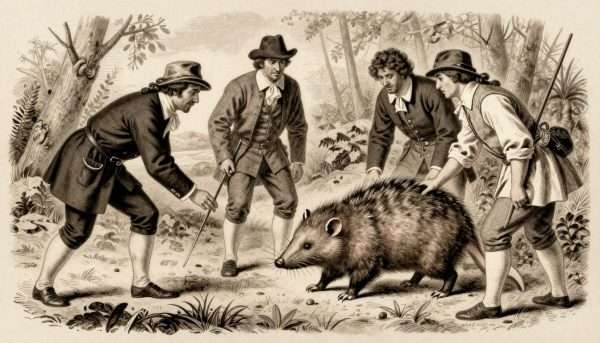
The confusion surrounding these animals begins with their names. When European settlers first arrived in North America, they encountered opossums and needed a name for these unfamiliar creatures. They adopted the Powhatan word “aposoum,” which evolved into “opossum.”
Later, when British colonists reached Australia, they discovered similar-looking marsupials. They borrowed the American word, shortening “opossum” to “possum” for convenience. This linguistic shortcut created lasting confusion despite the animals being entirely different species.
In casual American usage, many people drop the first syllable and say “possum” when referring to opossums. This colloquial shortening reinforces the misconception that possum and opossum are interchangeable terms. They’re not – the word opossum correctly identifies American species.
Regional Naming Variations
Geographic context usually clarifies which animal someone means. In the United States, “possum” almost certainly refers to an opossum, despite being technically incorrect. Australians exclusively use “possum” since no opossums live there naturally.
The phrase “playing possum” further complicates matters. This expression describes the opossum’s defensive behavior, not possum behavior. Yet the shortened version has become standard English, embedding the confusion into everyday language.
Visual Similarity Misconceptions
Both creatures share certain superficial characteristics that fuel confusion. They’re both marsupials with similar body sizes. Both are nocturnal and climb trees. These shared traits create misleading impressions of close relationship.
However, examining their physical features reveals substantial differences. The hairless tail versus bushy tail distinction alone provides clear identification. Their facial structures, fur textures, and body proportions differ significantly upon closer inspection.
Remember This Rule: If you’re in North America or South America discussing a wild animal, the correct scientific name is “opossum” (though locals might say “possum”). If you’re in Australia, New Guinea, or nearby Pacific islands, you’re definitely talking about a “possum.” The geographic location determines which creature you’re encountering.
Fascinating Facts About Opossums and Possums
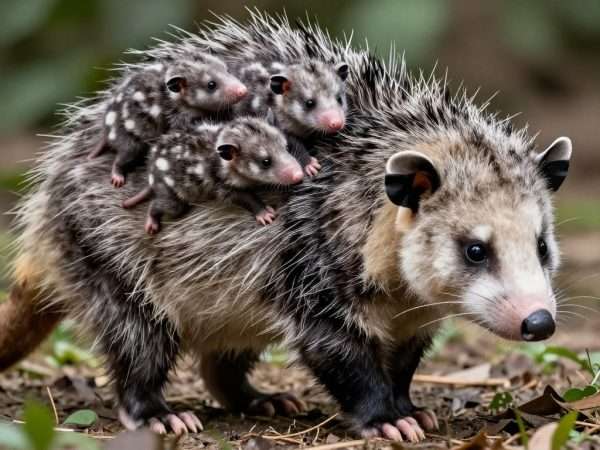
Remarkable Opossum Characteristics
Opossums possess extraordinary immune systems that protect them from snake venom. Research shows they have natural resistance to pit viper venom, allowing them to prey on venomous snakes. Scientists study this remarkable adaptation for potential medical applications.
These marsupials rarely contract rabies despite common misconceptions. Their lower body temperature makes them poor hosts for the rabies virus. This biological quirk makes opossums safer around humans than many assume.
Female opossums can give birth to over twenty babies simultaneously. These tiny newborns, each smaller than a honeybee, crawl into the mother’s pouch to continue development. Only about half typically survive to weaning age.
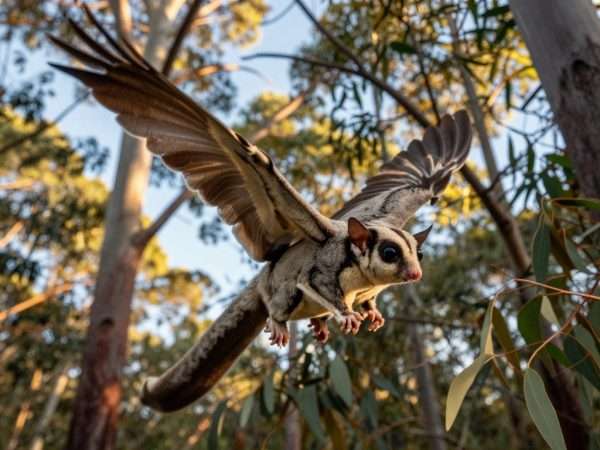
Amazing Possum Abilities
Brushtail possums demonstrate remarkable adaptability to urban environments. In Australian cities, they’ve learned to navigate electrical wires, raid compost bins, and den in building roofs. This adaptability sometimes creates conflicts with human residents.
Some possum species possess impressive gliding abilities. Sugar gliders and other gliding possums have skin membranes that allow them to glide between trees. They can travel over one hundred meters through the air in a single glide.
Possums play crucial ecological roles in Australian forests. They disperse seeds from native plants and pollinate eucalyptus flowers. Their feeding habits help maintain forest health and biodiversity throughout their native habitats.
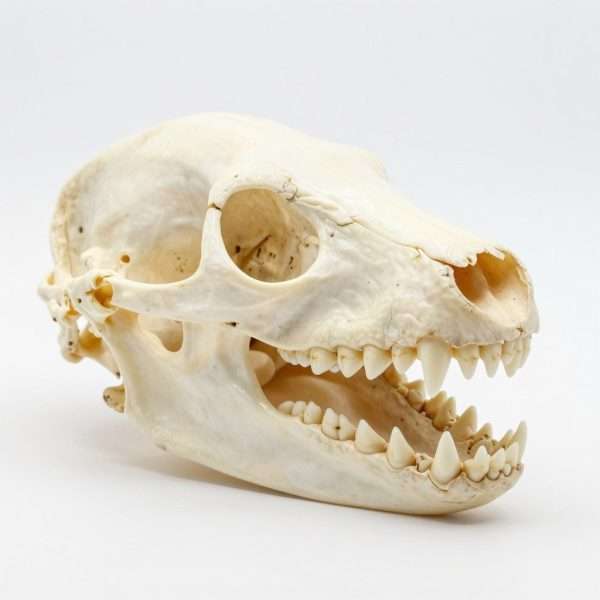
Opossum Dental Records
The Virginia opossum holds the record for most teeth of any land mammal in North America. Their fifty teeth include sharp incisors and molars designed for their omnivorous diet. This impressive dental arsenal helps them process diverse food sources.

Possum Climbing Adaptations
Australian possums possess opposable thumbs on their hind feet, similar to primate hands. This adaptation makes them exceptional climbers. Combined with their sharp claws and strong grip, they navigate tree canopies with remarkable agility and precision.
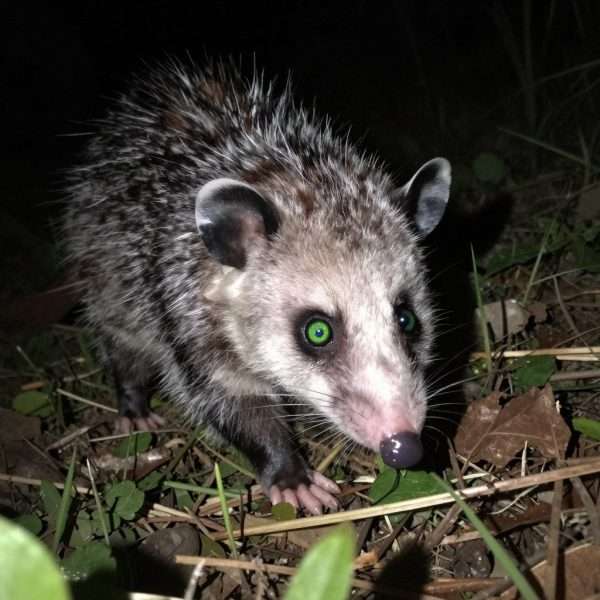
Shared Nocturnal Excellence
Both opossums marsupials and possums have evolved specialized night vision. Their eyes contain a reflective layer called tapetum lucidum that enhances light sensitivity. This adaptation allows them to forage efficiently during nighttime hours when competition decreases.
When to Use “Possum” vs “Opossum”: A Practical Language Guide
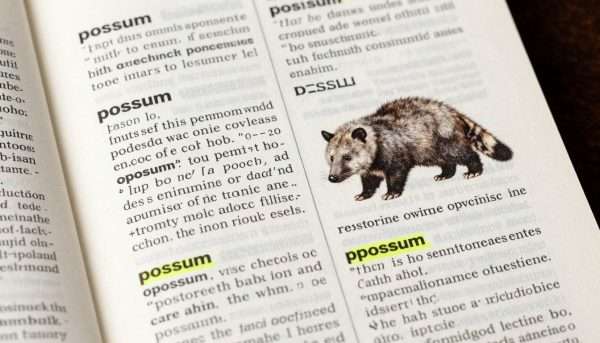
Correct Scientific Usage
In scientific and formal writing, precision matters. Always use the word “opossum” when referring to North American or South American marsupials. The full name opossum maintains scientific accuracy and avoids ambiguity in zoological contexts.
Similarly, use “possum” exclusively for Australian and Oceanian species in scientific contexts. This distinction helps researchers, educators, and wildlife professionals communicate clearly about two distinct animals without confusion.
Acceptable Colloquial Usage
Casual conversation allows more flexibility. In the United States, saying “possum” when you mean opossum is widely understood, though technically incorrect. Regional dialects and local usage patterns have established this shortened form in everyday speech.
The phrase “playing possum” remains standard English despite describing opossum behavior. Language evolution has cemented this expression in common usage. Fighting linguistic drift proves futile when millions use the phrase daily.
Context Determines Clarity
Geographic context usually eliminates confusion in practical situations. If you’re referring to a wild animal encountered in North America, listeners understand you mean an opossum regardless of which word you use. Location provides implicit clarification.
However, in international or scientific communications, using precise terminology prevents misunderstanding. Writing for global audiences requires the distinction between possum opossum to ensure readers from different regions understand which animal you’re discussing.
When to Say “Opossum”
- Scientific or academic writing contexts
- Formal wildlife documentation reports
- Referring to American species specifically
- International communications requiring precision
- Educational materials for students
- Professional zoological discussions
When “Possum” Is Acceptable
- Casual conversation among Americans
- Regional dialect in United States
- Idiomatic expressions like “playing possum”
- Referring to Australian species
- Informal storytelling and anecdotes
- Local wildlife discussions in context
Species Diversity: Exploring the Many Types of Possums and Opossums
Opossum Species Across the Americas
The opossum family includes over one hundred different species distributed throughout the Americas. While the Virginia opossum receives most attention in North America, many fascinating species inhabit Central and South America with unique adaptations.
The water opossum, also called yapok, represents the only marsupial with aquatic specializations. This remarkable species possesses webbed hind feet and waterproof pouches. They swim expertly while hunting for fish and aquatic invertebrates in streams.
Mouse opossums comprise numerous small species rarely exceeding mouse size. These tiny marsupials fill ecological niches similar to shrews in other ecosystems. Their diminutive size allows them to exploit food sources unavailable to larger animals.
Possum Species Across Australia and Oceania
Australia hosts extraordinary possum diversity with over seventy species documented. The common brushtail possum and common ringtail possum represent the most frequently encountered species in urban and suburban areas throughout the continent.
Pygmy possums are among the world’s smallest marsupials. Some species weigh less than ten grams as adults. These minute creatures demonstrate remarkable energy efficiency, entering torpor states to conserve resources during cold weather or food scarcity.
The striped possum displays spectacular black and white coloring with a distinctive skunk-like appearance. This species uses its elongated fourth finger to extract insect larvae from tree bark. Their specialized feeding technique demonstrates remarkable evolutionary adaptation.

Understanding the Possum vs Opossum Question: Final Thoughts
The difference between possum and opossum extends far beyond simple spelling variations. These two distinct animals represent separate evolutionary lineages that diverged millions of years ago. Geographic distribution provides the clearest distinction – opossums inhabit the Americas while possums live in Australia and nearby regions.
Physical characteristics reveal substantial differences upon examination. Opossums display hairless, scaly tails while possums feature bushy, fur-covered appendages. Their facial structures, body proportions, and dental arrangements differ significantly. Behavioral patterns also diverge, from defensive strategies to dietary preferences and social structures.
Taxonomically, these creatures belong to completely different orders within Marsupialia. Opossums are classified under Didelphimorphia while possums fall under Diprotodontia. This scientific classification confirms they’re only distantly related despite superficial similarities and confusing nomenclature.
The linguistic confusion surrounding these animals stems from historical naming practices and regional dialect development. Early American colonists named the opossum, while later British settlers in Australia borrowed and shortened the term. This created lasting confusion that persists in everyday language despite clear scientific distinctions.
Understanding when to use “possum” versus “opossum” depends on context. Scientific accuracy requires precise terminology, while casual conversation allows regional variations. Geographic location generally clarifies which creature someone means, though international communications benefit from careful word choice to prevent misunderstanding.
Both possums opossums play vital ecological roles in their respective ecosystems. Opossums provide tick control and carrion cleanup in American environments. Possums contribute seed dispersal and pollination services in Australian forests. Appreciating these two distinct animals enhances our understanding of marsupial diversity and evolution across continents.
The next time you encounter the possum vs. opossum question, you’ll know these aren’t interchangeable names for the same animal. They’re two fascinating marsupial groups separated by geography, evolution, and millions of years of independent adaptation. Knowing the difference enriches your appreciation for nature’s remarkable diversity.
Continue Your Wildlife Education Journey
Enjoyed learning about these fascinating marsupials? Join our community of wildlife enthusiasts and receive weekly articles exploring animal comparisons, conservation updates, and nature facts delivered directly to your inbox. Discover the natural world’s most intriguing creatures and expand your knowledge with expert insights.















Leave A Comment