
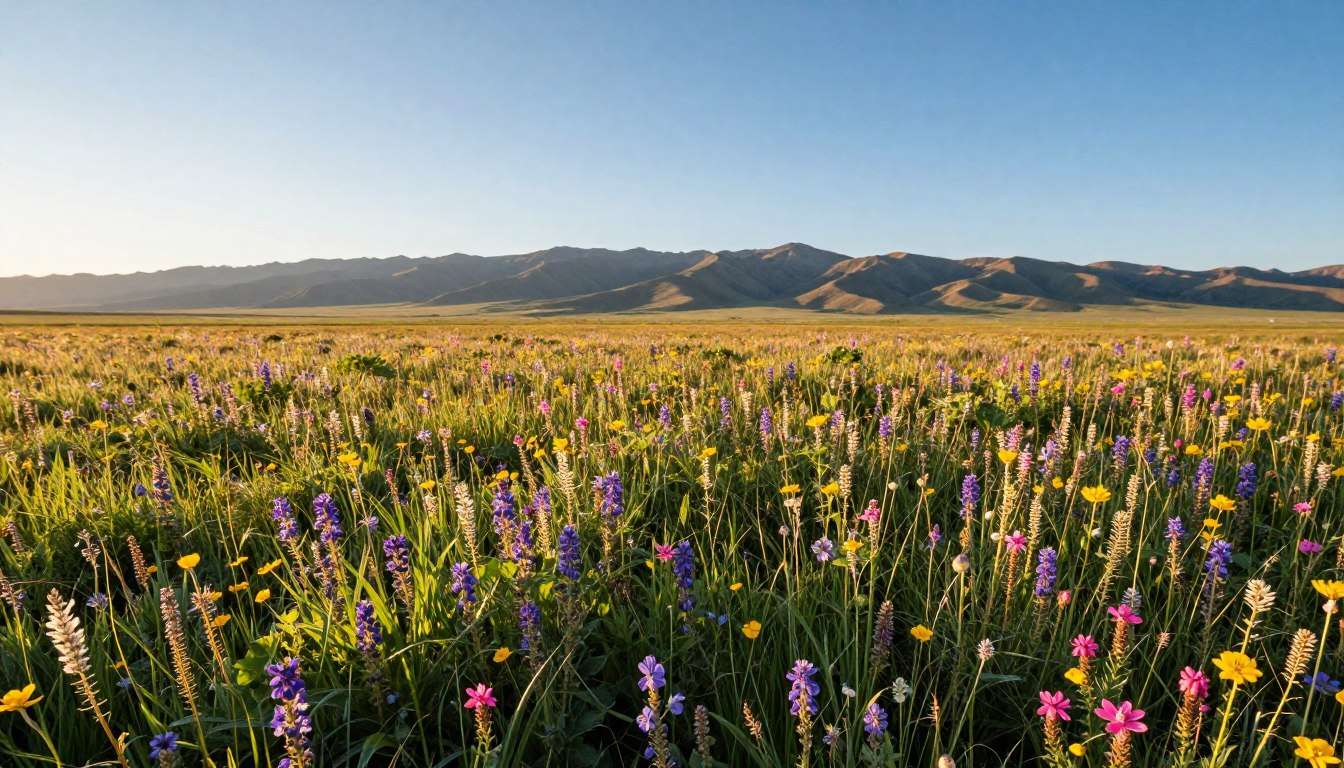
Witnessing nature’s spectacular wildflower displays ranks among the most breathtaking experiences for outdoor enthusiasts. From vibrant meadows carpeted in yellow flowers to ancient woodlands alive with spring blooms, wild flowering creates unforgettable moments across our planet.
California Super Bloom: Desert Wildflowers Transform Landscapes
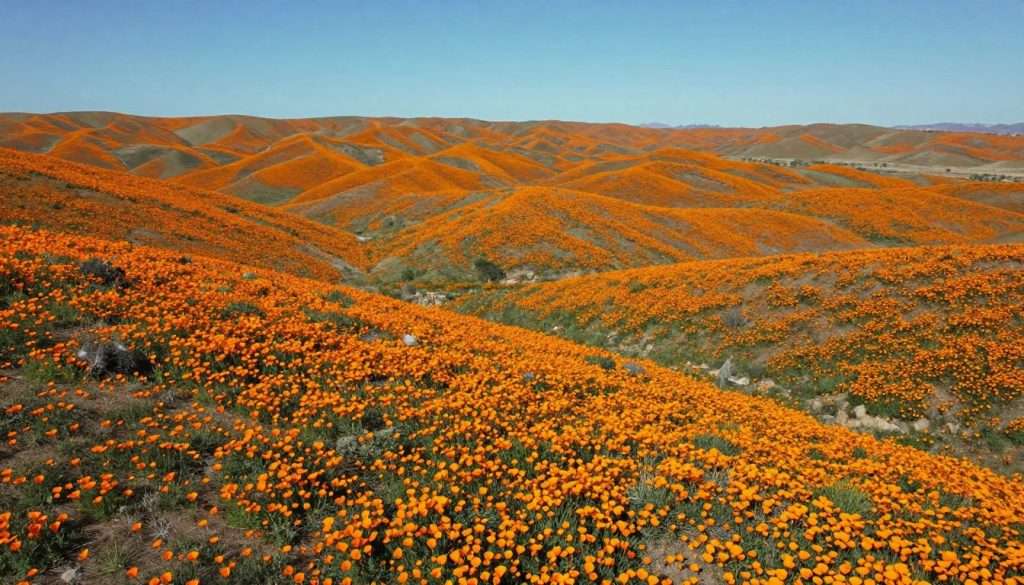
California’s desert regions host one of nature’s most dramatic wildflower spectacles. The super bloom phenomenon occurs when winter rains create perfect conditions. Millions of flowers burst across normally arid landscapes.
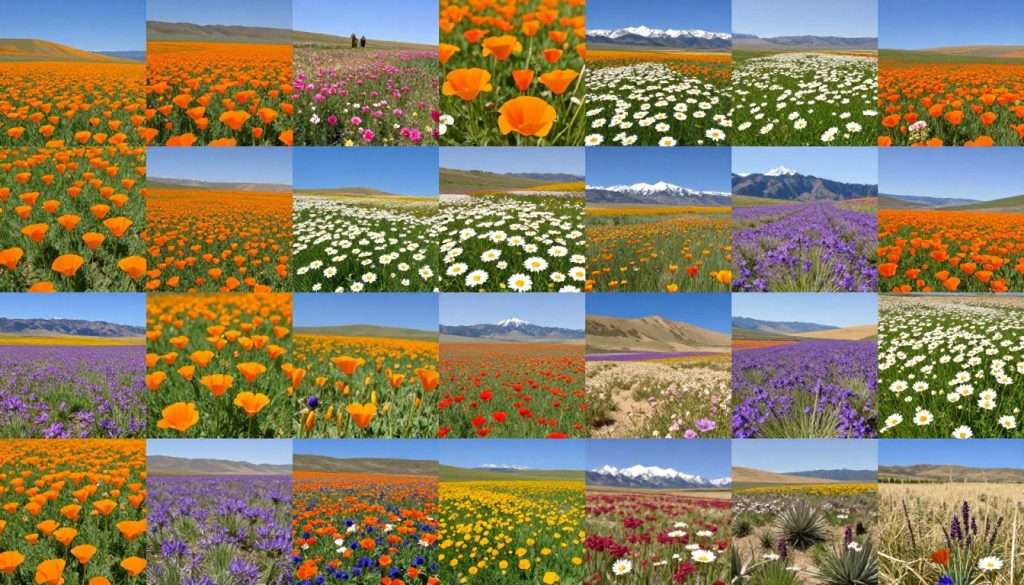
Anza-Borrego Desert State Park presents the most reliable super bloom location. This vast wilderness area becomes a botanical wonderland during late winter and early spring. California poppies paint hillsides bright orange while purple lupines add contrasting color.
The bloom timing varies each year based on rainfall patterns. Typically, the peak occurs between mid-February and April. Weather conditions from the previous winter determine bloom intensity and duration.
What Makes California’s Super Bloom Special
Several factors contribute to this remarkable natural event. Desert soils contain seeds that remain dormant for years. These seeds await perfect moisture conditions before germinating simultaneously.
- Extreme flower density creating carpet-like coverage
- Diverse species blooming together
- Dramatic color contrasts against desert landscapes
- Accessible viewing areas near major cities
- Photography opportunities unmatched elsewhere
Best Viewing Locations in California
Multiple parks offer spectacular super bloom viewing. Each location provides unique landscapes and flower varieties. Planning visits to several sites maximizes your experience.
Anza-Borrego Desert State Park
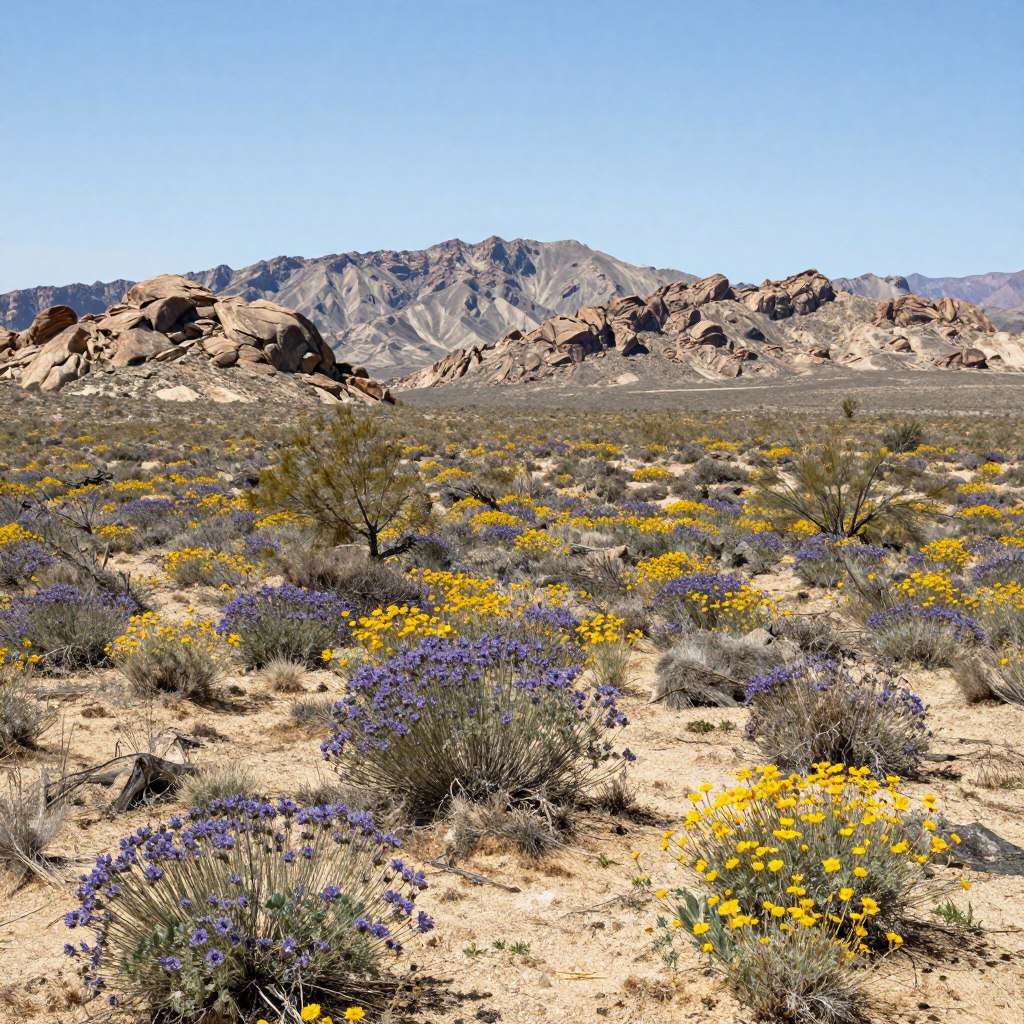
California’s largest state park features over 600,000 acres of flowering desert. The park contains diverse habitats supporting numerous plant species. March typically brings peak blooms across different elevations.
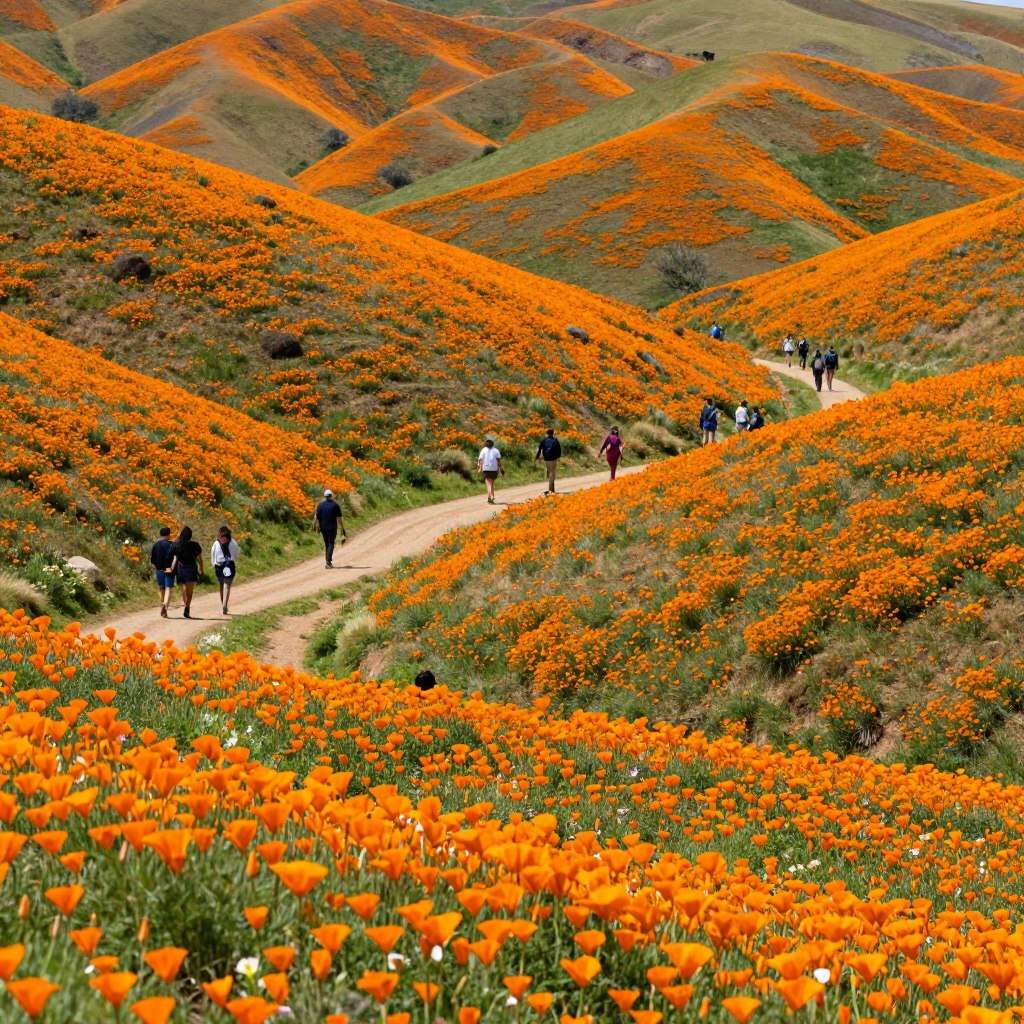
Antelope Valley California Poppy Reserve
This reserve protects prime poppy habitat in northern Los Angeles County. When conditions align, orange blooms stretch for miles. The visitor center provides current bloom status updates and trail information.
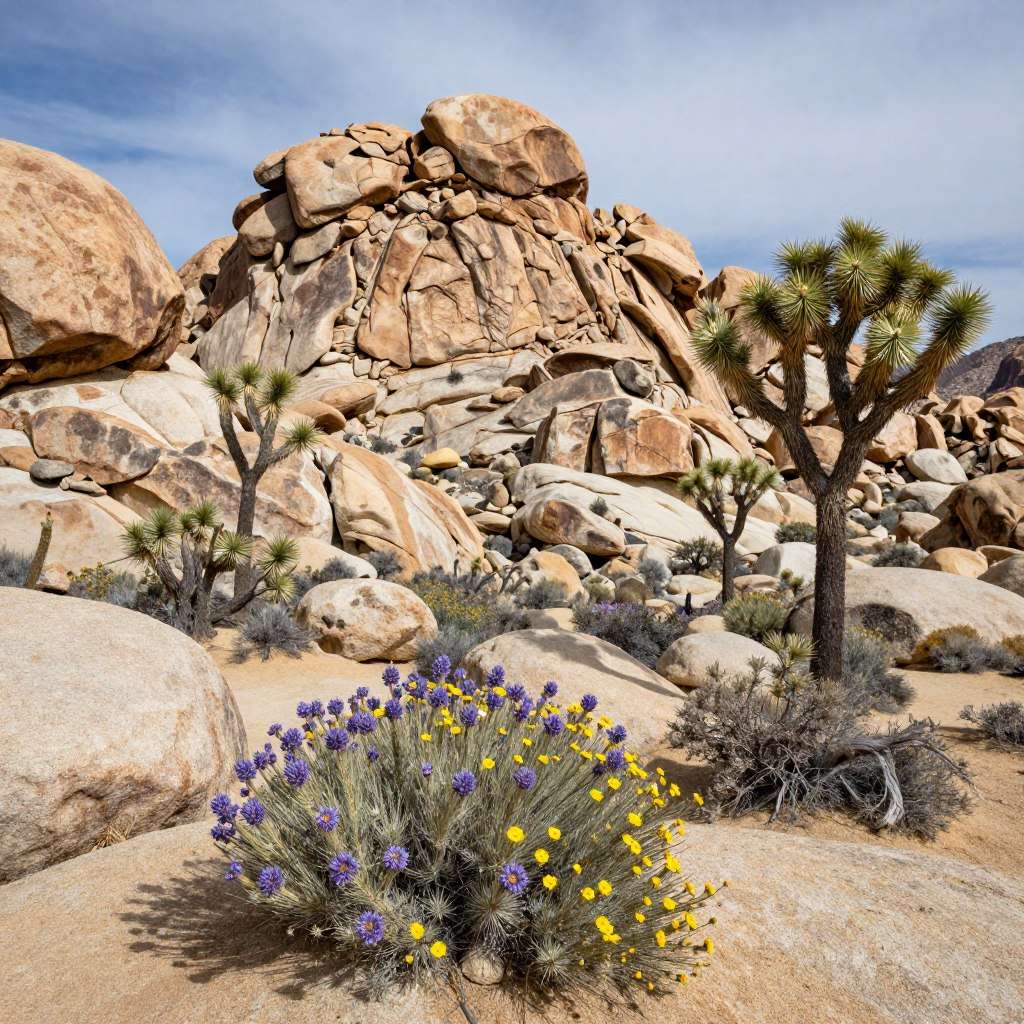
Joshua Tree National Park
This iconic park combines dramatic geology with spring wildflowers. Flowers bloom among massive boulders and distinctive joshua trees. The desert woodland ecosystem supports unique flowering plant communities.
Planning Tip: Check official park websites and wildflower hotlines before traveling. Bloom conditions change rapidly. Local ranger stations provide the most current flowering reports and recommended viewing areas.
Namaqualand, South Africa: Spring Flowering Spectacle
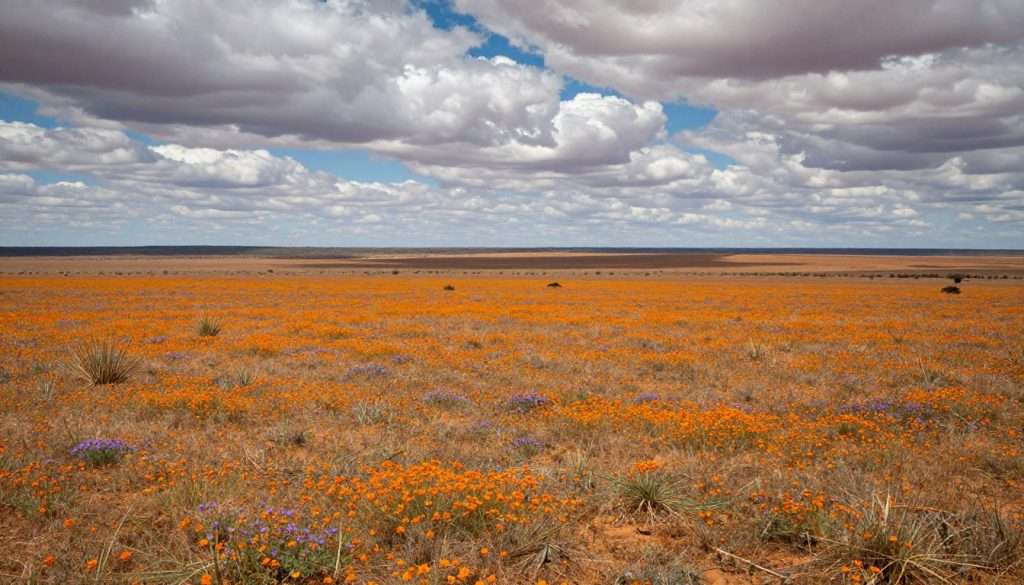
South Africa’s Namaqualand region transforms each spring into a floral masterpiece. This semi-desert area experiences one of Earth’s greatest flower displays. After winter rains, the landscape explodes with color.
More than 4,000 plant species call this region home. Many exist nowhere else on Earth. The flowering season typically runs from August through September, coinciding with Southern Hemisphere spring.
The spectacle covers vast areas across Northern Cape province. Flowers bloom in waves as temperatures warm. Different species peak at different times throughout the season.
Understanding Namaqualand’s Unique Ecology
This region’s remarkable biodiversity stems from specific environmental conditions. Winter rainfall creates brief favorable growing periods. Plants have adapted to capitalize on these short windows.
Succulent species dominate the landscape when not flowering. These plants store water for survival during long dry periods. When rains arrive, they redirect energy into rapid flowering and seed production.
The display intensity varies significantly between years. Rainfall amount and timing determine bloom quality. Local experts monitor conditions and provide forecasts for each season.
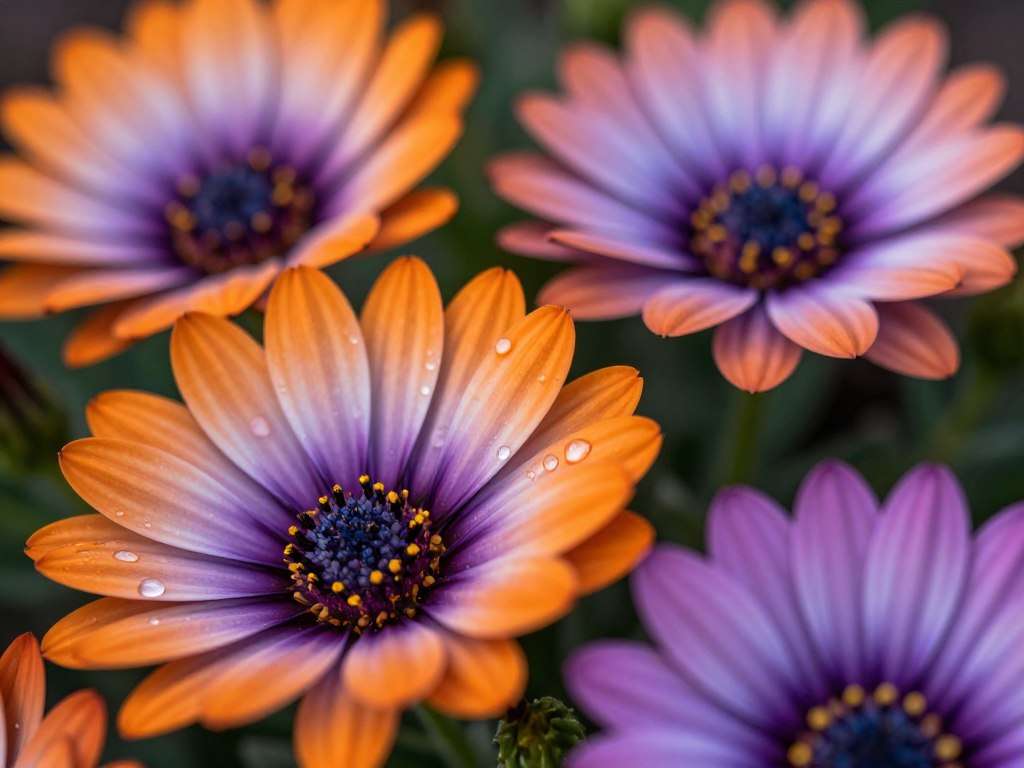
Top Flowering Areas in Namaqualand
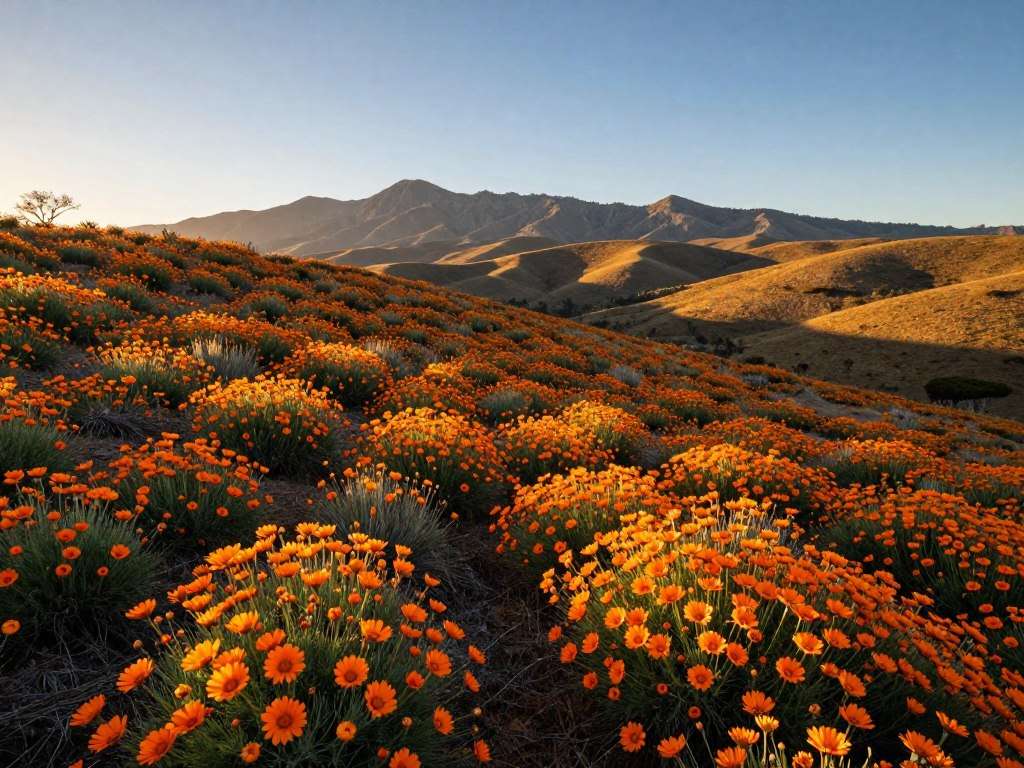
Namaqua National Park
This protected area showcases pristine wildflower displays. Well-maintained trails allow close encounters with diverse species. The park implements conservation measures protecting delicate ecosystems.
Facilities include information centers and guided tours. Rangers provide expert knowledge about flowering patterns and plant identification.
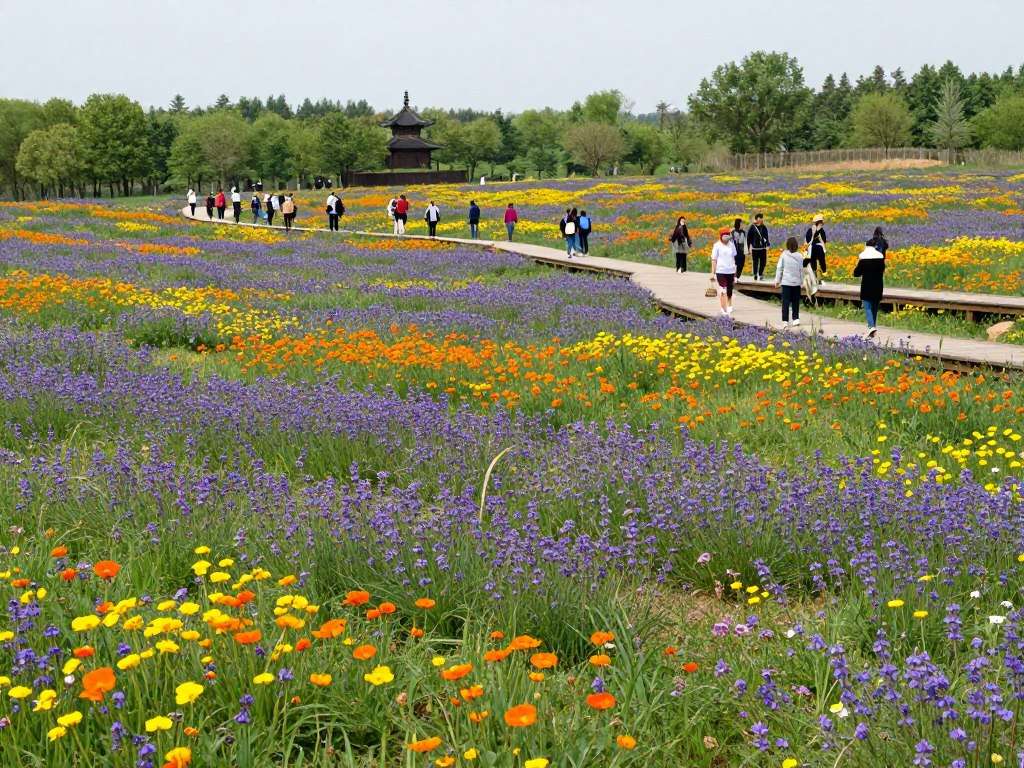
Skillpad Wildflower Reserve
Located near Springbok, this smaller reserve offers concentrated flower viewing. Elevated boardwalks provide excellent photography angles without damaging vegetation.
The compact area makes it perfect for visitors with limited time. Peak blooms usually occur mid-season when multiple species flower simultaneously.
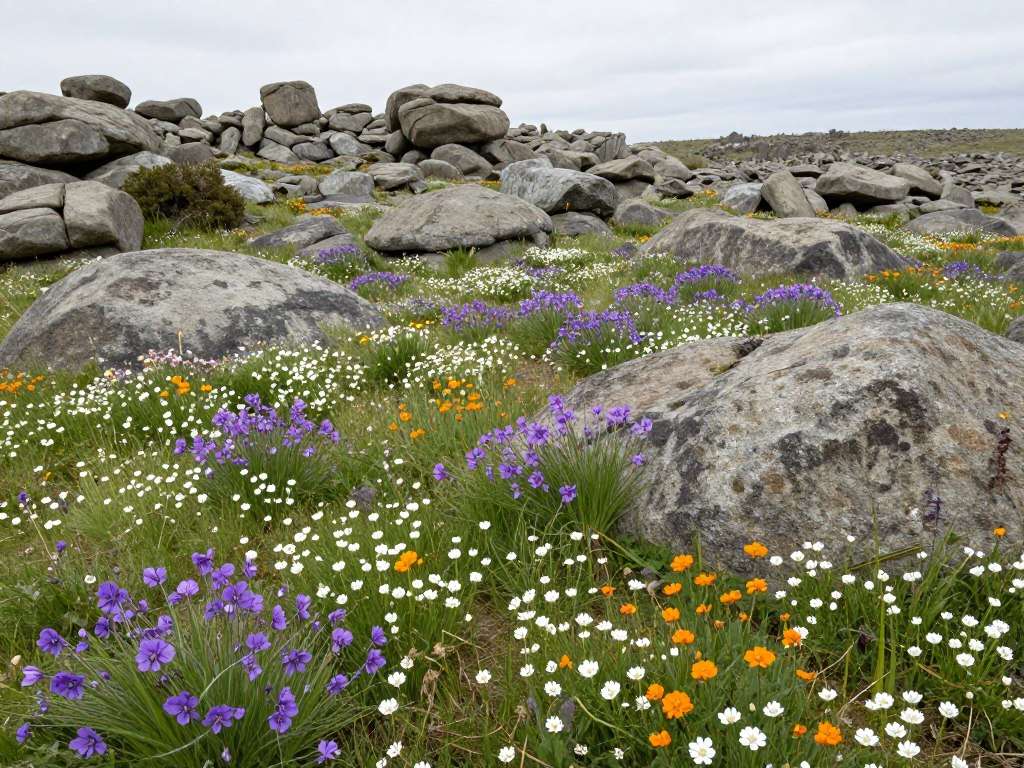
Goegap Nature Reserve
This reserve near Springbok features remarkable plant diversity. Over 600 species grow within its boundaries. Rocky outcrops create microhabitats supporting different flowering plants.
The reserve offers self-guided routes and educational displays. Spring visits reveal the highest species diversity as successive waves of flowers bloom.
Travel Timing: Book accommodations early for the flowering season. Popular lodges fill months in advance. Consider visiting in late August or early September for the most reliable blooms.
Swiss Alpine Meadows: Mountain Wildflower Paradise
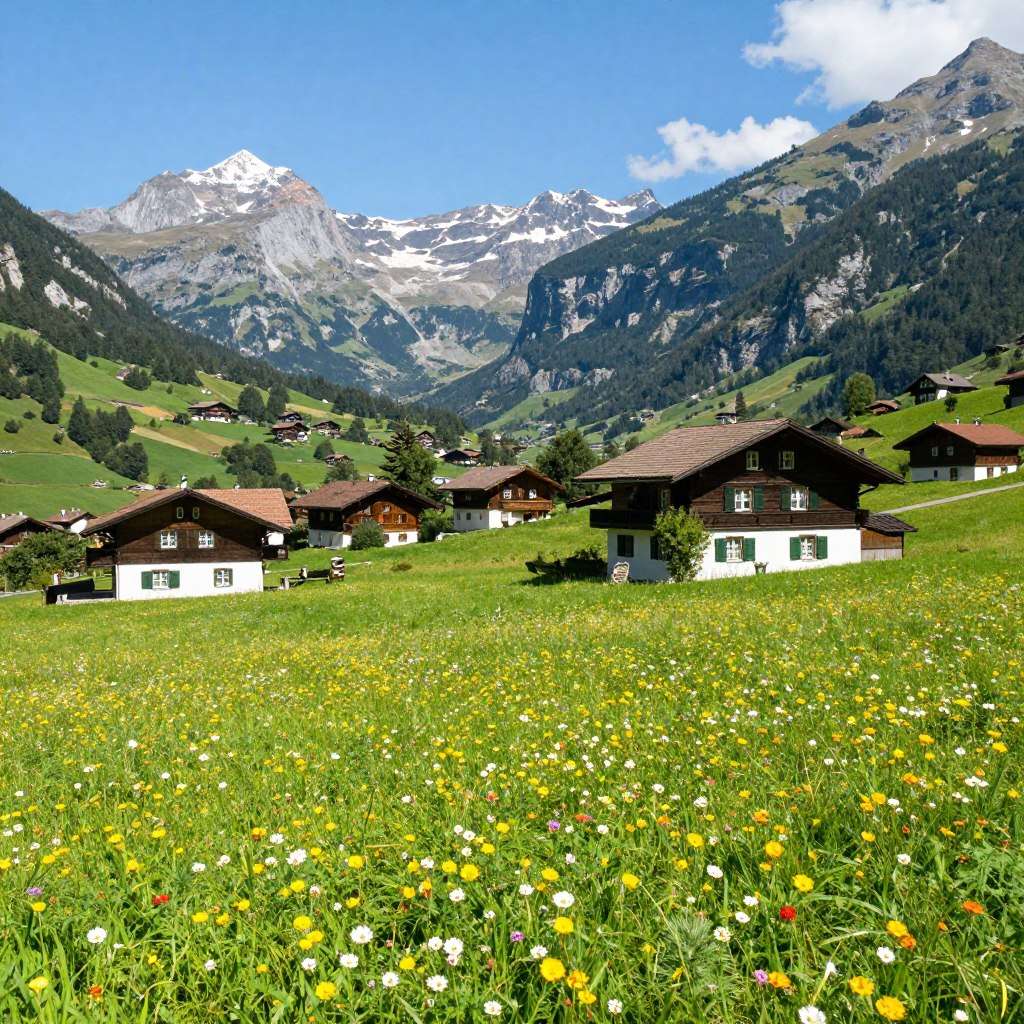
Switzerland’s alpine regions offer extraordinary mountain wildflower displays. High-altitude meadows burst into color during late spring and summer. These flowering grasslands create iconic alpine scenery.
The Swiss flowering season progresses upward as temperatures warm. Lower elevations bloom first in May and June. High alpine areas reach peak flowering in July and August.
Traditional farming practices preserve many flower-rich meadows. These ancient woodlands and grasslands support incredible botanical diversity. Conservation efforts maintain these precious habitats for future generations.
Alpine Flower Diversity and Ecology
Alpine environments challenge plants with extreme conditions. Short growing seasons demand rapid development. Flowers must bloom, pollinate, and set seed within weeks.
Intense sunlight at high altitudes creates vivid flower colors. Pigments protect plants from UV radiation while attracting pollinators. The resulting displays feature remarkably bright blooms.
Specialist species have evolved for alpine life. Many grow as cushion plants or low mats. These growth forms resist harsh winds while capturing warmth near the ground.
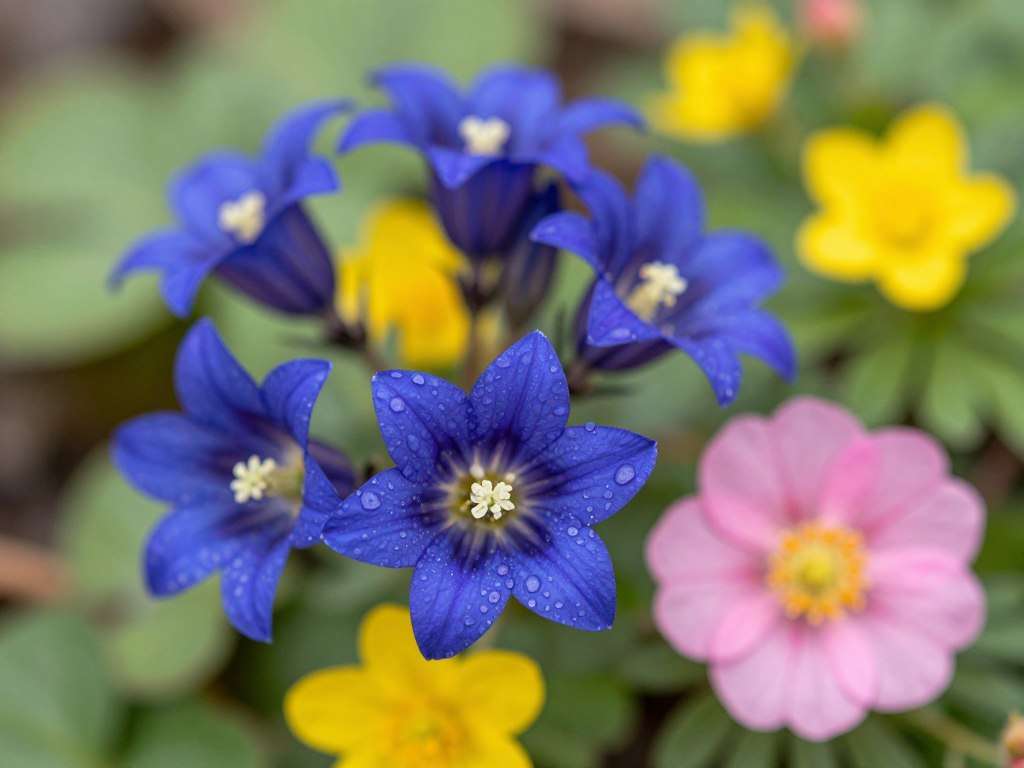
- Gentians displaying deep blue flowers
- Alpine roses covering slopes in pink
- Edelweiss in rocky areas
- Mountain avens with white blooms
- Globe flowers adding golden yellow
- Alpine asters contributing purple tones
Premier Swiss Wildflower Locations
Multiple regions throughout Switzerland offer exceptional wildflower viewing. Each area provides distinct landscapes and species combinations. Mountain railways make many sites easily accessible.
Jungfrau Region
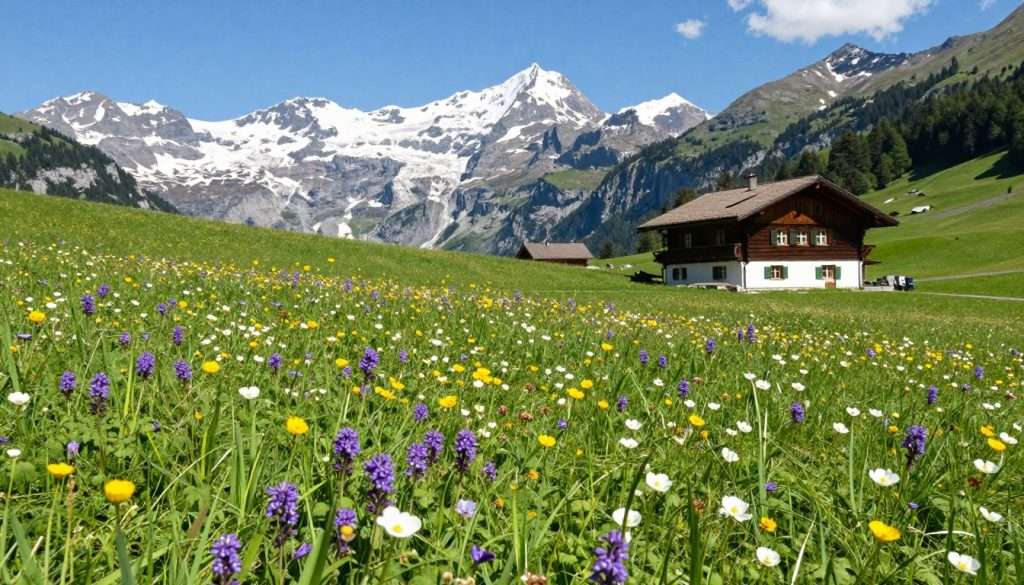
This UNESCO World Heritage area combines dramatic peaks with flower-filled meadows. Well-marked trails traverse blooming landscapes from June through August. The Schynige Platte alpine garden showcases regional flora.
Zermatt and Matterhorn Area
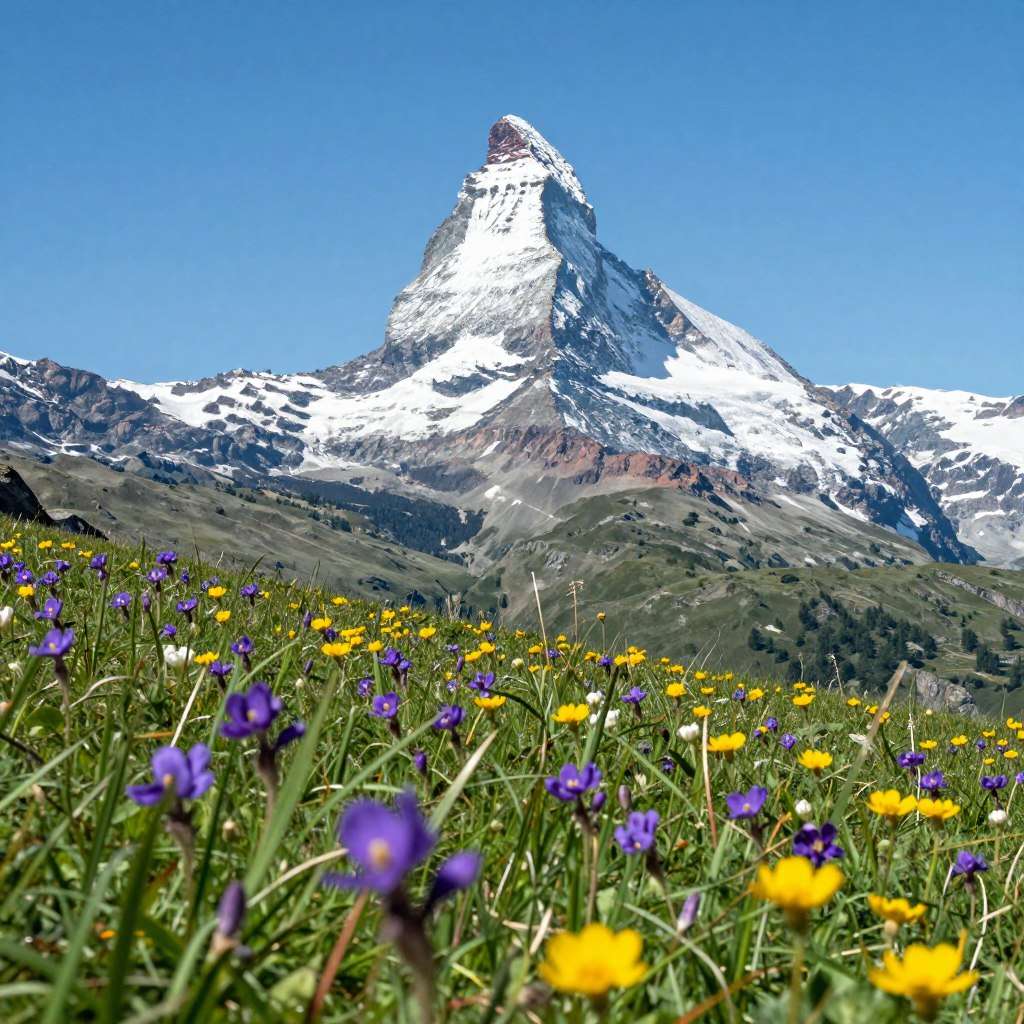
Iconic mountain scenery frames extensive flower meadows. Multiple elevation zones create extended blooming periods. Cable cars access high-altitude flowering areas around the Matterhorn base.
Engadine Valley
This eastern region offers distinct alpine vegetation. The high valley elevation supports unique flower communities. Late summer brings peak blooms across extensive meadows and woodland edges.
Hiking Considerations: Mountain weather changes rapidly. Carry appropriate clothing and check forecasts before hiking. Many trails require moderate fitness levels. Start early to enjoy flowers in morning light before afternoon clouds develop.
Scottish Highlands: Heather Moorlands and Woodland Blooms
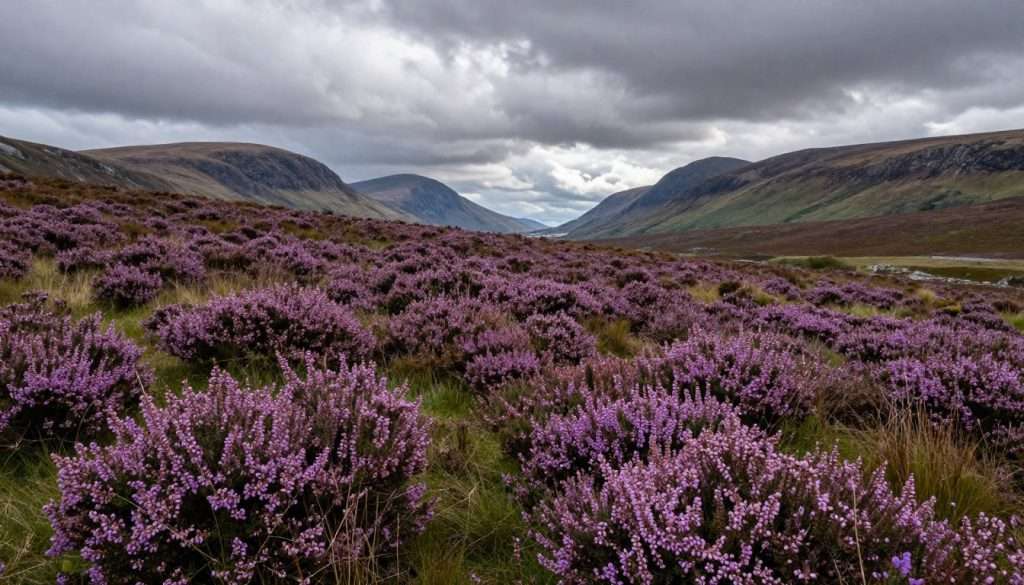
Scotland’s varied landscapes host distinctive wildflower displays throughout the year. Ancient woodlands come alive with spring flowers. Summer brings heather blooms across vast moorlands.
The flowering calendar extends from early spring through late summer. Primroses and bluebells carpet woodland floors in April and May. Purple heather transforms moorlands during August and September.
Scotland’s oceanic climate supports lush vegetation. Regular rainfall sustains diverse plant communities. Coastal areas, woodlands, and mountains each offer unique flowering experiences.
Woodland Spring Flowers
Ancient woodlands preserve some of Britain’s finest spring wildflower displays. These habitats develop over centuries. Mature trees create conditions favoring specialist woodland plants.
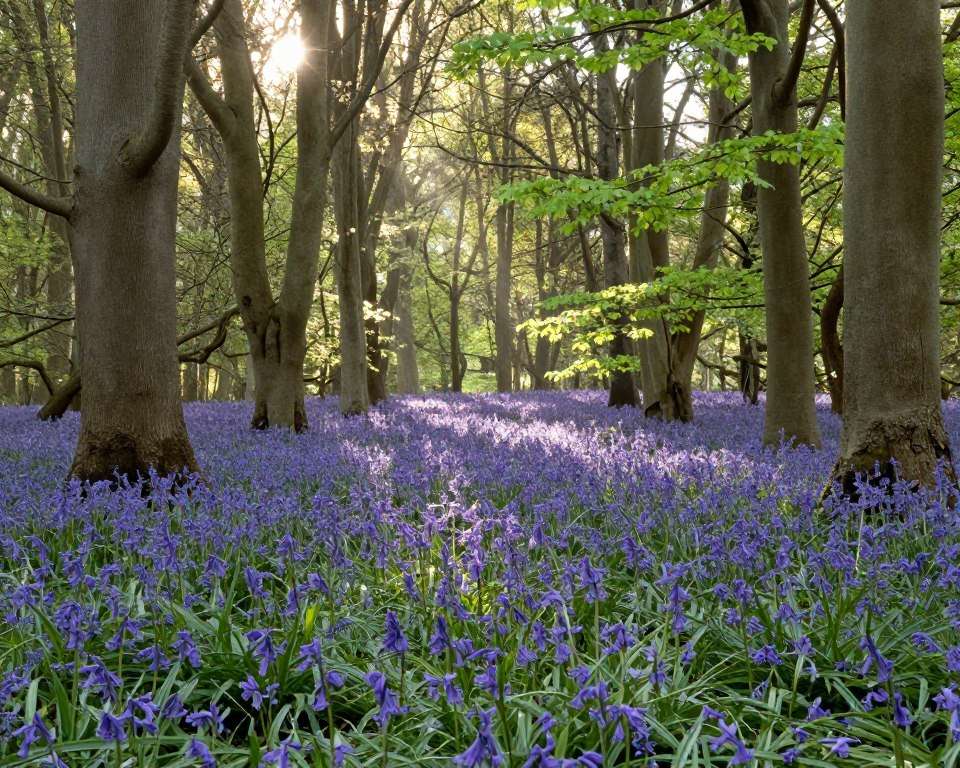
Bluebells create the most famous displays. These native flowers produce carpets of purple-blue blooms. Their sweet scent fills the air on calm spring days.
Wood sorrel adds delicate white flowers among green leaves. Primroses provide cheerful yellow blooms along woodland edges. Wild garlic transforms areas with white flowers and distinctive scent.
These woodland species bloom before tree leaves fully develop. They capture spring light before the canopy closes. This strategy maximizes their growing season in shaded environments.
Heather Moorlands
Late summer transforms Scottish moorlands into seas of purple. Heather blooms cover vast areas across the highlands. This flowering creates one of Europe’s most extensive natural displays.
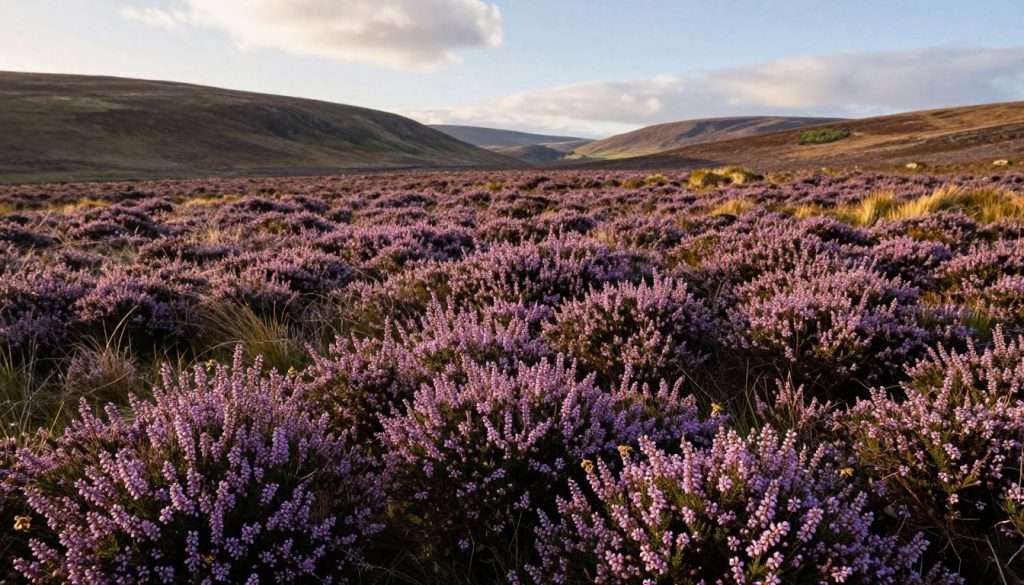
Multiple heather species contribute to the display. Bell heather blooms first in July. Common heather follows in August, creating peak color. Cross-leaved heather grows in damper areas.
The blooms provide vital nectar for insects. Butterflies and bees visit flowers in large numbers. This nectar source sustains pollinators during late summer when other flowers decline.
Top Scottish Wildflower Destinations
Glen Affric
This remote glen contains ancient Caledonian pine forest remnants. Spring brings woodland flowers beneath old trees. Summer meadows bloom with diverse species along the river valley.
- Ancient woodland spring flowers
- Mountain flowers at higher elevations
- Accessible trails of varying difficulty
- Remote wilderness atmosphere
Isle of Skye
This dramatic island offers diverse habitats. Coastal areas support unique maritime flowers. Mountain areas host alpine species rarely seen elsewhere in Britain.
- Maritime wildflower communities
- Mountain flora on the Cuillin
- Woodland flowers in sheltered glens
- Extended flowering season from coast to summit
Cairngorms National Park
Britain’s largest national park encompasses multiple habitats. Ancient woodlands, moorlands, and mountains create varied flowering zones. The area supports rare arctic-alpine species.
- Arctic-alpine flowers on high plateaus
- Extensive heather moorlands
- Native pinewood flora
- Year-round flowering opportunities
Loch Lomond and Trossachs
This accessible park offers woodland and lochside flowers. Spring bluebells create famous displays. Summer brings meadow flowers and woodland edges blooming with diverse species.
- Bluebell woodlands in spring
- Lochside flowering plants
- Mountain flowers at higher levels
- Good accessibility from central Scotland
Texas Bluebonnets: Spring Flowering Across the Lone Star State
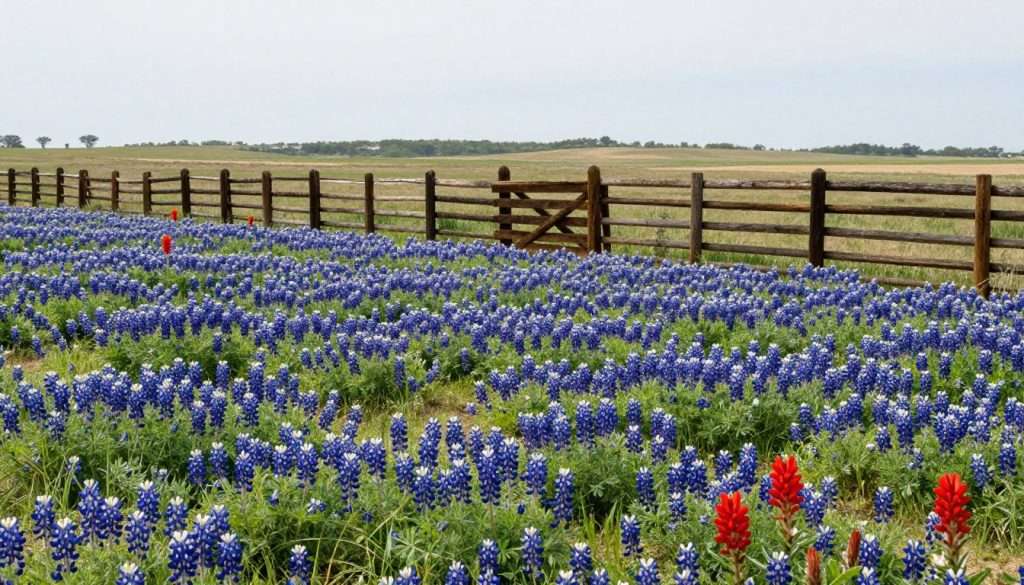
Texas celebrates its state flower with spectacular spring displays. Bluebonnets create iconic landscapes across the state. These purple blooms appear alongside other colorful wildflowers creating diverse displays.
The flowering season typically runs from March through May. Timing varies by region and elevation. Central Texas generally sees peak blooms in early to mid-April.
Highway departments actively promote wildflower viewing. Roadsides receive special management to enhance flowering. Many areas feature designated wildflower trails and viewing areas.
Texas Wildflower Diversity
While bluebonnets dominate attention, Texas hosts numerous wildflower species. These plants create colorful combinations throughout spring. Different species bloom at different times extending the season.
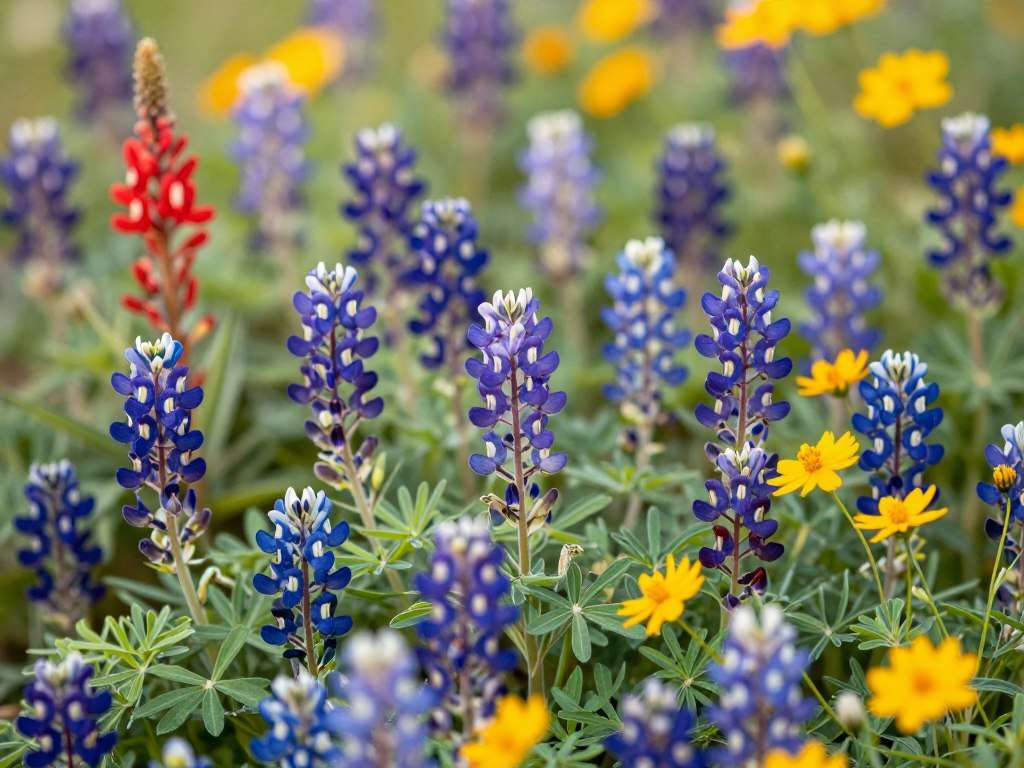
- Bluebonnets providing purple foundations
- Indian paintbrush adding red and orange
- Evening primrose contributing pink tones
- Coreopsis offering bright yellow flowers
- Wine cups adding deep magenta
- Firewheels creating red and yellow combinations
- Mexican hat flowers with distinctive shapes
These species often grow together creating natural flower gardens. The color combinations vary across different regions. Soil types and rainfall patterns influence which species dominate particular areas.
Prime Bluebonnet Viewing Areas
Multiple regions across Texas offer excellent wildflower viewing. Each area has distinct characteristics and peak timing. Planning routes to visit several locations maximizes experiences.
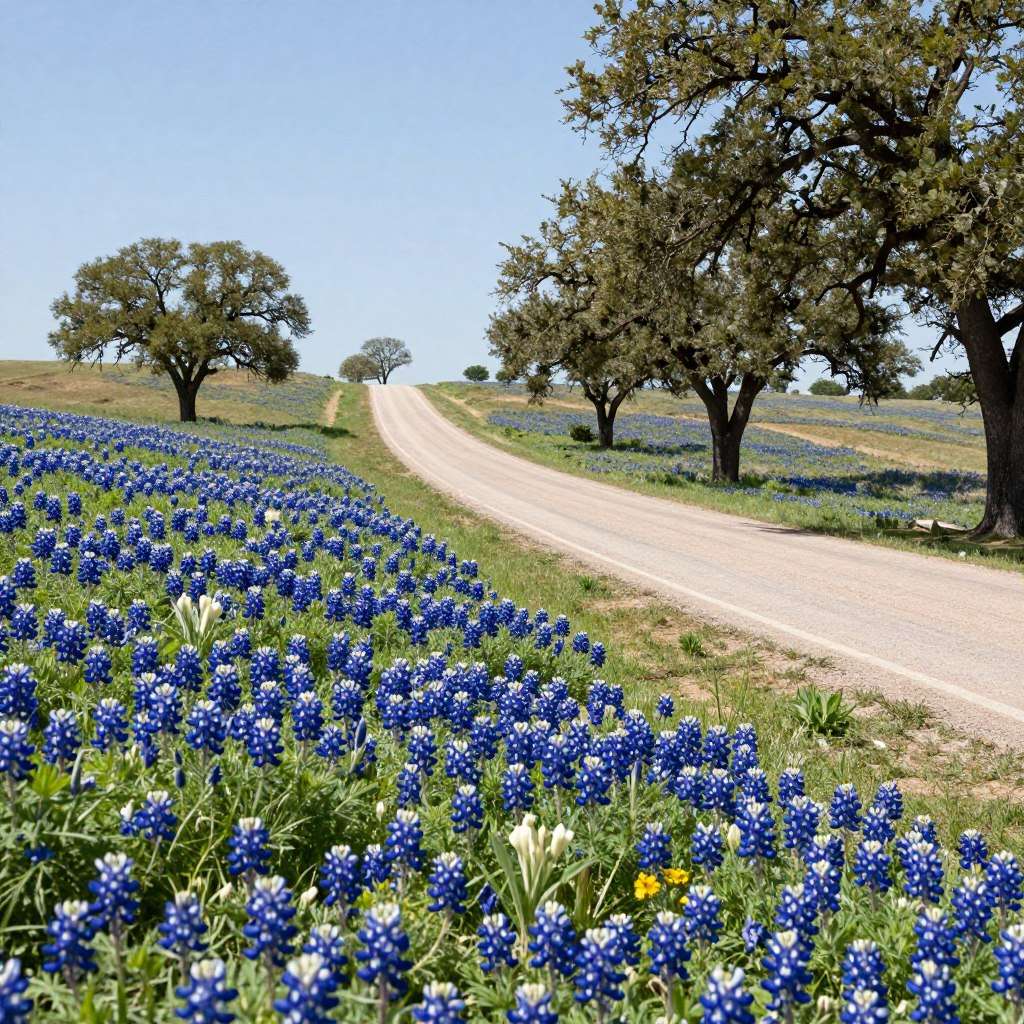
Texas Hill Country
This region consistently produces outstanding displays. The scenic landscape enhances flower viewing. Small towns host wildflower festivals celebrating spring blooms. Driving loops connect multiple viewing areas.
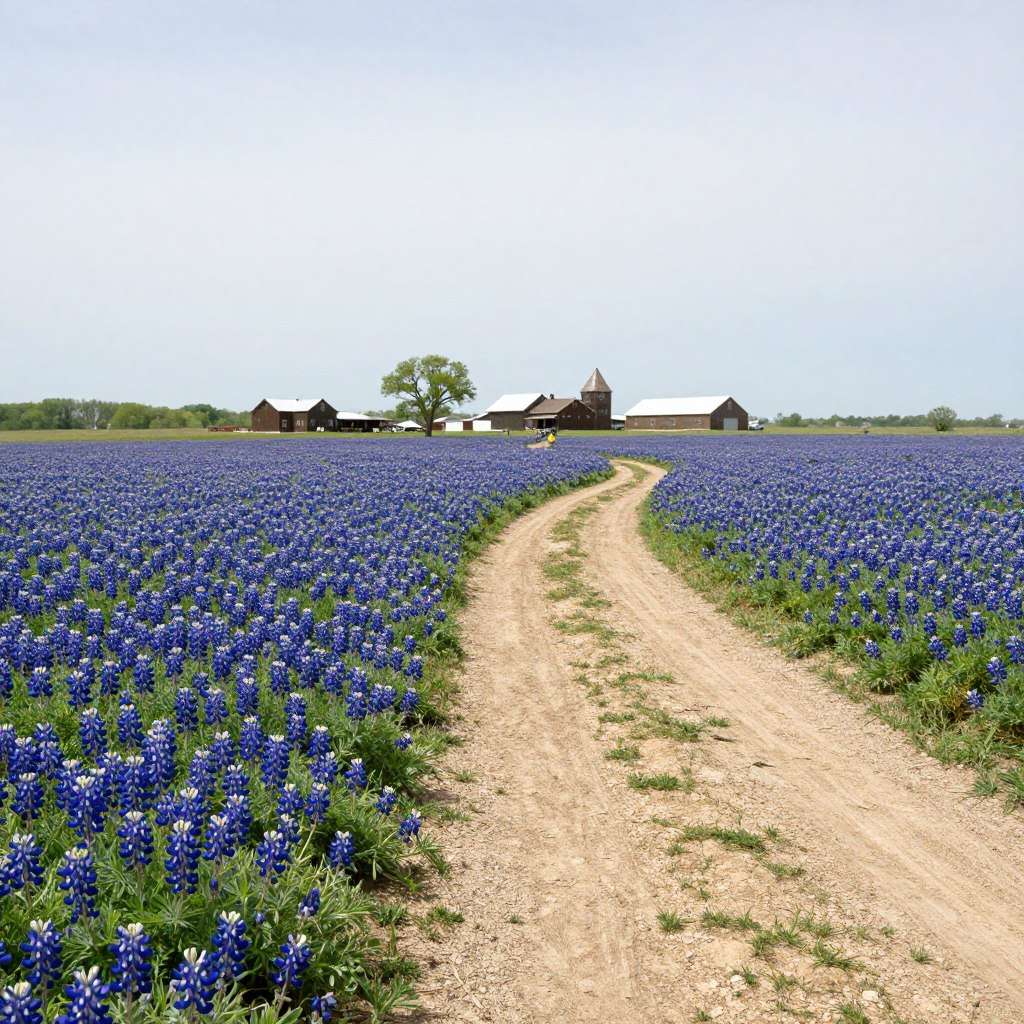
Ennis Bluebonnet Trails
This town southeast of Dallas promotes official bluebonnet trails. Marked routes guide visitors to prime viewing locations. The annual festival coincides with peak blooms providing organized viewing opportunities.
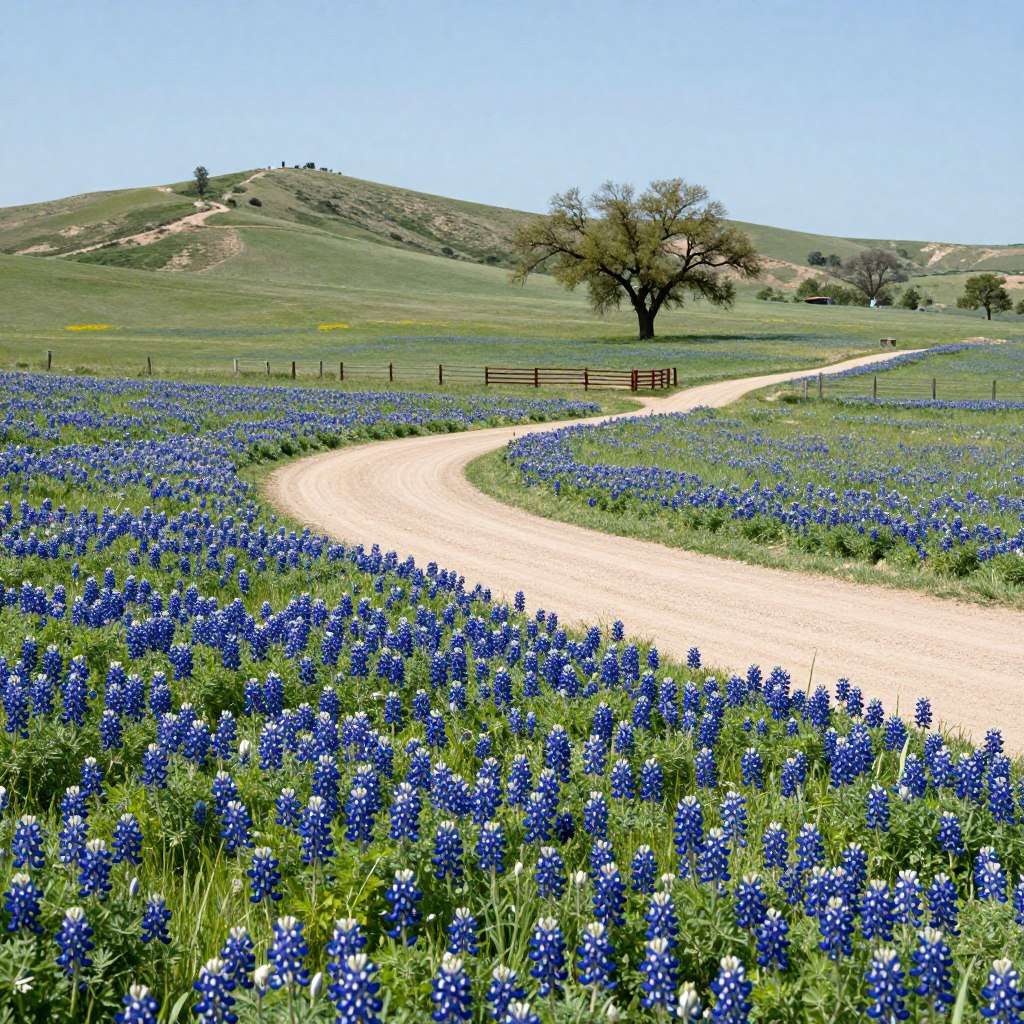
Willow City Loop
This scenic drive near Fredericksburg showcases hillside bluebonnets. The winding road passes through ranchland featuring abundant wildflowers. Peak blooms usually occur in mid to late April.
Photography Etiquette: Respect private property when photographing wildflowers. Many landowners welcome visitors but require permission. Stay on designated paths to avoid damaging flowers. Never pick wildflowers in public areas.
Himalayan Valley of Flowers: UNESCO World Heritage Blooms
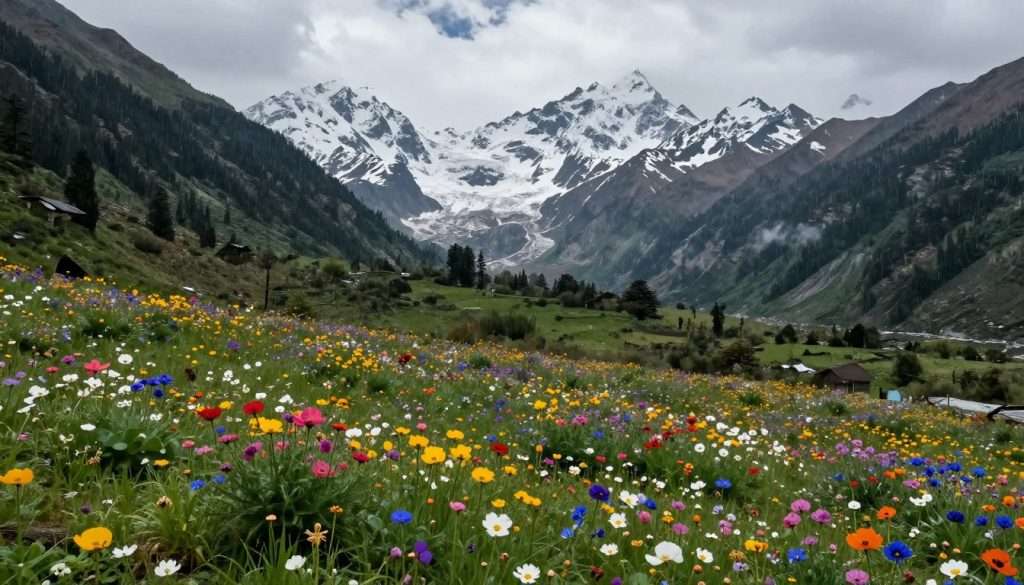
India’s Valley of Flowers National Park presents one of Asia’s most spectacular wildflower displays. This UNESCO World Heritage site transforms during monsoon season. Over 500 flower species bloom in concentrated alpine meadows.
The valley sits at high altitude in Uttarakhand state. Access requires trekking through mountainous terrain. The journey rewards visitors with extraordinary botanical diversity rarely seen elsewhere.
Peak flowering occurs from July through September during monsoon season. Heavy rains trigger simultaneous blooming. The brief season creates urgency for planning visits during optimal periods.
Botanical Significance
This protected area harbors numerous rare and endangered plant species. Many exist only in limited Himalayan regions. The concentrated diversity makes the valley exceptional for botanical study.
The site’s isolation preserved unique plant communities. Steep valleys create microclimates supporting diverse species. Different elevation zones within the valley host distinct flowering plants.
Notable species include rare orchids and medicinal plants. Blue poppies create stunning displays when conditions allow. Primulas add color along streams and damp meadows.
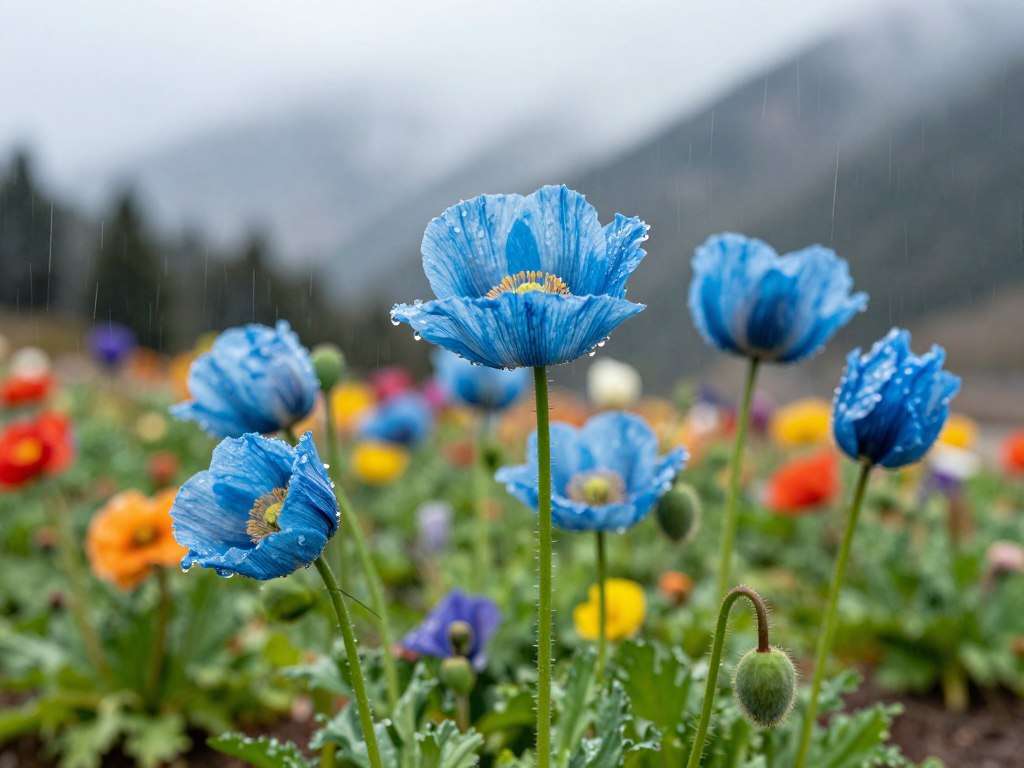
Planning Your Valley of Flowers Visit
Visiting requires preparation and physical fitness. The trek demands acclimatization to high altitude. Weather conditions can be challenging during monsoon season.
Trek Requirements: The valley sits at 3,600 meters elevation. A moderate fitness level handles the approach trek. Plan at least three days including travel to and from the trailhead. Proper gear for rain and cold temperatures is essential.
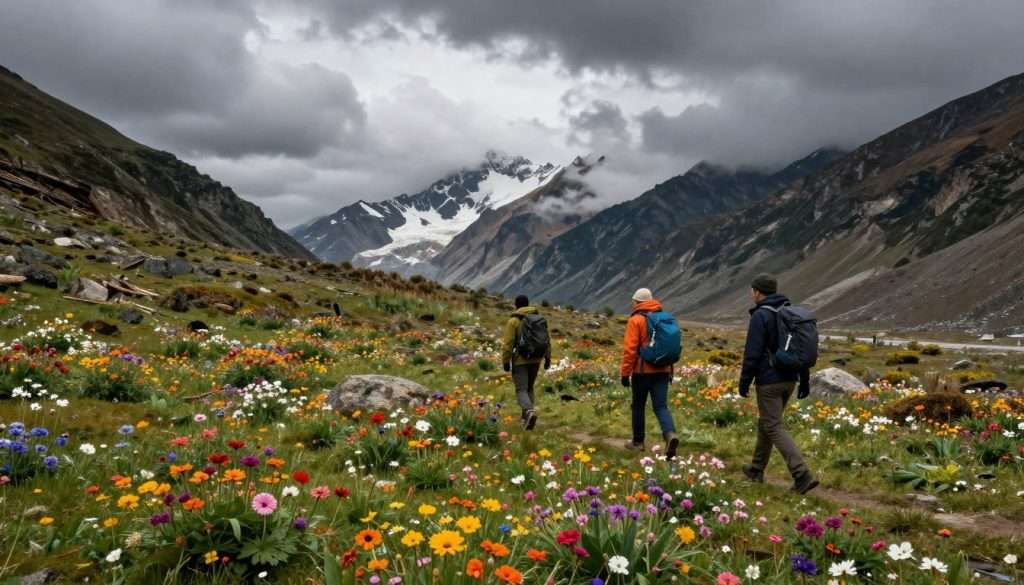
Limited accommodation exists near the valley. Most visitors stay in Ghangaria village, the last settlement before entering the park. Advance booking ensures accommodation during peak season.
Park authorities limit daily visitor numbers protecting the fragile ecosystem. Permits must be obtained before entering. Local guides provide valuable plant identification knowledge and ensure safe navigation.
Monsoon Safety: The valley experiences heavy rainfall during peak flowering. Trails become slippery and stream crossings challenging. Adequate rain gear and proper footwear are mandatory. Monitor weather forecasts and follow local advice.
Crete Mountain Wildflowers: Mediterranean Alpine Flora
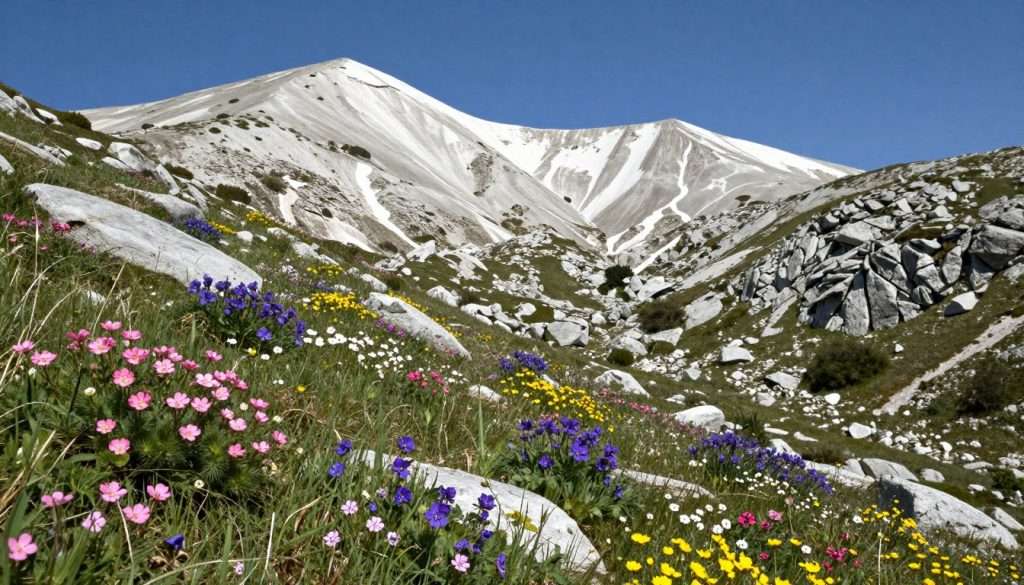
The Greek island of Crete offers exceptional Mediterranean wildflower diversity. Mountain ranges harbor unique endemic species. Spring transforms the landscape with remarkable flowering displays.
Crete’s isolation created distinct plant evolution. Many species exist nowhere else on Earth. The combination of maritime and mountain climates supports varied flowering plants.
Flowering extends from March through June depending on elevation. Coastal areas bloom earliest. Mountain zones reach peak flowering in May and early summer as snow retreats.
Unique Cretan Flora
The island supports over 200 endemic plant species. These plants evolved in isolation developing unique characteristics. Many occupy specific mountain habitats or gorges.
Orchids demonstrate remarkable diversity with numerous species. Cretan endemic orchids attract specialist enthusiasts. These flowers display intricate forms and varied colors.
Aromatic herbs cover hillsides creating fragrant landscapes. Thyme, sage, and oregano bloom adding scent to flower displays. These plants thrive in Mediterranean conditions tolerating summer drought.
- Endemic tulips in mountain meadows
- Rare orchid species in woodlands
- Cretan ebony with pink flowers
- Mountain tea plants blooming yellow
- Aromatic herbs including sage
- Spring bulbs carpeting fields
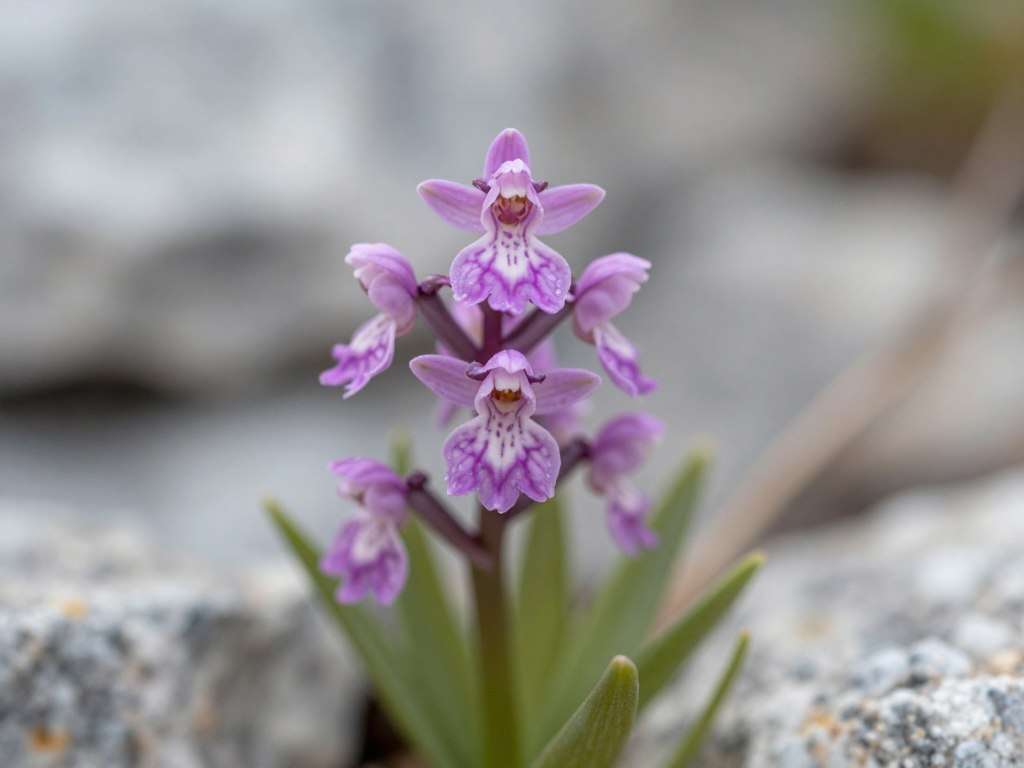
Top Cretan Wildflower Locations
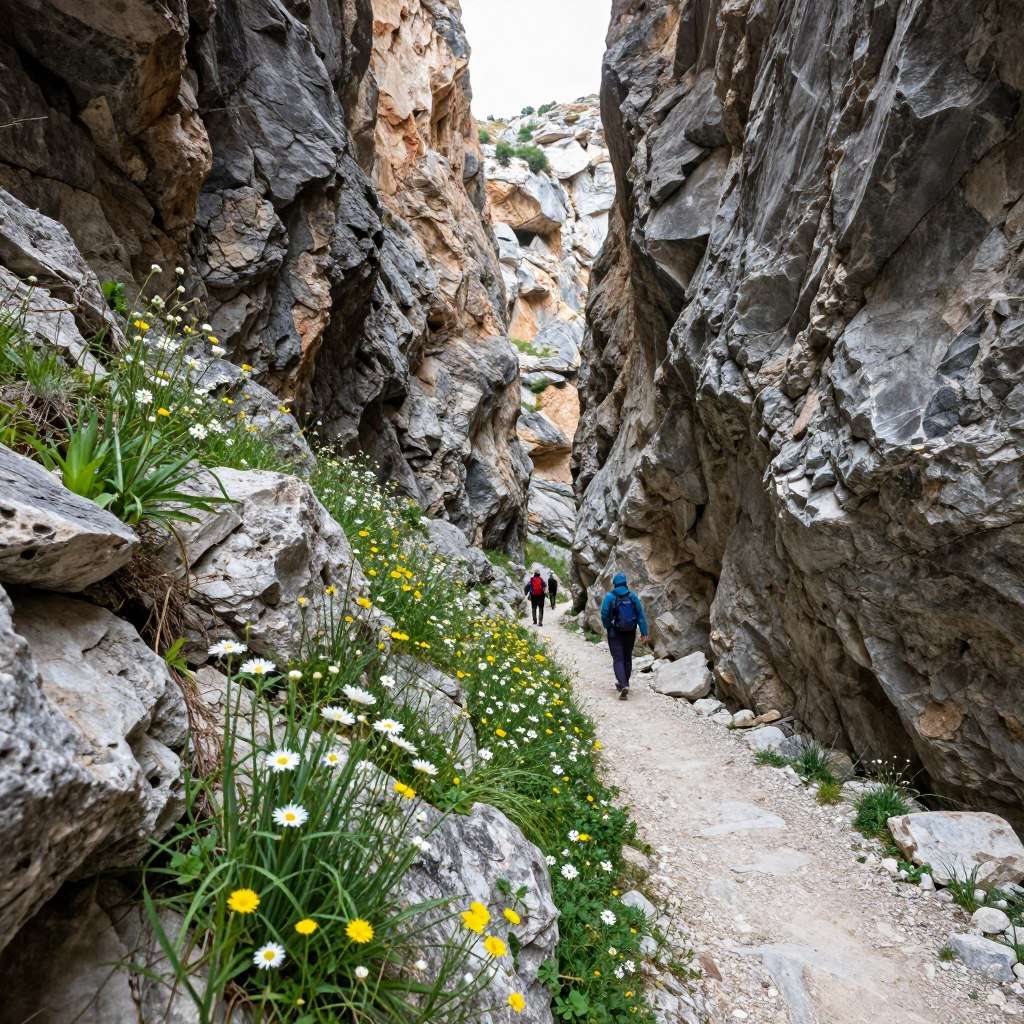
Samaria Gorge
Europe’s longest gorge features diverse microclimates. Spring flowers bloom along the famous hiking trail. The gorge harbors rare endemic species growing on cliff faces and valley floors.
White Mountains (Lefka Ori)
These rugged peaks support alpine flower communities. High plateaus bloom with mountain species from May onwards. The area offers wilderness flowering experiences away from coastal tourist areas.
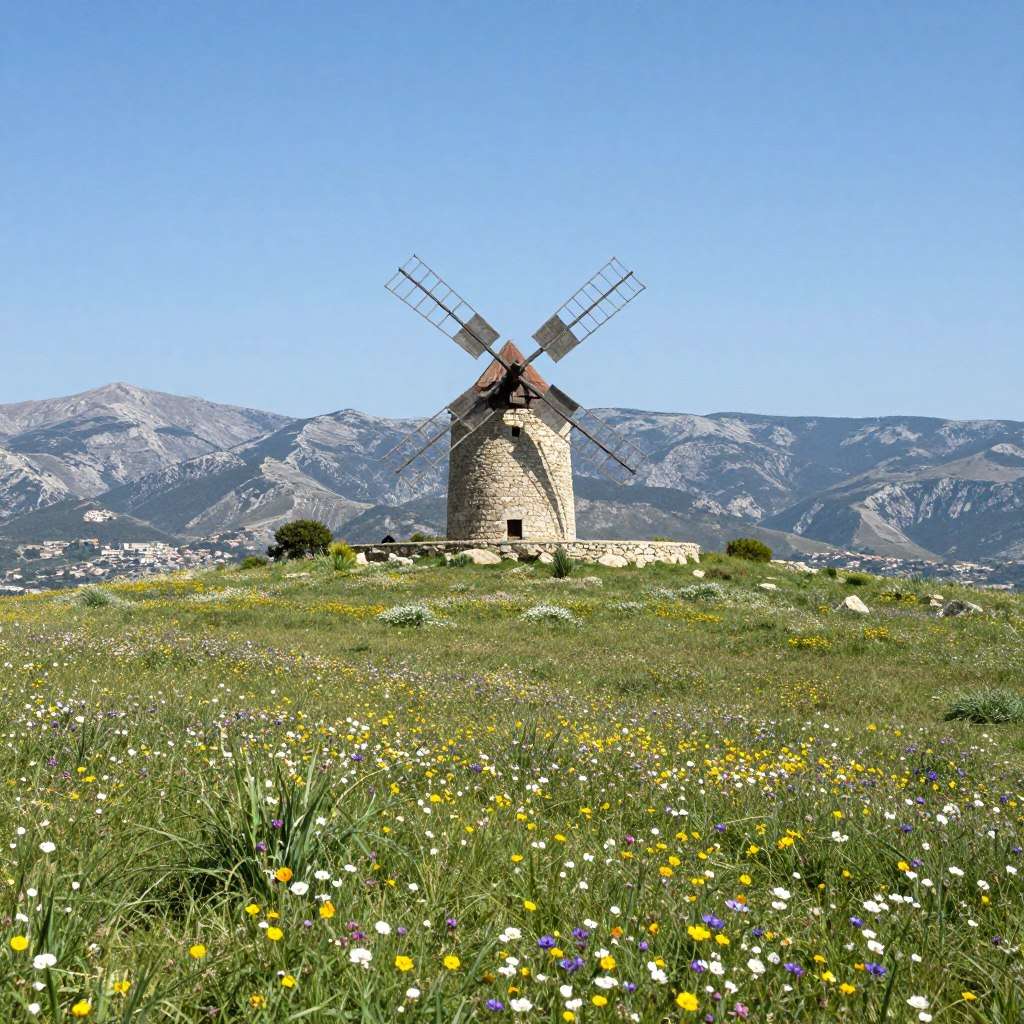
Lasithi Plateau
This fertile highland plateau features traditional agriculture alongside wild areas. Spring meadows bloom with diverse flowers. The area provides accessible wildflower viewing combined with cultural experiences.
Dutch Bulb Fields: Tulips and Spring Flowering Spectacle
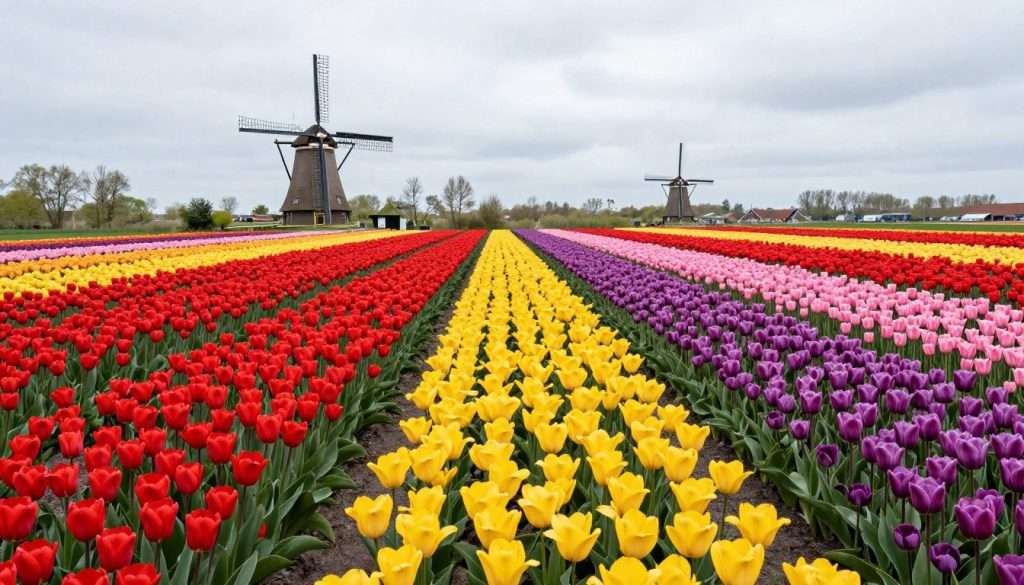
The Netherlands creates one of the world’s most famous flowering displays. Commercial tulip fields produce spectacular spring color. These cultivated landscapes attract millions of visitors annually.
While not wild flowering in the traditional sense, the scale and beauty rival natural displays. Fields bloom from late March through May. Peak viewing typically occurs in mid to late April.
The region between Leiden and Haarlem concentrates the most extensive bulb fields. This area transforms into a patchwork of brilliant colors. Cycling routes allow leisurely exploration of flowering areas.
Experiencing the Bulb Fields
Multiple approaches exist for viewing the flowering fields. Keukenhof Gardens provides curated displays alongside wild areas. The countryside offers authentic agricultural landscapes painted with blooms.
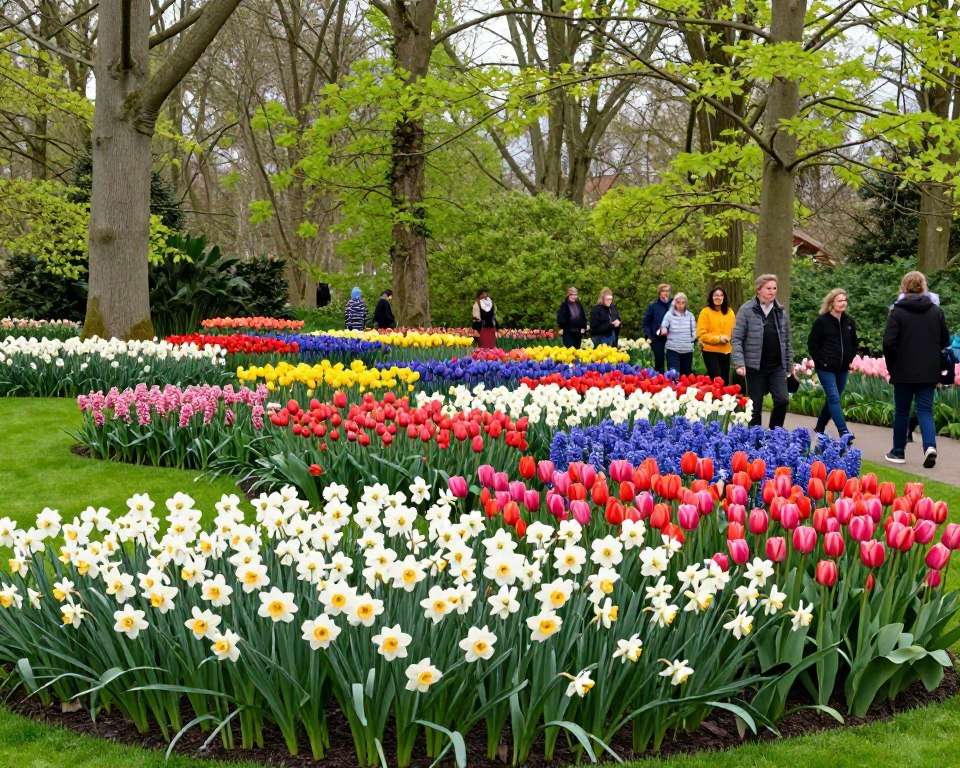
Keukenhof opens only during spring flowering season. The gardens showcase millions of bulbs in landscaped settings. Different garden areas peak at different times throughout the season.
Exploring by bicycle offers the most authentic experience. Dedicated cycle routes wind through flowering fields. This approach allows stopping at viewpoints without traffic concerns.
Flower auctions in Aalsmeer provide behind-the-scenes experiences. These massive facilities process millions of flowers daily. Visitors observe the commercial side of Dutch flower production.
Beyond Tulips
The bulb fields include diverse spring-flowering species. Daffodils bloom earlier than tulips. Hyacinths add intense colors and scent. Grape hyacinths create carpets of blue.
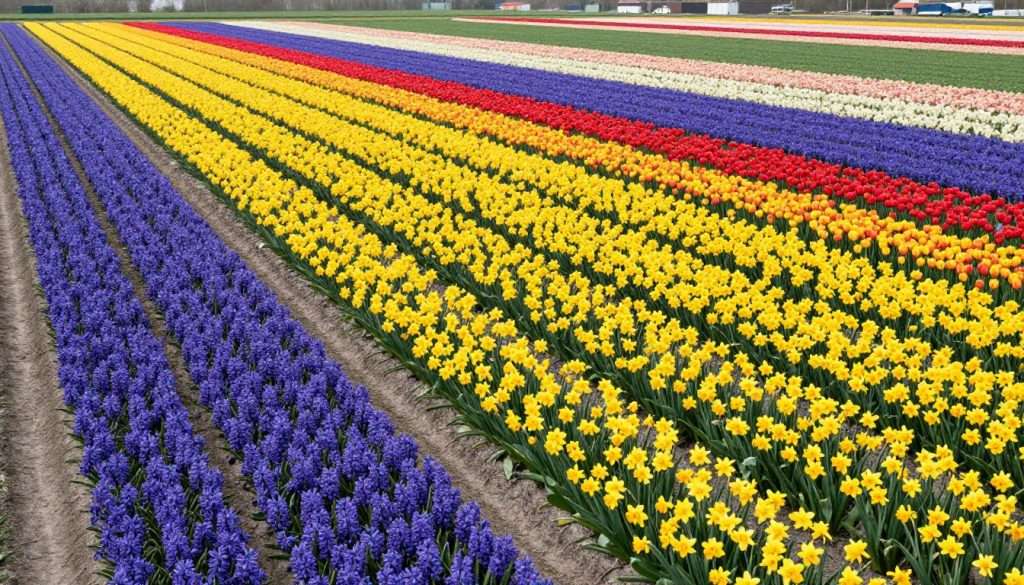
Late-season fields feature alliums and other species. The extended flowering period allows multiple visits. Each visit reveals different species at their peak.
Best Practices: Respect private agricultural land when viewing flowers. Stay on designated paths and viewing areas. Many farmers welcome photographers but expect courteous behavior. Peak weekends see large crowds; weekday visits offer quieter experiences.
Patagonian Wildflowers: Southern Hemisphere Spring Blooms
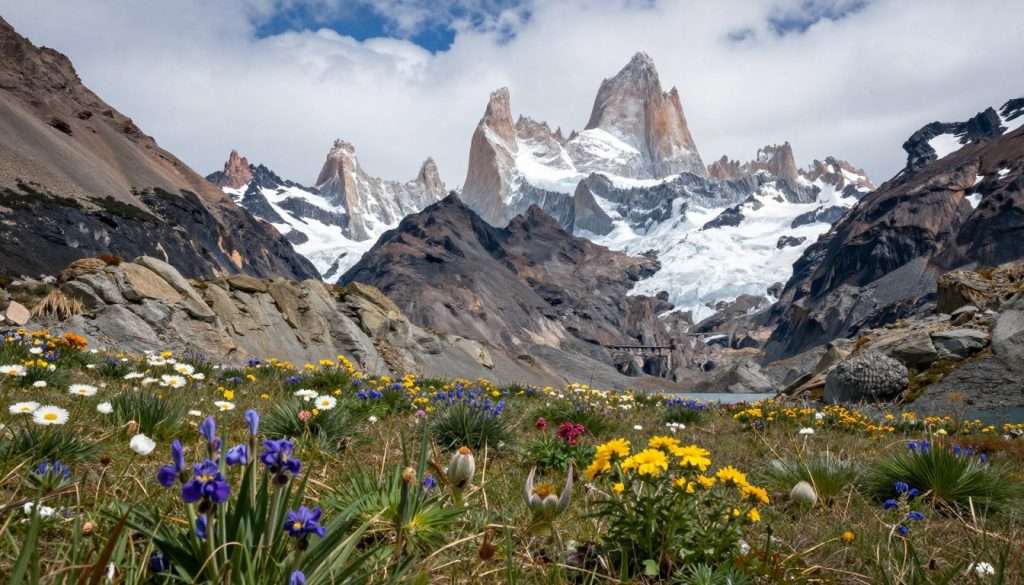
Patagonia’s remote wilderness offers distinctive wildflower experiences. Spring arrives in the Southern Hemisphere between October and December. Alpine meadows and forests bloom with endemic species.
The region spans both Chile and Argentina. Each side provides unique flowering opportunities. Diverse ecosystems from coastal areas to high mountains support varied plant communities.
Patagonia’s isolation fostered unique plant evolution. Many species exist only in this region. The flowering season coincides with improving weather after harsh winters.
Patagonian Flower Diversity
Native species adapted to challenging environmental conditions. Strong winds, poor soils, and extreme weather limit plant growth. Successful species display remarkable hardiness.
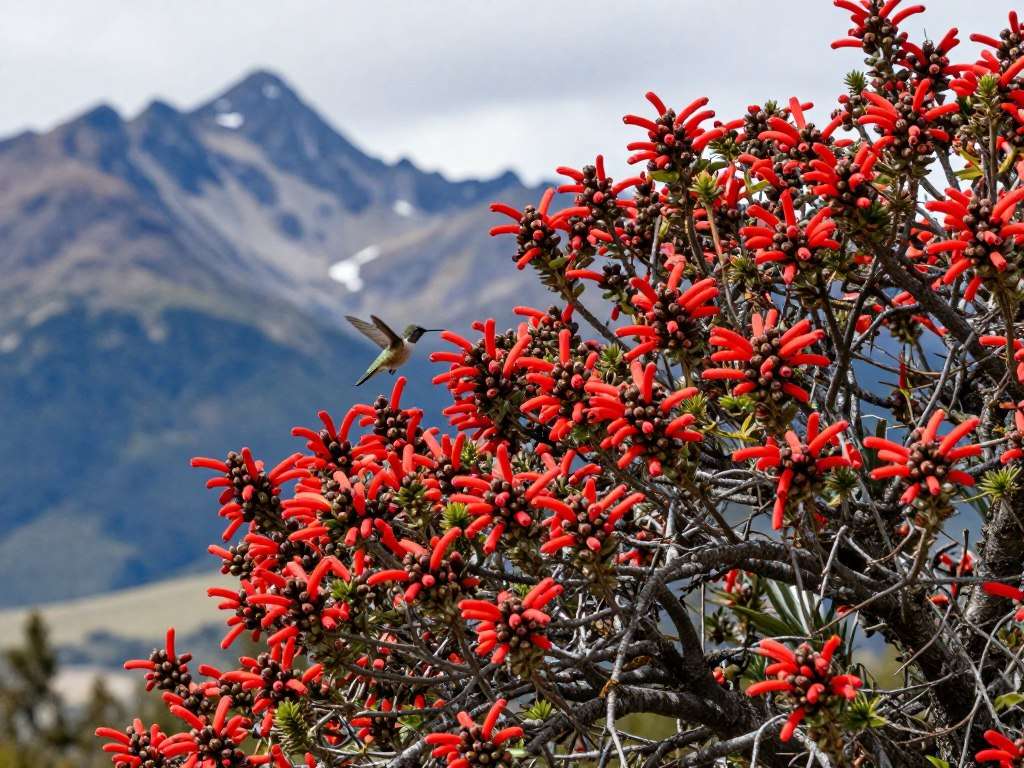
- Notro trees with red tubular flowers
- Alpine lupines in purple and blue
- Native fuchsias attracting hummingbirds
- Patagonian orchids in forest areas
- Calafate shrubs with yellow flowers
- Mountain daisies in varied colors
These plants provide vital nectar sources for insects and birds. The short growing season concentrates flowering. Multiple species bloom simultaneously creating diverse displays.
Prime Patagonian Flowering Areas
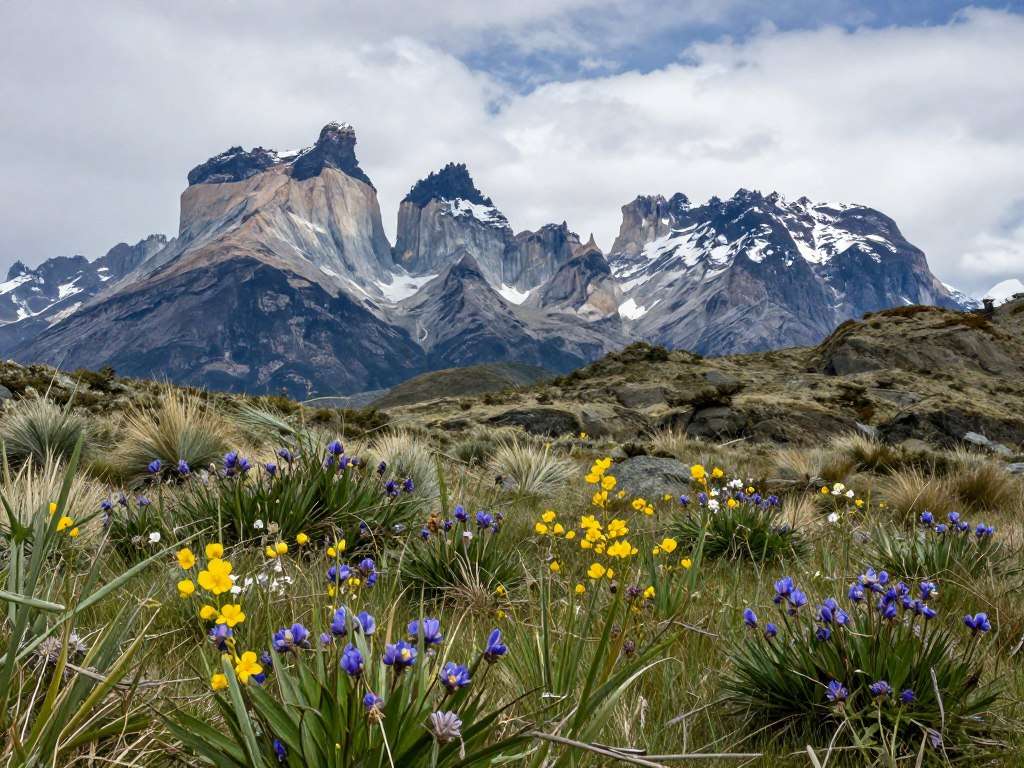
Torres del Paine National Park, Chile
This famous park combines dramatic landscapes with spring wildflowers. Meadows bloom beneath iconic granite towers. The park protects diverse ecosystems each supporting different flowering plants.
Trails of varying difficulty access flowering areas. Rangers provide information about current blooming conditions throughout the extensive park.
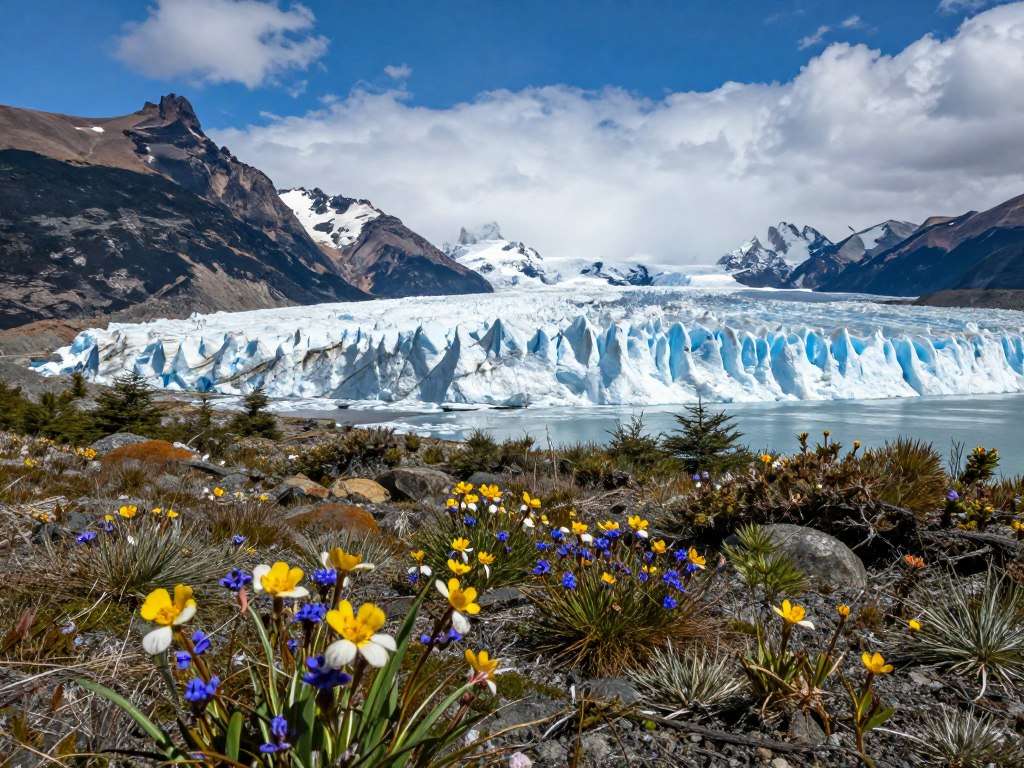
Los Glaciares National Park, Argentina
Glacial valleys feature spring flowering despite challenging conditions. Native species bloom in sheltered areas. The park combines ice fields with surprising botanical diversity in lower elevations.
Access varies by area with some requiring significant trekking. El Chaltén provides excellent base access to flowering zones.
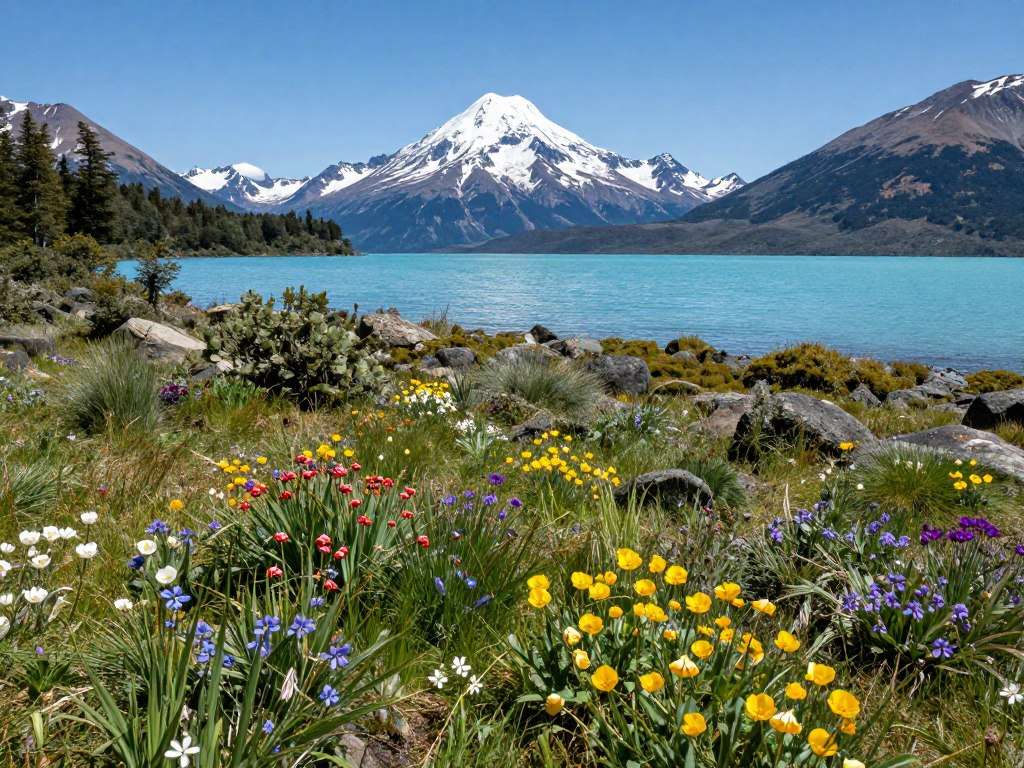
Lake District (Both Countries)
The northern Patagonian lake region offers forest wildflowers. Notro trees create brilliant red displays. Understory plants bloom in ancient woodlands surrounding pristine lakes.
The area provides more accessible wildflower experiences. Towns like Bariloche and Puerto Varas offer comfortable bases for exploration.
Western Australia: Global Wildflower Biodiversity Hotspot
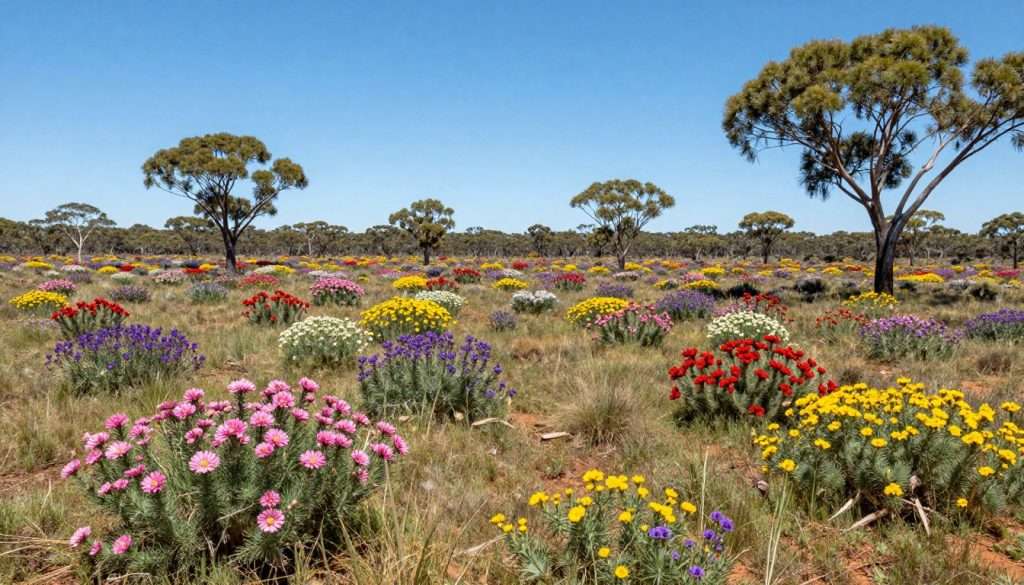
Western Australia ranks among Earth’s most floristically diverse regions. Over 12,000 plant species grow across varied habitats. The spring flowering season creates world-class displays.
The state’s wildflower season runs from June through November. Different regions peak at different times. Northern areas bloom first with southern regions following as temperatures warm.
Many species exist nowhere else globally. The isolation and varied climates fostered unique evolution. Ancient landscapes preserved plant lineages found nowhere else on Earth.
Extraordinary Plant Diversity
Western Australia’s botanical richness stems from multiple factors. Ancient stable landscapes allowed species accumulation. Varied soil types create numerous ecological niches.
The state harbors over 60% of Australia’s plant species. Southwest regions concentrate exceptional diversity. Some small areas contain more species than entire European countries.
Distinctive plant families dominate. Proteas, banksias, and eucalypts create unique landscapes. These plants adapted to poor soils and Mediterranean climates.
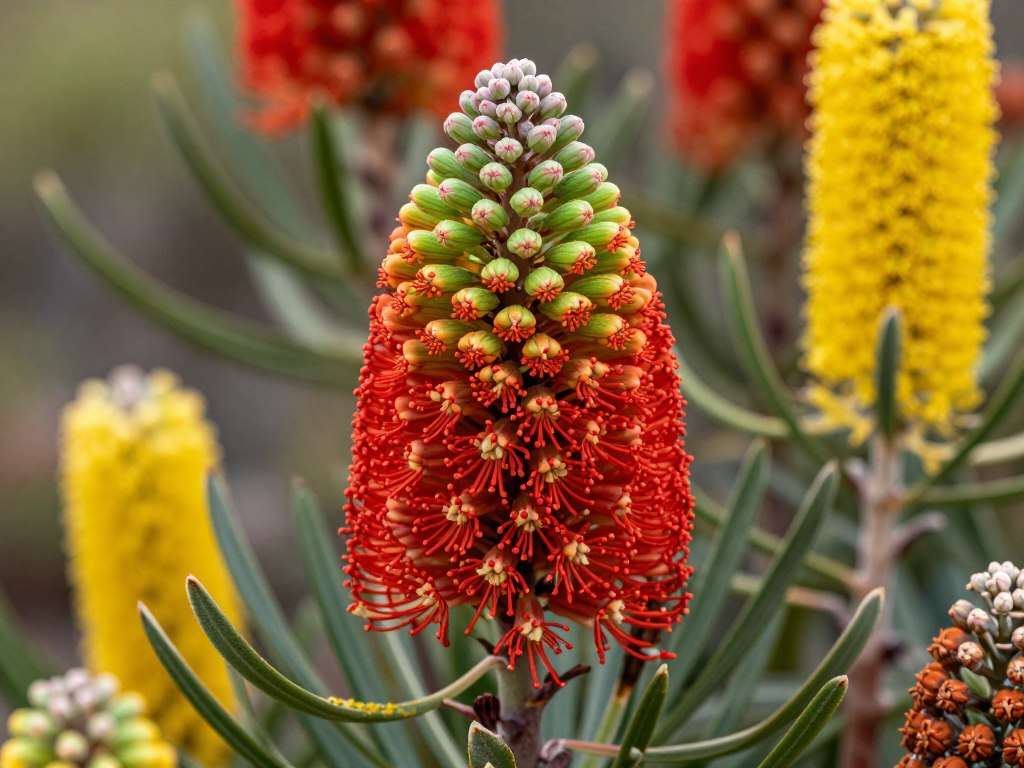
Notable Western Australian Wildflowers
Coastal and Southwest Species
- Kangaroo paws in vivid reds and greens
- Banksias with cylindrical flower spikes
- Everlastings creating white carpets
- Native orchids in varied forms
- Hakeas with needle-like flowers
- Grevilleas attracting nectar-feeding birds
Outback and Northern Species
- Desert peas with distinctive red and black
- Mulla mulla in pink masses
- Wattles painting landscapes yellow
- Cassias adding golden tones
- Native hibiscus with large blooms
- Eremophila in diverse colors
Premier Western Australian Wildflower Regions
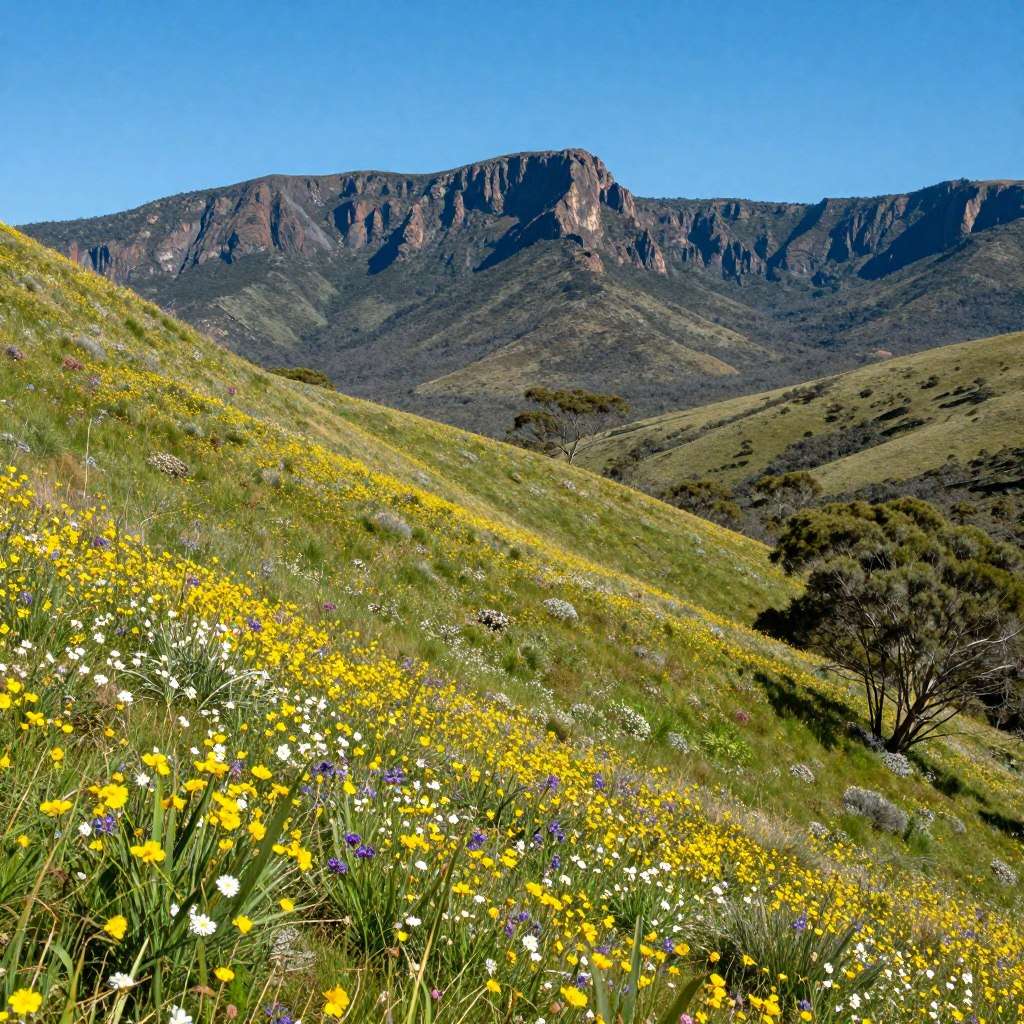
Stirling Range National Park
This park harbors over 1,500 plant species including 87 found nowhere else. Mountain habitats support unique flowering plants. September and October bring peak blooms across diverse elevations.
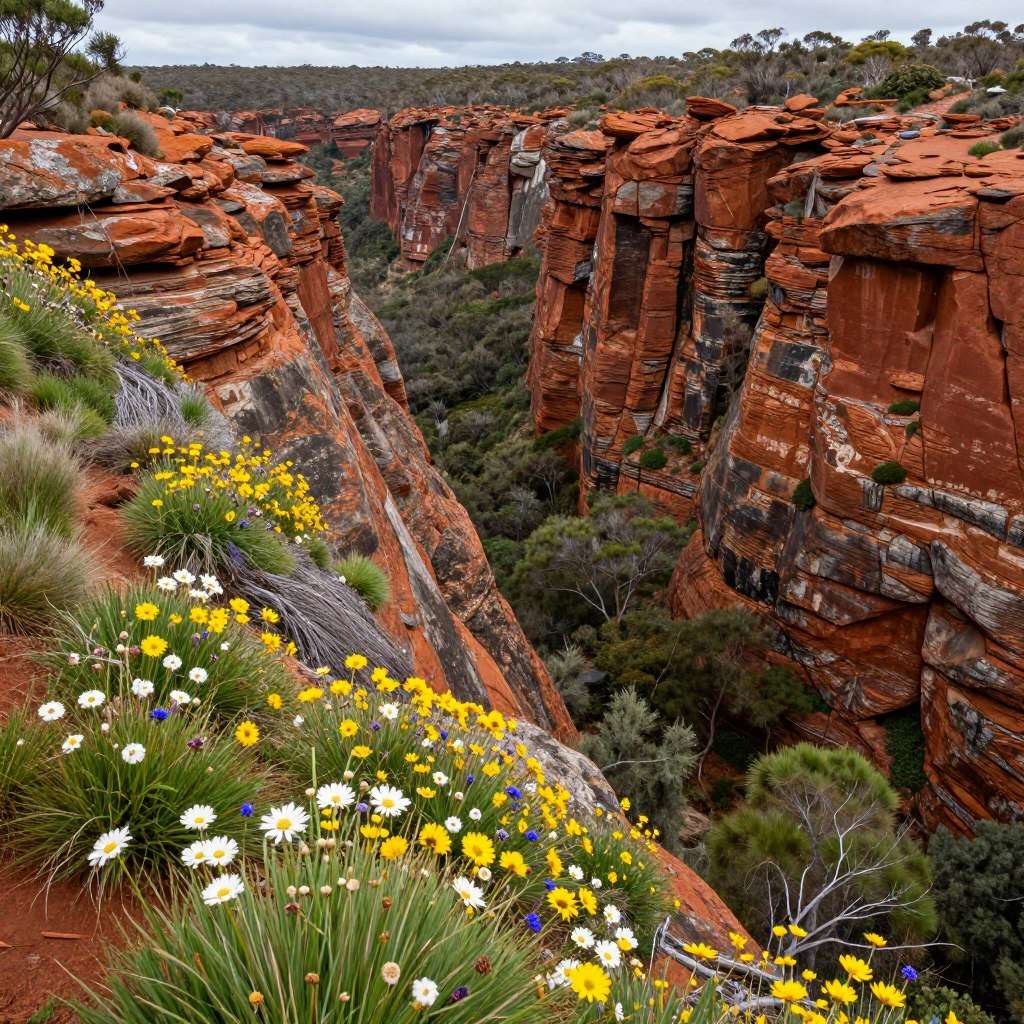
Kalbarri National Park
Coastal and gorge environments create varied flowering habitats. Winter and spring bring different species into bloom. The park combines spectacular geology with botanical diversity.
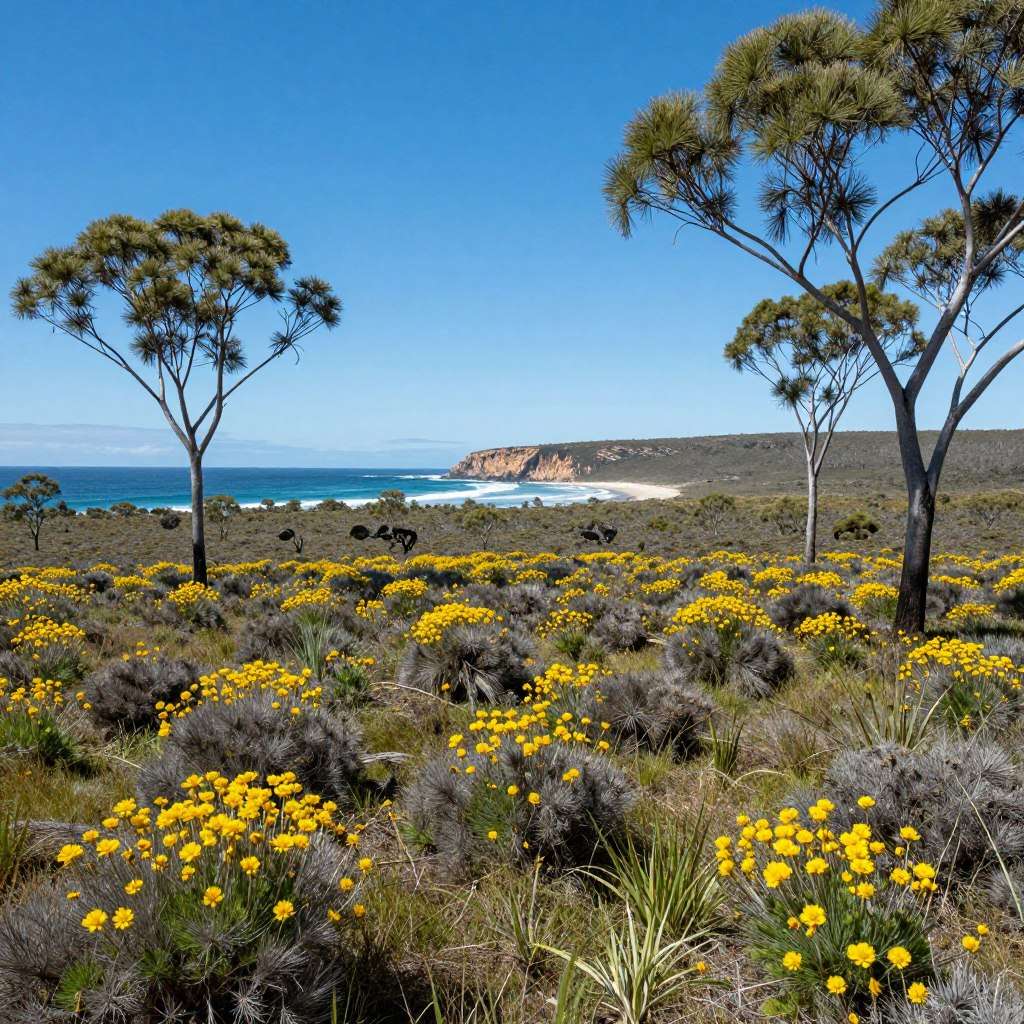
Fitzgerald River National Park
This remote wilderness protects globally significant biodiversity. Over 250 plant species exist only within park boundaries. Spring reveals extraordinary flowering displays across heathlands and coastal areas.
Planning Tip: Western Australia’s vast distances require careful trip planning. Different regions bloom at different times. The Wildflower Society of Western Australia provides current flowering reports. Consider guided tours for accessing remote flowering areas safely.
Complete Wildflower Travel Planning Service
Let our specialists create your perfect wildflower adventure. We handle accommodation bookings, guided tour arrangements, and timing optimization. Custom itineraries designed around your interests and schedule.
Seasonal Wild Flowering Calendar: Planning Your Perfect Visit
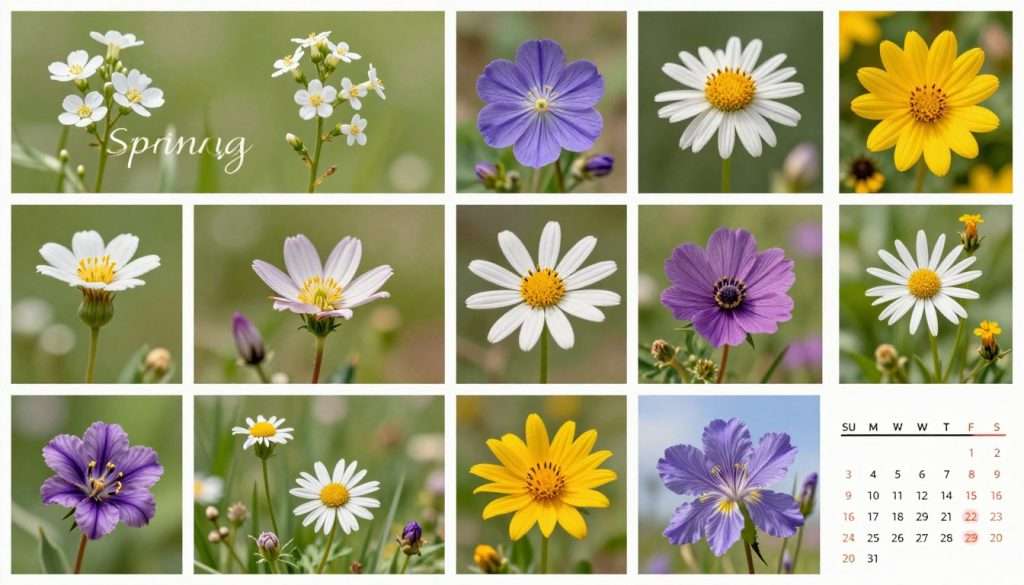
Successful wildflower viewing requires understanding seasonal patterns. Different regions peak at different times. Planning around flowering calendars ensures optimal experiences.
Global flowering patterns follow predictable seasonal rhythms. Spring dominates Northern Hemisphere displays. Southern Hemisphere regions bloom during their spring from September through November.
Weather variations affect timing annually. Monitor current season reports before finalizing travel plans. Flexibility helps capture the best displays when nature cooperates.
Northern Hemisphere Flowering Timeline
Spring begins earliest in southern regions and progresses northward. Mediterranean areas bloom first. Alpine regions reach peak flowering in summer as snow melts.
| Month | Regions | Key Species | Conditions |
| March-April | California, Texas, Mediterranean | Poppies, bluebonnets, primroses | Variable weather, rapid bloom changes |
| May-June | Europe lowlands, British Isles | Bluebells, woodland flowers, meadow species | Stable spring weather, extended blooms |
| July-August | Alps, Scottish Highlands, high elevation areas | Alpine flowers, heather, mountain species | Peak summer, variable mountain weather |
| September | Himalayan valleys, late alpine areas | Monsoon flowers, late bloomers | Monsoon rainfall, cooler temperatures |
Southern Hemisphere Flowering Timeline
Southern regions experience opposite seasonal patterns. Their spring coincides with Northern Hemisphere autumn. This allows year-round wildflower experiences for dedicated travelers.
| Month | Regions | Key Species | Conditions |
| August-September | Namaqualand, South Africa | Namaqualand daisies, succulents | Spring weather, variable rainfall effects |
| September-November | Western Australia, Patagonia | Native Australian species, Patagonian endemics | Warming spring, long flowering periods |
| October-December | Southern Patagonia, high elevations | Alpine species, late bloomers | Improving weather, snow melt dependent |
Year-Round Opportunities
Planning across hemispheres enables continuous wildflower experiences. Northern winters coincide with Southern summers. Strategic scheduling allows multiple destinations annually.
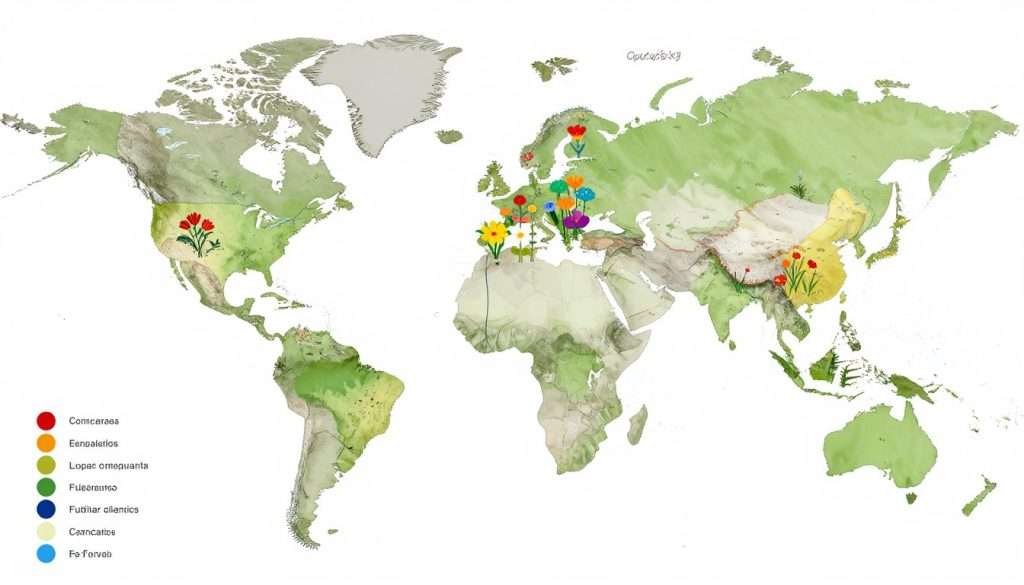
Some regions offer extended seasons. Mediterranean climates support winter flowering species. Tropical highlands maintain year-round blooms at different elevations.
Advanced Planning: Book accommodations 6-12 months ahead for popular destinations during peak seasons. Photography tours fill early. Flexibility with dates helps secure spaces when specific dates are unavailable.
Wildflower Photography: Capturing Nature’s Seasonal Beauty
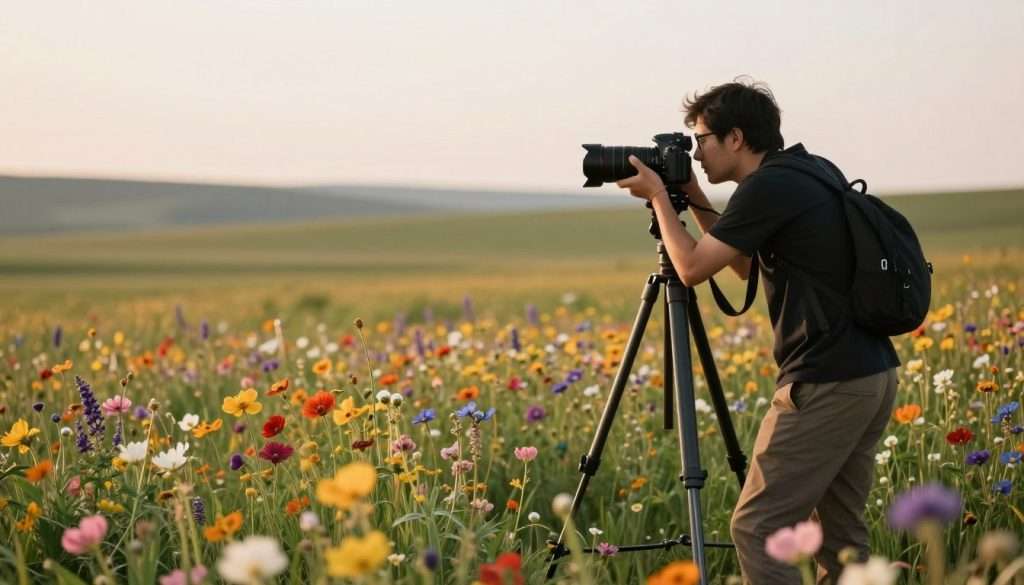
Photographing wildflowers presents unique creative opportunities. These seasonal displays demand specific techniques. Understanding light, composition, and timing produces compelling images.
The best flower photography combines technical skill with artistic vision. Equipment choices affect results. However, vision and patience matter more than expensive gear.
Optimal Lighting Conditions
Light quality dramatically affects wildflower images. Early morning and late afternoon provide the most flattering illumination. Harsh midday light creates problems for flower photography.
Golden hour light enhances flower colors. Low angle illumination creates dimension. Backlighting reveals petal translucency creating ethereal effects.
Overcast conditions work well for many flowers. Diffused light eliminates harsh shadows. This lighting suits delicate blooms and detailed close-ups.
- Shoot during golden hours for warm tones
- Use overcast days for even lighting
- Backlight translucent petals for glow effects
- Avoid harsh midday sun when possible
- Wait for calm conditions reducing motion blur
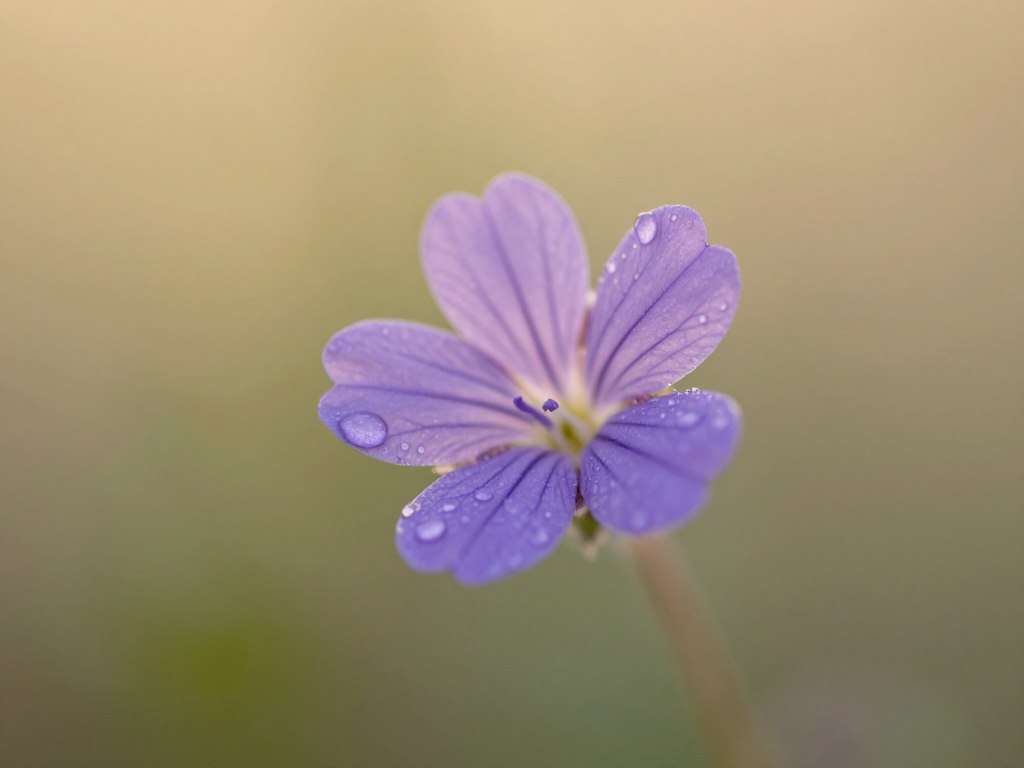
Composition Techniques
Strong composition separates memorable images from snapshots. Consider foreground, middle ground, and background elements. Leading lines draw viewers into scenes.
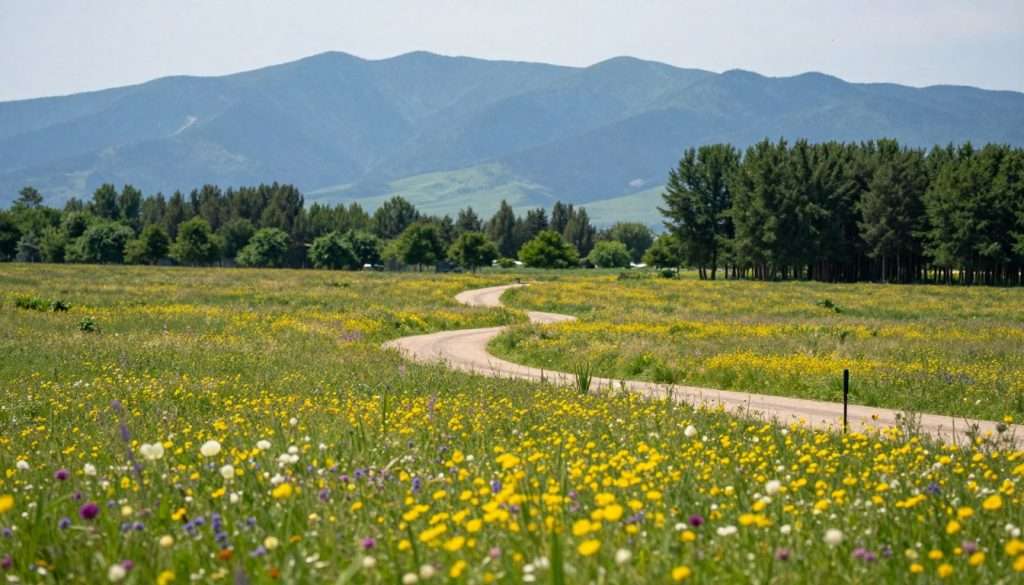
Vary perspectives between wide landscapes and intimate details. Include environmental context showing habitat. Close-ups reveal intricate flower structures invisible to casual observation.
The rule of thirds creates balanced compositions. Place key elements at intersection points. Leave space for the eye to move through the image.
Landscape Approach
Wide views capture the sweep of flowering areas. These images convey scale and habitat context.
- Include interesting sky elements
- Use foreground flowers as anchors
- Show environmental context
- Capture sunrise or sunset drama
Macro Details
Close-up photography reveals hidden beauty. Flower structures display incredible complexity at small scales.
- Focus on single blooms
- Highlight texture and patterns
- Capture insect visitors
- Use shallow depth of field
Creative Techniques
Experimentation produces unique images. Try different approaches beyond standard documentation.
- Motion blur from gentle breezes
- Multiple exposures for depth
- Reflections in water droplets
- Silhouettes against bright skies
Technical Considerations
Proper technique ensures sharp, well-exposed images. Master camera settings for varying conditions.
- Use tripods for stability
- Select appropriate apertures
- Adjust ISO for conditions
- Focus carefully on key elements
Wildflower Conservation: Protecting Natural Flowering Habitats
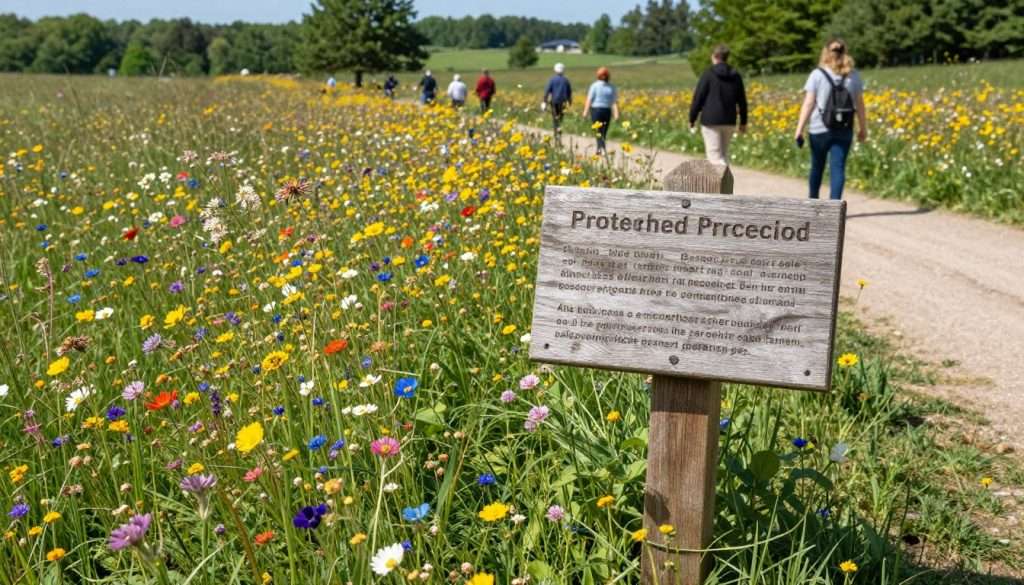
Wildflower habitats face increasing pressures worldwide. Conservation efforts protect these precious ecosystems. Visitors play important roles in preservation through responsible behavior.
Many spectacular flowering areas exist in fragile environments. High visitor numbers can damage vegetation. Understanding and following guidelines preserves sites for future enjoyment.
Threats to Wild Flowering Areas
Multiple factors threaten wildflower habitats globally. Development destroys natural areas. Climate change alters flowering patterns and species distributions.
Agricultural intensification eliminates wild flowering meadows. Ancient woodlands fall to development pressure. Overgrazing prevents flower seed production in sensitive areas.
Invasive species outcompete native flowers. These introduced plants alter entire ecosystems. Management efforts attempt to control invasions protecting native plant communities.
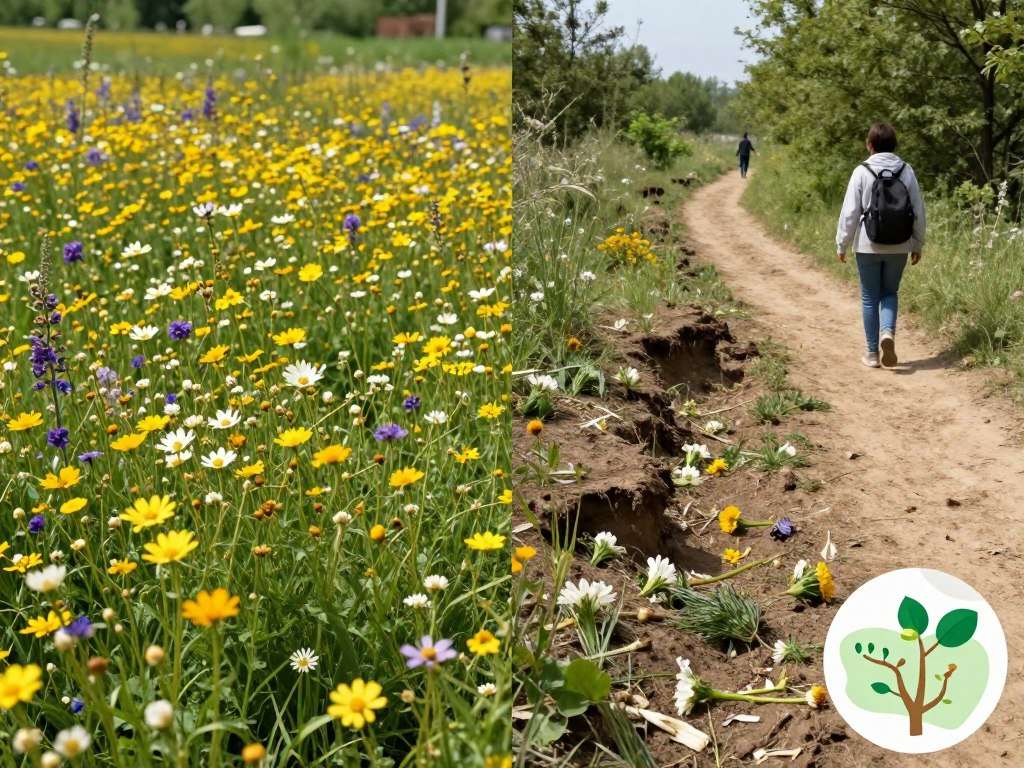
Responsible Visiting Practices
Individual actions collectively impact wildflower sites. Simple practices minimize damage while allowing enjoyment.
Best Practices
- Stay on designated trails and paths
- Never pick wildflowers in protected areas
- Keep dogs on leads near flowering plants
- Pack out all trash and waste
- Respect private property boundaries
- Follow seasonal closures protecting habitats
- Support conservation organizations
- Share knowledge encouraging responsible behavior
Harmful Behaviors
- Walking through flower beds for photos
- Picking flowers reducing seed production
- Leaving trash harming wildlife and plants
- Creating new trails causing erosion
- Disturbing nesting birds and pollinators
- Ignoring closure signs and restrictions
- Trampling rare species unknowingly
- Spreading invasive plant seeds on clothing
Supporting Conservation Efforts
Many organizations work to protect wildflower habitats. Support takes various forms beyond financial donations. Volunteering and advocacy contribute meaningfully.
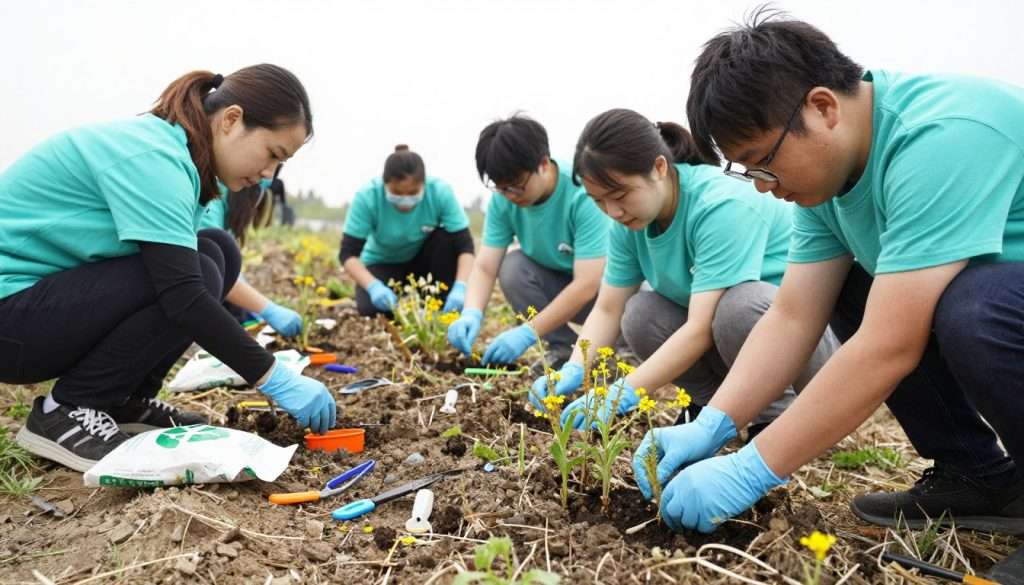
Citizen science projects need wildflower observations. Recording flowering times helps scientists track climate change impacts. These contributions advance conservation knowledge.
Get Involved: Join local wildflower societies and conservation groups. Participate in habitat restoration projects. Share observations through citizen science platforms. Advocate for protecting wild areas in your region.
Planning Your Wild Flowering Adventure: Practical Considerations
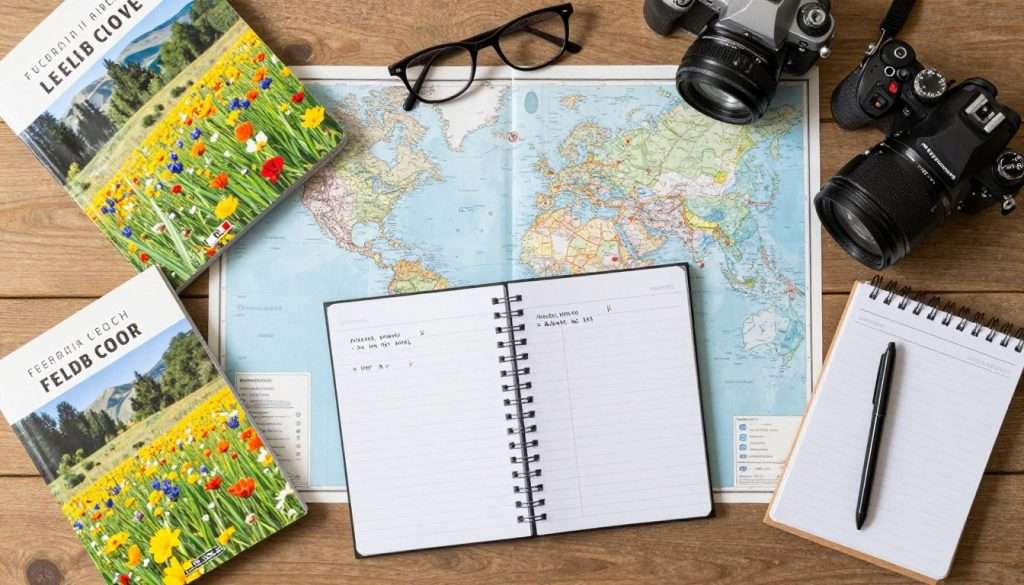
Successful wildflower trips require thoughtful preparation. Multiple factors affect experiences. Advance planning maximizes enjoyment while minimizing disappointment.
Timing proves crucial for wildflower viewing. Bloom predictions provide guidance but nature remains unpredictable. Building flexibility into plans accommodates seasonal variations.
Research and Information Sources
Reliable current information improves trip success rates. Multiple sources provide bloom updates and forecasts.
Official Sources
- National park websites with bloom reports
- Regional tourism boards
- Botanical garden alerts
- Conservation organization updates
- Government wildflower hotlines
- Park ranger recommendations
Community Resources
- Social media flowering groups
- Photography forum trip reports
- Local naturalist societies
- Recent visitor reviews
- Wildflower enthusiast networks
- Regional nature clubs
Expert Guidance
- Guided tour operators
- Professional photography workshops
- Botanical tour companies
- Local naturalist guides
- University extension programs
- Specialty travel advisors
Essential Gear and Equipment
Appropriate equipment enhances wildflower experiences. Requirements vary by destination and intended activities.
Photography Equipment
- Camera with manual controls
- Macro lens for close-ups
- Wide-angle lens for landscapes
- Sturdy tripod for stability
- Polarizing filter reducing glare
- Extra batteries and memory cards
- Lens cleaning supplies
Field Gear
- Field guides for plant identification
- Binoculars for distant viewing
- Hand lens for flower details
- Notebook and pencils
- Weather-appropriate clothing layers
- Comfortable walking footwear
- Sun protection and insect repellent
Accommodation and Logistics
Strategic accommodation selection improves experiences. Proximity to flowering areas reduces travel time. Early morning and evening light require staying nearby.
Book well in advance for popular destinations during peak seasons. Flexibility with dates sometimes secures better availability. Consider weekday visits avoiding weekend crowds.
Peak Season Reality: Popular wildflower destinations experience heavy visitation during peak blooms. Arrive early in the day for the best experiences. Parking fills quickly at famous locations. Consider alternative nearby sites offering similar displays with fewer crowds.
Conclusion: Embracing the Wild Flowering Experience
Wild flowering displays represent nature’s most spectacular seasonal transformations. These ephemeral events reward those who plan carefully and travel with purpose. From desert super blooms to alpine meadows, the planet offers countless flowering wonders.
Each destination provides unique experiences shaped by local ecology and seasonal patterns. Understanding these rhythms helps visitors witness nature at its finest. The memories created during peak flowering seasons last lifetimes.
Responsible enjoyment ensures these natural treasures survive for future generations. Conservation-minded visiting protects delicate habitats. Supporting preservation efforts gives back to the environments providing such beauty.
Whether photographing California poppies, trekking through Himalayan valleys, or exploring Australian heathlands, wildflower adventures offer profound connections with nature. These experiences remind us of our planet’s incredible botanical diversity and seasonal cycles.
Start planning your wild flowering adventure today. Research destinations aligning with your interests and travel schedule. Join the global community of wildflower enthusiasts celebrating these magnificent natural displays.














Leave A Comment