

I’ve seen many islands, but Bali’s transformation is unlike anything I’ve seen. It’s not just impressive; it’s groundbreaking.
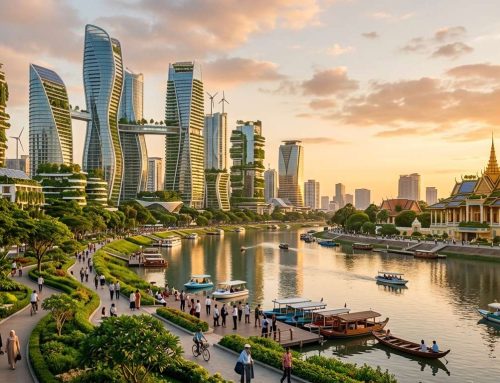
By 2050, Bali did the unthinkable. It became the first to achieve climate neutral infrastructure thanks to its Green Growth Roadmap. Gone are the days of concrete covering sacred lands.
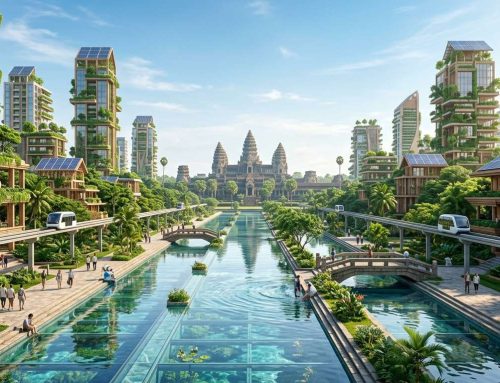
What’s here now is amazing. Bamboo and solar technology blend in a way that’s both old and new. Every decision, from buildings to energy, is guided by tradition.
This isn’t just Bali’s story. It’s a model for regenerative eco tourism everywhere. The idea is simple: what we build today affects our children’s future.
Key Takeaways
- The island achieved complete carbon neutrality through its comprehensive Green Growth Roadmap implementation
- Traditional bamboo architecture merged with advanced solar technology creates climate-positive buildings
- Concrete resort sprawl was replaced by bioclimatic design respecting sacred cultural landscapes
- Ancient wisdom now guides modern infrastructure decisions across energy, transport, and construction sectors
- The transformation serves as a global blueprint for destinations seeking ecological restoration
- Regenerative tourism replaced extractive models, proving sustainability and luxury can coexist
The Paradise Paradox: Why Bali Had to Choose Regeneration Over Ruin
The transformation that saved Bali didn’t come from idealism—it came from desperation. I witnessed this sustainable tourism crisis unfold during my visits throughout the 2020s. An island suffocated under its own popularity.
By 2027, the situation had reached a breaking point. The bali net-zero project was necessary for survival, not just theory. The island faced a choice: reinvent tourism or lose what made Bali special.
The green economy bali movement emerged from this crisis. Communities refused to sacrifice their home for short-term profit. Local leaders felt trapped in a terrible bargain.
The Concrete Crisis That Nearly Destroyed the Island of Gods
The physical transformation of Bali in the 2020s was heartbreaking. In 2026, I counted seven new resort construction sites in Canggu. Rice paddies were being paved over at an alarming rate.
The bali net-zero project documentation revealed the scale of destruction. Between 2020 and 2028, Bali lost about 18% of its agricultural land to development. Coastal areas suffered even worse, with natural shorelines replaced by seawalls and hotel foundations.
The environmental costs extended far beyond lost farmland. The overtourism bali crisis triggered a water emergency. I spoke with farmers in Ubud who watched their irrigation channels run dry while resorts filled swimming pools.
Sewage systems designed for two million people served over six million during peak seasons. The crisis manifested in tangible ways—beaches closed, rivers choked with waste, and groundwater contamination threatening drinking supplies.
The following table shows the critical environmental indicators that made change inevitable:
| Environmental Indicator | 2020 Baseline | 2027 Crisis Point | Impact Level |
|---|---|---|---|
| Agricultural Land Loss | 320,000 hectares | 262,000 hectares | Critical |
| Coastal Erosion Rate | 1.2 meters/year | 4.8 meters/year | Severe |
| Water Table Depletion | 15% below sustainable | 47% below sustainable | Emergency |
| Waste Generation | 2,400 tons/day | 5,900 tons/day | Critical |
Specific areas bore the brunt of unchecked development. Seminyak’s coastline receded by over twelve meters between 2023 and 2028. Sanur’s coral reefs died off due to sediment runoff from construction sites.
I documented these changes through photography, comparing images from 2022 with shots from the same locations in 2027. The overtourism bali phenomenon wasn’t abstract—it was visible in every frame, written across the landscape in concrete and rebar.
When Commercial Tourism Growth Threatened Cultural Survival
The physical destruction was matched by cultural erosion that threatened Bali’s identity. During a 2025 ceremony in Ubud, a priest told me something I’ll never forget: “We’re becoming a museum of ourselves, performing our culture instead of living it.”
The overtourism bali crisis created impossible pressures on local communities. Traffic gridlock meant that religious processions could no longer move through streets clogged with rental scooters and tour buses. Sacred spaces became selfie backdrops, their spiritual significance diluted by commercial exploitation.
I watched the sustainable tourism crisis play out in conversations with Balinese friends who felt powerless in their own homeland. Land prices skyrocketed beyond what local families could afford. Traditional compounds were sold to developers, breaking apart community structures that had existed for centuries.
The green economy bali advocates documented how traditional crafts were being replaced by mass-produced imitations. Woodcarvers in Mas village told me they couldn’t compete with factory-made “Balinese art” shipped from overseas. The economic benefits of tourism weren’t reaching the communities that bore its costs.
Water shortages affected daily religious practices that required clean water for purification ceremonies. Waste management failures meant that offerings placed at temples were surrounded by plastic trash. The sustainable tourism crisis was destroying the very cultural authenticity that attracted visitors in the first place.
The paradox was cruel and obvious. Tourism provided jobs and income, lifting many Balinese families into middle-class prosperity. But that same tourism was erasing the cultural landscape, traditional practices, and environmental beauty that defined Bali. Communities found themselves in an impossible position—benefiting economically while watching their heritage disappear.
By 2028, the situation demanded radical action. The bali net-zero project and green economy bali initiatives emerged not from environmental idealism but from existential necessity. Balinese communities, environmental groups, and forward-thinking officials recognized a fundamental truth: the old tourism model was a dead end.
This recognition created the foundation for everything that followed. The spectacular transformation Bali achieved by 2050 began with this honest assessment of crisis. Paradise needed saving, and only regeneration—not incremental reform—would be sufficient to reverse the damage and create a sustainable future.
Tri Hita Karana: The Sacred Philosophy That Became Infrastructure Policy

Tri Hita Karana sounds mystical, but it’s actually a practical planning framework. This centuries-old Balinese Hindu philosophy became the foundation for every infrastructure decision on the island.
I’ve seen many places struggle to balance growth and preservation. But Bali found a unique solution. They didn’t rely on Western sustainability models or the latest green technology.
The breakthrough came from recognizing the tri hita karana sustainable principles. Island planners translated ancient wisdom into modern policy.
This approach is unique because it addresses three dimensions at once. While most sustainability efforts focus on the environment, this balinese philosophy infrastructure considers human and divine connections too. This gives Bali’s net-zero journey its coherence and authenticity.
Three Ancient Relationships Reimagined for Climate Neutrality
The philosophy centers on three essential relationships that must remain balanced. Each relationship directly shaped infrastructure choices by 2050.
The first relationship, parahyangan, governs the connection between humans and the divine. This meant infrastructure projects had to honor sacred spaces and natural features. Development couldn’t happen on temple grounds or disrupt sacred water sources.
Mountain slopes housing ancient shrines remained untouched. The spiritual geography of the island became a non-negotiable constraint. This preserved biodiversity hotspots and watershed protection zones that science would recommend anyway.
The second relationship, pawongan, focuses on human-to-human harmony. This principle demanded that local communities benefit from and participate in development decisions. External investors couldn’t simply impose projects.
Every major infrastructure initiative required genuine community consultation. Tourism developments had to demonstrate how they’d improve local livelihoods. This social dimension prevented the extractive tourism model that had damaged so many other destinations.
The third relationship, palemahan, addresses human interaction with nature. This became the environmental pillar of spiritual sustainability. Infrastructure couldn’t just minimize harm—it had to actively enhance ecological systems.
Buildings needed to improve local ecosystems. Energy systems had to work with natural patterns. Water management had to restore rather than deplete resources. This principle is what transformed sacred ecology bali from cultural heritage into climate action.
- Parahyangan: Spiritual harmony protecting sacred spaces and natural sanctuaries
- Pawongan: Social equity ensuring community participation and benefit sharing
- Palemahan: Environmental balance requiring ecosystem enhancement over degradation
How Spiritual Balance Transformed Into Engineering Principles
The real innovation happened when planners figured out how to translate philosophy into measurable standards. I talked with engineers who worked on this transformation, and their approach was genuinely groundbreaking.
Traditional Balinese priests began consulting alongside environmental engineers on major projects. This wasn’t tokenism or cultural window-dressing. The priests brought knowledge about sacred geography, seasonal patterns, and ecological relationships that complemented technical expertise.
Buildings had to pass a triple assessment. Did they respect spiritual geography? Did they benefit local communities equitably? Did they improve environmental conditions? All three questions required affirmative answers before approval.
Energy systems faced similar scrutiny. Mount Agung’s geothermal development couldn’t just be technically efficient. It had to respect the mountain’s sacred status while providing power that local communities could access affordably. The engineering had to serve all three relationships.
What impressed me most was how this prevented the mistake many “sustainable” projects make. Too many green developments focus exclusively on carbon metrics while ignoring cultural authenticity and social justice. Bali’s framework made those dimensions inseparable.
| Traditional Principle | Infrastructure Application | Climate Impact |
|---|---|---|
| Sacred mountain protection | Geothermal energy respecting temple zones | Clean energy without cultural disruption |
| Community water rights | Subak irrigation integrated with tourism | Efficient water use serving multiple needs |
| Forest sanctuary preservation | Zero development in monkey forest corridors | Biodiversity protection and carbon storage |
| Equitable resource sharing | Community ownership of renewable projects | Local investment in climate solutions |
The genius of this approach is that spirituality wasn’t separate from infrastructure. It was the organizing principle that made everything coherent. When I visited in 2050, I could see how balinese philosophy infrastructure created a development pattern that felt authentic rather than imposed.
Resort developments looked Balinese because they had to satisfy cultural consultants as rigorous as structural engineers. Energy grids followed sacred geography because spiritual balance was literally a design requirement. Waste systems protected water sources because environmental harmony was non-negotiable.
This framework also solved a problem that’s plagued sustainable tourism worldwide. How do you modernize without westernizing? How do you grow without losing identity? Bali found the answer by making cultural preservation and climate neutrality the same objective.
The measurable results speak for themselves. By 2050, Bali achieved net-zero emissions while strengthening rather than weakening cultural practices. Tourism revenue increased while environmental quality improved. Communities prospered while ecosystems regenerated.
Religious and cultural worldviews fundamentally shape how communities interact with their environment, as beliefs about human nature and destiny condition ecological practices.
That academic observation became Bali’s practical roadmap. The island proved that spiritual sustainability isn’t just philosophy—it’s infrastructure policy that works. Ancient relationships became modern engineering principles that delivered both carbon neutrality and cultural vitality.
What started as a sacred philosophy became the most effective climate strategy I’ve witnessed anywhere in my travels. That’s the power of building infrastructure around values that have sustained a culture for centuries.
Living Coastlines: Mangrove Forests and Coral Sanctuaries as Climate Technology

Bali’s coastlines are now more than just protected areas. They are key players in the fight against climate change. I’ve seen many coastal restoration projects, but Bali’s efforts stand out. The mangrove forests and coral reefs work together to capture carbon, protect against storms, and support biodiversity.
The island has moved away from seeing nature as just decoration. Today, these coastal ecosystem infrastructure systems are treated with the same care as man-made structures. Walking through these restored areas feels like stepping into the future of climate adaptation.
Nature’s Carbon Capture Infrastructure Along Benoa Bay
Exploring Benoa Bay’s mangrove networks changed my view of restoration. This isn’t a small project. It’s about thousands of hectares of mangrove forest where concrete seawalls once stood.
The mangrove restoration bali initiative turned this bay into a world leader in nature-based coastal protection. I walked on elevated boardwalks, passing monitoring stations that track water quality, carbon uptake, and ecosystem health in real-time.
What amazed me most was how fast mangrove restoration bali projects capture carbon. These trees store carbon in their roots and in the sediments below, locking it away for centuries. The monitoring data shows exactly how much carbon each zone captures, creating accountability that traditional conservation rarely achieves.
The engineering behind these projects impressed me as much as the ecology. Teams removed hard infrastructure like concrete revetments and replaced them with living shorelines. These mangrove systems grow stronger, more effective, and more valuable with each passing year.
Local fishing communities play a key role in maintaining these networks. I met fishers who explained how the restored mangroves brought back fish populations that had vanished decades ago. The forests provide nursery habitat for dozens of commercial species, creating economic benefits that align perfectly with conservation goals.
The numbers tell a compelling story. Each hectare of healthy mangrove forest captures between 3 and 5 tons of carbon annually. Multiply that across thousands of hectares, and you’re looking at a carbon capture operation that rivals industrial facilities—except this one requires no energy input, supports countless species, and protects communities from storm surge.
Storm protection became personal during my visit when a tropical system passed near the island. The mangrove networks absorbed wave energy that would have flooded coastal communities in the past. Residents told me they no longer fear storm season the way they once did. The living infrastructure provides security that concrete never could.
The Ocean’s Carbon Vaults Beyond the Surf
Beyond the shoreline mangroves, Bali’s offshore coral sanctuaries create another layer of climate technology that most visitors never see. I spent several days diving in these protected zones, and the experience fundamentally changed how I think about coral reef carbon sequestration. These aren’t just pretty dive sites—they’re actively managed carbon vaults with sonar monitoring systems tracking every dimension of reef health.
The restoration efforts combined multiple approaches that work together beautifully. Coral gardening operations cultivate climate-resilient species in nurseries before transplanting them to degraded areas. Artificial reef structures provide settlement substrate, then dissolve over time as natural coral takes over. Strict protection zones allow ecosystems to recover without human interference.
The result is a living breakwater system that protects beaches from erosion while sequestering carbon and supporting marine biodiversity. I watched schools of fish so dense they blocked out sunlight. This abundance isn’t accidental—it’s the outcome of treating reef systems as critical infrastructure deserving serious investment and protection.
Coral reef carbon sequestration works differently than mangrove storage, but it’s equally important. Corals incorporate carbon into their calcium carbonate skeletons. The surrounding ecosystem—algae, seagrass, and countless organisms—adds additional carbon capture capacity. Together, these systems create carbon sinks that function for decades or centuries.
The monitoring technology fascinated me most. Three-dimensional sonar mapping creates detailed models of reef structure, tracking coral growth and fish populations with incredible precision. Scientists can identify problems—bleaching events, disease outbreaks, physical damage—within hours and respond immediately.
Tourism operations have completely adapted to this new reality. Every dive operator I met spoke passionately about their role as reef stewards. They understand that visitors are experiencing functional climate infrastructure, not just scenic underwater landscapes. This shift in perspective has elevated the entire industry.
The dive briefings reflected this change. Guides explained how coral polyps capture carbon, how the reef structure protects coastal communities, and how individual visitor behavior impacts system health. Education became inseparable from the experience itself, creating tourists who return home as advocates for coastal ecosystem infrastructure.
The integration of these systems—mangroves nearshore, coral reefs offshore—creates comprehensive coastal protection that addresses multiple climate challenges simultaneously. Storm surge, erosion, carbon emissions, biodiversity loss: the bali 2050 net zero approach tackles all of them with nature-based solutions that grow more effective over time.
| Ecosystem Type | Carbon Capture Rate | Primary Protection | Monitoring Technology |
|---|---|---|---|
| Mangrove Networks | 3-5 tons per hectare annually | Storm surge absorption, coastal stabilization | Water quality sensors, sediment carbon analysis |
| Coral Reef Sanctuaries | 2-4 tons per hectare annually | Wave energy reduction, erosion prevention | 3D sonar mapping, real-time health tracking |
| Integrated Coastal System | 5-9 tons combined per hectare | Comprehensive climate adaptation infrastructure | Satellite monitoring, AI-driven analysis |
What struck me most powerfully was this: Bali proved that nature and technology aren’t opposites. The most advanced climate infrastructure on the island grows itself, repairs itself, and improves over time. It requires careful management and sophisticated monitoring, but it delivers results that engineered solutions simply cannot match.
Standing on a beach protected by both mangroves and coral reefs, I realized I was looking at the future of coastal adaptation worldwide. Other destinations will study this model for decades. Bali took the bold step of treating living ecosystems as essential infrastructure, and the results speak for themselves.
Bali 2050 Net Zero: Volcanic Fire and Solar Power Replace the Fossil Grid

I watched the sun rise over Mount Agung and saw how volcanic fire powers Bali. This change from diesel and coal to renewable energy is a big win for the island. Now, villages are quiet, with only nature’s sounds.
The volcanic energy infrastructure of Bali works in two ways. Geothermal plants provide steady power. Solar installations make each neighborhood energy-independent, strengthening the grid.
This approach is key to Bali’s green economy. It’s not just one big solution. Instead, it’s a mix that makes the power system strong and reliable.
Harnessing the Sacred Mountain’s Thermal Power
Mount Agung is a huge volcano that stands tall over Bali. It’s a symbol of both creation and destruction. Now, it’s also the heart of geothermal energy bali.
I visited the geothermal facilities on the mountain’s slopes. The engineering is amazing. Wells reach deep into the earth, where hot rock is always over 400 degrees Fahrenheit. Plants turn this heat into electricity without using up the heat.
The development of these facilities is deeply connected to Bali’s culture. Priests did ceremonies before drilling started. The plants have traditional designs. Engineers worked with cultural leaders to respect the mountain.
The facilities make 680 megawatts of power all day, every day. This power is always there, no matter the weather. The mountain now gives Bali endless clean energy.
The facilities blend into the landscape beautifully. There are no big smokestacks or industrial areas. The design shows respect for the mountain and its power.
Neighborhood Power: Integrated Solar Networks
Across Bali, decentralized solar power makes each neighborhood self-sufficient. I saw solar canopies in parking lots and markets with solar roofs. Even fields have solar panels.
Bali’s solar power is different from big farms elsewhere. It fits into the existing landscape. Bus shelters, schools, and water reservoirs with solar panels are common.
This system is very resilient. Neighborhoods can make and store their own power. They can keep going even when the big grid fails.
Working on solar installations has created many jobs. People in every district are involved. This brings benefits to communities, both in jobs and in energy security.
Visitors are surprised by the solar panels everywhere. They’re not in big farms but in daily life. This makes the solar power almost invisible.
| Energy Source | Capacity | Operating Pattern | Primary Benefit |
|---|---|---|---|
| Geothermal (Mount Agung) | 680 MW | 24/7 baseload power | Continuous reliable electricity |
| Distributed Solar Networks | 420 MW peak | Daytime generation with battery storage | Local energy independence |
| Combined System | 1,100 MW total | Complementary coverage | 100% renewable grid stability |
At dusk, I saw solar panels and Mount Agung’s geothermal plants working together. This mix gives Bali complete energy freedom without fossil fuels.
The change needed a lot of effort and planning. But Bali now has no energy imports, more jobs, lower costs, and a better power system. The volcanic energy infrastructure and solar networks show that going green is good for the economy and culture.
Energy transformation is more than just technology. It shows respect for nature and builds systems that empower communities. Bali’s success comes from honoring its mountain and its people.
Bioclimatic Luxury: Carbon-Negative Bamboo Composites Redefine Resort Architecture

Standing under bamboo arches in Ubud, I saw sunlight filter through the structure. This building wasn’t just an eco-lodge. It was a modern masterpiece that also sequesters carbon.
The hospitality sector in Bali has seen a big change. Bioclimatic resort architecture went from an idea to a standard in just 25 years. It’s not just about the materials, but how buildings interact with their environment.
I’ve visited hotels all over the world. But nothing compared to seeing buildings that improve the planet while offering luxury. These aren’t just green claims. They’re real solutions that show design and sustainability can go hand in hand.
Engineering Bamboo Into Structural Excellence
The material revolution started with a simple grass. Bamboo grows fast in Bali, reaching maturity in three years. But it needed to be transformed into a strong building material.
I visited a facility in Gianyar where bamboo is processed. Workers harvest mature bamboo and treat it to remove sugars. Then, they laminate it into strong composites.
These composites are as strong as steel and concrete. Engineers design entire resorts with them. They meet strict building codes and grow back quickly.
What makes these carbon negative buildings special is more than just using bamboo. Bamboo absorbs a lot of carbon during its growth. A hectare of bamboo forest captures more carbon than hardwood forests.
Traditional construction emits a lot of carbon. Bamboo composite construction does the opposite. It removes carbon from the air and stores it in buildings for decades.
Engineers found more benefits. Bamboo helps control humidity and allows for natural ventilation. It’s a natural way to keep buildings cool without using a lot of energy.
The supply chain is local. Bamboo is harvested in Bali and processed nearby. This reduces emissions and creates jobs. Farmers now grow bamboo, which regenerates continuously.
| Building Attribute | Traditional Construction | Bamboo Composite Construction | Environmental Impact |
|---|---|---|---|
| Material Growth Time | 50-100 years (hardwood) | 3 years (structural maturity) | 97% reduction in growth cycle |
| Carbon Footprint | +420 kg CO₂/m² (concrete/steel) | -180 kg CO₂/m² (net sequestration) | 600 kg CO₂ difference per square meter |
| Structural Lifespan | 50-75 years | 50+ years (properly maintained) | Equivalent durability with regenerative sourcing |
| Local Job Creation | Limited (imported materials) | Extensive (plantation to construction) | 5x more local employment per project |
Resorts in Bali show what’s possible. I stayed in places with stunning bamboo structures. The Ayung River Resort has a thirty-meter bamboo dome that’s a marvel.
These buildings work with nature. They catch breezes, shade the sun, and channel rain. The bioclimatic approach means buildings and nature work together.
When Environmental Performance Becomes the Ultimate Luxury
Luxury has changed. Travelers in 2050 want resorts that regenerate the environment. I’ve seen this shift in Bali’s hospitality over the past decade.
Sustainable luxury Bali set new standards globally. Resorts now have features like rainwater harvesting and greywater recycling. These are not just green claims, but real benefits.
Passive cooling is used instead of air conditioning. Buildings are designed to capture trade winds. Bamboo floors absorb heat and release it at night. Deep roof overhangs shade windows while letting in morning and evening light.
Resorts now blend into their surroundings. I walked through properties that connect with rice terraces. Rainwater harvesting feeds both the resort and agriculture. The line between infrastructure and landscape blurs.
Marketing has changed too. Resorts highlight their environmental achievements. Guests see these numbers as proof of real impact, not just greenwashing.
A resort manager said something that stuck: “Guests don’t feel they’re sacrificing comfort for sustainability. They feel privileged to stay somewhere that actively regenerates the environment.” This shows a big shift in how travelers value experiences.
Carbon negative buildings are in high demand. Guests pay more to support real regeneration. This shows a change in values, driven by climate awareness.
Environmental performance is now a key differentiator. Resorts compete on who can achieve the most impressive regenerative metrics. This is a big change from the past.
The aesthetic appeal of bamboo composite structures surprised many. They offer warmth and quality that concrete and steel can’t match. Natural materials age beautifully, adding character to buildings.
What I saw in Bali’s sustainable luxury sector is key. Environmental responsibility and great guest experiences go hand in hand. The best buildings for the planet also offer the best experiences for people.
This architectural revolution shows that sustainability can enhance quality, not compromise it. Resorts in Bali are leading the way, offering better experiences that also regenerate ecosystems.
The Subak Renaissance: Ancient Rice Terrace Irrigation Meets Space-Age Tourism
When I first learned about Bali’s subak terraces, I thought they were just preserved for history. But what I found was amazing: ancient irrigation meets modern tech. This mix creates something truly unique, blending past and future.
The subak irrigation system is not stuck in time. It’s evolving, adapting, and proving that heritage can be valuable when it works. It’s not just admired.
Walking through these landscapes changed my view on conservation. These terraces are not just for photos. They’re working water systems that have lasted over a thousand years, now updated for today’s needs.
The secret is that tri hita karana sustainable principles never separated past from future. They focused on balance—between people, nature, and spirit. This balance allowed for new tech without losing the terraces’ soul.
Living Heritage That Works Harder Than Ever
Most people think UNESCO heritage infrastructure means locking landscapes away. But Bali’s working rice terraces show a different approach. UNESCO recognized them as active systems, not just exhibits.
Talking to a farmer in Jatiluwih was eye-opening. His family has worked the same terrace for seven generations. He showed me sensors near water temples, monitoring water flow and quality in real time.
These sensors don’t replace human decision-making. They enhance it. The subak association still meets to discuss water allocation. Farmers still make offerings and plan planting schedules. But now, they have data to guide their decisions.
This hybrid system offers benefits that neither approach alone could. Traditional knowledge prevents over-engineering. Technology warns of problems early, before damage occurs.
The terraces gained new functions without losing their old ones. They still produce rice, but also manage stormwater and filter runoff. They recharge groundwater, benefiting farms and tourism.
This approach makes preserving Bali’s heritage practical. It’s not just about beauty. It’s about usefulness.
For more on preserving Bali’s heritage, see this article.
Water Systems Serving Two Masters Perfectly
The subak irrigation system solves a big problem in Bali: water competition between tourism and agriculture. By integrating both, Bali eliminated this competition.
Resorts near terraces don’t use the same water as farmers. They capture rainwater and treat greywater for irrigation. Excess water goes back into the subak system, helping farmers during dry seasons.
The terraces act as giant infiltration basins, absorbing and slowly releasing rainfall. This creates clean groundwater for wells across the watershed. Tourism benefits from this water, creating economic incentive to preserve the terraces.
I saw this system in action at a resort overlooking Tegallalang terraces. Their water engineer explained how they contribute to the watershed:
- 85% of their water comes from rainwater harvesting, not groundwater extraction
- 100% of greywater is treated and returned to the landscape
- Their storm drainage feeds into upper terrace levels during heavy rain
- They fund maintenance for terrace walls that benefit the entire watershed
This creates a “regenerative water cycle.” Tourism doesn’t just minimize impact; it improves system resilience. The agricultural tourism integration generates resources for terrace maintenance.
This model makes preservation profitable for young farmers. Rice cultivation alone often can’t compete with development. But terraces integrated into tourism landscapes offer multiple revenue streams, making farming viable for the next generation.
When tourists understand they’re viewing working landscapes that feed communities, not decorative gardens maintained for photos, they engage differently with the experience.
I’ve noticed this shift during terrace walks. Visitors ask about farming cycles, water allocation, and how traditional systems work. They buy rice grown in heritage landscapes at premium prices. They book agritourism experiences that pay farmers more than commodity rice sales.
The visual harmony is stunning. Modern resort buildings blend into hillsides above ancient terraces. Glass and steel structures reflect sky and greenery, making architecture seem to disappear into landscape. Viewing platforms follow terrace boundaries, blending seamlessly.
Space-age engineering enhances heritage without overwhelming it. Climate-controlled restaurants overlook working rice fields. Infinity pools mirror terrace water systems below. Solar panels charge electric vehicles that shuttle guests along routes planned to minimize agricultural disruption. This represents agricultural tourism integration at its finest—each element strengthening the other.
The subak associations adapted their governance to include tourism stakeholders. Resort representatives attend water allocation meetings. They contribute to temple ceremonies. They fund scholarships for farmers’ children to study sustainable agriculture or hospitality management. This integration creates shared investment in system health that benefits everyone.
What impressed me most was how this avoided the trap most heritage tourism falls into—creating static exhibits of the past. Bali’s terraces continue evolving, incorporating new crops and techniques. They’re living systems, not frozen monuments, made more resilient through thoughtful integration with contemporary needs.
The lesson here extends far beyond rice terraces. Treating heritage as working infrastructure rather than museum pieces creates conservation models that sustain themselves economically. This is the real renaissance—heritage that pays for its own preservation by remaining relevant and useful in modern contexts.
The Regenerative Tourism Economy: How the Green Growth 2050 Roadmap Changed Everything
At first, I doubted that making the environment better could be more profitable than taking from it. But walking through Bali in 2050, I saw it was true. Regenerative eco tourism bali is not just good for the planet—it’s also very profitable.
The Green Growth 2050 Roadmap changed how people think about money and the environment. It turned Bali’s focus on the environment into a big advantage. The numbers show that this was a huge change.
From Extractive to Regenerative: The New Tourism Business Model
Old tourism took too much from places, like mining takes minerals. I saw it destroy beautiful areas. It brought in food, materials, and experts but left waste and damage behind.
Bali changed this. The new sustainable tourism economy makes sure every action helps the environment. It looks at how it affects people and nature, not just money.
I saw resorts that made nature better than before. They became places where nature thrives, not suffers. They even helped the environment more than they harmed it.
Tour companies hired local guides, which was smart business. It gave guests real experiences that big chains couldn’t offer. This made regenerative eco tourism bali popular with people who wanted to make a difference.
This created a cycle where more money meant better jobs and more help for the environment. The bali net-zero project showed that caring for the planet can make money, not just cost it.
| Business Metric | Extractive Model (2020s) | Regenerative Model (2050) | Change Impact |
|---|---|---|---|
| Average Daily Rate | $185 | $340 | +84% premium for verified sustainability |
| Local Employment % | 42% | 89% | Community economic integration |
| Environmental Investment | 1.2% revenue | 8.7% revenue | Active regeneration vs. compliance |
| Guest Satisfaction Score | 7.8/10 | 9.4/10 | Authenticity creates experience quality |
Climate Neutrality as Competitive Advantage and Premium Product
By 2050, Bali’s goal of being carbon neutral was more than just good for the planet. It became a big selling point. People wanted to visit places that cared about the climate.
Bali’s success in being carbon neutral was hard for others to match. Places like Thailand and the Maldives couldn’t say the same. The bali net-zero project made Bali a top choice for tourists.
Travelers were willing to pay more for places that were good for the environment. This group spent a lot of money. They wanted to support places that cared about the planet.
The way Bali managed its carbon was impressive. Every business tracked its carbon footprint. This made it easy for visitors to see the truth behind claims. Businesses were rewarded for doing more than they had to.
The sustainable tourism economy showed that caring for the environment can make money. People paid more for places that were good for the planet. Investors put money into projects that were green. Communities benefited from tourism because it helped the environment.
Why Bali 2050 Sets the Global Standard for Destination Evolution
Bali’s success is talked about at tourism conferences all over the world. Other places want to follow Bali’s example. The Green Growth 2050 Roadmap showed how to make sustainability work on a big scale.
Several things made Bali’s success possible. The government focused on the long term, not just quick gains. A lot of money was spent on green infrastructure. This helped businesses change.
Using old traditions with new technology kept Bali’s culture alive while protecting the environment. Sharing profits with local communities made sure everyone benefited. This made Bali’s transformation real and lasting.
- Policy Framework: 30-year planning horizon with legally binding environmental targets and economic incentives
- Infrastructure Investment: $4.2 billion in renewable energy, water systems, and coastal restoration creating foundation for private development
- Community Integration: Revenue-sharing models ensuring 40% of tourism profits remain in local communities
- Technology Adoption: Real-time monitoring systems providing transparent verification of environmental claims
- Cultural Preservation: Traditional practices like Tri Hita Karana and subak systems integrated into modern infrastructure
Bali is a model for places all over the world. Islands from Southeast Asia to the Caribbean came to learn from Bali. The Green Growth 2050 Roadmap has changed tourism policies in many countries.
The success of Bali’s green efforts proved that caring for the environment can make money. Tourism brought in more money, even with strict rules. Jobs were better, and communities were healthier.
At first, some didn’t believe in Bali’s green efforts. But as the years went by, the numbers spoke for themselves. The success of Bali’s green tourism made it impossible to go back to old ways.
This is what it means to truly evolve as a destination. Bali showed that taking care of the environment can make money, not just cost it. Bali’s success has changed how the world thinks about tourism.
Conclusion: The Karma of Infrastructure Choices We Make Today
I’ve seen mangrove forests grow in just a decade. I’ve stayed in bamboo resorts that run on volcanic energy. I’ve watched farmers grow rice and clean water for hotels. Bali shows us how our choices affect future generations.
The idea of karma becomes real when you see restored coastlines. Bali’s goal to be net zero by 2050 shows our power. Every solar panel and coral sanctuary builds a legacy for the future.
This journey to a sustainable Bali is ongoing. It shows us how to blend old wisdom with new tech. By doing this, we can make places better for everyone.
Bali teaches us that tourism can be good for the planet. It’s not about giving up. It’s about making places more vibrant and strong through care, not harm.
So, visit Bali and see the power of wise planning. Support places that care for the environment. Your travel choices have a big impact.



Leave A Comment