
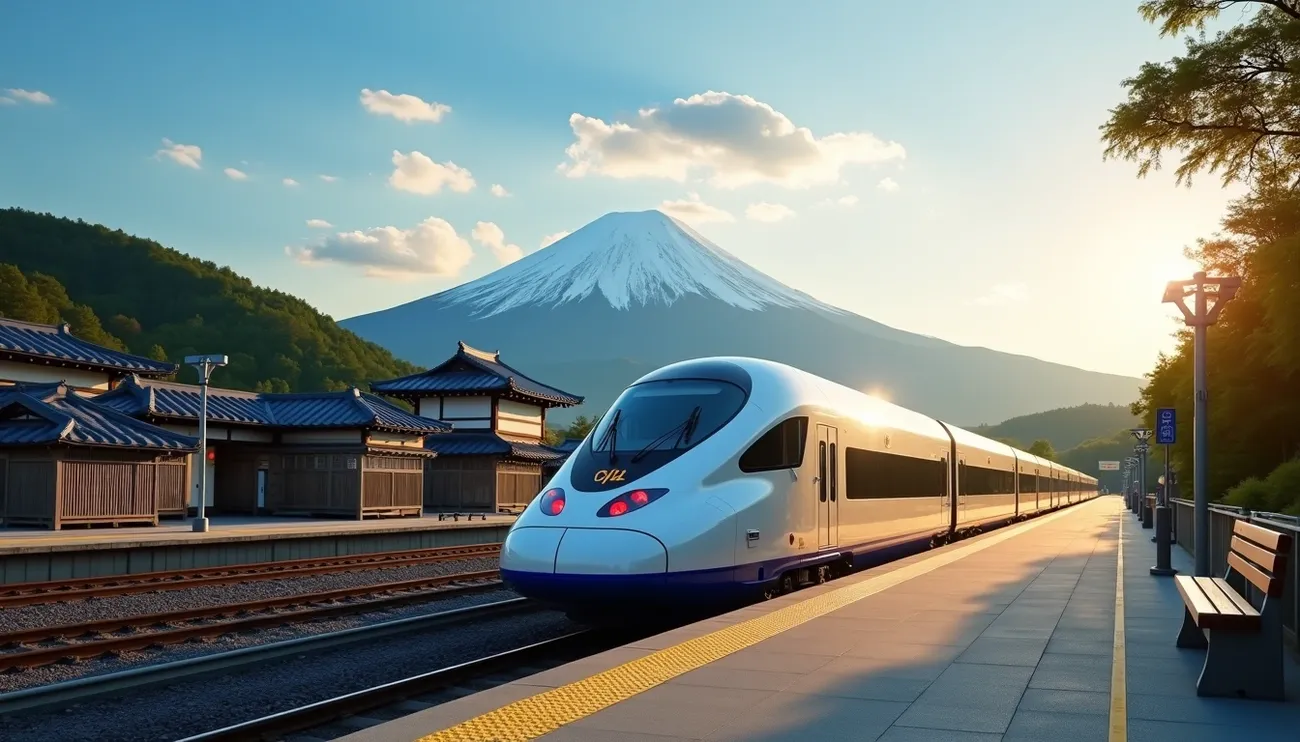
Tokyo day trips tap into some of Japan’s most captivating destinations without requiring travelers to stray far from the capital. You could spend a month in Tokyo and not see it all, but the surrounding regions offer experiences that are just as compelling. Ancient temples, natural hot springs and mountain hiking trails await those who venture out. Day trips from Tokyo by train provide convenient access to varied landscapes and cultural sites. The onsen towns of Hakone and the historic temples of Nikko are among the best day trips from Tokyo that suit different traveler preferences. This piece covers 11 weekend trips from Tokyo with transportation details and top attractions.
Hakone
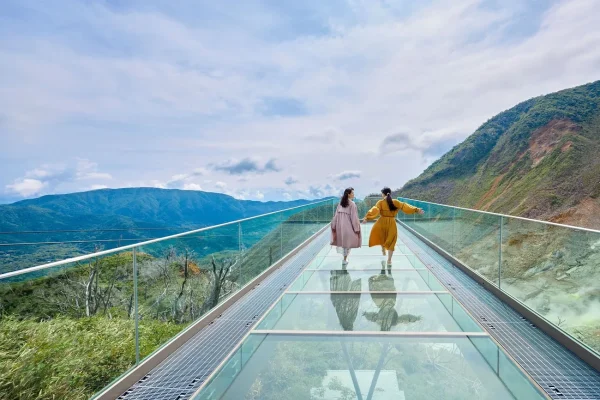
Image Source: www.hakonenavi.jp
Nestled in the Fuji-Hakone-Izu National Park, Hakone stands out as one of the best day trips from Tokyo and has hot springs, mountain scenery, and views of Mount Fuji across Lake Ashi. This mountain retreat sits less than 100 kilometers from the capital and draws visitors year-round with its blend of natural beauty and cultural attractions.
How to Get to Hakone from Tokyo
The Odakyu Romance Car is the most recommended route from Shinjuku Station to Hakone-Yumoto Station. This limited express train requires advance seat reservations but delivers a comfortable trip with large windows that showcase the transition from urban landscapes to mountainous terrain. You can make reservations at the Odakyu Sightseeing Service Center near Shinjuku’s West Exit, through ticket machines, or online via the e-Romancecar platform.
The Tokaido Shinkansen is an alternative path for those near Tokyo Station. The bullet train reaches Odawara Station in about 35 minutes, though only Kodama and Hikari services stop there. The Hakone Tozan Railway connects Odawara to Hakone-Yumoto Station in 16 minutes. Highway busses run from Shinjuku Expressway Bus Terminal to various Hakone destinations and depart every 30-60 minutes.
Travel Time and Transportation Options
The Romance Car completes the trip in about 85 minutes at a fare of 2,470 yen. Regular Odakyu express trains take about two hours with one transfer at Odawara but cost only 1,270 yen. The Shinkansen route totals around 90 minutes with the transfer, and tickets start from 3,280 yen for non-reserved seats. Highway busses require roughly 2 hours and cost around 2,000 yen to Hakone Togendai.
The Hakone Free Pass is valuable for learning the region. This pass has round-trip transportation from Shinjuku and unlimited access to trains, cable cars, ropeways, boats, and busses within Hakone. Available in 2-day or 3-day options, it provides discounts at about 70 attractions throughout the area.
Top Things to Do in Hakone
The Hakone Ropeway ascends from Gora Station to Owakudani and gives you close-up views of volcanic steam vents and the famous black eggs. Lake Ashi has distinctive pirate ship cruises, with routes that pass the iconic Hakone Shrine and Kuzuryu Shrine. The Hakone Open-Air Museum has large-scale sculptures in outdoor settings and features Picasso pieces and a notable stained glass tower. The Hakone Tozan Railway climbs steep gradients between Hakone-Yumoto and Gora and gives you dramatic mountain vistas along its route.
Best Time to Visit Hakone
Autumn is the most popular season, particularly mid to late November when foliage reaches peak colors. Lake Ashi temperatures run about 5 degrees cooler than Tokyo, which makes summer an appealing escape from city heat. Winter brings crisp air that boosts Mount Fuji visibility, with snowfall occurring in upper elevations like Sengokuhara and the Lake Ashi area around February. Spring draws crowds for cherry blossom viewing, especially along the avenues in Gora Park and Hakone-Yumoto.
Kamakura
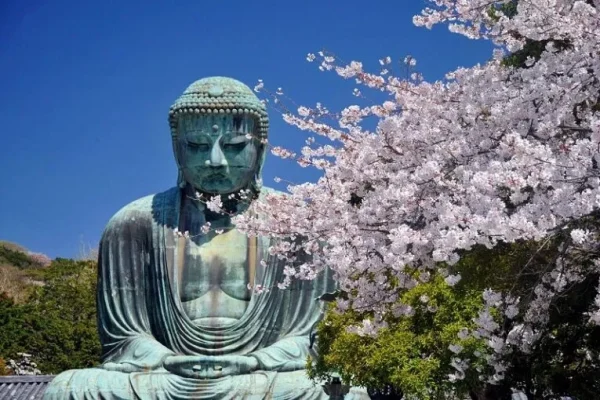
Image Source: visit.trip-kamakura.com
Often called the Kyoto of Eastern Japan, Kamakura served as Japan’s political center during the medieval Kamakura Period and remains one of the best tokyo day trips for history enthusiasts. This coastal city sits approximately 50 kilometers from the capital, available within an hour by train.
How to Get to Kamakura from Tokyo
The JR Yokosuka Line provides the most direct connection from Tokyo Station to Kamakura Station. The route requires no transfers and passes through Shinagawa Station and Yokohama Station along the way. Travelers can board the same line at Shinagawa for a shorter journey. The JR Shonan Shinjuku Line serves those departing from Shinjuku, Shibuya, or Ikebukuro stations. Trains bound for Zushi, Yokosuka, or Kurihama run straight to Kamakura. Kozu or Odawara-bound services require a transfer at Ofuna Station.
The Enoshima Electric Railway is a scenic alternative. This 10-kilometer coastal route connects Fujisawa Station with Kamakura Station and runs along the shoreline with ocean views. The retro train passes through multiple stops that have Hase Station, where the Great Buddha stands just a seven-minute walk away.
Travel Time and Transportation Options
The JR Yokosuka Line from Tokyo Station completes the journey in 57 minutes at a cost of 940 yen. Departures from Shinagawa reduce travel time to 47 minutes for 730 yen. The JR Shonan Shinjuku Line takes 63 minutes from Ikebukuro, 57 minutes from Shinjuku, and 52 minutes from Shibuya, all priced at 940 yen. The Enoden Railway runs from Fujisawa to Kamakura in 34 minutes for 310 yen.
The Japan Rail Pass covers both the Yokosuka and Shonan Shinjuku lines but excludes the privately operated Enoden. The Odakyu Enoshima Kamakura Free Pass has round-trip travel from Shinjuku to Enoshima plus unlimited Enoden access for 1,640 yen.
Top Things to Do in Kamakura
The Great Buddha at Kotoku-in Temple stands as Kamakura’s most recognizable landmark. This bronze statue dates to 1252 and survived a tsunami in 1498 that destroyed its sheltering building. Admission costs 300 yen, with an additional 50 yen to enter the statue’s interior. Hasedera Temple sits on a hillside with ocean views and hundreds of Jizo Bodhisattva statues lining its pathways. Tsurugaoka Hachimangu Shrine serves as the city’s spiritual heart and houses national treasures in its museum. Hokokuji Temple attracts visitors to its bamboo grove, while Enoshima Island has beaches and coastal shrines.
Best Time to Visit Kamakura
Late November through early December brings peak autumn foliage, with temperatures averaging 15°C. Hasedera Temple hosts night illumination events during this period. Spring brings cherry blossoms in April, while June displays hydrangea blooms despite the rainy season. Summer temperatures reach 30°C, with beaches open from July 1 to August 31.
Nikko
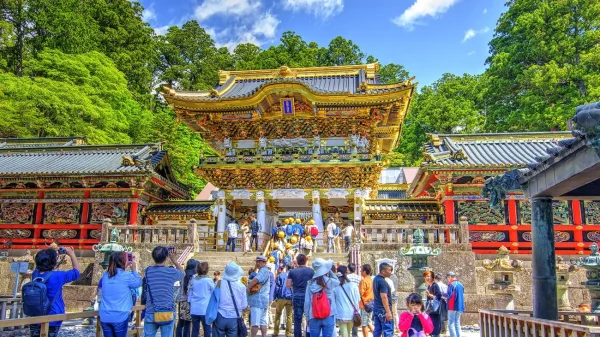
Image Source: Visit Tokyo
Nikko sits 125 kilometers north of the capital in Tochigi Prefecture and covers 250,000 acres of ancient forests, waterfalls, and UNESCO World Heritage shrines. The region ranks among the most valuable day trips from Tokyo. It combines natural splendor with ornate temples set within cedar groves.
How to Get to Nikko from Tokyo
The Tobu Railway operates from Asakusa Station directly to Tobu-Nikko Station. Limited express trains, including the Revaty and Kegon services, complete the trip without transfers in approximately 2 hours. Some connections require a change at Shimo-Imaichi Station. Local trains from the same station take at least 30 minutes longer but cost roughly half the limited express fare.
JR Pass holders can take the JR Tohoku Shinkansen from Tokyo Station to Utsunomiya Station, then transfer to the JR Nikko Line. The shinkansen portion takes about 50 minutes, followed by a 45-minute local train ride. JR East and Tobu Railway jointly operate limited express services from Shinjuku Station that require roughly two hours with reservations.
Travel Time and Transportation Options
Limited express trains from Asakusa cost between 2,850 and 3,540 yen one way, depending on the train set. Express and local trains charge only 1,400 yen but require 1-3 transfers along the route. The JR route via Utsunomiya totals approximately 1 hour 45 minutes. Seat reservations prove worthwhile during autumn foliage season and weekends.
The Nikko World Heritage Area Pass provides round-trip travel from Asakusa plus unlimited bus access in the central shrine area. Toshogu Shrine and surrounding temples sit 30-40 minutes on foot or 10 minutes by bus from both stations. Busses cost 350 yen one way, with day passes at 600 yen.
Top Things to Do in Nikko
Toshogu Shrine serves as the mausoleum of Tokugawa Ieyasu and features the famous carved monkeys depicting “see no evil, speak no evil, hear no evil”. The shrine opens from 9:00 to 17:00 (until 16:00 November through March), with admission at 1,600 yen. Lake Chuzenji and Kegon Falls require additional bus travel into the Okunikko mountain region. Bus stops display numbered markers with English labels that make navigation straightforward.
Best Time to Visit Nikko
Late March through May offers cherry blossoms, with peak viewing from late March to early April in central areas. Autumn draws the largest crowds from late September to mid-November as foliage transforms mountainous landscapes. Mid to late October showcases peak colors at Irohazaka and Lake Chuzenji. January and February present the most budget-friendly period, with frozen waterfalls creating spectacular ice formations.
Mount Fuji and Fuji Five Lakes
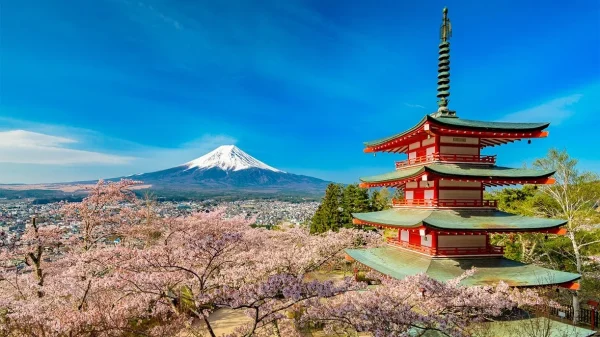
Image Source: Mount Fuji
The Fuji Five Lakes region sits at Mount Fuji’s northern base, about 1,000 meters above sea level and gives you some of Japan’s closest views of the iconic peak. Lake Kawaguchiko provides the most available gateway for visitors among the five lakes. The area’s main hub has developed facilities and transportation infrastructure.
How to Get to Mount Fuji from Tokyo
Express highway busses depart from Shinjuku’s south exit bus terminal to Kawaguchiko Station. This economical route costs 2,000 yen and takes about 1 hour 45 minutes. Direct highway busses from Tokyo Station and Shinjuku Station arrive at Kawaguchiko Station within two hours, depending on traffic.
The Fuji Excursion Limited Express train operates from Shinjuku Station to Kawaguchiko Station. Three daily departures are available. Standard trains take the JR Chuo Line Limited Express Super Azusa towards Matsumoto. You’ll need to transfer to the Fujikyuko Line at Otsuki Station for the final leg to Kawaguchiko. The total trip takes 2 hours 5 minutes.
Travel Time and Transportation Options
The limited express train takes 112 minutes total. Seat reservations are mandatory. Standard train routes via Otsuki take about 2 hours if you catch the limited express service. The Japan Rail Pass covers travel to Otsuki, but you’ll need separate payment for the Otsuki to Kawaguchiko section.
Local sightseeing busses depart from Kawaguchiko Station and loop around the lakes. They stop at major attractions with numbered markers that display English labels. A rental car provides maximum flexibility for exploring multiple lakes, especially the less developed ones like Sai, Shoji and Motosu.
Top Things to Do in Mount Fuji Area
Chureito Pagoda at Arakura Sengen Shrine delivers the iconic red pagoda framed against Mount Fuji’s backdrop. Oishi Park along Lake Kawaguchi’s northern shore showcases seasonal flowers. Lavender blooms in summer and vibrant red kochia bushes appear in autumn. The Fuji Panoramic Ropeway ascends to mountaintop observation decks with panoramic lake and mountain vistas.
Fuji-Q Highland amusement park features record-breaking roller coasters at Mount Fuji’s northern base. Lake Motosu presents the deepest waters of the five lakes. Its view appears on Japan’s 1,000 yen bill. Aokigahara Forest surrounds Lake Sai and contains mysterious lava caves where ice remains frozen even during summer months.
Best Time to Visit Mount Fuji
Mount Fuji appears visible roughly 80 days per year. Winter offers the highest chances when air remains dry and crisp. Conditions prove clearest during colder months. The white peak is visible from November to May. Morning or late afternoon hours offer optimal viewing windows. Summer brings the official climbing season from early July to early September, though humidity obscures views.
Yokohama

Image Source: Yokohama
Japan’s second-largest city is one of the most available weekend trips from Tokyo. The city sits just 40 kilometers south of the capital. This vibrant port city grew from a small fishing village into a major international trading hub. The waterfront atmosphere here contrasts sharply with Tokyo’s urban energy.
How to Get to Yokohama from Tokyo
The two cities connect through multiple train lines that depart throughout the day. The JR Tokaido Line from Tokyo Station reaches Yokohama Station in about 25 minutes. Those staying in western Tokyo can board the JR Shonan-Shinjuku Line from Shinjuku, Shibuya, or Ikebukuro stations and arrive in 30-35 minutes. The Tokyu Toyoko Line operates from Shibuya Station and provides direct access to Minato Mirai and Yokohama Chinatown via Motomachi-Chukagai Station in 30-35 minutes.
The Nozomi Shinkansen covers the distance in just 10 minutes. Most travelers skip this option given the premium pricing for such a short journey. Trains depart as early as 06:00 and run until 21:31, with an average of 54 departures daily.
Travel Time and Transportation Options
Standard JR services from Tokyo Station cost about 480 yen. The Tokyu Toyoko Line charges 280-500 yen depending on the destination station. Shinkansen tickets start at 1,380 yen. The JR Keihin-Tohoku Line takes roughly 40 minutes but stops closer to tourist attractions like Sakuragicho. The Japan Rail Pass covers all JR routes but excludes the Tokyu line, which is operated privately.
Top Things to Do in Yokohama
Minato Mirai district anchors the waterfront with its futuristic skyline. The Yokohama Landmark Tower and the Cosmo Clock 21 Ferris wheel dominate the area. The Cup Noodles Museum has interactive exhibits where visitors create custom instant noodles. Red Brick Warehouse hosts seasonal events like Christmas markets and Oktoberfest celebrations. Outdoor ice skating takes place during winter months. Yokohama Chinatown ranks among the world’s largest and stretches across vibrant streets filled with restaurants and specialty shops.
Best Time to Visit Yokohama
October and November provide ideal conditions as autumn leaves peak in color and humidity drops. Sankeien Garden displays red, orange, and yellow foliage during these months. Spring from March to May brings cherry blossoms, with peak viewing in late March to early April. Winter illumination events run from December through February and include the Christmas Market at Red Brick Warehouse.
Kawagoe
Kawagoe, called “Little Edo,” preserves Edo-period architecture just 30 minutes from central Tokyo in Saitama Prefecture. The traditional warehouse district transports visitors to 17th-century Japan without requiring an overnight stay.
How to Get to Kawagoe from Tokyo
Three major railway companies serve Kawagoe and access different stations. The Tobu Tojo Line express train departs from Ikebukuro Station and reaches Kawagoe Station in 30 minutes. The Seibu Shinjuku Line rapid train connects Shinjuku Station to Hon-Kawagoe Station in 60 minutes. The JR Saikyo Line direct train from Shibuya Station arrives at Kawagoe Station in 70 minutes. Hon-Kawagoe Station sits closest to the warehouse district, about 13 minutes on foot from the Toki no Kane bell tower.
Travel Time and Transportation Options
The Tobu route from Ikebukuro costs 490 yen one way. The Seibu Kawagoe Pass offers round-trip travel plus shop discounts for 710 yen. A premium version at 1,050 yen has unlimited bus rides. The JR route via the Saikyo Line charges 770 yen without a rail pass.
Two sightseeing loop busses circulate among attractions. The Co-Edo Loop Bus offers a one-day pass for 600 yen with discounts at over 100 shops. The Koedo Kawagoe Loop Bus charges 400 yen daily and covers both loop and regular Tobu busses within designated areas.
Top Things to Do in Kawagoe
Kurazukuri Street showcases clay-walled warehouses that maintain authentic Edo architecture. The surviving Honmaru Goten palace at Kawagoe Castle displays tatami rooms and feudal lord exhibitions. The three-story Bell of Time tower reaches 16 meters and chimes four times daily. Kitain Temple houses the only remaining Edo Castle buildings, relocated before the original castle’s destruction. The 1,500-year-old Hikawa Shrine features 30,000 prayer plates and serves as the Kawagoe Festival venue. Penny Candy Alley sells traditional sweets, especially sweet potato specialties.
Best Time to Visit Kawagoe
Mid-October brings favorable autumn weather, peak sweet potato season and the Kawagoe Festival. This 370-year-old celebration, designated as UNESCO Intangible Cultural Heritage, has 8-meter floats that weigh 3-4 tons. Early April offers cherry blossom viewing throughout the city.
Mount Takao
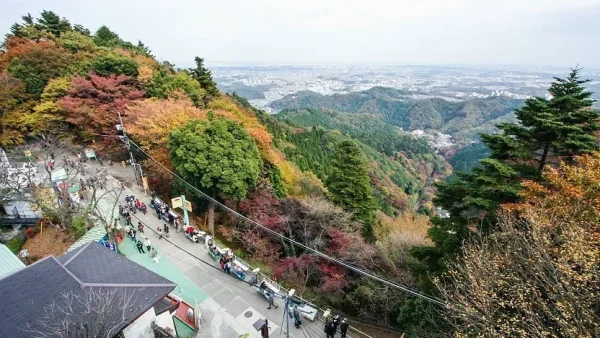
Image Source: Japan Guide
Standing at 599 meters in Hachioji, Mount Takao earned a three-star Michelin Guide rating in 2007. This matched Mount Fuji’s difference and attracted 3 million climbers annually. The mountain is the most climbed worldwide and sits just 50 minutes from Shinjuku.
How to Get to Mount Takao from Tokyo
The Keio Line provides direct service from Shinjuku Station to Takaosanguchi Station in 50 minutes. JR Pass holders can take the JR Chuo Line from Shinjuku to Takao Station in 44 minutes via special rapid or 58 minutes on rapid trains. They then transfer to the Keio Line to connect in 3 minutes to Takaosanguchi. The journey takes 1 hour 8 minutes via the JR Chuo Line if you start from Tokyo Station.
Travel Time and Transportation Options
The Keio Limited Express bound for Takaosanguchi completes the trip in under 1 hour with no transfers. Standard Keio Line service costs 430 yen from Shinjuku, while the JR route via Takao Station costs 700 yen. The Mount Takao Cable Car connects the base to mid-slope in 6 minutes and covers 1,000 meters with a 31-degree gradient. The chairlift takes 12 minutes one way for 872 meters. Both cost 490 yen one way or 950 yen round-trip.
Top Things to Do in Mount Takao
Eight hiking trails serve different skill levels. Trail 1 provides a paved, 100-minute route to the summit and passes Yakuoin Temple, dating back to 744. The Monkey Park houses 40 Japanese macaques with admission at ¥420. Takao 599 Museum offers free entry at the base. Keio Takaosan Onsen charges ¥1000 for daily access from 8 am to 11 pm.
Best Time to Visit Mount Takao
Autumn foliage peaks from mid-November to early December. Colors appear near the foot in mid-November and the summit in late November. The Mount Takao Autumn Leaves Festival runs throughout November with performances at Kiyotake cable car station. You can avoid 30-minute cable car waits during peak season by arriving before 9:30 AM.
Find the right place to stay in Tokyo.
Karuizawa
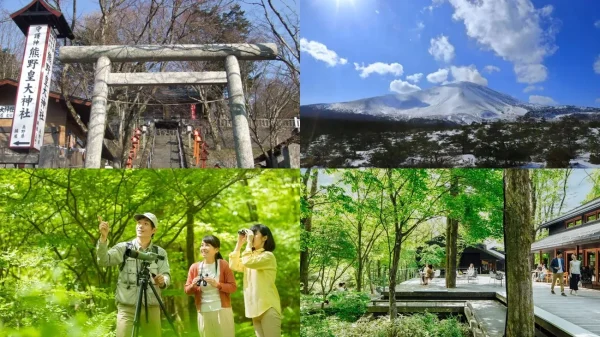
Image Source: Japan National Tourism Organization (JNTO)
This highland resort town at approximately 1,000 meters elevation sits 170 kilometers northwest of the capital. Karuizawa’s temperature runs 10 degrees cooler than Tokyo. This creates relief during summer months and brings distinct seasonal experiences throughout the year.
How to Get to Karuizawa from Tokyo
The JR Hokuriku Shinkansen from Tokyo Station connects directly to Karuizawa Station in about an hour and a half. Car rental is an alternative that takes 2 to 2.5 hours via well-maintained highways. Highway busses run from Shinjuku Expressway Bus Terminal and take 3 hours 22 minutes.
Travel Time and Transportation Options
Train tickets range from USD 33.75 to USD 96.40 and average USD 65.09. The fastest service completes the trip in 54 minutes. Standard trains take up to 1 hour 18 minutes. Scheduling flexibility remains high with 59 daily departures and zero transfers required. Bus fares cost USD 18.00-24.
Top Things to Do in Karuizawa
Kumoba Pond has reflective water scenes in every season. Shiraito Falls spans 150 meters wide and stands 20 meters high. Kyu-Karuizawa Ginza Street features cafes and specialty shops. Karuizawa Prince Shopping Plaza occupies 26 hectares with over 200 stores. The Prince Hotel Ski Resort has winter slopes, while Shaw Memorial Chapel displays 1800s wooden architecture.
Best Time to Visit Karuizawa
The highland location keeps temperatures comfortable year-round. Each season has unique appeal. Summer gives escape from urban heat, autumn showcases vibrant foliage, and winter allows skiing.
Kusatsu Onsen
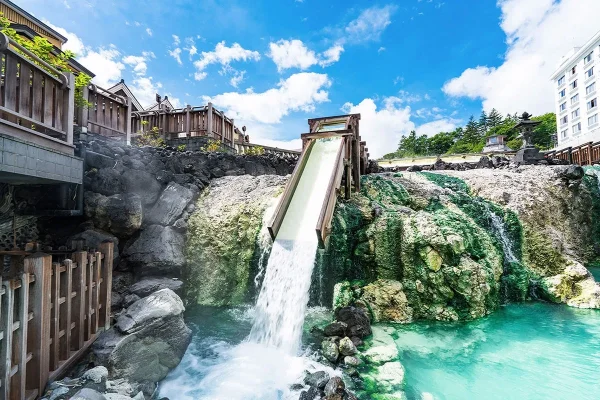
Image Source: Visit Gunma
Kusatsu Onsen ranks among Japan’s most celebrated hot spring destinations. It sits high in the mountains of northwestern Gunma Prefecture and offers year-round bathing culture among seasonal activities. The resort’s mineral-rich waters and accessibility make it a great choice for weekend trips from Tokyo.
How to Get to Kusatsu from Tokyo
The Limited Express Kusatsu-Shima from Ueno Station reaches Naganohara-Kusatsuguchi Station in around 2 hours and 20 minutes. JR Kanto busses complete the final 25 minutes to Kusatsu Onsen Bus Terminal from there. Direct highway busses operate from Shinjuku Expressway Bus Terminal as another option. The trip takes 4 hours. The Hokuriku Shinkansen from Tokyo Station to Karuizawa Station offers another route. A bus connection takes 1 hour 18 minutes after that.
Travel Time and Transportation Options
Total trip time ranges from about 3 hours via Ueno to over 4 hours by highway bus. The Ueno route costs 6,350 yen when you combine train and bus fares. Highway busses from Shinjuku charge 4,000 yen. The JR East Pass covers both train and bus segments.
Top Things to Do in Kusatsu
Yubatake produces 5,000 liters per minute and ranks among Japan’s most productive hot spring sources. Sainokawara Park features steam vents and seasonal landscapes. Winter brings skiing at Kusatsu Onsen Ski Resort, while summer offers highland hiking.
Best Time to Visit Kusatsu
Each season delivers distinct experiences. Summer temperatures reach a maximum of 25 degrees Celsius and provide relief from Tokyo heat. Autumn showcases vibrant foliage throughout the resort. Winter enables snow-viewing baths with illuminated Yubatake displays.
Enoshima Island
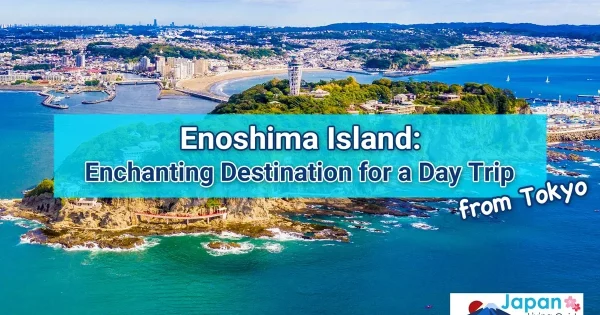
Image Source: Japan Living Guide
Connected to the mainland by a pedestrian bridge, Enoshima Island rises from Sagami Bay as one of the closest coastal escapes among best day trips from tokyo. The compact island sits just west of Kamakura and has shrine complexes, ocean viewpoints and caves you can explore in 2-3 hours.
How to Get to Enoshima from Tokyo
The Odakyu Enoshima Line from Shinjuku Station reaches Katase-Enoshima Station and requires a transfer at Fujisawa on weekdays. Romance Car limited express trains run directly on weekends and holidays and complete the trip in 60 minutes at 1,400 yen. The JR Tokaido Line connects to Fujisawa in 50 minutes from Tokyo Station, with transfers to either Enoden or Odakyu lines for the final segment. Three separate stations serve the island: Enoshima Station, Katase-Enoshima Station and Shonan-Enoshima Station.
Travel Time and Transportation Options
Total trip time from Shinjuku spans 1 hour 14 minutes, with standard fares around 630 yen one way. The Enoshima-Kamakura Freepass costs 1,640 yen and has round-trip travel plus unlimited Enoden access. The island sits a 12-minute walk from Katase-Enoshima Station.
Top Things to Do in Enoshima
Enoshima Sea Candle charges 800 yen to access the observatory, while Iwaya Caves cost 500 yen. An Enoshima set ticket combines both attractions with garden entry for 1,100 yen.
Best Time to Visit Enoshima
Summer provides optimal conditions for beach activities and water sports. Fall brings candlelight illumination events at Samuel Cocking Garden.
Okutama
Western Tokyo’s mountainous wilderness, Okutama offers lush forests, limestone caves, and riverside activities within 90 minutes from central Tokyo. This natural retreat serves outdoor enthusiasts seeking hiking and kayaking close to the capital.
How to Get to Okutama from Tokyo
The JR Chuo Line heads to Nakano from Shinjuku Station with a transfer at Tachikawa Station to the Ome Line, terminating at Okutama Station. The Chuo Line Holiday Rapid Okutama operates on weekends and provides direct service from Shinjuku to Okutama Station. Travelers departing from Tokyo Station take the JR Chuo-Ome Line Rapid to Ome, then transfer to the Ome Line for Oku-Tama.
Travel Time and Transportation Options
The trip from Tokyo Station requires about 2 hours 23 minutes via Ome. Shinjuku connections complete the trip in under 2 hours. Driving covers 43.5 miles in 1 hour 34 minutes. Local busses from Okutama Station reach major attractions, though car rental provides greater flexibility.
Top Things to Do in Okutama
The Okutama Mukashi Michi trail spans 10 kilometers to Lake Okutama. Nippara Limestone Cave maintains cooler temperatures year-round. The Tama River, Tokyo’s longest waterway, accommodates stand-up paddleboarding and rafting. Shiromaru Dam features Japan’s longest fish ladder, while Yamashiro Wasabi shop sells authentic wasabi products.
Best Time to Visit Okutama
Late spring through early fall (April to September) suits outdoor pursuits, though mid-June to mid-July brings rain. Autumn foliage peaks in early to mid-November and transforms forests into vibrant displays.
Comparison Table
| Destination | Distance from Tokyo | Travel Time | Transportation | Cost (One-way) | Top Attraction | Best Season |
| Hakone | Under 100 km | 85 minutes | Odakyu Romance Car from Shinjuku | ¥2,470 | Lake Ashi pirate ship cruises & Hakone Ropeway | Autumn (mid to late November) |
| Kamakura | ~50 km | 57 minutes | JR Yokosuka Line from Tokyo Station | ¥940 | Great Buddha at Kotoku-in Temple | Late November – early December |
| Nikko | 125 km | 2 hours | Tobu Railway Limited Express from Asakusa | ¥2,850-3,540 | Toshogu Shrine (UNESCO World Heritage) | Late September – mid-November |
| Mount Fuji & Fuji Five Lakes | ~100 km | 1 hour 45 minutes | Highway bus from Shinjuku to Kawaguchiko | ¥2,000 | Chureito Pagoda & Lake Kawaguchiko | Winter (November-May for visibility) |
| Yokohama | 40 km | 25 minutes | JR Tokaido Line from Tokyo Station | ¥480 | Minato Mirai district & Yokohama Chinatown | October – November |
| Kawagoe | 30 minutes from central Tokyo | 30 minutes | Tobu Tojo Line express from Ikebukuro | ¥490 | Kurazukuri Street (Edo warehouses) | Mid-October (festival season) |
| Mount Takao | 50 minutes from Shinjuku | 50 minutes | Keio Line from Shinjuku | ¥430 | Yakuoin Temple & 8 hiking trails | Mid-November – early December |
| Karuizawa | 170 km | 54-78 minutes | JR Hokuriku Shinkansen from Tokyo Station | $33.75-96.40 (¥5,000-14,000 approx.) | Kumoba Pond & Karuizawa Prince Shopping Plaza | Year-round (10°C cooler than Tokyo) |
| Kusatsu Onsen | Northwestern Gunma Prefecture | 3-4 hours | Limited Express from Ueno + bus | ¥6,350 (combined) | Yubatake hot spring source | Year-round (each season unique) |
| Enoshima Island | Just west of Kamakura | 1 hour 14 minutes | Odakyu Enoshima Line from Shinjuku | ¥630 | Enoshima Sea Candle & Iwaya Caves | Summer (beach activities) |
| Okutama | Western Tokyo | Under 2 hours | JR Chuo Line from Shinjuku (transfer at Tachikawa) | – | Tama River activities & Nippara Limestone Cave | April – September (outdoor activities) |
Enjoy Tokyo Day Trips
The areas surrounding Japan’s capital are straightforward to visit with rail networks that run frequently. Each destination delivers distinct experiences, from soaking in Kusatsu’s mineral-rich waters to wandering through Kamakura’s ancient temples or hiking Mount Takao’s forested trails. The comparison table above simplifies planning. It outlines distances, costs and optimal visiting seasons at a glance. You can take a quick afternoon escape to Yokohama or dedicate a full day to Nikko’s UNESCO shrines. These 11 destinations demonstrate that memorable experiences await just beyond Tokyo’s boundaries. Japan Rail Pass holders gain additional value on multiple routes. Weekend exploration becomes both available and affordable.
FAQs
Q1. What are some popular day trip destinations from Tokyo? Some of the most popular day trips include Mount Fuji and the Fuji Five Lakes region, Kamakura with its Great Buddha and historic temples, Nikko’s UNESCO World Heritage shrines, Hakone for hot springs and mountain scenery, and Yokohama’s waterfront attractions. Each destination offers unique experiences ranging from natural landscapes to cultural sites, all accessible within 1-2 hours from central Tokyo.
Q2. How much should I budget for day trips from Tokyo? Day trip costs vary by destination but generally remain affordable. Transportation typically ranges from ¥430 for nearby Mount Takao to ¥6,350 for distant Kusatsu Onsen. Most destinations cost between ¥500-3,000 one way. Budget an additional ¥1,000-3,000 for entrance fees, meals, and local transportation. Multi-day rail passes like the Hakone Free Pass or Enoshima-Kamakura Freepass offer better value if visiting multiple attractions.
Q3. What are the must-see attractions in Tokyo for 2026? Top Tokyo attractions include Shinjuku Gyoen National Garden, the historic Senso-ji Temple in Asakusa, Meiji Jingu Shrine, the immersive teamLab Planets TOKYO, Ueno Park, Tokyo Tower, and the famous Shibuya Crossing. These sites showcase Tokyo’s blend of traditional culture, modern innovation, and urban energy.
Q4. How many days should I spend in Tokyo? A minimum of 5 days allows you to experience Tokyo’s main highlights without rushing. This timeframe provides enough opportunity to explore major neighborhoods, visit key attractions, experience the food scene, and potentially take one or two day trips to nearby destinations. Longer stays enable deeper exploration of specific districts and more leisurely sightseeing.
Q5. Which day trip from Tokyo offers the best value for money? Mount Takao provides exceptional value, located just 50 minutes from Shinjuku with one-way train fares of only ¥430. The mountain offers free hiking trails, a Michelin three-star rating, and optional cable car access for ¥950 round-trip. Kawagoe is another budget-friendly option at ¥490 from Ikebukuro, featuring preserved Edo-period architecture and traditional streets without expensive entrance fees.



Leave A Comment