

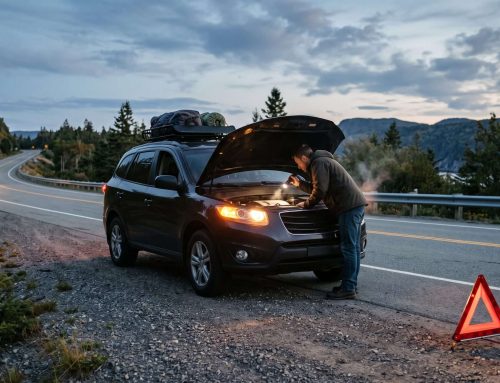
A well-maintained vehicle is essential for ensuring safety, comfort and peace of mind while driving. Regular upkeep not only extends the life of your car but also helps prevent unexpected breakdowns, saving you time and money in the long run. Whether you’re gearing up for a long road trip or just ensuring your car is ready for daily use, there are several key areas to address when preparing your car for the road.
Check and Maintain Fluid Levels
Fluids are the lifeblood of your vehicle, and ensuring they are at the proper levels is crucial to avoid mechanical issues. For instance, Automotive Solutions can offer guidance on keeping your fluids in check, including engine oil, coolant, transmission fluid and brake fluid. Engine oil lubricates the moving parts, reducing friction and preventing overheating. Low oil levels can cause significant damage to your engine over time.
Coolant, or antifreeze, helps regulate your engine’s temperature, preventing it from overheating or freezing in extreme weather conditions. Transmission fluid ensures smooth shifting between gears, while brake fluid is essential for safe braking. Regularly checking and topping off these fluids, or getting them replaced if necessary, can prevent potential engine problems and improve the overall performance of your car.
Inspect Tires for Wear and Tear
Your car’s tires are one of the most important safety features, and ensuring they are in good condition is vital for road readiness. Properly inflated and well-maintained tires not only improve fuel efficiency but also ensure better handling and braking. Worn-out tires can reduce your vehicle’s grip on the road, increasing the risk of accidents, especially in adverse weather conditions.
Start by inspecting the tread depth on your tires. The legal minimum tread depth in most countries is 1.6 mm, but it’s often recommended to replace tires when they reach around 3 mm for optimal safety. Uneven tread wear may indicate alignment or suspension issues that need attention. Additionally, check tire pressure regularly, as under-inflated or over-inflated tires can compromise your vehicle’s handling and lead to blowouts.
To keep your spare tire in top condition, consider using spare tire covers for weather protection. These covers help shield the tire from harmful UV rays, rain, and dirt, preventing premature wear and ensuring your spare is ready when you need it.
Test Your Car Battery
A functioning battery is essential for starting your car and powering its electrical systems. Over time, batteries lose their charge and may fail unexpectedly, especially in extreme weather conditions. Testing your car battery at least twice a year, particularly before long trips, can help ensure it’s operating correctly.
Look for signs such as dimming headlights or difficulty starting the engine, which could indicate a weak battery. Most auto parts stores or service centers offer free battery testing services. If your battery is more than three to five years old, it may be time to replace it, as its efficiency decreases with age.
Examine the Braking System
Your vehicle’s braking system is crucial for safety on the road, and keeping it in top condition is a must. Regularly inspecting your brakes for wear and tear will ensure that they function properly when you need them most. Signs of brake wear include squeaking, grinding noises, or a spongy brake pedal, which can signal worn-out brake pads or issues with the brake fluid.
Brake pads should be replaced if they are less than 3 mm thick. Additionally, check for any signs of leaks in the brake fluid system, as this can cause a loss of hydraulic pressure and reduce braking effectiveness. A well-maintained braking system not only keeps you safe but also helps avoid costly repairs down the line.
Replace Worn Windshield Wipers and Check Fluid
If your wipers leave streaks or make unusual noises, it’s time to replace them. Wiper blades should generally be replaced every six months to a year, depending on your climate and how often you use them. Additionally, don’t forget to top off your windshield washer fluid to ensure you can clean your windshield on the go. This simple task can help prevent smears and enhance your visibility while driving.
It’s also a good idea to protect your car from the elements, as extreme cold or high levels of dust can cause your wipers to degrade faster. A custom Mazda MX5 car cover is a good choice for people who want to keep their car safe. These items are made to fit the car exactly so they do not move around in the wind. This is a simple way to stop dust and dirt from settling on the surface. It is helpful for owners who store their vehicles for long periods.
Ensure All Lights Are Functioning Properly
Your car’s lights—headlights, taillights, turn signals, and brake lights—are vital for both your visibility and for alerting other drivers to your actions. Burned-out or malfunctioning lights not only compromise safety but also put you at risk of getting a ticket.
Walk around your vehicle and test each light to make sure it’s working correctly. Replace any burned-out bulbs immediately, and if you notice dimming lights, it may indicate an issue with your car’s electrical system or battery. Regular light checks are a simple but important step in ensuring your car is road-ready, particularly at night or in poor weather conditions.
Schedule Routine Professional Inspections
While there’s plenty you can do yourself to maintain your car, professional inspections provide a thorough review of your vehicle’s overall condition. Mechanics can detect potential issues that might not be immediately visible, such as problems with the suspension, exhaust system or engine components.
Regular inspections, which might include diagnostic tests, can save you from larger, more expensive repairs down the line. It’s especially important to get an inspection before embarking on a long trip, as this will provide peace of mind that your car is ready for the journey ahead.
Additionally, protecting your vehicle when it’s not in use can help maintain its condition. Investing in a breathable car cover for moisture control prevents condensation buildup, reducing the risk of mold, rust, and interior damage while keeping your car clean and well-preserved.
Check Suspension and Steering Systems
Your car’s suspension and steering systems are essential for smooth handling and control while driving. Worn-out suspension components can affect your vehicle’s ride quality and may lead to uneven tire wear. Similarly, problems with your steering system can make your car difficult to maneuver, which can be dangerous.
Signs of suspension or steering issues include a rough ride, excessive bouncing or difficulty steering. Regularly inspecting these systems and addressing any issues early can improve your vehicle’s performance and prevent further damage.
Stay on Top of Regular Oil Changes
Oil changes are one of the simplest yet most important maintenance tasks for your car. Engine oil lubricates, cleans, and cools the moving parts of your engine, preventing friction and overheating. Over time, however, oil can break down and become contaminated with dirt and debris, reducing its effectiveness.
Most experts recommend changing your oil every 5,000 to 7,500 miles, depending on your vehicle and the type of oil you use. Failing to change your oil regularly can lead to decreased fuel efficiency, engine damage and costly repairs. Keeping up with oil changes ensures your engine runs smoothly and prolongs the life of your vehicle.
Inspect Belts and Hoses
Belts and hoses are crucial to the operation of your vehicle’s engine and other systems, but they can wear out over time. The serpentine belt, for example, drives multiple systems in your car, such as the alternator and power steering pump, while hoses carry coolant and other fluids. If these components fail, it can lead to engine overheating or breakdowns.
Regularly inspecting belts for signs of cracking, fraying, or glazing is essential, and hoses should be checked for leaks, bulges or signs of deterioration. Replacing worn-out belts and hoses at the first sign of wear can prevent bigger issues and keep your car running smoothly.

Maintaining your car regularly is key to ensuring it’s always ready for the road. From checking fluid levels to inspecting tires and brakes, small preventive steps can save you from costly repairs and breakdowns. Being proactive about car maintenance not only improves the performance and longevity of your vehicle but also ensures your safety and peace of mind while driving.











Leave A Comment