
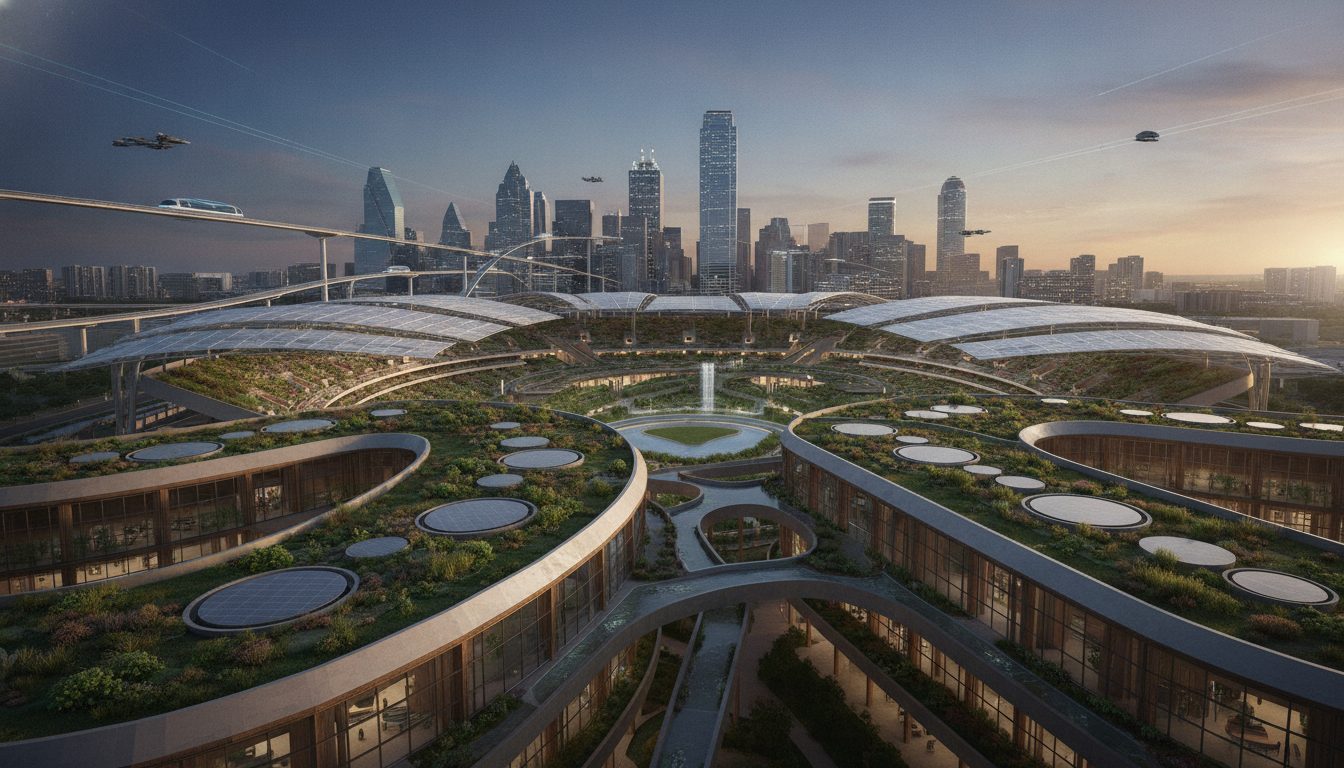
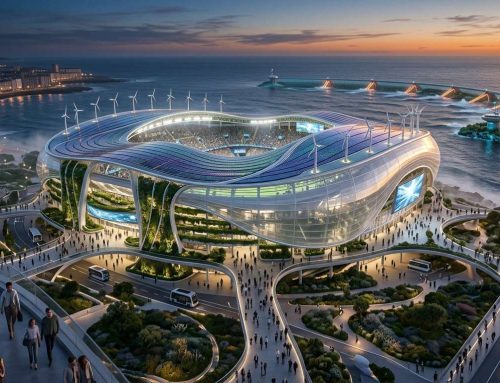
I’ve looked into many sustainable sports venue transformation projects in America. But nothing was as exciting as what I found in Texas. Standing in front of this huge 80,000-seat arena, I couldn’t help but think about its future by 2050. This isn’t just a green makeover—it’s a total change in how big buildings can fight climate change.
The current stadium is already the 5th greenest in the U.S. It has bio-composting systems and special airflow with retractable roof panels. But aiming for zero carbon emissions is even bigger.
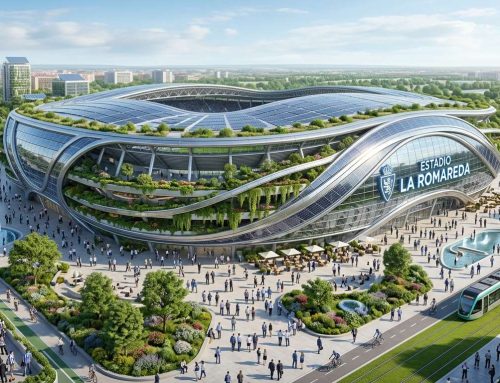
This net-zero stadium design is special because it keeps the iconic look while changing everything else. The big glass doors and tall arches stay. But everything else turns into a living example of the circular economy.
I’ll show you the tech behind this and why it’s important. It’s not just about sports. It’s about showing that our buildings can change, not just be torn down.
Key Takeaways
- The venue will achieve absolute carbon neutrality by meeting the city’s Comprehensive Environmental and Climate Action Plan mandates
- Current facility already operates advanced bio-composting systems and natural airflow optimization through retractable architectural features
- The transformation preserves iconic design elements while completely reimagining energy generation and waste management systems
- This 3-million-square-foot structure will demonstrate how existing infrastructure can evolve rather than requiring demolition and rebuilding
- The project establishes a replicable blueprint for large-scale public venue sustainability worldwide
- Integration of automated kinetic systems with closed-loop waste networks creates a self-sustaining operational model
A Living Monument: Why Dallas Stadium’s Transformation Matters Beyond Sports
The Dallas Stadium future 2050 initiative is more than just a renovation. It’s about changing what our cultural landmarks can be. We can keep them while also protecting the environment.
Most venues face a tough choice: tear down and rebuild green, or keep the old and harm the planet. Dallas shows there’s a third way. It keeps the past alive while looking to the future.
The stadium hosts many events, from football to concerts. It’s a big part of North Texas’s culture. That’s why making it sustainable is so important.
The 2050 Net-Zero Mandate as Cultural Turning Point
The Dallas comprehensive environmental climate action plan sets big goals. It might seem hard for a 2008 building. But the stadium already shows it cares about the environment.
In 2018, the stadium worked with ENFRA to save energy. It cut utility costs by 25 percent. Now, it saves over $900,000 a year.
The 2050 plan is a big change. It shows we can make our favorite places better for the future. We’re not just talking about small changes. We’re talking about a big shift in how we use public spaces.
This change sends a message to other cities. If Dallas can go net-zero, so can others. The cultural infrastructure evolution here is a guide for the nation.
Seattle’s Climate Pledge Arena shows what can happen when everyone works together. Dallas is following that lead. Partnerships here are unlocking new possibilities.
Proving That Iconic Architecture and Radical Sustainability Can Coexist
My research showed something important. The stadium’s design doesn’t have to go away for it to be green. The arches and glass are part of its charm.
Many green buildings are boring. They work well but lack personality. The Dallas Stadium future 2050 shows we can have both beauty and efficiency.
The transformation shows that the stadium’s design can help it save energy. The glass will help control the climate. The building’s bones will work with new systems to use energy better.
This idea is inspiring. It shows that we can protect the environment without losing what makes places special. Sustainability can actually make buildings better.
The finished stadium will look familiar but work in new ways. It will use more energy than it makes, turn waste into resources, and adjust to the weather. Visitors will see the old stadium but experience something new.
This idea can change how we keep our cultural spaces. Museums, concert halls, and historic buildings can all follow this example. It could change how we think about sustainable venue transformation for years to come.
Every success story inspires others. Every example of green design and performance makes the next project easier. This stadium is more than a success. It’s a start for big changes in how we care for our cultural spaces.
The Dallas Stadium Future 2050: Where Heritage Meets Climate-Responsive Intelligence
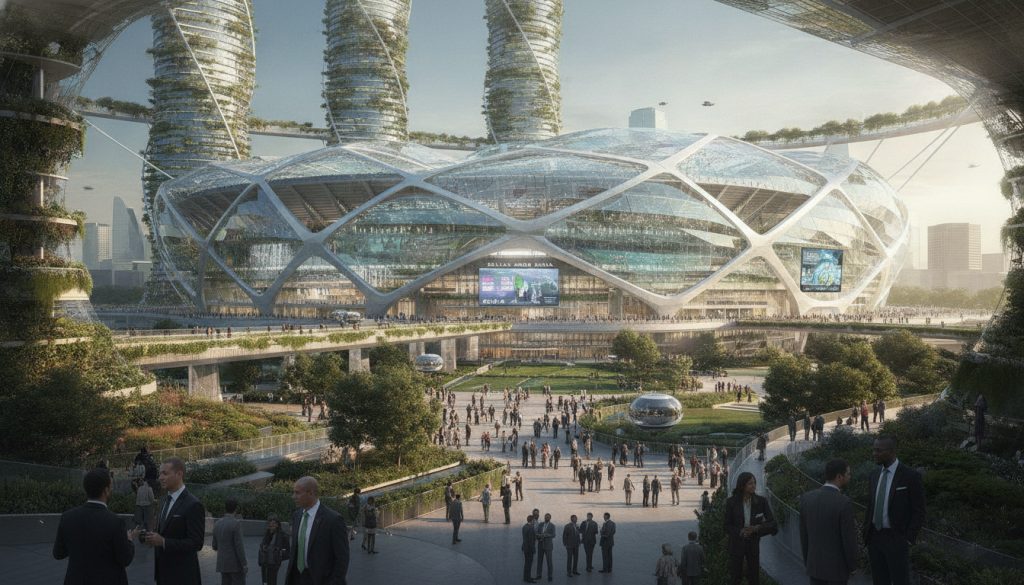
Exploring the climate-responsive architecture for the Dallas Stadium changed my view on sustainable buildings. The Dallas Stadium future 2050 vision keeps the stadium’s charm. It turns iconic parts into systems that help the environment.
This approach respects the building’s history while making it better for Texas’s climate. The famous arches and big doors will help control air flow. It’s about using the building’s design to work smarter.
Kinetic Airflow Architectural Engineering: Breathing Life Into Historic Arches
The kinetic airflow architectural engineering concept amazed me. The arches will house hundreds of sensors. These sensors check temperature, humidity, air quality, and crowd levels.
This system uses natural physics. Hot air rises, and the design opens and closes panels to guide airflow. It’s a smart way to use the building’s shape.
Extreme heat in Texas stresses HVAC systems. The 2050 vision eliminates commercial HVAC dependencies for most of the year. It treats the building like a living thing.
On cool mornings, it opens to let in fresh air. When it gets hot, it seals off areas and directs hot air out. It creates cooler and warmer spots without using a lot of energy.
I’ve seen natural ventilation in historic buildings worldwide. But this scale and automation are new. It makes microclimates for different activities without wasting energy.
Monumental End-Zone Glass Doors as Precision Climate Moderators
The end-zone glass doors bring light and connect the stadium to the outside. But the Dallas Stadium future 2050 makes them even more special. They adjust to the climate with smart technology.
These doors have advanced actuators and smart glass. They change how much heat and light come in. This makes a big difference for big crowds.
The doors work with the airflow system. In the morning, they open for cross-ventilation. During heat, they adjust to direct airflow. It’s a smart way to manage the climate.
This approach cuts down on HVAC energy use. Instead of fighting heat, the building works with it. It uses data to stay cool without wasting energy.
This new way of thinking about venues is exciting. It uses technology to enhance the building, not replace it. It makes the stadium more sustainable and enjoyable for everyone.
Stadium Industrial Bio-Composting Networks: Reimagining Waste as Regional Resource
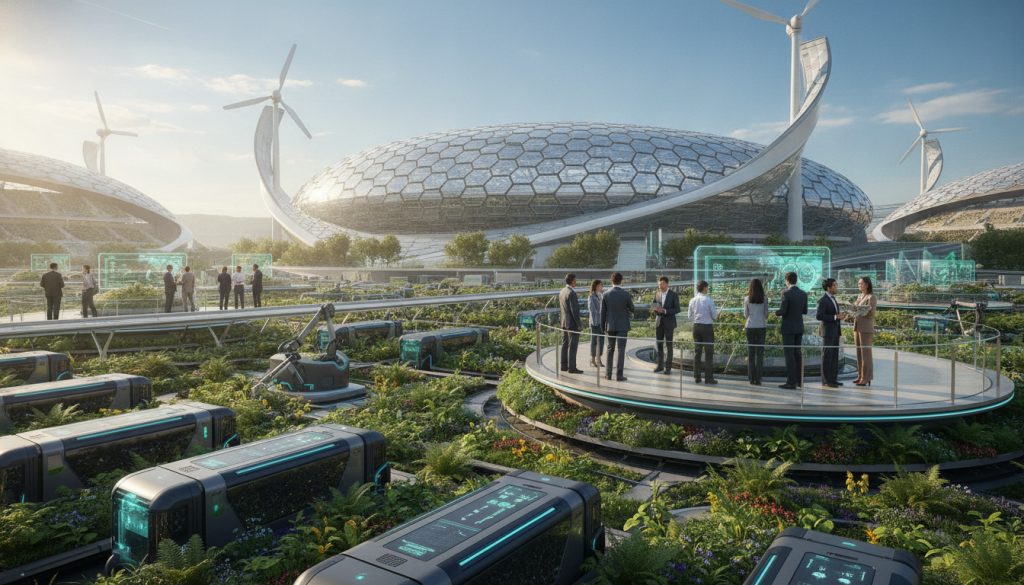
I’ve always judged a facility’s commitment to sustainability by how it handles waste. The stadium industrial bio composting networks concept changed everything I thought possible at venue scale. Most places talk about recycling and waste reduction, but this system is different. It rethinks what “waste” means.
The current stadium already has bio-composting infrastructure ahead of most places in North America. It has recycling bins and handles construction materials well. But the Dallas Stadium future 2050 vision takes it to a new level. It turns the venue into a regional resource hub.
Imagine a game day with 80,000 fans. They buy food from vendors on eight levels. Every hot dog and food scrap creates organic material. In old venues, this goes to distant landfills, adding emissions.
The 100% Organic Waste Conversion Achievement on Event Days
The scale of the organic waste conversion operation impressed me. Industrial-capacity bio-digesters and composting accelerators handle peak loads. They work without missing a beat.
I’ve seen small-scale composting systems before. But this system manages waste from crowds that fill a small city. It’s on a whole different level.
The upgraded sorting stations have clearer signs and better integration. Fans separate organic material at the source. This creates awareness and makes people part of the circular system.
The 100% conversion achievement means no organic material leaves as waste. Everything is processed within 48-72 hours. The nutrient-rich compost supports agriculture in North Texas.
Why On-Site Processing Changes the Economics of Large Venue Sustainability
Traditional waste management is a cost center. You pay for hauling and landfill fees. But the Dallas Stadium future 2050 model changes this. It turns waste into revenue.
Local farms buy the compost product. The venue that once paid for waste removal now makes money. This economic transformation is new at stadium scale.
- Revenue generation: Material sales create new income streams from former waste
- Cost elimination: No more hauling contracts or landfill tipping fees
- Regional partnerships: Agricultural connections strengthen community relationships
- Job creation: On-site processing requires skilled operators and technicians
- Carbon reduction: Eliminating waste truck trips cuts transportation emissions dramatically
The economics extend beyond direct costs and revenue. Circular economy venues attract events because of their sustainability. This becomes a competitive advantage.
This changes optimization strategies. Instead of minimizing waste management costs, operators maximize resource recovery. Better separation rates mean higher-quality compost and better prices.
The system transforms a 3,000,000-square-foot venue into a regional agricultural resource hub. Local gardens, community farms, and commercial agriculture benefit from consistent compost supply. The stadium supports food production across North Texas.
The regional impact extends beyond the compost itself. The model shows that large-scale venues can be resource recovery centers. Other stadiums and entertainment districts have a blueprint to follow.
The stadium industrial bio composting networks concept excites me. It’s practical, economically viable, and replicable. Sustainability and profitability align when you reimagine problems as opportunities.
The Stadium Virtual Power Plant Solar Model: Reimagining Venues as Grid Assets
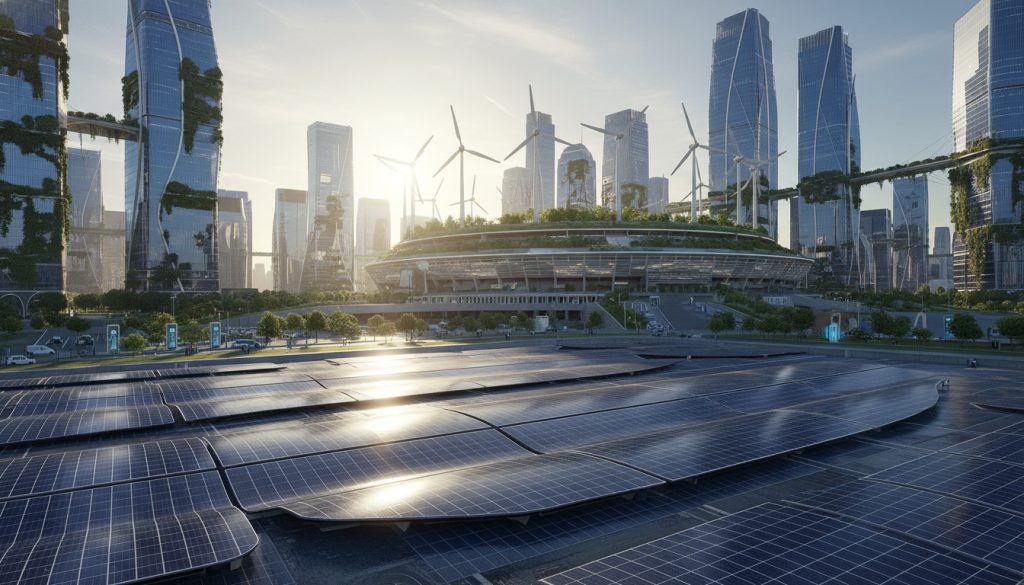
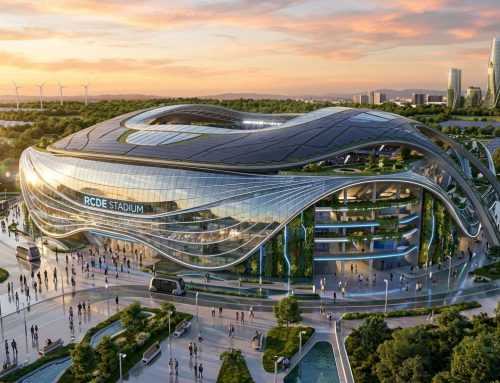
Solar panels on stadiums are common, but Dallas’s 2050 plan is groundbreaking. Instead of just using energy, the stadium will help stabilize the grid. The stadium virtual power plant solar idea turns the roof into a key energy source.
The roof’s massive size is a game-changer. It’s already great for natural light and soon will host advanced solar panels. Texas gets plenty of sun, making this a big win.
This project is unique because it’s a “virtual power plant.” It doesn’t just make power; it helps manage energy across the region. When Dallas gets hot, the stadium sends power back to the community.
High-Efficiency Photovoltaic Films Across the Sweeping Roof Structure
The roof’s shape is perfect for solar panels. Engineers chose new, thin-film technologies that are more efficient and lighter. These panels capture more energy than older ones.
The stadium’s energy system already saves a lot of money. A 2018 partnership with ENFRA cut utility costs by 25%. They made many upgrades, like better lighting and HVAC systems.
By 2050, the system will use smart algorithms to predict energy needs. It will integrate with the smart grid. This means the stadium will balance its own needs with the community’s.
During events, the system works hard to meet the stadium’s needs and support the grid. This is a big change in how we see large buildings and energy.
The 2050 plan includes battery systems for storing extra energy. This makes the stadium energy-independent and helps the region. This approach is unique in the American Southwest.
Aligning With the Dallas Comprehensive Environmental Climate Action Plan
This project is more than just a plan; it’s real infrastructure. It helps Dallas meet its net-zero goals. Every kilowatt-hour helps the city and shows it’s economically viable.
This idea can be used in many places. The Dallas comprehensive environmental climate action plan sets high targets. Large buildings can become grid assets, not just energy users.
Sustainability and profit can go hand in hand. The stadium virtual power plant solar model offers several ways to make money:
- Direct energy savings from lower utility bills
- Grid services revenue from selling extra power
- Carbon credit generation from reducing emissions
- Energy resilience value from avoiding price spikes and grid issues
In extreme heat, the stadium helps keep the community cool. It sends clean energy back to the grid when it’s most needed.
Sustainability needs to make economic sense to work on a large scale. The virtual power plant model does just that. It benefits everyone involved and helps the environment.
Working together, large venues and energy planning can change the game. This approach is key for cities aiming to reduce their carbon footprint. It’s a smart way to use existing buildings without building new ones.
The main challenge is not the technology but our imagination. We can make a big difference by seeing large buildings as more than just structures.
Conclusion: The Stadium as Blueprint for Civilization-Scale Infrastructure Transformation
I often think about what makes the Dallas stadium future 2050 project stand out. It’s not just a new building claiming to be green. It’s a place that has grown and changed over time.
This stadium shows us that we don’t have to tear down old buildings to make them new again. Thousands of structures can be updated to be more sustainable. It shows how to turn buildings into solutions for our climate.
Climate Pledge Arena in Seattle was a pioneer in this area. It was made possible by a partnership between Jeff Bezos, Amazon, Populous, and ME Engineers. This partnership shows that public and private sectors can work together to create sustainable buildings.
What I find most exciting is the idea of applying this model to our existing buildings. In 2050, 80,000 fans will gather in a stadium that honors its past while meeting today’s environmental standards. The iconic arches will still be there, but the stadium will work in harmony with our planet.
This is the future I believe in—a future where we transform what we have while keeping what we love.

Leave A Comment