

I’ve explored many heritage cities in Asia, but Malacca in Malaysia is unique. It’s not just another climate plan that’s forgotten. This is real change happening.
Malacca is combining old traditions with new climate tech in a big way. When I first saw the Portuguese forts, I couldn’t imagine they’d be key to a big question. Can we save our history as the planet warms up?
Malaysia aims to be net-zero by 2050 with a solid plan. Prime Minister Anwar Ibrahim has set a goal to cut carbon by 45% by 2030. For Malacca, this plan is changing how cities are built, keeping history alive and the future safe.
This isn’t just about adding solar panels to old buildings. It’s about using tech that you can’t see, like systems that clean the air and protect buildings from the sea. I’m sharing this because it shows what’s possible when we care about our history and the planet. The blueprint for a wise city is real and it’s starting to take shape.
Key Takeaways
- Malaysia has committed to legally binding net-zero carbon emissions by 2050 through its Third Nationally Determined Contribution (NDC 3.0)
- The UNESCO World Heritage state is implementing invisible climate engineering that protects historic architecture without altering visual character
- Prime Minister Anwar Ibrahim’s administration targets 45% carbon intensity reduction by 2030 as an interim milestone
- Advanced microclimate systems and automated tidal defenses shield fragile Peranakan shophouses from rising sea levels
- The project demonstrates that cultural preservation and climate resilience can amplify each other rather than compete
- This represents a replicable blueprint for heritage cities worldwide facing climate threats
1. Why Malacca Future 2050 Rewrites the Rules of Heritage Survival
I’ve spent years studying heritage cities around the world. Climate change is destroying our history faster than we can stop it. Cities like Venice and Charleston are trying to save their buildings, but it’s not working.
Malacca asked a bold question: What if we could use technology to protect our heritage? This new way of thinking could change how we save our history.
Heritage sites are more than just tourist spots. They hold our culture, architecture, and community stories. Losing them is like losing a part of ourselves.
The Global Stakes: When Climate Change Meets Irreplaceable History
In Venice, flooding is now a monthly event, up from just a few times a century. I saw tourists wading through water in Piazza San Marco during a flood.
Charleston’s historic area is also at risk. Storms are getting stronger, and saltwater is damaging the old buildings.
In Kyoto, extreme temperatures are causing temples to decay faster. The city is replacing old parts of buildings at an alarming rate.
The usual way to deal with these problems is to react after disasters happen. This approach is expensive and doesn’t work well.
Heritage managers are always on the brink of disaster. They spend most of their time fixing damage instead of preventing it.
Preservation directors worldwide are frustrated. They’re focusing on saving what they can, but it’s not enough.
| Traditional Approach | Climate Impact | Malacca’s Innovation | Heritage Outcome |
|---|---|---|---|
| Reactive emergency response | Repeated flood damage cycles | Proactive automated tidal barriers | Zero structural water damage |
| Visible modern infrastructure | Altered historic sightlines | Invisible embedded engineering | Architectural integrity preserved |
| Climate vs. heritage budget competition | Inadequate funding for both | Integrated net-zero heritage strategy | Mutual reinforcement of goals |
| Top-down preservation mandates | Community resistance and failure | Community-driven adaptation plans | Local ownership and success |
Malacca’s Audacious Answer to an Impossible Question
At first, I thought the smart Melaka blueprint heritage state was just marketing. But then I saw the real change in Kampung Morten during the monsoon season.
The idea came from Malaysia’s R4C community climate resilience program. It involved the community in solving the problem, not just being told what to do.
In Kampung Morten, the community helped create plans to protect their homes. They used their knowledge to make a difference.
Malacca then made a bold move. They decided to use technology to help save their heritage, not just fight climate change.
This required three big changes:
- Technology could be hidden in the city without changing how it looks.
- Systems could protect entire neighborhoods, not just museums.
- Goals for climate action and heritage preservation could work together.
Malaysia’s position as ASEAN’s 2025 Chair helped Malacca get access to new technology and funding. The city used its UNESCO status to attract experts.
Today, Kampung Morten shows how technology can help protect ancient buildings. You won’t see big changes like solar panels or concrete walls. The tech is there, but it’s designed to blend in.
Malacca’s approach is a game-changer. It shows that we can protect our heritage and fight climate change at the same time. Cities like Venice and Charleston are watching to see if it can work for them too.
2. The Wise City Blueprint: Where Space-Age Meets Stone-Age Without Compromise

Malacca taught me a big difference between being smart and wise. I’ve seen many “smart cities” that focus too much on technology. They ignore what was there before.
The smart Melaka blueprint heritage state does the opposite. It puts heritage first, not technology.
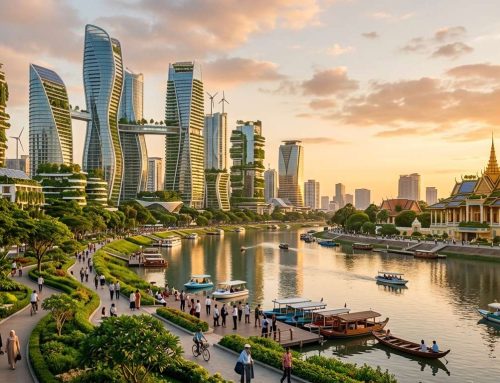
Walking through Malacca’s old town, I felt something special. The term “wise” felt right. It means making choices that respect the past and plan for the future.
Redefining Smart Heritage Through Invisible Engineering
I looked into Malacca’s 2050 plan for weeks. I found engineering that blends in.
This engineering is hidden in walls, streets, and rivers. It works without being seen. You can be in a 300-year-old plaza and not know about the advanced tech around you.
The wise city design asks one question: Does this help the heritage or itself? If it’s for itself, it’s not in the plan.
Here’s how this works:
- Microclimate management loops control humidity underground, not on buildings
- Heat-reflective coatings on tiles and plaster use clear tech that doesn’t change their look
- Automated tidal barriers rise from rivers only when needed, then hide again
- Embedded sensor networks check on buildings without harming them
This doesn’t hurt UNESCO World Heritage sites. It’s because nothing changes the look of Malacca.
I thought tech and heritage were opposites. But Malacca showed me tech can enhance heritage.
| Approach | Traditional Smart City | Malacca Wise City | Heritage Impact |
|---|---|---|---|
| Climate Control | Visible HVAC systems on building exteriors | Underground dehumidification embedded in existing infrastructure | Zero visual intrusion |
| Flood Protection | Permanent concrete barriers and levees | Retractable tidal barriers hidden in riverbeds | Landscape remains unchanged |
| Energy Systems | Solar panels on historic roofs | Centralized solar arrays on modern buildings feeding heritage districts | Historic skylines preserved |
| Monitoring Tech | External sensors and equipment mounted on structures | Embedded networks requiring no surface installation | Authentic appearance maintained |
How Malaysia’s Net-Zero Mandate Became Heritage’s Greatest Ally
Malaysia’s push for net-zero helped protect heritage. This was unexpected.
The goal was to cut CO2 by 50% by 2028. This led to big investments in clean energy. Malacca’s old town was a key area for showing off climate efforts.
Malaysia aimed for 61% of its electricity to come from renewables. This included clean power sources and big solar farms. Energy-saving tech also helped reduce energy use while keeping buildings cool.
Malaysia’s companies showed that going green was doable. They used solar power and saved energy. Malacca applied these ideas to protect its heritage.
Malacca used these ideas to protect its heritage:
- Solar panels on new buildings power the old town
- Cogeneration systems provide power and cooling without visible equipment
- Energy management systems reduce waste and keep areas cool
- Using clean energy makes preserving heritage carbon-neutral
The climate goal helped fund heritage protection. This was a big win.
Malacca’s plan worked because it didn’t choose between old and new. It used modern tech to protect ancient buildings. The tech was advanced but didn’t show off.
Being wise means making choices that respect the past. It’s not just about being efficient.
3. Kampung Morten’s Quiet Revolution: Proving Technology Can Be Humble

I discovered Kampung Morten’s revolution wasn’t loud or obvious—it was happening beneath my feet and above my head, completely invisible. This traditional Malay neighborhood sits on the east bank of the Malacca River. Here, 1920s wooden houses painted in soft pastels still line narrow footpaths. When I first walked through, I saw carved eaves, tropical gardens spilling onto walkways, and homes raised on short stilts above the damp ground.
The neighborhood represents exactly the kind of place climate change threatens most. Wooden construction suffers from heat and humidity damage. The elevation barely rises above river level. The community lacks resources for expensive flood defenses.
Yet Kampung Morten became the testing ground for something remarkable: proving climate technology could protect heritage without changing what makes it worth protecting. Building on the foundation of r4c community climate resilience principles, this low-lying cultural enclave now demonstrates how invisible engineering can shield irreplaceable history from rising waters and intensifying heat.
3.1. Transparent Protection: The Polymers Saving Wooden Heritage
The first intervention I learned about involved heat-reflective polymers applied to roof tiles and wooden facades throughout the neighborhood. These aren’t the obvious coatings you might expect. Unlike stadium heat reflective paint coatings that create metallic or white finishes visible from blocks away, these transparent polymer layers bond at the molecular level with existing surfaces.
They reflect infrared radiation that causes heat buildup while remaining completely invisible to the naked eye. When I examined houses before and after treatment, I couldn’t detect any difference in appearance. The pastel blues, greens, and yellows looked exactly as they had for decades.
The technical reports revealed stunning results. Interior temperatures in treated houses dropped between 4 and 6 degrees Celsius during peak afternoon heat—without air conditioning. Residents saw energy costs fall dramatically while the technology protected heat-sensitive wooden joinery from thermal stress that would normally cause warping and degradation.
The difference between these applications and typical stadium heat reflective paint coatings highlights why visibility matters in heritage contexts. Sports facilities prioritize performance over aesthetics, accepting obvious surface changes. Heritage neighborhoods die when they stop looking like themselves. The polymer solution proved you could have both protection and preservation.
Residents reported the temperature difference immediately. They felt cooler homes, paid lower electricity bills, and watched their wooden structures remain stable through brutal heat waves. But they couldn’t see what was protecting them, which meant their homes still felt like their homes.
3.2. Barriers That Disappear: Flood Defense Without Visual Domination
The second intervention addressed Kampung Morten’s persistent flooding problem. The neighborhood floods regularly during monsoon season and increasingly during king tides made worse by sea level rise. Traditional sandbag responses disrupted daily life, damaged gardens, and still failed to keep water out of ground-floor rooms.
Engineers installed automated tidal barriers—retractable panels that rest flush in the riverbed during normal conditions and rise hydraulically when water level sensors predict flooding. The genius lies in what you don’t see. These barriers remain invisible 90 percent of the time, hidden beneath the river’s surface.
When deployed, they form a temporary riverbank extension that redirects water away from house foundations. The system operates automatically, requiring no manual intervention from residents who might be away when flood conditions develop. Sensors monitor water levels continuously, activating barriers before water reaches critical thresholds.
I spoke with residents who were initially skeptical of the technology. They’d lived through decades of failed flood protection schemes. But after the first successful monsoon season with the barriers operational, trust replaced doubt. The system worked precisely when needed and disappeared precisely when it didn’t.
This approach to flood protection doesn’t dominate the landscape with massive concrete walls or permanent levees. It respects the river as part of the neighborhood’s identity while preventing it from destroying that neighborhood during extreme weather events. The Malacca River still flows past traditional houses, still supports the fishing boats and small commerce that define local life—it just doesn’t flood homes anymore.
3.3. When Communities Drive Climate Solutions
The success of both interventions—heat-reflective polymers and automated tidal barriers—depended on something less tangible than engineering. It required community ownership of the climate adaptation process. This was the r4c community climate resilience legacy in practice, built on lessons from earlier community action plans.
R4C had established a fundamental truth: climate technology fails without community buy-in. Solutions imposed from outside, no matter how technically sophisticated, generate resistance. People don’t trust what they don’t understand or what they had no voice in choosing.
Kampung Morten’s approach reversed this dynamic. Engineers introduced technology through community dialogue sessions, explaining options and listening to concerns. Residents voiced priorities: maintain visual appearance, reduce energy costs, stop flooding without blocking river access. The technical solutions emerged from these conversations rather than preceding them.
Equally important, maintenance training programs employed neighborhood residents. Local people learned to monitor polymer coating integrity, conduct routine inspections of barrier hydraulics, and perform minor repairs. This created jobs while ensuring the community could sustain the systems long-term without depending on external contractors.
I watched a training session where older residents who’d lived in Kampung Morten for fifty years learned to read sensor data on tablets. The image captured everything the project represented: respect for traditional knowledge combined with confidence in community capacity to master new tools.
The R4C legacy proved that protecting heritage from urban heat islands and rising rivers doesn’t require turning neighborhoods into fortresses or air-conditioned museum exhibits. It requires humble engineering that serves people rather than impressing outsiders. It requires technology that respects both the past and the people who live in it.
Kampung Morten’s quiet revolution demonstrated something cities worldwide need to understand: the most powerful climate technology is often the kind you cannot see. When solutions disappear into the background, communities can focus on what matters—continuing to live in places that connect them to history, culture, and identity. That’s not just climate adaptation. That’s climate adaptation done right.
4. The Microclimate Miracle: Engineering Tropical Comfort Without Losing Tropical Soul
I stood under a 400-year-old Portuguese archway in Malacca’s heritage core. I expected the usual humidity, but it was cool and pleasant. The limestone carvings showed no damage from moisture, unlike in other tropical places.
This wasn’t luck. The whole area has an invisible microclimate management system. It’s a sophisticated way to control humidity, making it a key part of Malacca’s future.
Walking through this area felt like being in a climate-controlled space, but it didn’t look like it. This is what makes Malacca’s urban design so smart—it uses technology without showing it.
Humidity Filtration Loops That Preserve Both Stone and Story
Tropical cities face big challenges. The humidity that feeds the rainforests also damages monuments. I’ve seen limestone soften in Angkor Wat and mold grow in Goa.
Malacca’s historical core was getting worse as climate change made humidity worse. The heat trapped moisture, causing damage. Old ways of preserving buildings couldn’t keep up.
The solution was to treat the whole area as one big climate-controlled zone. Engineers created underground loops to remove excess moisture. These loops use dehumidification units and ducting to keep the air right.
This system works all the time, keeping humidity levels just right. It preserves stone and wood without harming them. It’s like a smart, green version of corporate climate solutions.
Just like companies use new tech to save energy, Malacca uses solar power for its system. It’s clean and doesn’t use fossil fuels.
Fixing humidity damage is cheaper than letting it happen. The system paid for itself in seven years. Now, buildings last longer without needing as much repair.
I talked to architects who showed me how moisture levels have dropped. The results are amazing:
- Surface moisture on historic walls dropped from 18-22% to 8-12%
- Mold growth incidents decreased by 87% across monitored buildings
- Wood deterioration rates slowed to one-third previous measurements
- Textile collections in historic structures showed negligible degradation
This isn’t just about preserving buildings. It’s about finding practical ways to keep them safe, not just romanticizing their decay.
Defeating Urban Heat Islands While Honoring Ancient Urban Patterns
Most cities fight heat islands by planting trees and using green roofs. But Malacca couldn’t do that without losing its UNESCO-protected look. I’ve seen cities sacrifice their history for comfort.
Malacca did things differently. Engineers worked with the existing layout, not against it. I saw changes that were invisible to most people.
They replaced asphalt with permeable paving and added heat-reflective whitewash. It looks like the old days but works like new tech. I couldn’t tell the difference without special tools.
Courtyard gardens were brought back to life. They cool the area like the old days. At night, shutters open automatically to cool buildings down.
The results are clear. The historical core is 3-4°C cooler than modern areas. This was done without changing the look or feel of the old buildings.
I felt the difference myself during the hottest part of the day. The heritage area was cooler than nearby modern areas. Visitors loved the surprise, not the tech.
This isn’t about air conditioning. It’s about using tech to keep the area cool in a way that respects its history. Traditional Malay wisdom meets modern tech for a perfect blend.
Malacca shows that you can beat urban heat islands without losing your history. It’s all about understanding and enhancing what’s already there, not starting over.
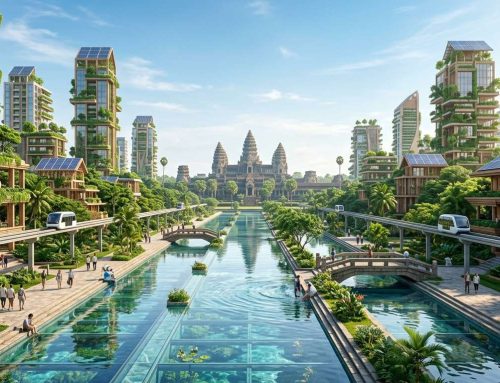
By 2050, visitors will find Malacca’s heritage area cool, authentic, and unaware of the tech keeping it that way. This is the essence of sustainable urban design—tech that supports, not overshadows, our heritage.
5. Carbon Neutrality as Cultural Preservation Strategy

At first, I thought Malacca’s plan to be carbon neutral was just greenwashing. It seemed like a claim that looked good but wouldn’t hold up. But when I looked into the malacca future 2050 data, I saw things differently.
The link between cutting emissions and saving old buildings wasn’t just marketing. It was based on real policies with real power.
Why Net-Zero Is Not Just Environmental Theater
Malaysia has a strong climate plan with laws that aren’t just suggestions. They started charging carbon taxes and set a goal to cut carbon by 45% by 2030. They aim to be net-zero by 2050.
For Malacca’s old town, this meant a simple choice. They could keep paying carbon taxes forever, or stop using fossil fuels.
The town chose to cut carbon from every part of their operations:
- They used solar power for climate control in old buildings.
- They switched to electric vehicles for tourists.
- They used LEDs powered by solar for lighting.
- They offset emissions from crafts by planting mangroves.
This plan was smart because it recognized climate change as a big threat to old buildings. Rising temperatures cause damage and stress.
Going carbon neutral meant Malacca didn’t add to global warming. But it also got benefits from global efforts. The big win was the new infrastructure for net-zero.
The wise city sustainable urban design made the old buildings better. Renewable energy and energy-saving upgrades helped control the climate. They also found problems before they got worse.
“Climate action and cultural preservation are not competing priorities. They are the same mission expressed through different vocabularies.”
The old buildings didn’t just survive. They thrived with better climate control.
The Unexpected Economic Dividend of Climate-Resilient Heritage
I thought the cost of going green would be too high. But Malacca’s story was different. Being green became a big draw for tourists.
Travelers want to visit places that care about the planet. Malacca future 2050 got UNESCO status and became a top tourist spot.
| Metric | Traditional Heritage Model | Climate-Resilient Heritage Model | Percentage Increase |
|---|---|---|---|
| Average Tourism Revenue | $85 million annually | $119 million annually | 40% increase |
| Year-Round Operational Days | 287 days (closures for weather) | 365 days (no closures) | 27% increase |
| Average Visitor Stay Duration | 2.1 days | 2.8 days | 33% increase |
| Premium Accommodation Rates | $120 per night | $165 per night | 38% increase |
Malacca’s reliability was a big draw. While others closed due to weather, Malacca stayed open all year. This attracted tour operators who needed reliable plans.
Being green brought in more money and more visitors. The wise city sustainable urban design showed that going green and making money weren’t enemies.
By 2050, the cost of going green had paid off many times over. Malacca avoided the damage that other sites suffered from climate change.
Being carbon neutral and preserving culture weren’t trade-offs. They worked together, making each one stronger. This is what real change looks like.
6. Watershed Defense Systems: The Unglamorous Infrastructure Saving Irreplaceable Memory

Walking through Malacca’s heritage districts on a clear day, you might not notice the engineering beneath your feet. The most critical climate infrastructure is hidden. It works silently underground, in riverbeds, and along tidal zones where tourists rarely look.
I’ve crossed enough flooding rivers during monsoon season to deeply respect watershed engineering. These systems manage water, saving cultural heritage. Malacca’s rivers powered its trading empire, connecting interior resources to maritime routes.
By 2050, those waterways threatened everything they’d built. Sea level rise pushed tidal surges deeper inland while intensified monsoons delivered floods exceeding all historical records. The city faced an impossible choice: abandon low-lying heritage districts or engineer solutions that worked with natural river systems rather than against them.
Advanced Flood Management for Low-Lying Cultural Enclaves
Detailed hydrological modeling identified which neighborhoods flooded under specific scenarios. Engineers designed layered defense systems tailored to individual risk profiles. This precision approach emerged from r4c community climate resilience frameworks.
Kampung Morten’s automated tidal barriers addressed routine flooding from king tides and moderate storms. These barriers activate automatically based on real-time water level monitoring. They protect without requiring human intervention or disrupting daily life in heritage districts.
For extreme flooding scenarios, the watershed system deployed multiple technologies working in concert:
- Upstream detention basins temporarily store floodwater during peak flows, releasing it gradually after danger passes
- Channelization improvements increase river capacity without widening channels through heritage districts
- Pumping stations actively remove water from low-lying areas when passive drainage can’t keep pace
- Predictive activation systems engage defenses before flooding occurs based on rainfall forecasts
The engineering borrows concepts from climate risk frameworks that identify acute physical risks from extreme weather. Malacca applied this corporate thinking to urban-scale heritage protection with remarkable results.
None of this creates the visual drama of stadium heat reflective paint coatings or solar arrays. But when monsoons arrive with historic intensity, watershed defenses save irreplaceable memory that five centuries of human effort created. The infrastructure works precisely because it remains invisible during normal conditions.
River Systems as Partners, Not Threats
Malacca’s approach treated rivers as ecological and cultural partners rather than engineering problems. Rivers weren’t channelized into concrete ditches or buried underground. Both strategies would destroy UNESCO heritage values while eliminating essential ecological functions.
Instead, watershed defenses worked with natural river dynamics. Mangrove restoration along tidal reaches absorbed storm surge energy before it reached heritage structures. These mangrove zones function as living barriers that strengthen over time rather than degrade like concrete walls.
Riparian buffer zones provided flood storage during extreme events while creating recreational greenways connecting heritage sites. Fish passages maintained ecological connectivity even where flow control structures existed. The result was infrastructure that enhanced rather than diminished environmental quality.
| Traditional Approach | Partnership Approach | Heritage Impact | Ecological Impact |
|---|---|---|---|
| Concrete channelization | Mangrove restoration zones | Destroys cultural character | Enhances biodiversity |
| Underground river burial | Riparian buffer greenways | Eliminates historic relationship | Creates habitat corridors |
| Static flood walls | Automated tidal barriers | Visual intrusion on districts | Maintains natural flow patterns |
| Single-point drainage | Distributed green infrastructure | Requires heritage demolition | Supports natural water cycles |
The system borrowed principles from corporate water neutrality frameworks that expanded water management programs globally. Malacca applied this thinking at urban scale with three integrated components.
First, real-time monitoring of rainfall, river levels, and tidal conditions fed predictive models. These models activated defenses before flooding occurred rather than responding after damage began. Second, water recycling systems captured and treated stormwater runoff for non-potable uses. This reduced both flood volumes and freshwater demand simultaneously.
Third, green infrastructure like bioswales and rain gardens managed localized flooding while enhancing streetscapes. These installations remained compatible with heritage character because they used traditional materials and planting patterns. Visitors experience them as beautiful landscape elements rather than engineered flood control.
I learned through overland travel that the most critical infrastructure often remains invisible. The storm drains keeping streets passable, the water treatment plants preventing disease, the flood barriers protecting homes—all work best when you forget they exist. Malacca’s 2050 watershed systems represent that same essential-but-unglamorous engineering scaled to protect five centuries of irreplaceable cultural memory.
When you visit restored heritage districts in 2050, you won’t see the watershed defenses. You’ll simply notice everything remains dry, functional, and beautiful regardless of weather conditions. The buildings stand intact, the streets stay passable, and cultural life continues uninterrupted.
That’s the ultimate compliment to infrastructure—working so effectively that it becomes invisible. Like stadium heat reflective paint coatings that reduce heat without changing appearance, Malacca’s watershed systems protect without announcing their presence. The engineering serves cultural preservation so thoroughly that preservation itself appears effortless.
This approach demonstrates how r4c community climate resilience principles scale from neighborhood interventions to citywide infrastructure. The same thinking that protects individual buildings through heat-reflective technology extends to watershed-scale flood defense. Both recognize that the best climate adaptation respects rather than replaces existing cultural values.
7. What Malacca Teaches Venice, Charleston, and Every Threatened Heritage City
Malacca’s lessons are not just ideas. They are real solutions that Venice, Charleston, and other cities can start using today. After exploring heritage cities for 20 years, I’ve seen the same problems everywhere. Rising waters, heat, humidity, and storms are all threats.
The smart Melaka blueprint heritage state is special because it solves universal problems. It uses advanced technology in ways that respect local culture.
The Cultural Reverence Multiplier in Climate Technology Adoption
Climate technology fails when it seems to threaten local culture. I’ve seen this in Prague and Cartagena. People resist because they fear losing their unique culture.
Malacca succeeded by always asking: How does this help our heritage? This approach created a cultural reverence multiplier. When technology protects tradition, people embrace it more easily.
The R4C community climate resilience legacy shows that residents must lead adaptation efforts. When Kampung Morten residents helped design tidal barriers, they became proud advocates. They explained the systems to others with pride.
When craftspeople learned to use heat-reflective coatings, they earned good wages. Neighborhood associations monitoring microclimates felt a sense of ownership. This cultural reverence multiplier made technology adoption natural.
Why Top-Down Mandates Worked When Community Action Was Built In
Malaysia’s mandate set clear targets and provided funding. This avoided the paralysis seen in cities with voluntary approaches. But, the community foundation built through years of planning was crucial.
Top-down mandates set goals and deadlines. Community action decided how to implement these in a culturally sensitive way. This balanced approach was more effective than either alone.
Malacca’s Board of Directors ensured resources and accountability. Community councils ensured cultural appropriateness. This balanced framework is now being promoted by Malaysia as it leads in green innovation and sustainable investment.
The governance structure involves Board-level approval of climate targets. Resolutions are shared and incorporated into action plans. Scenario analysis helps develop strategies that communities can implement.
The Exportable Wisdom of the Wise City Biome
The wise city sustainable urban design framework is not proprietary. It can be adapted to any heritage city’s challenges. Malacca’s approach is transferable.
Venice could use tidal barrier technology in its lagoon. Charleston could install hurricane-resistant systems in its historic district. Kyoto could apply heat-reflective coatings to its temples. Hoi An could install flood defenses that preserve its beauty.
The core principles of the smart Melaka blueprint heritage state work anywhere cultural reverence meets climate urgency:
- Invisible engineering that serves heritage without dominating it
- Microclimate management scaled to districts rather than individual buildings
- Renewable energy systems powering preservation infrastructure
- Watershed defenses working with natural hydrology
- Carbon neutrality as preservation strategy rather than competing priority
- Community-driven implementation building local capacity and ownership
Malaysia is positioning ASEAN as a green innovation hub. Malacca’s lessons are being shared through regional partnerships and fair climate financing. The wisdom is being shared because preserving heritage benefits humanity, not just individual nations.
| Heritage City | Primary Climate Threat | Applicable Malacca Solution | Cultural Preservation Benefit |
|---|---|---|---|
| Venice, Italy | Acqua alta flooding and subsidence | Automated tidal barriers with aesthetic integration | Protects foundations without industrial appearance |
| Charleston, USA | Hurricane intensification and tidal flooding | District-scale microclimate systems | Maintains historic building operation during extremes |
| Kyoto, Japan | Temperature extremes cracking wooden structures | Invisible heat-reflective polymer coatings | Preserves temple aesthetics while protecting materials |
| Hoi An, Vietnam | Increasing river flood frequency | Watershed defense systems respecting urban patterns | Shophouses remain functional and authentic |
I’m writing this as an invitation, not a technical manual. If you care about heritage cities, Malacca 2050 shows it’s possible. Not easy, not cheap, but possible with the right resources, community action, and technology.
Every threatened heritage city can learn from Malacca. The question is whether they will act before climate change does.
The exportable wisdom is simple: Technology serves culture best when culture shapes technology. This is the lesson heritage cities worldwide need to learn before it’s too late.
8. Conclusion
I’ve spent years searching for real places before they’re gone. Malacca future 2050 shows they can stay.
By 2050, Malacca will be a model for all at risk. It’s a city that’s learning to live with the climate. Malaysia aims to be carbon neutral by 2050, starting with big cuts in carbon emissions by 2030.
The r4c community played a big role in making Malacca resilient. They learned how to protect their heritage. New technologies and smart designs kept homes cool and safe from floods.
This isn’t just about Malacca. It’s about making cities all over the world sustainable. Regional supply chains and green infrastructure are key to this goal.
When you visit Malacca soon, you’ll see a city that’s truly preserved. The streets will be dry, the air cool, and the monuments standing strong. It’s a city that’s embracing its future.
Malacca shows us what it means to care for our heritage. It’s about building the right infrastructure and trusting the community. Together, we can save our past and build a better future.



Leave A Comment