

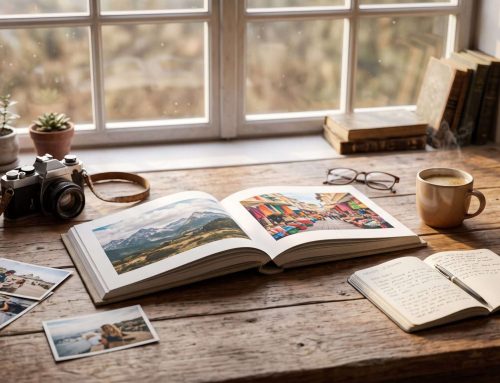
Travel photos aren’t just souvenirs anymore—they’re stories. They’re the little moments you’ll want to remember long after the trip ends. But there’s a big difference between snapping a picture and truly capturing the feeling of a place.
The truth is, you don’t need a full studio setup to take travel photos that stand out. You just need a few smart tools and a better idea of what you’re capturing. With the right essentials, you can move beyond basic snapshots and come home with images that feel just as alive as the memories themselves.
Let’s break down what should be in every traveler’s photography kit if they want their photos to tell real stories.
1. The Right Camera Body: Choose Portability Without Losing Power
When you’re traveling, every ounce matters. Lugging around a heavy camera can get old fast—but you still want something powerful enough to capture moments properly.
That’s why many travelers choose mirrorless cameras. They’re lighter than DSLRs but still offer great image quality, fast autofocus and low-light performance.
The goal isn’t just to have a camera; it’s to have the right camera that fits your journey without weighing you down.
2. Lens Filters That Make a Real Difference
Lighting isn’t always going to cooperate when you’re on the move. That’s where lens filters come in handy—especially if you want more control over your shots instead of relying on editing later.
Neutral Density (ND) filters are one of the most underrated tools for travel photography. ND filters act like sunglasses for your camera, letting you shoot long exposures even in bright daylight. Think smooth waterfalls, soft moving clouds, or that silky water effect at the beach—all without blowing out the highlights.
Polarizing filters are another good addition. They cut through reflections on water and deepen the color of skies, making outdoor shots pop without feeling over-processed.
A couple of small filters in your bag can easily turn tough lighting into a creative opportunity.
3. A Versatile, Fast Lens for Any Situation
When you’re traveling, you don’t want to keep swapping lenses every five minutes—or worse, carry a whole backpack full of them. That’s where a versatile, Point-and-Shoot fast lens comes in.
Something like a 24–70mm f/2.8 covers almost everything: sweeping landscapes, bustling street scenes, portraits of new friends you meet along the way. The wide f/2.8 aperture means better low-light shots even after sunset.
One good lens can easily handle 90% of your shots—and save your back in the process.
4. Lightweight Tripod: Your Secret for Sharp, Low-Light Shots
If you want to move beyond handheld travel snaps, a tripod is a must. Especially if you’re chasing sunrise shots, nighttime cityscapes or those perfect golden hour portraits.
A lightweight, travel-friendly tripod gives you the stability you need without eating up space or adding too much weight. It opens the door for slow shutter speed shots or creative solo framing.
It’s one of those things you might think you can skip—until you realize how many shots you’re missing without it.
5. Extra Batteries and Memory Cards: Because You’ll Need Them
Nothing kills the mood faster than your battery dying just as the perfect shot appears—or running out of storage halfway through a day trip.
Travel photography drains batteries faster than you’d expect, especially if you’re shooting in RAW, using GPS tagging, or spending long days exploring. Extra memory cards also mean you can shoot freely without worrying about filling up your main card.
Carry a few spares—they’ll save you from big regrets.
6. A Protective, Functional Camera Bag for Real Travel Days
Your gear deserves better than being tossed into a regular backpack. A good camera bag protects your gear and keeps it easy to access when you need it.
Look for a bag that’s compact, weather-resistant, and designed with quick side or top access. Bonus points if it doesn’t scream “I’m carrying thousands of dollars of gear!” to everyone around you.
Comfort and discretion are your best friends on travel days.
7. Editing Software or Apps: Finish What You Start
Capturing great photos is half the story. Smart edits adjust exposure, sharpen details, and enhance colors. You don’t need to spend hours in Lightroom if you don’t want to. Even mobile apps like Snapseed or Lightroom Mobile can make a big difference on the go.
Editing isn’t about faking the scene—it’s about bringing your memory of it closer to what the photo shows.
Conclusion
Great travel photography isn’t about expensive gear or chasing trends. It’s about having the right tools, a little preparation and a mindset that looks beyond the obvious. With a smart kit and a fresh eye for storytelling, you’ll come home with more than just pictures—you’ll have memories you can feel every time you look back at them.





Leave A Comment