
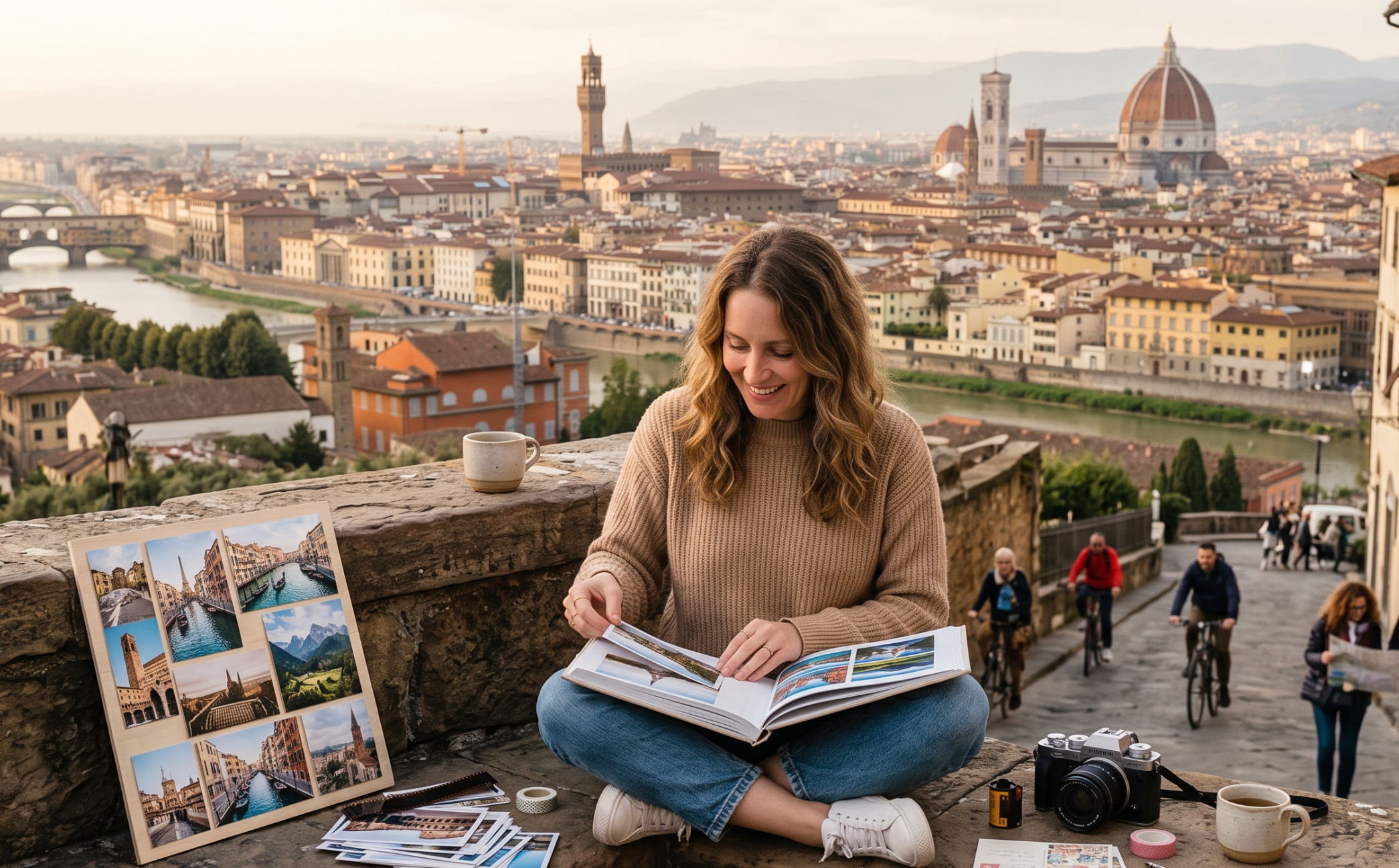
Active sightseeing allows travelers to experience destinations beyond the typical tourist attractions. Walking historic districts, cycling through local neighborhoods, hiking scenic trails, and exploring public parks provide a closer look at daily life while covering more ground than traditional tours.
A successful trip depends on preparation. Choosing appropriate equipment, managing physical effort, and planning daily routes help travelers stay comfortable while reducing fatigue and avoiding unnecessary setbacks.
Choose Footwear for the Terrain
Footwear has a greater impact on comfort than almost any other piece of travel gear. City streets, cobblestones, mountain paths, and uneven rural roads place different demands on your feet throughout the day.
When your itinerary includes rugged terrain or long walking distances, durable tactical boots can provide additional ankle support, traction, and stability. Regardless of footwear style, break in new shoes before departure to reduce the risk of blisters and pressure points.
Moisture-wicking socks also improve comfort during extended walks by reducing friction and helping regulate temperature.
Plan Efficient Daily Routes
Covering multiple attractions without careful planning often results in unnecessary walking and wasted time.
Group nearby destinations together and organize visits according to opening hours, transportation schedules, and expected crowd levels. Digital mapping tools make it easier to estimate walking distances and elevation changes before leaving your accommodation.
Pack Only What You Need
A heavy backpack quickly becomes uncomfortable during full days of sightseeing. Carry only the essentials needed between stops.
Your daypack should include:
- A reusable water bottle
- Weather-appropriate clothing layers
- Portable phone charger
- Basic first aid supplies
- Travel documents and identification
Distributing weight evenly improves comfort while reducing strain on your shoulders and lower back.
Stay Hydrated and Manage Your Energy
Many travelers underestimate how physically demanding sightseeing can be. Walking several miles each day, climbing stairs, and spending long hours outdoors increases both energy and water requirements.
Drink water regularly instead of waiting until you feel thirsty. In warmer climates, replace electrolytes during extended outdoor activities, particularly if your itinerary includes hiking or cycling.
Rather than rushing through every attraction, schedule short recovery breaks throughout the day. Resting periodically helps maintain energy while improving focus and reducing physical fatigue.
Dress for Changing Conditions
Weather conditions can change rapidly, especially in mountainous regions or coastal destinations.
Wear lightweight layers that can be added or removed as temperatures fluctuate. Technical fabrics generally dry faster than cotton and provide greater comfort during physically demanding activities.
Choose clothing that allows unrestricted movement while remaining appropriate for local customs and cultural expectations. Neutral colors and versatile garments simplify packing without limiting outfit combinations.
Consider Destination-Specific Activities
Many travelers include cycling as part of their sightseeing itinerary because it allows greater flexibility than walking while providing access to areas beyond typical tourist routes.
For organized rides or cycling tours, properly fitted custom cycling apparel improves comfort by supporting freedom of movement and helping manage moisture during longer distances. Selecting activity-specific clothing can make extended rides significantly more enjoyable.
Whether cycling independently or joining a guided excursion, always review local traffic regulations and wear appropriate safety equipment.
Protect Your Devices and Valuables
Active travel increases the likelihood of accidental drops, weather exposure, and crowded public environments.
Use weather-resistant bags or protective cases for electronics, and avoid carrying all valuables in one location. Store backup payment methods separately from your primary wallet in case of loss or theft.
Cloud backups for important travel documents and photos provide additional protection if a device becomes damaged or misplaced.
Packing tips for faster road trips.
Respect Local Conditions
Every destination presents unique environmental and cultural considerations. Some cities prioritize pedestrian traffic, while others require greater awareness of vehicle congestion or limited sidewalk infrastructure.
Research local customs, transportation rules, and seasonal weather before arriving. Understanding these conditions helps travelers adapt more quickly while avoiding unnecessary disruptions.
Maintaining awareness of your surroundings also improves personal safety in unfamiliar locations, particularly when navigating busy transportation hubs or isolated trails.
Are French wallets better for travel?
Conclusion
Active sightseeing offers a rewarding way to experience destinations through walking, hiking, cycling, and outdoor exploration. Success depends on thoughtful preparation, efficient route planning, appropriate equipment, and consistent attention to hydration and personal safety.
By choosing the right gear, packing strategically, and adapting to local conditions, travelers can explore comfortably while making the most of every destination they visit.












Leave A Comment