
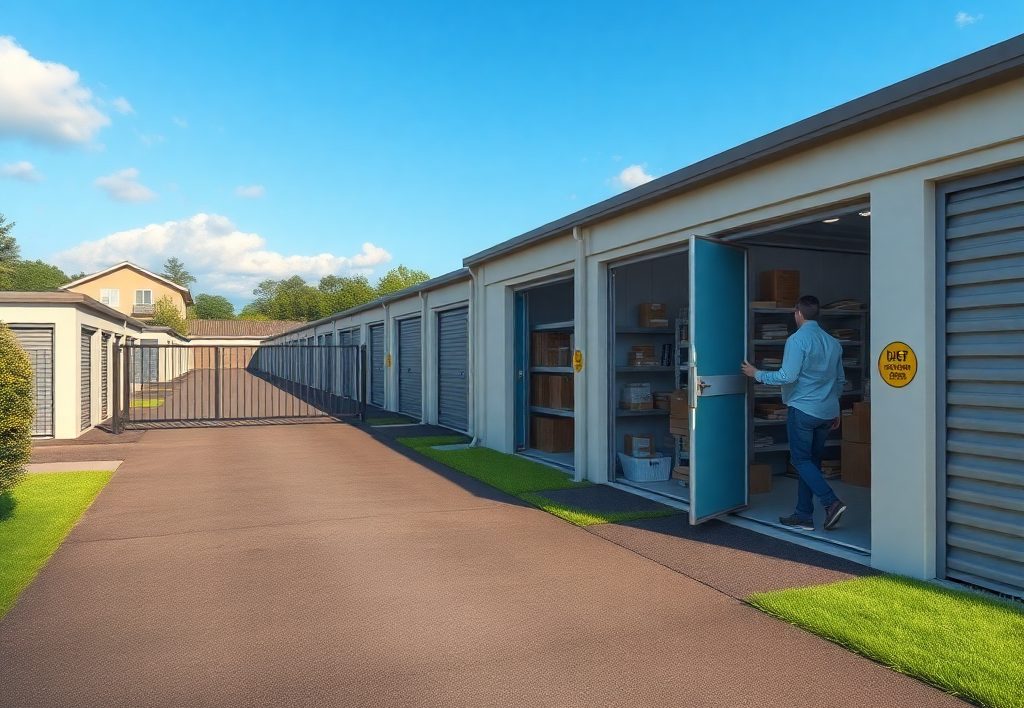
Across cities, suburbs, and small towns, self-storage has quietly become part of how people live. Once seen as a temporary fix for a move or renovation, it’s now a long-term solution for everything from decluttering to managing business inventory. The modern storage industry reflects how our lives have changed—more mobility, smaller homes and a greater focus on flexibility.
Why People Use Self-Storage
The simplest reason is space. New apartments and townhomes keep getting smaller, while what we own keeps multiplying. A national study by StorageCafe found that newly built apartments are about 70 to 80 square feet smaller than those built twenty years ago. That’s roughly the size of a small bedroom or a large closet.
Self-storage fills that gap. Families use it to hold seasonal gear, holiday decorations, and furniture they’re not ready to sell. Retirees use it when downsizing but want to keep heirlooms for their children. Small businesses store records, tools, or excess inventory. Even remote workers now rent units to separate home and work life—keeping files, samples, and supplies close but out of the living room.
What to Look For in a Storage Facility
- Location and access
Convenience is the top priority. A unit that’s 15 minutes from home or work is more valuable than one that’s an hour away, even if it costs slightly more. Most people underestimate how often they’ll need to visit. - Security
Good facilities invest in access control, cameras, and lighting. Look for keypad entry with individual codes, perimeter fencing, and visible staff presence. These are the most reliable deterrents against theft. - Climate control
Temperature and humidity can damage wood furniture, electronics, artwork, and fabrics. If you live in a region with heat, humidity, or freezing temperatures, a climate-controlled unit is worth the small premium. - Cleanliness and maintenance
A well-run facility looks it—clean driveways, no standing water, no mildew smell. It’s the simplest way to gauge management quality before you sign. - Flexible lease terms
Month-to-month contracts offer freedom to upgrade, downsize, or cancel without penalty. Many reputable facilities now allow online payments and digital gate access for convenience.
Self-Storage and Modern Living
A growing number of people use storage as an extension of home. The minimalist trend hasn’t reduced possessions so much as relocated them. Instead of overflowing garages or overstuffed closets, people are renting small, well-organized units to keep their homes functional and calm.
Businesses rely on it, too. E-commerce sellers, contractors, and event planners all use self-storage to avoid renting larger commercial space. According to Forbes, the sector remains one of the most resilient real-estate categories, with occupancy averaging over 90% nationwide even during economic slowdowns.
Self-storage has also grown more service-oriented. Facilities now offer smartphone apps, climate sensors, and even package delivery acceptance. Some provide work areas, allowing small-business owners to assemble or prepare shipments on site.
How to Get the Most Out of Your Unit
- Plan before renting. Make a list of everything you intend to store, then choose a size one step larger than you think you’ll need.
- Use shelving. Vertical storage keeps floors clear and prevents damage.
- Label clearly. Boxes all look alike when stacked; label every side with contents and the date.
- Create an aisle. Leave a walkway so you can reach items at the back.
- Insure your belongings. Check if your homeowner’s or renter’s insurance covers stored items. If not, most facilities sell short-term policies.
The Human Side of Storage
For many, a storage unit isn’t just a container—it’s a transition space. People use it when they move, marry, divorce, start a new business, or care for aging parents. In that sense, the self-storage industry supports some of the most personal chapters in life.
Companies that understand this human side tend to stand out. Clean facilities, transparent pricing, and respectful customer service make a difference. Locations like Houston Heights self-storage illustrate how modern operators balance security, accessibility, and a neighborhood feel. They’re not just warehouses of belongings but reliable extensions of home and business life.
The Outlook
The U.S. now has more than 1.8 billion square feet of rentable storage space—nearly 6 square feet for every person in the country. That number will keep growing as people value flexibility over permanence.
Whether you’re clearing out a spare room, storing inventory, or safeguarding keepsakes during a move, the right storage facility offers more than square footage. It offers peace of mind. And in a world where space is at a premium, that’s something worth holding onto.















Leave A Comment