
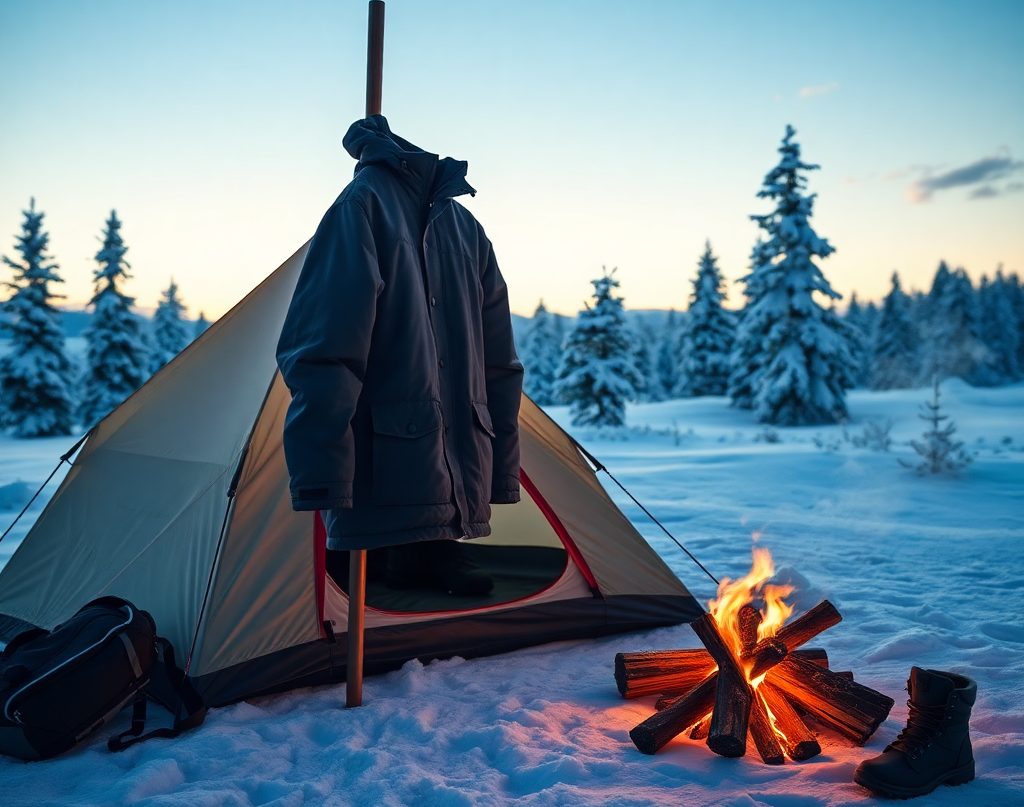
Cold-weather camping has a way of separating people who packed properly from people who didn’t. The difference rarely shows up around the campfire, where everyone’s warm and happy. It shows up at 5 a.m., crawling out of a tent into freezing wind, when the gap between a good jacket and a great one becomes painfully obvious.
If you’ve ever cut a trip short because you couldn’t get warm or spent half the day shivering at camp, the problem usually isn’t the cold. It’s the gear. Here’s why a quality cold-weather jacket makes such a difference and what to look for when you’re choosing one.
1. Cold Camping Is About Layering, but the Outer Layer Matters Most
Most experienced campers swear by the layering system: a moisture-wicking base layer, an insulating mid-layer, and a weatherproof shell on top. Each layer has a job, but the outer shell carries the heaviest load.
If your shell can’t block wind, repel moisture, or breathe properly when you’re moving, the rest of your system breaks down. You’ll either soak through with sweat, get chilled by wind, or end up wet from rain or wet snow. The right outer layer is what holds the whole system together.
2. Wind and Moisture Are the Real Enemies
Air temperature alone isn’t usually what makes camping miserable. It’s wind chill stripping heat off your body, and moisture (from rain, snow, or your own sweat) chilling you from the inside. A jacket designed for serious outdoor use addresses both of these specifically, with windproof construction and breathable waterproofing that lets sweat escape without letting weather in.
Cheaper jackets cut corners here. They block wind but trap sweat, or they shed water but flatten under real wind. You don’t notice the difference on a calm day. You absolutely notice it during a cold front.
3. Built for Real Conditions, Not Showroom Conditions
There’s a reason people who actually spend time in harsh conditions end up wearing the same brands. A keela jacket is built around a system the brand developed specifically for prolonged exposure to cold, wet weather. It’s the kind of jacket originally designed for military and emergency services use, which means it’s been tested in conditions far worse than most weekend campers will ever encounter.
Brands like John Bull Clothing carry these jackets because they hold up over years of real use, not just one good season. That kind of durability matters when you’re investing in gear that needs to perform when it counts.
4. Fit and Mobility Matter More Than You Think
A jacket that’s too tight pulls when you reach up. One that’s too loose lets cold air sneak in at the cuffs and waist. The right cold-weather jacket fits with enough room for layers underneath but tight enough to seal at the wrists, neck, and hem.
Pay attention to features like adjustable cuffs, drawcord hems, and high collars. These details aren’t marketing fluff. They’re what determines whether the jacket actually keeps cold air out when you’re hiking, setting up camp, or moving around at night.
5. Pockets and Practical Details
Cold-weather camping involves a lot of small tasks: lighting stoves, adjusting headlamps, eating snacks, taking photos, and fishing keys or maps out of pockets without taking off gloves. A well-designed jacket has pockets where you actually need them, in sizes that fit the things you actually carry.
Look for chest pockets that stay accessible when you’re wearing a backpack, hand pockets lined with fleece or soft material, and at least one internal pocket for valuables. Small details, but they shape your daily experience on a trip.
6. Breathability Is Just as Important as Warmth
This is where a lot of cheap jackets fail. They keep you warm at rest, but turn into a sauna the moment you start hiking. The result is sweat-soaked base layers, which then chill you the second you stop moving. A good cold-weather jacket vents heat and moisture while still blocking wind and rain.
If you’re going to be active during your trip (hiking, climbing, even just hauling firewood), breathability is non-negotiable. According to the National Park Service, hypothermia can develop even in temperatures well above freezing when wet clothing is involved, which is why managing moisture is one of the most important parts of cold-weather safety.
7. Buy Once, Use for Years
Quality cold-weather jackets are expensive, but they’re also some of the longest-lasting pieces of outdoor gear you can buy. A well-made jacket can easily last 10 years or more with proper care, which makes the per-trip cost surprisingly low compared to cheaper alternatives that wear out in two or three seasons.
If you camp regularly in cold conditions, this is one place where buying once and buying right pays off in every direction: better trips, fewer replacements, less time wishing you had something warmer.
Final Thoughts
Cold-weather camping doesn’t have to be miserable. Most of the discomfort people associate with cold trips comes from gear that wasn’t designed for the conditions, not the conditions themselves. The right jacket changes the whole experience. You stay warm when you stop moving. You stay dry when the weather turns. You sleep better, wake up easier, and actually enjoy the parts of camping that cold weather is supposed to make special.
If your kit is missing a serious cold-weather shell, this is the upgrade that makes the biggest difference. Get the outer layer right, and the rest of your system suddenly works the way it’s supposed to. The trips get longer, the conditions get easier to handle, and the gear earns its place in the closet for years to come.












Leave A Comment