
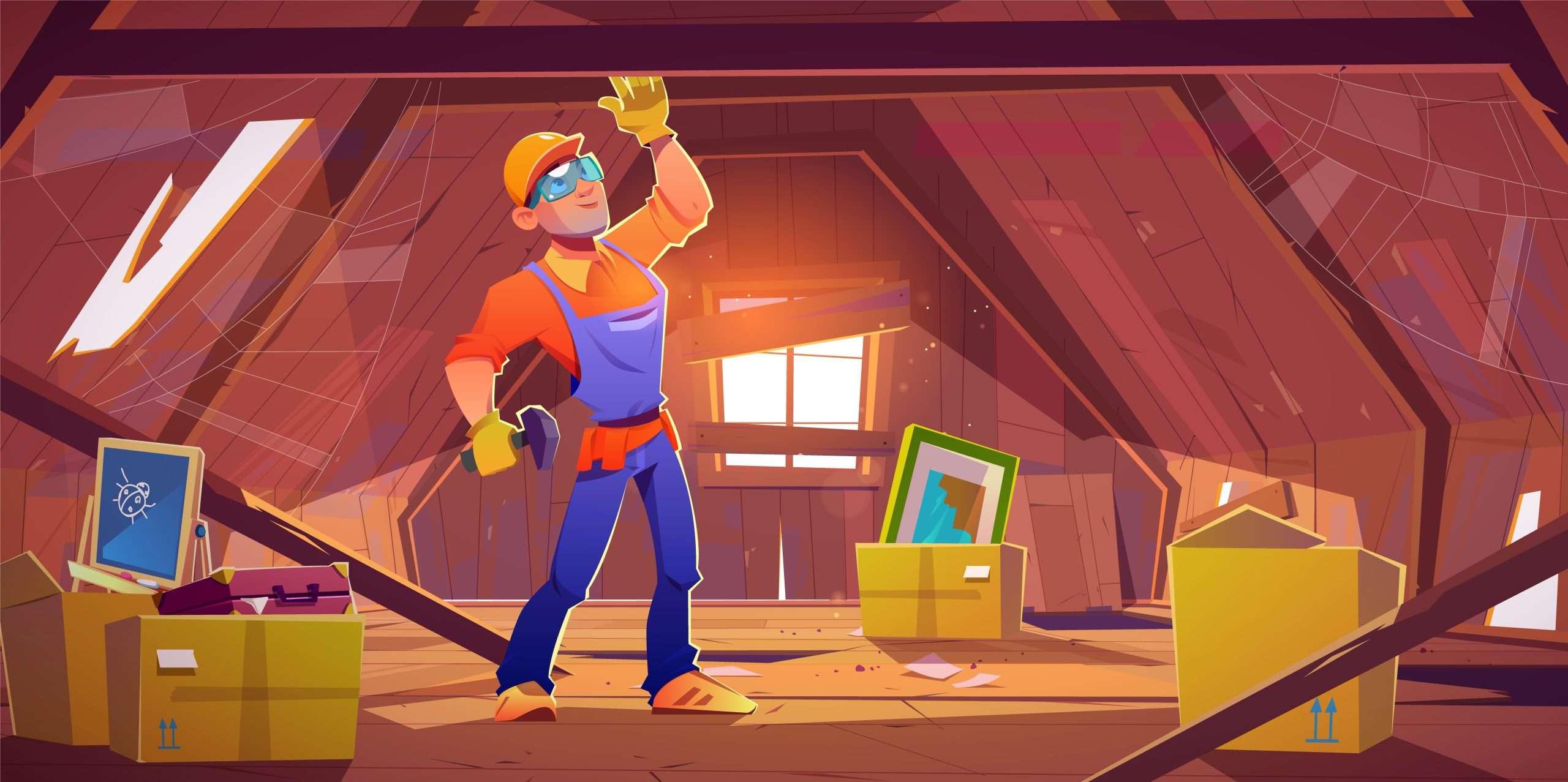
Most homeowners don’t walk into their attic expecting a problem. It usually starts with something small. A noise at night that doesn’t sound right. A faint smell that shows up and disappears. Sometimes it’s just insulation that looks uneven when someone finally takes a closer look.
And then it becomes obvious—something has been living there.
In places like Los Angeles, this isn’t unusual. Warm roofs, older housing pockets, and nearby vegetation make attics an easy entry point for raccoons, squirrels, and rodents. By the time they settle in, the space stops being just storage and starts turning into a health concern.
When a Quiet Attic Becomes a Real Problem
Wildlife inside a home doesn’t stay harmless for long. They don’t just pass through. They build nests, tear into insulation, and leave waste in places most people never think to check.
That’s usually when homeowners realise basic cleaning won’t fix the issue.
Attic clean and repair is not just about removing visible waste. The problem isn’t just what you can see. It’s what sits inside insulation layers, behind beams, and sometimes even around wiring.
Common issues that show up after infestation:
- insulation soaked with waste
- strong odours that don’t go away
- damaged air circulation
- chewing on wood and electrical lines
- hidden contamination in corners
None of this improves on its own. It usually gets worse over time.
What Professional Attic Restoration Actually Involves
A proper cleanup is rarely a single-step job. It moves in stages, and each one depends on the last being done correctly.
Most professionals begin by removing nesting material and contaminated insulation. That alone takes time, because animals rarely stay in one visible area.
Then comes sanitisation. Not surface-level cleaning, but deeper disinfection that deals with bacteria and lingering contamination.
After that, the insulation is replaced. Not patched, but fully replaced where needed.
A typical process includes:
- removing contaminated insulation and waste
- disinfecting affected attic zones
- deodorising enclosed spaces
- reinstalling fresh insulation
- sealing entry points around the roof
- checking for structural damage
It sounds straightforward on paper, but older homes in Los Angeles often reveal extra issues once work begins—small gaps in roofing, weak vent covers, or unnoticed chew points.
The Part Most People Underestimate: Health Impact
The mess is one thing. The health side is what usually pushes people to act.
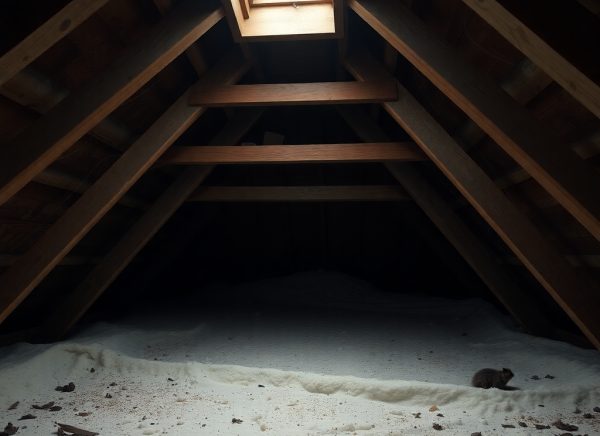
Rodent droppings and urine don’t just smell bad. They affect indoor air quality. Once particles enter ventilation systems, they can circulate through the home.
The U.S. Environmental Protection Agency has long noted that rodent contamination is a serious indoor air quality risk, especially in enclosed spaces like attics.
https://www.epa.gov/rodents
The CDC also highlights exposure risks linked to rodent waste, including respiratory infections in certain conditions.
Most homeowners don’t feel these effects immediately. That’s what makes it tricky. The space looks “empty” again after animals leave, but the contamination often stays behind.
Cleaning Alone Doesn’t Solve the Problem
This is where many DIY efforts fall short. Cleaning visible waste is only part of the job.
If entry points are still open, animals come back. Sometimes within days.
Repair work usually focuses on things people don’t notice right away:
- small roof gaps
- vent openings
- damaged soffits
- weak wood joints
- exposed wiring pathways
In older Los Angeles homes, even a small gap near the roofline is enough for squirrels to return.
So, cleanup without repair is usually temporary at best.
When People Usually Call for Help
Most homeowners don’t act at the first sound or smell. That’s normal. It’s easy to assume it’s nothing serious.
But there’s usually a tipping point.
It might be repeated scratching sounds. Or a smell that becomes constant. Or insulation that suddenly looks disturbed in multiple spots.
That’s when the situation shifts from “check it later” to “this needs attention now.”
Preventing it From Happening Again
Once an attic is cleaned and repaired, the focus naturally shifts to prevention. Otherwise, the cycle repeats.
Simple steps make a difference:
- Sealing roofline gaps properly
- Covering vents with secure mesh
- Trimming trees close to roofs
- Checking attic spaces seasonally
- Repairing small openings before they expand
Wildlife doesn’t randomly enter homes. They follow paths that already exist. Blocking those paths is what actually stops repeat issues.
The National Wildlife Control Operators Association consistently highlights exclusion work as the most reliable long-term prevention method.
Final Thoughts
Attic problems don’t usually start big. They build slowly, often without obvious warning signs.
By the time damage becomes visible, it’s rarely just about cleaning. It’s about restoring a space that has been quietly affected over time.
That’s why proper attic cleaning and repair is less about appearance and more about making the space safe again—structurally and environmentally.
Once that’s done properly, the attic goes back to being what it was meant to be: just part of the house, not a hidden problem area.















Leave A Comment