
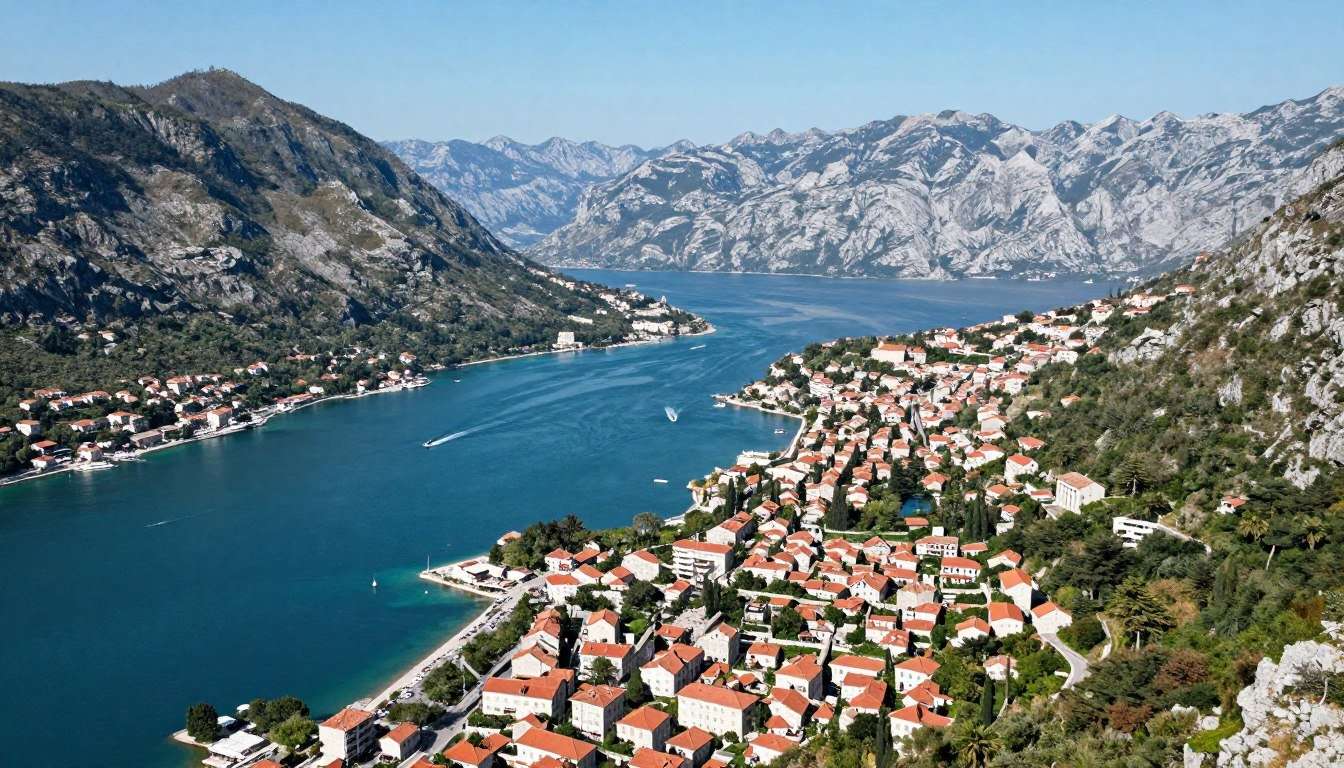
Montenegro captures hearts with dramatic landscapes that shift from crystal beaches to rugged peaks within minutes. This small Balkan country packs more natural beauty per square mile than almost anywhere in Europe. Ancient villages cling to mountainsides. Medieval towns dot the coastline. Pristine national parks stretch across the interior.
The country offers something rare in modern Europe. You can explore without fighting crowds. Most travelers overlook this destination in favor of Croatia or Greece. That oversight creates opportunities for those who visit Montenegro.
Planning your trip requires understanding the country’s unique geography and seasonal patterns. The coast differs dramatically from the mountains. Summer brings different experiences than winter. Budget travelers find excellent value while luxury seekers discover hidden boutique properties.
This comprehensive guide covers everything you need to know. We examine top destinations, optimal travel times, must-see attractions, and practical logistics. Whether you plan a weekend escape or an extended adventure, you’ll find actionable advice for your Montenegro travel experience.
Why Visit Montenegro: What Makes This Country Special
Montenegro compresses diverse experiences into a compact area smaller than Connecticut. You can swim in the Adriatic before lunch and hike mountain trails by afternoon. This versatility appeals to travelers who want variety without constant relocation.
Natural Diversity
The landscape changes dramatically across short distances. Four national parks protect mountains, canyons, and lakes. The Bay of Kotor rivals Norwegian fjords for dramatic beauty.
- Pristine Adriatic beaches with clear waters
- Mountain ranges reaching over 8,000 feet
- Europe’s deepest canyon at Tara River
- Untouched wilderness in Biogradska Gora
Rich Cultural Heritage
Centuries of empires left architectural treasures throughout the country. Venetian, Ottoman, and Austro-Hungarian influences blend into unique character.
- UNESCO World Heritage sites in Kotor
- Medieval monasteries perched on cliffs
- Preserved old town centers with stone buildings
- Ancient fortifications and city walls
Authentic Experience
Mass tourism hasn’t transformed Montenegro like neighboring countries. Local culture remains genuine. People welcome visitors warmly without the weariness common in overtourized destinations.
- Traditional mountain villages maintain old ways
- Family-run restaurants serve homemade food
- Less crowded than Croatian coast
- Affordable prices compared to Western Europe
Compact Geography
The entire country measures roughly 100 miles across. This size allows easy exploration without spending days in transit. You can base yourself in one location and reach most attractions on day trips.
- Two to three hours drives between regions
- Multiple destinations in single trip
- Easy to explore without car rental
- Perfect for shorter visits or vacations
The country works well for different travel styles. Adventure seekers find hiking, rafting, and paragliding. Beach lovers discover quiet coves and pebble shores. History enthusiasts explore centuries-old architecture. Foodies sample Balkan cuisine with Mediterranean influences.
Best Time to Visit Montenegro: Seasonal Guide for Trip Planning
Choosing when to visit Montenegro dramatically affects your experience. The country experiences distinct seasons with different advantages. Your ideal time depends on planned activities, budget, and crowd tolerance.
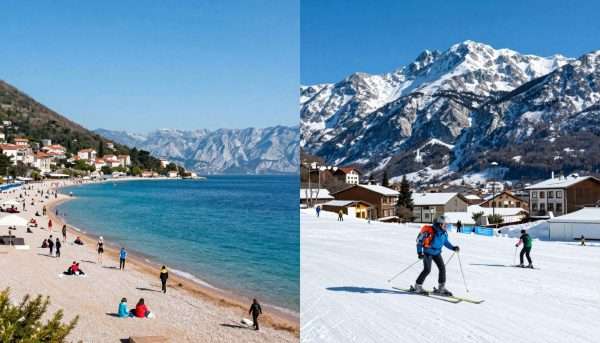
Summer Season (June to August)
Peak summer brings warm weather perfect for beach activities. Coastal temperatures reach 85-90°F with minimal rainfall. The Adriatic warms to comfortable swimming temperatures. This period sees maximum sunshine and longest days.
Summer Advantages
- Perfect beach weather with warm water
- All tourist services fully operational
- Festival season with cultural events
- Extended daylight for sightseeing
- Reliable weather for outdoor activities
Summer Drawbacks
- Peak crowds in popular coastal towns
- Highest accommodation prices
- Heavy traffic on coastal roads
- Extreme heat in inland areas
- Advance booking essential for hotels
Shoulder Seasons (May, September, October)
These months offer the best balance for most travelers. Weather remains pleasant without summer extremes. Crowds thin considerably after August. Prices drop significantly from peak season rates.
May brings spring blooms and mild temperatures around 70-75°F. The Adriatic stays cool for swimming but warms by month’s end. September provides excellent conditions with warm sea temperatures and fewer tourists. October offers comfortable weather though some businesses reduce hours.
Insider Tip: September ranks as the optimal month for visiting Montenegro. The sea reaches warmest temperatures. Summer crowds depart. Weather remains reliably sunny. Accommodation prices decrease by 30-40% from August levels.
Winter Season (November to March)
Winter transforms Montenegro into a different destination. Coastal areas become quiet. Mountain regions open for skiing. This low season suits travelers seeking solitude and winter sports.
Coastal temperatures range from 45-55°F with increased rainfall. Many beach hotels close until spring. The mountains receive significant snowfall. Ski resorts in Kolašin and Žabljak operate from December through March.
Spring Season (April to May)
Spring brings renewal to Montenegro’s landscapes. Wildflowers bloom across mountains and valleys. Rivers swell with snowmelt creating dramatic waterfalls. Temperatures climb steadily from cool to warm.
April can be unpredictable with occasional rain. May transitions into summer conditions with mostly sunny days. Tourist infrastructure reopens gradually. Prices remain low compared to summer months.
| Month | Avg Temp (°F) | Sea Temp (°F) | Rainfall | Best For |
| January | 45 | 57 | High | Skiing, budget travel |
| April | 59 | 59 | Moderate | Hiking, sightseeing |
| July | 86 | 75 | Low | Beach activities, water sports |
| September | 75 | 73 | Low | All activities, ideal conditions |
| November | 54 | 64 | High | Off-season exploration |
Top Destinations in Montenegro: Where to Visit
Montenegro’s destinations range from coastal jewels to mountain retreats. Each area offers distinct character and attractions. Understanding these regions helps prioritize your time in the country.
Bay of Kotor: The Crown Jewel
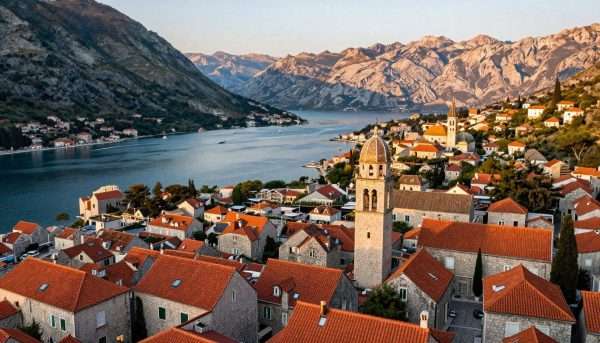
The Bay of Kotor creates one of Europe’s most dramatic coastal landscapes. Mountains plunge directly into deep blue waters. Medieval towns cluster along the shoreline. This UNESCO World Heritage region deserves several days of exploration.
Kotor town anchors the bay with remarkably preserved medieval architecture. Venetian buildings line marble streets within ancient walls. The old town remains largely car-free preserving its historic atmosphere. Cathedral of Saint Tryphon dates to 1166. City walls climb steeply to a fortress offering panoramic views.
The climb to San Giovanni Fortress takes 45-60 minutes up 1,350 steps. Early morning provides coolest temperatures and best light. Sunset brings warm golden tones but heat makes ascent challenging. The view encompasses the entire bay and surrounding mountains.
Find Your Perfect Kotor Accommodation
Stay in the heart of the old town or find waterfront properties with bay views. Book early for best selection during peak season.
Perast and Our Lady of the Rocks
Perast sits 15 minutes north of Kotor along the bay. This tiny baroque town features just two main streets but packs significant charm. Ornate palaces reflect when Perast served as an important maritime center.
Two small islands lie offshore. Our Lady of the Rocks holds a 17th-century church built on an artificial island. Local tradition claims sailors created the island over centuries by sinking captured enemy ships and rocks. Water taxis shuttle visitors to the island throughout the day for approximately 5 euros round trip.
Herceg Novi: The Garden City
Herceg Novi marks the bay’s entrance with a different character than Kotor. Tropical vegetation thrives in the microclimate. The old town climbs hillsides in tiers connected by steep staircases. Multiple empires left fortifications from different eras.
The city feels less touristy than Kotor despite beautiful architecture. Beaches stretch along the coast in both directions. Igalo spa resort nearby offers therapeutic mud treatments. Herceg Novi works well as a base for exploring the bay with easier parking and lower prices than Kotor.
Budva: Beach Resort Capital
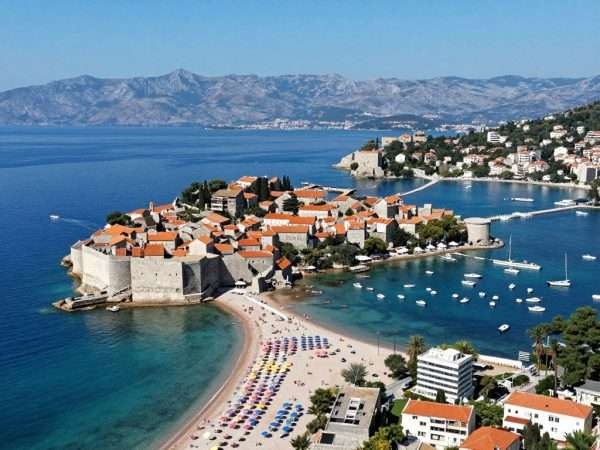
Budva combines ancient history with modern beach resort amenities. The fortified old town occupies a small peninsula. Sandy beaches extend along the coast. This area attracts the most tourists but offers the best beach infrastructure.
Budva old town rivals Kotor for medieval atmosphere despite being smaller. Venetian walls encircle narrow lanes and small squares. Churches date from the 9th century. Bars and restaurants fill historic buildings creating lively evening atmosphere.
Beaches near Budva range from busy resort strips to quieter coves. Mogren Beach requires a 10-minute walk through a tunnel from the old town. Two connected beaches offer clearer water than central Budva. Jaz Beach stretches two kilometers west of town with space even in summer.
Budva serves as an excellent base for coastal exploration. Sveti Stefan lies 15 minutes south. Petrovac offers a quieter beach town alternative. The area has the most accommodation choices and best transportation connections.
Explore Budva Riviera Accommodations
From beachfront resorts to budget apartments, find the perfect place to stay on Montenegro’s most popular coast.
Sveti Stefan: Iconic Island Resort
Sveti Stefan appears in countless Montenegro photographs. This fortified island village connects to shore by a narrow causeway. Aman Resorts converted the entire island into an exclusive hotel. Non-guests cannot access the island but the view from the beach remains spectacular.
Public beaches flank both sides of the causeway. The view of terracotta roofs and stone buildings cascading down the island creates a memorable backdrop. Swimming here costs nothing unlike private beach clubs elsewhere.
Durmitor National Park: Mountain Wilderness
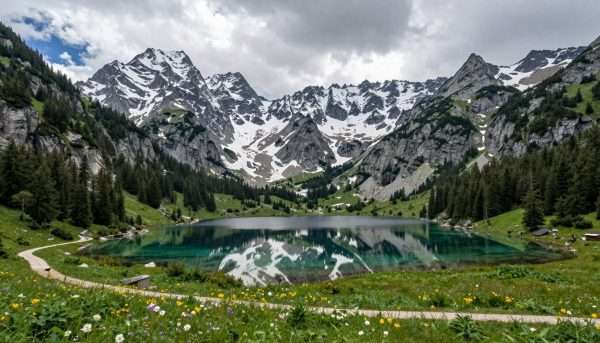
Durmitor represents Montenegro’s wild mountain interior. This UNESCO World Heritage national park encompasses dramatic peaks, glacial lakes, and deep canyons. The area transforms from summer hiking destination to winter ski resort.
Žabljak serves as the park’s base town and Montenegro’s highest settlement at 4,800 feet. The town offers basic services including hotels, restaurants, and tour operators. Black Lake sits two kilometers from town center accessible by paved path. The lake creates a perfect mirror for surrounding peaks.
Tara River Canyon cuts through the park creating Europe’s deepest gorge. The canyon reaches depths of 4,300 feet. Rafting trips run from April through October when water levels permit. The most popular route covers 12 miles taking most of a day with swimming and lunch stops.
Over 50 peaks exceed 6,500 feet within the park. Bobotov Kuk tops out at 8,274 feet as Montenegro’s highest point. Numerous hiking trails range from easy lake circuits to challenging summit climbs. Summer brings wildflower meadows and cool temperatures providing relief from coastal heat.
Book Your Tara River Rafting Adventure
Experience Europe’s deepest canyon with professional guides. Half-day and full-day trips available from April to October.
Lovćen National Park: Mountain Monument
Lovćen mountain rises behind Kotor creating the bay’s dramatic backdrop. This smaller national park holds historical significance as home to Njegoš Mausoleum. The monument sits atop Jezerski Peak at 5,600 feet.
Reaching the mausoleum requires climbing 461 steps from the parking area. The viewpoint encompasses the bay, Lake Skadar, and mountains stretching to Albania. On clear days you can see across to Italy. The interior holds the tomb of Petar II Petrović-Njegoš, Montenegro’s most revered poet and ruler.
The serpentine road from Kotor to the mausoleum features 25 hairpin turns. The drive offers increasingly dramatic views as you climb. Many visitors combine this trip with Cetinje, Montenegro’s historic capital located on the mountain’s far side.
Lake Skadar National Park: Bird Sanctuary
Lake Skadar spreads across the border with Albania forming the Balkans’ largest lake. The Montenegro portion became a national park protecting wetlands critical for bird migration. Over 280 bird species inhabit the area including rare Dalmatian pelicans.
Boat trips explore channels winding through water lilies and reeds. Several monasteries occupy islands and shoreline locations dating from medieval times. Swimming spots offer refreshing breaks during summer heat.
The lake sits close to both Podgorica and the coastal area. Day trips from Budva take about 90 minutes each way. Virpazar serves as the main access point with boat rental and tour operators. The area receives far fewer visitors than coastal attractions despite unique beauty.
Montenegro Itinerary: How to Plan Your Trip
Montenegro’s compact size allows thorough exploration in one to two weeks. Shorter trips work well by focusing on specific regions. These sample itineraries help structure your visit based on available time.
3-Day Montenegro Itinerary: Coastal Highlights
A long weekend covers Montenegro’s most famous coastal sights. This compressed schedule requires efficient planning but hits major highlights.
- Day 1 – Bay of Kotor: Arrive in Kotor. Explore the old town and climb to San Giovanni Fortress. Take afternoon water taxi to Perast and visit Our Lady of the Rocks. Overnight in Kotor.
- Day 2 – Budva and Sveti Stefan: Morning drive to Budva (30 minutes). Walk the old town walls. Continue to Sveti Stefan for beach time and photos. Return to Budva for evening atmosphere. Overnight in Budva.
- Day 3 – Lovćen National Park: Day trip to Njegoš Mausoleum via serpentine mountain road. Visit Cetinje old royal capital. Return to coast for departure or extend stay.
7-Day Montenegro Itinerary: Comprehensive Tour
One week provides comfortable pacing to experience both coast and mountains. This itinerary balances activities without constant rushing.
- Days 1-2 – Bay of Kotor: Base in Kotor old town. Day one explores Kotor including fortress climb and old town wandering. Day two visits Perast, Our Lady of the Rocks, and Herceg Novi. Consider boat tour around the entire bay.
- Days 3-4 – Budva Area: Move to Budva. Explore old town and try different beaches. Day trip to Sveti Stefan and Petrovac. Evening beach time and old town dining.
- Day 5 – Lake Skadar: Day trip to Lake Skadar National Park. Boat tour through channels. Visit Virpazar village. Wine tasting at lakeside vineyard.
- Days 6-7 – Durmitor National Park: Drive to Žabljak (3.5 hours from coast). Hike around Black Lake. Day seven for Tara River rafting or additional hiking. Return to coast or depart from Podgorica.
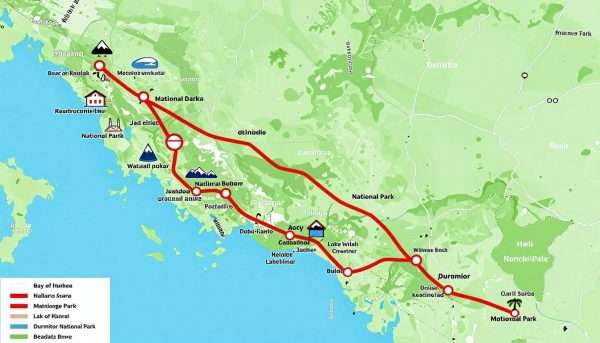
10-14 Day Montenegro Itinerary: In-Depth Exploration
Two weeks allows leisurely exploration including less-visited areas. You can add hiking days, beach relaxation, and off-the-beaten-path destinations.
Follow the 7-day itinerary with these additions:
- Extra days in Durmitor for multi-day hiking or mountain biking
- Visit Biogradska Gora National Park for pristine old-growth forest
- Explore Skadar Lake’s Albanian side (visa requirements apply)
- Add Ulcinj on the southern coast for different beach atmosphere
- Include Ostrog Monastery built into cliff face
- Wine tour through Crmnica region vineyards
- Extra beach days for pure relaxation
Download Free Montenegro Itinerary Planner
Get our detailed day-by-day itinerary template with maps, timing suggestions, and booking links for tours and accommodations.
Themed Itinerary Ideas
Active Adventure Trip
Focus on hiking, rafting, kayaking, and mountain biking. Base in Žabljak and Kotor with day trips for activities. Include Tara rafting, Durmitor hiking, Blue Cave kayaking, and mountain biking trails.
Cultural Heritage Tour
Emphasize UNESCO sites, monasteries, and historic towns. Spend extra time in Kotor, visit multiple bay towns, tour Cetinje museums, explore Ostrog Monastery, and see Stari Bar ruins.
Beach Relaxation Escape
Minimize moving around. Choose one or two coastal bases. Day trip to cultural sites but prioritize beach time. Consider Budva for amenities or Herceg Novi for quieter atmosphere.
Getting Around Montenegro: Transportation Guide
Montenegro’s small size makes getting around relatively straightforward. Several transportation options work depending on your itinerary, budget, and comfort with driving.
Renting a Car in Montenegro
Car rental provides maximum flexibility for exploring Montenegro. You can set your own schedule and reach remote locations inaccessible by bus. The country’s size means you’ll never drive more than a few hours between destinations.
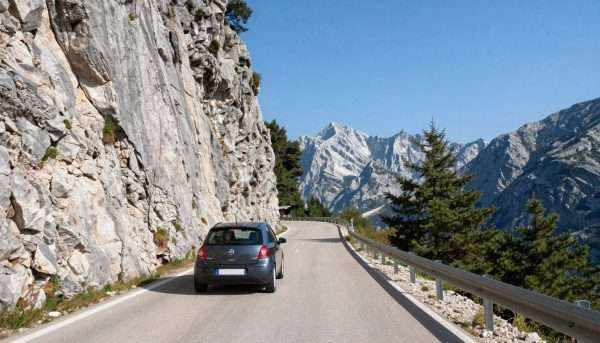
Roads range from excellent new highways to narrow mountain routes. The coastal road between Kotor and Budva carries heavy traffic in summer. Mountain roads feature numerous curves and steep grades. Winter driving requires experience with snow conditions in mountain areas.
Car Rental Benefits
- Complete schedule flexibility
- Access to remote beaches and viewpoints
- Easier luggage management
- Can cover more ground efficiently
- Better for groups splitting costs
Car Rental Challenges
- Parking difficulties in old towns
- Narrow medieval streets inaccessible by car
- Summer traffic congestion on coast
- Mountain driving requires confidence
- Higher costs for solo travelers
Rental costs start around 25-35 euros per day for basic models. Book in advance during summer for better rates and selection. International companies operate at airports. Local companies often offer lower prices but check insurance coverage carefully.
Border crossings into neighboring countries require permission from rental agencies. Some companies restrict which countries you can visit. Always declare your intention to cross borders when booking.
Compare Montenegro Car Rental Rates
Search all major rental companies to find the best deal. Free cancellation on most bookings. Full insurance options available.
Bus Travel in Montenegro
Montenegro’s bus network connects all major towns and many smaller destinations. Buses provide an economical way to travel without driving. Service runs frequently between popular routes during summer months.
The Kotor to Budva route operates every 30 minutes in summer. The trip takes about 45 minutes and costs approximately 4 euros. Kotor to Herceg Novi runs hourly. Coastal routes see most frequent service.
Mountain destinations have less frequent connections. Buses to Žabljak from the coast run 2-3 times daily. The journey takes about 3.5 hours. Service reduces significantly in winter months.
Bus stations in Montenegro can be chaotic. Arrive 15-20 minutes early. Buy tickets from the station window before boarding when possible. Some buses sell tickets onboard. Luggage typically incurs a small additional fee of 1 euro per bag.
Main Bus Routes and Frequencies
| Route | Duration | Frequency | Approx Cost |
| Kotor – Budva | 45 minutes | Every 30 min | 4 EUR |
| Kotor – Herceg Novi | 1 hour | Hourly | 3 EUR |
| Budva – Podgorica | 1.5 hours | Every 60 min | 6 EUR |
| Podgorica – Žabljak | 3 hours | 2-3 daily | 10 EUR |
| Budva – Ulcinj | 2 hours | Every 90 min | 8 EUR |
Taxis and Private Transfers
Taxis operate in all Montenegro towns. Rates vary significantly between official taxi companies and independent drivers. Always agree on price before departing or ensure the meter runs.
A taxi from Tivat Airport to Kotor costs approximately 15-20 euros for the 15-minute trip. Podgorica Airport to the coast runs 60-80 euros depending on destination. These rates assume agreed pricing rather than meter rates.
Private transfers offer fixed pricing and greater comfort than taxis. Many hotels arrange transfers for guests. Online booking platforms provide another option. Expect to pay 20-30% more than taxi rates for the convenience of advance booking and English-speaking drivers.
Some routes make financial sense for small groups splitting costs. Four people sharing a transfer from Podgorica to Kotor might pay similar per-person costs as the bus while saving time and gaining convenience.
Ferry and Boat Services
The Kamenari-Lepetane ferry shortcuts the drive around the Bay of Kotor. This car ferry runs continuously year-round crossing in about 10 minutes. The service costs 5 euros per car and dramatically reduces driving time between Herceg Novi and Kotor.
Water taxis operate within the bay connecting coastal towns. These provide scenic alternative to road travel. Popular routes include Kotor to Perast and various points to Our Lady of the Rocks.
Organized Tours vs Independent Travel
Organized day tours solve transportation challenges for those without cars. Many companies offer trips from coastal bases to national parks, monasteries, and neighboring countries.
Durmitor day trips from the coast include rafting, national park entrance, lunch, and round-trip transport. These tours run 50-80 euros per person. The convenience appeals to travelers wanting mountain experiences without overnight stays or long bus rides.
Independent travel costs less but requires more planning. You control your schedule and can linger at places you enjoy. Tours work better for those with limited time or uncomfortable navigating unfamiliar places.
Where to Stay in Montenegro: Accommodation Guide
Montenegro offers diverse accommodation from budget hostels to luxury resorts. Your choice depends on location preferences, travel style, and budget. Understanding the options helps match lodging to your needs.
Coastal Accommodation Options
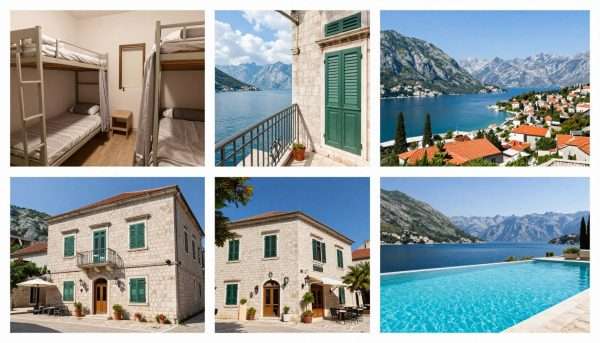
The coast concentrates most tourist accommodation. Options range dramatically in price and quality. High season rates can triple compared to off-season prices.
Hotels and Resorts
Major coastal towns feature full-service hotels from international chains and local operators. Budva has the most choices including all-inclusive beach resorts. Kotor offers boutique hotels in restored historic buildings. Herceg Novi provides more budget-friendly options.
Beach resorts typically operate April through October only. Many close completely during winter. Book directly with hotels for best rates outside peak season. Summer advance booking prevents limited availability.
Apartments and Private Rooms
Private apartments dominate Montenegro’s accommodation market. Locals rent everything from simple rooms to entire luxury apartments. This option often provides better value than hotels especially for families or longer stays.
Apartments include kitchens allowing meal preparation to reduce food costs. Many occupy prime locations including old town buildings. Quality varies tremendously so read reviews carefully before booking.
Owners sometimes meet guests personally for key handoff. Confirm arrival procedures in advance. Some properties charge extra for cleaning, air conditioning usage, or tourist taxes not included in advertised rates.
Hostels
Budget travelers find hostels in Kotor, Budva, and Herceg Novi. Dorm beds start around 15-20 euros in summer. Private rooms cost 40-60 euros. Hostels provide social atmosphere and often organize group activities.
Most coastal hostels operate seasonally from May to September. Some maintain year-round service with reduced capacity in winter. Book ahead in July and August when backpackers fill available beds.
Budget Tier
Hostels, simple private rooms, basic apartments without sea views or amenities.
- 15-25 EUR hostel dorms
- 35-60 EUR private rooms
- 40-70 EUR basic apartments
- Shared facilities common
Mid-Range Tier
Comfortable apartments, 3-star hotels, guesthouses with modern amenities and good locations.
- 60-100 EUR apartments
- 70-120 EUR hotels
- Air conditioning included
- Often includes breakfast
Luxury Tier
High-end resorts, boutique hotels in historic buildings, villas with private pools and premium locations.
- 120-250+ EUR boutique hotels
- 200-500+ EUR beach resorts
- Spa and fine dining on-site
- Concierge services available
Mountain Accommodation
Mountain areas offer fewer choices concentrated in Žabljak and Kolašin. Accommodation leans toward smaller guesthouses and mountain lodges. Facilities tend toward functional rather than luxurious.
Žabljak has about 20 hotels and numerous private rooms. Prices run lower than coastal areas. Expect 40-80 euros for comfortable double rooms in summer. Winter ski season can see higher rates during peak weeks.
Mountain lodges provide atmospheric accommodation within national parks. Some require hiking to reach. These work well for multi-day hiking trips. Book well ahead as capacity limits to preserve park environments.
Best Areas to Base Yourself
Kotor Old Town
Staying within the walls puts you steps from top attractions. Atmospheric medieval setting appeals to history enthusiasts. Limited parking forces leaving rental cars outside. Noise from bars can affect light sleepers. Premium prices reflect prime location.
Budva Area
The widest accommodation selection exists here. Easy beach access and good restaurants. More commercial atmosphere than Kotor. Better parking availability. Works well as central base for coastal day trips.
Herceg Novi
Quieter alternative to Budva with authentic local feel. Lower prices than other bay towns. Good restaurant scene. Steep hills make walking challenging. Ferry connection to Kotor provides car-free excursion option.
Perast
Tiny village offers intimate bay experience. Very limited accommodation options. No real beach but stunning setting. Works best for short stays or romantic getaways. Requires car or reliance on infrequent buses.
Best Things to Do in Montenegro: Activities and Attractions
Montenegro packs remarkable diversity into limited space. Activities span from relaxing beach days to challenging mountain adventures. These experiences showcase the country’s best offerings.
Explore UNESCO World Heritage Sites
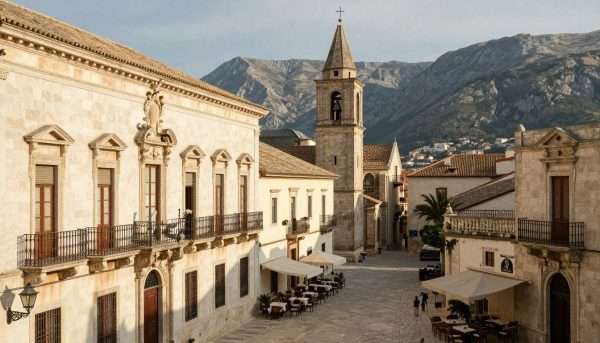
Montenegro claims two UNESCO World Heritage listings. These sites rank among Europe’s most impressive historical and natural attractions.
Kotor and the Bay
The entire Natural and Culturo-Historical Region of Kotor received UNESCO status in 1979. The designation recognizes both dramatic natural landscape and remarkably preserved medieval towns. The bay creates a fjord-like environment unique in the Mediterranean.
Kotor’s fortifications represent one of the best-preserved examples of Venetian defensive architecture. The walls stretch 4.5 kilometers climbing to San Giovanni Fortress. Inside, the old town maintains its medieval street plan virtually unchanged for centuries.
Cathedral of Saint Tryphon dominates Kotor’s central square. This Romanesque church dates to 1166 though earthquakes necessitated reconstructions. The treasury holds valuable religious artifacts and artworks. Climb the bell tower for elevated town views.
Other bay towns contribute to the UNESCO area. Perast contains 16 churches and 17 palaces despite minimal size. The Our Lady of the Rocks artificial island and church add unique elements found nowhere else.
Durmitor National Park
UNESCO recognized Durmitor in 1980 for outstanding natural beauty and geological significance. The park encompasses 39,000 hectares of mountains, canyons, and glacial lakes. Over 50 peaks exceed 2,000 meters creating dramatic alpine landscapes.
Ice Age glaciers carved the terrain leaving lakes, valleys, and distinctive rock formations. Tara River Canyon achieves depths of 1,300 meters making it Europe’s deepest gorge. The canyon rivals the Grand Canyon for dramatic scenery on a more intimate scale.
The park supports diverse ecosystems from Mediterranean influences to alpine environments. Endemic species include rare insects and plants found only in this region. Black pine forests cover mountain slopes. Alpine meadows burst with wildflowers in late spring.
Beach Activities and Water Sports
Montenegro’s Adriatic coast offers 293 kilometers of shoreline. Beaches range from developed resort strips to isolated coves accessible only by boat. The variety satisfies different beach preferences.
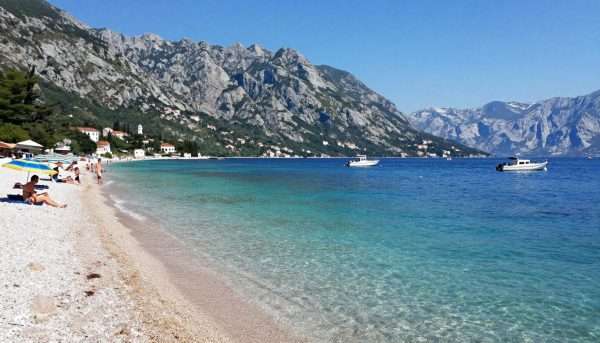
Best Beaches
- Jaz Beach: Two-kilometer stretch near Budva with both organized and free sections. Popular for swimming and water sports. Music festivals held here in summer.
- Mogren Beach: Twin beaches accessed through tunnel from Budva old town. Clearer water than central Budva. Rocky cliffs provide scenic backdrop.
- Sveti Stefan Beach: Public beaches on both sides of famous island. Spectacular views of fortified village. Pebble beach with clear water.
- Plavi Horizonti: Calm bay near Herceg Novi. Shallow water suits families with children. Pine forest provides shade. Less crowded than southern beaches.
- Kraljičina Beach: Small hidden beach near Budva requiring steep path descent. Reward comes from privacy and pristine conditions.
Blue Cave Kayaking
The Blue Cave near Herceg Novi creates magical light effects when sun hits the water. Kayaking tours depart from various points along the bay. Trips typically include swimming stops and cave exploration.
The cave interior glows electric blue from sunlight filtering through underwater entrance. Best light conditions occur mid-morning to early afternoon. Tours last 3-4 hours covering about 10 kilometers. Expect to pay 25-35 euros per person.
Book Blue Cave Kayaking Tour
Explore Montenegro’s stunning Blue Cave by kayak. Tours include equipment, guide, and swimming stops. Small groups ensure personal experience.
Mountain Hiking and Trekking
Montenegro’s mountains offer excellent hiking from easy walks to challenging multi-day treks. Well-marked trails exist in national parks. Less developed routes require navigation skills and proper preparation.
Top Hiking Destinations
Black Lake Circuit (Durmitor): Easy 3.6-kilometer loop around Crno Jezero. Flat path suitable for all abilities. Takes 60-90 minutes at leisurely pace. Starting point two kilometers from Žabljak.
Bobotov Kuk Summit (Durmitor): Montenegro’s highest peak at 2,523 meters. Challenging 8-hour round trip. Requires good fitness and experience. Spectacular 360-degree views reward the effort.
Biograd Lake Loop (Biogradska Gora): Peaceful 3.5-kilometer trail circling pristine glacial lake. One of Europe’s last old-growth forests. Flat terrain through ancient trees. Perfect for families.
Coastal Mountain Trail: Challenging path from Kotor to Lovćen Mausoleum. Follows ancient route through 25 switchbacks. Six to eight hours climbing. Incredible bay views throughout ascent.
Mountain Safety: Weather changes rapidly in mountains. Carry warm layers even in summer. Afternoon thunderstorms common July-August. Start early to avoid weather and heat. Tell someone your hiking plan. Carry sufficient water—mountain streams may not be reliable. Consider hiring local guide for challenging routes.
Adventure Sports
Whitewater Rafting
Tara River provides Montenegro’s premier rafting experience. The river cuts through Europe’s deepest canyon creating thrilling rapids. Commercial trips run from April to October when water levels permit.
Most popular section covers 18 kilometers from Brstanovica to Šćepan Polje. Trips take 3-4 hours on the water with breaks for swimming and lunch. Rapids reach Class III-IV difficulty—exciting but manageable for beginners with guides.
Multi-day rafting trips cover up to 82 kilometers camping on river beaches. These journeys explore the entire canyon including remote sections inaccessible by road. Expect to pay 50-70 euros for day trips, 250+ euros for multi-day adventures.
Paragliding
Budva area offers tandem paragliding flights launching from mountains above the coast. Flights last 15-30 minutes depending on conditions. No experience required for tandem flights with certified instructors.
The bird’s-eye view encompasses coast, old towns, and mountains. Flights cost 60-90 euros per person. Book through adventure tour companies or directly with paragliding schools.
Canyoning
Montenegro’s mountain rivers create excellent canyoning opportunities. Tours involve rappelling down waterfalls, swimming through pools, and jumping from rocks. Popular locations include Nevidio Canyon and Mrtvica Canyon.
Nevidio remained unexplored until 1965 earning the name meaning “unseen.” The route requires good fitness and comfort in water. Tours last 4-5 hours and cost 40-60 euros including equipment and guides.
Cultural Experiences
Monastery Visits
Orthodox monasteries dot Montenegro’s landscape. Many occupy dramatic locations built into cliffs or mountainsides. These spiritual centers maintain active monastic communities while welcoming respectful visitors.
Ostrog Monastery clings to a vertical cliff face 900 meters above Zeta valley. This 17th-century complex ranks among Orthodox Christianity’s most important pilgrimage sites. The setting appears gravity-defying with white buildings emerging from rock. Visitors should dress modestly covering shoulders and knees.
Morača Monastery sits in a river canyon south of Kolašin. Founded in 1252, it contains valuable frescoes and religious artifacts. The peaceful setting along the Morača River provides respite from mountain driving.
Local Markets
Traditional markets operate in most towns selling produce, cheese, honey, and handicrafts. Budva’s morning market opens daily near the old town. Vendors sell fresh fruits, vegetables, and local specialties like prosciutto and cheese.
Podgorica hosts the largest markets with everything from food to clothing. The green market near the city center buzzes with activity especially weekend mornings. Great place to stock provisions if staying in apartments.
Day Trips to Neighboring Countries
Montenegro’s location enables easy visits to several countries. Day trips work from coastal bases though crossing times vary by season and border crossing chosen.
Dubrovnik, Croatia
Croatia’s stunning walled city lies 90 minutes from Herceg Novi. The border crossing usually processes quickly though summer delays occur. Explore Game of Thrones filming locations, walk the city walls, and visit the old town.
Organized tours from Montenegro handle border logistics. Independent travel works well by bus or rental car. Croatian entry requires passport or ID for EU citizens. Check visa requirements for your nationality.
Albania
The border near Ulcinj opens access to northern Albania. Shkodër lies 30 minutes from the crossing. Lake Skadar continues into Albanian territory. The Albanian side receives fewer visitors and feels more remote.
Albanian visa requirements vary by nationality. Many visitors receive free visa on arrival for 90 days. Check current requirements before traveling.
Montenegro Cuisine: What to Eat and Drink
Montenegrin food blends Mediterranean and Balkan influences. The coast emphasizes seafood and Italian-influenced dishes. The interior features hearty mountain fare with meat and cheese. Fresh ingredients and traditional preparation methods create flavorful simple food.
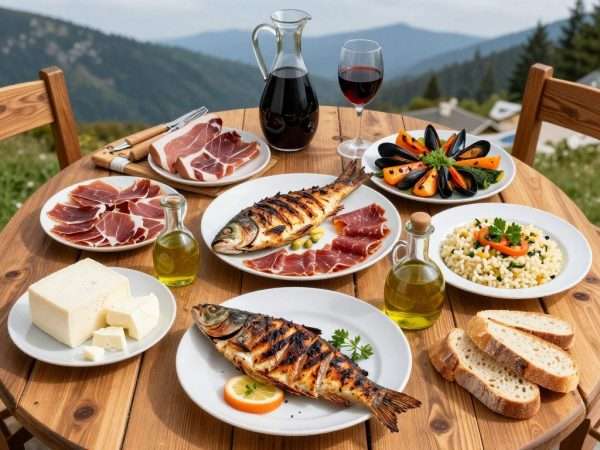
Traditional Dishes to Try
Coastal Specialties
Black Risotto (Crni Rižoto): Squid ink colors this seafood risotto jet black. The dramatic appearance matches bold flavors. Coastal restaurants prepare this specialty fresh daily. Pairs well with local white wines.
Grilled Fish: Daily catches appear on menus throughout coastal towns. Sea bass, bream, and octopus commonly feature. Restaurants typically price by weight. Simple grilling with olive oil, lemon, and herbs lets quality fish shine.
Brudet: Traditional fisherman’s stew made with multiple fish types, tomatoes, wine, and spices. Each family guards their specific recipe. The slow-cooked result creates deep complex flavors. Usually served with polenta.
Mountain and Interior Dishes
Njeguški Pršut: Montenegro’s answer to Italian prosciutto comes from the village of Njeguši. Mountain air and traditional smoking create distinctive flavor. Paper-thin slices typically serve as appetizer with cheese and olives. Quality versions command high prices but worth trying.
Kačamak: Hearty mountain dish combining corn flour, potatoes, cheese, and cream. The thick porridge-like consistency provides warming comfort food. Often served with buttermilk. Extremely filling—consider sharing a portion.
Ćevapi: Small grilled meat sausages found throughout Balkans. Usually made from mixed beef and lamb. Served in groups of 5-10 pieces with flatbread, onions, and kajmak (clotted cream). Perfect quick lunch option.
Lamb Under the Bell (Jagnjetina Ispod Sača): Whole lamb slow-cooked under metal dome covered with embers. The traditional method creates incredibly tender meat. Requires several hours preparation so restaurants need advance notice. Worth ordering for special occasions.
Cheese and Dairy
Montenegro produces excellent cheese from sheep and cow milk. The mountain climate creates ideal conditions for aging. Markets sell both fresh and aged varieties.
Njeguški Sir: Hard cheese from same region as famous prosciutto. Aged in mountain caves developing sharp complex flavor. Excellent with local wine and bread.
Kajmak: Creamy dairy product similar to clotted cream. Made from milk skin that forms during slow heating. Spreads easily on bread or melts over grilled meats. Rich and decadent.
Wine and Spirits
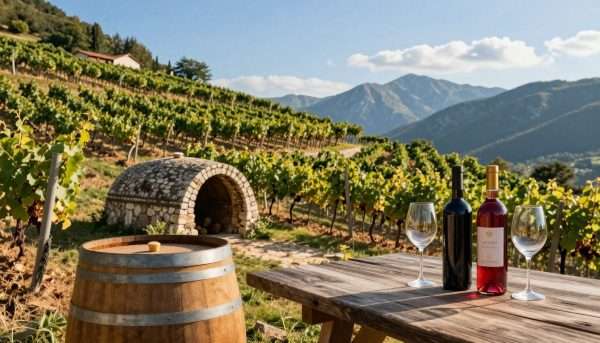
Wine production in Montenegro dates back over 2,000 years. The Skadar Lake region produces most wines. Indigenous grape varieties create unique flavors unavailable elsewhere.
Local Wines to Try
Vranac: Montenegro’s signature red grape produces full-bodied wines with dark fruit flavors. The name means “black horse” referencing the deep color. Pairs excellently with grilled meats and strong cheeses.
Krstač: Indigenous white grape growing near the coast. Creates crisp wines with mineral notes. Perfect accompaniment for seafood. Plantaže winery produces well-regarded Krstač.
Smaller boutique wineries operate around Lake Skadar offering tastings and tours. Šipčanik and Ćemovsko Field regions contain family vineyards with limited production. These wines rarely export making them true local treasures.
Rakija
This fruit brandy appears everywhere in Montenegro. Locals drink small glasses as digestif or before meals. Grapes provide the most common base though plum, quince, and pear versions exist.
Homemade rakija varies wildly in quality and strength. Commercial brands like Montenegro’s Zlatna provide safer introduction. Expect 40-60% alcohol content. Sip slowly—this isn’t a shot drink despite small serving size.
Where to Eat
Konobas (Traditional Restaurants)
These family-run establishments serve traditional food in rustic settings. Konobas often occupy historic buildings or feature outdoor terraces. Menus emphasize local specialties prepared from family recipes passed through generations.
Portions tend toward generous. Prices remain reasonable compared to Western Europe. Don’t expect fancy presentation—the focus falls on authentic flavors and quality ingredients.
Coastal Seafood Restaurants
Waterfront restaurants line coastal towns offering fresh catches and sea views. Quality varies significantly. Check where locals eat rather than tourist-heavy establishments near major attractions.
Fish usually prices by weight measured after cleaning. Confirm the final price before ordering to avoid surprise bills. A 500-gram sea bass typically costs 15-25 euros depending on location and restaurant quality.
Market Shopping
Morning markets provide ingredients for apartment meal preparation. You’ll find seasonal produce, local cheese, prosciutto, bread, and olives. Vendors sometimes offer samples to try before buying.
Prices drop compared to restaurant meals. A picnic assembled from market ingredients costs fraction of eating out while showcasing local products. Great option for beach days or hiking trips.
Dining Tips: Lunch typically runs 12:00-15:00. Dinner starts around 19:00-20:00. Many restaurants close between meal services. Reservations recommended for popular places in summer. Tipping 10% expected for good service though not mandatory. Card acceptance increasing but cash still preferred in smaller establishments.
Practical Montenegro Travel Tips: Essential Information
Understanding practical details makes Montenegro travel smoother. These tips cover common questions and important logistics for your trip.
Money and Costs
Montenegro uses the euro despite not being EU member. This arrangement simplifies currency for European visitors. ATMs widely available in cities and towns. Smaller villages may lack cash machines so withdraw in advance.
Cards accepted at most hotels, restaurants, and shops in tourist areas. Smaller establishments and markets prefer cash. Always carry some euros for parking, markets, and rural areas.
Daily Budget Estimates
| Category | Budget | Mid-Range | Luxury |
| Accommodation | 20-40 EUR | 60-100 EUR | 150-300+ EUR |
| Meals | 15-25 EUR | 30-50 EUR | 60-100+ EUR |
| Transportation | 5-10 EUR | 20-40 EUR | 50-100+ EUR |
| Activities | 0-15 EUR | 20-50 EUR | 60-150+ EUR |
| Total Daily | 40-90 EUR | 130-240 EUR | 320-650+ EUR |
Language
Montenegrin serves as official language essentially identical to Serbian. Croatian and Bosnian speakers understand each other easily. The language uses both Latin and Cyrillic alphabets though Latin dominates in tourist areas.
English widely spoken in coastal tourist zones especially among younger people. Hotel staff, tour guides, and restaurant workers in popular areas communicate well in English. German and Italian also common due to tourist demographics.
Mountain areas and rural locations see less English fluency. Learning basic phrases helps: Zdravo (hello), Hvala (thank you), Molim (please), Doviđenja (goodbye). People appreciate attempts to use local language even if they respond in English.
Safety and Health
Montenegro ranks as safe destination with low crime rates. Petty theft occasionally occurs in crowded tourist areas. Standard precautions suffice—watch belongings, avoid displays of wealth, secure valuables in accommodation.
Traffic presents the main safety concern. Montenegrin driving can be aggressive particularly on coastal roads. Pedestrians should exercise caution even in crosswalks. Mountain roads require confident careful driving.
Tap water generally safe to drink though taste varies by location. Bottled water widely available and inexpensive. Summer heat requires staying hydrated especially during activities.
EU health insurance cards provide coverage in Montenegro. Non-EU visitors should verify travel insurance includes medical coverage. Pharmacies well-stocked in cities. Bring prescription medications with documentation.
Internet and Communications
WiFi available at most hotels, restaurants, and cafes. Connection quality varies particularly in mountain areas. Coastal zones generally have reliable internet.
Local SIM cards provide affordable data for travelers with unlocked phones. Three main carriers (Telenor, Crnogorski Telekom, M:tel) offer tourist packages. Expect 5-15 euros for week of substantial data. Purchase at official stores or supermarkets requiring passport for registration.
Visa Requirements
Many nationalities enter Montenegro visa-free for tourism. EU citizens need only valid ID card or passport. US, Canadian, Australian, and UK citizens receive 90 days visa-free within 180-day period.
Check current requirements for your nationality before traveling as policies change. Border officials may request proof of accommodation and return transportation though rarely enforced for western tourists.
Best Apps for Travel
- Maps.me: Offline maps work perfectly in Montenegro including hiking trails. Download maps before arriving for navigation without data.
- Google Translate: Camera translation helps read signs and menus. Download Montenegrin language pack for offline use.
- Busmestar: Bus schedules and booking for routes throughout Montenegro and neighboring countries.
- Booking.com: Widest accommodation selection with many Montenegro properties offering free cancellation.
- Trail Wallet: Budget tracking app helps monitor spending during trip.
What to Pack
Packing depends on season and planned activities. These items prove useful for most Montenegro travel itineraries:
Essential Items
- Comfortable walking shoes for cobblestones
- Hiking boots if planning mountain activities
- Swimsuit and beach towel
- Sun protection (hat, sunscreen, sunglasses)
- Light layers for temperature changes
- Modest clothing for monastery visits
- Power adapter (European plug type C/F)
- Reusable water bottle
Optional But Useful
- Headlamp for fortress climbs
- Dry bag for boat trips
- Snorkel gear for swimming
- Portable phone charger
- Quick-dry towel
- Insect repellent (summer evenings)
- First aid kit basics
- Waterproof jacket
Environmental Responsibility
Montenegro’s natural beauty requires protection. Follow leave-no-trace principles on hiking trails. Dispose of trash properly—littering remains problem in some areas. Support local businesses choosing locally-owned accommodation and restaurants when possible.
Respect wildlife particularly in national parks. Keep distance from animals. Don’t feed wild creatures. Stay on marked trails to prevent erosion. Some areas prohibit camping outside designated zones.
Water conservation matters especially on islands and in summer. Take shorter showers. Reuse towels at hotels. Declining daily cleaning service reduces environmental impact.
Final Thoughts: Making the Most of Your Montenegro Trip

Montenegro delivers experiences beyond expectations for most visitors. The country combines dramatic natural beauty with rich history and authentic culture. It offers the Mediterranean lifestyle without overwhelming crowds or inflated prices found in more popular destinations.
Successful trips balance coast and mountains. Don’t limit yourself to beaches. The national parks provide completely different character worth experiencing. Even a few days in Durmitor or a drive through mountain roads adds dimension to your understanding of the country.
Allow flexibility in your itinerary. Montenegro rewards spontaneous exploration. That unnamed beach you noticed from the road might become a highlight. The konoba without signage could serve the best meal of your trip. Leave room for unexpected discoveries.
Visit during shoulder season if possible. May and September offer the sweet spot of good weather, manageable crowds, and reasonable prices. You’ll interact more authentically with locals when tourist pressure eases. Accommodation booking becomes simpler without advance planning.
The country works equally well for different travel styles. Adventure enthusiasts find endless activities. Beach lovers discover pristine coastline. Culture seekers explore centuries of history. Food lovers sample unique regional cuisine. Photographers capture endless stunning compositions.
Budget travelers stretch euros farther here than most European destinations. Mid-range travelers enjoy excellent value for money. Even luxury seekers find boutique properties and unique experiences despite limited options compared to established resort destinations.
Montenegro remains in transition between undiscovered gem and established destination. Visit sooner rather than later. Development continues particularly along the coast. The authentic character that makes Montenegro special may not survive another decade of tourism growth unchanged.
Your Montenegro travel experience begins with proper planning but rewards those who venture beyond top attractions. Talk with locals. Try recommended restaurants off tourist paths. Wake early to experience places before crowds arrive. Stay late to see towns transform as day visitors depart.
This small country offers enough variety to satisfy weeks of exploration yet remains accessible for short visits. Whether you allocate three days or three weeks, Montenegro provides memorable experiences showcasing why the Balkans deserve more attention from travelers seeking authentic European destinations.
Start Planning Your Montenegro Adventure
Ready to explore this Balkan gem? Get personalized trip planning assistance, customized itineraries, and insider recommendations delivered to your inbox.
Frequently Asked Questions About Montenegro Travel
How many days do you need to visit Montenegro?
A minimum of five to seven days allows you to experience both coastal and mountain regions. Three days works for coastal highlights only. Two weeks provides comprehensive exploration including national parks, less-visited areas, and relaxation time. Your ideal duration depends on pace preference and whether you want depth or breadth of experience.
Is Montenegro expensive to visit?
Montenegro costs less than Western Europe but more than some Balkan neighbors. Budget travelers can manage on 40-60 euros daily. Mid-range visitors spend 100-150 euros per day comfortably. Peak summer season increases prices 30-50% compared to shoulder months. Coastal areas cost more than interior regions. Overall, Montenegro offers good value for money.
Do I need a car to visit Montenegro?
A car provides maximum flexibility but isn’t mandatory. Buses connect major coastal towns frequently and affordably. National parks require more planning without a car but remain accessible via tours or infrequent bus service. Consider your itinerary: coastal-only trips work fine without vehicles, while mountain exploration benefits greatly from car rental.
What is the best month to visit Montenegro?
September ranks as optimal for most travelers combining warm weather, calm seas, fewer crowds, and lower prices. May offers spring beauty with blooming landscapes. July and August provide guaranteed beach weather but maximum crowds and costs. October works for those tolerating cooler water and occasional rain. Winter suits ski enthusiasts and budget travelers.
Is Montenegro safe for tourists?
Montenegro is very safe with low crime rates. Petty theft occurs occasionally in crowded tourist areas. Traffic presents the main concern due to aggressive driving on narrow mountain roads. Standard travel precautions suffice. Solo female travelers generally report feeling safe. Political stability and welcoming locals make Montenegro one of Europe’s safer destinations.
Can you swim in Montenegro?
Yes, swimming is excellent from June through September. The Adriatic reaches comfortable temperatures of 72-77°F in summer. Bay of Kotor waters warm faster than open sea. May and October offer cooler swimming for hardy swimmers. Beaches range from pebble to sand with very clear water. Beach infrastructure includes organized sections with chair rentals and free public areas.
Where should I base myself in Montenegro?
Kotor offers best combination of attractions, atmosphere, and central location for coastal exploration. Budva provides more accommodation choices, better beaches, and livelier nightlife. Herceg Novi costs less with authentic feel but requires more travel to other bay towns. Consider two bases: one coastal and one mountain location like Žabljak for complete experience.
What language is spoken in Montenegro?
Montenegrin is the official language, virtually identical to Serbian, Croatian, and Bosnian. English is widely spoken in tourist areas along the coast. Younger people generally speak good English. German and Italian also common due to tourist demographics. Learning basic greetings helps but communication rarely presents problems in popular destinations.
What is Montenegro famous for?
Montenegro is famous for the dramatic Bay of Kotor UNESCO World Heritage site, pristine Adriatic beaches, Durmitor National Park mountains, and medieval old towns. The country’s compressed diversity allows experiencing beaches, mountains, and canyons in single trips. Sveti Stefan island resort appears in countless travel photos. Tara River Canyon ranks as Europe’s deepest gorge.
Can I use euros in Montenegro?
Yes, Montenegro officially uses the euro as currency despite not being EU member. This simplifies money matters for European visitors. ATMs dispense euros throughout the country. Cards accepted widely in tourist areas though smaller establishments prefer cash. You don’t need to exchange currency if coming from eurozone countries.










Leave A Comment