
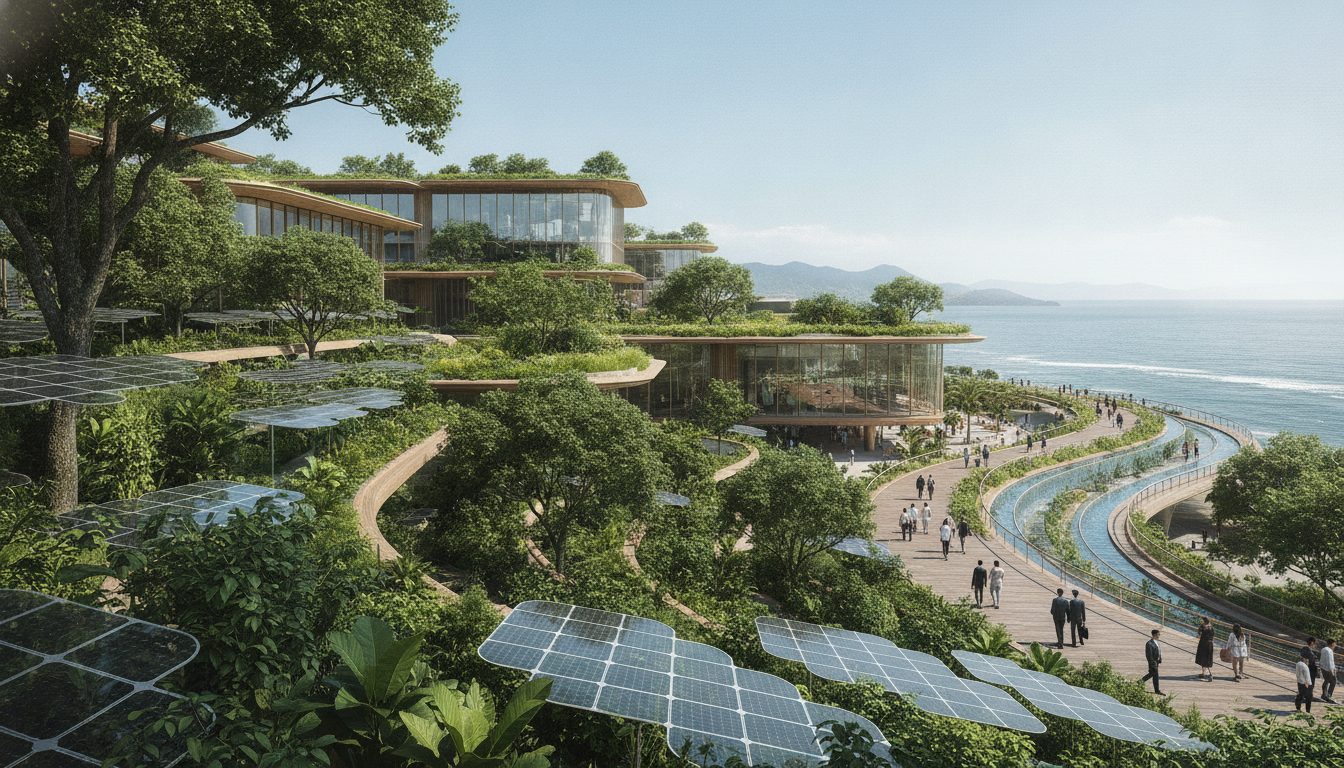
I’ve seen many coastal cities in Southeast Asia, but Kota Kinabalu’s change is unique. At first, I thought the regenerative maritime urbanism plan was just a marketing idea. But seeing the waterfront, with its green tech and marine life, showed me it’s real.
This isn’t just about reducing harm. It’s about actively healing and building. Sabah is leading ASEAN with its Ocean Thermal Energy Conversion plans. It aims to create up to 20,000MW of power for green hydrogen, matching PETRONAS’s goal for net-zero carbon emissions.
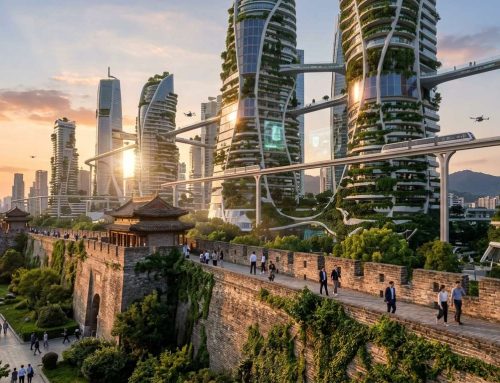
By 2050, Kota Kinabalu will be a global leader in carbon-neutral coastal development. It will follow the Kota Kinabalu Green City Action Plan closely. The city’s design will be self-sufficient, using clean energy and harvesting rainwater. It will also keep marine life thriving at its edges.
Key Takeaways
- Malaysia’s coastal capital is pursuing a binding roadmap to become a fully carbon-neutral nature resort city by mid-century
- Sabah leads ASEAN as the first region to formally enact Ocean Thermal Energy Conversion legislation, unlocking up to 20,000MW of clean power potential
- The city’s waterfront will function as autonomous clean-energy biomes using biomimetic design principles that work with equatorial climate conditions
- Regenerative maritime urbanism focuses on actively healing ecosystems while scaling urban infrastructure, not just reducing environmental impact
- The transformation integrates regulatory frameworks, renewable energy innovation, and blue economy circularity into measurable development milestones
Beyond Sustainability: Why Kota Kinabalu’s 2050 Vision Rewrites Urban Possibility
Kota Kinabalu is doing something unique. Unlike other cities, it aims to improve the environment. This is a big change from just reducing harm.
During my first talk with local planners, I noticed a big difference. They talked about making the city better for the environment. It’s not just about being green.
This change is more than words. It’s a new way of thinking about cities. Instead of just doing less harm, Kota Kinabalu wants to heal the environment.
Going Beyond Carbon Neutrality
Malaysia has a big goal for 2050. They want 70% of their energy to come from renewable sources. This plan is the backbone of Kota Kinabalu’s future.
But this isn’t just about stopping harm. It’s about making things better. Carbon neutrality is like breaking even with nature. Regenerative development goes further.
Buildings in Kota Kinabalu are designed to help the ocean. They clean water and support marine life. This is a big change from traditional city planning.
Traditional cities harm the ocean. But Kota Kinabalu sees the ocean as a key part of its growth. This approach is new and exciting.
The Nature Resort City Framework
The term “nature resort city” caught my attention. It’s not just marketing. It’s a real shift in how cities are built.
This idea means waste is turned into resources. Buildings work together with nature. It’s a closed-loop system.
Let’s see what this looks like in action:
- Hotel waste feeds marine farms
- Rainwater is filtered and used for cooling
- Buildings generate energy and provide shade
- Vegetation manages stormwater and supports local life
- Marine structures help fish populations and local fishing
This concept is not just for tourists. It’s about changing how cities work. It’s a new way to live in a tropical setting.
I’m excited about the potential of this model. If Kota Kinabalu succeeds, it could inspire cities worldwide. This could be a game-changer for coastal cities.
This shift is a complete change in how we live near the ocean. Instead of harming the environment, cities could help it thrive. It’s a new way of thinking about urban life.
I’ve seen many cities with green initiatives. But Kota Kinabalu is trying something different. It’s not just about being green. It’s about making a real difference.
Kota Kinabalu’s vision is bold. It’s not just about reducing harm. It’s about making the city better for the environment and people. This could change how we think about cities forever.
The Kota Kinabalu Green City Action Plan: When Policy Becomes Architecture
Most green city plans look great on paper but fail in real life. Kota Kinabalu is a rare exception. I’ve seen many places with big environmental goals that never happen. But Kota Kinabalu changed my view on policy and innovation.
The kota kinabalu green city action plan is more than just goals. It’s a strict environmental policy framework that developers must follow. Every new building must be self-sufficient in energy, water, and resources.
Environmental Mandates as Innovation Accelerators
I thought developers would hate strict rules. But they see them as creative sparks. Architects and engineers told me these rules push them to think differently.
One developer said the strict rules led to new ideas they never thought of. Without traditional energy systems, they had to find new ways to solve problems. This led to fresh approaches to sustainable urban planning.
The plan sets clear goals for every building:
- 100% renewable energy generation capacity
- Zero net water consumption through harvesting and recycling
- District-wide resource sharing networks
- Native ecosystem integration within building envelopes
- Resilience to Category 5 tropical storms without fossil backup
These goals are not for the future. They are today’s building standards.
Climate Resilience Engineered Into Urban DNA
Climate-resilient development is more than just storm shutters. In Kota Kinabalu, it’s built into every building.
Buildings must withstand stronger storms and rising sea levels. They must also handle extreme heat without air conditioning.
The plan requires buildings to work during climate extremes without fossil fuels. This changes how architects design. I saw teams add systems like water storage and energy generation to keep buildings running.
When environmental rules are strict, they spark innovation, not block it.
The plan has a smart timeline. Old buildings get updates, while new ones must meet all standards. This approach is realistic and keeps progress moving.
The Regulatory Framework That Transformed Waterfront Development
A smart regulatory system makes it all work. The Energy Commission of Sabah (ECoS) helps develop new energy technologies.
The OTEC Enactment 2024 sets rules for ocean energy systems. It shows how policy can help innovation, not hold it back. Before, developers were unsure about ocean energy. Now, they know what to do.
The policy is forward-thinking. It sets goals, not specific technologies. This lets developers choose the best way to meet standards, driving competition and improvement.
| Regulatory Approach | Traditional Green Cities | Kota Kinabalu Framework |
|---|---|---|
| Implementation Status | Voluntary guidelines with incentives | Mandatory requirements for approval |
| Technology Specification | Prescriptive technology mandates | Performance outcomes with technology flexibility |
| Timeline Structure | Long-term aspirational goals | Immediate compliance for new construction |
| Enforcement Mechanism | Limited penalties, weak enforcement | Development approval contingent on compliance |
| Innovation Impact | Incremental improvements | Breakthrough solutions required for approval |
The Energy Commission makes sure different energy sources work together. This avoids waste and ensures reliability. Each building adds to the grid, making the system stronger.
This means visitors and future residents see a city that heals the environment. Buildings are not just structures; they’re part of the planet’s healing.
The kota kinabalu green city action plan turns environmental dreams into real building standards. Walking the waterfront, I saw more than just new buildings. I saw a city built for the future, where climate-resilient development is the norm.
Policy turned possibility into reality. And that reality is rising along the Malaysian coast.
SE-RAMP 2040 and the Autonomous Energy Revolution
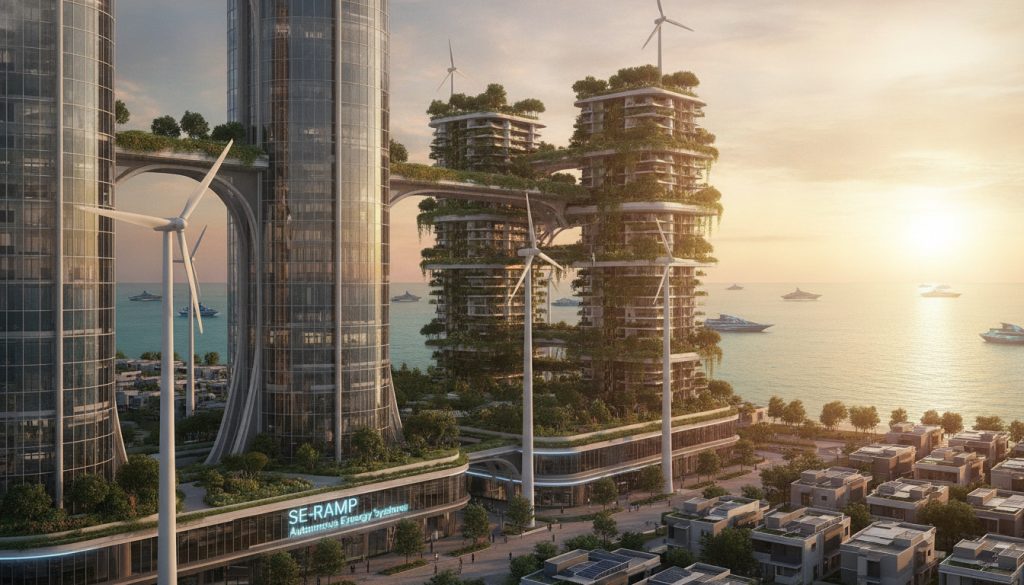
I’ve seen cities all over the world, but Kota Kinabalu’s SE-RAMP 2040 vision stands out. It aims to make the city run on renewable energy by 2040. The Sabah Energy Roadmap and Master Plan 2040, launched in September, is more than just a plan to switch to solar panels. It’s a complete overhaul of how energy flows through the city, aiming for total fossil fuel independence.
This roadmap is the driving force behind the city’s transformation. Looking into the framework, I found something amazing. SE-RAMP 2040’s renewable energy targets shaped where buildings could be placed, how tall they could rise, and what technologies they’d integrate.
Traditional cities rely on big power plants for electricity. But Kota Kinabalu’s 2050 vision is different.
Decentralized Biomes Replace the Fossil Grid
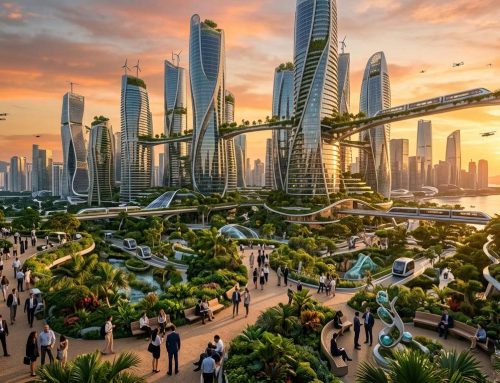
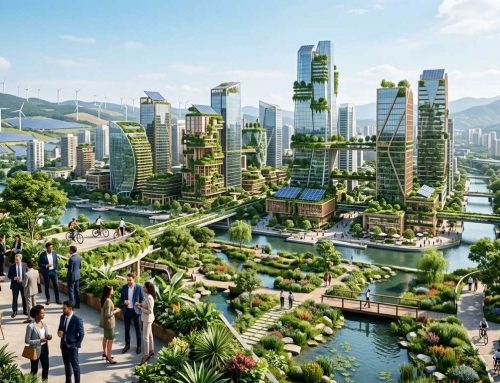
The future waterfront will be a network of autonomous energy systems. Each building and district will generate, store, and share power locally. There won’t be a single power plant for the whole city. Instead, each structure will be its own energy biome.
This new approach makes the city more resilient. When storms hit, some systems might fail, but others will keep going. The architecture itself celebrates power generation, not hiding it.
Ocean Thermal Energy Conversion (OTEC) technology is key to this change. It uses the difference in temperature between warm surface waters and cold ocean depths. Sabah has plenty of this resource.
Research shows Sabah could generate up to 20,000MW of electric power with OTEC. This is enough to eliminate fossil fuel use and even produce green hydrogen for export. It could create jobs and attract investors.
The energy infrastructure is also part of the architecture. Underwater pipes and surface systems aren’t hidden. They’re part of the building design, making them beautiful and functional.
Buildings use many renewable sources:
- Rooftop solar arrays optimized for tropical sun angles
- Building-integrated photovoltaics woven into facade materials
- Micro-wind systems capturing coastal breezes
- OTEC infrastructure as architectural centerpieces
- Battery storage systems enabling 24/7 clean power
Visitors walking the waterfront see this energy revolution. The city celebrates its infrastructure, showing that aggressive renewable targets can lead to innovative design.
How Renewable Energy Targets Shaped Spatial Planning
The Sabah Energy Roadmap influenced building technology and urban planning. Knowing OTEC would generate clean power from specific ocean zones, planners placed buildings strategically.
Waterfront districts are built around the best OTEC areas. Buildings are taller where underground thermal loops are efficient. Green hydrogen production facilities are integrated with maritime logistics, making the port an energy export hub.
This spatial logic is fascinating. It’s the opposite of traditional development. Renewable energy targets shaped every spatial decision from the start.
The shift from centralized fossil grids to decentralized renewable biomes changes urban space fundamentally.
The SE-RAMP 2040 framework shows that clean energy mandates don’t limit development. They unlock new possibilities.
Districts share solar power during peak hours. OTEC systems provide power 24/7. Battery arrays smooth out demand changes. This creates a diverse and resilient energy ecosystem.
The economic benefits are significant. The 20,000MW generation potential powers local needs and makes Sabah a clean energy exporter. Green hydrogen becomes a valuable export, boosting jobs and attracting investors.
This shows how policy becomes architecture. The renewable energy targets in SE-RAMP 2040 are real, shaping the city’s design. They determine building heights, shape waterfront promenades, and create public spaces where energy infrastructure is also civic art.
For travelers seeking unique experiences, Kota Kinabalu offers something new. A city that makes its sustainable infrastructure beautiful, accessible, and inspiring rather than invisible and apologetic.
Weekend getaways from Kuala Lumpur.
Living Architecture: Biomimetic Shading and the Tropical Heat Solution
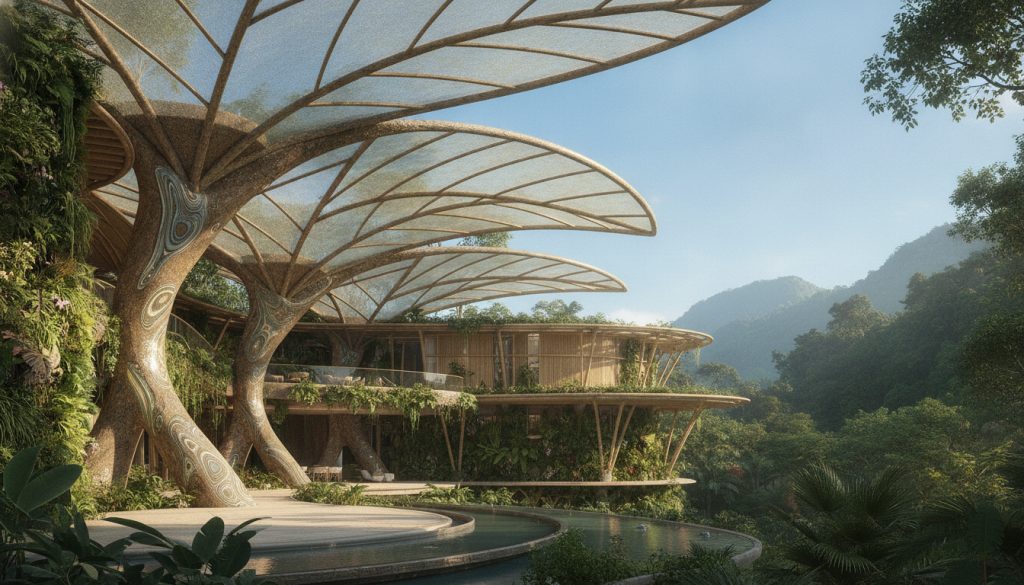
In Kota Kinabalu, I walked through areas in 95-degree heat. Yet, buildings stayed cool without air conditioning. Walking into shaded areas felt like stepping into a cooler world. This was a big change from cities where buildings fight the heat with lots of energy.
The secret is biomimetic tropical building shading systems. They copy nature’s ways to stay cool in the sun. These systems are part of the building’s design, working together to keep the area cool.
Nature’s Engineering Against Equatorial Intensity
Under a rainforest canopy, you see why natural cooling works. Sunlight filters through leaves, making it cool. Air moves freely, and the sun’s rays don’t reach the ground.
Kota Kinabalu’s architects studied these natural systems. They looked at how trees and coral reefs work. They used this knowledge to design buildings that stay cool naturally.
These buildings use patterns found in nature. Software helped turn these patterns into real designs. The designs create shadows that change with the sun, keeping the buildings cool.
These systems adjust to the sun’s position. In the morning, they block the east sun. In the afternoon, they handle the west sun. This smart design keeps the buildings cool without wasting energy.
Advanced Shading Systems That Eliminate Thermal Heat Gain
The technical side of these systems impressed me. They cut down heat gain by up to 90%. This means less need for air conditioning.
These systems use different strategies to stay cool. Outer screens mimic mangrove roots, blocking the sun while letting air in. This creates a cool space without using fans or energy.
Inside, the air moves naturally. Hot air rises and escapes, bringing cooler air in. This keeps the air moving without using energy.
| Cooling Approach | Energy Consumption | Heat Gain Reduction | Indoor Comfort |
|---|---|---|---|
| Conventional AC Systems | 45-60 kWh/m²/year | Active removal after heat enters | Sealed, mechanically controlled |
| Standard Shading (Fixed) | 30-40 kWh/m²/year | 40-50% reduction | Partially naturally ventilated |
| Biomimetic Passive Systems | 5-10 kWh/m²/year | 85-90% elimination | Fully naturally comfortable |
| Hybrid Biomimetic + Minimal AC | 12-18 kWh/m²/year | 90%+ with backup cooling | Adaptable comfort control |
The shading patterns change throughout the day. Some buildings adjust to the sun’s path. Others use fixed shapes that work best for Kota Kinabalu’s sun.
Materials play a big role in these designs. Local bamboo and recycled aluminum are used. They help keep the buildings cool and support a circular economy.
“When we design buildings that work with tropical climate instead of fighting it, we don’t just reduce energy consumption—we create spaces that feel fundamentally more human and connected to place.”
Breaking Free from Air Conditioning Dependence
The real change is how these buildings feel. They’re not like the usual tropical buildings. Instead, they breathe and feel alive.
Natural breezes flow through the buildings. You hear outside sounds like waves and birds. It’s a refreshing change from air-conditioned boxes.
Not using air conditioning saves a lot of energy. It also lowers costs and maintenance. This makes buildings healthier and more comfortable.
For the city, it means big savings. Less energy needed means less strain on the power grid. Kota Kinabalu can use more renewable energy.
I’ve seen many places in Southeast Asia. But Kota Kinabalu’s approach is unique. It’s cool without being stuffy, fresh without being harsh, and quiet without feeling trapped.
The waterfront’s design shows a new way to handle tropical heat. It’s not just about surviving the heat. It’s about using it to create something better.
The Water Harvesting Masterpiece: Monsoons as Municipal Infrastructure
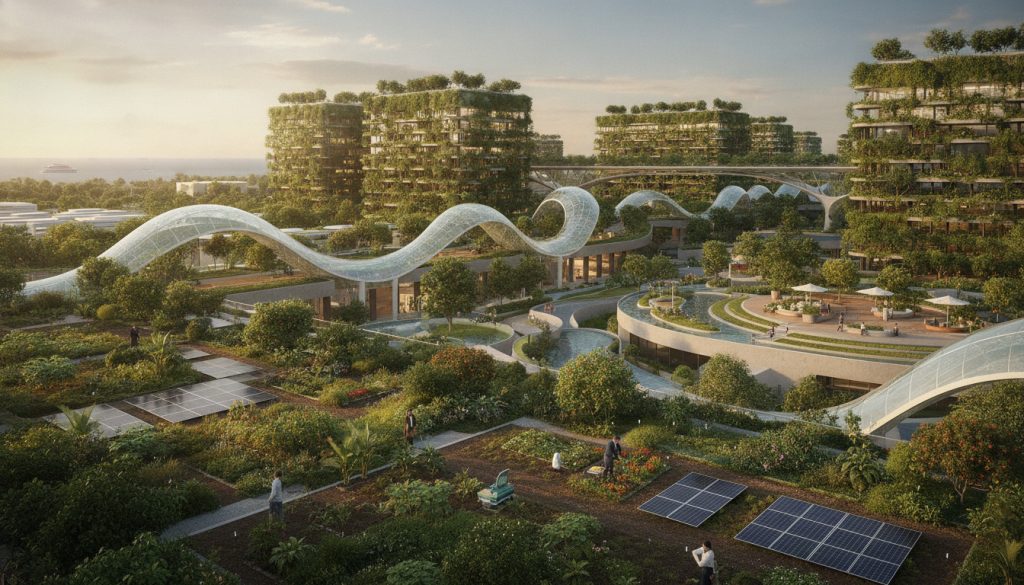
Engineers showed me a city that welcomes rain as precious infrastructure. In most tropical cities, monsoon season causes flooding and chaos. But Kota Kinabalu future 2050 uses rain to power its water system.
Walking in the city during rain, I saw water flow across surfaces. Roofs, plazas, and streets catch rainwater. This water then flows into integrated water management systems.
The city has turned its biggest challenge into a resource. I saw the results everywhere.
Capturing 100% of Seasonal Rainfall Through Integrated Coastal Loops
The monsoon harvesting systems impressed me right away. Engineers said they capture 100% of seasonal runoff. I was amazed when they showed me how it works.
Roofs connect to plaza surfaces, which link to street channels. These channels flow into green spaces. The system guides raindrops into storage and treatment facilities.
During peak monsoon months, the city gets intense rainfall. But the integrated coastal loops handle it easily. Underground storage reservoirs and surface retention ponds work together as one massive catchment network.
I watched rain travel from a hotel roof to a wetland area. The journey took minutes. Every step cooled buildings, watered vegetation, and joined the city’s water supply.
Natural Filtration Powering Zero-Energy District Cooling
The captured water’s journey fascinated me even more. Kota Kinabalu future 2050 uses nature’s filtration systems. Water flows through constructed wetlands filled with indigenous plants.
I explored these wetland areas. They look like lush tropical gardens. But they’re actually serious municipal facilities. Mangroves, seagrasses, and coastal vegetation remove pollutants and create wildlife habitat.
The filtered water powers zero-energy cooling systems. Cold water circulates through buildings, absorbs heat, and returns to storage. This cycle continues without electricity.
A facilities manager showed me a cooling loop system. She explained how ocean depths and stored rainwater keep buildings cool. This approach mirrors renewable energy systems used elsewhere.
This approach felt revolutionary to me. Buildings stay cool, energy costs drop, and environmental impact disappears.
Native Vegetation Matrices as Functional Urban Systems
The native vegetation infrastructure in the city serves many purposes. I thought the greenery was just for looks. But local botanists said it’s critical for municipal services.
Walking through what looked like tropical forest paths, I learned they’re actually water treatment infrastructure. The vegetation matrices filter stormwater, manage flooding, cool air, and provide habitat for wildlife. Every plant species was chosen for specific properties.
The system creates benefits for visitors too. Shaded walking paths connect neighborhoods, offering comfortable routes even in midday heat. The lush vegetation naturally cools the air by several degrees.
One evening, I sat in a plaza surrounded by mangroves and watched fruit bats emerge. A park ranger said the vegetation matrices create habitat corridors for wildlife. The monsoon harvesting systems support entire ecosystems.
This integrated approach shows something powerful about Kota Kinabalu future 2050. Climate challenges become design opportunities with nature-based thinking. The city works with tropical rainfall and coastal conditions, turning problems into elegant solutions that benefit everyone.
The Blue Economy Integration: Where Marine Conservation Drives Urban Prosperity
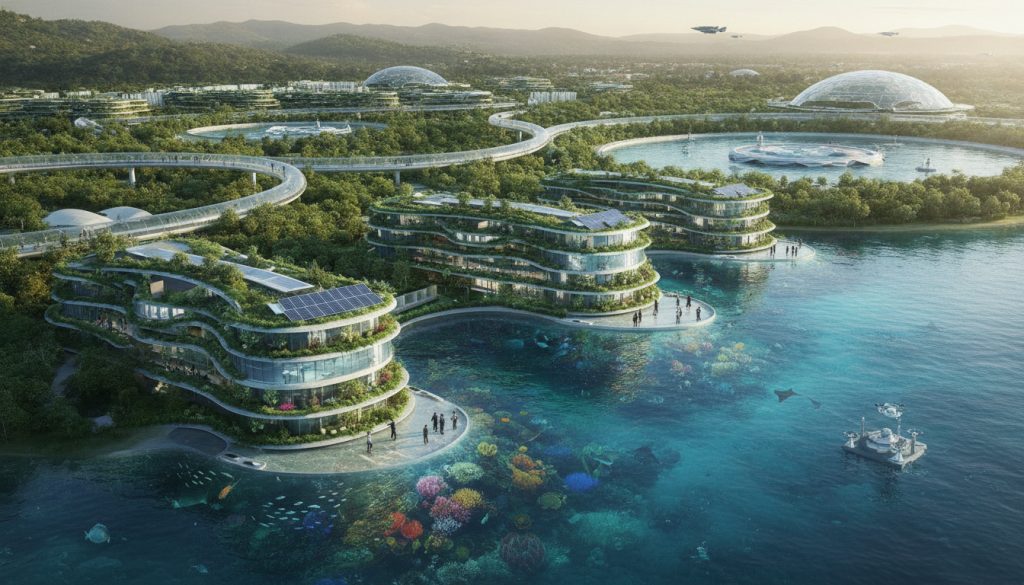
Coastal cities often harm their marine ecosystems to grow. But Kota Kinabalu found that ocean health boosts economic growth. This changed how the city developed its waterfront.
Instead of seeing coral reefs and mangrove forests as obstacles, planners saw them as valuable assets. This shift was a big change.
I’ve seen many coastal cities sacrifice their natural heritage for quick gains. But Kota Kinabalu took a different path. And it’s working well.
Pristine Ecosystems as Development Assets, Not Obstacles
Walking through Kota Kinabalu’s waterfront, I saw something amazing. Healthy coral gardens are just meters from downtown buildings. These aren’t isolated reserves but are part of the city.
The city treats every coastal ecosystem as infrastructure. Mangrove forests filter water before it reaches the ocean. Coral reefs protect against storms, saving millions in damage.
This approach changed the economics of sustainable coastal development. Properties near marine ecosystems are more valuable. Tourists pay more for places near healthy reefs.
This shift also helped the local economy. Protecting habitats increased fish populations. Coastal wetlands reduce flood insurance costs better than concrete barriers.
Coastal Blue Economy Circularity in the Built Environment
The coastal blue economy is clear in Kota Kinabalu’s OTEC infrastructure. Ocean thermal energy systems generate electricity and create value streams for the city.
I looked into how these systems work. Cold-water intake pipes pull up nutrient-rich water for power. This also supports mariculture operations for high-value seafood.
After generating electricity, the system doesn’t waste the deep ocean water. It’s used for desalination, producing drinking water. The remaining water fertilizes algae farms, sequestering carbon and producing biofuels.
Every output becomes another system’s input. Nothing is wasted in these loops. Below is a table showing how single infrastructure investments generate multiple benefits.
| OTEC System Output | Secondary Application | Environmental Benefit | Economic Value |
|---|---|---|---|
| Renewable electricity generation | Grid power for 15,000 homes | Zero carbon emissions | Reduced energy costs |
| Cold deep-sea water | Mariculture temperature control | Reduced wild fish pressure | High-value seafood production |
| Waste heat recovery | Desalination processes | Reduced water extraction | Municipal drinking water supply |
| Nutrient-rich discharge | Algae cultivation systems | Carbon sequestration | Biofuel and fertilizer products |
These systems show blue economy principles in action. They provide clean energy, create jobs, produce food, supply water, and restore ocean health.
Space-Age Infrastructure Serving Ocean Health
The technology itself is impressive. But it’s how it serves environmental restoration that’s amazing. Underwater energy systems and monitoring networks prioritize ocean health.
I found sensor networks that monitor power generation and track marine health. This data helps manage energy and conservation.
Building foundations have artificial reefs that expand marine habitats. They also provide structural support. Engineers designed these foundations to encourage coral and fish growth.
Wastewater management focuses on environmental health. Treated water is discharged after passing through mangrove systems. This water often returns cleaner than when extracted, improving marine conditions.
Chief Minister Hajiji Noor’s vision is coming true. OTEC installations attracted investment and created jobs in marine fields.
OTEC technology and Blue Economy initiatives will create jobs, attract foreign direct investment, and generate secondary products including mariculture and drinking water, fostering economic development in surrounding areas while positioning Sabah as first in ASEAN for OTEC development.
Job creation exceeded expectations. Skilled professionals moved to Sabah for ocean thermal energy and marine conservation jobs. Universities partnered for research, and innovation hubs emerged.
Visitors see the results immediately. Restaurants serve seafood from closed-loop systems. Snorkeling excursions reach thriving coral gardens. The waterfront is alive with marine life.
This integration shows that economic growth and environmental restoration can go hand in hand. When designed right, they strengthen both urban development and ocean health.
Conclusion: The Marine Canopy as Blueprint for Planetary Urbanism
Standing on this waterfront, I see something big. Kota Kinabalu’s future by 2050 is more than just a city’s change. It shows that making cities better is possible.
The green city plan for Kota Kinabalu made a big impact. It led to new ideas, not just following rules. This change of heart made a huge difference.
This model can be used everywhere because it’s based on real challenges. Sabah was the first in ASEAN to start OTEC, solving many problems. These are issues coastal areas face everywhere.
Visiting Kota Kinabalu lets you see what sustainable cities can be. Your trip helps the environment, not harm it. The city’s design shows nature and buildings as one.
This city shows you can have both wealth and care for the planet. As more people live by the coast, Kota Kinabalu shows the way.
I’m watching the sunset over buildings that make power and water. They even help the sea. This isn’t just building cities—it’s a new way for humans and coastlines to live together. The future is being built here.

Leave A Comment