
The idea of traveling the world with no money might sound impossible. But thousands of people across the globe prove every day that it’s not just possible—it’s an incredible way to see the world. The truth is you don’t need a massive bank account to satisfy your wanderlust. You need resourcefulness, courage, and the right knowledge.
This guide reveals exactly how real travelers explore countries, live in different places, and create unforgettable experiences without spending traditional travel budgets. Whether you have a few dollars or absolutely nothing in your account, these proven strategies will show you the path to making your travel dreams a reality.
The journey to travel free starts with understanding that money isn’t the only currency in the world. Your time, skills, energy, and willingness to connect with people open doors that closed wallets cannot. Let’s explore how you can start your adventure today.
Is Traveling With No Money Really Possible?
Yes, traveling with no money is absolutely possible, but it requires a fundamental shift in how you think about travel. Traditional tourism revolves around spending money on hotels, restaurants, and tourist attractions. Free travel operates on a different economy—one based on exchange, trust, and community.
Thousands of travelers currently explore the world using work exchange programs, where they trade a few hours of daily work for free accommodation and food. Others rely on the generosity of hosts through platforms like Couchsurfing. Some combine multiple strategies, working seasonal jobs in one country to fund quick trips to neighboring places.
Reality Check: Free travel doesn’t mean luxury. You’ll work for your accommodation. You’ll sometimes eat simple food. You’ll need flexibility with your schedule and destinations. But if you value authentic experiences over comfort, this lifestyle offers rewards that money simply can’t buy.
The mind shift required involves seeing yourself as a participant rather than a consumer. Instead of buying experiences, you create them. Instead of staying in hotels, you become part of local communities. This approach opens up opportunities that simply don’t exist in traditional travel.
People who successfully travel with no money share common traits: adaptability, social skills, willingness to work, and comfort with uncertainty. If you’re reading this guide, you already have the curiosity. The rest you can develop along the way.
Ready to Start Your Free Travel Journey?
Join thousands of travelers who’ve discovered how to explore the world through work exchanges. Get access to hosts in 140+ countries offering free accommodation in exchange for a few hours of help each day.
Work Exchange Programs: Your Gateway to Travel World Free
Work exchange programs represent the most reliable way to travel with no money. These platforms connect travelers with hosts worldwide who offer free accommodation and often meals in exchange for help with projects. You might work on an organic farm, help at a hostel, teach languages, or assist with childcare.
The beauty of work exchange lies in its structure. You know exactly what to expect before arrival. Hosts list their requirements clearly. You work a set number of hours per day—typically four to six—and the rest of your time is free to explore. This arrangement provides stability while traveling, something crucial when you have limited funds.
WWOOF: Working on Organic Farms

WWOOF (World Wide Opportunities on Organic Farms) pioneered the work exchange movement. This platform connects travelers with organic farms across the world. You work alongside farmers, learning sustainable agriculture practices while receiving free accommodation and meals.
WWOOF operates through country-specific memberships. Each country has its own WWOOF organization with its own fee structure. Most memberships cost between twenty and forty dollars annually and give you access to hundreds of farms in that country. This small investment opens doors to months of free accommodation.
What You’ll Do
- Plant and harvest crops in season
- Care for farm animals and livestock
- Build and maintain farm structures
- Help with food preservation and processing
- Assist with farmers market preparation
- General farm maintenance and projects
What You’ll Receive
- Private or shared accommodation on farm
- Three meals daily made with farm produce
- Knowledge of organic farming methods
- Rural lifestyle experience
- Connection with farming communities
- Physical outdoor work and fresh air
WWOOF works best for travelers who enjoy rural settings and physical work. Farm life means early mornings, manual labor, and remote locations. But it also offers profound peace, genuine connections with farmers, and a chance to learn valuable skills while supporting sustainable agriculture.
Workaway: Diverse Opportunities Across the Globe
Workaway expanded the work exchange concept beyond farms. This platform hosts thousands of opportunities across categories including hostels, schools, eco-projects, families, and creative spaces. The diversity means you can find positions matching your interests and skills.
A Workaway membership costs approximately forty-nine dollars annually for individuals or fifty-nine for couples traveling together. This single fee provides access to hosts in over 170 countries. The platform includes detailed host profiles, reviews from previous volunteers, and a messaging system to arrange placements before you arrive.
Hostel Work
Help with reception, cleaning, or organizing activities at backpacker hostels. Perfect for social travelers who want to meet lots of people and stay in lively environments.
- Five to six hours daily
- Dorm bed or private room
- Usually includes breakfast
- Social atmosphere
Language Teaching
Share your native language with families or schools. Common for English speakers but opportunities exist for any language. Great for cultural exchange and developing teaching skills.
- Three to five hours teaching
- Room with host family
- Meals included
- Deep cultural immersion
Creative Projects
Assist with art studios, music venues, sustainable building, or community initiatives. Ideal for travelers with specific skills or those wanting to learn creative trades.
- Four to six hours daily
- Varied accommodation
- Learn new skills
- Portfolio building
Workaway provides flexibility that other platforms sometimes lack. You can filter by location, project type, duration, and host ratings. Many travelers use Workaway to slowly move across regions, spending a month in each place they find interesting. This approach provides time to truly know each destination rather than rushing through.
HelpX: Community-Focused Exchange Network
HelpX operates similarly to Workaway but with a slightly different community feel. The platform emphasizes cultural exchange and learning opportunities. Hosts range from farms to homestays to small businesses needing various types of assistance.
A two-year HelpX membership costs twenty euros, making it one of the most affordable work exchange platforms. The longer membership period suits travelers planning extended trips. The platform attracts hosts who genuinely value cultural exchange over simply getting free labor.
Pro Tip: Many experienced travelers maintain memberships on multiple platforms simultaneously. Each has different hosts and opportunities. Having access to WWOOF, Workaway, and HelpX increases your options significantly, especially when you’re being spontaneous with travel plans.
Trusted Housesitters: Pet Care and Home Comfort
Trusted Housesitters connects pet owners with travelers willing to care for their animals while they’re away. This arrangement provides free accommodation in exchange for pet sitting duties. Unlike other work exchanges, you often get entire homes to yourself with minimal daily responsibilities.
An annual membership runs around one hundred and forty dollars, making it the most expensive option on this list. However, the accommodation quality typically exceeds what you’d find through other platforms. You might stay in beautiful homes in city centers or countryside retreats—places where hosts need someone trustworthy while they travel.
Responsibilities Include
- Feeding pets on schedule
- Walking dogs regularly
- Providing companionship for animals
- Basic home maintenance
- Watering plants and gardens
- Keeping the home secure and clean
Benefits You’ll Enjoy
- Entire home to yourself
- Often in prime locations
- Quality accommodation standards
- Flexible schedule around pet needs
- Opportunity to care for animals
- Home comforts while traveling
House sitting works exceptionally well for travelers seeking comfort and stability. Sits can last from a few days to several months. Many sitters build relationships with homeowners who invite them back repeatedly. This creates a network of familiar places to return to during your travels around the world.
Making Work Exchange Successful
Success with work exchange platforms requires understanding how to present yourself effectively. Your profile serves as your first impression. Include clear photos of yourself, write an engaging description of your background and skills, and explain why you want to travel this way.
Reviews matter immensely in the work exchange community. Complete each commitment fully and request reviews from hosts. Positive reviews make future applications easier. Hosts receive many applications and naturally prefer travelers with proven track records.
Application Strategy: Don’t send generic messages to many hosts. Instead, write personalized applications to places genuinely interesting to you. Mention specific aspects of their listing that appeal to you. Explain what skills or energy you’d bring. Quality applications receive far better response rates than quantity approaches.
Communication is key once accepted. Clarify expectations before arrival. Confirm work hours, accommodation details, meal arrangements, and house rules. Clear communication prevents misunderstandings that could make your stay uncomfortable.
Remember that work exchanges represent relationships, not transactions. Hosts aren’t employers—they’re people opening their homes. Approach each opportunity with gratitude, flexibility, and willingness to genuinely contribute. This mindset creates positive experiences for everyone involved.
Compare Top Work Exchange Platforms
Each platform offers unique opportunities. Explore these trusted services to find the perfect match for your travel style and skills.
Couchsurfing: Connecting With Hosts for Free Accommodation

Couchsurfing revolutionized how travelers connect with locals worldwide. The platform enables people to offer their couches, spare rooms, or even just floor space to travelers for free. Unlike work exchange, no labor is expected. Hosts open their homes purely for cultural exchange and the joy of meeting people from around the world.
The Couchsurfing platform operates with both free and verified membership options. The verified account costs approximately sixty dollars for lifetime access and increases your visibility to potential hosts. Many travelers successfully use free accounts, though verified members typically receive more acceptance responses.
Creating an Effective Couchsurfing Profile
Your profile determines your success on Couchsurfing more than any other factor. Hosts receive numerous requests and make quick decisions based on profile quality. A well-crafted profile demonstrates you’re a real person with genuine intentions who will respect their home and space.
Include multiple recent photos of yourself, not just travel snapshots. Hosts want to know who they’re inviting into their home. Write a detailed ‘About Me’ section explaining your background, interests, travel philosophy, and what you hope to gain from the experience. Specificity matters—generic profiles get ignored.
Profile Must-Haves
- Multiple clear face photos
- Detailed personal description
- Your travel interests and style
- What you enjoy doing
- Languages you speak
- References from others
- Verified identity badge
- Complete profile sections
Request Best Practices
- Read host’s entire profile first
- Mention specific profile details
- Explain why you want to meet them
- Be clear about dates and times
- Keep message concise but personal
- Send requests well in advance
- Have backup options ready
- Respect rejection gracefully
References form the backbone of Couchsurfing trust. You need references to receive hosting offers easily. Attend Couchsurfing meetups in your hometown to connect with the community. Leave references for people you meet. Host travelers yourself if possible. Building your reference profile takes time but pays dividends when you start traveling.
Being a Great Couchsurfing Guest
Successful Couchsurfing requires social awareness and respect. You’re staying in someone’s personal space as their guest. Act accordingly. Clean up after yourself. Follow house rules. Be mindful of noise levels and schedules. Remember that hosts have lives—they’re not tour guides or entertainment committees.
Bring small gifts to show appreciation. Something from your home country, regional treats, or even cooking a meal for your host makes a positive impression. These gestures aren’t obligatory but they’re appreciated and help build the spirit of exchange that makes Couchsurfing special.
Cultural Exchange: The best Couchsurfing experiences happen when guests engage authentically with hosts. Ask about their city, their life, their interests. Share stories from your travels and background. Have conversations over meals. The platform exists for connection—embrace that rather than treating it as just free accommodation.
Communication is vital throughout your stay. Let hosts know your arrival time precisely. If plans change, inform them immediately. After your stay, leave a thoughtful reference highlighting what you appreciated. Good references help hosts attract quality guests in the future.
Safety Considerations for Couchsurfing
Safety is a legitimate concern when staying with strangers. Couchsurfing includes safety features but ultimately you must use common sense. Read reviews carefully. Trust your instincts. If something feels off about a potential host, decline and find another option.
Always verify host profiles thoroughly. Look for multiple positive references from different people over time. Check that their profile seems genuine and complete. Hosts with verified accounts, extensive references, and detailed profiles are generally safer bets.
Safety First: Tell friends or family where you’re staying and share host details. Keep your phone charged. Have backup accommodation researched. Trust your gut feeling—if you feel uncomfortable upon arrival, it’s okay to make an excuse and leave. Your safety matters more than potentially offending someone.
Meet hosts in public first if possible. Some hosts offer to meet at a cafe before going to their home. This gives you a chance to assess the situation in a safe environment. For solo female travelers especially, look for hosts with positive reviews from other solo women.
Couchsurfing Alternatives and Meetups
Beyond hosting, Couchsurfing facilitates local meetups and events. These gatherings happen regularly in cities worldwide. Attend meetups to experience local culture, make friends, and potentially find hosts organically. Many lasting travel friendships begin at Couchsurfing events.
Some hosts can’t offer accommodation but are happy to meet for coffee, show you around, or invite you to local events. These connections enhance your travel experience even without providing a place to sleep. The platform’s true value lies in human connection rather than just free beds.
Similar platforms exist including BeWelcome and TrustRoots. These alternatives operate on similar principles but with smaller communities. Having profiles on multiple platforms increases your hosting options, especially in areas where Couchsurfing has less presence.
Hitchhiking: The Art of Free Transportation
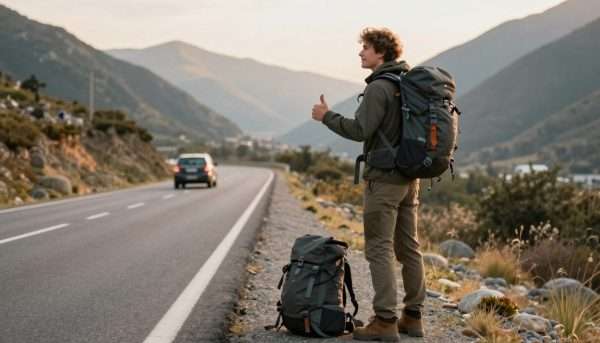
Hitchhiking remains one of the oldest ways to travel free. The practice involves standing by roads and requesting rides from passing drivers. While less common today than decades past, hitchhiking still thrives in many parts of the world. It offers complete freedom of movement without spending a single dollar on transportation.
Success with hitchhiking requires understanding the practice’s nuances. It’s part skill, part patience, part luck. Some days you catch rides quickly. Other times you wait hours. The unpredictability becomes part of the adventure once you accept it as normal.
Safety Guidelines for Hitchhiking
Safety must be your top priority when hitchhiking. This transportation method carries real risks that you need to acknowledge and mitigate. Never hitchhike if you’re uncomfortable with the inherent uncertainties involved.
Trust your instincts completely. If a driver seems intoxicated, aggressive, or makes you uncomfortable in any way, decline the ride. No destination is worth compromising your safety. Wait for the next opportunity—another vehicle will come.
Hitchhiking Benefits
- Completely free transportation method
- Meet fascinating local people
- Flexibility in route and timing
- Adventures and unexpected experiences
- Learn about places from residents
- Environmental benefits versus driving solo
Hitchhiking Challenges
- Safety risks with unknown drivers
- Unpredictable wait times
- Weather exposure while waiting
- Not legal in all locations
- Difficult with large amounts of stuff
- Can be exhausting mentally
Travel with a companion when possible. Pairs are safer than solo hitchhikers. However, groups of three or more have difficulty getting rides since most vehicles lack space. Two people represent the ideal balance of safety and practicality.
Keep emergency contacts informed of your route and check in regularly. Share photos of license plates or vehicle descriptions with friends when accepting rides. These precautions provide peace of mind and actual safety benefits.
Effective Hitchhiking Techniques
Location determines hitchhiking success more than any other factor. Position yourself where vehicles can safely stop with good visibility of you from a distance. Highway on-ramps, gas stations, and rest stops work better than random roadside spots.
Appearance matters significantly. Clean, neat travelers get rides more easily than those appearing unkempt. Smile and make eye contact with drivers. Hold a sign with your destination if possible—drivers are more likely to stop when they know you’re heading somewhere specific along their route.
Best Hitchhiking Locations
- Highway entrance ramps where traffic is slow
- Gas stations and rest areas with easy exits
- Truck stops for long-distance rides
- Just outside city limits on main routes
- Border crossings where locals help travelers
Hitchhiking Etiquette
- Be polite and grateful for every ride
- Offer to contribute fuel money if able
- Make pleasant conversation without being pushy
- Respect driver’s property and preferences
- Exit where convenient for the driver
- Thank drivers sincerely when departing
Time of day impacts your results. Hitchhiking during morning commute hours increases ride opportunities. Late evenings are harder and potentially less safe. Start early to maximize daylight hours for catching rides and finding accommodation if needed.
Regional Differences in Hitchhiking Culture
Hitchhiking acceptance varies dramatically by country and region. In some places like New Zealand, Ireland, and parts of Eastern Europe, hitchhiking remains common and relatively safe. In others, the practice has nearly disappeared, making rides extremely difficult to obtain.
Research your destination before attempting to hitchhike. Online hitchhiking communities and forums provide current information about local conditions. Sites like Hitchwiki offer detailed country guides including legal status, cultural attitudes, and practical tips specific to each region.
Legal Considerations: Hitchhiking is actually illegal in some places including parts of the United States, Australia, and various European countries. Research local laws before attempting. Getting fined or arrested defeats the purpose of saving money on transportation.
Language barriers add complexity in foreign countries. Learn basic phrases in the local language. Carrying a phrasebook or translation app helps communicate with drivers. Many drivers enjoy practicing English with hitchhikers, turning language differences into connection opportunities.
Long-Distance Hitchhiking Strategies
Crossing countries or continents via hitchhiking requires strategic planning. Break your journey into manageable segments. Research major routes and cities along your path. Plan where you might spend nights if you don’t reach your destination before dark.
Truck drivers often provide the longest rides. They’re traveling substantial distances and sometimes appreciate company. Truck stops become prime locations for catching these extended rides. Be aware that truck cabs can be cramped and uncomfortable for long hours.
Pack minimally for hitchhiking trips. Large amounts of luggage make you less appealing to potential rides. A single backpack is ideal. Keep essentials accessible—water, snacks, warm layers, and phone charger. Long waits are more comfortable when you’re prepared.
Document your journey if you enjoy storytelling. Many successful travel bloggers and content creators share hitchhiking adventures. Your experiences could inspire others or even generate future income through content creation about your travels.
Creative Ways to Get Free Transportation
Beyond hitchhiking, numerous alternative transportation methods exist for travelers with no money. These options require more effort or specific circumstances but they work effectively for the right situations and the right kind of people willing to embrace unconventional travel.
Rideshare Platforms and Carpooling
Rideshare platforms connect drivers with passengers heading similar directions. Unlike hitchhiking, these arrangements are planned in advance through apps or websites. Popular platforms include BlaBlaCar in Europe, Craigslist rideshares in North America, and various local carpooling services worldwide.
These services typically involve small fee contributions for fuel. However, many drivers accept non-monetary exchanges—help with driving, interesting conversation, or small favors. Be upfront about your limited budget when contacting drivers. Many sympathize with budget travelers and appreciate honesty.
Rideshare Benefits: Unlike random hitchhiking, rideshares provide confirmed transportation at specific times. You communicate with drivers beforehand and establish expectations. This structure offers more safety and reliability than traditional hitchhiking while still costing little to nothing.
Freight Train Hopping
Train hopping involves illegally boarding freight trains to travel free. This method is dangerous, illegal, and not recommended. However, honesty demands acknowledging that some travelers use this approach, particularly in North America where freight trains cross vast distances.
Freight train riding carries serious risks including arrest, injury, or death. Trains move unpredictably. Conditions inside freight cars can be extreme. Railroad police actively search for and prosecute trespassers. Only mention this option to emphasize that despite its romanticism in travel lore, it’s genuinely hazardous.
Safety Warning: This guide does not endorse or encourage freight train hopping. The risks far outweigh any benefits. Numerous safer free transportation options exist. If you’re considering this method, understand you’re risking your life and freedom for transportation that alternatives can provide much more safely.
Ferry and Boat Work Passages

Securing working passages on boats offers legitimate free transportation across water. Yacht owners frequently seek crew for ocean crossings. Ferries sometimes need temporary workers. These opportunities provide not just free passage but often accommodation and food during the journey.
Find boat opportunities through crew-finding websites like FindaCrew or Crewseekers. Marinas in coastal cities also have bulletin boards where boat owners post crew needs. Sailing experience helps but isn’t always required—many owners simply want extra hands and watchkeepers for long passages.
Finding Boat Positions
- Check crew-finding websites regularly
- Visit marinas and talk to boat owners
- Join sailing and yachting online communities
- Look for posts at sailing clubs
- Network at waterfront bars and cafes
- Time visits to coincide with seasonal migrations
Working Passage Expectations
- Share night watch duties on passages
- Help with sail handling and deck work
- Assist with boat maintenance tasks
- Cook meals during your shifts
- Follow captain’s instructions always
- Contribute to boat cleaning and upkeep
Boat travel requires flexibility with timing. Weather dictates sailing schedules. You might wait days or weeks for the right conditions. However, if you have time and seek adventure, crossing oceans on sailboats creates unforgettable memories that conventional travel cannot match.
Bicycle Touring
Bicycles require initial investment but provide ongoing free transportation. Bicycle touring suits travelers willing to move slowly and embrace physical challenge. You control your pace completely, stop wherever interests you, and camp freely in many locations.
Used bicycles can be found cheaply or sometimes free through online classifieds, university bulletin boards, or donation programs. Basic touring setup needs only the bike, panniers or bags, repair kit, and camping gear. This investment pays for itself quickly compared to other transportation costs.
Bicycle touring communities are incredibly supportive. Organizations like Warmshowers connect touring cyclists with hosts offering free accommodation specifically for bicycle travelers. The cycling community generally looks out for each other, making this travel method both economical and socially enriching.
Walking and Trekking
Walking costs nothing and provides the slowest, most intimate way to experience places. Long-distance hiking trails exist globally, offering routes through stunning landscapes with established infrastructure like shelters and water sources.
Famous trails include the Camino de Santiago in Spain, the Appalachian Trail in the United States, and the Annapurna Circuit in Nepal. These paths offer accommodation options ranging from free to budget-friendly. Many pilgrimage routes have donation-based hostels specifically for walkers with limited money.
Walking requires minimal gear but significant time. You won’t cover countries quickly on foot. However, for travelers with time but no money, walking transforms travel into meditation, connecting you deeply with the landscape and the people you encounter along the way.
Finding Free Accommodation Beyond Work Exchange
Accommodation typically consumes the largest portion of any travel budget. Finding places to sleep for free dramatically extends how long you can travel on limited funds. Beyond the work exchange programs already discussed, multiple free accommodation strategies exist for resourceful travelers.
Hostels Offering Work-for-Stay
Many hostels worldwide offer informal work-for-stay arrangements. You work a few hours daily in exchange for your bed. Tasks typically include cleaning, reception work, organizing activities, or helping in the hostel bar or kitchen.
These arrangements often aren’t advertised officially. You need to ask directly. Visit hostels in person and speak with managers about work opportunities. Smaller, independently-owned hostels are more likely to accommodate this request than large chain properties.
Approaching Hostels: Visit during quiet times when staff aren’t busy. Explain you’re a long-term traveler willing to work for accommodation. Emphasize any relevant skills—reception experience, cleaning standards, social media abilities, or language skills. Offer to start with a trial day to prove your value.
Work-for-stay hostel positions often lead to paid work opportunities. Managers notice reliable workers and might offer paying positions when available. This creates a path from free accommodation to actually earning money while living in your desired destination.
Religious Accommodation
Religious institutions globally offer accommodation to travelers, often for free or small donations. Monasteries, convents, temples, ashrams, and pilgrimage centers welcome respectful visitors regardless of religious beliefs in many cases.
Christian monasteries throughout Europe offer simple accommodation to pilgrims and travelers. Buddhist temples in Asia frequently house visitors interested in meditation or learning about Buddhism. Islamic countries have traditions of hospitality where mosques might direct travelers to community accommodation.
Monastery Stays
Monasteries provide basic accommodation in exchange for respecting their routines and possibly participating in communal activities. These stays offer peace, reflection, and often stunning historical settings.
- Free or donation-based accommodation
- Simple but clean rooms
- Meals included in many places
- Quiet, reflective atmosphere
- Participation in prayers optional or required
Temple Stays
Buddhist temples especially in Thailand, Japan, and Korea welcome visitors for temple stay programs. These immerse you in Buddhist practice while providing accommodation.
- Minimal to no cost
- Vegetarian meals provided
- Morning meditation and chanting
- Cultural learning opportunity
- Respectful behavior expected
Research specific religious communities before arrival. Many have websites explaining their policies. Some request advance booking while others accept walk-ins. Understand and respect the rules—these institutions generously share their space and expect appropriate conduct in return.
Wild Camping and Stealth Camping
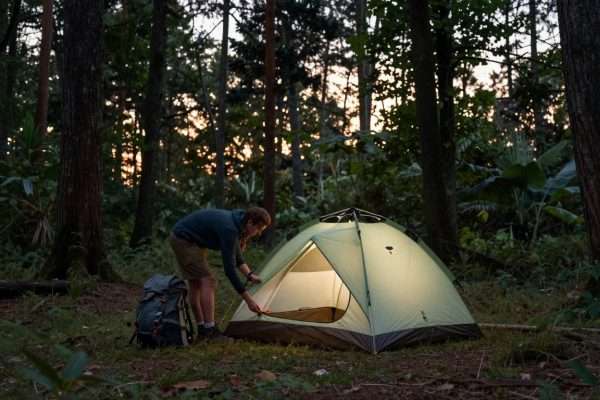
Camping offers completely free accommodation where legal and safe. Wild camping means camping in natural areas away from established campgrounds. Stealth camping involves discretely camping in urban or developed areas, usually arriving late and leaving early to avoid detection.
Many countries allow wild camping on public lands. Scotland, Sweden, and Norway have “right to roam” laws permitting camping almost anywhere. Other places restrict camping to designated areas. Research local regulations before attempting to camp.
Camping Caution: Illegal camping can result in fines or arrest. Never trespass on obviously private property. Avoid camping in dangerous areas. Tell someone your camping location. Carry a phone for emergencies. Your safety matters more than saving accommodation costs.
Stealth camping requires discretion. Arrive at dusk, leave at dawn. Choose hidden spots away from foot traffic. Don’t leave trash or evidence. Urban stealth campers use small tents in wooded park areas, industrial zones after business hours, or quiet suburban spots that offer concealment.
Alternative Accommodation Networks
Beyond Couchsurfing, several smaller hospitality networks exist. Servas International connects travelers with hosts focused on cultural exchange and peace promotion. BeWelcome operates as a non-profit alternative to commercial hospitality platforms. These communities prioritize genuine connection over transaction.
Some travelers find accommodation through informal networks. Facebook groups for travelers in specific countries often have members offering couches or floor space. Travel forums sometimes connect people. Building friendships during your journey creates informal networks of people willing to host you.
University campuses sometimes have lounges or study areas where you can spend nights discreetly. Student unions might have couches. Libraries stay open late. These aren’t ideal long-term solutions but work for occasional emergency nights when you’re truly stuck without options.
Secure Your Free Accommodation Today
Join Trusted Housesitters and access comfortable homes worldwide while caring for pets. Perfect for travelers seeking quality free accommodation with responsibilities that respect your freedom.
Eating Well Without Spending Money
Food represents another major expense that creative travelers can minimize or eliminate entirely. While free food requires more effort than simply buying groceries, numerous options exist for eating without spending money. These methods range from community resources to foraging to the kindness of others.
Food Banks and Community Resources
Food banks and community pantries exist to help people in need. If you’re genuinely traveling with no money and struggling to eat, these resources exist for you too. Most communities have food distribution programs that don’t require extensive proof of residency or situation.
Research local food bank locations and hours. Many operate specific distribution times weekly. Some offer hot meals daily. Soup kitchens provide prepared meals to anyone who arrives. These services ask no questions—their mission is feeding people who need food.
Using Food Banks Ethically: Only use these resources when genuinely necessary. They exist for people experiencing food insecurity. If you’re traveling for fun rather than necessity, consider other food options first. However, if you’re truly struggling to eat, don’t let pride prevent you from accessing available help.
Community fridges and food-sharing initiatives have emerged in many cities. These are public refrigerators stocked with surplus food free for anyone to take. Apps like Olio connect people giving away excess food with those who need it. These peer-to-peer systems work alongside traditional food banks.
Dumpster Diving and Food Waste Rescue
Dumpster diving involves retrieving discarded food from store and restaurant waste bins. This practice sounds extreme but reveals the shocking amount of perfectly good food businesses discard. Entire communities of freegans live primarily on rescued food waste.
Grocery stores throw away produce with minor cosmetic issues, items approaching sell-by dates, and products with damaged packaging. Bakeries discard day-old bread. Restaurants waste huge amounts of prepared food. Much of this food remains completely safe to eat.
Food Rescue Tips
- Go late evening after stores close
- Check behind supermarkets and bakeries
- Look for packaged goods rather than loose items
- Inspect food carefully for safety
- Focus on dry goods and produce
- Bring bags or backpack for carrying
- Be aware of local trespassing laws
Safety Considerations
- Never eat meat or dairy from bins
- Avoid anything with broken seals
- Check expiration dates on all items
- Wash all produce thoroughly
- Cook food properly when possible
- Trust your senses—if it seems bad, skip it
- Be discreet to avoid confrontation
Apps like Too Good To Go and Karma help reduce food waste by selling surplus restaurant and bakery food at steep discounts. While not completely free, these apps offer meals for just a few dollars. Some generous vendors even give food away to users explaining their financial situation.
Foraging and Wild Food
Nature provides food for those who know where to look. Foraging for wild edibles supplements your diet when traveling through natural areas. Berries, nuts, fruits, mushrooms, and edible plants grow wild in most environments. This free food source has sustained humans for millennia.
Foraging requires knowledge—eating the wrong plant can make you seriously ill or worse. Purchase a regional foraging guide or download plant identification apps. Start with easily identifiable plants like blackberries, dandelions, or wild garlic. Learn gradually, never eating anything unless absolutely certain of its identity.
Foraging Safety: Mushroom foraging is particularly dangerous without expert knowledge. Many edible mushrooms have poisonous lookalikes. Only forage mushrooms with an experienced guide until you develop genuine expertise. When in doubt, don’t eat it—no meal is worth risking your health.
Urban foraging offers surprising opportunities. Fruit trees in public parks and along streets produce abundant free food. Many urban fruit goes unharvested and falls to rot. Apps like Falling Fruit map public fruit trees globally. This crowdsourced knowledge reveals amazing food resources in cities.
Community Meals and Social Eating
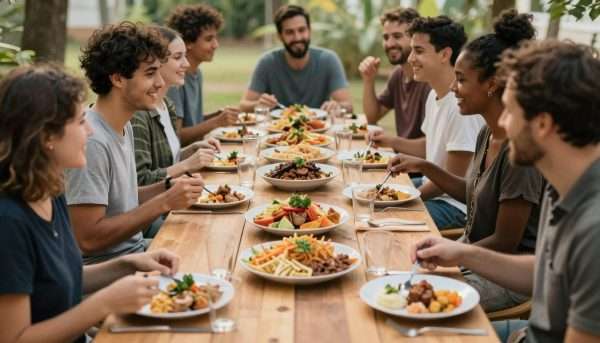
Many communities host regular free meals. Churches organize community dinners. Sikh temples serve langar—free vegetarian meals to all visitors. Hare Krishna temples offer free food to anyone who attends. These spiritual communities view feeding others as service and welcome respectful participation.
Universities sometimes have events with free food. Community centers host potlucks where bringing something isn’t always required. Food festivals often have free samples. Stay alert to these opportunities in each place you visit. Local community calendars list events—many include free food.
Respectful Participation: When accepting free meals from religious or community organizations, show genuine respect for their space and traditions. Participate in ceremonies if expected. Help clean up afterward. Express sincere gratitude. These institutions offer generosity—honor that by being a gracious guest.
Being Honest About Your Situation
Sometimes the most direct approach works best. Explaining your situation honestly to restaurant staff, market vendors, or individuals often results in offers of food. Most people respond positively to honesty combined with politeness and dignity.
Visit restaurants or cafes near closing time. Explain you’re traveling with very limited money and ask if they have any food they’d otherwise discard. Many establishments will give you something rather than throwing it away. Bakeries are particularly generous with day-old items they can’t sell.
Markets at closing time often have vendors willing to give away produce that won’t stay fresh until the next market day. Offer to help vendors pack up in exchange for vegetables they’d otherwise discard. This exchange benefits everyone—they get help, you get food, and nothing goes to waste.
The key to asking for food is maintaining dignity while being honest. You’re not begging—you’re explaining your situation and seeing if mutual benefit exists. Most people appreciate directness and respond kindly when approached respectfully. Don’t be afraid to ask when you genuinely need help.
Ways to Make Money While You Travel

Making money while traveling extends your journey indefinitely. Even small amounts earned periodically can cover basic expenses like occasional meals, SIM cards, or transportation. These income opportunities don’t require returning home or settling in one place—they fit seamlessly into the nomadic lifestyle.
Busking and Street Performance
Street performance offers immediate cash income for talented individuals. Musicians, artists, dancers, jugglers, and other performers can earn money in public spaces. Busking requires no formal employment, pays instantly, and lets you work your own schedule.
Successful busking depends on several factors including location, talent, presentation, and sometimes permits. Choose high-traffic areas with good acoustics where people naturally pause. Popular tourist spots, pedestrian streets, subway stations, and parks often yield good results.
Busking Best Practices
- Check if permits are required locally
- Choose location with good foot traffic
- Perform during peak times
- Present yourself professionally
- Make eye contact and smile
- Have a visible collection container
- Offer something for tips (CDs, art)
- Respect other performers’ spots and times
Performance Ideas
- Play musical instruments
- Sing or vocal performance
- Draw portraits or caricatures
- Create crafts or jewelry
- Juggle or do circus arts
- Perform magic tricks
- Dance or physical theater
- Living statue performances
Earnings vary wildly based on location, skill, and luck. Some performers make substantial daily income in prime tourist spots. Others struggle to earn enough for a meal. Persistence matters—regular performance in good locations eventually builds an audience and reputation that increases earnings.
Freelance Digital Work
Digital freelancing enables earning money from anywhere with internet access. Writers, designers, programmers, virtual assistants, translators, and many other professionals can work remotely for clients worldwide. This location independence perfectly suits the traveling lifestyle.
Platforms connecting freelancers with clients include Upwork, Fiverr, Freelancer, and specialized sites for different professions. These marketplaces lower the barrier to finding work. Build a profile, set your rates, apply for jobs, and deliver work from wherever you’re traveling.
Writing and Content
Content writing, blogging, copywriting, and editing offer steady freelance opportunities. Businesses constantly need content creation.
- Blog posts and articles
- Website copy
- Social media content
- Product descriptions
Design and Creative
Graphic design, web design, video editing, and illustration work remotely. Strong portfolios attract well-paying clients.
- Logo and branding
- Social media graphics
- Website design
- Video production
Technical and Admin
Programming, data entry, virtual assistance, and translation provide consistent remote income for skilled professionals.
- Web development
- Virtual assistance
- Data processing
- Language translation
Building a freelance income takes time. Start before your trip if possible. Create a strong profile with portfolio samples. Charge competitive rates initially to build reviews and reputation. As your ratings improve, increase your prices. Eventually steady clients provide reliable income wherever you travel.
Seasonal and Temporary Jobs
Seasonal work offers concentrated earning periods perfect for travelers. Agriculture, tourism, and retail sectors regularly need temporary workers during peak seasons. These jobs typically provide immediate work without complicated visa requirements in many countries.
Fruit picking and harvest work happens globally. Australia’s fruit harvest attracts thousands of working holiday visa holders. New Zealand offers similar opportunities. European countries need grape harvesters. These jobs are physically demanding but pay decent wages and sometimes include accommodation.
Working Holiday Visas: Many countries offer working holiday visas for young travelers from partner countries. These visas allow temporary work while traveling. Check if your country has working holiday agreements with destinations you plan to visit. These visas dramatically expand your employment options.
Tourism seasons create job opportunities. Ski resorts need winter staff. Beach destinations hire for summer. Hotels require extra hands during high season. These jobs often include staff accommodation, reducing your living costs while you earn and save money for the next leg of your journey.
Teaching Languages
English teaching opportunities exist worldwide for native speakers. Many countries have high demand for English teachers, especially in Asia and Latin America. While formal teaching jobs require qualifications, informal tutoring or conversation practice opportunities are abundant.
Find private students through local classifieds, expat forums, or language exchange apps. Offer conversation practice at cafe meetings for an hourly rate. Online teaching platforms like Cambly, Palfish, or iTalki connect teachers with students globally, enabling you to teach from anywhere with reliable internet.
Language exchange represents a two-way learning opportunity. You teach your language while learning theirs. These exchanges don’t generate income but they provide valuable cultural connection and language practice. Some evolve into paid tutoring relationships as trust and rapport develop.
Creating and Selling Travel Content
Your travel experiences themselves can generate income. Travel bloggers, vloggers, and social media influencers earn through advertising, sponsorships, affiliate marketing, and selling digital products. Building this income takes time but creates passive revenue while you continue traveling.
Start a travel blog or YouTube channel documenting your journey. Focus on your unique angle—traveling with no money offers compelling content that attracts audiences seeking similar experiences. Monetize through Google AdSense, affiliate links for travel products, and eventually sponsorships as your audience grows.
Content Creation Platforms
- Blog with monetization plugins
- YouTube channel for video content
- Instagram for visual storytelling
- TikTok for short-form videos
- Podcast sharing travel stories
- Patreon for supporter subscriptions
Monetization Methods
- Display advertising revenue
- Affiliate product commissions
- Sponsored content from brands
- Digital product sales (guides, ebooks)
- Online course creation
- Photography licensing
Sell travel photography to stock photo sites or directly to publications. Your unique perspectives from off-beaten-path travels often interest buyers more than standard tourist photos. Digital products like destination guides, budget travel ebooks, or travel planning resources create passive income requiring only upfront creation effort.
Start Earning While You Travel
Join top freelancing platforms and begin offering your skills to clients worldwide. Create flexible income that funds your adventures without tying you to one location.
Developing the Right Mindset for Travel With No Money

Successfully traveling with no money requires more than practical skills and knowledge. Your mental approach determines whether you thrive or struggle. The mindset that supports this lifestyle differs significantly from conventional thinking about travel, money, and success.
Embracing Uncertainty and Flexibility
Traditional travel follows plans. You book accommodations, reserve transportation, schedule activities. Travel with no money demands opposite thinking. You can’t plan everything when you don’t know where opportunities will appear. This uncertainty feels uncomfortable initially but becomes liberating once you accept it.
Flexibility becomes your most valuable asset. The best opportunities often appear unexpectedly. A conversation leads to a work exchange offer. A chance meeting results in someone offering their couch. A last-minute decision brings you to a place you’d never planned to visit but absolutely love. These moments only happen when you remain open to possibility.
Letting Go of Control: You can’t control everything when traveling this way. Rides don’t always come quickly. Hosts sometimes cancel. Weather changes plans. Work arrangements don’t always work out. Learning to accept uncertainty without anxiety transforms these challenges from frustrations into adventures.
Practice saying yes to opportunities. When someone offers a ride, help, accommodation, or work—accept unless clear red flags exist. These yeses build the momentum that carries you forward. Your journey unfolds through accumulated small decisions to remain open rather than closed to possibility.
Redefining Success and Comfort
Society defines travel success through comfort, luxury, and impressive Instagram photos. Traveling with no money requires redefining what makes a trip successful. Your success metrics become depth of experience, connections made, personal growth, and challenges overcome rather than comfort levels or money spent.
You’ll sleep in places that aren’t always comfortable. You’ll eat food that isn’t gourmet. You’ll go days without showers. You’ll wear the same clothes repeatedly. These discomforts are temporary and they fade in memory. What remains vivid are the conversations, sunrises, acts of kindness, and sense of accomplishment.
Conventional Travel Values
- Comfort and convenience prioritized
- Predictable schedules and plans
- Tourist attractions and popular spots
- Photos showcasing luxury
- Minimal interaction with challenges
- Money spent equals value received
No-Money Travel Values
- Authentic experiences over comfort
- Spontaneity and adaptation
- Local communities and hidden places
- Stories of overcoming obstacles
- Personal growth through challenges
- Resourcefulness equals success
This mindset shift happens gradually. Early in your journey you might feel frustrated by lack of amenities. Months later you realize these constraints pushed you toward experiences money can’t buy—staying with families, learning from farmers, connecting with fellow travelers, discovering yourself through challenge.
Building Resilience and Problem-Solving Skills
Problems arise constantly when traveling with limited resources. You get stranded between cities. Your host situation doesn’t work out. You run out of money faster than expected. Weather prevents your plans. Each problem demands creative solutions using limited resources.
These challenges build problem-solving muscles. You learn to find answers in constrained situations. You discover inner resourcefulness you didn’t know you had. You become confident in your ability to handle unexpected situations. This resilience transfers beyond travel into all areas of life.
Growth Through Challenge: The difficulties you face while traveling with no money aren’t obstacles to avoid—they’re opportunities for growth. Each problem solved makes you more capable. Each uncomfortable situation survived expands your comfort zone. These experiences shape you more profoundly than smooth, easy travel ever could.
Keep perspective when things go wrong. Remind yourself that discomfort is temporary. Most travel problems feel significant in the moment but resolve themselves or become irrelevant quickly. Tomorrow brings new possibilities and yesterday’s difficulties become funny stories you’ll tell for years.
Cultivating Gratitude and Humility
Traveling with no money puts you in vulnerable positions. You depend on others’ generosity. You accept help from strangers. You sleep in places you’d normally avoid. These experiences naturally cultivate gratitude and humility—essential qualities for this lifestyle.
Gratitude transforms your experience. When you genuinely appreciate every ride, meal, place to sleep, and act of kindness, even difficult days feel rich. This appreciation shows in how you treat people, which in turn makes them more likely to help. Gratitude creates positive cycles that support your journey.
Humility means acknowledging you don’t have all answers. You’re learning constantly. Sometimes you make mistakes. You need help from others. This humble posture, combined with genuine curiosity about people and places, opens doors that entitlement closes. People want to help those who appreciate it rather than those who expect it.
Mental Preparation Before You Start
Prepare mentally before beginning this travel style. Read accounts from other travelers who’ve done this. Understand both the highlights and the challenges. Visualize yourself handling difficult situations calmly. Build confidence in your resilience before you truly need it.
Start developing relevant skills at home. Practice conversations with strangers. Camp locally to get comfortable with basic outdoor living. Try hitchhiking short distances in your area. Learn to cook simple meals. These preparatory steps build confidence and reveal whether this travel style genuinely appeals to you.
Mental Preparation Practices
- Read travel memoirs and blogs
- Practice stepping outside comfort zones
- Develop meditation or mindfulness habits
- Build physical fitness for challenges
- Learn basic survival skills
- Practice gratitude daily
- Visualize handling travel difficulties
Skill Building Activities
- Practice initiating conversations
- Try local hitchhiking experiences
- Camp in nearby natural areas
- Learn basic cooking skills
- Take self-defense classes
- Practice living with less stuff
- Learn basic first aid
Remember that everyone feels fear before starting. The difference between those who travel this way and those who only dream about it isn’t absence of fear—it’s willingness to begin despite fear. You don’t need to be fearless. You just need to be brave enough to take the first step.
Practical Preparation for Your No-Money Journey
While mindset matters most, practical preparation increases your chances of successful travel with no money. Smart preparation doesn’t mean removing all uncertainty—it means giving yourself tools and knowledge that help you handle whatever arises along the way.
Essential Gear and Packing
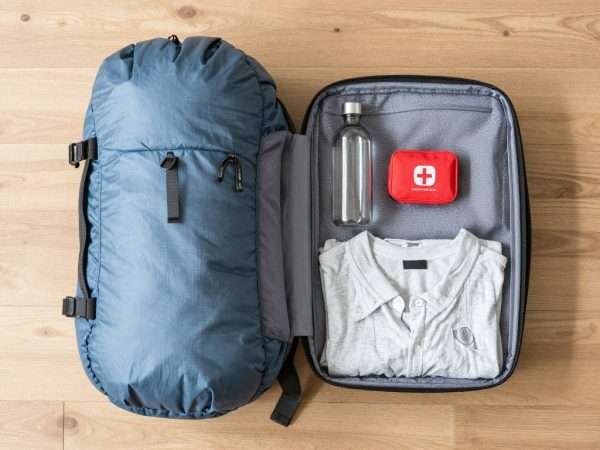
Pack minimally but strategically. Every item you carry requires effort to transport. Weight slows you down when hitchhiking or walking. Focus on versatile, multi-purpose items that serve multiple functions.
Shelter and Sleep
- Lightweight sleeping bag
- Compact tent or tarp
- Sleeping pad for insulation
- Emergency bivvy bag
Clothing Essentials
- Three changes of clothes maximum
- Weatherproof jacket
- Comfortable walking shoes
- Quick-dry fabrics
Critical Tools
- Water bottle or filtration
- Basic first aid supplies
- Phone and charger
- Small knife or multi-tool
A quality backpack makes enormous difference. Invest in proper fit and comfort. Your pack becomes your home—everything you own fits inside. Choose something durable enough to withstand daily use across months or years of travel. Aim for forty to fifty liters capacity—enough space without being excessive.
Documentation and Legal Preparation
Ensure your passport is valid for at least six months beyond your planned travel period. Many countries deny entry if your passport expires within six months. Renew before departure if necessary. Keep passport photocopies and digital scans separate from the original.
Research visa requirements for destinations you’re considering. Some countries allow extended stays without visas. Others require advance applications. Visa costs can consume limited funds—choose destinations accordingly. Many travelers focus on regions with favorable visa policies for their nationality.
Important: Working without proper authorization violates visa terms in most countries. Work exchange programs typically operate under tourist or working holiday visas depending on the country. Research legal requirements before accepting any work arrangement. Visa violations can result in deportation and future travel restrictions.
Travel insurance seems like an unnecessary expense when traveling with no money. However, medical emergencies abroad can create catastrophic debt. Basic travel insurance costs less than you’d expect and provides essential protection. Look for budget policies covering medical emergencies and evacuation—skip the luxury add-ons.
Financial Preparation
Traveling with no money doesn’t mean leaving home with literally zero funds. Having some money—even a small amount—provides crucial safety cushion for emergencies. This buffer lets you buy a bus ticket if truly stranded, eat when no other options exist, or stay in a hostel if you get sick.
Set up banking that works internationally. Notify your bank about travel plans to prevent card freezes. Consider cards with no foreign transaction fees. Carry two different cards in case one gets lost or stops working. Keep emergency cash hidden separately from your main wallet.
Financial Essentials
- Basic emergency fund ($200-500)
- Debit card that works internationally
- Backup credit card
- Hidden cash reserves
- Money transfer app accounts
- Bank that doesn’t charge foreign fees
Money Management Tips
- Track spending with budgeting apps
- Keep emergency fund separate
- Notify bank of travel dates
- Know ATM withdrawal fees
- Store cards in multiple locations
- Set up account alerts
Create additional income streams before leaving if possible. Freelance work, online income, or savings provide more flexibility than traveling with absolutely nothing. Even earning fifty dollars monthly online gives you breathing room for small necessities that make travel more comfortable and sustainable long-term.
Building Your Network and Research
Join online communities for budget travelers before departing. Facebook groups, Reddit forums, and specialized sites connect you with experienced travelers. These communities provide advice, encouragement, and sometimes actual connections in places you’re heading.
Research your first destination thoroughly. Identify work exchange opportunities, Couchsurfing hosts, free camping spots, and other resources before arrival. Having several options lined up for your first stop reduces anxiety and sets you up for initial success that builds momentum.
Start Small: Don’t necessarily begin in the most challenging destination. Start somewhere with good infrastructure, English speakers, and active travel communities. Build your skills and confidence gradually. You can always push into more adventurous territories once you’ve proven to yourself that this lifestyle works.
Learn basic phrases in languages you’ll encounter. Even minimal language ability demonstrates respect and helps in practical situations. Download translation apps that work offline. Language barriers create challenges but they’re surmountable with patience and creativity.
Health and Safety Preparation
Visit a travel clinic for necessary vaccinations. Some immunizations are expensive but protect against serious diseases. Prioritize based on your destinations—different regions require different vaccines. Many clinics offer payment plans for extensive vaccination schedules.
Pack a comprehensive first aid kit including basic medications, bandages, antiseptic, pain relievers, and any prescription medications you need. Include remedies for common travel ailments like diarrhea, nausea, and minor infections. Accessing healthcare when you have no money is extremely difficult—prevention and basic treatment matter more for you than typical travelers.
Share your itinerary with trusted contacts back home. Establish regular check-in schedules. Give someone access to your important documents. These safety measures provide peace of mind for you and your loved ones, plus actual practical help if serious problems arise.
Regional Considerations for Budget Travel
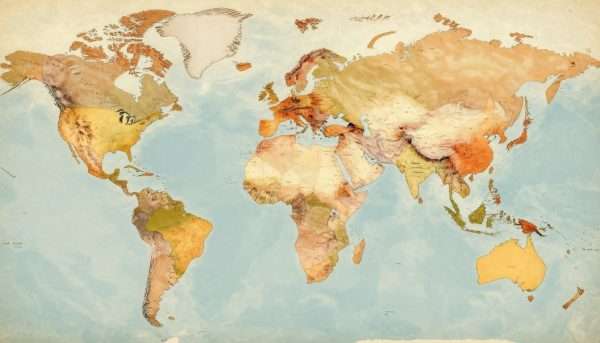
Traveling with no money works differently across various regions. Cultural attitudes toward travelers, infrastructure quality, safety levels, and opportunities for work exchange all vary significantly. Understanding these regional differences helps you choose destinations matching your comfort level and travel goals.
Southeast Asia: Budget Traveler Paradise
Southeast Asia earned its reputation as the world’s most budget-friendly region for good reasons. Countries like Thailand, Vietnam, Laos, and Cambodia offer incredibly low costs of living, abundant work exchange opportunities, and cultures generally welcoming to foreign travelers.
The region’s tourism infrastructure means numerous hostels offer work-for-stay arrangements. Teaching English informally is easy. Street food costs next to nothing. Visa policies are relatively relaxed for many nationalities. These factors combined make Southeast Asia ideal for first-time budget travelers wanting to build confidence.
Southeast Asia Advantages
- Extremely low cost of living
- Abundant hostel work opportunities
- Strong backpacker community
- Easy informal English teaching
- Delicious cheap street food
- Generally safe for travelers
- Efficient budget transportation
Things to Consider
- Very crowded tourist areas
- Language barriers in rural areas
- Hot and humid climate year-round
- Some areas have scam targeting tourists
- Varying quality of work arrangements
- Monsoon season affects travel
- Cultural differences require respect
Europe: Diverse Opportunities With Higher Costs
Europe offers incredible diversity but presents more financial challenges than Asia. Western European countries have high costs of living, though Eastern Europe remains more affordable. The region excels in work exchange variety—farms, eco-projects, hostels, and creative spaces.
Hitchhiking works well in many European countries. Strong cycling infrastructure supports bicycle touring. The region’s compact size lets you experience many countries with limited transportation needs. However, stricter regulations mean you must be more careful about working legally and respecting local rules.
Latin America: Cultural Richness and Adventure
Latin America combines relatively low costs with stunning natural beauty and rich cultural experiences. Countries like Mexico, Guatemala, Colombia, and Peru offer good work exchange opportunities and vibrant backpacker scenes. Spanish language skills significantly enhance your experience and opportunities.
The region varies dramatically in safety and costs by country. Research specific destinations carefully. Some areas are extremely safe for budget travelers while others require extra caution. Local connections matter more in Latin America than some other regions—building relationships opens doors to opportunities and increases safety.
Australia and New Zealand: Working Holiday Hub
Australia and New Zealand excel for travelers from countries with working holiday visa agreements. These visas legally allow temporary work, making it easy to earn money while exploring. Fruit picking, hospitality work, and farm jobs are abundant, particularly during peak seasons.
Both countries have high costs of living, but wages match accordingly. Many travelers find work easily and save money quickly. The countries also have strong tramping (hiking) cultures with free camping options and well-maintained trails. Work exchange opportunities exist but paid seasonal work is often more financially rewarding.
North America: Challenges and Opportunities
The United States and Canada present challenges for no-money travel. High costs, car-dependent infrastructure, and limited work exchange culture compared to other regions make this difficult. However, opportunities exist—intentional communities, organic farms through WWOOF, and seasonal resort work.
The United States has incredible natural beauty with free camping on public lands. Long-distance hiking trails like the Pacific Crest Trail and Appalachian Trail allow months of travel through stunning landscapes. Hitching is less common and sometimes illegal, making transportation more challenging than other regions.
Making Your Travel Lifestyle Sustainable Long-Term
Many people successfully travel with minimal money for months or even years. Sustaining this lifestyle long-term requires balancing adventure with practical considerations. You need strategies that prevent burnout, maintain your health, and create opportunities for occasional rest and regeneration.
Balancing Movement and Stability
Constant movement exhausts even the most adventurous travelers. Sustainable long-term travel involves alternating between periods of movement and settlement. Spend a few weeks exploring rapidly, then settle somewhere for a month or two to rest, work, and save.
Longer stays through work exchange or house sitting provide this stability. You establish temporary routines, make friends in a community, and recharge before continuing your journey. These stationary periods don’t feel like failures to travel—they’re strategic breaks that enable continued travel over months or years rather than burning out quickly.
Avoiding Burnout: Recognize burnout signs early—exhaustion, irritability, desire to go home, apathy toward new experiences. When you notice these feelings, stop moving and settle somewhere comfortable for a while. Rest is not quitting—it’s intelligent sustainability.
Building Income Streams
Completely zero-money travel rarely sustains long-term. Most successful long-term travelers develop small income streams that cover basic expenses. This might be freelancing a few hours weekly, seasonal work a few months yearly, or passive income from content creation.
Even small amounts of money dramatically improve travel sustainability. Earning just two hundred dollars monthly covers SIM cards, occasional meals out, transportation when needed, and small emergencies. This financial buffer reduces stress and makes the lifestyle more enjoyable long-term.
Maintaining Health While Traveling
Health becomes more challenging when living on extreme budgets. Inadequate nutrition, exhaustion, stress, and exposure to new environments all impact your wellbeing. Prioritize health basics—sleep, nutrition, hygiene, and stress management—to sustain long-term travel.
Many work exchanges provide excellent nutrition through included meals. Farms feed you fresh, healthy food. Choose opportunities where meals are included when possible. When self-catering, focus on affordable nutritious staples rather than the cheapest processed options available.
Health Priorities
- Get adequate sleep whenever possible
- Eat nutritious food not just cheap food
- Stay hydrated especially in hot climates
- Maintain basic hygiene standards
- Find time for physical activity
- Address minor health issues early
- Take rest days when needed
Mental Health Practices
- Journal to process experiences
- Stay connected with loved ones
- Build friendships with other travelers
- Allow yourself to feel homesick
- Maintain routines when possible
- Practice gratitude and mindfulness
- Know when to rest versus push forward
Dealing With Difficult Moments
Every traveler faces difficult moments—feeling lost, lonely, exhausted, or questioning their choices. These low points are normal, not signs of failure. How you handle them determines whether you continue or go home.
Create support systems. Maintain connections with family and friends back home. Build friendships with other travelers who understand your lifestyle. Join online communities where you can share struggles and receive encouragement. Having people to talk to during difficult times provides essential emotional support.
Remember why you started. When things get hard, revisit your original motivations for this journey. Think about what you’ve learned and experienced already. Recognize that difficult moments pass—tomorrow usually looks better than today when you’re struggling. Perspective helps you persist through temporary challenges.
Your Journey Begins Now
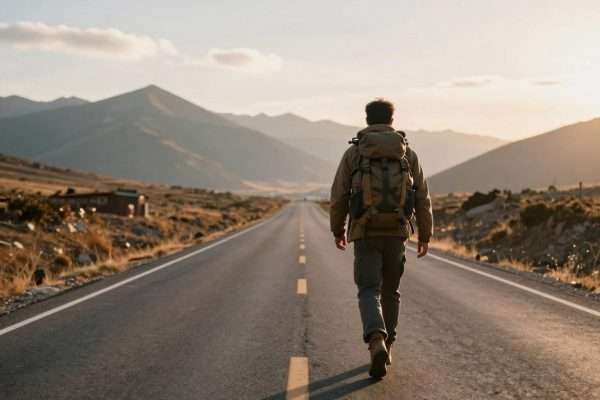
Traveling with no money is completely possible. Thousands of people prove it daily, exploring the world through resourcefulness, courage, and community rather than conventional wealth. You’ve now learned the strategies, mindsets, and practical skills that make this lifestyle achievable.
The path ahead won’t always be easy. You’ll face challenges, discomfort, and moments of doubt. But you’ll also experience profound joy, genuine human connection, stunning places, and personal growth impossible to achieve through traditional travel. These experiences shape you in ways that comfortable, expensive trips never could.
Start where you are. You don’t need extensive preparation or perfect circumstances. Begin with small steps—create work exchange profiles, connect with local travel communities, practice relevant skills. Each action builds momentum toward actually departing on your adventure.
Remember that the world is filled with kind people willing to help. Cultures globally have traditions of hospitality toward travelers. Your openness, respect, and gratitude will be met with generosity more often than skepticism. Trust in human goodness—it’s the foundation upon which all free travel rests.
The biggest obstacle isn’t money—it’s fear. Fear of the unknown, of discomfort, of judgment from others who don’t understand. Move beyond that fear. Start small if needed, but start. Your future self will thank you for having the courage to pursue experiences over security, adventure over comfort, and growth over stagnation.
The world awaits. Your journey to travel the world for free can begin today. Will you take the first step?
Transform Your Travel Dreams Into Reality
You have the knowledge. You understand the strategies. Now take action. Start your free travel journey today by connecting with the global community of travelers who’ve proven this lifestyle works. Your adventure begins with a single step.












Leave A Comment