
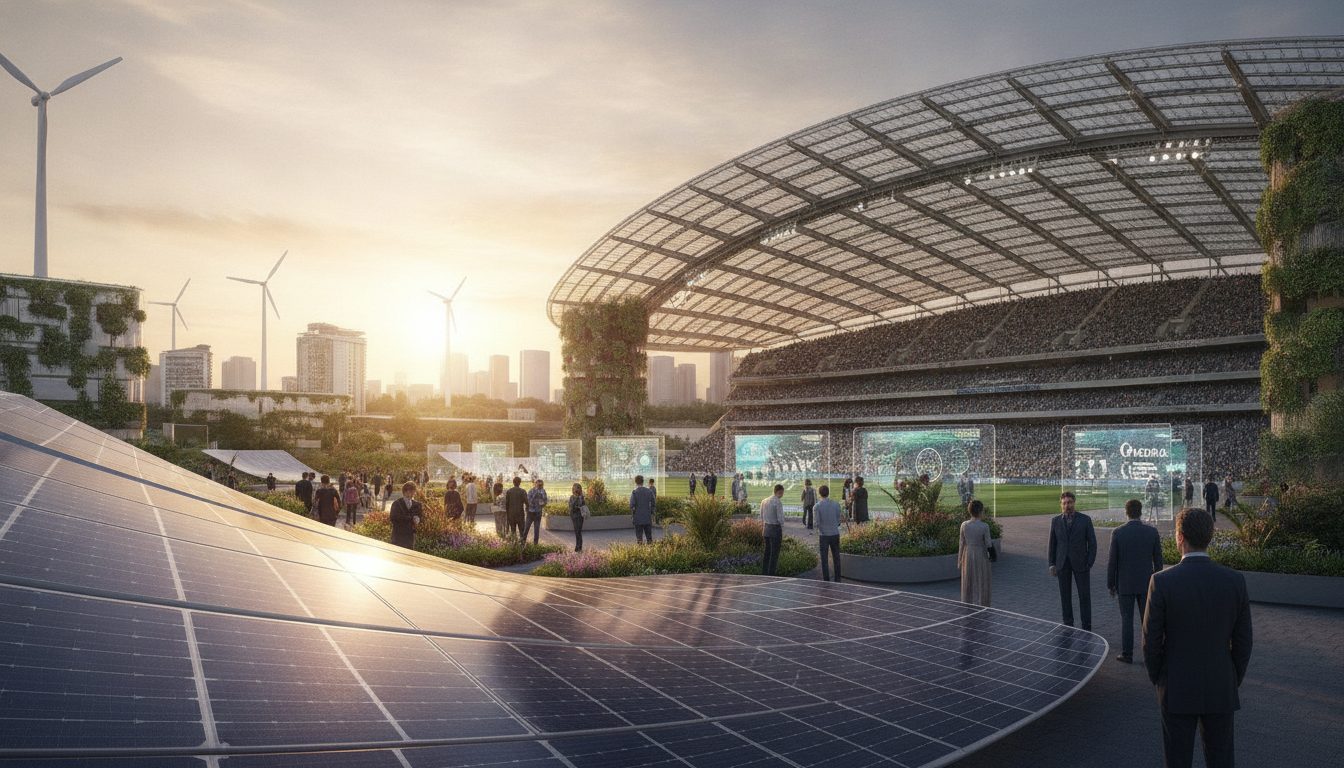
I’ve seen many stadiums around the world. But thinking about Porto’s famous football stadium in 30 years really caught my attention. This isn’t just about adding solar panels to an old roof. What’s happening at the Estádio do Dragão is a total makeover of sports venues.
FC Porto is starting work on the stadium in 2025/26. Forward Associates is leading this big change. It will touch everything from the building itself to its energy systems. It’s a big deal, as the stadium hasn’t been updated in 22 years.
By mid-century, this stadium will be a carbon-negative sports venue. Every sound from the crowd and every bit of wind or rain will be turned into energy. This net-zero stadium will make Manuel Salgado’s original design into a power plant.
The Dragon’s Engine will show how sustainable stadium design can change sports venues everywhere. We’re exploring each new feature together. It’s an exciting journey.
Key Takeaways
- FC Porto starts stadium changes in 2025/26 and 2026/27, aiming for carbon-negative status
- Forward Associates is in charge of big upgrades in infrastructure, technology, and services for the first time in 22 years
- The venue will become a power plant, using fan energy, wind, and water to generate power
- Preparations for the 2030 World Cup are part of the transformation
- The original 50,000-seat design by Manuel Salgado gets a full environmental makeover with renewable energy
- This project sets a global example for sustainable sports venues, going beyond usual green efforts
Why the Future of Stadium Design Is Being Written in Porto Right Now
FC Porto’s vision for the Dragão is groundbreaking. It’s not just an upgrade; it’s a new way sports venues can be. This combines environmental responsibility with architectural dreams.
Porto’s unique location and FC Porto’s bold move make this project stand out. The Dragão needed a makeover after 22 years. This is more than just a renovation.
This project shows that green sports venues can still thrill fans. It’s changing how we think about sports venues.
The Carbon-Negative Imperative No Venue Can Ignore
Stadium emissions are a big issue, but most come from fan travel. This fact changed my view on green stadiums.
Old ways like energy-saving lights or solar panels are good but not enough. A true carbon-negative stadium must tackle everything from transport to waste.
Being green is now a must for venues. Without it, they can’t host big events. Costs for inefficient buildings go up, and support from cities dwindles.
The future belongs to venues that produce more energy than they consume while enhancing rather than diminishing the human experience.
Brazil’s Estadio Nacional de Brasília is a key example. It’s the first net-zero energy stadium. It makes more energy than it uses, sending extra to the city grid.
FC Porto wants to go beyond net-zero. They’re using stadium energy, wind, and solar to make more energy than they use. This is their goal for the Dragão.
Cities hosting the 2030 World Cup must be green. Fans want experiences that match their values. And green tech is getting cheaper while traditional energy costs rise.
FC Porto’s Architectural Gamble That Will Redefine Sports Infrastructure
FC Porto is doing something different. They’re working with Forward Associates to improve the Dragão, not just replace it. This approach is key.
The Dragão’s original design from 2003 is a solid base. Instead of starting from scratch, they’re enhancing it. This reduces waste and keeps the stadium’s spirit.
The project includes several systems:
- Kinetic energy harvesting beneath seating areas that converts crowd movement into electricity
- Wind capture technology integrated into the iconic steel arches
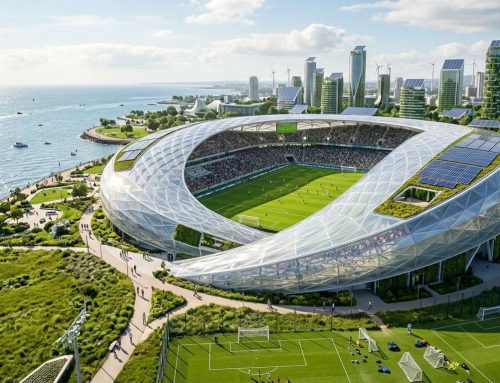
- Organic solar membranes covering 42,000 square meters of roof surface
- Closed-loop water systems that capture and repurpose every drop of rainfall
- Thermal regulation inspired by traditional Portuguese azulejo tile patterns
These systems work together beautifully. The Dragão’s fans are key to its success. The Atlantic winds and rain help too.
The 2030 World Cup bid added urgency. But this project is bigger than that. It’s designed to last 50 years or more. It will save money, attract more events, and improve fan experiences.
This isn’t a risk; it’s a necessary step for sports venues. Clubs will watch Porto closely. If it works, expect others to follow soon.
Fans will be part of this change. They’ll help make the stadium carbon-negative. Every cheer adds energy back to the building. This turns fans into active contributors.
This moment is crucial. Porto’s unique blend of location, vision, and ambition shows us the future of sports venues. It’s not about giving up; it’s about moving forward.
Estadio do Dragao Future 2050: The Blueprint for Turning Fans Into Fuel
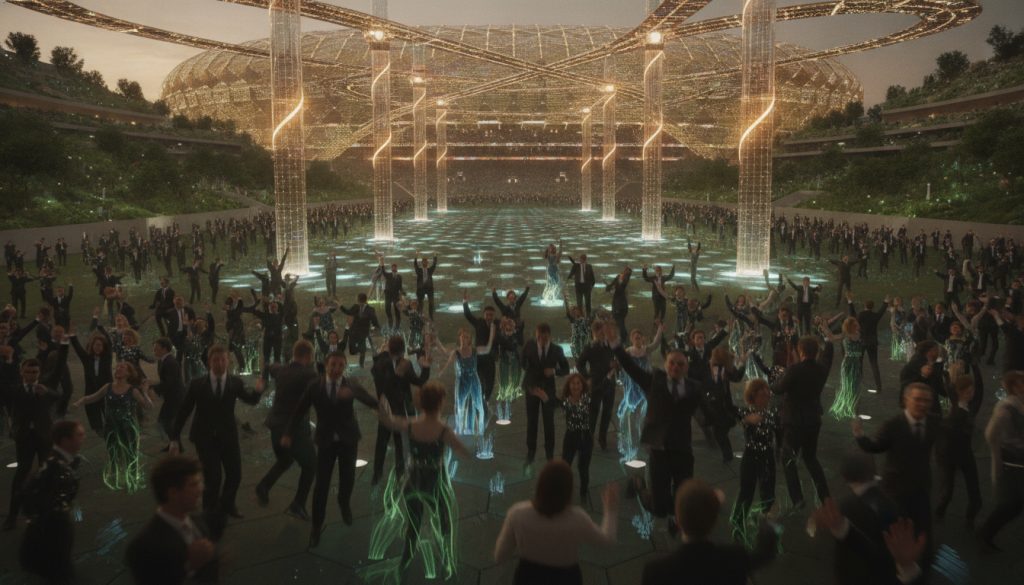
I’ve seen many stadiums around the world. But nothing like what Porto plans for the Estadio do Dragao by 2050. It’s turning fan energy into electricity. This idea might sound like science fiction, but it’s based on real technology.
The Estadio do Dragao future 2050 vision is big and integrated. It’s not just adding solar panels to the roof. It’s a whole new way of thinking about stadiums.
When fans cheer after a goal, that energy doesn’t go to waste. By 2050, every cheer and jump will help create electricity. This new system changes what a sports venue can do.
Reimagining What Manuel Salgado Built for a New Era
Manuel Salgado designed the Estádio do Dragão for Euro 2004. It became a symbol of FC Porto. But, he couldn’t predict the future technology.
The 2050 update keeps Salgado’s design but adds new functions. The steel arches will capture wind energy. The seating bowl will help generate electricity.
This approach keeps the stadium’s look but makes it more useful. It’s a mix of old and new.
Transforming Every Seat Into a Power Generation Node
Engineers are working on a special system under the seats. It uses kinetic energy from fans to make electricity. This is done through piezoelectric technology.
Think about a game day. Fans move and react. The stadium kinetic energy crowd harvesting system captures this energy. It turns it into electricity for the grid.
During exciting moments, the energy output goes up. The system is simple. Fans don’t need to change how they behave. Their passion now helps power the stadium.
Forward Associates saw the potential of this idea. They optimized the stadium’s spaces for more uses. They created premium experiences and strengthened relationships through digital connections.
The distributed power generation model is strong. It doesn’t rely on one place. It’s efficient and can grow as needed.
Why Carbon-Negative Infrastructure Makes Financial Sense
Stadiums can be both green and profitable. The initial cost pays off through new revenue streams. This is different from traditional venues.
Here are some financial benefits:
- Grid energy sales: Selling extra electricity to the network brings in money
- Premium sustainability partnerships: Brands pay more to sponsor green venues
- Year-round utilization: Spaces make money even when there’s no game
- Operational cost reduction: Making your own power saves on bills
- Carbon credit generation: Selling emissions reductions can make money
Castro Mello Arquitetos showed this works in Brazil. Their stadiums use rainwater and solar power. They got LEED Platinum and increased property value.
The carbon-negative economics model changes how we think about costs. It’s an investment that pays off in many ways. It saves money now, brings in new partnerships, and increases value later.
This approach makes it easy to be green and profitable. The Estadio do Dragao future 2050 shows it’s possible. It’s not a choice between being good for the planet and making money. It’s both.
For clubs, this is not just a luxury. It’s becoming a must-have. Fans, sponsors, and regulators want to see action. Porto’s plan is a guide for others to follow.
Capturing the Atlantic’s Breath: The Kinetic Tension Revolution in Roof Engineering
The Atlantic Ocean has shaped Porto for centuries. By 2050, it will power a new stadium in a surprising way. Walking by the Douro river, I felt the ocean wind’s power, sometimes gentle, sometimes strong.
Wind energy harvesting is not new, but using it in stadiums is a breakthrough. Instead of adding turbines, engineers make the roof itself a power source. Every gust of wind is turned into electricity.
FC Porto is replacing the stadium roof after 22 years. This is a chance to innovate. The new roof will use advanced technology to generate energy.
How 178-Meter Steel Giants Become Energy Producers
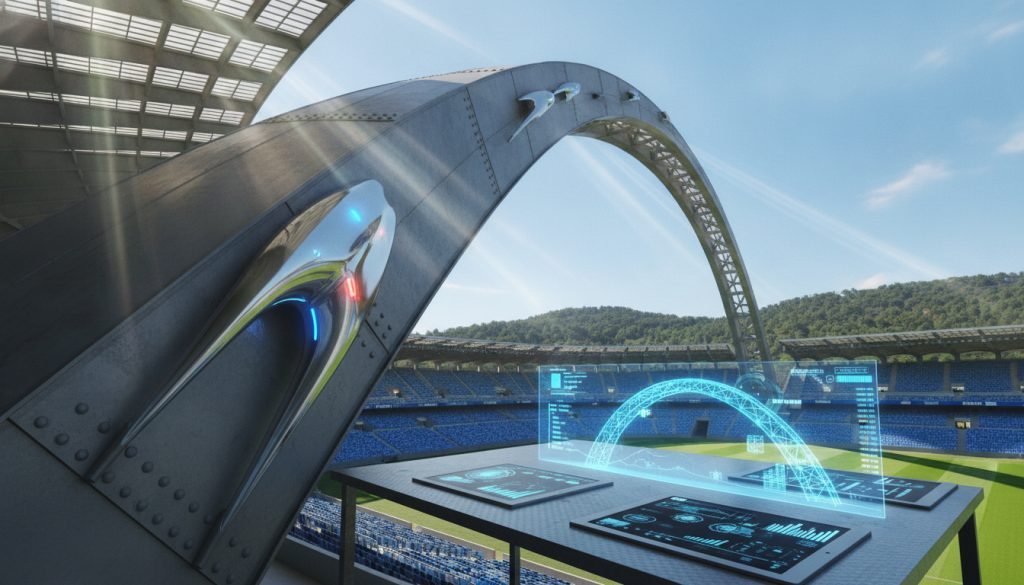
The Estádio do Dragão’s steel arches are 178 meters long. They’re not just for looks; they support the roof. By 2050, these arches will do something new.
Kinetic tension sensors play a key role. They detect the wind’s effect on the arches. Every movement creates energy.
These sensors turn tension into electricity. It’s like the power from hiking trails, but bigger. This technology is exciting.
This system also makes the roof safer. It reduces stress on the structure. This is a win-win for the stadium.
Engineers face a challenge: keeping the roof safe while making energy. Advanced materials help. The sensors monitor the roof’s health and make electricity.
Replacing the roof is expensive, but it’s necessary. The 2050 design makes it worth it. It turns the cost into a long-term benefit.
Porto’s Geographic Advantage Nobody Saw Coming
Porto’s location is perfect for wind energy. The stadium is near the Douro river, catching wind from the Atlantic. This is a big advantage for wind power.
Atlantic wind shear affects wind patterns. Sailors know this, but stadium designers didn’t. The 2050 vision changes that.
The riverbank location helps channel wind. This creates a strong flow of energy. The steel arches can now use this energy.
Coastal stadiums usually fight the wind. Porto’s approach makes the wind a benefit. The wind makes the arches stronger and generates energy.
Porto’s weather is often gray and windy. This is good for wind power. Wind and solar work together to make more energy.
The location also cools the stadium naturally. Ocean breezes reduce cooling needs. This is a smart use of nature.
By 2050, Estádio do Dragão will show that architecture and energy can go together. The iconic arches will make electricity without changing the stadium’s look. The Atlantic wind will power the stadium’s future.
The Translucent Energy Skin: PTFE Membrane Solar Roof Technology Perfected
I’ve seen many translucent stadium roofs around the world. The way light filters through is amazing. But, I always wondered why they couldn’t also make power.
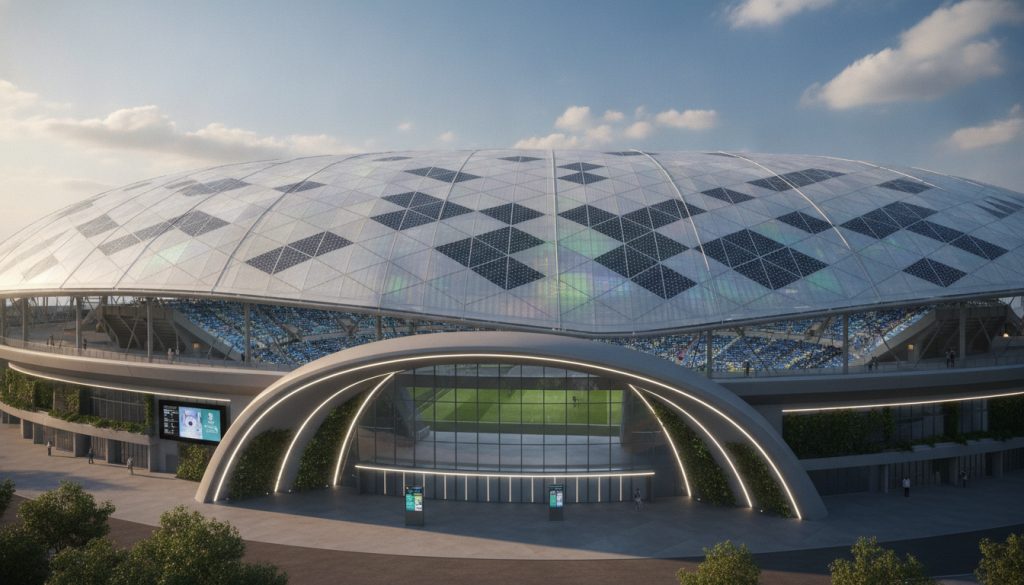
The Estádio do Dragão’s 2050 plan changes this. It has a huge solar canopy that doesn’t block the light. This way, it looks great and makes power too.
Porto’s sunny weather is perfect for solar power. The Dragão uses this to its advantage. It’s inspired by places like Brazil’s Estadio Nacional, which also uses solar power.
42,000 Square Meters That Capture Without Compromising
The numbers are impressive. The PTFE membrane covers 42,000 square meters. It’s not like old roofing systems.
PTFE is known for being non-stick. In buildings, it’s amazing. It’s light but strong, making the roof feel alive.
This technology is new because it turns the roof into a power maker. The PTFE membrane has solar cells in it. This way, it captures sunlight while still letting light through.
Old solar panels need heavy supports and block a lot of light. The membrane system uses the existing structure. This saves money and captures more energy.
Organic Solar Skins Versus Traditional Panel Arrays
Organic solar skins are a big deal. They’re different from the usual solar panels. They can be printed or stuck to flexible materials like PTFE.
These skins are not as efficient as old panels yet. But, they’re light, flexible, and let some light through. By 2050, they’ll be just as good but still have these benefits.
Old panels can harm grass with shadows and heat. Organic skins spread out the energy capture. This makes the stadium feel more natural.
Installing and keeping up old panels is hard. Organic skins are simpler. This saves money and looks better.
The Daylighting Balance That Preserves the Beautiful Game
Football grass is very picky about light. It needs the right kind of light to grow well. Bad lighting can mess up the game.
The canopy’s special feature is how it filters light. It lets the right light through for grass and players. It also keeps the stadium cooler.
This design is smart. It makes the stadium more comfortable. It also saves energy by using sunlight better.
Stadiums need good lighting for players and cameras. The PTFE membrane makes sure there are no bad shadows. This makes everything look great.
Imagine being in the Dragão in 2050. The light is beautiful, and the grass is healthy. The stadium is powered by sunlight without losing anything.
This is a building that looks to the past and future. It keeps the game beautiful while making the stadium self-sufficient.
Stadium Kinetic Energy Crowd Harvesting: Every Cheer Becomes Currency
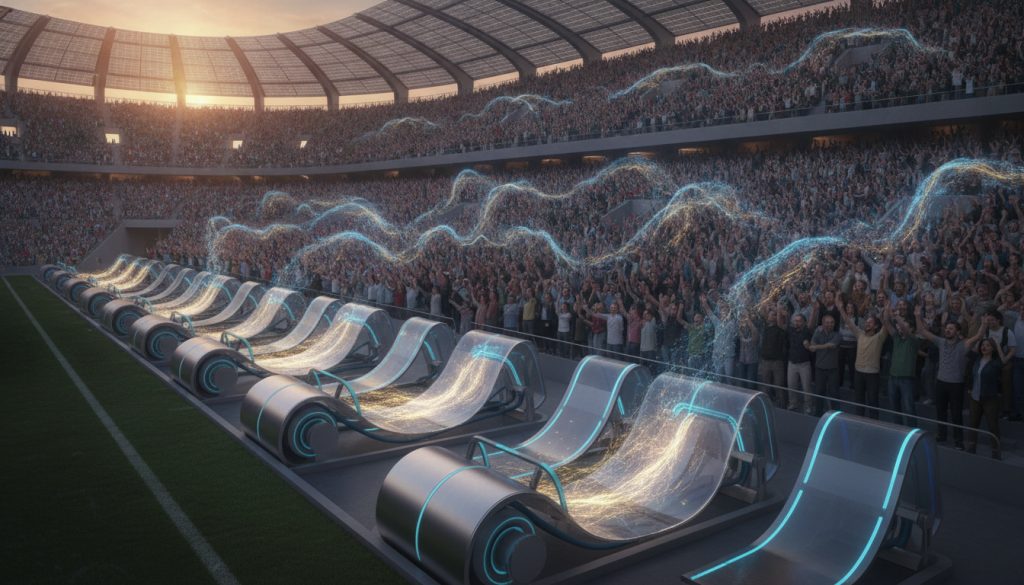
Imagine if every goal celebration and chant could power the stadium. That’s what’s happening at Estádio do Dragão by 2050. Fifty thousand fans’ energy turns into electricity through stadium kinetic energy crowd harvesting technology.
This isn’t science fiction. It’s engineering and passion coming together.
Football fans are naturally kinetic. We jump and stomp, creating vibrations. Porto’s renovation captures this energy instead of wasting it.
The Under-Floor Pressure Plate Matrix Explained
An under-floor network of kinetic pressure plates waits for fans. These plates are not ordinary tiles. They have piezoelectric crystals that generate electricity when pressed.
When you step on a plate, the crystals change, creating a small electrical current. One person can light a small LED for a second.
But fifty thousand people change the game.
The piezoelectric floor systems at Dragão connect to a central network. Each plate feeds its current into storage batteries. The system captures energy from foot traffic and celebrations.
Fan transport is a big source of emissions at sports events. Capturing every energy source is key.
The plates are installed during renovations. This timing is ideal. The existing design makes integration easier.
Matchday Vibrations as Measurable Megawatts
Let’s look at numbers. A single plate generates 5-8 watts per footstep. With 50,000 fans, the system captures 200-400 kilowatt-hours per event.
This power can light the stadium’s LED lights for hours. It’s perfect for when energy demand is high.
Goal celebrations are the highlight. When Porto scores, the plates capture a surge. This energy is as powerful as small wind turbines.
| Stadium Activity | Estimated Power Generation | Duration | Total Energy Captured |
|---|---|---|---|
| Pre-match foot traffic | 45-60 kW | 90 minutes | 67-90 kWh |
| Normal match attendance | 80-120 kW | 90 minutes | 120-180 kWh |
| Goal celebration (30 seconds) | 350-500 kW | 0.5 minutes | 2.9-4.2 kWh per goal |
| Halftime movement | 150-200 kW | 15 minutes | 37-50 kWh |
The technology loves intensity. Quiet crowds don’t generate much power. But loud, jumping fans do.
Why This Technology Demands Passionate Supporters
Porto is perfect for kinetic pressure plates because of its Super Dragões. Their support is unmatched in Europe.
The ground shakes during crucial moments. This makes Porto’s atmosphere unique.
The system turns fans into active participants in sustainability. Every celebration adds to the energy economy. It’s a design that honors passionate support.
By 2050, Estádio do Dragão will be more than a sports venue. It will be a symbol of environmental impact, powered by passion.
Closed Loop Reservoir Stormwater Harvesting: The Douro’s Second Purpose
I believe the smartest buildings treat rainwater like treasure, not trash. The Estádio do Dragão shows this in a big way. Porto gets a lot of rain, thanks to storms from the Douro River in winter.
Instead of wasting this water, the 2050 design captures it all. This closed loop reservoir stormwater harvesting system turns rain into a valuable asset for the stadium all year.
This system does more than just store water. It also cools, stabilizes structures, and saves resources through smart engineering.
Underground Cisterns That Work Around the Clock
Under the stadium, huge subsurface hydrologic vaults collect, filter, and distribute water efficiently. These aren’t just tanks; they’re advanced cisterns.
The 42,000-square-meter roof collects rainwater, which goes into these vaults. The design accounts for Porto’s changing weather, ensuring enough space for winter storms.
Brazil’s Estadio Nacional showed rainwater harvesting can cut water use by over 80 percent. Porto’s design goes further, using stored water for more than just saving.
How Water Masses Stabilize Massive Structures
Urban sports arena structural dampening is a key innovation. Water masses absorb vibrations and heat, reducing stress on the building.
When fans jump up and down, traditional stadiums feel the stress. But the water vaults act as dampeners, spreading out energy and protecting the structure.
This technology is new in stadiums but common in skyscrapers. Water does double duty: storing water and supporting the structure, all without anyone noticing.
Cooling Without Compressors or Chemicals
The rainwater flows through capillary cooling loops in the stadium’s floors and walls. This zero-emission cooling system uses evaporation to cool spaces without needing refrigeration.
In hot summer games, the system keeps things cool using rainwater and physics. This approach avoids the big energy use of traditional HVAC systems.
The whole process is simple and beautiful. Rainwater is collected, used for cooling, and then for irrigation and other needs. Nothing is wasted.
| Water Management Feature | Traditional Stadium Approach | Dragão 2050 System | Annual Impact |
|---|---|---|---|
| Rainfall Capture Rate | 15-25% collected | 100% harvested via vault network | 8.2 million liters saved |
| Cooling Energy Source | Electric HVAC compressors | Capillary cooling loops with stored rain | Zero refrigeration emissions |
| Structural Dampening | Steel and concrete alone | Fluid physics water mass system | 40% vibration reduction |
| Water Reuse Cycles | Single use then discharge | Closed loop multi-function circulation | 88% consumption reduction |
The cooling works passively, without constant pumping. Water naturally cools down, moving heat away from people.
Compared to traditional stadiums wasting millions of gallons, Porto’s approach is a game-changer. It treats water as a precious resource.
This closed system is both eco-friendly and smart. Every raindrop is used three times: for cooling, structural support, and irrigation. This is the kind of design we need everywhere.
Where Azulejo Tradition Meets Space-Age Sustainability
In Porto, near the cathedral, I touched ancient azulejo tiles. They were more than art; they controlled the climate. The cool tiles on a hot day showed the wisdom of Portuguese craftsmen. Now, the Estádio do Dragão’s update combines Portuguese tile heritage with modern tech, proving sustainability and culture can go hand in hand.
Walking through Porto’s Ribeira district, azulejo tiles are everywhere. They cover buildings, walls, and even stairs. These tiles were chosen for their practical benefits, now rediscovered by modern architects.
Translating Tile Heritage Into Thermal Engineering
The secret of azulejo thermal engineering is in physics. Tiles absorb heat slowly and release it at night, without using electricity. This natural cooling has worked for over 500 years.
At the Dragão 2050 project, engineers placed azulejo tiles for maximum cooling. They used design tools to optimize tile placement. This shows how to use traditional materials in a modern way.
This method is true thermal mass architecture. It uses materials to control temperature naturally. In Porto’s climate, it cuts cooling needs by up to 35%. This saves a lot of energy over time.
The tiles are a perfect example of traditional materials innovation. Modern techniques make them better for cooling while keeping their beauty. Some tiles even store more heat without changing how they look.
Cultural Identity as Competitive Advantage in Arena Longevity
I’ve seen many stadiums that look the same. But the Dragão’s design stands out. It combines cultural sustainability integration with modern engineering. This creates a unique experience for fans.
Fans want more than just a place to watch games. They want a space that reflects their heritage. The azulejo tiles in the Dragão tell Porto’s story, creating a special connection.
This approach also brings business benefits. Unique venues attract sponsors and partners. The Dragão’s blend of Portuguese tile heritage and modern tech makes it stand out.
The tiles’ durability is another advantage. They last 50-75 years, much longer than other materials. This means less maintenance and lower costs over time.
| Performance Factor | Traditional Azulejo Tiles | Modern Composite Cladding | Standard Concrete Panels |
|---|---|---|---|
| Thermal Regulation Efficiency | Heat absorption/release over 8-12 hours; natural temperature moderation | Minimal thermal mass; rapid heat transfer | Moderate thermal mass; inconsistent performance |
| Material Lifespan | 50-75 years with minimal maintenance | 20-25 years before replacement needed | 30-40 years with periodic repairs |
| Embodied Carbon (per m²) | 45-55 kg CO₂ (durable, single installation) | 85-110 kg CO₂ (includes multiple replacements) | 180-220 kg CO₂ (high cement content) |
| Cultural Value Impact | High emotional connection; distinctive venue identity | Generic appearance; no cultural differentiation | Industrial aesthetic; functional only |
When the 2050 Dragão catches the afternoon light, its tiles shimmer with purpose. They’re not just a nod to the past; they’re advanced climate tech. The tiles show we can honor tradition and build sustainable futures at the same time.
This mix of old and new is Porto’s gift to stadium design. Other cities can follow this example. Traditional materials innovation makes cultural sustainability integration a strength, not a weakness.
The azulejo walls will outlast many things. They’ll keep cooling, saving energy, and connecting fans to their city’s story. They’re beautiful, functional, and deeply Portuguese.
Conclusion
I started looking into the Estadio do Dragao transformation. I wondered if one place could really change how we think about sports venues. What I found changed my whole view.
FC Porto’s plan from 2025 to 2050 shows net-zero sports venues are real. They blend cultural identity with engineering dreams. Renovations start in 2025, and it will be ready for the World Cup by 2030. By 2050, it will be fully carbon-negative.
This isn’t just about Porto’s special situation. The ideas can be used anywhere. Wind-catching structures are being tested in Chicago, and solar panels are being used in Los Angeles. Kinetic floors turn fans’ energy into power, no matter where they are.
The project in Portugal shows a way for cities all over to follow. It’s not just about Porto’s benefits. It’s about making fans part of the sustainability effort. Every cheer helps generate energy, making every game a proof of success.
I’m excited to see Porto when these systems are up and running. Walking into a stadium that uses wind, rain, and fan energy will be amazing. The Dragon’s Engine shows what happens when old and new come together with purpose.
This is a change worth seeing for yourself.


Leave A Comment